
Rio Verde
Commercial HVAC Maintenance in Rio Verde, AZ.
- (520) 556-8929
- Serving the entire Phoenix metro — we come to you
- Office: Mon–Fri 8:00 AM – 5:00 PM · 24/7 emergency service
- 2-year workmanship warranty · 1-year parts warranty
- Veteran-owned & operated · residential + commercial
- 23 five-star Google reviews
In a small commercial center, one neglected unit can become everyone’s problem on the first serious July afternoon. Preventive work is not glamorous, but documented maintenance is what gives a property manager facts before tenants, guests, or staff are calling from rooms that will not cool. Commercial HVAC maintenance in Rio Verde needs to account for a community that is partly gated golf core, partly rural Foothills acreage, and partly seasonal rhythm. Equipment can sit through quiet stretches, collect dust, run lightly, and then be expected to carry full occupancy, lunch service, appointments, or clubhouse activity when the heat is least forgiving. Long access beyond north Scottsdale makes planning more valuable because a preventable failure can cost hours before a repair even begins. Good maintenance is not a sticker on a unit; it is a written record of coils, filters, belts, motors, drains, controls, temperatures, electrical readings, and recommendations. Yeti Pros is veteran-owned and operated, licensed under AZ ROC #363372 · ROC #363423. To put your cooling assets on a documented commercial HVAC maintenance plan in Rio Verde, call (520) 556-8929.
ZIPs served: 85263
What HVAC Maintenance covers in Rio Verde.
Scheduled rooftop maintenance
We service rooftop units with documented checks for coils, filters, belts where present, motors, electrical components, drains, controls, and operating behavior. The record helps property managers understand which units are healthy, which are declining, and which repairs should be planned before peak cooling demand.
Filter and airflow programs
Restricted airflow causes comfort complaints, long run times, and avoidable equipment stress. We align filter service with the building’s dust load, occupancy, and access conditions. For rural-edge properties and busy commercial spaces, that schedule often needs to be more thoughtful than a calendar reminder.
Electrical inspection
Heat and long run cycles are hard on capacitors, contactors, wiring, disconnects, relays, and motors. We inspect and document electrical conditions during maintenance so a weak component can be quoted before it becomes a no-cool call affecting tenants, customers, or staff.
Controls and schedule review
Thermostat schedules often drift away from real business hours, especially with seasonal operations. We review settings, sensors, thermostat behavior, and obvious control issues so equipment is not cooling empty rooms or failing to recover before staff and customers arrive.
Drain and condensate checks
Condensate problems can create ceiling damage, shut down units, or cause nuisance service calls. We inspect accessible drain conditions, safety switches, pans, and visible routing during maintenance. When repairs or corrections are needed, we quote them separately in writing before proceeding.
Maintenance reporting
After maintenance, managers need usable notes, not vague checkmarks. We document equipment condition, observed issues, completed tasks, and recommended repairs. That helps seasonal owners, property managers, and facility contacts make budget decisions without being on the roof themselves.
What we see for HVAC maintenance in Rio Verde.
Commercial HVAC maintenance in the Rio Verde area is usually about preventing ordinary problems from becoming operational disruptions. Many buildings are not massive, but they may have several rooftop units serving different tenants, treatment rooms, dining areas, offices, club spaces, or back-of-house functions. If one unit runs dirty or out of balance, the complaint may look like a tenant issue when it is really a maintenance issue. Dirty coils, clogged filters, weak capacitors, loose belts, poor thermostat schedules, and blocked drains are common findings.
The local environment adds steady pressure. Dust from rural roads and open acreage can coat condenser coils and electrical compartments. Summer heat pushes run times long enough to expose weak motors, contactors, and capacitors. Seasonal use can hide trouble because a unit may pass through mild months without much demand, then fail when occupancy increases. Common in newer Rio Verde subdivisions and nearby service properties, modern equipment may have better controls, but it still needs inspection, cleaning, and documented readings to perform reliably.
Maintenance also protects communication. A property manager responsible for multiple spaces needs to know which units are healthy, which ones are aging, and which repairs should be budgeted before the next peak season. A restaurant or club manager needs to know whether a hot dining area is caused by filters, airflow, controls, or a unit that is losing capacity. A seasonal owner may not be on site when the equipment starts showing warning signs. Written maintenance notes turn those observations into usable decisions.
SRP service territory makes efficiency part of the discussion. A unit with dirty coils or failing airflow can consume more power while delivering less comfort. That matters for offices, clubhouses, restaurants, and managed facilities where cooling is one of the largest summer operating loads. We do not treat maintenance as a ritual checklist. We look for the conditions that affect reliability, comfort, and cost, then separate immediate repairs from recommendations that can be planned.
- 01 Airflow and static pressure
- 02 Electrical: capacitors, contactors, draws
- 03 Refrigerant-circuit behavior
- 04 Drains, safeties, and float switches
- 05 Thermostat, controls, and cycling
- 06 Ducts, returns, and room-by-room comfort
Commercial jobs we have documented.
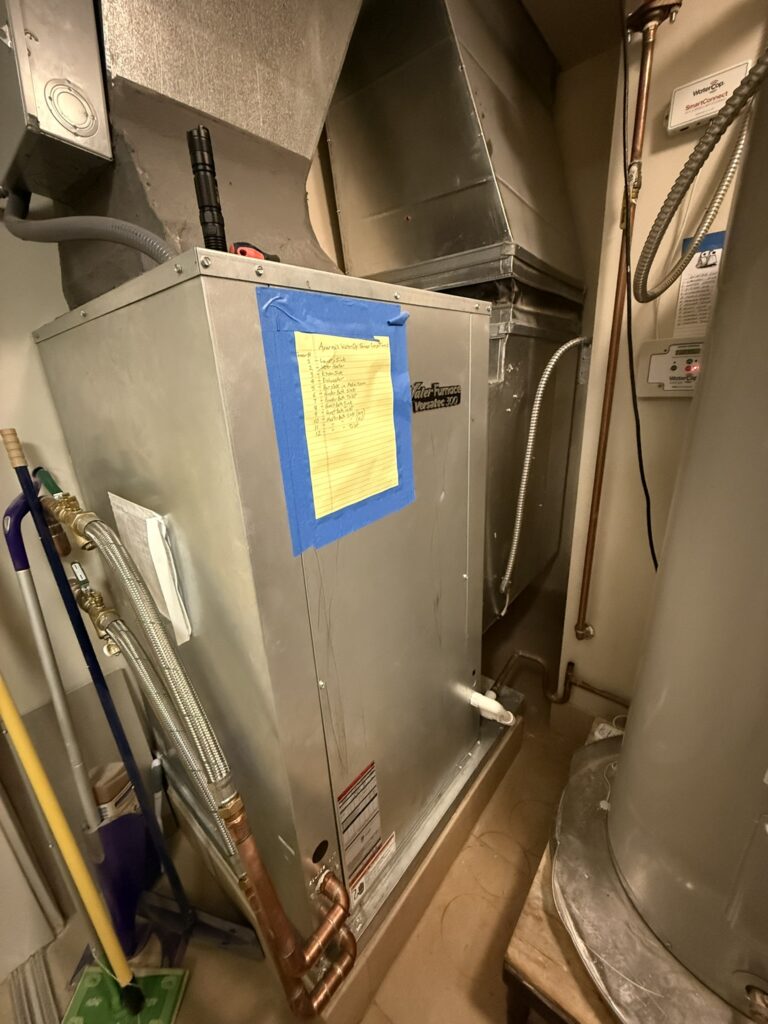
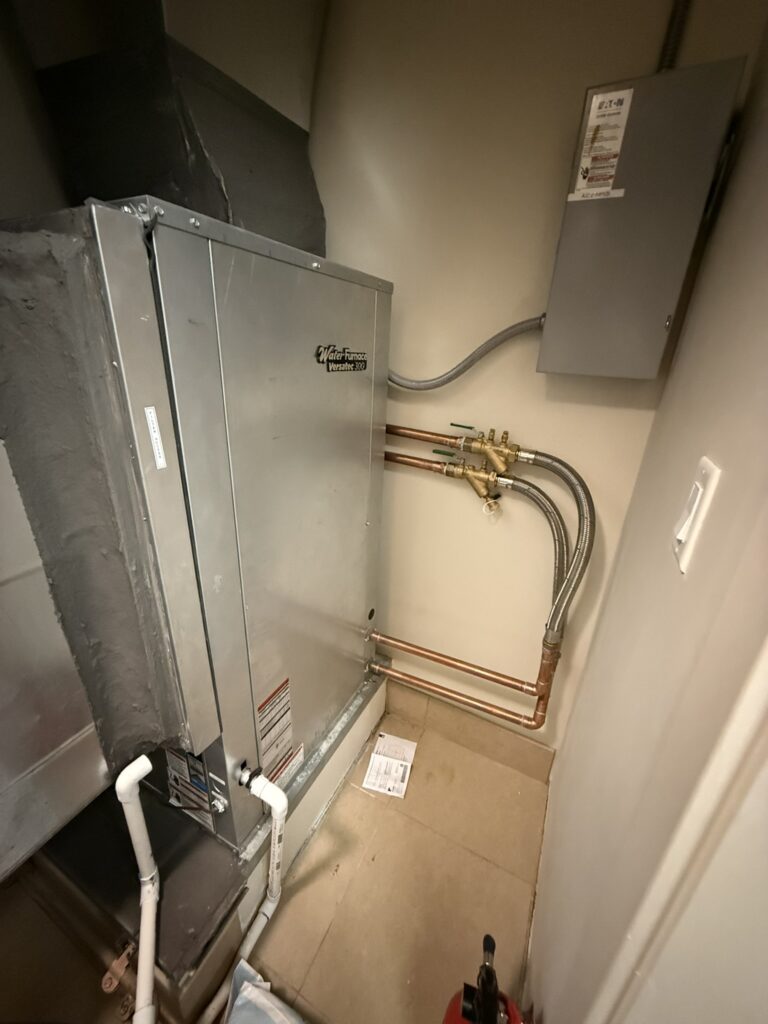
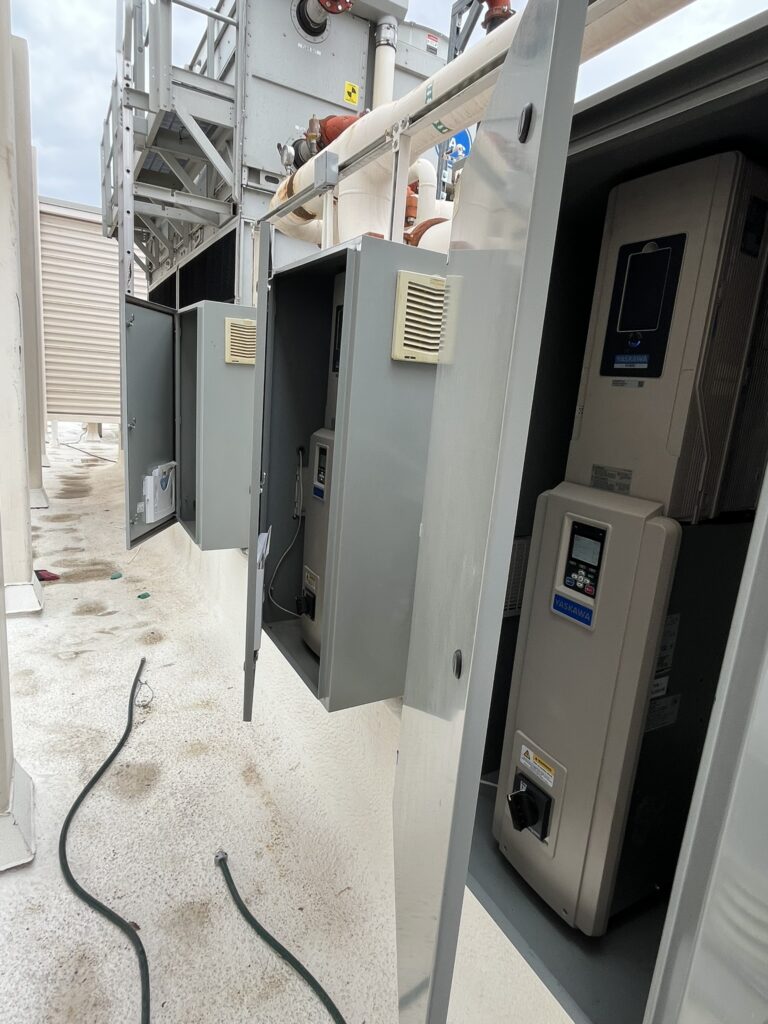
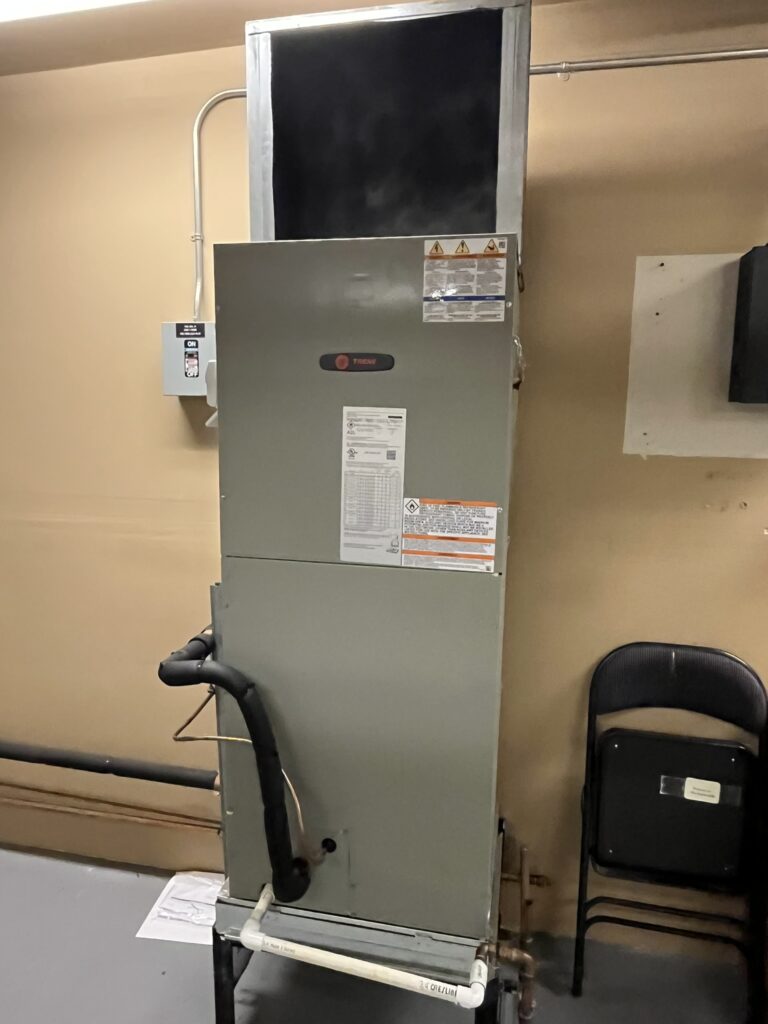
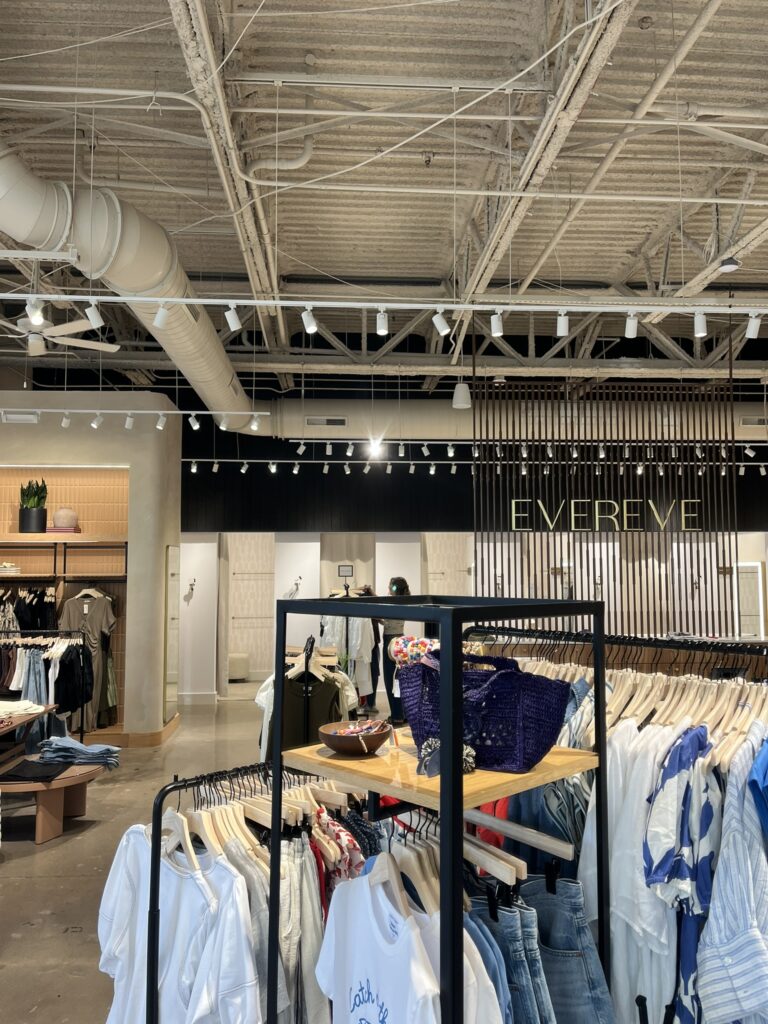
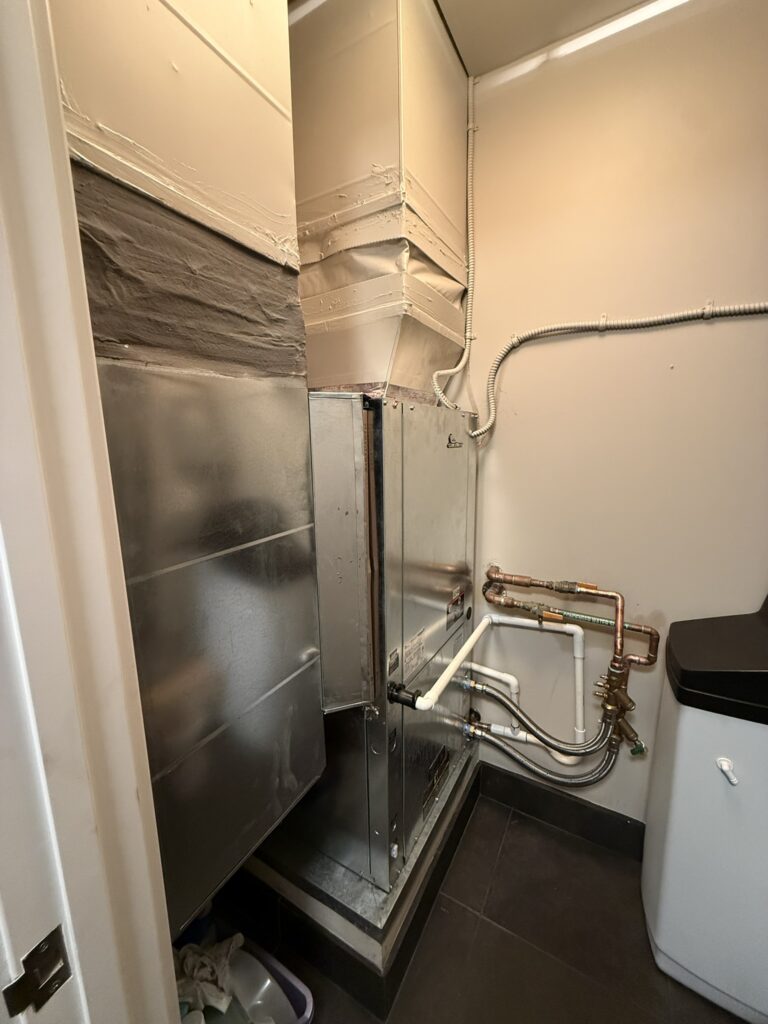
Photos from our own commercial projects across the Phoenix metro — equipment we installed, in buildings we service.
How the job typically runs.
A maintenance visit starts with the equipment list and the building’s use. We confirm which units serve which areas, how access works, and who should receive the written findings. For multi-tenant or managed properties, that mapping matters because the person paying the invoice may not be the person feeling the hot room. We come to you; Yeti Pros is a service-area business with no customer street address.
During service, we inspect and document the items appropriate to the equipment: filters, coils, belts where present, electrical components, motors, blower operation, drains, thermostats, controls, temperatures, and visible conditions that may affect performance. If we find a repair need, we explain it and provide a flat-rate written quote after the in-person look. The quoted number is what you pay unless we find something additional and stop to re-quote.
Maintenance agreements can be scheduled around seasonal occupancy and business demands. Our office hours are Monday through Friday, 8 to 5, and 24/7 emergency service is available when a maintained system still suffers an unexpected failure. Completed repair work carries a 2-year written workmanship warranty, and repair parts carry a 1-year manufacturer parts warranty. Financing is available when maintenance reveals a larger replacement or repair decision.
- 01 Booking, with the diagnostic fee disclosed
- 02 In-person diagnosis with real readings
- 03 Written flat-rate quote before work begins
- 04 The work: repair, install, or maintenance
- 05 Startup, documentation, and warranty handoff
Routine commercial HVAC maintenance usually does not require a permit, but the findings can lead to work that does. Replacing equipment, modifying electrical service, changing gas heat components beyond ordinary service, altering ductwork, adding controls that affect regulated systems, or changing roof penetrations can require additional coordination with Maricopa County, a landlord, or another authority for the property. We call that out before the scope changes.
For maintenance, the most important compliance value is documentation. Yeti Pros performs its work to code and pulls the permits and inspections our own scope requires. Landlord or lease approvals, insurance decisions, and building-wide operational compliance stay with the property owner or operator — but licensed, code-compliant workmanship on what we install or repair is on us. Those remain the responsibility of the operator, owner, or designated representative. Arizona’s Registrar of Contractors publishes the Minimum Workmanship Standards, and our records are meant to support licensed workmanship and practical follow-through. If a maintenance visit reveals a condition outside the maintenance scope, we separate that recommendation from the completed service.
Pricing, financing & the 10% military & first responder discount.
Commercial HVAC maintenance pricing depends on the number of units, equipment type, roof or ladder access, filter requirements, service frequency, operating hours, and documentation needs. A small office with one split system is different from a club facility or multi-tenant property with several rooftop units. We build maintenance agreements around the actual equipment list and site conditions instead of quoting a generic number that ignores access and scope.
If a maintenance visit finds a repair need, the diagnostic or service-call fee structure is explained as applicable, and approved repair work is quoted in writing after an in-person look. The quoted number is what you pay unless we stop and re-quote because of a new finding. Our 10% military, veteran & first responder discount is available where applicable. Maintenance helps managers budget by turning surprise failures into documented recommendations when the equipment gives warning signs early enough.
- 01 Flat-rate written quote after an in-person look
- 02 Diagnostic fee disclosed at booking, credited to the repair
- 03 Financing available on replacements
- 04 2-year workmanship warranty; 1-year manufacturer parts warranty
- 05 10% military, veteran & first responder discount
Why a licensed HVAC contractor matters.
FAQs: Commercial HVAC Maintenance in Rio Verde, AZ.
How often should a commercial HVAC system be maintained?
Most commercial systems in the Phoenix metro area benefit from maintenance at least twice a year, with some sites needing more frequent filter or coil attention because of dust, occupancy, restaurant load, or critical comfort needs. Rio Verde’s rural-edge conditions and seasonal use can make a fixed calendar less useful than a plan tied to equipment and business rhythm. We review the units, access, and usage, then recommend a maintenance frequency that fits the site.
What does your maintenance documentation include?
Documentation depends on the equipment, but it typically identifies the units serviced, visible condition, filters, coils, electrical components, motors, drains, controls, operating observations, completed tasks, and repair recommendations. The point is to give the owner, facility manager, or property manager a practical record. If a tenant complains later, the maintenance history helps separate a new failure from a known condition, deferred repair, control issue, or building-use problem.
Can maintenance prevent all emergency HVAC calls?
No maintenance plan can prevent every failure. Parts still age, electrical components still fail, and extreme heat can expose weaknesses quickly. Good maintenance reduces preventable failures by keeping coils clean, airflow correct, drains clear, controls reviewed, and weak components identified before they quit. It also creates a service history that makes emergency diagnosis faster. For businesses beyond north Scottsdale, that preparation matters because travel and approval time are part of the real downtime.
Do you maintain HVAC systems for multi-tenant properties?
Yes. Multi-tenant properties need organized equipment mapping because each unit may serve a different suite, zone, or business function. We document which equipment was serviced and note conditions that may affect tenants differently. If a repair is needed, we provide a written quote after the in-person look so the property manager can approve work with clear information. That structure reduces confusion when the person reporting discomfort is not the person authorizing the repair.
What happens if you find a repair during maintenance?
We explain the finding and provide a flat-rate written quote before repair work begins. The quoted number is what you pay unless we discover an additional issue, stop, explain it, and re-quote. We do not turn a maintenance visit into open-ended work. Completed repair work carries a 2-year written workmanship warranty, and repair parts carry a 1-year manufacturer parts warranty. That keeps the maintenance record and repair approval clear.
Is maintenance worth it for seasonal businesses?
Yes, often more so. Seasonal use can hide problems because equipment may run lightly for months, then suddenly face full occupancy, events, restaurant load, appointments, or longer operating hours. A pre-season maintenance visit can reveal dirty coils, weak electrical components, thermostat schedule issues, clogged drains, and airflow problems before the space is busy. It also gives off-site owners or managers a written condition report while there is still time to plan repairs.
Every major brand, serviced and installed.
Phoenix metro: Most days a tech is already working somewhere in the Valley, so same-day appointments happen when the schedule allows. After-hours emergencies are dispatched when a licensed tech is available — a real person answers and tells you the ETA on the call.
Call (520) 556-8929Request an estimate.
No pressure, no door knockers. We look at the HVAC system, tell you what it needs (and what it doesn’t), and put the number in writing.
Need HVAC maintenance in Rio Verde? A real person answers.
Other services we run in Rio Verde.
HVAC Maintenance in nearby cities.
Looking for something else nearby? All HVAC services in Rio Verde