
Phoenix Metro
Commercial Chiller Repair in Phoenix.
- (520) 556-8929
- Serving the entire Phoenix metro — we come to you
- Office: Mon–Fri 8:00 AM – 5:00 PM · 24/7 emergency service
- 2-year workmanship warranty · 1-year parts warranty
- Veteran-owned & operated · residential + commercial
- 23 five-star Google reviews
Commercial jobs we have documented.
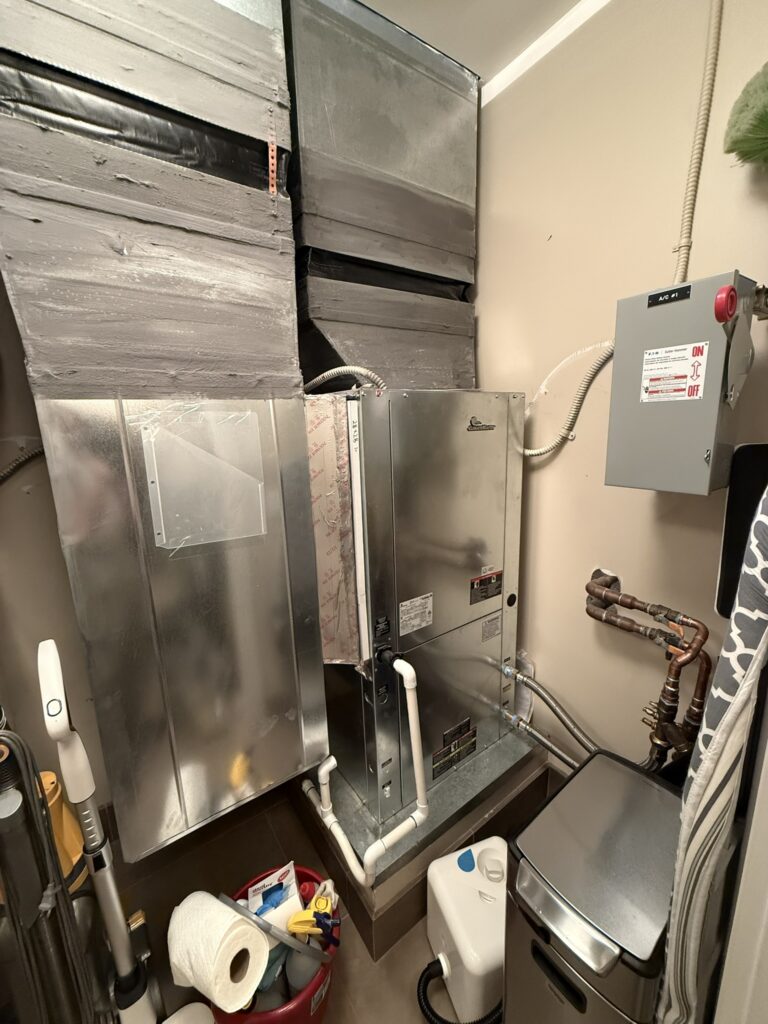
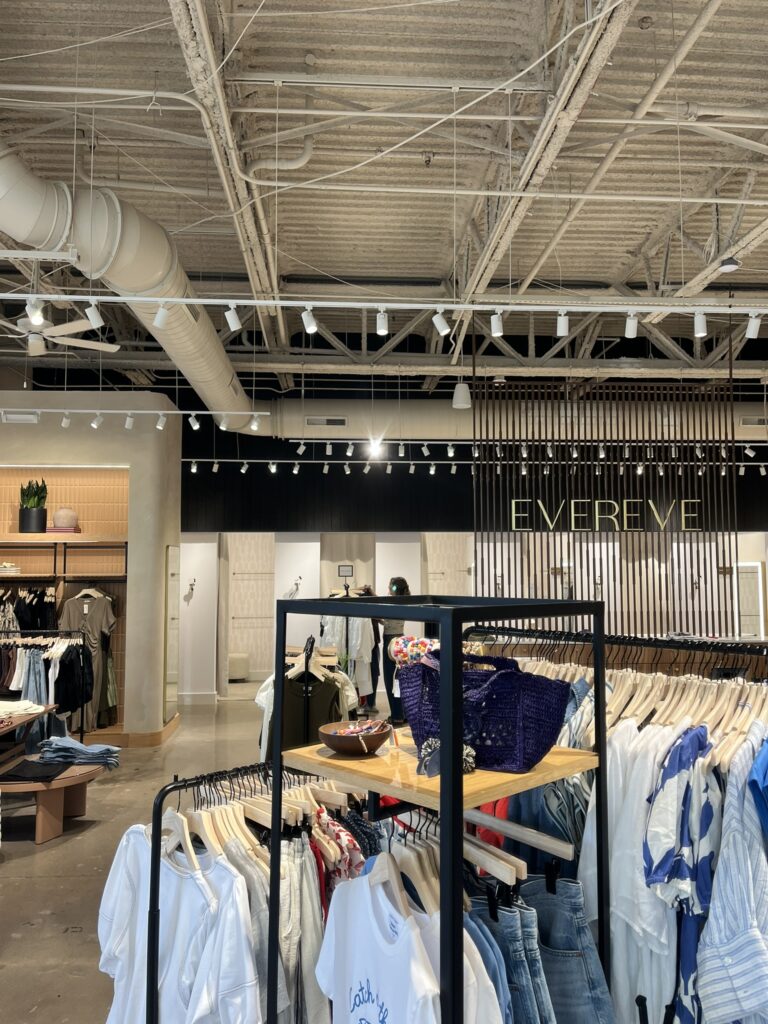
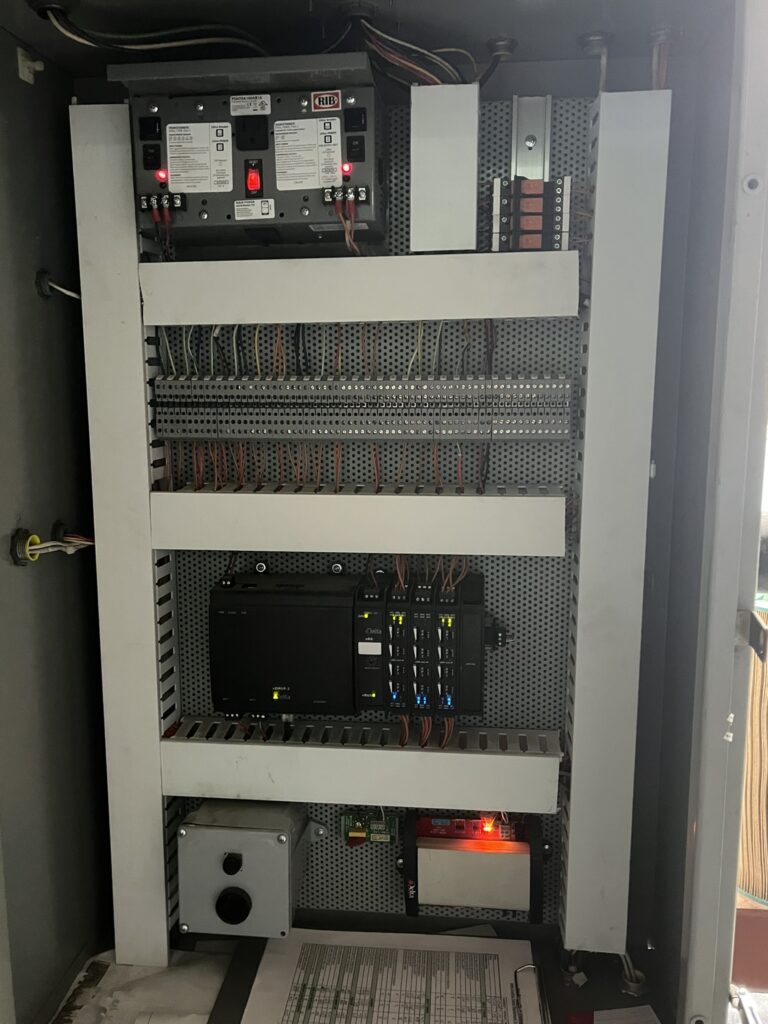
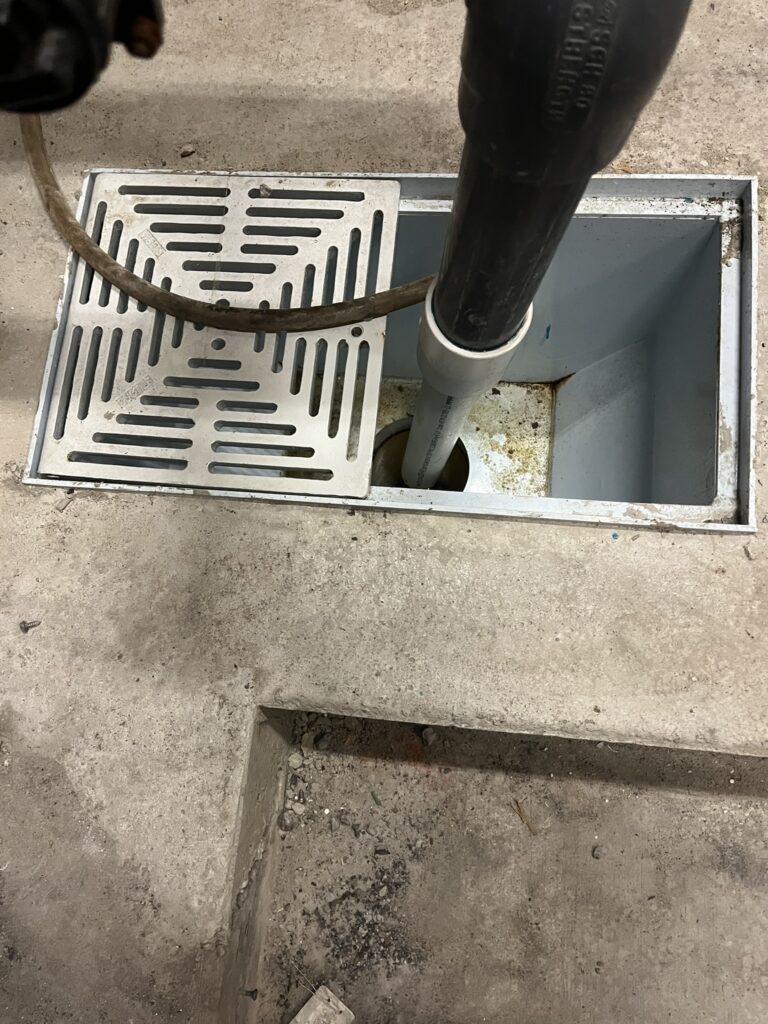
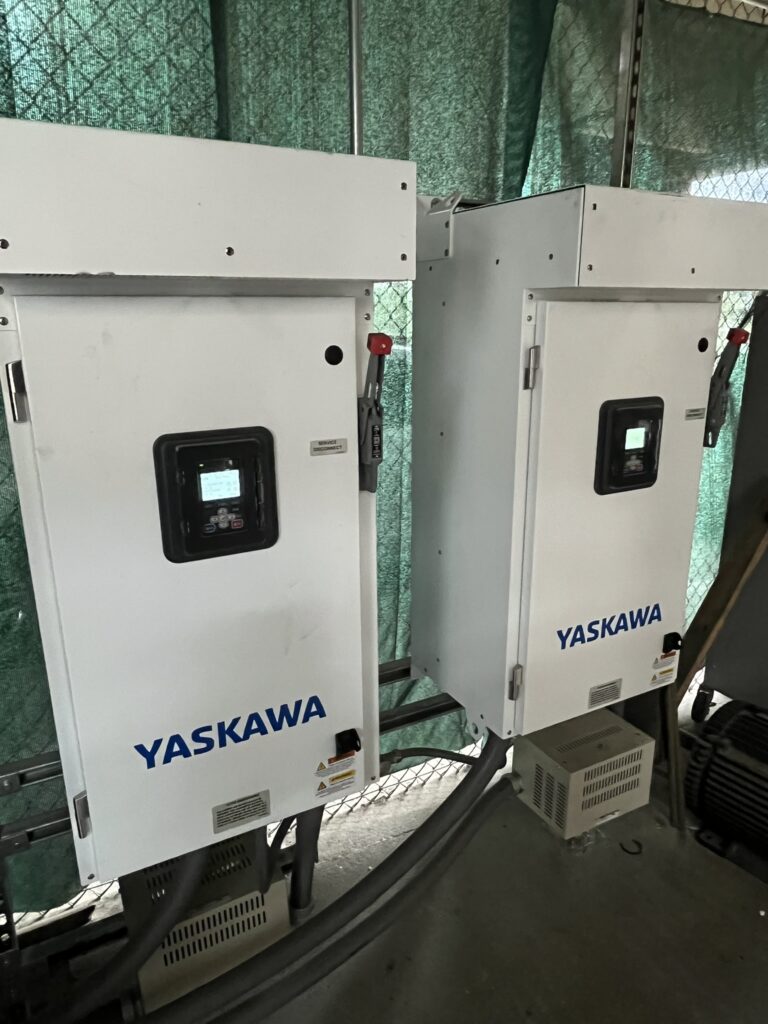
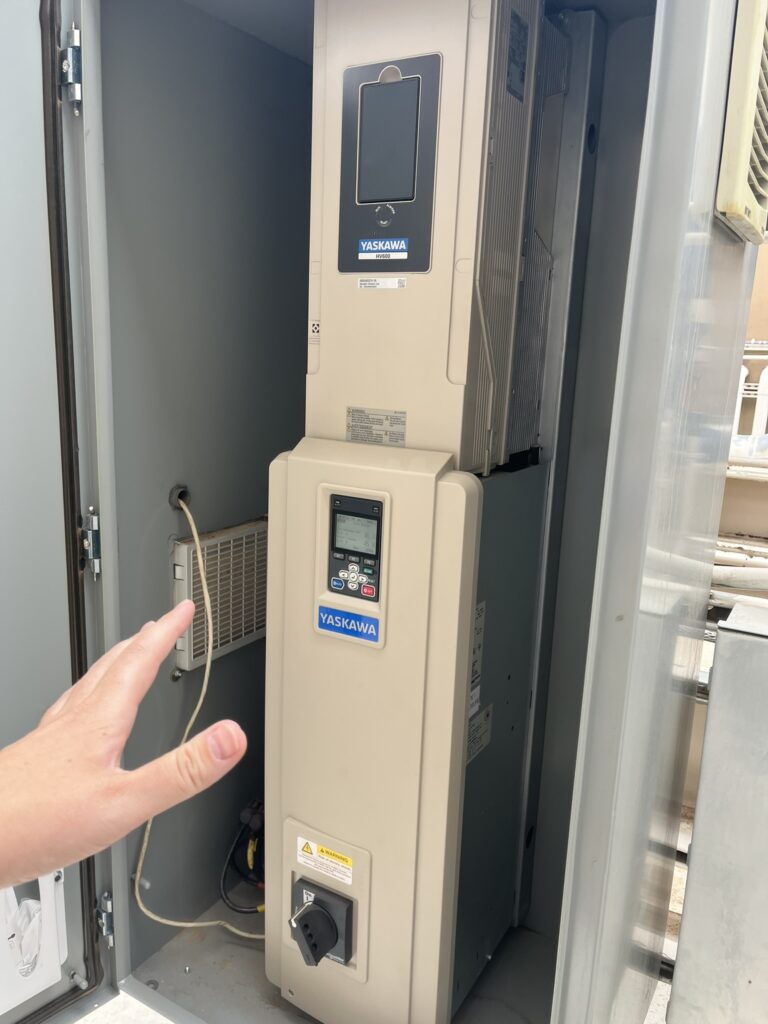
Photos from our own commercial projects — equipment we installed, in buildings we serviced.
When a chiller trips offline in a Phoenix office tower or surgery center, the building doesn’t get warm gradually — it races the outdoor temperature, and the outdoor temperature is 112°F.
Yeti Pros provides commercial chiller repair in Phoenix and throughout the metro: diagnostics on air-cooled and water-cooled machines, compressor and refrigerant-circuit work, pump and VFD repair, and the kind of documentation building engineers actually want in the log. We’re veteran-owned and operated, and we carry ROC #363372 · ROC #363423. A real person answers (520) 556-8929 at any hour, any day.
Where chilled-water plants run in the Valley
Buildings Relying on Chilled Water
- Multi-story offices in the Camelback and downtown corridors
- Hospitals and surgical centers that cannot tolerate temperature excursions
- Resort and hotel properties with central plants
- Data-adjacent facilities
- Industrial process loads that need chilled water year-round
These plants are engineered systems, not appliances: chillers, pumps, piping, controls, and sometimes cooling towers working as one loop. Diagnosing them takes a technician who thinks in systems, reads plant drawings, and respects the sequence of operations the design engineer intended. It’s a specialized branch of our commercial HVAC work, and one where experience separates a fixed plant from a parade of callbacks.
Air-cooled chillers in a 115° desert: the condenser problem
Most Valley chillers are air-cooled — water is scarce here, tower chemistry is a standing chore, and owners have voted with their capital for decades. The trade-off is that an air-cooled machine’s entire ability to reject heat depends on outdoor coils breathing freely at the exact moment the desert makes that hardest.
Common Causes of Condenser Failure
A season of monsoon dust matted into the condenser coils.
Cottonwood fluff matted into the condenser coils.
Landscaping debris matted into the condenser coils.
At 115°F ambient, a chiller is already operating near the edge of its rating. When these issues occur, condensing pressure climbs until capacity collapses and the machine safeties out — almost always on the hottest afternoon of the year, because that’s when the margin runs out. This is why we treat condenser coil cleaning as a capacity repair, not housekeeping. We’ve restored double-digit percentages of lost cooling on plants where the only “failure” was a coil nobody had washed properly in three summers.
Chiller failures we diagnose and repair in Phoenix
Vibration, thermal cycling, and baked gasketing open leaks at flare joints, valve stems, and coil circuits. Our EPA 608-certified techs locate the leak, repair it, and document the charge — we don’t run a “top it off every spring” program, because that’s a leak subscription, not a repair.
Scroll, screw, or centrifugal — electrical faults, failed bearings, oil issues, and surge or slugging damage. We pull the operating data before condemning anything expensive.
Chilled-water and condenser-water pumps with worn seals, failed bearings, or cooked windings can take down a plant just as thoroughly as the chiller itself.
A chiller that locks out on proof-of-flow may have a genuine pump problem — or a fouled strainer, an air-bound loop, a failing flow switch, or a valve someone left throttled. We chase the actual cause instead of jumping the switch.
Temperature and pressure sensors drift with age, and a chiller controlling to bad data makes bad decisions. Verifying sensors against calibrated gauges is standard on our calls.
Drives on compressors, pumps, and fans absorb every monsoon-season power event the grid delivers. We troubleshoot drive faults down to whether the problem is the drive, the motor, or the power quality feeding both.
Approach temperatures and trend logs: how we actually diagnose
Approach Temperature Diagnosis
Good chiller diagnosis is arithmetic before it’s wrenches. Approach temperature — the gap between refrigerant temperature and leaving water or entering air — is the single most honest health metric a chiller offers. A rising condenser approach points at fouled coils or overcharge; a rising evaporator approach points at tube fouling or low charge. Compared against design values and last year’s numbers, approach tells you where the problem lives before a single panel comes off.
Leveraging Trend Data
We lean hard on trend data: most modern machines and building automation systems log temperatures, pressures, and fault history, and fifteen minutes in those trends often explains an “intermittent” problem that has embarrassed three previous service visits. When we service your plant, the readings go in a written report — so next year’s diagnosis has this year’s baseline.
Cooling towers, hard water, and doing hygiene right
Where water-cooled plants do exist in the Valley — larger hospitals, older office towers, some industrial sites — the cooling tower becomes part of every service conversation.
Hard Water & Scale Management
Phoenix municipal water is famously hard, and a tower is a machine for concentrating minerals: without disciplined blowdown and water treatment, scale plates the fill and the condenser tubes, and every millimeter of it taxes efficiency and capacity.
Key Cooling Tower Components
- Drift eliminators
- Fan drives
- Float valves
All these components need eyes on them too. And any honest contractor working towers must speak plainly about waterborne-bacteria hygiene, including Legionella awareness: keeping the tower clean, the treatment program active, and stagnant water out of the loop is basic responsible practice. We coordinate with your water-treatment vendor rather than pretending to replace them — chemistry is their lane, mechanical condition is ours, and the tower needs both.
Planned overhauls beat emergency heroics
Planned Overhauls
Chillers reward owners who schedule work. Eddy-current tube testing, oil analysis, refrigerant analysis, and bearing inspections during the cool months surface problems while parts can ship on normal lead times and the building barely notices an outage. Our maintenance contracts put chiller plants on that planned cadence, with seasonal inspections built around the Valley’s calendar: coils and condensers proven clean before May, controls and safeties verified before the first 110°F stretch.
Emergency Heroics
The alternative is the July version: a down plant, air-conditioning rental bills, expedited freight, and overtime — for the same repair that would have been a calm February line item. When something breaks anyway — machines are machines — our 24/7 emergency line reaches a dispatcher, not a voicemail, and contract customers move to the head of the line.
How we work with building engineers
Plenty of chiller-plant buildings have sharp operating engineers on staff, and we work as their extension, not their replacement. That means:
- Checking in before touching the plant
- Honoring lockout/tagout
- Coordinating outage windows around tenants and occupancy
- Leaving a written record of every setpoint we changed and every reading we took
Transparent Pricing & Warranty
Pricing follows the same rules as everything we do: the service-call fee is disclosed when you book and credited toward approved repairs, quotes are flat-rate and in writing before work starts, and our workmanship warranty stands on top of the Minimum Workmanship Standards baked into every Arizona ROC license.
Additional Commercial Services
If your portfolio also carries packaged rooftops or split systems, our RTU repair and commercial AC repair teams cover those under the same account.
Veteran-owned service across the Phoenix metro
Service Area
- Phoenix
- Scottsdale
- Tempe
- Mesa
- Chandler
- Gilbert
- Glendale
- Peoria
- Goodyear
Chiller plants page us from every corner of the Valley and beyond.
Our Veteran-Owned Approach
Yeti Pros is veteran-owned and operated, which shows up in the way we work:
- On time
- To standard
- Documented
For the engineers, managers, and owners who served, our 10% military, veteran & first responder discount is there for the residential side of life — their own homes, not the building’s invoice.
Chiller questions Phoenix building engineers ask us
Our chiller keeps tripping on high head pressure every afternoon. Why afternoons?
Because that’s when ambient peaks and your condenser margin disappears. Dirty coils, blocked airflow around the machine, failed condenser fans, or overcharge all narrow that margin. The unit limps through mornings, then hits its limit at 3 p.m. Start with a proper coil cleaning and a fan check — it’s the most common cure we deliver.
Is coil cleaning really worth a service visit?
On air-cooled machines in this climate, absolutely. Fouled condensers cost real capacity and real kilowatts, and in Phoenix they’re often the difference between riding out a heat wave and safetying out during one. Proper cleaning — correct chemicals, low pressure, rinsed to the coil core — also protects fin stock that hamfisted pressure washing destroys.
Can you work on our brand of chiller?
We service the major commercial brands found in Valley plants — Trane, Carrier, York, Daikin/McQuay, and others — across scroll, screw, and centrifugal machines. If a repair genuinely requires factory-proprietary software access, we’ll tell you that plainly rather than bill hours pretending otherwise.
What’s an approach temperature, and why do your techs keep mentioning it?
It’s the difference between refrigerant temperature and the water or air it’s exchanging heat with. Rising approach means heat transfer is degrading — fouled tubes, dirty coils, or charge problems — often long before comfort complaints start. Tracking it year over year is the cheapest predictive tool a plant has.
Do you handle cooling tower problems too?
Yes — mechanical work on fans, drives, fill, drift eliminators, and float assemblies, plus condition reporting on scale and fouling. We coordinate with your water-treatment provider on chemistry so the mechanical and chemical sides of the tower pull in the same direction.
How disruptive is chiller service to tenants?
Planned correctly, barely. We schedule invasive work for cool months or off-hours, coordinate outage windows with your engineer, and stage parts before opening the machine. The disruptive version of chiller work is the unplanned one — which is the argument for planning.
Should we repair our aging chiller or budget for replacement?
We answer with data: age, tube and compressor condition, refrigerant type, efficiency against modern machines, and repair history. Sometimes an overhaul buys five good years; sometimes it’s money into a machine the next failure will total. You’ll get both numbers in writing and our honest read.
Plant down, or approach creeping up? Call (520) 556-8929 and get an EPA 608-certified chiller tech headed to your plant, metro-wide. Veteran-owned. ROC #363372 · ROC #363423.
Permits and inspections
Most repairs are ordinary service work; bigger scopes can involve city permitting. We perform our work to code, pull the permits our scope requires, and put what we did in writing.
What's covered
Workmanship is covered for two full years, in writing, and repair parts carry a 1-year manufacturer parts warranty — we document installs and repairs so those claims stay simple to make
Why a licensed HVAC contractor matters.
Commercial Chiller Repair in Phoenix, city by city.
Every city below has its own local page for this service — local FAQs, utility territory, housing stock, and dispatch reality included.
Every major brand, serviced and installed.

Phoenix metro: Most days a tech is already working somewhere in the Valley, so same-day appointments happen when the schedule allows. After-hours emergencies are dispatched when a licensed tech is available — a real person answers and tells you the ETA on the call.
Call (520) 556-8929Request an estimate.
No pressure, no door knockers. We look at the HVAC system, tell you what it needs (and what it doesn’t), and put the number in writing.