
Phoenix Metro
Ductwork Installation in Phoenix.
- (520) 556-8929
- Serving the entire Phoenix metro — we come to you
- Office: Mon–Fri 8:00 AM – 5:00 PM · 24/7 emergency service
- 2-year workmanship warranty · 1-year parts warranty
- Veteran-owned & operated · residential + commercial
- 23 five-star Google reviews
Residential HVAC across the Valley.
Air conditioning, heating, and cooler work at homes across the Phoenix metro.
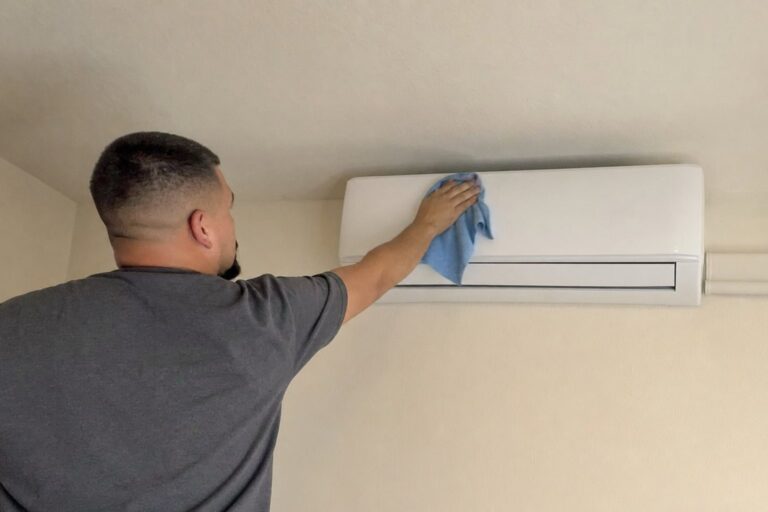
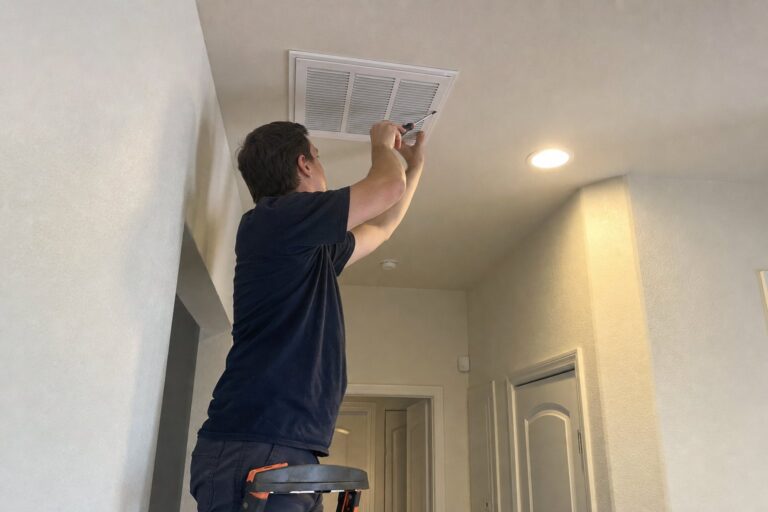
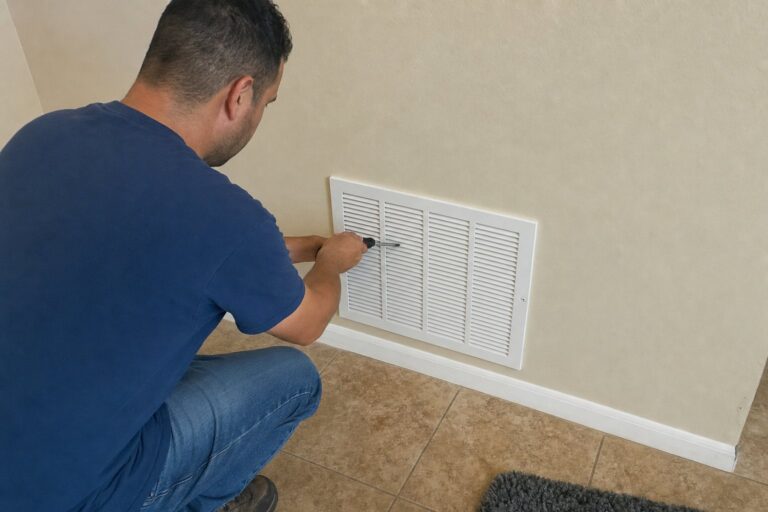
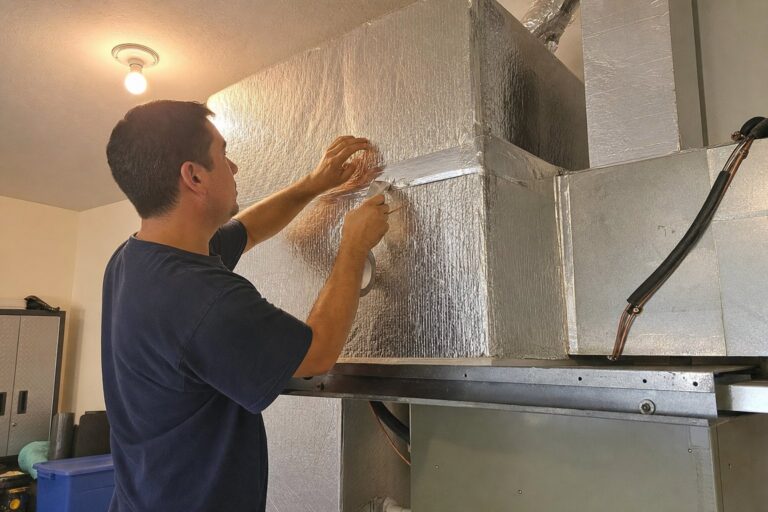
Ductwork installation in Phoenix is the unglamorous half of home comfort — nobody shows off new flex duct at a barbecue — but it decides whether the shiny equipment on the pad actually delivers. A perfectly sized new air conditioner attached to crushed, undersized, forty-year-old ducts loses the fight every July. Yeti Pros designs, installs, and replaces residential ductwork across the entire Valley: full duct replacements, new runs for additions, resized returns, and complete systems for spaces that never had conditioned air. Veteran-owned and operated, licensed under ROC #363372 and ROC #363423, with flat-rate written quotes on every job. Call (520) 556-8929 and a real person picks up, any hour.
What we install: replacements, new runs, full redesigns
The existing system is too far gone or too badly designed to save, so everything from plenum to boots comes out and a properly engineered system goes in.
A new run to a room that never got enough air, a second return to un-starve the blower, a re-route around a remodel.
Complete ductwork for additions, casitas, garage conversions, and Arizona rooms being brought into the conditioned envelope.
In every case the job starts with design math, not with whatever happens to be on the truck.
Flex versus rigid duct: when each is right
Flex Duct
Flex duct carries a bad reputation it doesn’t fully deserve. Installed correctly — pulled tight, supported every few feet, cut to length instead of coiled into slack, routed with gentle bends — modern insulated flex performs well, goes in efficiently, and suits most Valley attic layouts. Installed lazily, it’s an airflow disaster: every sag, kink, and surplus coil adds resistance the blower must fight.
Rigid Metal Duct
Rigid metal duct costs more in labor but offers lower friction and near-permanence, which earns it a place in long trunk runs, tight static-pressure budgets, and exposed locations.
Most Phoenix homes end up hybrid: sheet-metal plenums and trunks where structure matters, quality flex on the branch runs. What we won’t do is defend duct board systems past their prime — after decades of attic heat the fiberglass erodes and the seams let go, and patching it is throwing labor at a material that’s finished.
What forty Valley summers do to ductwork
Crawl an attic in a 1970s–90s Phoenix neighborhood and you find the same catalog of damage, house after house.
Flex runs crushed flat under stored boxes or kinked at birth by an installer who never pulled them tight.
Ducts stepped on by every cable and satellite tech since.
Duct board dried out and delaminating, shedding fibers downstream.
Joints held by cloth tape that attic heat reduced to confetti decades ago.
Returns “built” from open wall cavities and framing gaps that pull air from everywhere except the rooms.
None of this is exotic — it’s the standard archaeology of Valley housing stock, and it’s why an honest equipment quote always includes a look at the ducts.
The undersized return: Phoenix’s classic airflow killer
If there’s one design flaw we correct more than any other, this is it. Thousands of Valley homes were built with a single central return — one hallway grille asked to feed the entire system. The blower starves, static pressure climbs, airflow across the coil drops, and capacity sags exactly when the afternoon peak demands all of it. Close the bedroom doors at night and each bedroom becomes a pressurized dead zone the system can barely serve.
You know the signs:
A return grille that howls.
Doors that drift shut on their own.
A system that never catches up after 3 p.m.
The fixes are unglamorous and effective — a larger return, additional returns in far rooms, or jump ducts and transfer grilles that let bedrooms breathe with doors closed. Return-side work is often the highest-value duct dollar in a Phoenix house.
Additions, casitas, and Arizona rooms
New square footage needs air, and the tempting shortcut — splicing a branch off the nearest trunk — usually steals capacity from rooms that already had it. We run the numbers first.
Extend Existing System
If the existing system has genuine headroom, we design a proper extension with its own return path.
Ductless Mini-Split
If it doesn’t, we’ll say so, and the better answer is often a ductless mini-split that conditions the new space independently without burdening the main system. Detached casitas and backyard offices almost always land in that second category.
Duct design in plain language: Manual D and the numbers
Good ductwork isn’t copied from whatever was there before; it’s calculated. The industry method is called Manual D, and stripped of jargon it means this:
Work out how much air every room needs based on its size, sun exposure, and windows.
Size each duct run to deliver that amount with the blower operating at healthy pressure.
Give the air an equally engineered path back.
Done right, the far bedroom and the room beside the air handler reach the same temperature, and the equipment moves its rated airflow instead of wheezing against restrictions.
When installation is finished, we verify with instruments — static pressure measured at the air handler, the blood-pressure reading of a duct system, plus airflow checks at the registers. If the numbers aren’t right, the job isn’t done. That’s our standard, and it is written against the Arizona ROC Minimum Workmanship Standards — the legal floor binding every licensed contractor — with our own written warranty stacked on top.
How we work Phoenix attics in summer
Between June and September, Valley attics run 140–160°F by afternoon, and pretending otherwise produces sloppy connections and heat casualties.
We schedule attic-heavy phases for early morning.
Rotate the crew.
Stage materials so time in the heat goes to installing, not fetching.
If a summer job is better run as two short mornings than one brutal afternoon, that’s how we bid it — tight sealing and careful strapping don’t happen at 150 degrees on hour six.
You get better ductwork, and nobody gets carried down a ladder.
Permits — and why replacement day is the cheap moment
Depending on the city and the scope, duct replacement can require a permit; requirements differ across Phoenix, Mesa, Chandler, Scottsdale, and the rest of the metro, and we pull them where the job calls for it, inspection included in the schedule.
One piece of planning advice worth real money: if you’re anywhere near an equipment replacement or new installation, do the duct work the same day. The plenums are already open, the crew is already mobilized, and the new equipment gets commissioned against ducts that can actually deliver its rating — instead of paying twice for access and watching a new SEER2 system underperform on old runs.
If your ducts mostly need tightening rather than replacing, duct sealing is the lighter-weight fix, and a post-remodel duct cleaning pairs naturally with dusty construction. All of it coordinates under one roof through our residential services.
Ductwork installation across the Phoenix metro
Service Areas
- Phoenix
- Scottsdale
- Mesa
- Chandler
- Gilbert
- Glendale
- Tempe
- Peoria
- Surprise
- Goodyear
- Avondale
- Buckeye
- Queen Creek
- San Tan Valley
- Apache Junction
- Sun City
- Sun City West
- Fountain Hills
- Paradise Valley
- Anthem
- Cave Creek
- Maricopa
- Casa Grande
Veterans and military families keep a standing 10% discount with us — veteran-owned means that one never expires.
Ductwork questions homeowners actually ask
How long does full duct replacement take?
Commonly one to two working days for a typical single-story home, longer for large houses, two systems, or tight attic access. Summer jobs may run as split morning sessions — that buys better workmanship than an afternoon attic marathon.
Do I need full replacement, or can my ducts be saved?
Inspection decides. Ducts with sound structure but leaky joints are sealing candidates, and crushed flex can sometimes be re-run in sections. Once duct board is delaminating or flex liners are brittle, replacement stops being the expensive option and becomes the only one that lasts.
Is flex duct cheap junk?
No — badly installed flex is junk. Quality insulated flex, pulled tight, supported properly, and sized by the math performs well in Valley attics. The horror stories come from slack, kinks, and fifty feet of duct doing a thirty-foot job.
Will new ductwork lower my electric bill?
When the old system was leaky or badly restrictive — common in older Valley homes — the difference routinely shows on APS and SRP summer bills, because the equipment stops overworking against a broken delivery system. We verify with before-and-after static pressure numbers rather than promises.
Can you add a return to my bedroom?
Yes — a dedicated return, a jump duct, or a transfer grille, depending on framing and budget. It’s one of the smaller jobs we do and one of the most noticeable overnight comfort fixes for door-closed bedrooms.
Do you handle the permit?
Yes, where the city and scope require one — we pull it, schedule the inspection, and build both into the timeline, so the paperwork is our problem instead of yours.
Should ductwork be replaced at the same time as my AC?
If the ducts are marginal, absolutely — it’s the cheapest access you’ll ever have, and it protects the new equipment’s performance from day one. We evaluate ductwork as part of every replacement quote so you can make that call with real information.
Airflow problems don’t fix themselves. Call (520) 556-8929 for a duct evaluation from a veteran-owned crew — designed by the math, verified by the numbers, quoted flat-rate in writing.
Permits and inspections
Most repairs are ordinary service work; bigger scopes can involve city permitting. We perform our work to code, pull the permits our scope requires, and put what we did in writing.
What's covered
Workmanship is covered for two full years, in writing, and repair parts carry a 1-year manufacturer parts warranty — we document installs and repairs so those claims stay simple to make
Why a licensed HVAC contractor matters.
Ductwork Installation in Phoenix, city by city.
Every city below has its own local page for this service — local FAQs, utility territory, housing stock, and dispatch reality included.
Every major brand, serviced and installed.





Phoenix metro: Most days a tech is already working somewhere in the Valley, so same-day appointments happen when the schedule allows. After-hours emergencies are dispatched when a licensed tech is available — a real person answers and tells you the ETA on the call.
Call (520) 556-8929Request an estimate.
No pressure, no door knockers. We look at the HVAC system, tell you what it needs (and what it doesn’t), and put the number in writing.