
Phoenix Metro
Commercial Refrigeration Repair in Phoenix.
- (520) 556-8929
- Serving the entire Phoenix metro — we come to you
- Office: Mon–Fri 8:00 AM – 5:00 PM · 24/7 emergency service
- 2-year workmanship warranty · 1-year parts warranty
- Veteran-owned & operated · residential + commercial
- 23 five-star Google reviews
Commercial jobs we have documented.
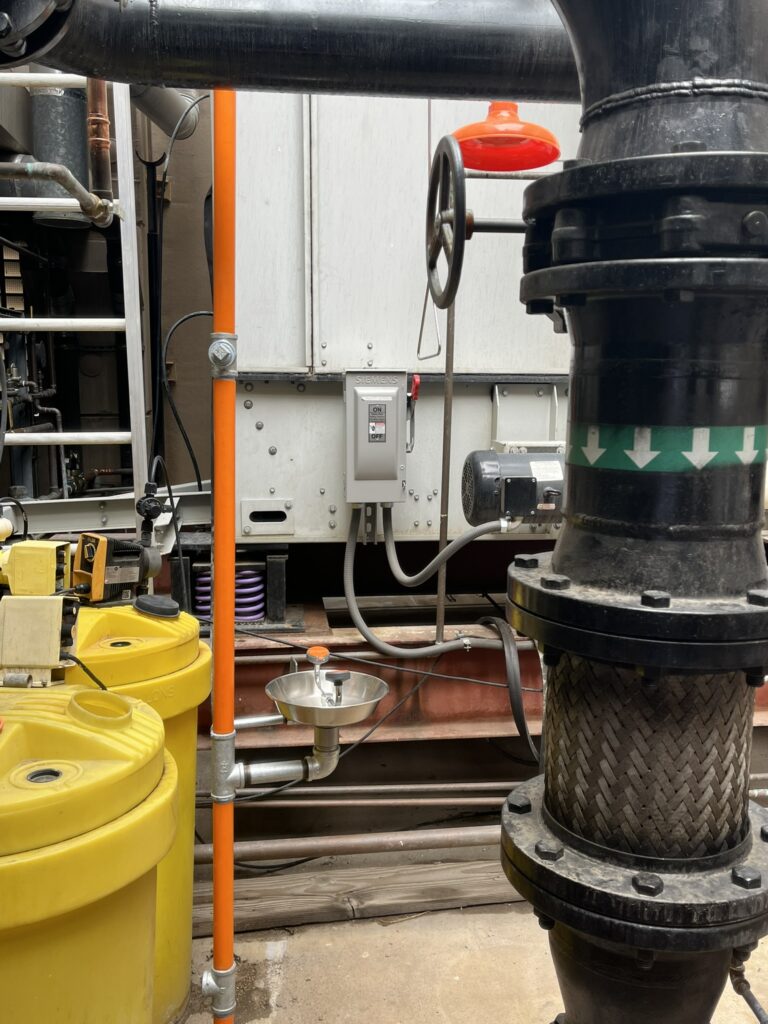
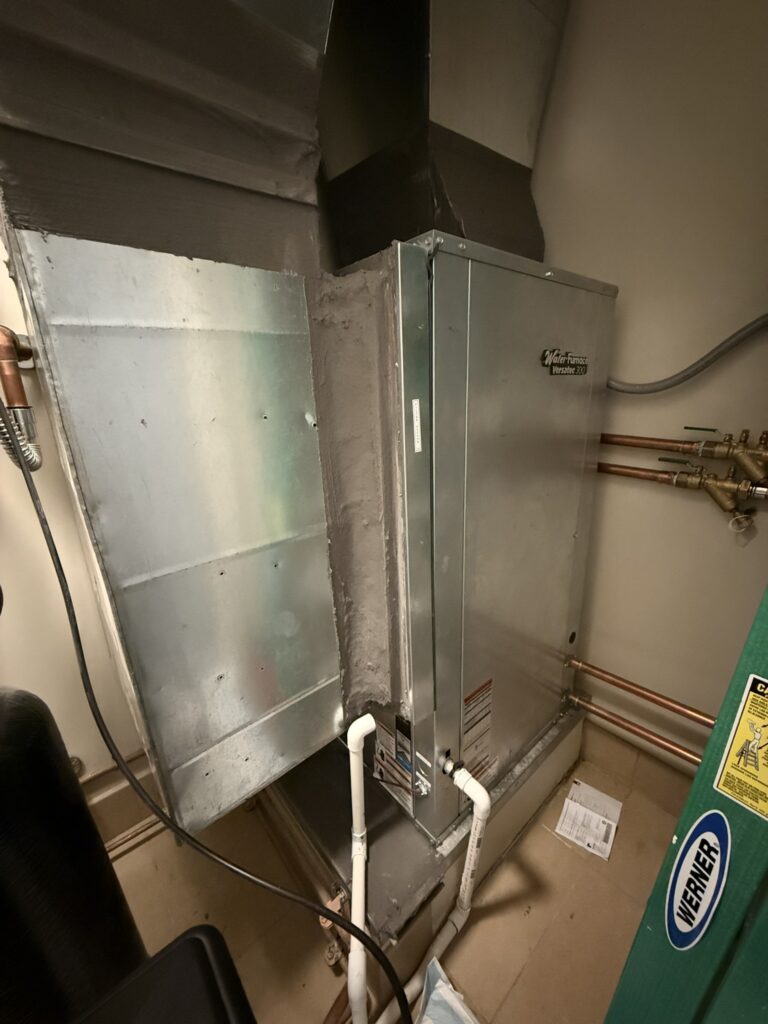
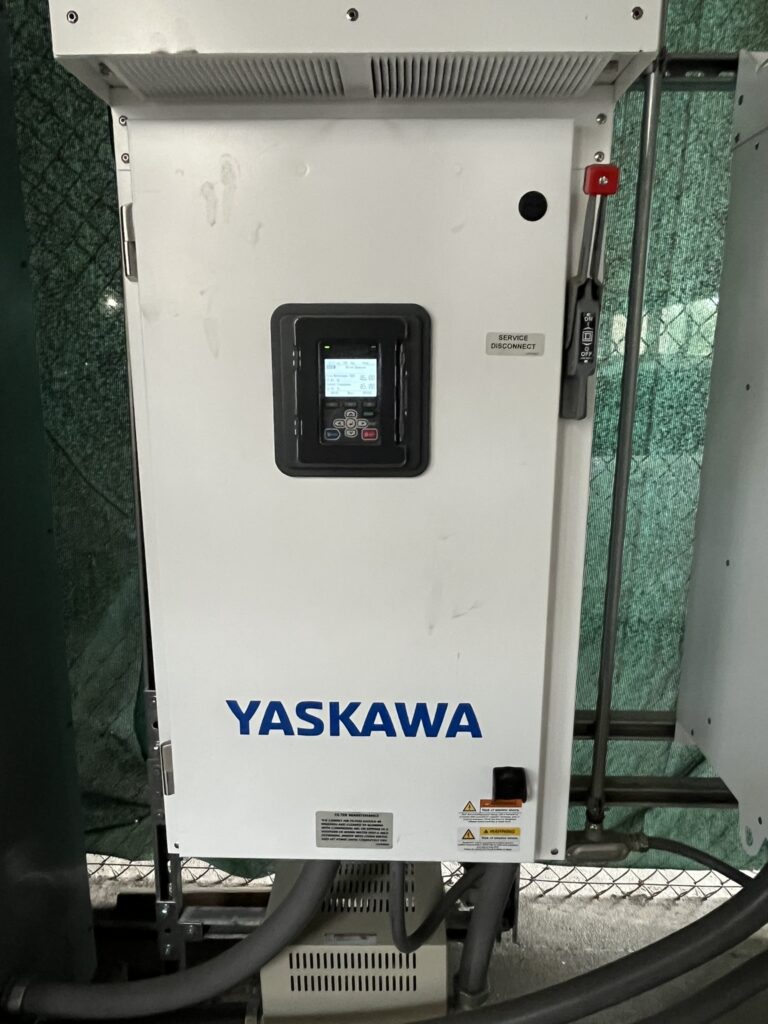
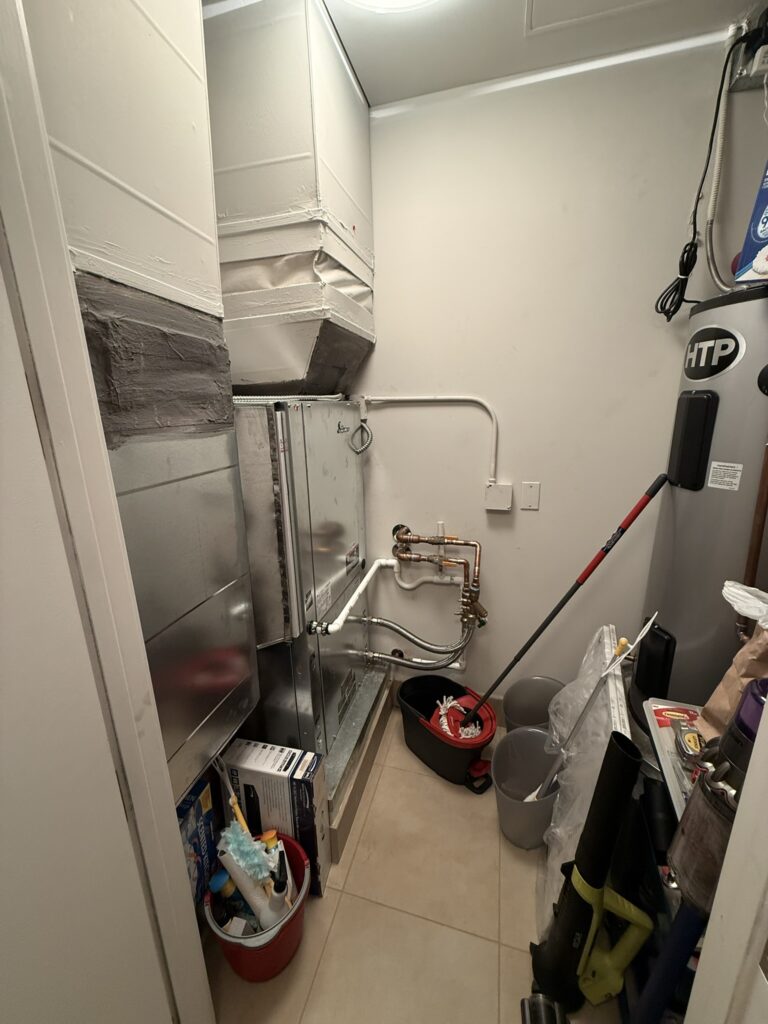
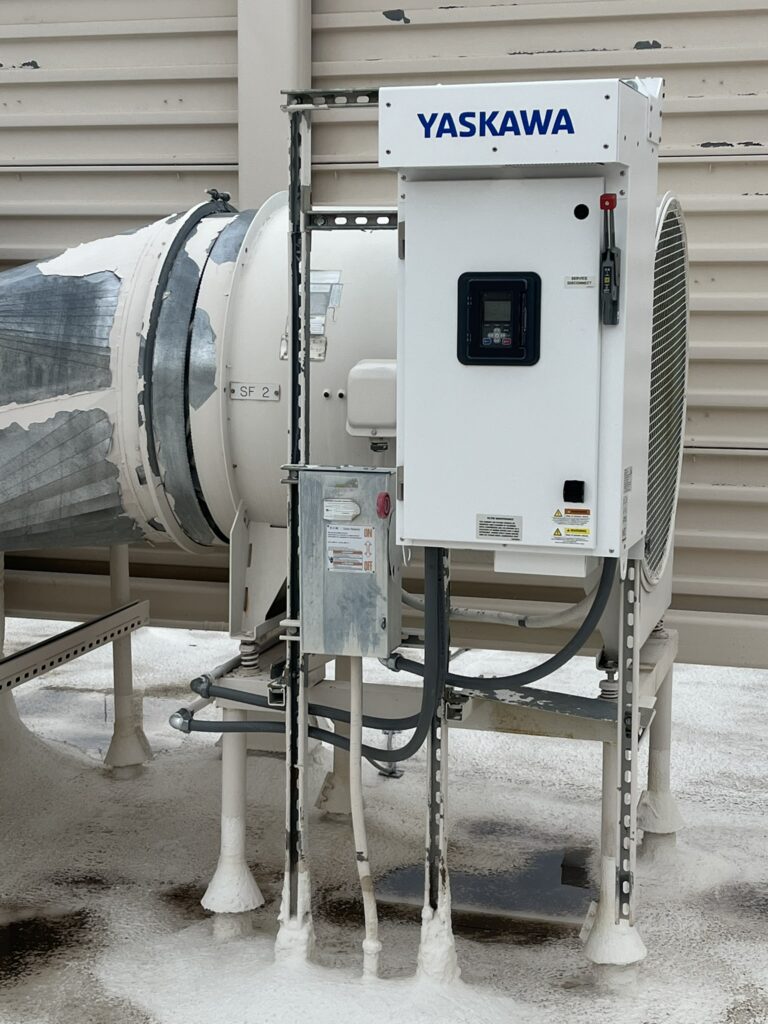
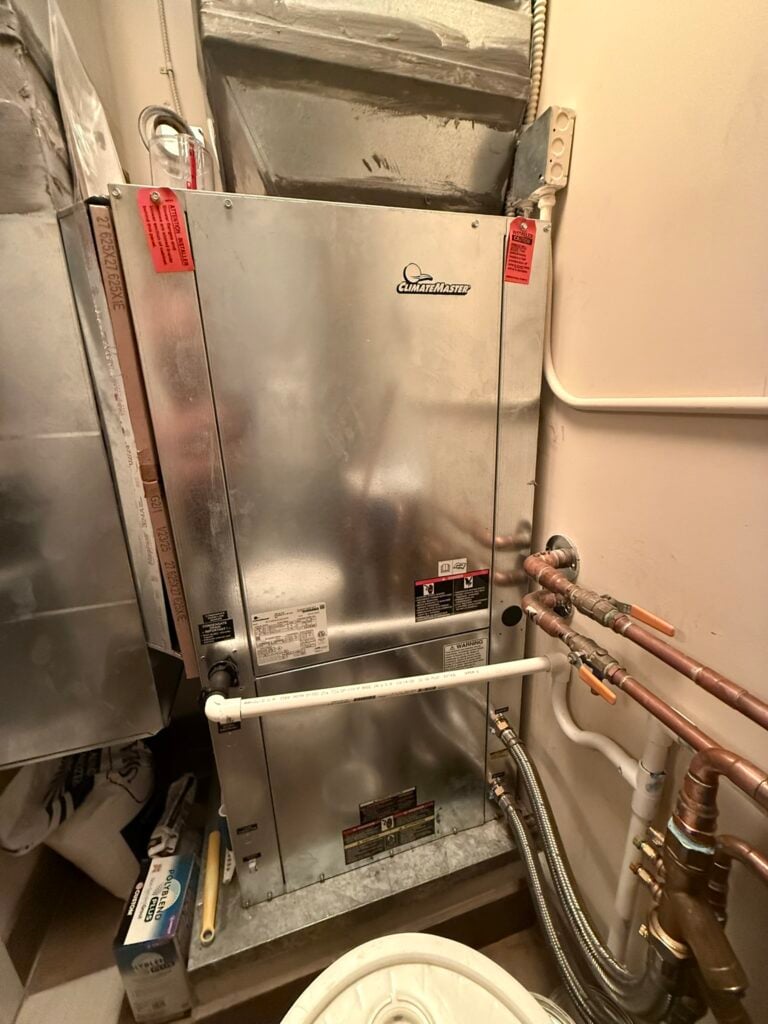
Photos from our own commercial projects — equipment we installed, in buildings we serviced.
Commercial refrigeration repair in Phoenix is a race against a thermometer. The moment a reach-in or display case stops holding temp, every dollar of product inside starts a countdown — and in a Valley kitchen where the ambient air is already fighting you, that countdown runs fast. Yeti Pros is a veteran-owned commercial HVAC and refrigeration contractor serving the entire Phoenix metro, licensed under ROC #363372 and ROC #363423, with EPA 608-certified technicians and a real person answering the phone 24/7. If your box is warm and your inventory is on the line, call (520) 556-8929 first.
Why refrigeration failures cost more than the repair
The Inventory Clock
Proteins, dairy, and prepped product riding above safe temperature long enough become a write-off, and for a busy restaurant or grocery operation that loss can dwarf the repair bill many times over.
The Compliance Clock
Health inspectors expect cold-holding equipment to keep potentially hazardous foods at or below 41°F, and your temperature logs are the paper trail that proves it. A case drifting warm through a Friday rush threatens the documentation your next inspection rides on, not just the product inside. That’s why we treat commercial refrigeration calls as operational emergencies, not appointments.
Refrigeration equipment we repair across the Phoenix metro
If it holds product cold in a commercial setting, we work on it:
- Reach-in refrigerators and freezers — one-, two-, and three-door uprights, the workhorses of every line.
- Prep tables — sandwich, pizza, and mega-top units, where a failed rail means a shut-down station.
- Display cases — open-air merchandisers, deli and bakery cases, floral coolers, and refrigerated grab-and-go.
- Under-counter and worktop units — the tight-condenser boxes that suffer most in a hot line.
- Beverage and back-bar coolers — glass-door merchandisers and bottle boxes.
- Keg coolers and direct-draw systems — because warm beer is its own kind of emergency for a bar.
- Blast chillers — where a failure breaks your whole cook-chill workflow.
- Grocery and c-store cases — multi-deck dairy and meat cases, coffin freezers, and walk-in-fed lineups.
We service the brands Valley kitchens actually run — True, Turbo Air, Beverage-Air, Traulsen, Delfield, Continental, and the rest — along with the Hoshizaki, Manitowoc, and Scotsman ice machines usually sitting a few feet away. For big boxes, our walk-in cooler and freezer team covers the room-sized side of the trade.
What actually fails on commercial refrigeration in Phoenix
Years of Valley service calls produce a very consistent failure list:
Phoenix hands every kitchen a double dose: airborne cooking grease from the line plus the fine desert dust that gets everywhere. Together they form a felt-like mat on the condenser that the coil can’t breathe through. Head pressure climbs, the unit runs constantly, cooling capacity drops, and eventually the compressor overheats. A shocking share of “dead” units we’re called to are really suffocating ones.
When the fan inside the box quits, cold air stops circulating even though the system is technically running — top shelves warm up first, and product near the coil may actually freeze.
A stuck defrost timer, failed heater, or bad termination switch lets frost build until the evaporator becomes a solid block of ice. Airflow dies, temps climb, and melting ice starts dripping where it shouldn’t.
Torn or flattened gaskets let hot kitchen air pour in with every door swing — longer run times, faster icing, creeping energy bills. The cheapest fix on this list, and the most neglected.
Failed cold controls, drifting digital controllers, and bad temperature probes make good equipment behave badly — short cycling, overshooting, or never shutting off.
Vibration cracks, rubbed lines, and corroded evaporators bleed charge slowly. Our EPA 608-certified techs locate the leak, repair it, and weigh the charge back to spec — a repeated “top-off” is not a repair plan.
The end of the line, and usually the consequence of one of the failures above going unaddressed. We test thoroughly before condemning one, and when a compressor is genuinely gone on an aging box, we’ll give you straight repair-versus-replace numbers instead of a sales pitch.
Phoenix kitchens are a hostile environment for refrigeration
Every refrigeration unit is rated to reject heat into the air around it — and most were rated assuming that air is around 75°F. A Phoenix line in July is nothing like that. Between the cooking equipment, the hood pulling conditioned air out, and 115°F outside, kitchen ambients routinely pass 90°F, and the air near a low-mounted condenser can run hotter still. Every added degree of ambient forces the compressor to work harder to reject heat, which means longer run times, higher head pressures, and shorter equipment life. It’s why a prep table that lasts a decade in Seattle dies in five or six Phoenix summers — and why coil cleanliness and airflow clearance matter more here than almost anywhere.
If the kitchen’s own cooling is part of the problem, our commercial AC repair team handles that too.
Loaded boxes jump the line
Dispatch triage is simple: a failed unit full of product outranks an empty one, and a box feeding a dinner rush outranks a cooler at a closed bar.
When you call, tell us what’s in the box and what temperature it’s reading — that’s how we prioritize, and it’s how we decide what parts ride out on the truck.
While the truck is rolling, we’ll walk you through what to consolidate, what to keep closed, and what to move.
The service-call fee is disclosed up front and credited toward the repair, and every fix gets a flat-rate written quote before work starts.
Temperature documentation your inspector will actually accept
After the repair, we verify the unit is holding at its setpoint under a real load — not just cycling in an empty box — and we document the readings on your service report. If a failure interrupted your cold-holding logs, that paperwork gives you a dated, third-party record showing when the unit failed, what was done, and when safe temperatures were restored. Operators who’ve sat through an inspection with a gap in their logs know exactly what that record is worth.
The maintenance program that prevents most of these calls
Here’s the honest version: the majority of refrigeration emergencies we run trace back to dirty condenser coils and worn gaskets — both preventable.
A scheduled coil-cleaning cadence matched to your kitchen (heavy fry lines and dusty back docks need it more often than a low-volume café) keeps head pressures where the manufacturer intended and adds years to compressors. Our planned maintenance contracts bundle:
- Coil cleaning
- Gasket and hinge checks
- Defrost verification
- Temperature calibration
- A written condition report on every unit
- Priority emergency dispatch when something does break
If your line also has hoods due for service, we can fold kitchen exhaust cleaning into the same program, which also cuts the grease load reaching your coils in the first place.
Straight answers, in writing, from a veteran-owned shop
We run this trade the way the military taught us to run everything: show up when promised, do the job to standard, and put it in writing.
Quotes are flat-rate before work begins.
Repairs are backed by our written warranty on top of the legal floor every Arizona contractor owes you under the ROC’s Minimum Workmanship Standards.
Because plenty of Valley restaurant owners and kitchen staff are veterans or military family members, we extend a 10% military, veteran & first responder discount on residential-side work at their homes — the walk-in at work and the AC at the house shouldn’t require two different contractors.
Commercial refrigeration questions Phoenix operators ask us
My reach-in is running constantly but not holding temp. What’s wrong?
The most common culprit in Phoenix is a grease-and-dust-blocked condenser coil, followed by a failed evaporator fan or an iced-up evaporator from a defrost fault. All three produce the same symptom: a unit that never stops running and never gets cold enough. Keep the door closed as much as possible and call — running it that way is slowly cooking the compressor.
How fast can you get to a down unit with product in it?
Loaded-box failures get priority dispatch, 24/7, across the whole Phoenix metro. We won’t quote you a made-up minute count, but we will tell you honestly where you sit in the queue when you call — and a real person answers, not a message service.
Is it worth repairing an older reach-in, or should I replace it?
Depends on age, refrigerant type, and what failed. A gasket, fan motor, or control on a mid-life unit is an easy yes. A compressor on a decade-old box running an obsolete refrigerant usually argues for replacement. We give you both numbers in writing and let you make the call.
How often should condenser coils be cleaned in a Phoenix kitchen?
More often than the manual says. Between line grease and desert dust, most Valley kitchens need coil cleaning on a quarterly cadence, and heavy fry operations sometimes more. We set the interval based on how fast your coils actually load up, then adjust it as seasons change.
Can you help with health-inspection temperature documentation?
Yes. Every repair visit ends with verified temperature readings recorded on your service report, and maintenance visits include calibration checks on unit thermometers and controls — so the numbers in your logs match reality.
Do you work on prep tables and under-counter units, or just big equipment?
All of it. Prep tables and under-counters are actually some of our most frequent calls, because their condensers sit low, near the floor, where grease and dust are thickest.
What happens with the refrigerant during a repair?
All refrigerant work is performed by EPA 608-certified technicians — recovery, leak repair, evacuation, and recharging by weight to the manufacturer’s specification, with the charge documented on your invoice.
Product warming up right now? Call (520) 556-8929 — 24/7 commercial refrigeration dispatch across the Phoenix metro, veteran-owned, ROC #363372 · #363423.
Permits and inspections
Most repairs are ordinary service work; bigger scopes can involve city permitting. We perform our work to code, pull the permits our scope requires, and put what we did in writing.
What's covered
Workmanship is covered for two full years, in writing, and repair parts carry a 1-year manufacturer parts warranty — we document installs and repairs so those claims stay simple to make
Why a licensed HVAC contractor matters.
Commercial Refrigeration Repair in Phoenix, city by city.
Every city below has its own local page for this service — local FAQs, utility territory, housing stock, and dispatch reality included.
Every major brand, serviced and installed.




Phoenix metro: Most days a tech is already working somewhere in the Valley, so same-day appointments happen when the schedule allows. After-hours emergencies are dispatched when a licensed tech is available — a real person answers and tells you the ETA on the call.
Call (520) 556-8929Request an estimate.
No pressure, no door knockers. We look at the HVAC system, tell you what it needs (and what it doesn’t), and put the number in writing.