
Phoenix Metro
Commercial Walk-In Cooler Repair in Phoenix.
- (520) 556-8929
- Serving the entire Phoenix metro — we come to you
- Office: Mon–Fri 8:00 AM – 5:00 PM · 24/7 emergency service
- 2-year workmanship warranty · 1-year parts warranty
- Veteran-owned & operated · residential + commercial
- 23 five-star Google reviews
Commercial jobs we have documented.
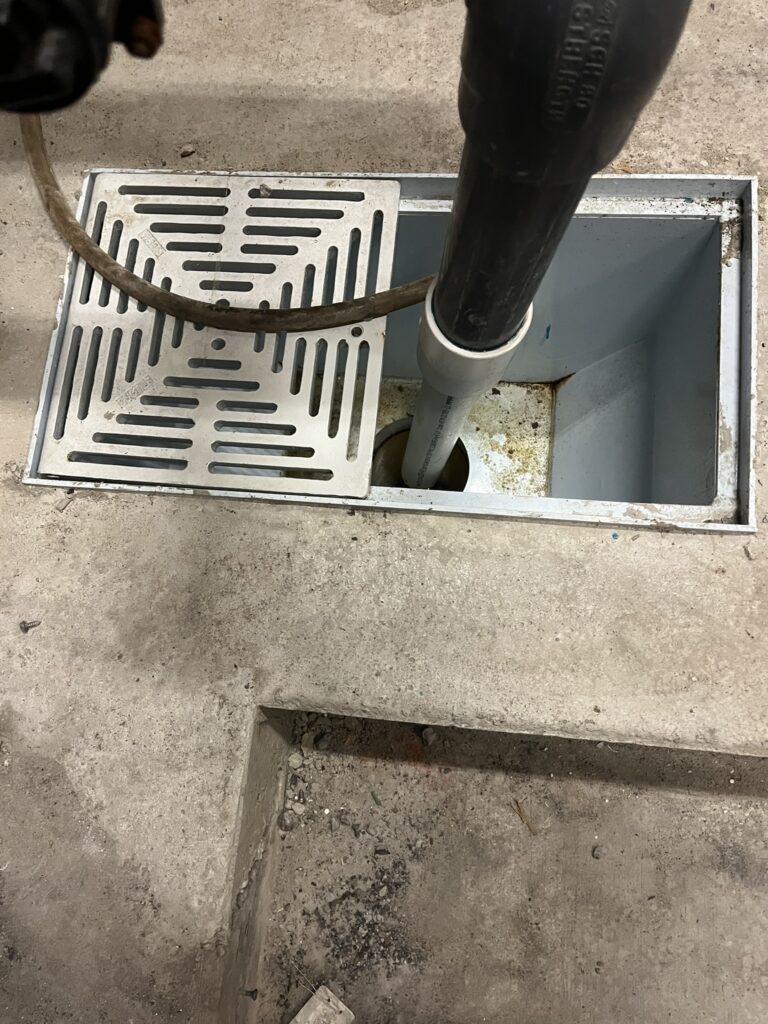
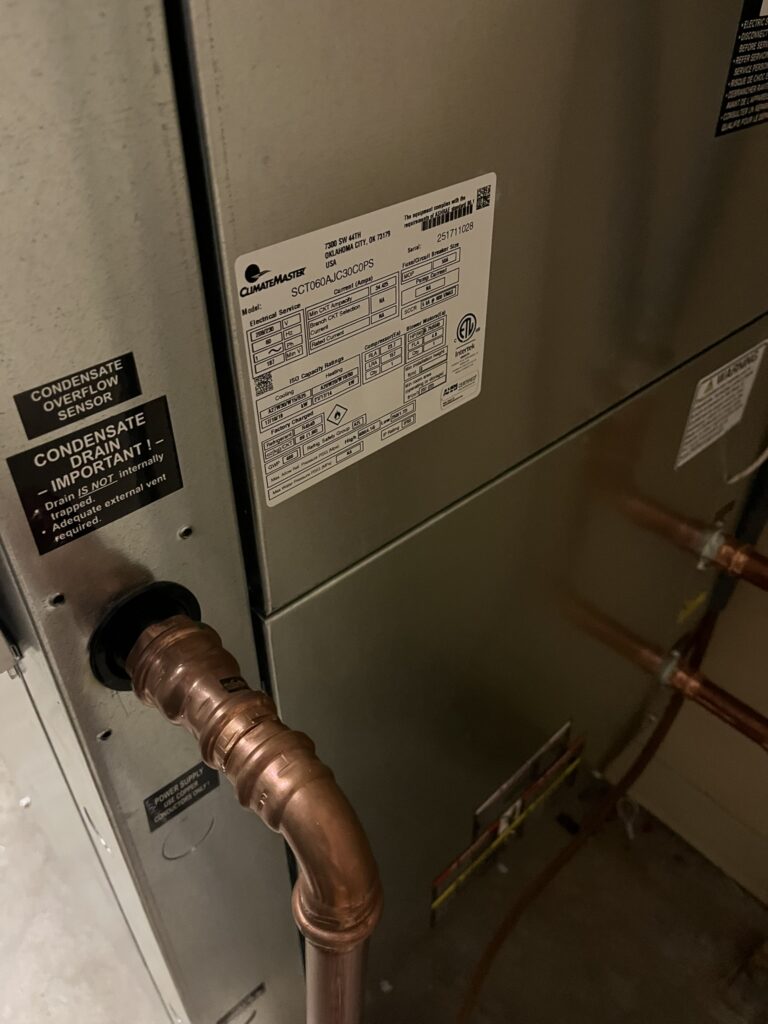
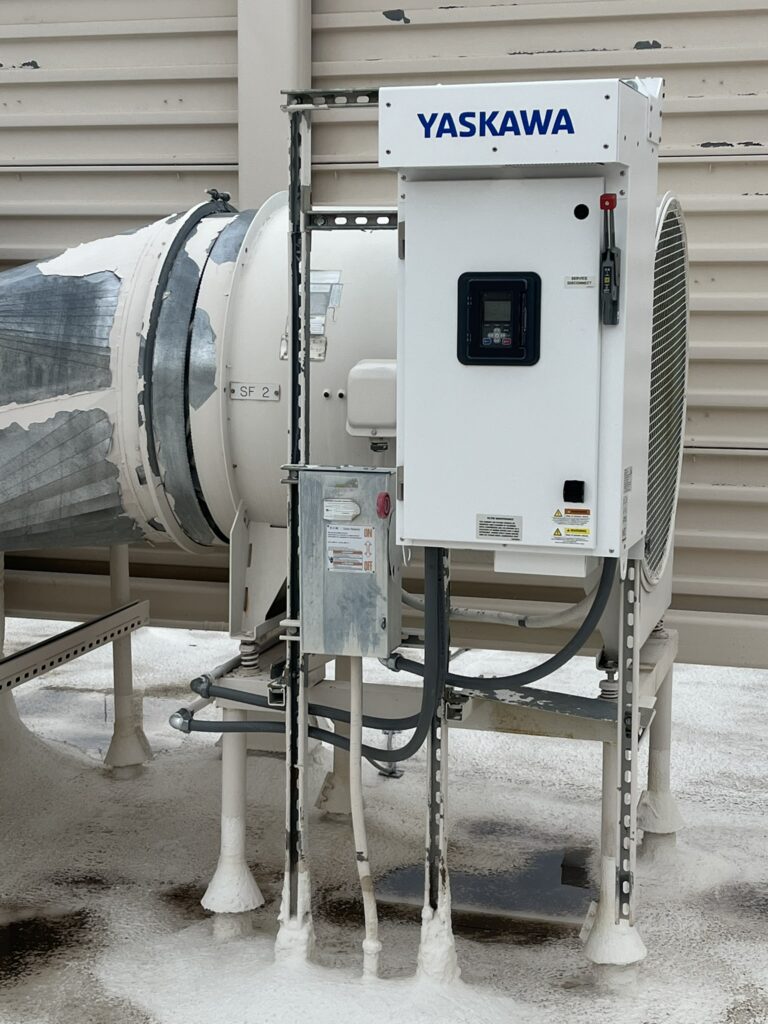
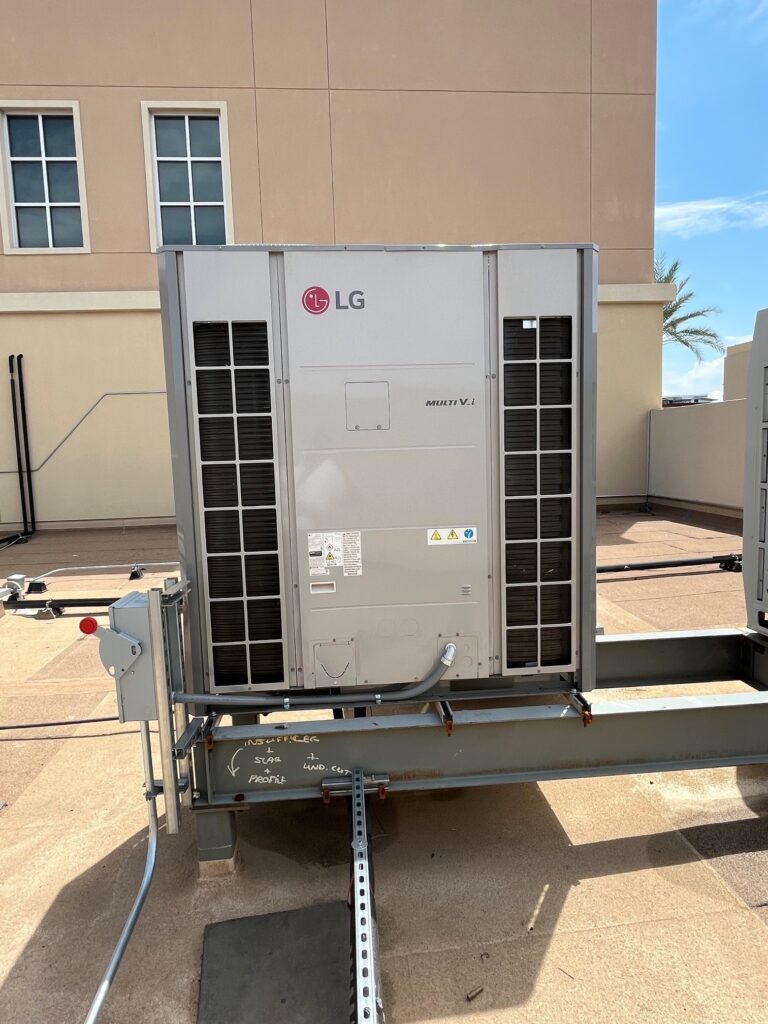
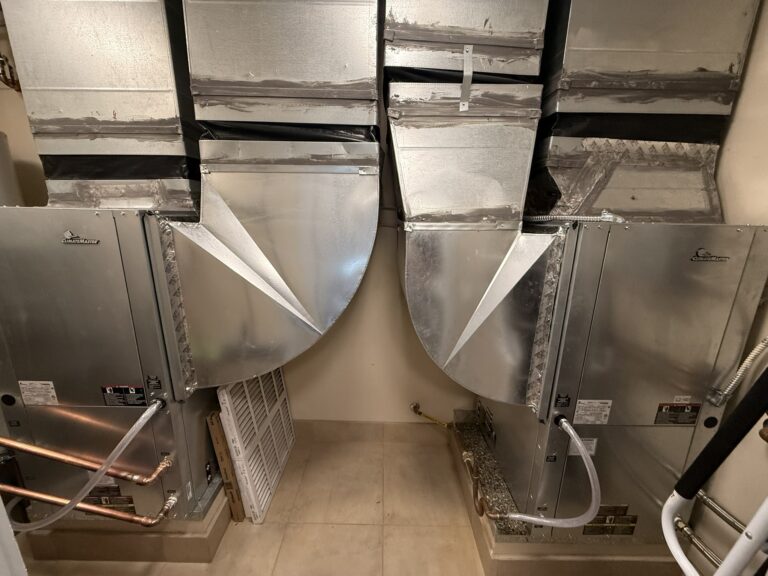
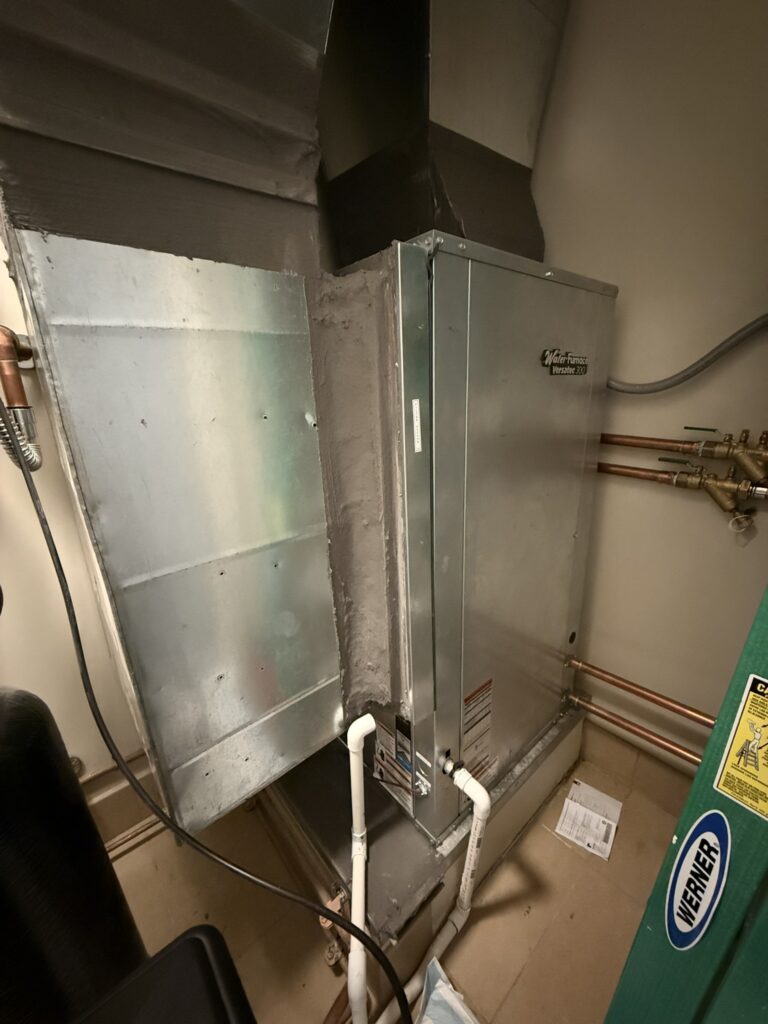
Photos from our own commercial projects — equipment we installed, in buildings we serviced.
Walk-in cooler repair in Phoenix comes with a deadline attached: the temperature of everything you own inside the box. A loaded walk-in that loses refrigeration doesn’t fail gradually from your perspective — it fails the moment the air inside crosses the line your health inspector and your insurance adjuster both care about. Yeti Pros repairs walk-in coolers and walk-in freezers across the entire Phoenix metro, 24/7, with EPA 608-certified technicians, flat-rate written quotes, and a veteran-owned crew licensed under ROC #363372 and ROC #363423. One number reaches a live human at any hour: (520) 556-8929.
The walk-in failure clock, in plain numbers
Cooler Failure
For a cooler, the number that matters is 41°F — the cold-holding ceiling for potentially hazardous foods under the food code Valley health departments enforce. A well-sealed, fully loaded walk-in has thermal mass working in its favor, but once the compressor stops, the interior climbs steadily toward whatever your back-of-house ambient is, and in a Phoenix summer that ambient is brutal.
Freezer Failure
For a freezer, the math is harsher: product that thaws is gone, period, and refreezing isn’t an option for quality or safety. A walk-in full of proteins can hold more inventory value than every reach-in in the building combined — which is why down walk-ins top our dispatch board. The earlier you call, the more of that thermal-mass head start you keep.
Coolers, freezers, and combination boxes
- We service every walk-in configuration the Valley runs: single coolers behind restaurant lines, walk-in freezers pulling -10°F, cooler/freezer combos sharing a wall, beer caves in c-stores, floral coolers, and the big multi-evaporator boxes behind grocery and commissary operations.
- That includes indoor boxes, outdoor boxes on slabs behind the building, and everything from the door hardware to the remote condensing unit on the roof.
- For the smaller equipment around your walk-in — reach-ins, prep tables, display cases — our commercial refrigeration repair team covers the full lineup.
- Our ice machine service keeps the third leg of your cold chain standing.
What breaks on Phoenix walk-ins
Most walk-in condensing units in the Valley live on rooftops or back lots, running flat-out in direct sun where surface temperatures far exceed the ambient design conditions the equipment was rated for. Add wind-blown dust loading the condenser coil and you get high head pressures, tripped safeties, and compressors aging in dog years. This is the single most Phoenix-specific failure pattern we see.
A failed defrost timer, heater, or termination sensor lets frost accumulate until the evaporator coil chokes. The box warms while the system runs harder — and by the time someone notices, there’s a glacier growing behind the fan panel.
The door is the most abused component on any walk-in. Torn gaskets and missing sweeps leak warm, moist air nonstop; sagging hinges keep the door from sealing at all; shredded strip curtains stop doing their job during the rush when the door swings most. These cheap parts drive an outsized share of ice-ups and overworked compressors.
Forklift dings, rusted floor panels, and separated panel seams let moisture migrate into the insulation. Once a panel’s vapor barrier is breached, it ices internally, loses R-value, and the box works harder forever after. We assess honestly whether a panel can be repaired and resealed or needs replacement.
In freezers especially, a failed drain-line heater or poor pitch lets condensate freeze in the line, back up into the pan, and turn into ice sheets on the floor — a slip hazard and a symptom worth catching early.
Slow leaks at flare fittings, valve stems, and vibration-worn tubing starve the system until it can’t hold setpoint on hot afternoons. We find and fix the leak, then weigh the charge back in — documented by our EPA 608-certified techs on your invoice.
Box-side or system-side? We’ll tell you straight
Refrigeration System
Is the refrigeration system producing the capacity it should? We check if the compressor, evaporator, and controls all check out.
Box Integrity
Is the box holding the cold it receives? Sometimes the real problem is the box itself: waterlogged panels, a door that hasn’t sealed since the last remodel, or a vapor barrier that gave up years ago. Replacing a compressor on a box that leaks heat through its own walls buys you the same emergency again next summer.
You get the answer in writing either way, with a flat-rate quote for whichever side of the problem actually needs the work. That candor occasionally costs us a compressor sale. We’re fine with that.
Emergency response and saving the product you have
When you call with a warm walk-in, dispatch starts with two questions: what’s the box reading, and what’s inside it. Loaded boxes get priority, around the clock, anywhere in the Phoenix metro — and the service-call fee is stated before the truck moves and credited against the repair. For after-hours HVAC failures alongside the box, our emergency commercial HVAC line runs on the same 24/7 dispatch.
Until the tech arrives, a few moves protect your inventory:
Stay out of the box except for essential trips, since every opening dumps the cold you have left.
Move the highest-risk product into whatever refrigeration is still running.
Log temperatures at intervals so you have a defensible record for the health department and any loss claim.
For freezers facing a long outage, dry ice can bridge the gap — handle it gloved, keep the area ventilated, and place it above product, since cold falls.
None of that replaces the repair, but it can be the difference between a close call and a dumpster full of inventory.
Monsoon power blinks and modern walk-in controls
Phoenix’s monsoon season adds a failure mode that has nothing to do with heat: the half-second power blink. Grid switching during storms doesn’t just cause outages — it causes rapid off-on events that scramble digital controllers, lock out compressors on anti-short-cycle timers, and occasionally leave a defrost cycle stranded mid-sequence. More than one “dead” walk-in we’ve been called to after a storm was a controller waiting for someone to interpret its fault code. If your box has been unreliable since a storm night, mention it when you call; it changes where we look first, and it’s a strong argument for surge protection on the condensing-unit circuit.
New walk-ins and box replacement
Full Box Replacement
When a box is past saving — collapsed floor panels, saturated insulation, a footprint the operation outgrew — we handle replacement end to end: sizing the box and refrigeration system to your actual load and door-swing traffic rather than a catalog default, panel assembly, refrigeration installation, controls, and start-up verification with documented pull-down to setpoint.
Targeted Rebuild
We’ll also tell you when a targeted rebuild (new door, a few panels, updated refrigeration) gets you most of the benefit at a fraction of the cost.
Prevention beats 2 a.m. phone calls
Almost every walk-in emergency on our board announces itself weeks in advance — frost patterns on the evaporator, doors that need a shoulder to close, condensers furred with dust. A planned maintenance contract catches those signals on schedule:
Matched to your site’s dust and grease load.
Ensuring proper function of defrost and drain-heater.
Checking door hardware and gaskets.
Checking refrigerant and controls.
A written condition report you can budget from.
Contract customers also ride the front of the emergency queue — which matters most in July. Our full commercial HVAC and refrigeration services can fold the rest of your building into the same program. Work is warrantied in writing on top of Arizona’s Minimum Workmanship Standards, the legal baseline every ROC-licensed contractor owes you. And since many of the owners and kitchen crews we serve wore a uniform themselves, our 10% military, veteran & first responder discount applies to work at their own homes on the residential side.
Walk-in repair questions we hear from Phoenix operators
My walk-in is at 45°F and climbing. What do I do right now?
Call us, then keep the door closed and stop non-essential trips into the box. Move the highest-risk product to any unit still holding temp, and start writing down temperature readings with times. That log protects you with the health department and documents any loss.
Do you repair walk-in freezers too, or just coolers?
Both, including cooler/freezer combos and low-temp boxes. Freezer failures get the same priority as coolers — arguably more urgency, since thawed product can’t be saved the way chilled product often can.
Why does my evaporator keep icing over?
Usually a defrost fault — timer, heater, or sensor — or warm moist air pouring in through a bad door gasket or missing strip curtain. Occasionally it’s low charge. Repeated ice-ups are a diagnosis, not a chore to chip away at; the underlying cause is fixable.
The box is cold but the floor is always wet. Problem?
Yes — likely a blocked or frozen drain line, a failed drain heater, or condensate escaping the pan. Standing water breeds slip hazards and accelerates floor-panel corrosion, and it’s typically a quick fix caught early.
Can you tell me whether to fix the refrigeration or replace the box?
That’s exactly how we structure the diagnosis: system capacity on one side, box integrity on the other. You get findings and numbers for both in writing, and the decision stays yours.
Should I put dry ice in the walk-in while I wait?
For freezers facing a long outage it can be a useful bridge — gloves on, area ventilated, placed above the product since cold air sinks. For coolers, consolidation and a closed door usually buy enough time for same-day repair.
Do power flickers during monsoon storms really hurt walk-ins?
They can. Rapid power blinks confuse digital controllers and can lock out compressors or strand defrost cycles. If trouble started after a storm, say so when you call — and consider surge protection on the condensing-unit circuit.
Walk-in warming while you read this? Call (520) 556-8929 — live 24/7 dispatch, priority for loaded boxes, veteran-owned, ROC #363372 · #363423.
Permits and inspections
Most repairs are ordinary service work; bigger scopes can involve city permitting. We perform our work to code, pull the permits our scope requires, and put what we did in writing.
What's covered
Workmanship is covered for two full years, in writing, and repair parts carry a 1-year manufacturer parts warranty — we document installs and repairs so those claims stay simple to make
Why a licensed HVAC contractor matters.
Commercial Walk-In Cooler Repair in Phoenix, city by city.
Every city below has its own local page for this service — local FAQs, utility territory, housing stock, and dispatch reality included.
Every major brand, serviced and installed.




Phoenix metro: Most days a tech is already working somewhere in the Valley, so same-day appointments happen when the schedule allows. After-hours emergencies are dispatched when a licensed tech is available — a real person answers and tells you the ETA on the call.
Call (520) 556-8929Request an estimate.
No pressure, no door knockers. We look at the HVAC system, tell you what it needs (and what it doesn’t), and put the number in writing.