
Phoenix Metro
Commercial 24/7 Emergency HVAC in Phoenix.
- (520) 556-8929
- Serving the entire Phoenix metro — we come to you
- Office: Mon–Fri 8:00 AM – 5:00 PM · 24/7 emergency service
- 2-year workmanship warranty · 1-year parts warranty
- Veteran-owned & operated · residential + commercial
- 23 five-star Google reviews
Commercial jobs we have documented.
Photos from our own commercial projects — equipment we installed, in buildings we serviced.
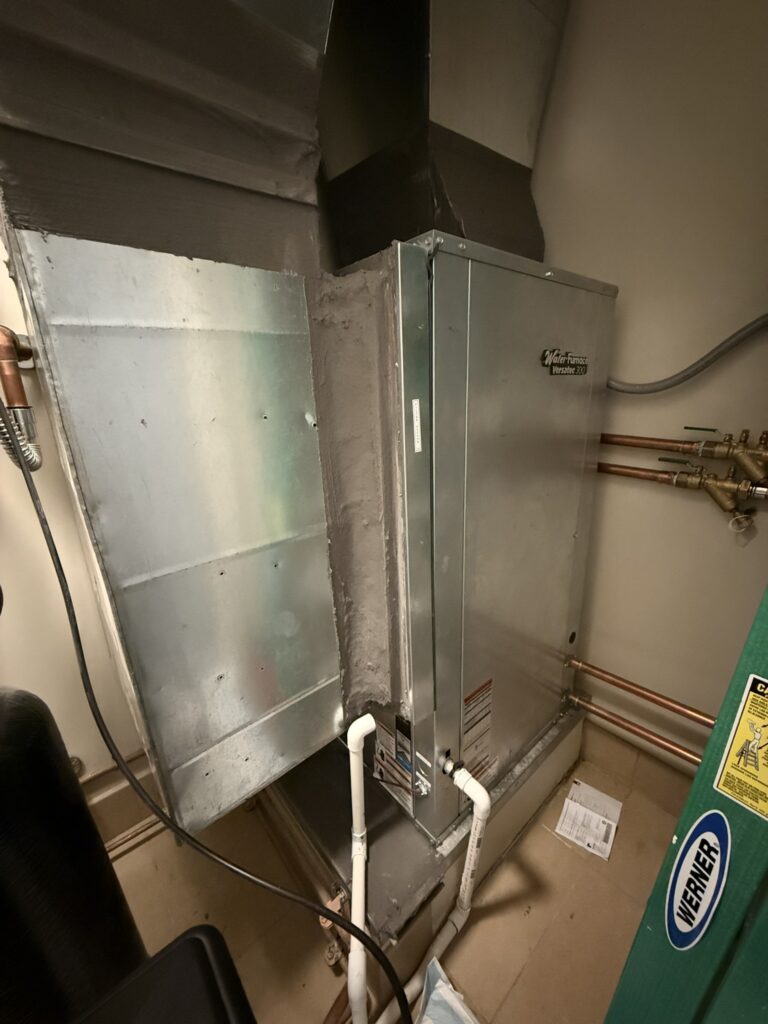
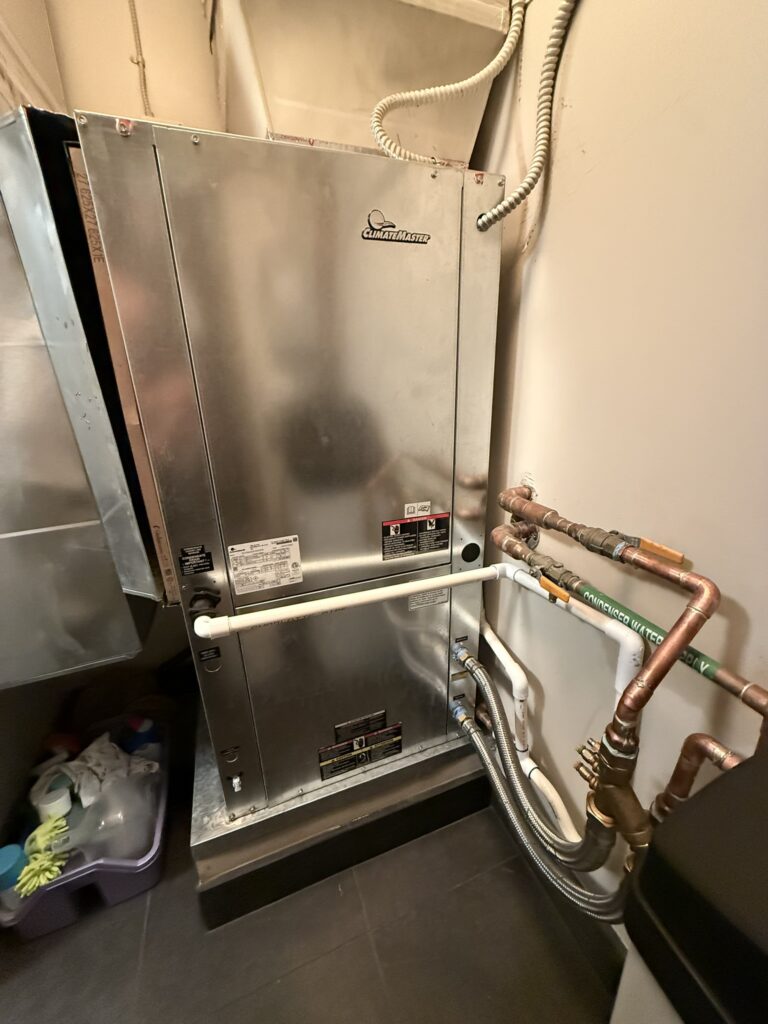
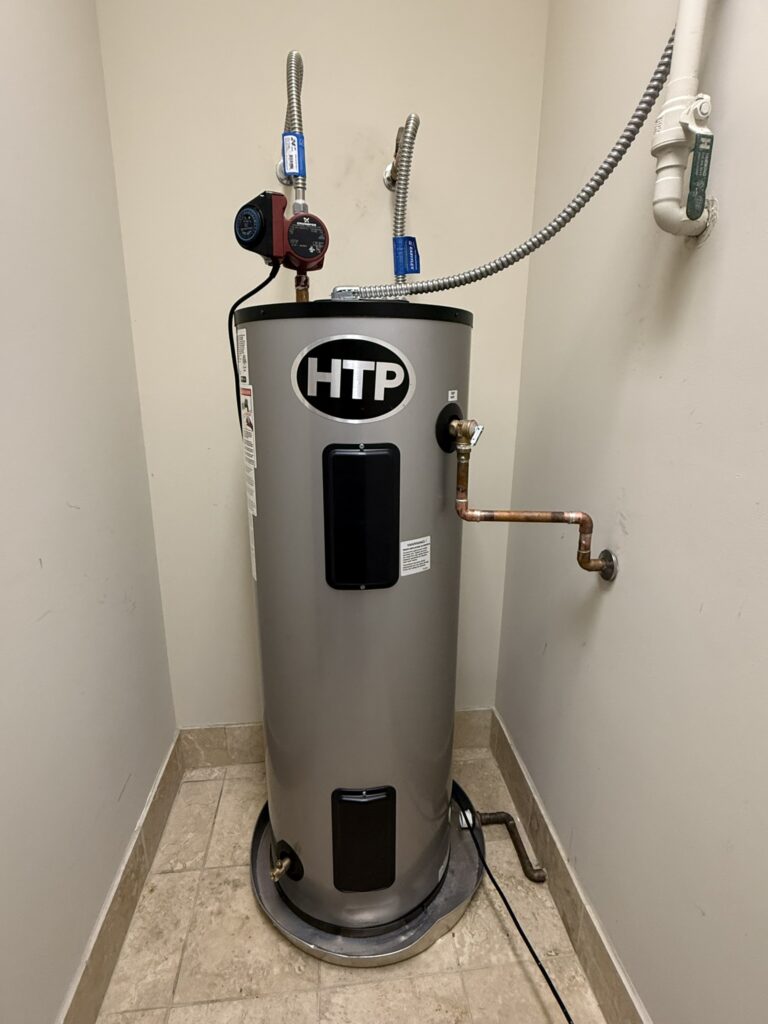
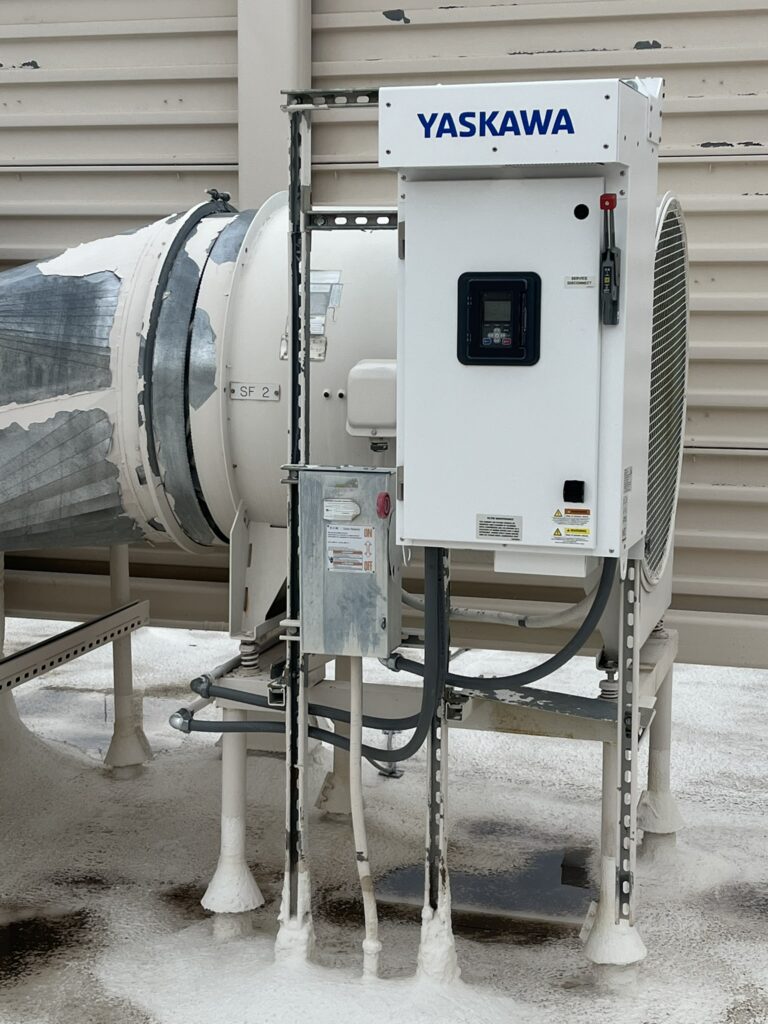
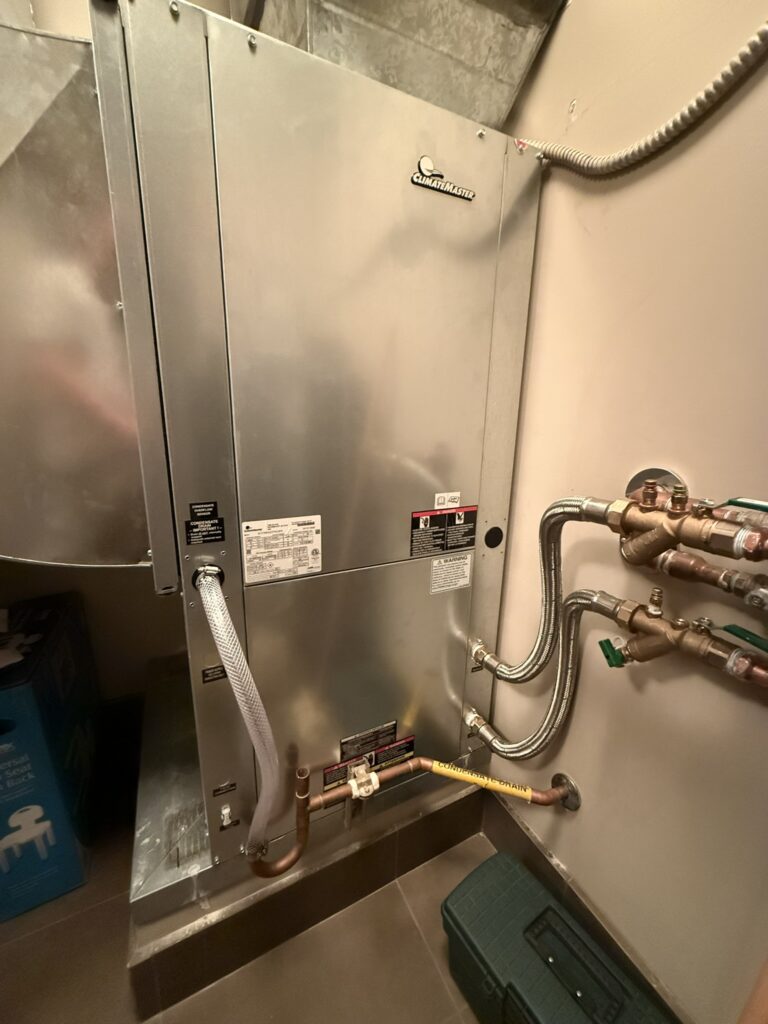
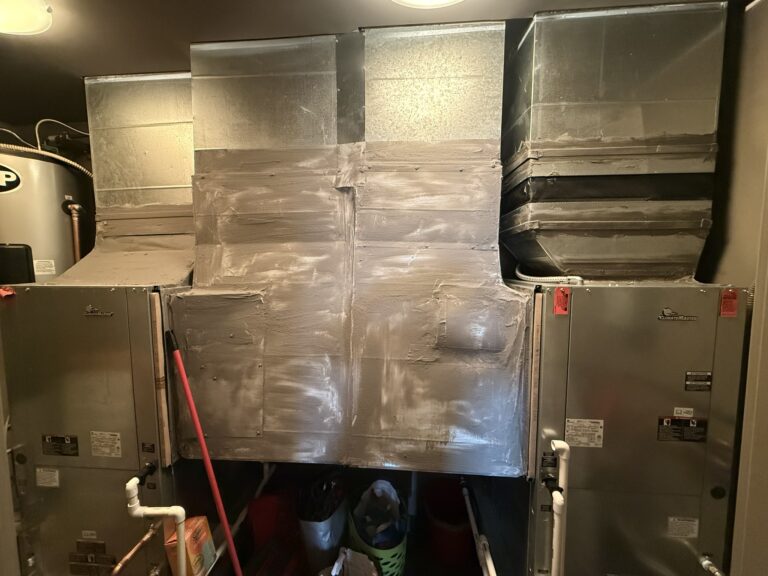
When cooling equipment quits on a business, the difference between a rough afternoon and a five-figure loss is usually measured in response hours. Yeti Pros runs 24/7 emergency commercial HVAC service across Phoenix and the entire Valley metro — nights, weekends, holidays, and mid-monsoon — with a live human answering the phone and a dispatcher who understands that your walk-in, your server room, or your Saturday sales floor is bleeding money while it waits. Veteran-owned and operated, licensed under ROC #363372 and ROC #363423. The number is (520) 556-8929, at whatever hour it matters.
What a commercial HVAC emergency looks like in Phoenix
Residential emergencies are about comfort and safety. Commercial emergencies are those things plus a profit-and-loss statement on fire. The after-hours calls here follow familiar patterns:
A Friday night in July, the walk-in climbing past 50°F with the weekend’s inventory inside, and the dining room AC dead in the middle of the dinner rush. Every hour costs product and covers at the same time. (Down walk-ins have a dedicated response path — see walk-in cooler repair.)
A dedicated cooling unit fails quietly on a Sunday, the room temperature climbs a degree at a time, and hardware starts thermal-throttling — then shutting itself down — while monitoring alerts pile up on somebody’s phone.
An urgent care, dental practice, or clinic without cooling in a Phoenix summer can’t safely see patients, and certain medications and materials have storage-temperature ceilings that don’t negotiate.
Your biggest traffic day of the week, a sales floor pushing 90°F while it’s 110°F-plus outside, and customers voting with their feet within minutes of walking in.
If your situation rhymes with any of these, don’t sit on it until Monday — each of these scenarios gets strictly more expensive with time.
Emergency commercial HVAC pricing, stated plainly
The after-hours fee is stated on the phone before any truck is dispatched.
The diagnosis comes with a flat-rate written quote before any repair begins.
The fee credits toward the work when you approve it.
Emergency timing never becomes pricing leverage — the number is the number whether you call at 2 p.m. or 2 a.m.
The paper trail is identical to a weekday call: documented findings and readings, EPA 608 refrigerant records where applicable, photos, and written warranty terms your corporate office or insurance adjuster can actually use.
Behind all of it stands the Arizona ROC’s Minimum Workmanship Standards — the legal minimum, which we treat as a starting line.
A person answers. Then a truck moves.
Call at 2 a.m. and you will not meet a phone tree or an answering service reading a script into the void. You reach someone who can actually dispatch — who asks what the equipment is doing, what’s at risk, and where in the metro you are, then gives you an arrival window grounded in reality rather than marketing. We would rather say “three hours” and show up in three than promise thirty minutes and torch your trust by sunrise.
Triage: how we decide who’s next
During a heat wave or a post-storm surge, calls arrive faster than trucks can clear them, so the queue needs rules — and you deserve to know what they are.
at occupied medical facilities hold the top slot.
with inventory actively at risk come next; a dying commercial refrigeration system full of product is a loss that compounds by the hour.
follow, then occupied commercial space generally, then buildings sitting empty until morning.
go first within every tier — more on that honesty below.
Trucks stocked for commercial platforms
Contactors and capacitors across the common commercial ratings.
.
for widespread platforms.
.
for the legacy R-22 systems still riding the Valley’s aging rooftop-unit fleet.
The goal is closing the call in a single visit. When a failure genuinely requires an ordered component — a specific compressor, a coil — we say so on the spot, stabilize whatever can be stabilized, and slot the return trip at the front of the schedule.
Contract customers ride the front of the queue — and we won’t pretend otherwise
Here is the honest version of “priority dispatch.”
Contract Customers
Businesses holding one of our planned maintenance contracts get served ahead of non-contract callers in the same triage tier, every time, including the worst week of the summer — especially the worst week of the summer, because that’s when the promise has to mean something.
Non-Contract Businesses
Non-contract businesses absolutely still get 24/7 service and a truthful arrival window. But if your operation genuinely cannot tolerate cooling downtime, understand that the front of the line is a thing you can simply buy — it’s a contract, not a mystery, and it comes with the preventive visits that make the emergency less likely in the first place.
Bridging the gap: temporary cooling while parts arrive
Sometimes the real fix has a lead time — a semi-hermetic compressor two days out, a specialty coil a week away. The job then becomes protecting people, product, and hardware across the gap, and we’ll help you engineer the bridge.
rented from any of the equipment-rental houses around the metro, can hold a server room or a small dining area inside tolerable range if they’re sized and ducted correctly.
product in a failing cold room can be consolidated into surviving boxes or moved to rented refrigerated trailer space before it crosses the temperature line.
We’ll tell you plainly how many tons of temporary cooling the space needs and where the heat rejection has to go, so you rent what will actually work instead of guessing at the counter. No affiliations, no kickbacks — just sizing math so the bridge holds.
The monsoon surge, every single year
From late June through September, storm nights produce a predictable overnight spike in commercial calls: haboob dust packs condenser coils and trips units on high-pressure lockout, lightning-adjacent surges kill control boards, VFDs, and motors, and wind-driven rain finds openings in economizer hoods. The calls start around 8 p.m. as the storm cells cross the metro and keep coming into the early morning.
Two takeaways for facility managers:
if your equipment failed the night of a storm, say so when you call — it narrows the diagnosis before we ever reach the roof.
most surge-season failures are preventable: pre-monsoon coil cleaning and surge protection, handled through scheduled commercial AC repair and maintenance visits, quietly deletes a large share of these emergencies before they exist.
The whole metro, at every hour
Emergency coverage runs metro-wide: Phoenix, Scottsdale, Mesa, Chandler, Gilbert, Glendale, Tempe, Peoria, Surprise, Goodyear, Avondale, Buckeye, Queen Creek, Apache Junction, and everywhere between. Arrival windows stretch at the metro’s far edges on surge nights, and we’ll say so on the phone instead of letting you find out the hard way. One more note from a veteran-owned company: if you or your employees are veterans or military family members, a 10% military discount is waiting on the residential side of their lives — separate from your commercial billing, but real, and worth mentioning around the break room. The rest of what we do for businesses lives at commercial HVAC services.
Emergency questions, straight answers
What actually counts as a commercial HVAC emergency?
Product at risk, patients or vulnerable occupants in the building, hardware approaching thermal shutdown, or an occupied space losing cooling during extreme heat. A unit making a new noise while still holding temperature is a priority repair, not an emergency — and we’ll tell you that on the phone for free rather than bill you at 1 a.m. to hear it.
Does a real person answer at 3 a.m.?
Yes — someone who can move a truck, not a message-taker. Every hour, every day of the year, holidays included.
We don’t have a contract with you. Will you still come?
Yes. Non-contract businesses get full 24/7 service. Contract holders lead their triage tier, so on surge nights your window may run longer — we’ll quote it honestly and you can decide.
What will emergency service cost?
The after-hours fee is stated on the phone before dispatch, and the repair is quoted flat-rate in writing before work starts, with the fee credited when you approve. Every repair is different, so we price the work clearly before you are committed.
Can you actually fix it the same night?
Usually — truck stock covers the components that account for most commercial failures here: contactors, capacitors, motors, boards, refrigerant. When a part must be ordered, we stabilize the system, help arrange temporary cooling, and return on priority.
What should we do before the truck arrives?
If anything smells burnt or a breaker keeps tripping, shut the equipment off. Consolidate at-risk product into working refrigeration and log its temperatures — your insurer will want those numbers. Clear roof access if you control it. Then leave the rest to us.
Why did everything fail right after the storm?
Because the storm did it — coil-clogging dust and electrical surges are monsoon’s signature failure modes. Mention the storm when you call; it shortens the diagnosis considerably.
Equipment down and the clock already running? Call (520) 556-8929 now — live answer 24/7, veteran-owned, ROC #363372 · #363423.
Permits and inspections
Most repairs are ordinary service work; bigger scopes can involve city permitting. We perform our work to code, pull the permits our scope requires, and put what we did in writing.
What's covered
Workmanship is covered for two full years, in writing, and repair parts carry a 1-year manufacturer parts warranty — we document installs and repairs so those claims stay simple to make
Why a licensed HVAC contractor matters.
Commercial 24/7 Emergency HVAC in Phoenix, city by city.
Every city below has its own local page for this service — local FAQs, utility territory, housing stock, and dispatch reality included.
Every major brand, serviced and installed.




Phoenix metro: Most days a tech is already working somewhere in the Valley, so same-day appointments happen when the schedule allows. After-hours emergencies are dispatched when a licensed tech is available — a real person answers and tells you the ETA on the call.
Call (520) 556-8929Request an estimate.
No pressure, no door knockers. We look at the HVAC system, tell you what it needs (and what it doesn’t), and put the number in writing.