
Phoenix Metro
Furnace Repair in Phoenix.
- (520) 556-8929
- Serving the entire Phoenix metro — we come to you
- Office: Mon–Fri 8:00 AM – 5:00 PM · 24/7 emergency service
- 2-year workmanship warranty · 1-year parts warranty
- Veteran-owned & operated · residential + commercial
- 23 five-star Google reviews
Residential HVAC across the Valley.
Air conditioning, heating, and cooler work at homes across the Phoenix metro.
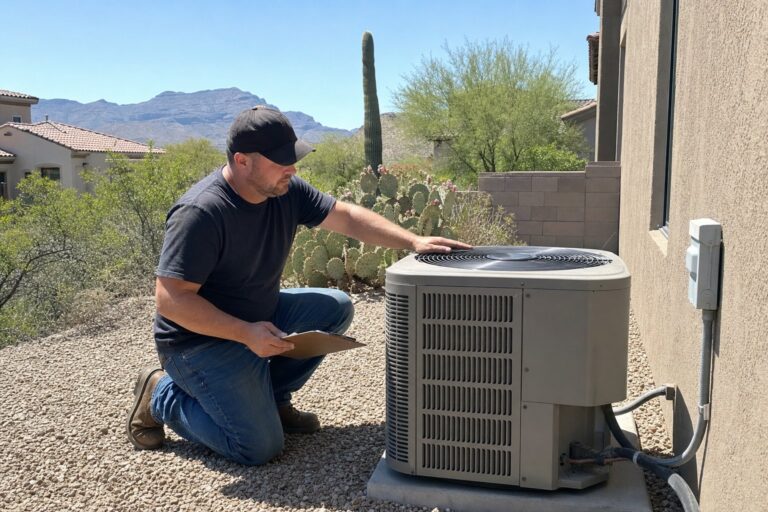
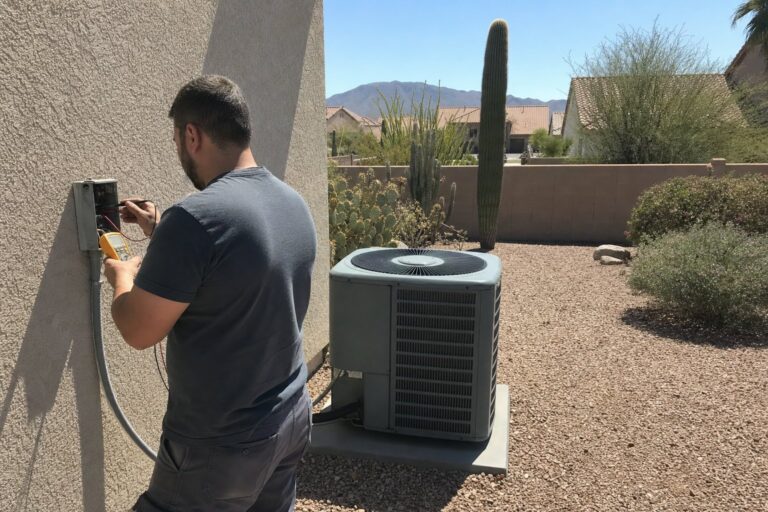
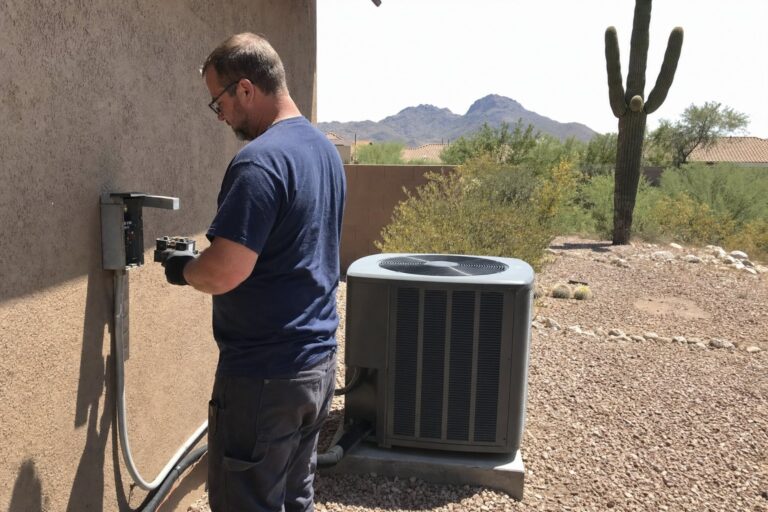
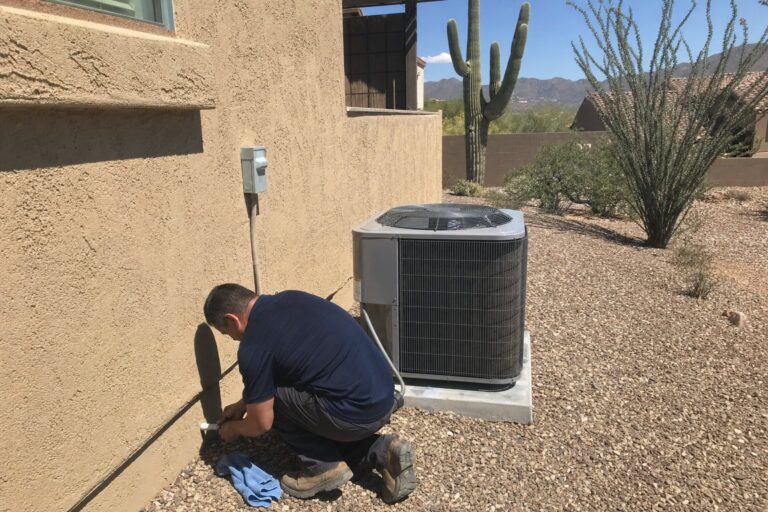
Valley winters are short but genuine: December and January overnight lows in the 30s and 40s are routine, the high-desert edges of the metro see hard freezes, and a dead furnace in a house with kids or grandparents is not a wait-until-Monday problem.
Yeti Pros diagnoses and repairs gas furnaces, electric furnaces, and rooftop gas-pack heating sections across the entire Phoenix metro. Veteran-owned and operated, licensed under ROC #363372 · ROC #363423. Call (520) 556-8929 and a real person answers — 24/7, every day of the year.
Who still heats with a furnace in the Valley
Heat pumps dominate newer construction, but a huge share of older Phoenix housing still heats with gas. Furnaces cluster in the mid-century neighborhoods: central Phoenix ranches, Glendale and Sunnyslope block homes, the historic districts around Willo and Coronado, and decades of housing plumbed for Southwest Gas back when a gas furnace was simply what you installed. Add the rooftop gas-packs on homes from Sun City to west Mesa — package units pairing electric cooling with a gas heating section in one cabinet — and furnace work is a far bigger slice of Phoenix HVAC than newcomers expect. Many of these units are 15 to 25 years old, which shapes both what breaks and what the smart fix looks like. It’s a core part of our residential service lineup, alongside heating repair for every other system type.
Straight pricing, and 10% off for military families
Straight Pricing
Every quote is flat-rate and in writing. The service-call fee is disclosed when you book, not sprung on arrival, and it applies toward the repair.
Military Discount
As a veteran-owned company, we take 10% off for active-duty military and veterans — permanently, on every service we offer.
What fails on Phoenix furnaces — and how we fix it
A furnace is a chain of safety-sequenced components, and a failure anywhere in the chain shuts the whole thing down. The usual suspects, roughly in the order we find them:
The small ceramic element that glows to light the burners is a wear item, and a decade of thermal cycling makes it brittle. A furnace that clicks and hums but never produces flame very often needs nothing more than a new igniter.
A fouled or corroded sensor can’t confirm the burners lit, so the board cuts the gas as a precaution. The symptom is unmistakable: fires up, runs a few seconds, dies, tries again, then locks out. Cleaning or replacement is quick once it’s properly diagnosed.
These verify the inducer fan is actually venting combustion gases before ignition is allowed to proceed. A stuck switch, a cracked hose, or a blocked vent keeps the furnace from ever starting its sequence.
When a valve won’t open — or worse, won’t close cleanly — the furnace either can’t heat or can’t be trusted. Valve work is strictly a licensed-professional job, and we pressure-test and leak-check every connection we touch.
The board conducts the whole ignition sequence, and Arizona’s brutal summer attic temperatures cook boards year after year even while the furnace sits idle. Erratic behavior, blinking fault codes, or a completely dead unit often trace back here.
Failing blower motors, worn bearings, and dust-loaded blower wheels all choke airflow. The furnace overheats, trips its high-limit switch, and short cycles — the fix is restoring airflow, not swapping the safety device that kept shutting things down to protect you.
Cracked heat exchangers: the safety line we won’t blur
The heat exchanger is the metal barrier between the burner flame and the air your family breathes, and after enough years of expansion and contraction cycles, metal fatigues and cracks. A compromised exchanger can push carbon monoxide into your ductwork — odorless, colorless, and genuinely dangerous. Our discipline is simple: we inspect the exchanger on every gas furnace call, no exceptions. If we find a crack, we document it with photos, walk you through exactly what we’re seeing, and red-tag the unit only when the evidence justifies it — never as a sales tactic. And whether your furnace is brand new or twenty years old, put carbon monoxide detectors in any home that burns gas. It’s cheap insurance we recommend on every single visit.
Electric furnaces and rooftop gas-packs
Electric Furnaces
Not every Valley furnace burns gas. Electric furnaces — banks of resistance heating elements paired with a blower — serve plenty of Phoenix homes, and their failures are their own list: burned-out elements, failed sequencers, breakers tripped by elements drawing too much current, and blower faults. We repair those too.
Rooftop Gas-Packs
We also work the roofs: gas-pack heating sections fail the same ways ground-level furnaces do, with the added wear of living in direct Arizona sun year-round. Burners, igniters, exchanger inspections, safe roof access — routine for our techs. For cooling-side problems on the same equipment, see our package unit repair service.
How a furnace repair visit works
Call (520) 556-8929 and you’ll hear the exact service-call fee before anything is scheduled — and that fee is credited toward your repair if you move forward.
The technician runs the furnace through its full sequence, identifies the failed component, and shows you the evidence — the cracked igniter, the sensor reading, the fault-code history. Gas calls automatically include an exchanger inspection, a gas leak check, and a carbon monoxide reading.
One flat-rate number in writing before any work begins.
We verify the fix through complete heating cycles, and everything we do is backed by our written labor warranty — which exceeds the Minimum Workmanship Standards Arizona law already requires of every ROC-licensed contractor.
Repairing an old furnace vs. replacing it — including the heat pump question
Repairing an Old Furnace
Our approach: weigh the repair cost against the unit’s age, its condition, and what else is likely to fail next. A single inexpensive part on a mid-life furnace is an easy yes.
Replacing Your Furnace (or Converting to Heat Pump)
A major component on a 20-year-old unit with a rusting exchanger is money better aimed at replacement — and in Phoenix, replacement deserves one extra question: should the next system be a furnace at all? Because Valley winters are mild and cooling drives your energy bills anyway, many homeowners retire the furnace-plus-AC combo for a single heat pump that does both jobs, drops the Southwest Gas line item, and may qualify for utility rebates and federal tax credits. We’ll price both paths honestly — see our heat pump installation page for how that conversion works.
Furnace repair across the entire Phoenix metro
We run the whole Valley. No neighborhood is too far — we’re a service-area business, and the truck comes to you.
- Phoenix
- Scottsdale
- Mesa
- Chandler
- Gilbert
- Glendale
- Tempe
- Peoria
- Surprise
- Goodyear
- Avondale
- Buckeye
- Queen Creek
- San Tan Valley
- Apache Junction
- Sun City
- Sun City West
- Fountain Hills
- Paradise Valley
- Anthem
- Cave Creek
- Maricopa
- Casa Grande
Furnace questions Phoenix homeowners ask us
My furnace clicks but never lights. What’s wrong?
Most often the hot-surface igniter has cracked or burned out — it’s the single most replaced furnace part we carry. It can also be a pressure switch refusing to close or a gas valve issue. All three are diagnosable in one visit, and igniter replacement is typically among the least involved furnace repairs there is.
Why does my furnace start, run briefly, then shut off?
That pattern usually points to a dirty flame sensor: the burners light, the board can’t verify flame, and it shuts the gas off for safety. If the furnace runs longer — several minutes — before quitting, suspect overheating from a clogged filter or a blower problem instead. Both are common, and both are fixable.
Is it dangerous to keep running a furnace with a cracked heat exchanger?
Yes — that’s the one furnace problem we tell you to shut down for. A cracked exchanger can leak carbon monoxide into your home’s air supply. We’ll show you the damage on camera, explain your options, and help you keep the house warm safely in the meantime. Every gas-heated home should also have working CO detectors on each level.
Do you repair the heating section on rooftop package units?
Yes. Gas-pack heating sections — burners, igniters, flame sensors, heat exchangers — are everyday work for our techs, roof access included. Thousands of Valley homes heat this way, especially in Sun City, Mesa, and the older west-side neighborhoods.
My furnace is 20 years old. Should I even repair it?
Sometimes. A small repair that buys a few more winters can make sense while you plan ahead. But major repairs on 20-year-old equipment rarely pencil out, and at that age we’d also have you consider a heat pump conversion — one system for heating and cooling, no gas bill, and current rebate programs often help. We’ll show you the numbers for both without pressure.
Do you work on electric furnaces too?
Yes — heating elements, sequencers, blowers, breakers, and thermostat faults on electric furnaces are all standard repairs for us, along with every gas furnace brand common in the Valley.
Can you come out the same day in winter?
Usually. Phoenix winter demand is far gentler than summer, so same-day service is the norm — and no-heat calls during genuine cold snaps get priority, especially homes with infants or elderly residents. A real person answers our phone 24/7 either way.
Furnace down? Call (520) 556-8929 for same-day furnace repair anywhere in the Phoenix metro — flat-rate, in writing, veteran-owned. ROC #363372 · ROC #363423.
Permits and inspections
Most repairs are ordinary service work; bigger scopes can involve city permitting. We perform our work to code, pull the permits our scope requires, and put what we did in writing.
What's covered
Workmanship is covered for two full years, in writing, and repair parts carry a 1-year manufacturer parts warranty — we document installs and repairs so those claims stay simple to make
Why a licensed HVAC contractor matters.
Furnace Repair in Phoenix, city by city.
Every city below has its own local page for this service — local FAQs, utility territory, housing stock, and dispatch reality included.
Every major brand, serviced and installed.

Phoenix metro: Most days a tech is already working somewhere in the Valley, so same-day appointments happen when the schedule allows. After-hours emergencies are dispatched when a licensed tech is available — a real person answers and tells you the ETA on the call.
Call (520) 556-8929Request an estimate.
No pressure, no door knockers. We look at the HVAC system, tell you what it needs (and what it doesn’t), and put the number in writing.