
Phoenix Metro
Commercial Kitchen Exhaust Cleaning in Phoenix.
- (520) 556-8929
- Serving the entire Phoenix metro — we come to you
- Office: Mon–Fri 8:00 AM – 5:00 PM · 24/7 emergency service
- 2-year workmanship warranty · 1-year parts warranty
- Veteran-owned & operated · residential + commercial
- 23 five-star Google reviews
Commercial jobs we have documented.
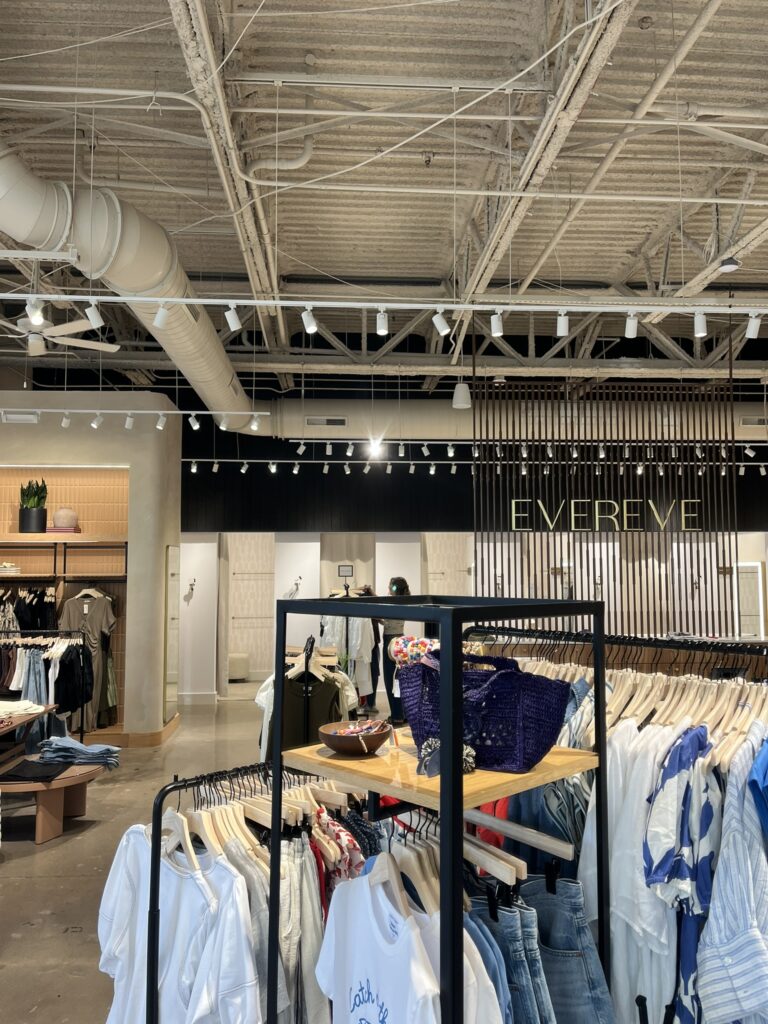
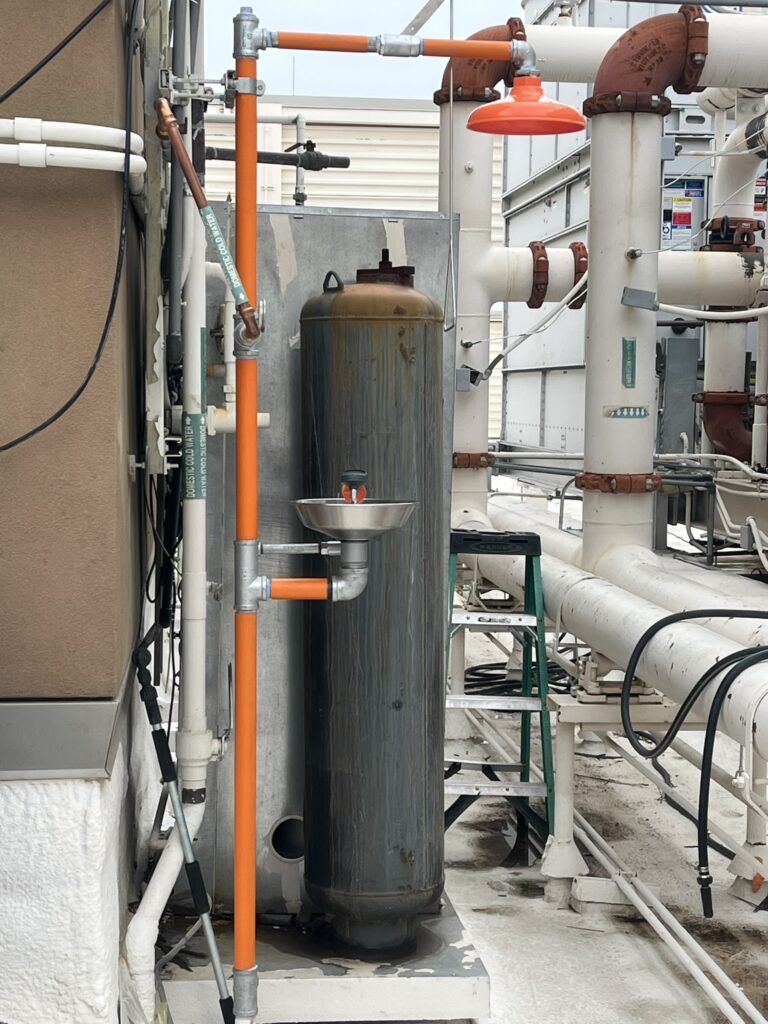
Photos from our own commercial projects — equipment we installed, in buildings we serviced.
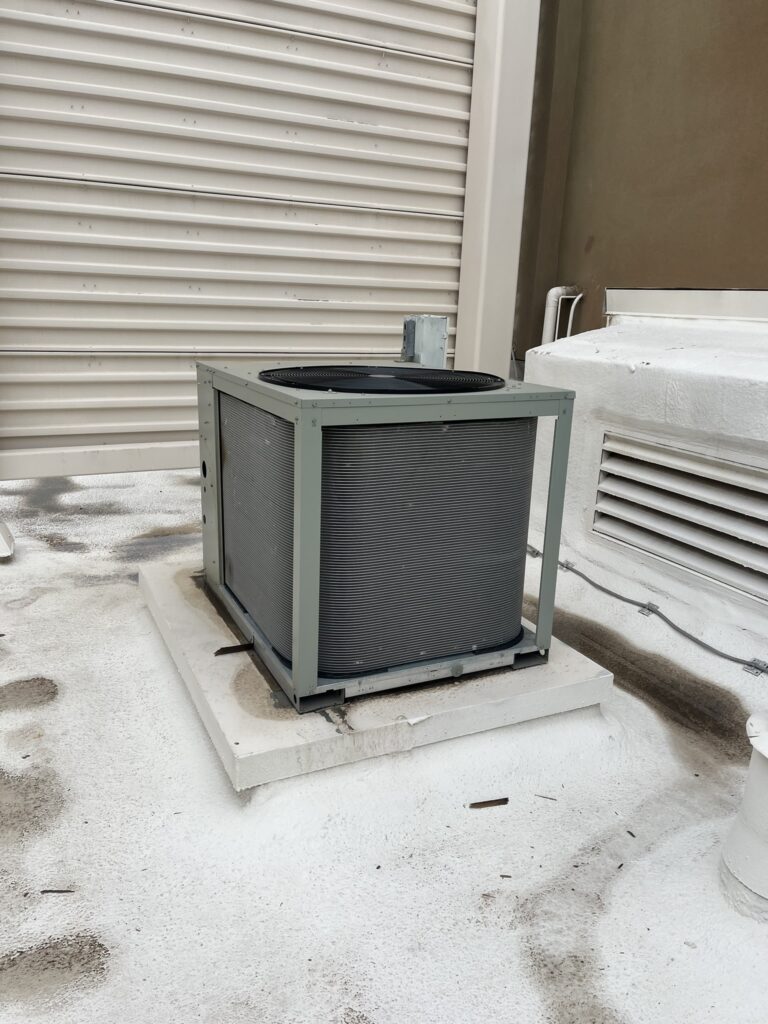
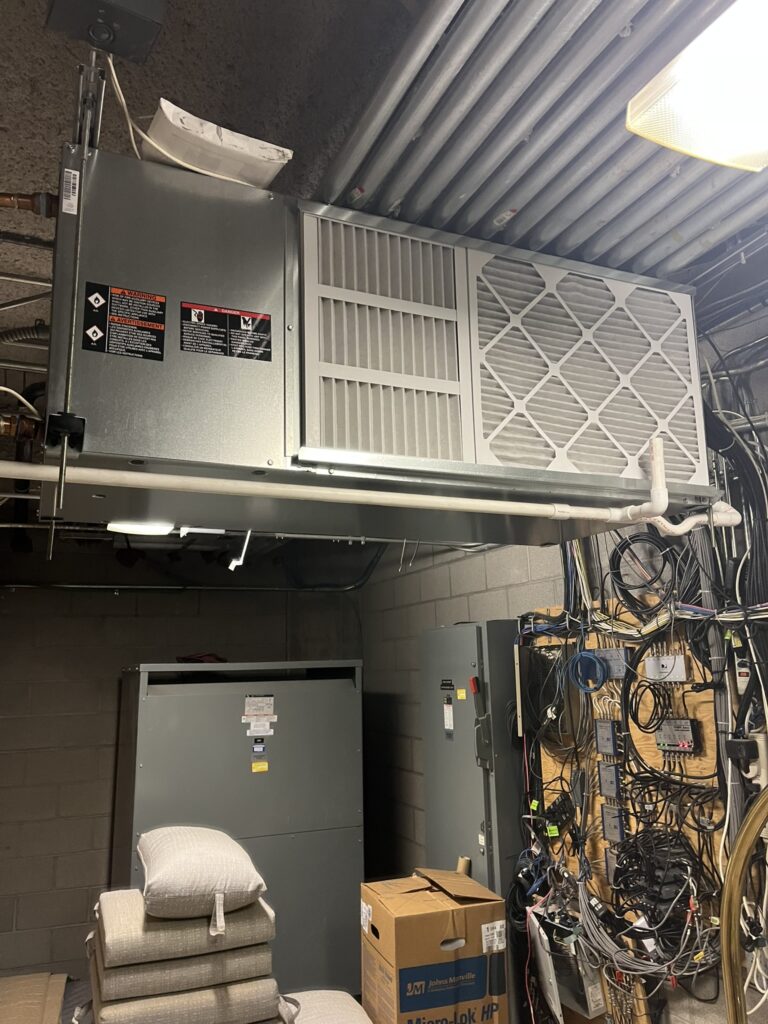
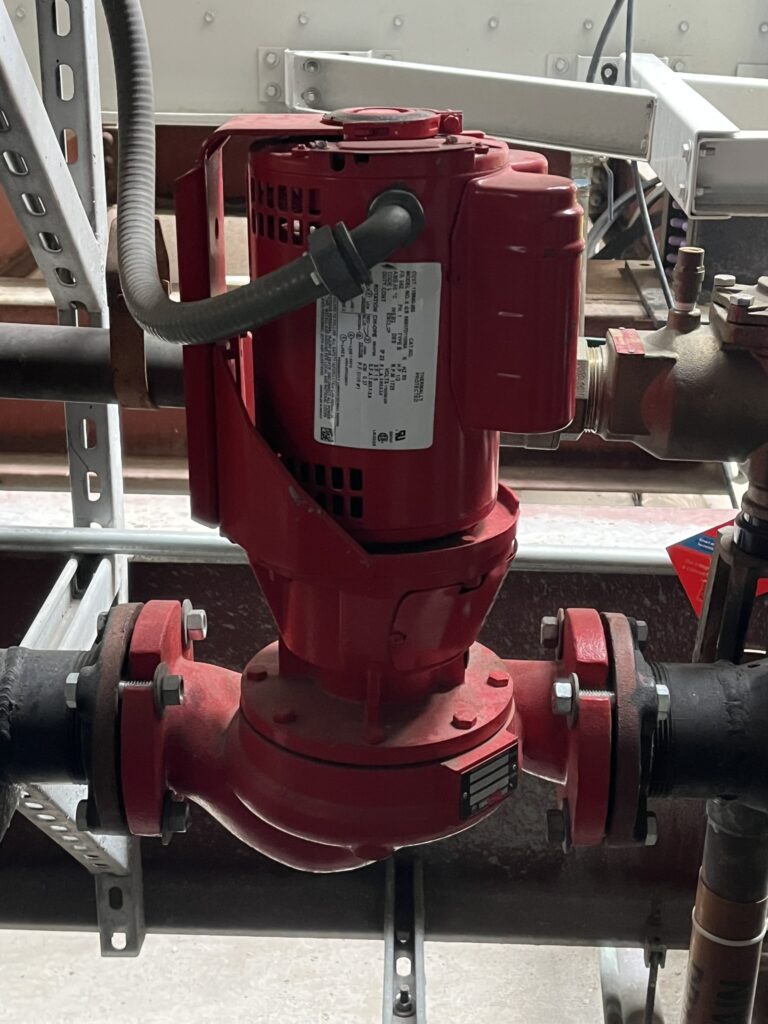
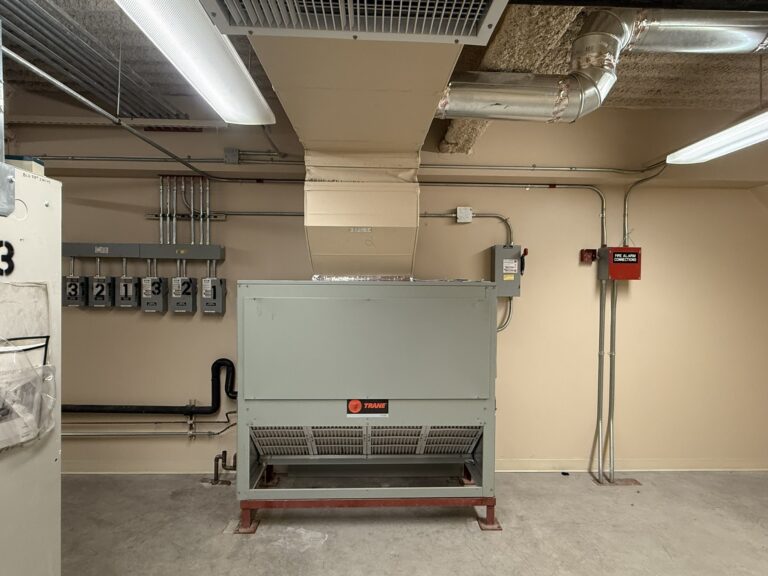
Grease is fuel. Every hour your line runs, the exhaust system pulls vaporized fat off the cooking surfaces and deposits it as a combustible film inside the hood, the plenum, and every foot of duct between your ceiling and the roof fan. NFPA 96 — the standard fire marshals and insurance carriers across the Phoenix metro hold commercial kitchens to — exists because that film eventually meets flame. Yeti Pros performs full-system kitchen exhaust cleaning for restaurants and commercial kitchens throughout the Valley: hood to fan, documented with photos and certificates, scheduled overnight so you never lose a service. Veteran-owned and operated, licensed under ROC #363372 · ROC #363423. Call (520) 556-8929.
NFPA 96: the standard your kitchen answers to
NFPA 96 is the fire-protection standard for commercial cooking ventilation. It’s the document your fire inspector, insurer, and landlord point to when asking about exhaust system cleaning and proof.
Grease-laden vapor condenses inside ducts faster than most operators realize. Once ignited (e.g., by a flare-up or grill ember), the accumulated grease layer turns the duct into a chimney, spreading fire through concealed spaces beyond extinguisher reach.
Authorities having jurisdiction (AHJs) treat exhaust cleaning records with the same seriousness as hood suppression tags. A lapsed cleaning history is a genuine liability, not a paperwork technicality.
How often does a Phoenix kitchen need cleaning?
NFPA 96 offers frequency guidance keyed to cooking volume and fuel type. It’s guidance the industry works from — your actual interval should be confirmed by inspecting what’s in the duct, because a charbroil line loads a system far faster than a soup-and-sandwich concept:
Solid-fuel operations: wood-fired pizza ovens, mesquite grills, charcoal broilers. Solid fuel throws creosote on top of grease, and the combination accumulates fast.
High-volume cooking: 24-hour kitchens, heavy charbroiling, wok lines, busy fryer batteries.
Moderate-volume operations, which describes most full-service Valley restaurants.
Low-volume kitchens: churches, seasonal concessions, senior centers, employee break rooms that see light duty.
Part of our first visit is measuring the accumulation actually present and setting an interval that keeps you compliant without buying cleanings you don’t need.
Full-system cleaning versus a hood shine
The cheapest quote in your inbox is often a wipe-down: polish the visible canopy, soak the filters, sticker the hood, and leave. The stainless gleams while the duct above it stays coated — the fire risk hasn’t moved an inch. NFPA 96 expects the entire exhaust path cleaned down to bare metal, and that’s what we deliver:
interior canopy surfaces and grease troughs scraped and degreased. The exterior polish happens last, because it’s cosmetic; the interior is the fire protection.
degreased and checked for fit. Gaps or missing baffles let grease bypass straight into the plenum.
the chamber behind the filters where air velocity drops and grease falls out of the airstream. Wipe-down crews never open it; it’s frequently the dirtiest space in the system.
every accessible foot, vertical and horizontal, with access panels opened along the run.
blades, housing, and drainage, hinged open on the roof. A grease-caked fan is both a likely ignition point and the fire’s exit onto your roof.
Where a section genuinely can’t be reached — buried duct, no access doors — we note it in writing instead of papering over it, and we’ll quote the access-panel installation that fixes the blind spot permanently.
Documentation your insurer and fire marshal expect
Our complete file includes:
Of the hood interior, plenum, duct runs, and fan.
Recording the date, the areas cleaned, and any inaccessible sections disclosed honestly.
Showing service and next-due dates.
Why this documentation matters
Claims adjusters after a fire
After a kitchen fire, one of the first questions a claims adjuster asks is when the exhaust system was last professionally cleaned — a missing or vague answer is an expensive one.
Fire inspectors on routine visits
Fire inspectors in Phoenix, Mesa, Scottsdale, Chandler, Glendale, and every other Valley jurisdiction pull the same thread.
That file matters more than most operators appreciate. We build the paperwork so the question stays boring.
Make-up air is the half of the system many cleaners miss: an exhaust fan can only push out what the building allows back in. When the make-up air (MUA) unit is down or the system was never balanced, the kitchen runs deeply negative: doors that fight you, smoke rolling off the hood into the dining room, pilot flames snuffing out, and your dining-room air conditioning getting dragged across the cook line and thrown off the roof. In a Phoenix summer that last item is real money — conditioned air burned as exhaust while 115° air leaks in through every gap to replace it. Because we’re an HVAC contractor, not just a cleaning crew, we diagnose and repair MUA units and check capture performance as part of the visit. A certifiably clean system that can’t hold smoke is still a failing kitchen.
Exhaust fan repair on the same rooftop trip
Our crews are technicians first, so the fan gets a mechanic’s inspection, not just a scrub.
Common Exhaust Fan Issues We Find in Phoenix
Rooftop heat here shortens belt life dramatically.
These should hinge open for cleaning. A hinge kit is a small job that makes every future service faster and safer.
This can overflow onto the roof membrane, where it quietly becomes a roofing claim and a slip hazard.
Anything failing gets a flat-rate written quote on the spot. No operator should discover a dead exhaust fan during Friday dinner service because a cleaner heard the bearing squeal and said nothing.
Scheduled around service, never through it
Exhaust cleaning is wet, loud, and incompatible with a working line, so we do it while your kitchen is dark — after close, overnight, or in the pre-prep window. The crew arrives after your last cover, masks off equipment under the hood, and leaves the line dry, reassembled, and ready for morning prep. Restaurant groups get their locations sequenced on a rotation across the metro, so every site stays current without a single manager having to remember a date.
Phoenix grease has an accomplice: desert dust
Valley kitchens carry an exhaust load most markets never see.
Airborne dust rides in through doors and fresh-air intakes, meets grease vapor at the hood, and bakes into a dense composite that builds faster and cleans harder than grease alone.
Monsoon season concentrates the problem — one haboob can load a rooftop fan and MUA intake in a single afternoon.
Summer roof-
One contractor for the whole back-of-house
The same veteran-owned crew behind your hood also keeps the rest of the kitchen’s mechanical backbone alive: commercial refrigeration, walk-in coolers and freezers, ice machines, and 24/7 emergency HVAC response when something quits mid-shift — a real person answers our line at 2 a.m., not a voicemail tree. Our EPA 608-certified technicians treat the Arizona ROC’s Minimum Workmanship Standards as the floor, every quote is flat-rate and in writing before work starts, and any diagnostic fee is disclosed up front and credited toward the repair. Businesses can get the full commercial HVAC lineup from us. And for owners and kitchen staff who served: our 10% military, veteran & first responder discount applies on the residential side — your home’s AC, not just the restaurant’s roof.
Kitchen exhaust questions Phoenix operators ask us
The standard keys frequency to cooking style: monthly for solid-fuel cooking, quarterly for high-volume lines, semi-annually for moderate volume, annually for light-duty kitchens. Your inspector and insurer will expect an interval consistent with that guidance — we confirm the right one by inspecting your actual accumulation.
The entire path: hood interior, baffle filters, plenum, all accessible ductwork, and the rooftop fan, cleaned to bare metal. If a section can’t be reached, the certificate says so plainly, and we’ll quote access panels to close the gap.
Before-and-after photos of the hood, plenum, duct, and fan; a certificate of performance listing what was cleaned and anything inaccessible; and a dated hood sticker. It’s the file your insurer, fire marshal, and landlord each expect to see.
Yes — that call is common. We clean the full system, install any missing access panels, repair fan or containment issues, and hand you the documentation package that closes out the violation with your AHJ.
No. We work overnight or between close and prep, and the kitchen is dry, reassembled, and cook-ready when your morning crew walks in.
Both — we’re a licensed mechanical contractor. Belts, bearings, hinge kits, grease containment, fan motors, and MUA diagnosis and repair are all on the same truck as the cleaning gear.
It depends on hood count, duct length and routing, fan access, and how much accumulation is present, so we quote after a quick look — flat-rate and in writing, with no surprises on the invoice.
Yes — the whole Phoenix metro, from Buckeye to Queen Creek, on both one-time cleanings and recurring schedules for multi-location groups.
Due for a cleaning, or overdue and staring at a violation notice? Call (520) 556-8929 and we’ll get your kitchen compliant, documented, and back to boring.
Permits and inspections
Most repairs are ordinary service work; bigger scopes can involve city permitting. We perform our work to code, pull the permits our scope requires, and put what we did in writing.
What's covered
Workmanship is covered for two full years, in writing, and repair parts carry a 1-year manufacturer parts warranty — we document installs and repairs so those claims stay simple to make
Why a licensed HVAC contractor matters.
Commercial Kitchen Exhaust Cleaning in Phoenix, city by city.
Every city below has its own local page for this service — local FAQs, utility territory, housing stock, and dispatch reality included.
Every major brand, serviced and installed.

Phoenix metro: Most days a tech is already working somewhere in the Valley, so same-day appointments happen when the schedule allows. After-hours emergencies are dispatched when a licensed tech is available — a real person answers and tells you the ETA on the call.
Call (520) 556-8929Request an estimate.
No pressure, no door knockers. We look at the HVAC system, tell you what it needs (and what it doesn’t), and put the number in writing.