
Phoenix Metro
Duct Sealing in Phoenix.
- (520) 556-8929
- Serving the entire Phoenix metro — we come to you
- Office: Mon–Fri 8:00 AM – 5:00 PM · 24/7 emergency service
- 2-year workmanship warranty · 1-year parts warranty
- Veteran-owned & operated · residential + commercial
- 23 five-star Google reviews
Residential HVAC across the Valley.
Air conditioning, heating, and cooler work at homes across the Phoenix metro.
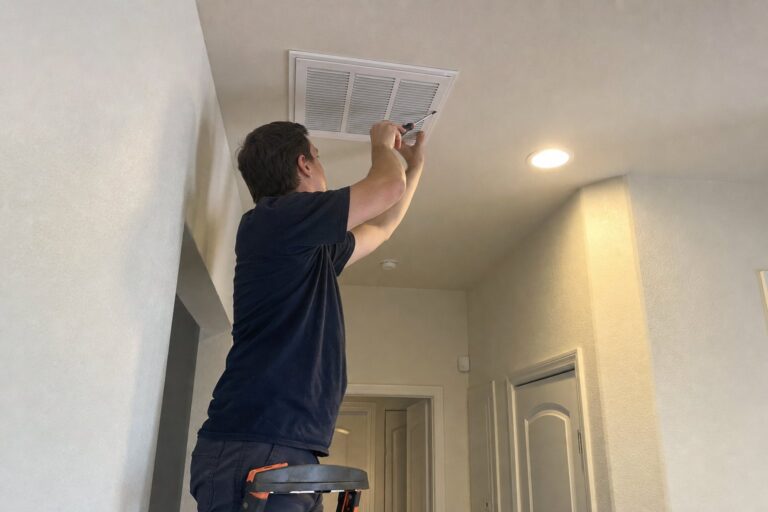
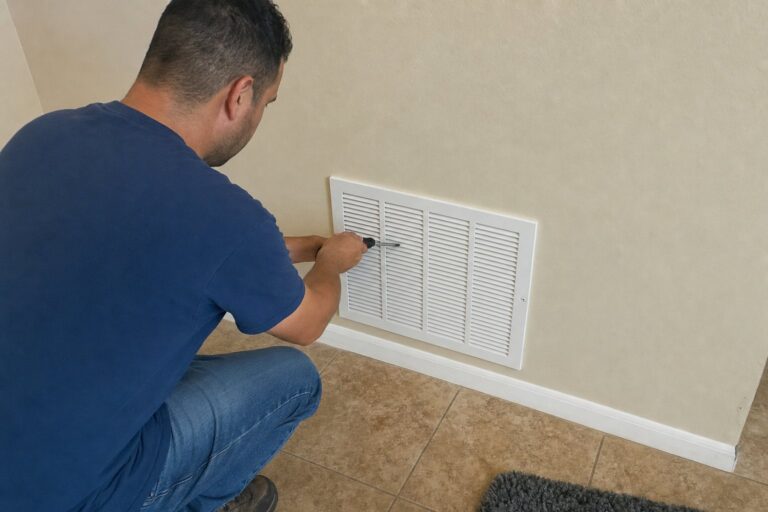
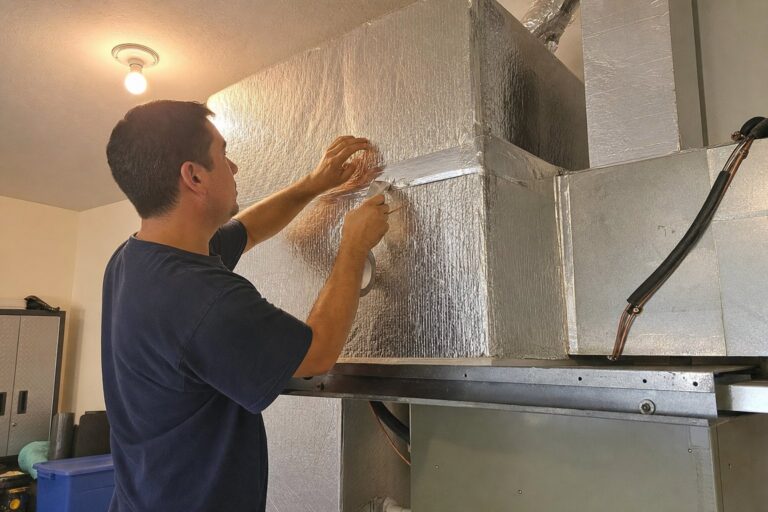
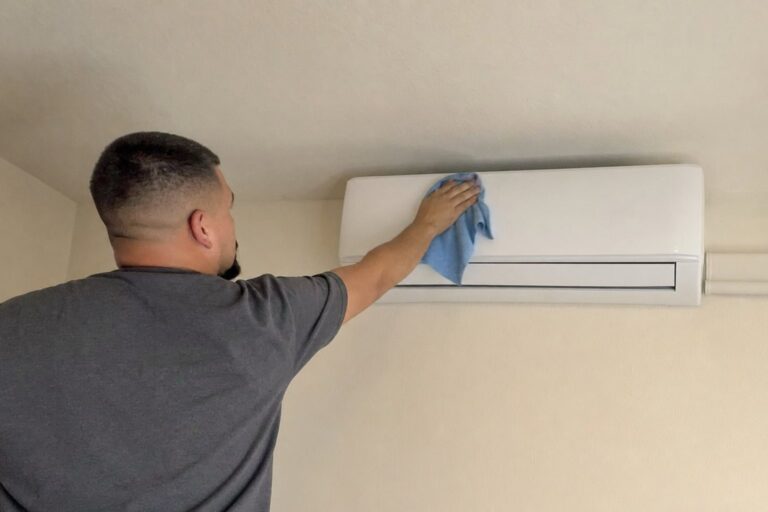
Every duct system in the Valley shares an occupational hazard: it spends summer inside an attic that routinely passes 140°F. Duct sealing in Phoenix exists because of that number. Yeti Pros finds those leaks, seals them, and proves the difference with measurements.
Industry testing has long shown typical homes lose 20–30% of their conditioned air to leakage. A Phoenix system doesn’t just lose a little comfort; it dumps expensive 55-degree air into the hottest space on the property while pulling superheated, dusty attic air back in.
Veteran-owned and operated, ROC #363372 · ROC #363423, flat-rate written quotes across the whole metro. Call (520) 556-8929 — a real person answers anytime.
The 140°F attic problem
Phoenix ducts operate across one of the most brutal temperature gradients in residential HVAC. Inside the duct: air around 55–60°F. An inch away, outside the duct wall: an attic that can run 60 degrees hotter than the afternoon high. Leakage in the Valley isn’t a defect some homes have; it’s the default condition that testing either confirms or rules out.
Every supply leak bleeds cooling into that furnace of a space.
Return leaks drag attic air laced with insulation fibers and haboob dust into the system, forcing your AC to cool 140-degree air it was never sized for while pushing that dust through your home.
The attic also cooks the ducts themselves: adhesives fail, cloth duct tape turns to powder, and flex-duct liners go brittle.
Signs your Phoenix home needs duct sealing
The classic: back bedrooms or rooms at the end of long duct runs sitting several degrees warm all summer while the thermostat insists everything’s fine.
If surfaces re-dust within a day or two of cleaning, return-side leaks are likely feeding attic dust into your supply air.
A relatively young system producing shocking APS or SRP bills often has a distribution problem, not an equipment problem.
Air forcing itself through gaps at boots, joints, and the return platform is audible in a quiet house.
When a chunk of every cooling hour leaks into the attic, runtimes stretch and the system loses ground on 115° afternoons.
How we find the leaks: measure first, seal second
We don’t sell duct sealing off a hunch. Diagnosis runs in three layers.
At the air handler, these tell us how the system breathes and flag major restrictions or disconnections.
In the attic, this finds blunt failures: joints pulled apart, boots separated from drywall, crumbled mastic, or returns built from open framing cavities.
Registers are temporarily sealed, a calibrated fan pressurizes the ductwork, and the airflow required to hold that pressure equals your leakage rate. This number becomes your baseline, proving the sealing worked afterward.
Sealing methods, honestly compared
Hand-sealing with mastic
For every leak human hands can reach — plenum seams, takeoff collars, boot connections, the return platform — brushed-on mastic reinforced with mesh is the durable, unglamorous gold standard, with UL 181 foil tape in the spots where tape genuinely belongs. (The gray cloth “duct tape” of hardware-store fame fails fast in attic heat, which is why so much of the Valley’s existing sealing has already let go.) Hand work is precise and cost-effective; its only limit is reach.
Aerosolized sealing from the inside
For leaks buried under insulation or scattered along runs no one can access, there’s aerosol duct sealing — you may have seen it marketed under various brand names. Registers get blocked off, a sealant mist is injected into the pressurized ductwork, and the escaping air carries sealant particles to the leak edges, where they accumulate and bridge small gaps shut. It’s measured work: you watch the leakage number fall in real time and get before-and-after documentation.
Which method? Frequently both. Big accessible failures get hand-sealed first — no aerosol can rebuild a disconnected joint — then aerosolized sealing mops up the diffuse remainder. And when the ducts themselves are past saving, we’ll say so: sealing dry-rotted duct board is money down the drain, and the honest answer becomes ductwork replacement.
Insulation: sealed ducts still need a jacket
Airtightness fixes leakage; it doesn’t fix heat gain. A sealed duct with thin or collapsed insulation still soaks up attic heat along every foot of its run, delivering air several degrees warmer than the coil made it. Older Valley flex commonly carries far less insulation than today’s standard, and decades of compression make it worse. Since we’re already in the attic, we assess insulation levels and quote upgrades where the math supports them — thicker-jacketed duct, repairs to torn outer liners, and better coverage on runs that bake under the sun-facing slope of the roof.
The energy math on Phoenix runtimes
Duct sealing pays differently here than in any mild climate, for one reason: hours. A Valley system racks up cooling runtime from April into October, often running most of the day through high summer. Losing a fifth to a third of your conditioned air hurts for one hour; Phoenix hands you thousands of hours. On time-of-use plans from APS and SRP, the effect concentrates exactly where rates hurt most: the late-afternoon on-peak window when your system is fighting hardest. Both utilities have also run efficiency programs over the years that included duct testing and repair; offerings change, so ask us what’s current when you book.
Rooms that finally hold temperature.
Shorter cycles that ease compressor wear.
Summer bills that stop climbing.
The smartest time to seal: alongside equipment work
Sealing is one branch of the residential work we handle Valley-wide. High-efficiency equipment earns its rating only if the delivery system holds the air it makes — a new SEER2 condenser feeding leaky ducts is a race car on flat tires.
If a replacement or new AC installation is on your horizon, put duct sealing in the same conversation. Replacement day is also simply the practical moment: plenum connections are open, the crew is mobilized, and testing is already happening.
The same logic applies at tune-up time, since static pressure is already on our maintenance checklist and duct symptoms get flagged there first.
Everywhere the metro sprawls, we seal
If it’s in the Valley, we test and seal there:
- Phoenix
- Scottsdale
- Mesa
- Chandler
- Gilbert
- Glendale
- Tempe
- Peoria
- Surprise
- Goodyear
- Avondale
- Buckeye
- Queen Creek
- San Tan Valley
- Apache Junction
- Sun City
- Sun City West
- Fountain Hills
- Paradise Valley
- Anthem
- Cave Creek
- Maricopa
- Casa Grande
Active-duty and veteran households take 10% off, permanently; this is a veteran-owned company and we don’t forget it.
Duct sealing questions, answered without the pitch
How can I tell if my ducts leak before paying for a test?
Free clues: hold a hand near duct joints in the attic while the system runs and feel for airflow, look for dust streaks at boots and ceiling registers, and note rooms that lag the thermostat. But clues only suggest — the pressurization test measures, and that’s the difference between guessing and knowing.
What does duct sealing cost in Phoenix?
It depends on what testing finds and which method the leakage calls for, so we don’t quote blind. You get a flat-rate written number after diagnosis, the service-call fee is disclosed at booking and credited toward the work, and military families take their discount on top.
Is aerosol sealant safe to have in my ducts?
The sealant used in aerosol duct sealing is engineered for duct interiors and cures quickly, and the process runs with registers blocked off and the house ventilated. We’ll walk you through the product data before work starts, so you see exactly what’s being used — no mystery chemistry.
How much will sealing cut my bill?
Honest answer: it depends on how much you’re leaking now, which is what the test tells us. What we promise is the measurement — documented leakage before and after — rather than a made-up percentage on a flyer. On Phoenix runtimes, homes with significant leakage commonly see the difference on summer bills.
Can’t I just tape the ducts myself?
Careful DIY on accessible joints with mastic and UL 181 foil tape genuinely helps. The catch: most leakage lives where you can’t reach or see, hardware-store cloth tape fails in attic heat, and without a pressure test you’re sealing blind. Do the reachable part; measure the rest.
Will sealing make my house less dusty?
Commonly, yes — return leaks are a major dust-delivery route in Phoenix homes, pulling attic air into the supply stream. If ducts have leaked for years, pairing sealing with a one-time duct cleaning clears out what they’ve already collected.
Does duct sealing matter in winter too?
Yes. Most Valley homes heat with heat pumps, and the same gaps that spill cooling in July spill heat in January, while return leaks drag cold attic air in overnight. Sealing is a year-round fix that simply earns its keep fastest in summer.
Stop paying to cool your attic. Call (520) 556-8929 to book a duct leakage test — veteran-owned, measured before and after, quoted flat-rate in writing.
Permits and inspections
Most repairs are ordinary service work; bigger scopes can involve city permitting. We perform our work to code, pull the permits our scope requires, and put what we did in writing.
What's covered
Workmanship is covered for two full years, in writing, and repair parts carry a 1-year manufacturer parts warranty — we document installs and repairs so those claims stay simple to make
Why a licensed HVAC contractor matters.
Duct Sealing in Phoenix, city by city.
Every city below has its own local page for this service — local FAQs, utility territory, housing stock, and dispatch reality included.
Every major brand, serviced and installed.





Phoenix metro: Most days a tech is already working somewhere in the Valley, so same-day appointments happen when the schedule allows. After-hours emergencies are dispatched when a licensed tech is available — a real person answers and tells you the ETA on the call.
Call (520) 556-8929Request an estimate.
No pressure, no door knockers. We look at the HVAC system, tell you what it needs (and what it doesn’t), and put the number in writing.