
Phoenix Metro
Commercial HVAC Maintenance Contracts in Phoenix.
- (520) 556-8929
- Serving the entire Phoenix metro — we come to you
- Office: Mon–Fri 8:00 AM – 5:00 PM · 24/7 emergency service
- 2-year workmanship warranty · 1-year parts warranty
- Veteran-owned & operated · residential + commercial
- 23 five-star Google reviews
Commercial jobs we have documented.
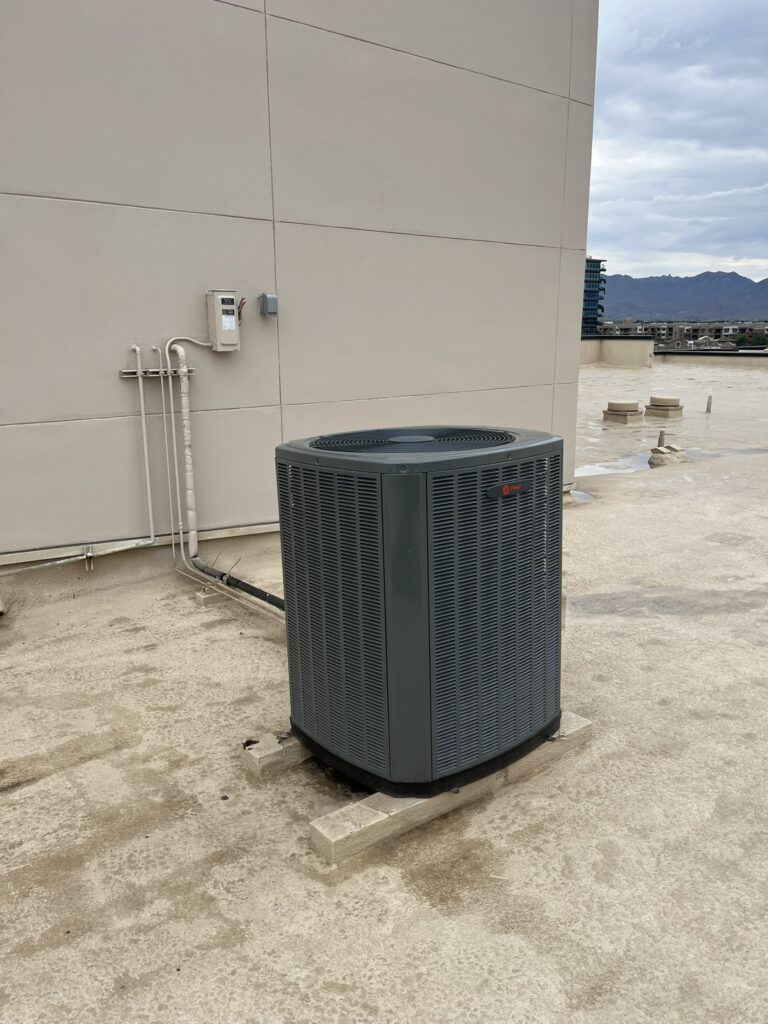
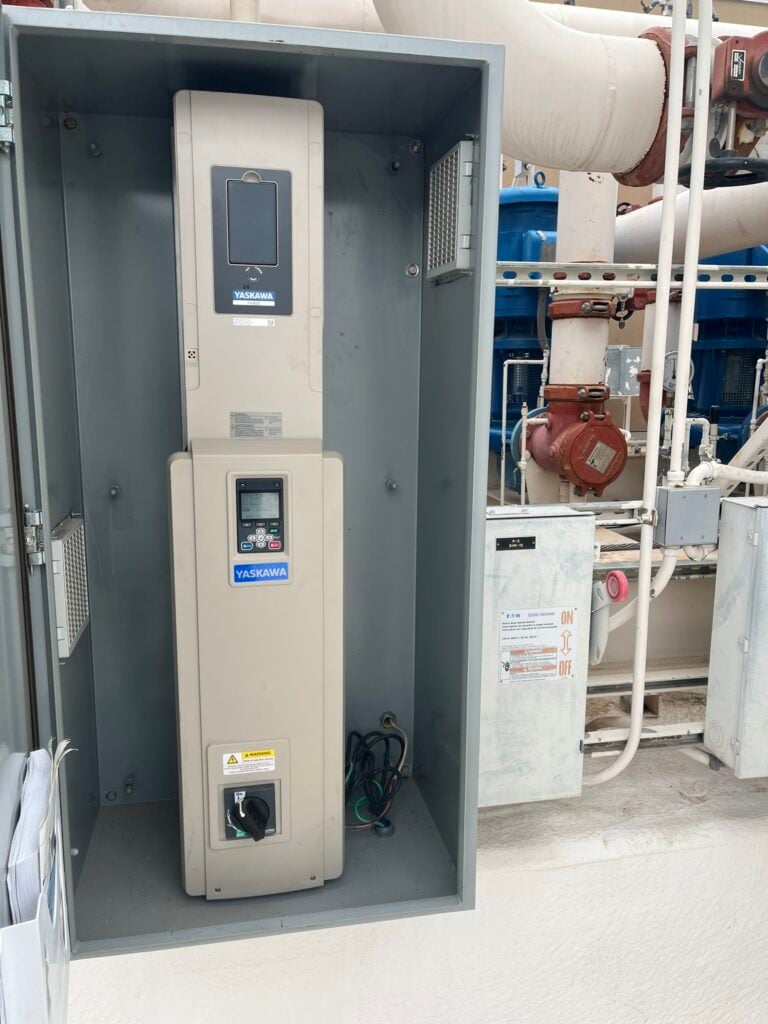
Photos from our own commercial projects — equipment we installed, in buildings we serviced.
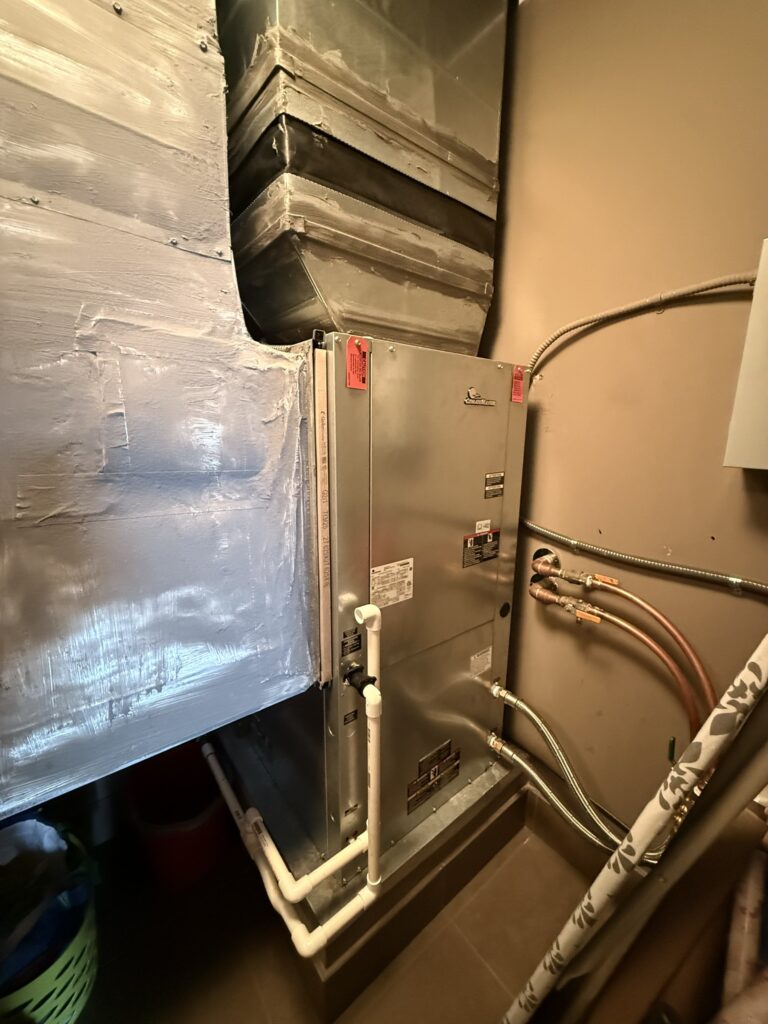
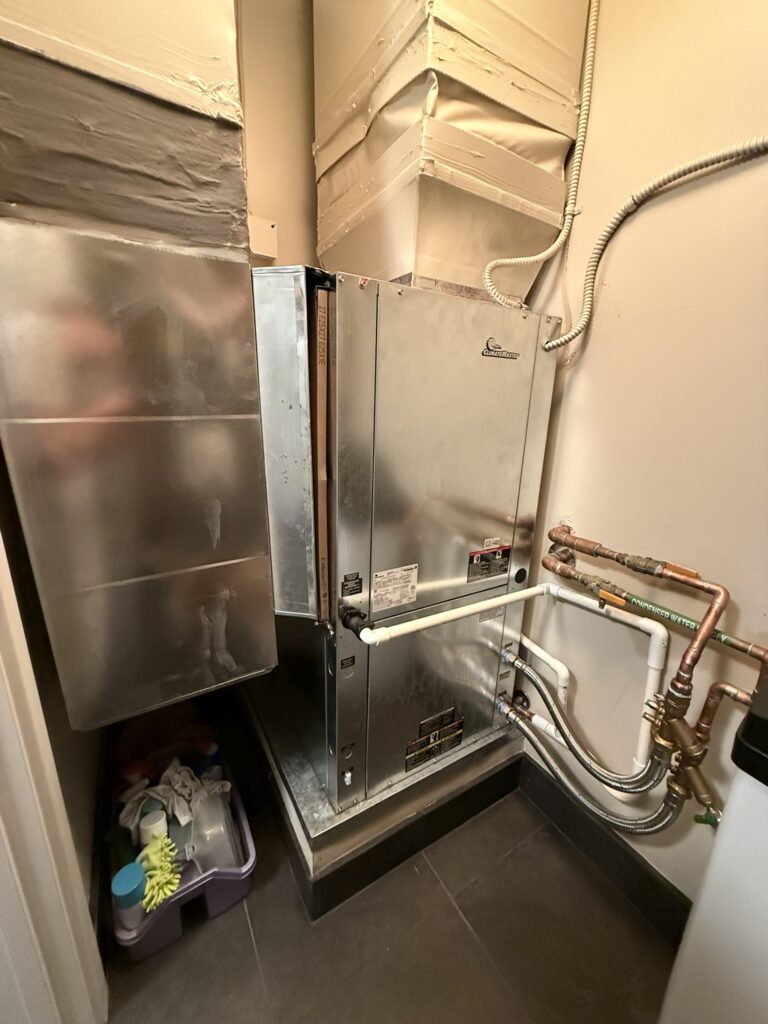
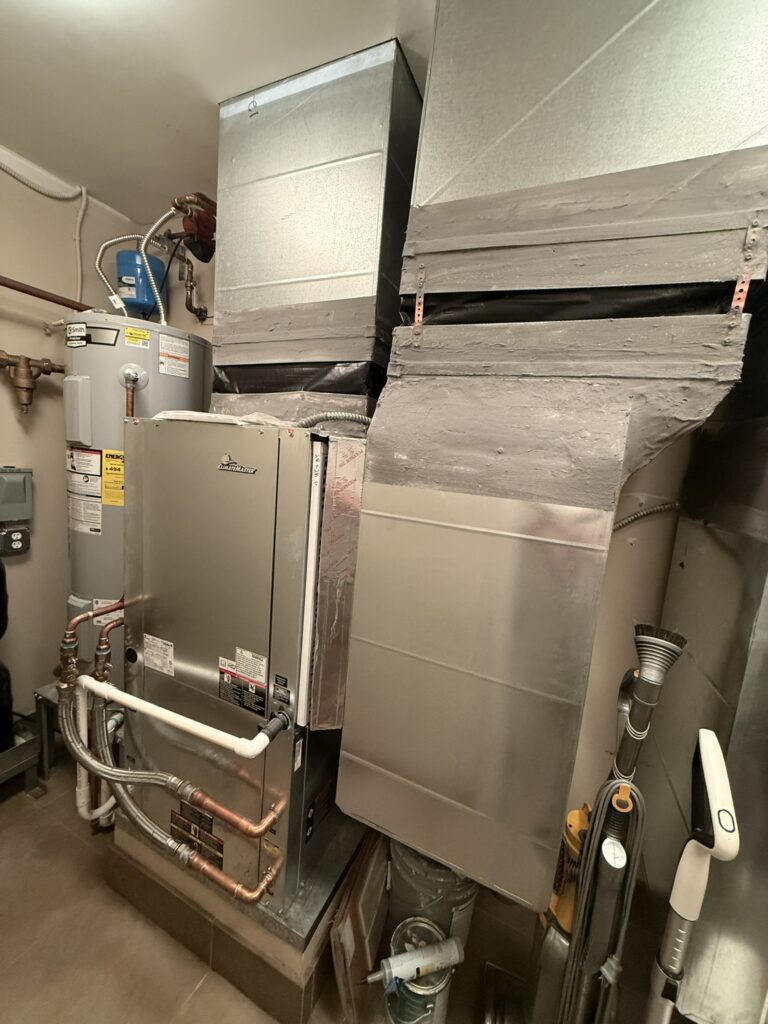
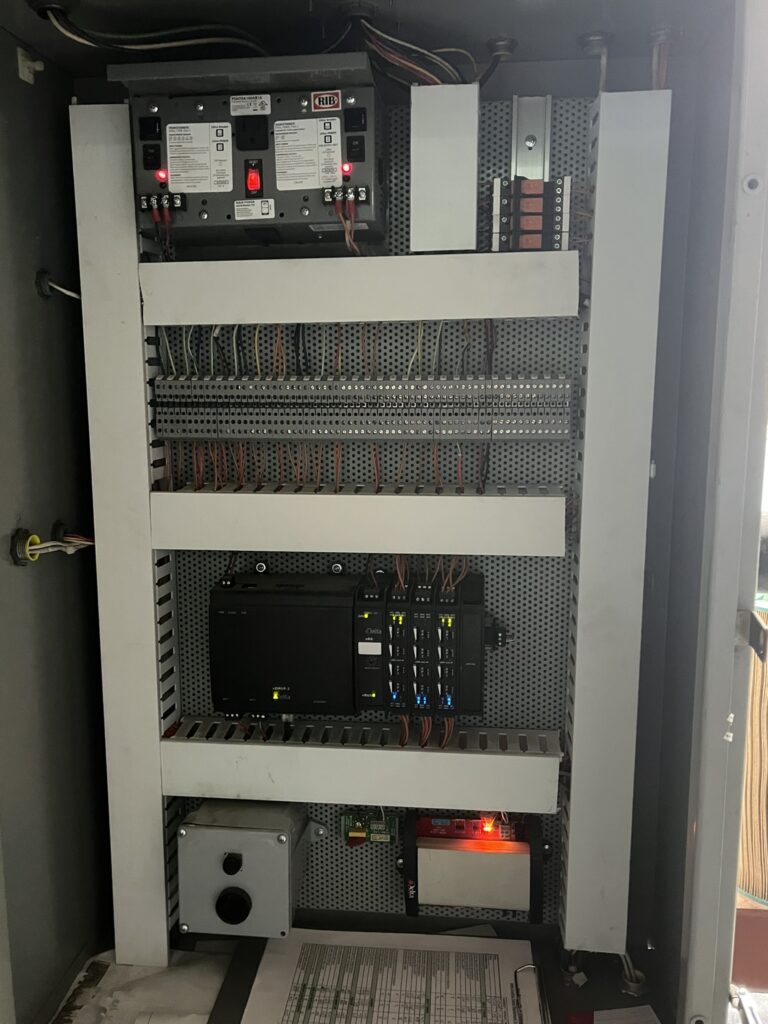
A preventive maintenance contract is the difference between hoping your HVAC gets attention and knowing it will — on a schedule, at agreed rates, with your name at the front of the line when something breaks anyway. Yeti Pros writes commercial HVAC maintenance agreements for single buildings and multi-site portfolios across the Phoenix metro, structured around asset criticality rather than a one-size template. Veteran-owned and operated, licensed under ROC #363372 · ROC #363423. To scope an agreement, call (520) 556-8929.
A PM visit addresses the technical work on coils, capacitors, economizers, condensate lines, and the other parts that keep HVAC equipment predictable. Facility managers also need to know how the program is structured, what is committed in writing, and what changes in the budget year. In Phoenix, where deferred equipment fails in clusters during the first real heat wave, the contract isn’t paperwork around the maintenance — it’s the mechanism that guarantees the maintenance happens before summer instead of being the thing that got postponed until it mattered.
Contract structures we write
Quarterly is the standard rhythm for comfort-cooling equipment in this climate — four touches a year keeps pace with Valley runtime and dust. From that baseline, we adjust interval to criticality rather than forcing every asset onto one calendar:
Server rooms, medical suites, kitchens, and anything protecting inventory can carry monthly or bi-monthly attention while ordinary rooftop comfort units stay quarterly — all inside one agreement.
A storage mezzanine unit that runs occasionally doesn’t need the cadence a 24-hour operation does, and pretending otherwise just pads the invoice.
Cover the scheduled PM labor and tasks, with repairs quoted separately as flat-rate proposals you approve individually — the most common structure, and the most transparent.
Fold defined repair categories into the program for operations that want maximum budget predictability. We’ll walk you through where that makes sense and — just as honestly — where equipment age makes it a bad bet for you.
Transparent Pricing
Every structure is priced from a free site walk of your actual equipment. Nobody can responsibly quote a program without seeing the age, condition, and count of what they’re promising to maintain.
What goes in writing
An agreement you can’t audit is a promise you can’t enforce. Ours specify:
Every covered unit by make, model, serial, location, age, and refrigerant type — so there’s never a dispute about what’s in scope, and so the document doubles as your equipment inventory.
The exact checks and services performed each visit, itemized. If a line says “inspect economizer operation,” you can verify it happened; a line that says “check system” verifies nothing, which is why you won’t find one in our contracts.
Contract holders go to the front of the dispatch queue, ahead of all non-contract calls. We won’t print a minutes-guarantee that no Phoenix contractor can truthfully keep during the first 113° week — what we commit to is position, and during a Valley heat wave, position is everything.
on repair work, locked in the agreement, so July pricing doesn’t float with July demand.
Written condition reports after every visit, refrigerant documentation per EPA 608, and a named point of contact who knows your buildings.
Multi-site portfolio programs
Property managers and multi-location operators get one agreement instead of a folder of vendor relationships.
Asset data is standardized across every location — same grading scale, same report format — so you can compare the mechanical health of a Chandler site against a Glendale site on equal terms instead of decoding three vendors’ paperwork styles.
Reporting is consolidated: one document showing every asset at every property, its grade, its open items, and its trajectory.
Visits are sequenced on a metro-wide rotation so no site silently falls off the calendar, and a single point of contact handles all of it — when a tenant calls about a warm suite, you make one call, not a search through your inbox for whoever covers that address.
Budgeting: turning HVAC from ambush into line item
The quiet value of a contract is what it does to your planning cycle. Regular condition grades and remaining-life estimates, refreshed every visit, roll up into a capital forecast, identifying stable, declining assets, and units due for replacement on your terms.
Planned Replacements
Winter change-outs benefit from bid pricing, competitive equipment lead times, and scheduling that suits the building. See our commercial installation page for more.
Emergency Failures
July failures, by contrast, incur emergency premiums, crane scheduling conflicts, and limit equipment availability to whatever is on hand that week.
For facility managers who answer to owners or corporate, these detailed reports do double duty: a replacement request backed by three years of trended readings is a budget line that gets approved, not a fire drill that gets questioned.
Onboarding a neglected building
Plenty of our agreements start with a building that hasn’t seen consistent maintenance in years — new acquisition, departed vendor, or a deferred-everything budget cycle finally catching up. The onboarding sequence is deliberate:
We walk and document every asset — readings, photos, condition grades — so the starting point is on paper before anyone talks program pricing.
Findings get sorted honestly: what’s urgent, what’s watchable, and what’s cosmetic. Not everything old is dying, and we’ll say so.
A sequenced schedule of catch-up work — often heavy on coil cleaning, belts, and electrical wear items — priced flat-rate and spread sensibly, so the first year has a map instead of a pile of surprises.
We’re straightforward about the shape of this: a neglected building’s first year costs more than its third, because the program is retiring accumulated risk. What changes immediately is that the spending becomes chosen and scheduled rather than inflicted by the first heat wave.
Emergency priority: what front-of-queue means in practice
Every June, a slice of the Valley’s rooftop fleet fails in the same two weeks and every mechanical contractor’s phone lights up at once. That’s the moment your contract earns its keep:
Contract holders are dispatched ahead of non-contract callers.
A real person answers our emergency line 24/7 — someone who can actually dispatch, not an answering service taking messages for the morning.
Repairs are quoted flat-rate before work begins.
Any diagnostic fee is disclosed up front and credited toward the repair.
Because our techs already know your equipment from PM visits, diagnosis starts from your asset history instead of from zero.
What we deliberately don’t do
Some contract practices are common enough in this industry that ruling them out belongs in writing.
Agreements renew because the service earned it, not because a clause buried on page six caught you.
Engineered to hold you hostage.
That make the invoice unauditable.
Where the tech’s real job is manufacturing a scary quote — findings come with readings and specs attached, so any licensed contractor could verify them.
The Arizona ROC’s Minimum Workmanship Standards set the legal floor for contractors in this state; a contract should raise that floor, not paper over it.
Why portfolio operators pick a veteran-owned shop
Maintenance programs succeed on discipline — showing up on schedule, executing complete task lists, documenting without being asked — and that’s precisely the culture military service builds.
You get an owner-sized company: the person who scoped your agreement remains reachable after it’s signed.
We run programs across the entire metro under our full commercial HVAC operation.
Your staff and leadership who served get a 10% military, veteran & first responder discount on residential work at their own homes.
Contract questions, answered before the sales call
What does a maintenance contract cost in Phoenix?
Pricing follows asset count, equipment age and condition, visit frequency, and coverage structure, so we quote after a free site walk. The number arrives in writing with the full task list attached — you’ll know exactly what each visit buys.
Is quarterly really necessary here?
For most comfort-cooling equipment in this climate, yes — runtime and dust loading between visits justify it. Where an asset genuinely needs less, we’ll set a longer interval rather than sell you visits that accomplish nothing.
Are we locked in for a term?
Agreements have a defined term with plain renewal language — no evergreen auto-renew traps, no punitive exit clauses. We expect to re-earn the contract with reports and results.
Do contract customers actually get priority in summer?
Yes — priority means dispatch order, and we honor it. During heat waves, contract calls jump the non-contract queue. What we won’t do is print a minute-level guarantee nobody can keep on the Valley’s worst week.
Can one agreement cover locations in different cities?
Yes — that’s the core of our portfolio program: one contract, standardized reporting, one contact, with sites sequenced across the whole metro from Surprise to Gilbert.
Our building hasn’t been maintained in years. Can you still write a contract?
Yes — we baseline every asset first, triage the findings, and pair the agreement with a stabilization plan so catch-up work is priced and sequenced up front rather than surfacing as surprises.
Does the agreement cover refrigeration and kitchen equipment too?
It can — walk-ins, reach-ins, ice machines, and make-up air can all ride the same agreement and reporting, which is exactly what restaurant and grocery operators typically want.
What’s the difference between this page and your maintenance page?
That page details the technical work performed on your equipment at each visit; this one covers the agreement wrapped around it — structure, terms, priority, reporting, and multi-site programs.
Ready to put your buildings on a program with terms you can audit? Call (520) 556-8929 to schedule a free site walk and get a contract scope in writing.
Permits and inspections
Most repairs are ordinary service work; bigger scopes can involve city permitting. We perform our work to code, pull the permits our scope requires, and put what we did in writing.
What's covered
Workmanship is covered for two full years, in writing, and repair parts carry a 1-year manufacturer parts warranty — we document installs and repairs so those claims stay simple to make
Why a licensed HVAC contractor matters.
Commercial HVAC Maintenance Contracts in Phoenix, city by city.
Every city below has its own local page for this service — local FAQs, utility territory, housing stock, and dispatch reality included.
Every major brand, serviced and installed.



Phoenix metro: Most days a tech is already working somewhere in the Valley, so same-day appointments happen when the schedule allows. After-hours emergencies are dispatched when a licensed tech is available — a real person answers and tells you the ETA on the call.
Call (520) 556-8929Request an estimate.
No pressure, no door knockers. We look at the HVAC system, tell you what it needs (and what it doesn’t), and put the number in writing.