
Peoria
HVAC Maintenance Contracts in Peoria, AZ.
- (520) 556-8929
- Serving the entire Phoenix metro — we come to you
- Office: Mon–Fri 8:00 AM – 5:00 PM · 24/7 emergency service
- 2-year workmanship warranty · 1-year parts warranty
- Veteran-owned & operated · residential + commercial
- 23 five-star Google reviews
Peoria has a specific reason to take commercial HVAC maintenance seriously that most of the metro doesn't share as acutely: dust. Sitting at the front of the northwest monsoon corridor, Peoria's commercial rooftop condensers get packed with haboob grit between service visits, and a fouled condenser loses capacity, runs hot, and fails early — which means the interval between maintenance visits matters more here than almost anywhere. Layer that over a growing commercial base — the P83 dining district, expanding medical and retail, and the older Grand Avenue core — and a commercial HVAC maintenance contract in Peoria earns its keep on the dust alone, before you count everything else it does. Yeti Pros builds agreements tuned to that reality: veteran-owned and operated, ROC #363372 and ROC #363423, with a real person answering at any hour. Peoria's dust load calls for a contract structure with the right service cadence, defined priority, preferred rates, and condition grades that help keep grit-stressed equipment off the emergency list. Planned HVAC agreements matter in Peoria because the dust corridor makes reactive service especially costly. Call (520) 556-8929.
ZIPs served: 85345, 85381, 85382, 85383
What HVAC Maintenance Contracts covers in Peoria.
Dust-Cadence Scheduled PM Program
We set the service cadence for Peoria's grit load — condenser cleaning frequent enough to hold capacity through monsoon season, plus post-storm checks after major haboobs. That dust-aware timing is the differentiator a generic annual plan misses, and it's what keeps a Peoria rooftop fleet from choking mid-summer. Each visit's technical scope is on our maintenance-service page.
Post-Storm Condenser Attention
After the worst northwest-corridor haboobs, contract customers get condenser attention built into the program, because a single bad dust storm can foul coils enough to cut capacity double digits. Catching and clearing that grit before it compounds into high-head-pressure compressor stress is a Peoria-specific benefit ordinary maintenance schedules don't account for.
Front-of-Queue Emergency Priority
When a grit-stressed Peoria unit fails between visits — most likely at the peak of dust-and-heat season — contract customers go to the front of the dispatch queue instead of waiting during a heat wave, with a real person answering at any hour. We commit to that priority plainly, a real place at the front of the line when the corridor's conditions are hardest on equipment.
Preferred Labor Rates
Contract customers get preferred labor rates on repairs the program surfaces — meaningful in Peoria, where dust drives more frequent condenser service and the occasional compressor job. Combined with the capacity protection the dust cadence provides and planned replacements at bid pricing, the rate advantage is part of why the planned approach beats reacting to grit-driven failures.
Consolidated Multi-Property Reporting
For Peoria owners with several properties, we consolidate every asset's condition and history — including the dust-driven condenser wear we track — into one reporting view. One contact, one picture across the portfolio, so you plan capital and coordinate the dust cadence from real data instead of scattered vendors and invoices.
Condition Grades for Capital Planning
Every asset carries a written condition grade and remaining-life estimate, updated each visit and reflecting the grit-driven stress the corridor puts on equipment, so replacements become budgeted off-season decisions. You change out the worst units at bid pricing rather than reacting to a dust-and-heat compressor failure in August — the forward view Peoria's conditions make especially valuable.
What we see for HVAC maintenance contracts in Peoria.
The dust is the throughline in Peoria's commercial HVAC. Every monsoon haboob that rolls in from the northwest coats rooftop condenser coils with fine grit, and each fouling event steals capacity and pushes the equipment to run hotter and harder. Buildings that maintain on a generic annual schedule get caught with condensers choked mid-summer — precisely when the cooling load peaks — and the resulting high-head-pressure stress shortens compressor life across the fleet. A contract’s real Peoria value is a service cadence matched to the dust: condenser cleaning frequent enough to help hold capacity through monsoon season, plus post-storm attention after the worst haboobs, so grit is less likely to build into a midsummer failure.
Around that dust reality sits the usual mix. The P83 district's restaurants and sports bars run refrigeration and comfort systems hard through long services. The growing medical and retail base wants reliability and documentation. And the older Grand Avenue core runs aging equipment with the higher failure rate that implies. A contract handles all of it — but in Peoria, the condenser-and-dust cadence is the differentiator that a one-size plan misses. We build agreements that set cleaning frequency for the corridor's grit load, add post-storm checks after bad monsoon events, grade aging equipment for planned replacement, and consolidate everything into one condition view. For a Peoria operator, that dust-aware cadence is the difference between capacity that holds through August and a compressor that grenades in the worst week of the year.
- 01 Airflow and static pressure
- 02 Electrical: capacitors, contactors, draws
- 03 Refrigerant-circuit behavior
- 04 Drains, safeties, and float switches
- 05 Thermostat, controls, and cycling
- 06 Ducts, returns, and room-by-room comfort
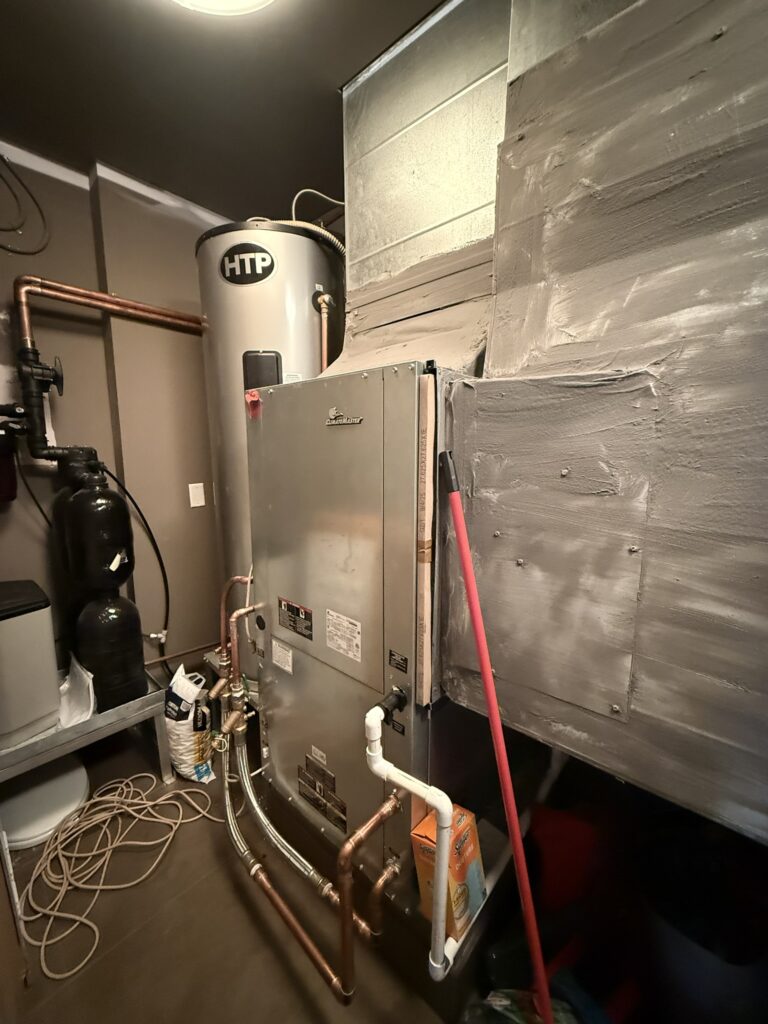
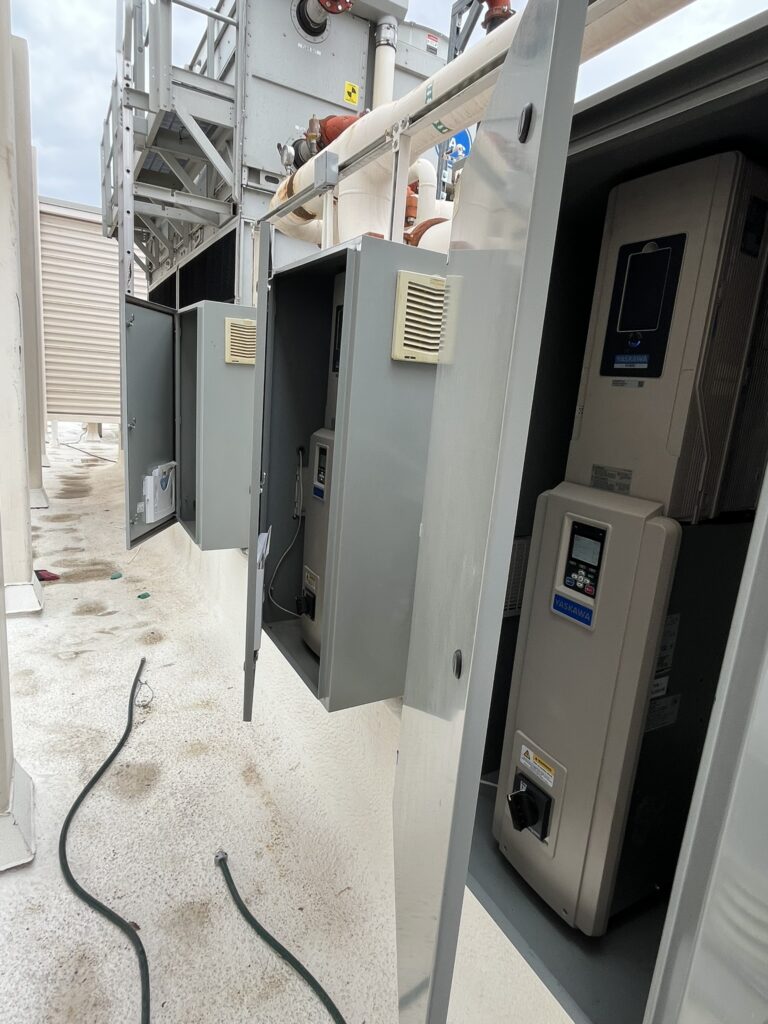
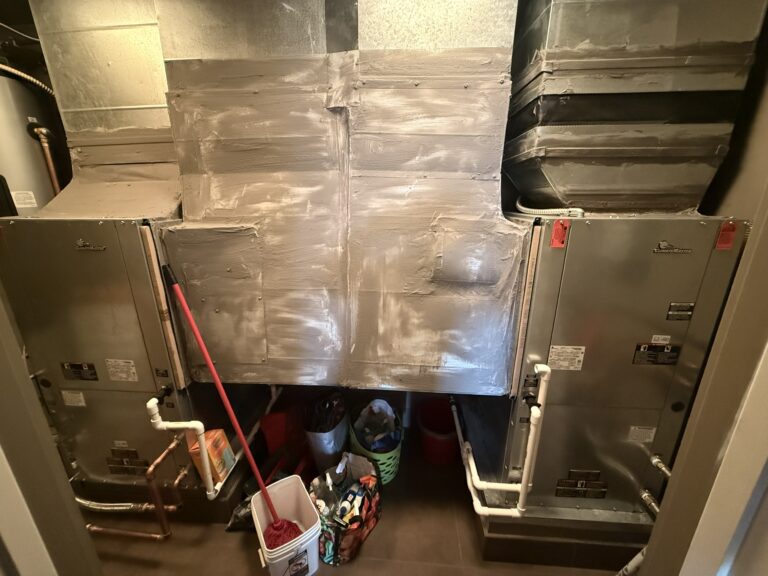
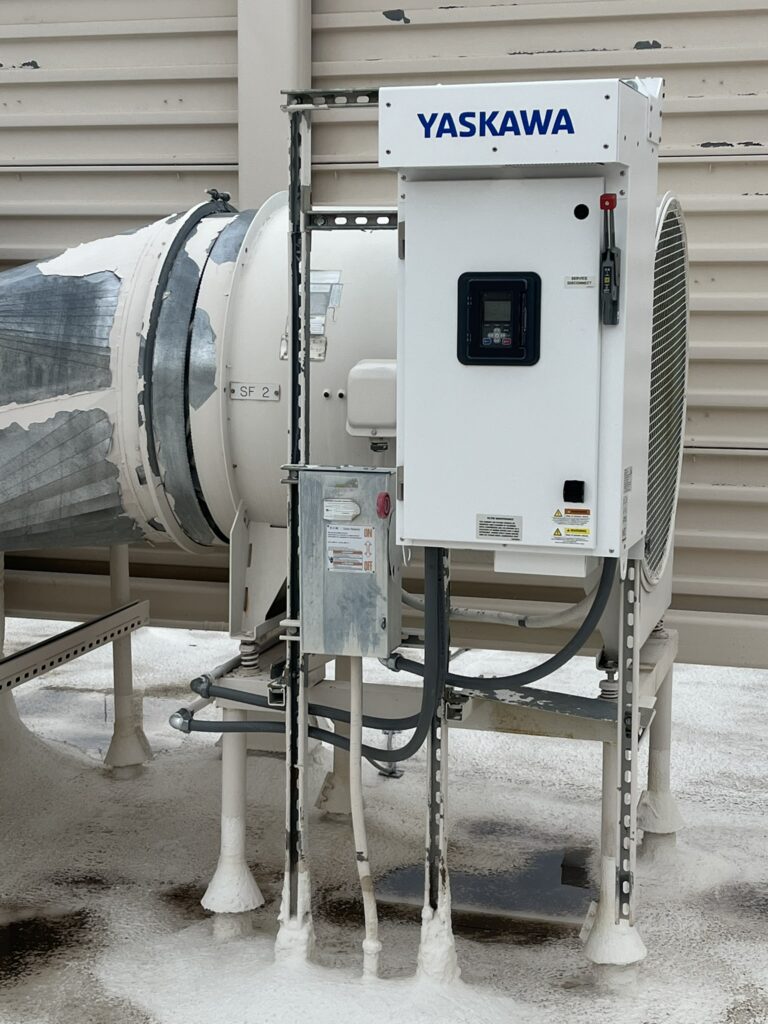
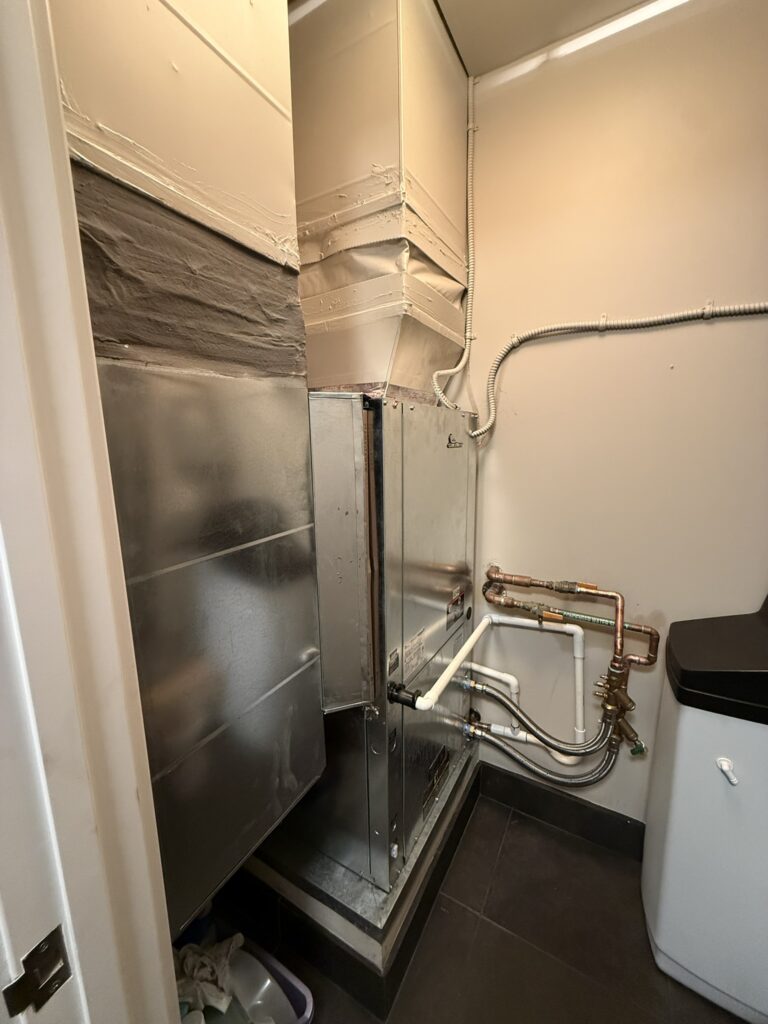
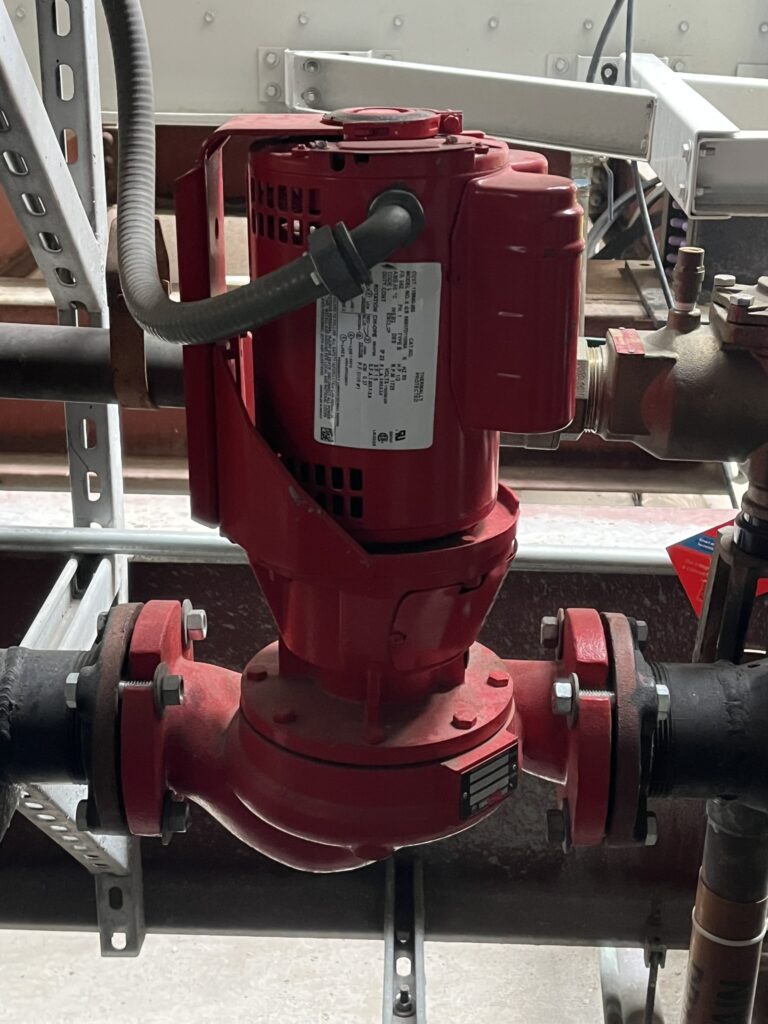
Commercial jobs we have documented.
Photos from our own commercial projects across the Phoenix metro — equipment we installed, in buildings we service.
How the job typically runs.
A Peoria agreement begins with a free site walk — inventorying every asset, recording condition, refrigerant, and remaining life, grading each unit, and specifically assessing condenser exposure to the dust corridor. From that baseline we propose a written program whose cadence is tuned for Peoria's grit load — condenser cleaning frequent enough to hold capacity through monsoon season, with post-storm checks built in after major haboobs — plus defined tasks per visit, plain-language priority terms, and preferred rates, fees disclosed up front. You approve before signing. As a contract customer, scheduled visits run on our calendar, condensers stay clear when the cooling load peaks, and a between-visit failure puts you at the front of the queue during a heat wave. Every visit updates a written condition record that reflects the dust-driven wear we're managing, and aging equipment gets a replacement roadmap for the off-season. The operator gets capacity that holds through Peoria's worst dust-and-heat stretch instead of a mid-summer failure that a generic schedule would have missed.
- 01 Booking, with the diagnostic fee disclosed
- 02 In-person diagnosis with real readings
- 03 Written flat-rate quote before work begins
- 04 The work: repair, install, or maintenance
- 05 Startup, documentation, and warranty handoff
The contract is a service agreement, but the work it schedules follows Peoria's commercial HVAC rules: mechanical permits and inspections for change-outs, EPA 608 refrigerant handling and documentation, code compliance, and NFPA 96 obligations where a contract covers restaurant kitchen exhaust. Managing that work as planned activity, on a dust-aware cadence, is part of the contract's value here. Beneath any scope, Arizona sets a floor: the Registrar of Contractors' Minimum Workmanship Standards define the minimum quality every licensed contractor owes you. Our written warranty exceeds it, and our per-asset documentation — which tracks the dust-driven condenser wear we're managing — gives a Peoria owner a verifiable history for ownership, insurers, and capital planning.
Pricing, financing & the 10% military & first responder discount.
Contract pricing is built to the property — asset count, dust exposure, equipment age, and visit frequency — so we quote after the site walk, in writing, with scope and terms defined. For Peoria the dust cadence drives the value: a program that keeps condensers clear through monsoon season prevents the capacity loss and compressor stress that turn into a mid-summer failure, which costs far more than the maintenance. Multi-property owners get consolidated pricing and reporting. Financing is available for larger planned replacements — often compressor-driven on grit-stressed fleets. And the many Peoria dining, medical, and retail workers who are veterans or military family members take our 10% military discount at their own homes. We avoid auto-renewal traps and vague line items; a Peoria agreement states exactly what's covered, dust cadence included.
- 01 Flat-rate written quote after an in-person look
- 02 Diagnostic fee disclosed at booking, credited to the repair
- 03 Financing available on replacements
- 04 2-year workmanship warranty; 1-year manufacturer parts warranty
- 05 10% military, veteran & first responder discount
Why a licensed HVAC contractor matters.
FAQs: HVAC Maintenance Contracts in Peoria, AZ.
Why does Peoria's dust make a maintenance contract more valuable?
Because Peoria sits at the front of the northwest monsoon corridor, and every haboob packs rooftop condenser coils with grit that steals cooling capacity and makes equipment run hot. On a generic annual schedule, condensers get caught choked at the peak of summer, and the high-pressure stress shortens compressor life across the fleet. A contract sets a service cadence tuned to that dust load, with post-storm attention, so capacity holds through August. The corridor's grit is a real reason the planned approach pays especially well here.
Do you do anything special after a big dust storm?
Yes — post-storm condenser attention is built into Peoria agreements. A single severe haboob can foul coils enough to cut capacity by double digits, so after the worst monsoon events contract customers get their condensers checked and cleared before the grit compounds into compressor stress. That responsiveness to the corridor's specific conditions is something a fixed annual tune-up plan simply doesn't account for, and it's often what prevents a mid-summer failure.
We run a P83 restaurant. What does a contract cover for us?
For a P83 kitchen a contract can cover the comfort HVAC, the refrigeration your inventory depends on, and — folded in — NFPA 96 kitchen exhaust cleaning, all on one calendar with one contractor and consolidated documentation. The dust cadence still applies to your rooftop condensers, and refrigeration gets the coil-cleaning and priority-response attention a loaded box needs. Instead of juggling separate vendors for HVAC, refrigeration, and exhaust, you get one program covering everything the kitchen runs on.
Our building is older Grand Avenue stock. Is a contract worth it?
Yes. Older Grand Avenue-core equipment already runs a higher failure rate, and Peoria's dust accelerates the wear on top of age. A contract grades that aging fleet honestly, keeps its condensers clear through monsoon season to buy it more reliable life, and builds a replacement roadmap so you budget change-outs in the off-season at bid pricing. For old equipment in a dust corridor, the combination of grit management and planned replacement is exactly what keeps it running and your capital predictable.
What's written into the agreement?
The covered asset list, per-visit task lists, the dust-tuned service cadence with post-storm attention, the priority-response commitment in plain terms, preferred labor rates, and the fee structure — all defined before signing, with no auto-renewal traps or vague lines. For a Peoria operator the cadence specifics matter: the agreement states exactly what's covered and how often, including the condenser attention the corridor requires, and every visit adds to a documented history reflecting the wear we're managing.
Can one agreement cover several Peoria properties?
Yes — multi-property portfolios are core work for us. You get one contact and one consolidated condition view across every property, with the dust cadence coordinated for each site's condenser exposure. For a Peoria owner or operator running several buildings in the corridor, that single picture is what makes planning the grit-driven service, budgeting capital, and coordinating post-storm attention manageable — instead of a separate vendor and a separate schedule at every address. In the dust corridor, coordinating that grit service across a portfolio from one place is a real operational simplification, not just a reporting convenience.
Every major brand, serviced and installed.



Phoenix metro: Most days a tech is already working somewhere in the Valley, so same-day appointments happen when the schedule allows. After-hours emergencies are dispatched when a licensed tech is available — a real person answers and tells you the ETA on the call.
Call (520) 556-8929Request an estimate.
No pressure, no door knockers. We look at the HVAC system, tell you what it needs (and what it doesn’t), and put the number in writing.
Need HVAC maintenance contracts in Peoria? A real person answers.
Other services we run in Peoria.
HVAC Maintenance Contracts in nearby cities.
Looking for something else nearby? All HVAC services in Peoria