
Phoenix Metro
AC Control Board Replacement in Phoenix.
- (520) 556-8929
- Serving the entire Phoenix metro — we come to you
- Office: Mon–Fri 8:00 AM – 5:00 PM · 24/7 emergency service
- 2-year workmanship warranty · 1-year parts warranty
- Veteran-owned & operated · residential + commercial
- 23 five-star Google reviews
Residential HVAC across the Valley.
Air conditioning, heating, and cooler work at homes across the Phoenix metro.
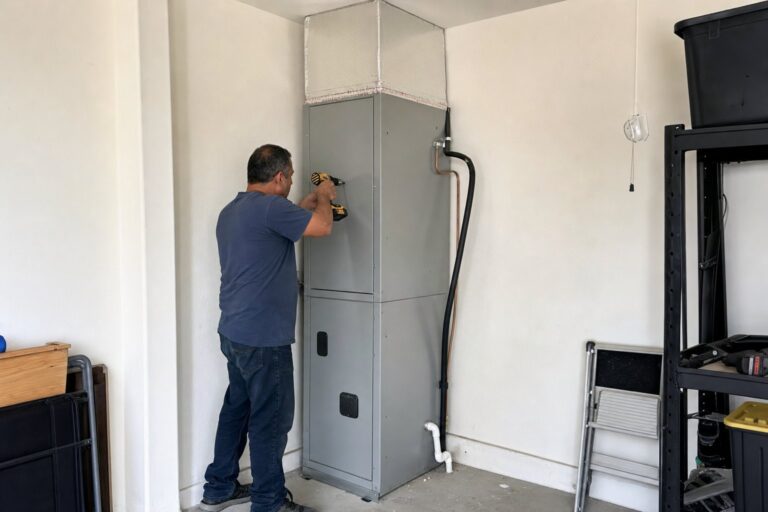
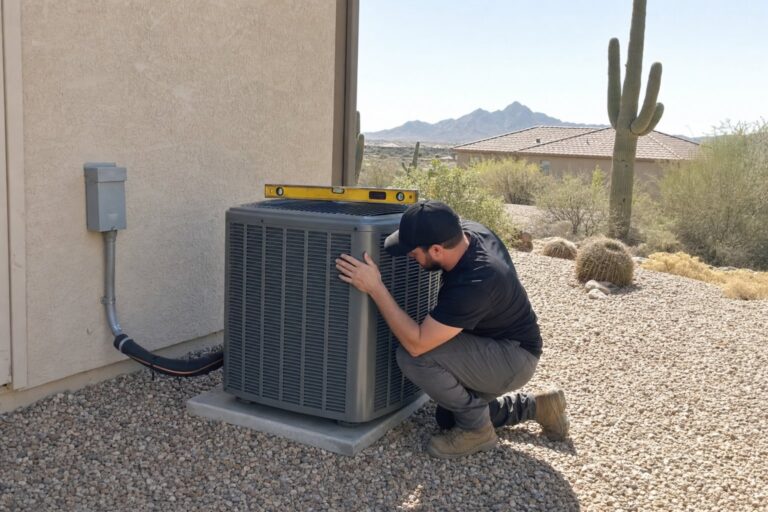
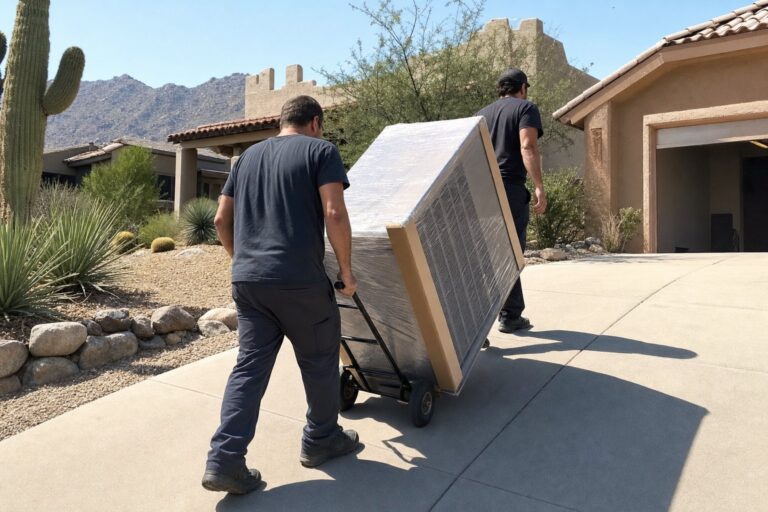
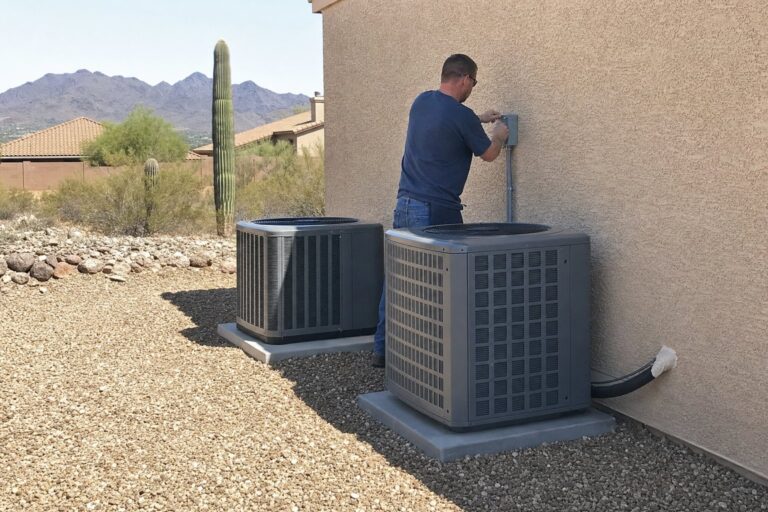
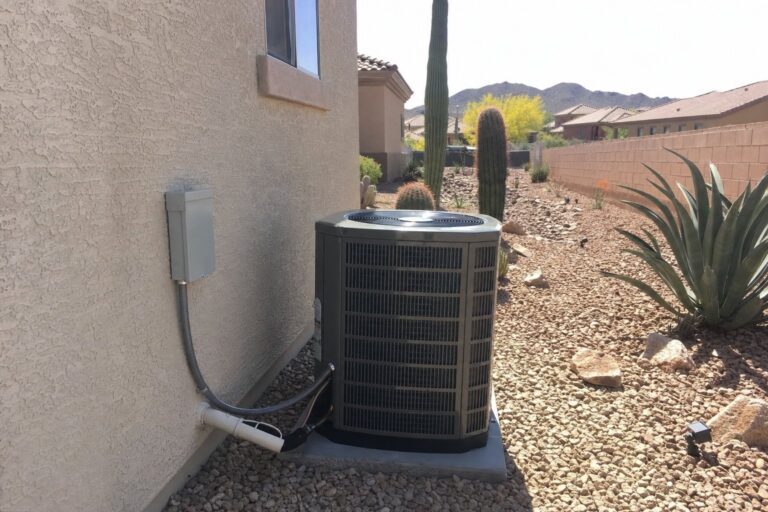
AC control board replacement is the repair you need when the air conditioner has power but the brains of the system are not sending the right commands. That can look like a dead outdoor unit, a blower that will not start, random short cycling, or storm damage after a surge. We test the board before we replace it.
When the board is the problem, and when it is not
The control board is not a magic box. It is a switching and timing center. Thermostat calls come in, safeties report back, relays close, and the system decides whether the blower, condenser, compressor, igniter, or other loads should run. On a Phoenix-metro AC system, that board may sit in an attic air handler, a package unit, or a furnace cabinet tied into cooling. It lives around vibration, heat, dust, and electrical events, so failures are real. Bad diagnosis is also real.
A board can fail after a monsoon surge, a weak transformer, a shorted low-voltage wire, a stuck contactor coil, condensate overflow, or simple age. The mistake is replacing the board because the system acts strange. A blown fuse, open float switch, bad thermostat, loose common wire, failed capacitor, or compressor safety can all make a good board look guilty. That is why board work starts with readings, not guessing.
We check line voltage, low-voltage output, fuse condition, transformer voltage, thermostat input, relay output, safety circuit continuity, and any visible burn marks or swollen components. If a board is not receiving the right command, the repair is upstream. If the board receives the command but does not deliver the proper output, then replacement starts to make sense. If another failed part killed the board, that part has to be handled too or the new board can be damaged the same day.
Yeti Pros is veteran-owned & operated. We come to you across the Valley as a service-area HVAC company with AZ ROC #363372 · ROC #363423. For control boards, the straight answer is simple: prove the signal path, protect the new part, and do not sell a board because the system is confusing.
How the job actually goes
The visit starts with the symptom you called in and the exact sequence the equipment is showing. We ask what changed: storm, outage, thermostat replacement, intermittent cooling, breaker trip, water in the secondary pan, or a system that went blank overnight. Then we open the equipment and test from the power source toward the load. That usually means disconnect power verification, high-voltage check, transformer test, low-voltage fuse check, thermostat call confirmation, safety switch check, and output testing at the board terminals.
If the board is burned, we still do not stop there. Burn marks tell us something failed; they do not always tell us why. A shorted contactor coil, rubbed thermostat wire, wet float switch, or failed transformer can take a board out. We isolate suspect circuits before installing the replacement. That is especially important after a monsoon event, when several small electrical problems can stack together.
Once we have enough evidence, you get a flat-rate written quote after the in-person look. The quoted number is what you pay unless we find something else and stop to re-quote. The diagnostic/service-call fee is disclosed at booking and credited toward the repair. No surprise work gets folded into the job while the cabinet is open.
If you approve the repair, we shut down power, label wiring when needed, remove the failed board, match the replacement board to the equipment model and revision, transfer harnesses and jumpers correctly, secure wiring away from heat and sharp metal, and restore power for a controlled startup. We test the thermostat call, blower operation, outdoor unit command, safeties, and cooling cycle. If the equipment uses diagnostic lights or stored fault codes, we document what was present and what cleared.
At handoff, you get the plain version of what failed, what readings proved it, and what we changed. We clean up the work area, reinstall panels, and confirm the system responds from the thermostat. If surge exposure was part of the failure, we will point you to our monsoon power surge guide so you understand what happened and what can reduce repeat damage. For broader cooling issues, this page sits under our AC repair service.
What you notice before a board replacement
Control board failures can look like five different repairs from the hallway thermostat. The useful question is not whether the system is acting odd. The useful question is where the command stops. This table shows common symptoms and what we check before calling the board bad.
| What you notice | What it usually means | This service or something else? |
|---|---|---|
| Thermostat calls for cooling but nothing starts | The call may not reach the board, a safety may be open, or the board may not switch output | Board possible after voltage and safety testing |
| Indoor blower runs but outdoor unit stays off | The board may not send the condenser signal, or the outdoor circuit may have its own fault | Test board output before replacing parts |
| Low-voltage fuse keeps blowing | A short exists somewhere in the control circuit | Find the short first; board may be a casualty |
| System works after resets, then quits again | Heat, weak relay contacts, loose wiring, or intermittent safety trips can cause this | Needs live testing during the fault |
| Burn marks or storm timing | Surge damage or a shorted load may have damaged the board | Board likely, but the cause still matters |
Phoenix-metro realities
Electrical parts in the Valley have a rough life. Attics can hit 150°F+, and that heat does not help circuit boards, relays, plastic plugs, or wire insulation. A board inside an attic air handler may be mounted in a cabinet that sees vibration every cooling cycle and thermal stress for months at a time. Dust also works into panels and can hold moisture when monsoon humidity swings through.
Monsoon season is the control-board season no one asks for. A nearby lightning event or utility disturbance can hit a system hard enough to damage the low-voltage side without leaving dramatic evidence. Sometimes the thermostat is blank. Sometimes the transformer opens. Sometimes the board still lights up but will not close the relay that starts the outdoor unit. The pattern matters, so we ask about outages and storms before we start replacing parts.
Arizona homes are slab-on-grade, so the AC control wiring is usually routed through walls, attics, exterior runs, or package-unit paths rather than basement mechanical spaces. That changes the hunt. Rodent damage, sun-baked low-voltage wire near the condenser, attic splices, and float switches by the coil all become part of the control circuit. A board in the air handler may be blamed for a rubbed wire outside.
Package units create a different field problem. The board, blower controls, compressor controls, and outdoor exposure can be in one rooftop or ground-mounted cabinet. Heat, rain, dust, and access all affect how the diagnosis goes. We still work the same way: prove incoming power, prove control voltage, prove safeties, prove output. In Phoenix, that discipline keeps a storm-damaged board repair from turning into a parts swap.
What drives the quote
Control board replacement cost is driven by the equipment model, board availability, whether the board is OEM or a correct approved replacement, how much circuit tracing is needed, and whether another failed part damaged the board. A simple board swap after clear testing is different from a low-voltage short that has to be found across thermostat wiring, float switches, contactor coils, and attic connections.
You get a flat-rate written quote after the in-person look. The quoted number is what you pay unless we find something and stop to re-quote. The diagnostic/service-call fee is disclosed at booking and credited toward the repair. That structure matters with board work because the visible board may not be the whole problem. If we uncover a shorted contactor, bad transformer, wet safety switch, or damaged wiring, we pause and explain it before moving ahead.
Yeti Pros provides a 2-YEAR written workmanship warranty. Repair parts carry a 1-YEAR manufacturer parts warranty. Our work is held to the AZ ROC Minimum Workmanship Standards. Financing is available when the repair is large enough to make that useful, and we offer a 10% military, veteran & first responder discount. Office hours are Mon-Fri 8-5, with 24/7 emergency service. To schedule, use contact or call (520) 556-8929.
Straight answers
Can a power surge ruin an AC control board?
Yes. A surge can damage the board, transformer, thermostat, or low-voltage components tied into the same circuit. The board may look burned, or it may look normal and still fail output testing. We check the surrounding parts because a surge can leave more than one failed component behind.
How do you know the board is bad?
We look for proof. If the board receives the right voltage and command, the safeties are closed, and the board does not send the proper output, replacement is justified. If the command never reaches the board, the problem is elsewhere. That difference is the whole job.
Can I keep resetting the system?
A reset may get an intermittent board or safety fault to run for a short time, but it does not fix the cause. Repeated resets can hide the pattern we need to see. If the system keeps failing after reset, leave it in the failed state when possible and call for service.
Do you replace boards after hours?
We provide 24/7 emergency service, but board availability depends on the equipment and supplier access. During the visit, we can diagnose the failure, make safe temporary decisions where appropriate, and give a written quote for the correct repair path once the part is confirmed.
Permits and inspections
Most repairs are ordinary service work; bigger scopes can involve city permitting. We perform our work to code, pull the permits our scope requires, and put what we did in writing.
What's covered
Workmanship is covered for two full years, in writing, and repair parts carry a 1-year manufacturer parts warranty — we document installs and repairs so those claims stay simple to make
Why a licensed HVAC contractor matters.
Every major brand, serviced and installed.



Phoenix metro: Most days a tech is already working somewhere in the Valley, so same-day appointments happen when the schedule allows. After-hours emergencies are dispatched when a licensed tech is available — a real person answers and tells you the ETA on the call.
Call (520) 556-8929Request an estimate.
No pressure, no door knockers. We look at the HVAC system, tell you what it needs (and what it doesn’t), and put the number in writing.