
Phoenix Metro
Swamp Cooler Pads, Pumps & Seasonal Service in Phoenix.
- (520) 556-8929
- Serving the entire Phoenix metro — we come to you
- Office: Mon–Fri 8:00 AM – 5:00 PM · 24/7 emergency service
- 2-year workmanship warranty · 1-year parts warranty
- Veteran-owned & operated · residential + commercial
- 23 five-star Google reviews
Residential HVAC across the Valley.
Air conditioning, heating, and cooler work at homes across the Phoenix metro.
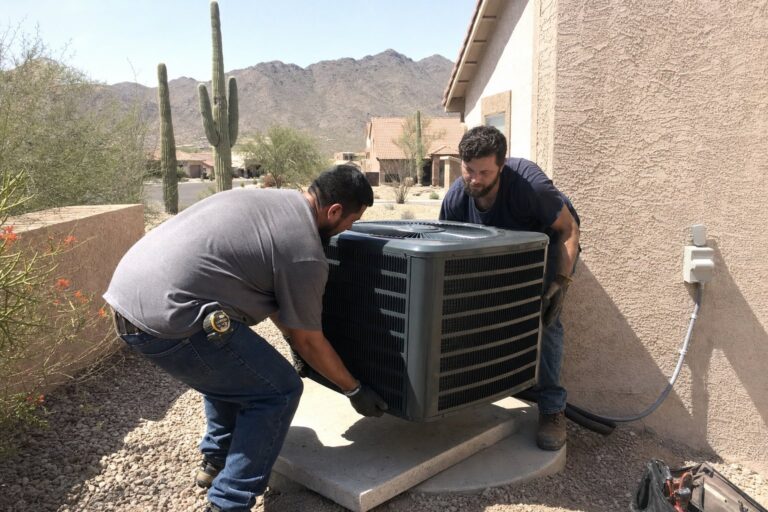
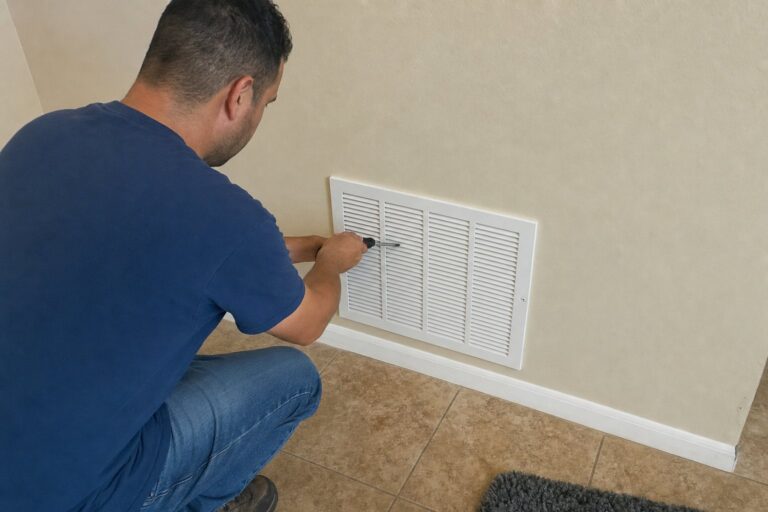
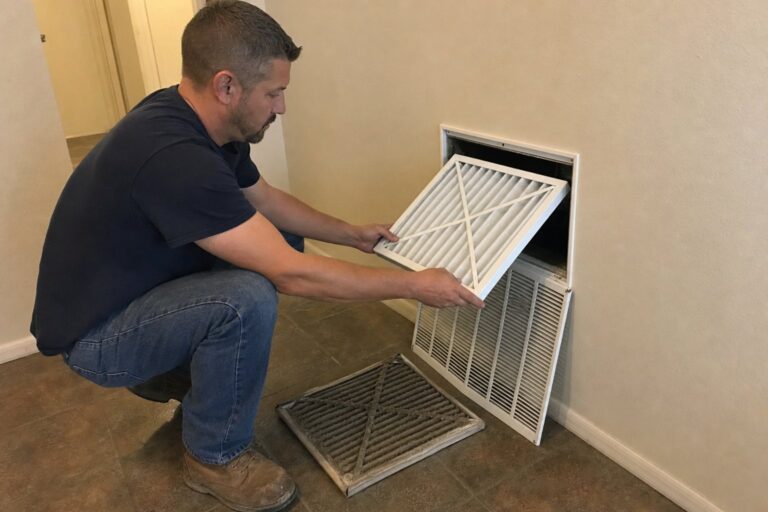
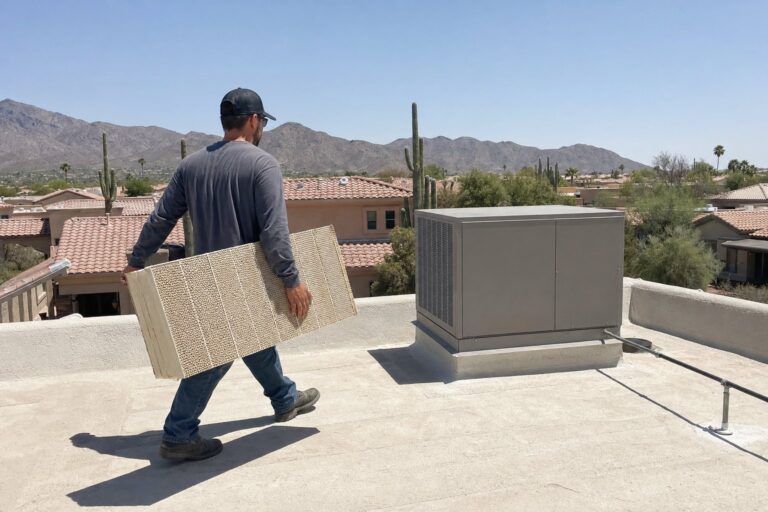
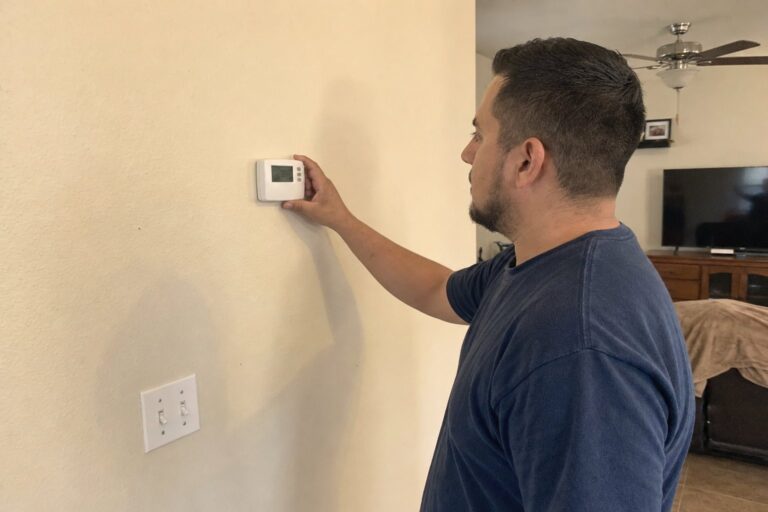
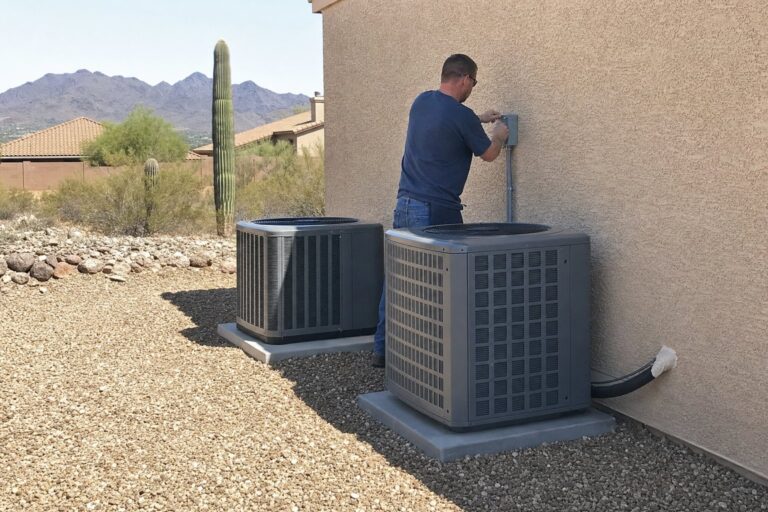
Swamp cooler pad replacement is seasonal service for an evaporative cooler that has weak airflow, warm supply air, mineral-loaded pads, or a pump that is not keeping the media wet. You need it before startup, after a dusty summer, or when the cooler runs but does not cool. We inspect the whole water and air path before quoting the work.
Why pads and pumps decide how a cooler feels
A swamp cooler is simple in theory: air moves through wet media, heat is absorbed as water evaporates, and cooler air enters the house. In the field, that only works when the pads are clean enough to pass air, wet enough across the full face, and seated correctly in the frame. If water channels down one side, if mineral scale blocks the media, or if the pad has collapsed away from the airflow, the cooler can run loudly while delivering warm air.
The pump is just as important. A weak pump may still make noise and move some water, but not enough to wet the pads evenly. A clogged distributor, cracked hose, plugged spider, bad float, or restricted water line can create the same complaint. That is why pad replacement and pump service belong together. Replacing pads without checking water delivery can leave the same hot-air problem in place. Replacing a pump while leaving blocked pads in the cabinet wastes the new pump’s work.
Phoenix conditions are hard on this equipment. Dust loads the pads. Mineral-heavy water leaves scale. Summer attic and roof heat dries exposed parts fast. Monsoon humidity cuts the cooler’s ability to drop temperature even when the unit is mechanically healthy. A good service visit separates normal evaporative limits from fixable problems. Yeti Pros handles swamp cooler repair, seasonal startup, shutdown, pads, pumps, belts, floats, water lines, and related airflow checks through our swamp cooler repair work. Veteran-owned & operated means we keep the explanation plain: what failed, what can wait, and what needs to be handled now.
How the job actually goes
The visit starts with what you are feeling inside the house. Warm air at the registers, low airflow, water on the roof, musty odor, pump noise, or a cooler that only works for part of the day each point in a different direction. We inspect the cabinet, pad frames, media condition, pump operation, water distribution, float level, drain, belt condition where applicable, motor behavior, electrical connections, and the duct drop. We also look for rusted hardware, loose panels, and signs that water has been going where it should not.
Then we give a flat-rate written quote after the in-person look. The quoted number is what you pay unless we find something and stop to re-quote. The diagnostic or service-call fee is disclosed at booking and credited toward the repair. That matters on seasonal work because a cooler may look like it only needs pads until the pump, float, bleed line, or distributor is tested under operation.
For startup service, we open the unit, clean what is appropriate, inspect the media and water system, replace pads when approved, verify pump flow, set the float, check for leaks, inspect the belt or blower components where present, and test cooling operation. For shutdown service, we can drain the cooler, shut off water, clean debris, inspect for end-of-season damage, and leave the unit in better shape for the next start. If the cabinet or roof connection is failing, we say that instead of pretending a pad set will solve it.
At handoff, you get the work notes, the parts installed, the warranty terms, and any recommendation that affects the next season. We are a service-area business with no street address; we come to you across the Phoenix metro. To book, use contact or call (520) 556-8929. Office hours are Mon–Fri 8–5, with 24/7 emergency service when the cooler problem cannot wait.
Mastercool pads and media choices
Mastercool-style rigid media is common in the Valley because it can deliver strong evaporative performance when the cabinet and water distribution are in good shape. It is also less forgiving when neglected. Mineral scale can build deep in the media, the top can dry out if distribution is poor, and airflow can drop even when the outside face does not look terrible. Aspen pads have a different maintenance pattern and fit different cooler designs, so the right answer depends on the unit, not a blanket preference.
When we service rigid media, we check whether the pad is evenly wet, properly seated, and matched to the cooler. We also inspect the trough, distributor, pump sizing, hose condition, and bleed or purge setup. If water is not reaching the full pad face, new media alone may not fix the complaint. If the media is loaded with scale or falling apart, cleaning around it will not bring it back. This is the honest point where we separate a maintenance visit from a repair.
Seasonal timing helps. A spring startup catches bad pads, seized pumps, cracked lines, and float problems before the first hard run. A fall shutdown reduces standing water, debris, and corrosion problems that show up later. In Phoenix, where coolers sit through dust, heat, and mineral-heavy water, that timing can save a lot of roof trips. It also gives you a cleaner decision if you are debating another swamp cooler season versus a larger change later.
Symptoms that point to pads, pumps, or something else
Swamp cooler complaints can sound the same from inside the house. Warm air might be a dry pad, but it might also be humidity, duct leakage, or a blower problem. This table keeps the first checks grounded.
| What you notice | What it usually means | This service or something else? |
|---|---|---|
| Air is strong but not cool | Pads may be dry, scaled, or not wetted evenly | Pad and pump service is likely |
| Pump hums but water does not flow | Pump failure, clogged hose, blocked distributor, or electrical issue | Pump diagnosis first |
| Water drips off the roof | Float level, overflow, cracked line, or pan issue | Water-system repair |
| Airflow is weak at the registers | Loaded media, belt issue, blower issue, or duct restriction | Full cooler inspection |
| Cooling gets worse during humid weather | Evaporative cooling has less capacity when air is already moist | May be normal limits, not a pad failure |
| Odor at startup | Standing water, dirty media, debris, or cabinet buildup | Seasonal cleaning and inspection |
Phoenix-metro realities
Swamp coolers in the Phoenix metro live a rough life on roofs and side yards. The equipment is exposed to dust, sun, wind, mineral-heavy water, and long dry stretches. Pads can load up faster than a homeowner expects, especially when the cooler pulls air near dusty landscaping, open lots, or roof debris. A pump can fail from age, heat, scale, or running dry after a water issue.
Arizona homes are slab-on-grade, so the cooler’s air path is normally above the ceiling rather than down in a basement. Ducts in attics can see 150°F+ conditions, and any leak or loose connection steals cooling before the air reaches the room. That is why we do not stop at the pad frame when the complaint is uneven comfort. We check what is accessible around the drop and registers, because a clean cooler still cannot fix a disconnected or crushed duct.
Monsoon season is the part many people misread. A swamp cooler can be newly serviced and still feel weaker when humidity rises. That does not mean the pad replacement failed. It means the physics changed. We explain that plainly so you can decide whether seasonal service is enough or whether refrigerated cooling should be discussed later. Across the Valley, plenty of homes still get useful months from evaporative cooling when the unit is maintained, water distribution is correct, and expectations match the weather.
What drives the written quote
The quote depends on the media type, pad size and access, pump condition, water-line condition, float and drain parts, belt or blower needs, cabinet condition, roof access, and whether the cooler can be serviced safely without broader repair. A simple pad set and startup is not the same job as a cooler with a bad pump, plugged distributor, cracked water line, failing pan, and weak airflow.
Yeti Pros gives flat-rate written quotes after an in-person look. The quoted number is what you pay unless we find something and stop to re-quote. The diagnostic or service-call fee is disclosed at booking and credited toward the repair. If your cooler runs but does not cool, our swamp cooler not cooling guide can help you understand the likely causes before we arrive, but the quote comes from the actual unit.
Work is backed by a 2-YEAR written workmanship warranty. Repair parts carry a 1-YEAR manufacturer parts warranty. Our work is held to the AZ ROC Minimum Workmanship Standards. Yeti Pros is Veteran-owned & operated, AZ ROC #363372 · ROC #363423. Financing is available for larger approved work, and we offer a 10% military, veteran & first responder discount.
Straight answers
How often should swamp cooler pads be replaced in Phoenix?
It depends on pad type, water quality, run time, dust exposure, and whether the water system is working correctly. Some pads are seasonal items. Rigid media can last longer, but scale and dry spots still ruin performance. We judge by condition, not a calendar alone.
Can I replace pads without replacing the pump?
Yes, if the pump is moving enough water and the distribution system is clean. We test that during the visit. If the new pads will stay dry because the pump or spider is weak, we quote the added repair before doing it.
Why does my cooler work in May but not during monsoon?
Evaporative cooling needs dry air. When humidity rises, the cooler has less room to evaporate water and drop temperature. Pads and pumps should still be checked, but monsoon performance can be a normal limit of the system.
Do you do startup and shutdown service?
Yes. Startup focuses on pads, pump flow, float level, leaks, belts or blower checks, and operation. Shutdown focuses on draining, cleaning, water shutoff, and spotting damage before it sits. Both visits help avoid surprise roof work later.
Permits and inspections
Most repairs are ordinary service work; bigger scopes can involve city permitting. We perform our work to code, pull the permits our scope requires, and put what we did in writing.
What's covered
Workmanship is covered for two full years, in writing, and repair parts carry a 1-year manufacturer parts warranty — we document installs and repairs so those claims stay simple to make
Why a licensed HVAC contractor matters.
Every major brand, serviced and installed.



Phoenix metro: Most days a tech is already working somewhere in the Valley, so same-day appointments happen when the schedule allows. After-hours emergencies are dispatched when a licensed tech is available — a real person answers and tells you the ETA on the call.
Call (520) 556-8929Request an estimate.
No pressure, no door knockers. We look at the HVAC system, tell you what it needs (and what it doesn’t), and put the number in writing.