
Phoenix Metro
TXV Replacement in Phoenix.
- (520) 556-8929
- Serving the entire Phoenix metro — we come to you
- Office: Mon–Fri 8:00 AM – 5:00 PM · 24/7 emergency service
- 2-year workmanship warranty · 1-year parts warranty
- Veteran-owned & operated · residential + commercial
- 23 five-star Google reviews
Residential HVAC across the Valley.
Air conditioning, heating, and cooler work at homes across the Phoenix metro.
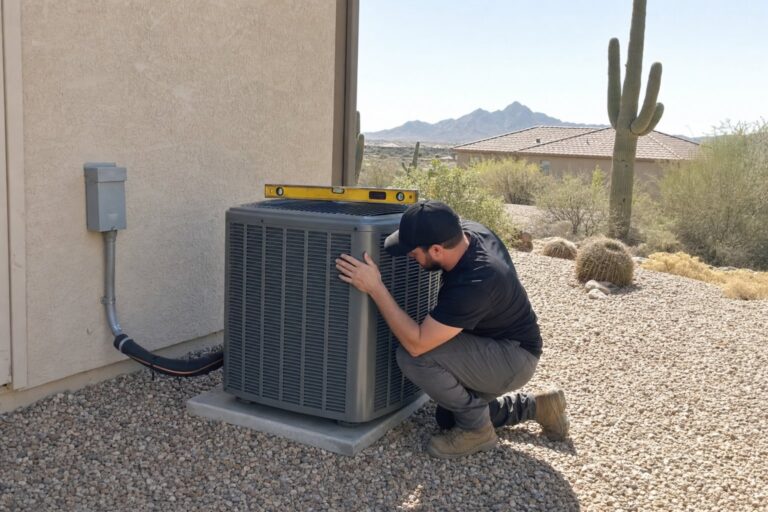
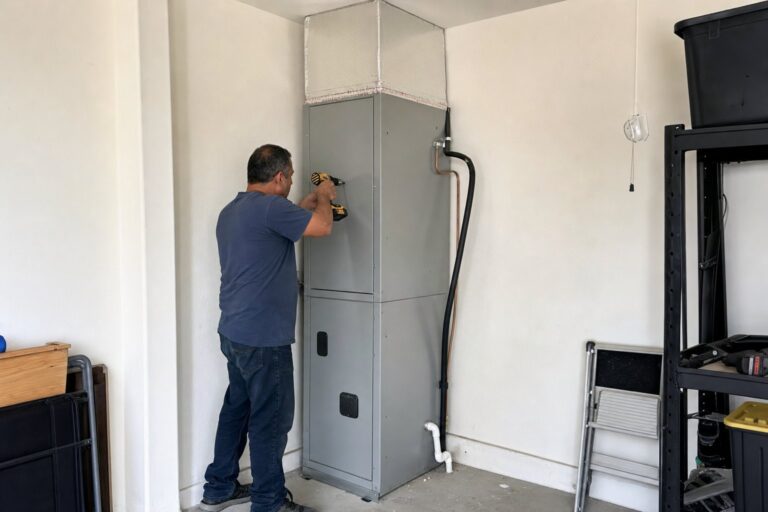
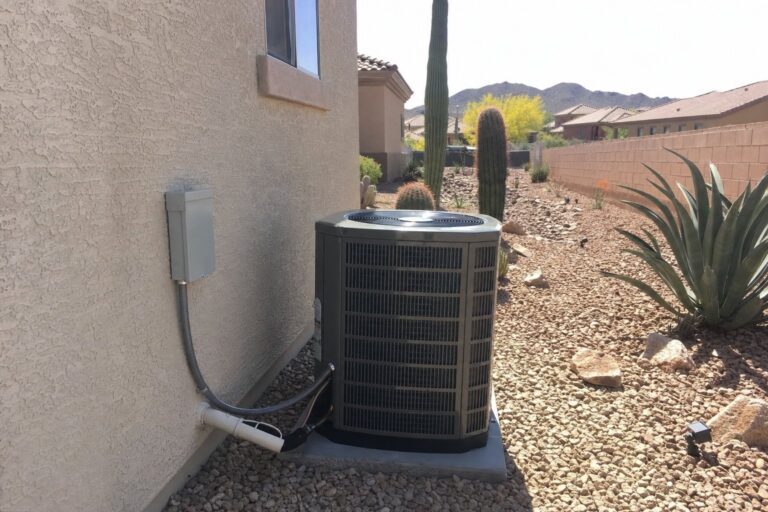
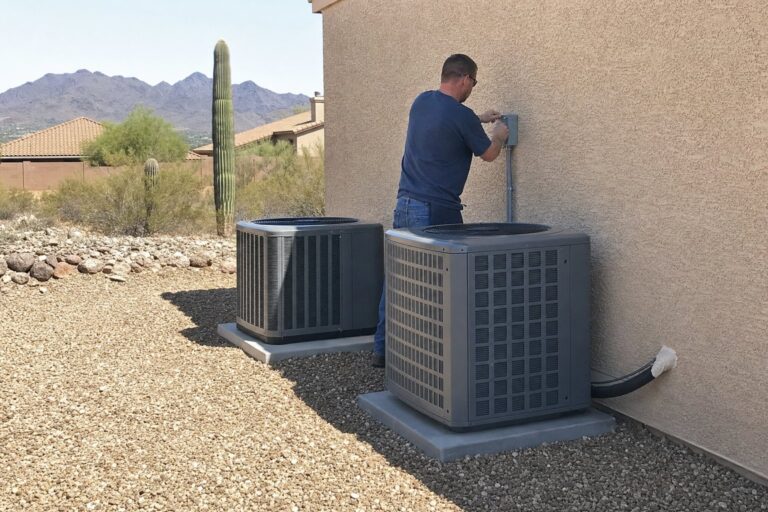
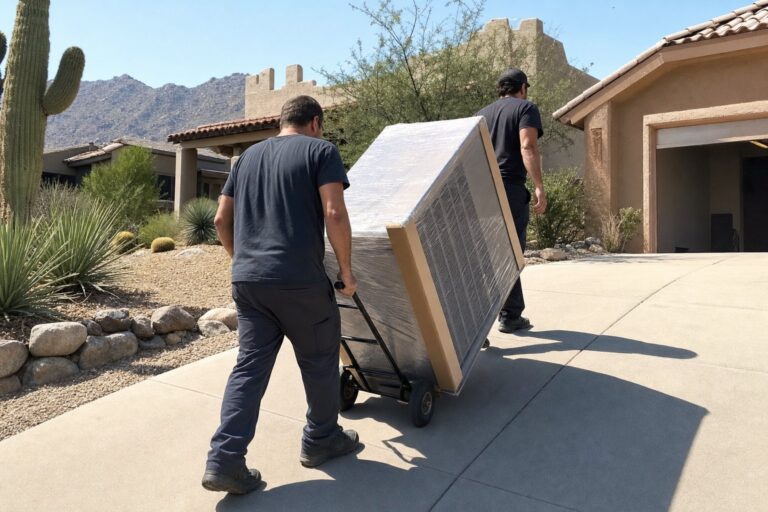
TXV replacement is the repair for a failed thermostatic expansion valve, the metering part that feeds refrigerant into the evaporator coil. You need it when evidence shows the valve is starving, flooding, stuck, or not responding, usually with poor cooling or coil icing. We verify superheat, airflow, charge, and bulb condition before changing it.
A TXV is often blamed before it is proven
The TXV controls refrigerant flow into the evaporator coil based on coil load and suction-line temperature. When it works, the coil gets enough refrigerant to absorb heat without sending liquid back to the compressor. When it fails or is restricted, the system may cool poorly, freeze, run high superheat, show odd pressures, or act like it is low on refrigerant. The problem is that several other faults can look similar.
A dirty filter, weak blower, restricted return, dirty evaporator coil, incorrect charge, non-condensables, kinked line, plugged filter drier, bad sensing-bulb contact, missing bulb insulation, or condenser airflow issue can all point a rushed technician toward the TXV. Replacing the valve without proving the readings can leave the original problem in place. That is why TXV replacement should be evidence-first work.
Superheat matters. Subcooling matters. Indoor airflow matters. Outdoor coil condition matters. The bulb must be mounted correctly and insulated where required. The equalizer line, if used, has to be connected and behaving. We also consider whether the system has recently had a compressor, coil, refrigerant repair, or contamination event. A TXV can fail, but it can also be the part that gets blamed because it is buried in the attic coil cabinet and the readings are hard to interpret. A loose bulb strapped to the suction line with old insulation hanging open can make a good valve act wrong, while a restricted inlet screen or debris from prior work can make a bad valve look like a charge problem.
Yeti Pros is veteran-owned & operated, AZ ROC #363372 · ROC #363423. We come to you across the Phoenix metro, and our approach is simple: no TXV replacement without a diagnostic trail. The part is too easy to miscall and too involved to change casually.
How the job actually goes
The visit starts with the full cooling complaint. We want to know whether the AC never cools, cools at night only, freezes after running, had recent refrigerant work, or changed behavior after a repair. Then we check the basics that can distort TXV readings: filter condition, blower operation, return airflow, evaporator coil condition where accessible, condenser coil condition, outdoor fan performance, thermostat call, and whether the system can run long enough to stabilize. If the coil is iced, we do not force a verdict from a frozen system; the ice has to clear enough for airflow and refrigerant readings to mean something.
When conditions allow, we take refrigerant pressures, suction and liquid line temperatures, indoor return and supply temperatures, outdoor ambient conditions, superheat, and subcooling. We inspect the TXV sensing bulb placement and insulation, equalizer line, signs of frost pattern, and whether the coil is being fed evenly. A starving TXV may show high superheat and low suction pressure. A flooding valve may show low superheat. But those numbers only mean something if airflow and charge context are known. The physical pattern matters too: frost only at the valve body, a cold distributor tube pattern that does not match the rest of the coil, or a suction line that never responds after load changes can all add context.
If the evidence points to the TXV, you get a flat-rate written quote after the in-person look. The quoted number is what you pay unless we find something and stop to re-quote. The diagnostic/service-call fee is disclosed at booking and credited toward the repair. TXV replacement can involve refrigerant recovery, opening the refrigerant circuit, brazing or mechanical connections, replacing a filter drier where appropriate, pressure testing, evacuation, recharge, and final operating verification.
During the repair, we shut down power, protect the attic work area, recover refrigerant as required, access the coil cabinet, remove the failed valve, install the correct replacement, secure the sensing bulb correctly, insulate it properly, address the equalizer connection, pressure test, evacuate to remove air and moisture, recharge according to system requirements, and run the AC to verify final superheat, subcooling, temperature split, and coil behavior. We do not call it done because cold air came out for five minutes. In a Phoenix attic, this often means removing tight sheet-metal panels without crushing ductboard or disturbing old mastic, keeping insulation out of the open cabinet, and making sure the bulb clamp sits flat on clean copper instead of over paint, oxidation, or old tape residue.
If the original complaint is general poor cooling, our AC not cooling guide can help you understand the possibilities. TXV work itself belongs under AC repair, but this repair needs tighter evidence than most because the wrong call wastes time and leaves the system unstable.
Symptoms that can point to a TXV
A bad TXV is a real failure, but it is not the first answer to every pressure problem. We use symptoms as starting points, then let measurements decide.
| What you notice | What it usually means | This service or something else? |
|---|---|---|
| AC runs but supply air is not cold enough | Could be airflow, charge, condenser performance, or metering | TXV only after readings support it |
| Evaporator coil freezes | Low airflow, low refrigerant, or restricted feed can cause ice | Thaw and test before replacing TXV |
| High superheat with low suction pressure | Starved evaporator, restriction, undercharge, or airflow context issue | TXV possible, not automatic |
| Low superheat or flooding behavior | Valve may overfeed, bulb may be loose, or charge may be wrong | Inspect bulb and charge conditions |
| Problem started after coil or compressor work | Debris, wrong part, moisture, or installation issue may be involved | System history matters |
| One part of the coil frosts oddly | Feed distribution, restriction, or coil issue may exist | Requires coil-cabinet inspection |
Phoenix-metro realities
TXVs in the Valley usually live at the indoor coil, and that often means attic work. Attics can hit 150°F+, which makes diagnosis harder and replacement more demanding. The technician has to get accurate readings from a system running under heavy load while also checking a valve and sensing bulb that may be inside a tight coil cabinet above finished living space. Heat radiating off the roof deck, soft insulation underfoot, and limited service platforms slow the work because the cabinet has to be opened carefully and closed back up without creating air leaks.
Arizona is slab-on-grade, so equipment layout is different from homes with basements. Refrigerant lines often run up exterior walls, through attics, or across long paths between condenser and coil. A line restriction, kink, overheated braze joint from past work, or plugged filter drier can imitate a TXV problem. The valve may be innocent while the restriction is somewhere else in the liquid line. Long line paths also make temperature measurements and pressure behavior more important, because heat picked up through hot attic spaces can confuse a quick look at the tubing.
Dust and airflow are constant troublemakers. A return leak pulling attic air, a dirty blower wheel, restricted filter, or leaky supply duct can make the evaporator coil behave strangely. Since the TXV responds to coil load, bad airflow can change the valve behavior and the readings around it. That is why we check the air side before using refrigerant readings as a verdict. Monsoon dust can pack outdoor coils and filters faster than expected, so an apparent metering problem may be a system running with less airflow and different heat load than it was designed to have.
Long cooling seasons also expose marginal parts. A TXV that behaves acceptably during mild weather may show its problem when the Phoenix metro is under heavy heat load and the system runs for long stretches. Outdoor-unit condition still matters too. If the condenser coil is dirty or the fan is weak, pressures and temperatures can move in ways that confuse the TXV diagnosis. A correct call looks at the whole refrigerant circuit, not just the valve.
What drives the quote
TXV replacement quotes depend on access, valve type, refrigerant type, whether the coil cabinet must be opened or modified, whether a filter drier is replaced, how much refrigerant handling is required, and whether contamination or prior repair work is part of the failure. A TXV that is easy to reach is different from one buried in a tight attic coil case with poor service clearance. The quote also reflects the time needed to protect the work area, open the refrigerant circuit correctly, test for leaks, pull the system down after it has been open, and confirm that the repaired system stabilizes under real cooling load.
You get a flat-rate written quote after the in-person look. The quoted number is what you pay unless we find something and stop to re-quote. The diagnostic/service-call fee is disclosed at booking and credited toward the repair. This is important with TXVs because the repair should only follow confirmed evidence. If testing shows undercharge, airflow restriction, plugged drier, bad bulb placement, or condenser trouble instead, we quote that repair instead of changing the valve.
Yeti Pros provides a 2-YEAR written workmanship warranty. Repair parts carry a 1-YEAR manufacturer parts warranty. The work is held to the AZ ROC Minimum Workmanship Standards. Financing is available where useful, and we offer a 10% military, veteran & first responder discount. Office hours are Mon-Fri 8-5, with 24/7 emergency service. To schedule, use contact or call (520) 556-8929.
Straight answers
How do you know a TXV is bad?
We look for a pattern: superheat, subcooling, pressures, line temperatures, airflow condition, bulb placement, and system history. A TXV is suspect when the readings point to improper refrigerant feed and the usual lookalikes have been ruled out.
Can a bad TXV make the coil freeze?
Yes, a restricted or misfeeding TXV can contribute to coil icing. So can a dirty filter, weak blower, low refrigerant charge, dirty coil, or duct problem. The coil needs to thaw, and airflow has to be checked before the valve gets blamed.
Is TXV replacement a quick part swap?
Usually no. It often requires opening the refrigerant circuit, handling refrigerant properly, installing the correct valve, pressure testing, evacuation, recharge, and final readings. The attic access can be as important as the part itself.
Can the TXV be adjusted instead of replaced?
Some valves are adjustable, but adjustment is not a cure for dirt, moisture, a bad bulb mount, the wrong charge, or a failed valve. We verify the cause first. If adjustment is appropriate, the readings need to prove the system stabilized afterward.
Permits and inspections
Most repairs are ordinary service work; bigger scopes can involve city permitting. We perform our work to code, pull the permits our scope requires, and put what we did in writing.
What's covered
Workmanship is covered for two full years, in writing, and repair parts carry a 1-year manufacturer parts warranty — we document installs and repairs so those claims stay simple to make
Why a licensed HVAC contractor matters.
Every major brand, serviced and installed.




Phoenix metro: Most days a tech is already working somewhere in the Valley, so same-day appointments happen when the schedule allows. After-hours emergencies are dispatched when a licensed tech is available — a real person answers and tells you the ETA on the call.
Call (520) 556-8929Request an estimate.
No pressure, no door knockers. We look at the HVAC system, tell you what it needs (and what it doesn’t), and put the number in writing.