
Phoenix Metro
HVAC UV Light Installation in Phoenix.
- (520) 556-8929
- Serving the entire Phoenix metro — we come to you
- Office: Mon–Fri 8:00 AM – 5:00 PM · 24/7 emergency service
- 2-year workmanship warranty · 1-year parts warranty
- Veteran-owned & operated · residential + commercial
- 23 five-star Google reviews
Residential HVAC across the Valley.
Air conditioning, heating, and cooler work at homes across the Phoenix metro.
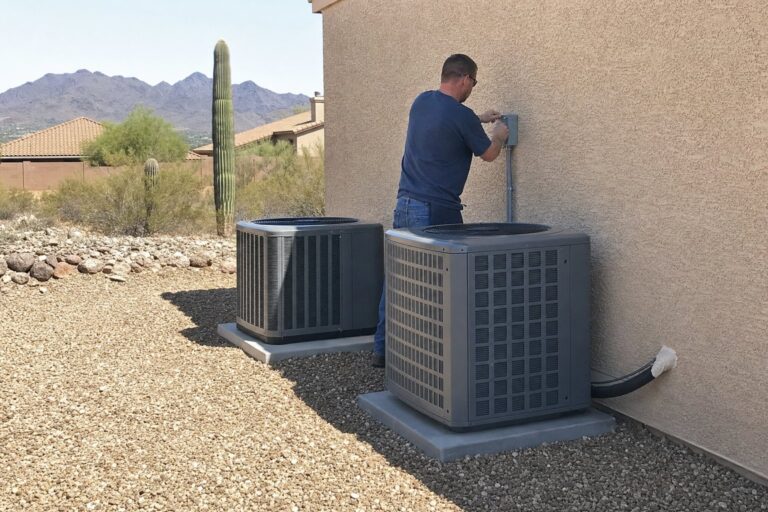
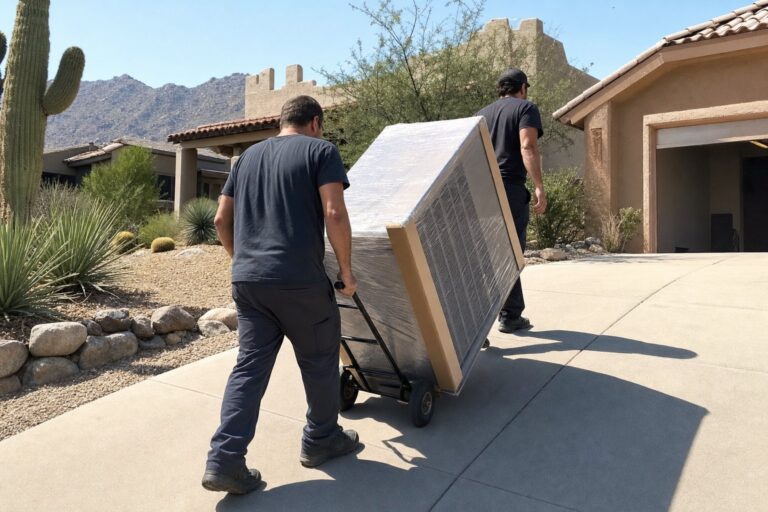
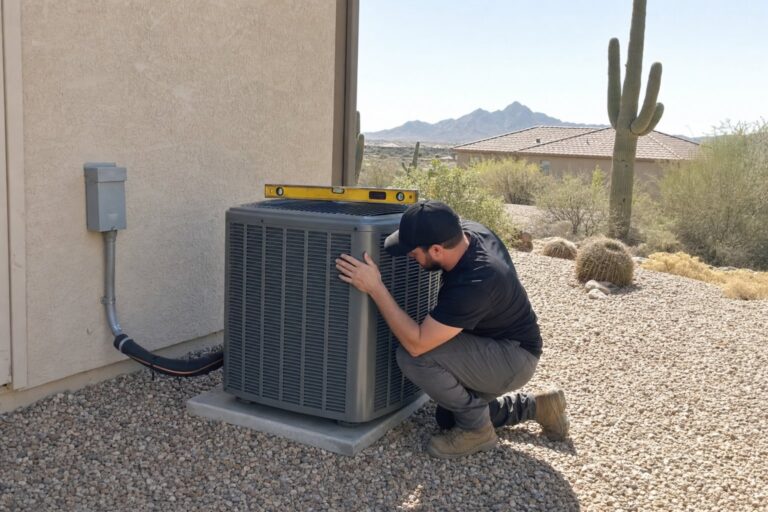
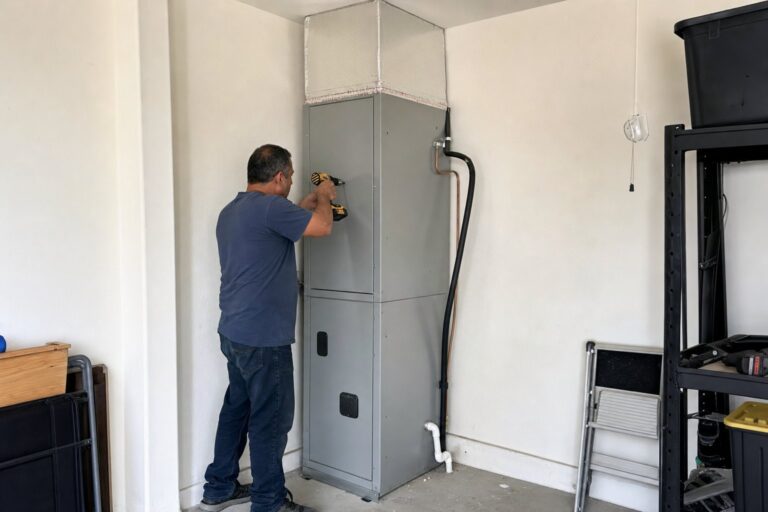
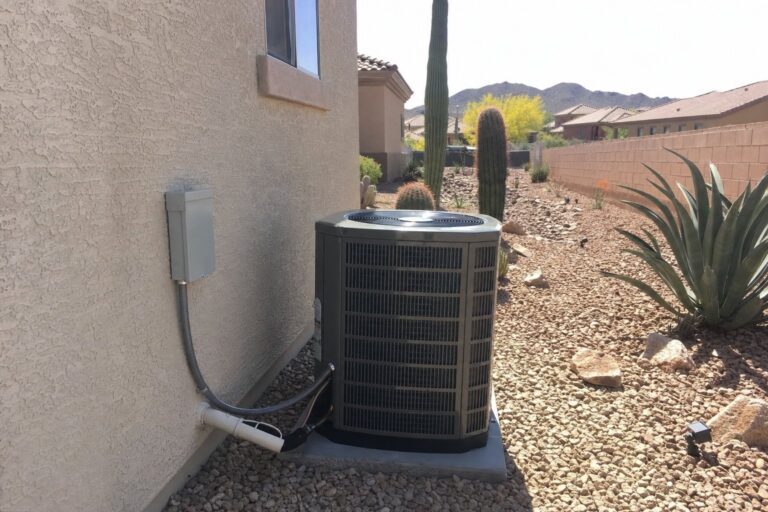
HVAC UV light installation places a germicidal lamp inside the air handler or duct near the indoor coil to help control biological growth on wet surfaces. You need it when the coil area smells musty, stays damp, or has repeated buildup after cleaning. We inspect the equipment, set expectations plainly, and install only where the light can do useful work.
What UV lights do inside an HVAC system
A UV light is not a room deodorizer, a dust collector, or a cure-all for indoor air. In HVAC work, its most defensible job is coil growth control.
Why Coil Growth Occurs
The indoor evaporator coil gets cold, pulls moisture from the air, and stays wet during long cooling cycles. These conditions, combined with dust and darkness, create an ideal environment for slime, odor, and buildup on the coil face and drain area.
How UV Lights Work
The lamp is installed so ultraviolet energy shines directly on the coil, drain pan, or nearby surfaces. It works by continuous exposure. This means placement matters more than buzzwords. For effective treatment, the light must have a clear line of sight to the wet surface. A lamp that is hidden, blocked, or pointed at empty duct space will not be effective.
When UV Lights Are Considered
In Phoenix, UV lights are most often discussed when customers experience:
- A dirty-sock smell
- A repeatedly fouled coil
- Indoor air complaints tied to cooling operation
They can help keep a cleaned coil cleaner longer.
When UV Lights Are Not the Solution
UV lights do not replace coil cleaning when the coil is already packed, nor do they filter dust. If dust is the main complaint, prioritize:
- Improved filtration
- Return sealing
- Addressing loose return grilles or filter rack gaps
- Preventing attic dust from entering the system
Making UV Lights Effective
We treat UV as one tool inside residential HVAC service, not a magic box. For a UV lamp to be effective, foundational issues like a dirty coil, wrong drain, or attic debris must first be addressed. A UV lamp makes sense when it is:
Ensuring direct line of sight to the wet coil surface.
Shielded from materials it can damage.
Including lamp replacement when output drops.
How the job actually goes
The visit starts at the indoor equipment. We open the service panel, inspect the evaporator coil area where accessible, look at the drain pan and drain line, and check the cabinet surfaces around the coil. We also look for signs of air bypass, missing insulation, old tape, rust, standing water, or previous biological buildup. If the coil is inaccessible without deeper service, we explain what can and cannot be verified during the visit. In attic systems, that inspection may include tight service panels, low roof clearance, blown insulation around the platform, and cabinet seams that need to be handled without tearing old duct sealant apart.
We check the electrical path and installation location before recommending a unit. Some UV systems are powered from the air handler, some need a dedicated transformer, and some are wired to run continuously. We look for safe mounting, service clearance, wire routing, and whether the lamp will shine on wiring, filters, flexible duct liner, or plastic parts that should not sit under direct UV exposure. We also check whether the lamp can be replaced later without removing half the cabinet, because a light that cannot be serviced tends to stop being useful after the first lamp cycle.
Once the inspection is done, you get a flat-rate written quote before work begins. The quoted number is what you pay unless we find something hidden that changes the job; if that happens, we stop and re-quote before continuing. The diagnostic or service-call fee is disclosed at booking and credited toward the repair or installation.
Installation includes drilling or cutting the correct opening, mounting the lamp assembly, sealing the penetration, routing and securing wiring, and verifying operation. We label the unit, record the lamp type, and show you how the indicator works if the model has one. If the coil needs cleaning first, we separate that from the UV installation so you understand what each step is doing. The physical work is small but precise: metal shavings have to be controlled, the lamp needs a stable mounting surface, the cabinet opening needs to be sealed, and wires need to be kept away from sharp edges, hot surfaces, and service-panel pinch points.
At handoff, we explain lamp life, maintenance access, and what results are realistic. You should expect better control of growth on exposed surfaces near the lamp, not a sealed-house health guarantee. Yeti Pros is veteran-owned and operated, AZ ROC #363372 · ROC #363423. We are a service-area business, so we come to you across the Phoenix metro. Office hours are Mon-Fri 8-5, with 24/7 emergency service.
When a UV light makes sense
The right call depends on the symptom. Here is how we sort common calls.
When UV Helps Most
The problem is tied to wet coil surfaces and repeated buildup.
When UV Helps Least
The complaint is mainly dust, outdoor odor, or a dirty duct system.
| What you notice | What it usually means | UV light or something else? |
|---|---|---|
| Musty smell when cooling starts | Coil, drain pan, or nearby cabinet surfaces may have growth or residue | UV may help after inspection and cleaning if needed |
| Coil gets dirty again after service | Wet coil plus dust loading, poor filtration, or return leakage | UV can help, but filtration must be checked |
| House is dusty | Particles are bypassing filters or entering through returns and leaks | Filtration work usually matters more than UV |
| Drain line keeps clogging with slime | Wet pan and biological growth are contributing to blockage | UV may be part of the solution with drain correction |
| Odor only happens near one room | Could be duct leakage, room source, plumbing, or return path issue | Diagnosis first; UV may not address it |
REME HALO, APCO-X, and UV options in Phoenix homes
Homeowners often inquire about branded UV and air treatment products by name, such as REME HALO, APCO-X, and Fresh-Aire UV. We emphasize that the brand name is not the diagnosis. The suitability of a unit for your system is determined by:
- Equipment location
- Coil condition
- Power source
- Airflow
- Service access
UV System Applications
Coil Irradiation
The lamp shines on the evaporator coil and drain pan, targeting wet surfaces.
Supply Plenum Treatment
Installed in the supply plenum, these systems are marketed around treating moving air.
Coil-focused UV is usually the clearer conversation for Phoenix homes. The coil is the wet surface that runs for long hours during cooling season. The drain pan, coil face, and nearby cabinet surfaces stay damp, collect residue, and benefit most from steady exposure when placement is possible.
Installation Challenges in Arizona Homes
Arizona homes are typically slab-on-grade, with indoor equipment commonly in an attic, closet, garage, or rooftop package unit. Each location presents unique installation considerations:
Attics need extra care due to ducts and cabinets sitting in 150°F+ summer conditions. UV components, wiring, and access panels must be mounted for service without damaging ductwork or insulation. Issues include heat, reach, cabinet angle, and room to pull the lamp safely for replacement.
The issue may be clean access and keeping the lamp away from filters and plastic parts.
Addressing Dust Before UV Installation
Dust is a significant local reality. A UV lamp does not remove dust from the air. If monsoon dust storms or leaky returns are loading the coil with debris, the lamp is being asked to solve the wrong problem. We evaluate these factors before recommending a UV light:
Ensuring proper filter fit.
Checking for and addressing return leakage.
Verifying proper cabinet sealing.
Assessing condensate drainage.
In the Valley, that honest sequence saves a lot of frustration. A lamp can help control growth on a damp surface, but it cannot keep drywall dust, attic fibers, or outdoor dirt from reaching the coil if the air path is wrong.
What drives the quote
The specific type of UV system chosen impacts the overall cost.
Ease of access to the coil or plenum, wiring needs, and the mounting location are key. A simple accessible air handler is not the same job as a tight attic unit with fragile old ductwork and no clean mounting surface.
The quote includes whether the coil needs cleaning first, and if existing cabinet or drain issues have to be corrected.
The quote can change if the best lamp location is blocked by a refrigerant line, drain connection, control wiring, insulation, or a service panel that must still open normally after the installation.
Our Quoting Process
Our UV light cost guide explains the factors without pretending every system is identical. After the in-person look, we give a flat-rate written quote before work. The quoted number is what you pay unless we find something that changes the scope and stop to re-quote. The diagnostic or service-call fee is disclosed at booking and credited toward the work.
Our Guarantees
Our installation workmanship is covered by a 2-year written workmanship warranty and held to the AZ ROC Minimum Workmanship Standards. Repair parts carry a 1-year manufacturer parts warranty.
Financing & Discounts
Financing is available, and we offer a 10% military, veteran, and first responder discount.
To book the visit, use contact or call (520) 556-8929.
Straight answers
Does a UV light clean the air in my house?
Not the way a filter does. A coil-mounted UV light mainly treats surfaces it shines on, especially the wet evaporator coil and drain area. Some products are designed for air-stream treatment, but even then UV is not a dust filter or a substitute for good return sealing.
Will UV stop the musty AC smell?
It can help when the smell is coming from growth on the coil or drain pan. If the odor comes from dirty ducts, a plumbing issue, old insulation, or an outside source, UV will not fix it. We inspect before recommending it.
Do UV lamps need maintenance?
Yes. The lamp can still glow after useful output has dropped, so replacement interval matters. The schedule depends on the model and installation. We note the lamp type at handoff so future service is straightforward.
Can UV damage HVAC parts?
Direct UV exposure can age some plastics, wiring jackets, filters, and flexible duct materials. That is why placement matters. We mount the lamp where it can treat the target surface while limiting exposure to materials that should not be blasted by UV.
Permits and inspections
Most repairs are ordinary service work; bigger scopes can involve city permitting. We perform our work to code, pull the permits our scope requires, and put what we did in writing.
What's covered
Workmanship is covered for two full years, in writing, and repair parts carry a 1-year manufacturer parts warranty — we document installs and repairs so those claims stay simple to make
Why a licensed HVAC contractor matters.
Every major brand, serviced and installed.




Phoenix metro: Most days a tech is already working somewhere in the Valley, so same-day appointments happen when the schedule allows. After-hours emergencies are dispatched when a licensed tech is available — a real person answers and tells you the ETA on the call.
Call (520) 556-8929Request an estimate.
No pressure, no door knockers. We look at the HVAC system, tell you what it needs (and what it doesn’t), and put the number in writing.