
Queen Creek
AC Installation in Queen Creek, AZ.
- (520) 556-8929
- Serving the entire Phoenix metro — we come to you
- Office: Mon–Fri 8:00 AM – 5:00 PM · 24/7 emergency service
- 2-year workmanship warranty · 1-year parts warranty
- Veteran-owned & operated · residential + commercial
- 23 five-star Google reviews
A new AC system in Queen Creek should be sized by a real Manual-J load calculation, not by copying the sticker on the builder’s dying unit. The old unit may have matched a production schedule, broad model plan, or cost target, while AC installation in Queen Creek has to fit the home you actually live in now. A house in Encanterra with different glass exposure, insulation behavior, occupancy, and comfort expectations is not the same problem as a large-lot home where additions, attic runs, or dusty equipment access changed the load over time. Queen Creek’s far southeast Valley heat punishes lazy sizing: too small runs endlessly, too large short-cycles, and both can leave rooms uncomfortable. The town’s former agricultural and equestrian character still shows up in property layouts, while newer master-planned streets bring tighter lots, attached garages, and attic duct systems that deserve careful review before equipment is set. Yeti Pros is veteran-owned, AZ ROC #363372 · ROC #363423. We come to you, calculate before recommending, and quote installation in writing; call (520) 556-8929.
ZIPs served: 85142, 85144
What AC Installation covers in Queen Creek.
Manual-J sizing
We size new Queen Creek systems from the home’s actual load instead of automatically copying the old equipment. The calculation considers the structure, exposure, insulation, windows, layout, and comfort needs so the recommended system is less likely to short-cycle, run endlessly, or leave rooms uneven.
Complete system installation
We install matched residential cooling systems with attention to equipment placement, refrigerant lines, condensate management, electrical connections, thermostat control, and startup checks. The work is quoted in writing before it begins, and we explain what is included so the installation scope is clear.
Duct and return review
A new AC cannot perform well if the duct system cannot move the required air. We review return sizing, supply behavior, visible duct issues, room complaints, and airflow indicators during the installation process. When duct corrections are needed, we explain them before adding scope.
Efficiency options
We provide equipment options that balance efficiency, comfort, budget, and serviceability. Higher-efficiency systems can make sense in Queen Creek’s long cooling season, but only when sizing, airflow, installation quality, and commissioning support the equipment. We explain tradeoffs in plain language.
Thermostat setup
Thermostat selection and placement affect comfort as much as homeowners expect, especially in open floor plans or homes with hot rooms. We connect and configure the thermostat included in the scope, verify system control, and explain practical settings without turning setup into a lecture.
Commissioning and documentation
After installation, we test operation, review airflow and temperature behavior, confirm condensate drainage, check visible installation details, and document the completed work. You receive written terms, warranty information, and a clear explanation of what was installed and how the system should be maintained.
What we see for AC installation in Queen Creek.
Many Queen Creek installation conversations start when the existing system can no longer be trusted, but the most important decision is not brand or tonnage. It is whether the proposed system fits the home. A Manual-J load calculation considers square footage, orientation, insulation, windows, ceilings, occupancy, and other factors that affect heat gain. Copying the old unit’s size can repeat a builder mistake or ignore changes made after the home was built. If the house has always had uneven rooms, long run times, humidity issues, or noisy airflow, installation is the moment to correct the cause rather than preserve it.
In newer subdivisions, we often see equipment that was adequate on paper but never matched how the family uses the home. Upstairs bedrooms, west-facing rooms, open kitchens, high ceilings, and media spaces can all expose airflow or duct limitations. A new condenser and air handler will not fix a return that is too small or ductwork that cannot deliver the required air. Around communities like Cortina, homeowners may be replacing a system that is only old enough to feel disappointing, not ancient. That makes the design step even more important.
On larger Queen Creek lots, installation planning can include property-specific details that a standard subdivision estimate might miss. Outdoor unit placement, line-set routing, service clearance, dust exposure, pad condition, and access around gates, animals, landscaping, or outbuildings all affect the job. Some fringe properties may include well and septic conditions nearby, so practical routing and equipment location matter. A good installation plan respects the property instead of treating every side yard as interchangeable.
We also see confusion around efficiency ratings, utility service, and rebates or financing. Queen Creek homeowners may be served by SRP, not APS, and utility programs can vary. Higher-efficiency equipment can be worthwhile, but only if the system is sized, installed, charged, and commissioned correctly. The best new system is not the most expensive box. It is the system that matches the load, moves the right airflow, drains properly, fits the electrical and duct conditions, and is documented clearly enough for the homeowner to understand what was installed.
- 01 Airflow and static pressure
- 02 Electrical: capacitors, contactors, draws
- 03 Refrigerant-circuit behavior
- 04 Drains, safeties, and float switches
- 05 Thermostat, controls, and cycling
- 06 Ducts, returns, and room-by-room comfort
Residential HVAC across the Valley.
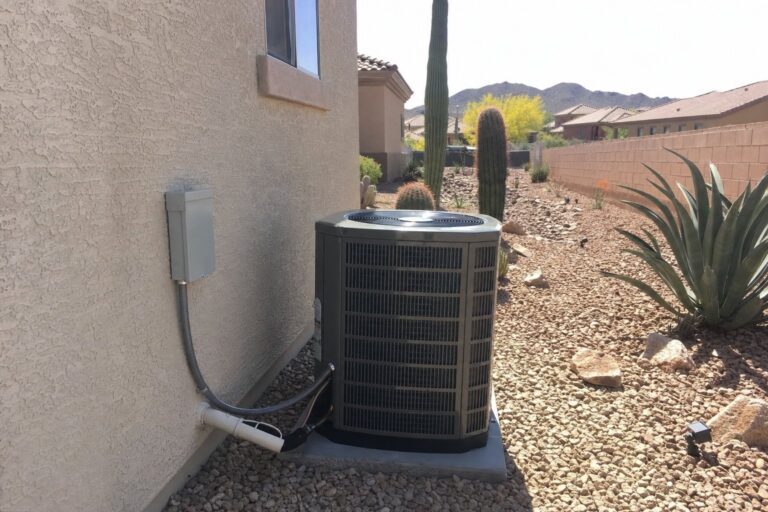
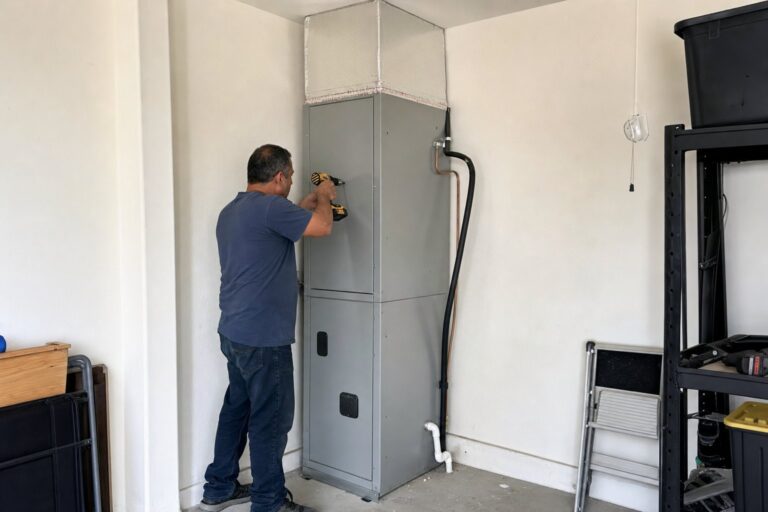
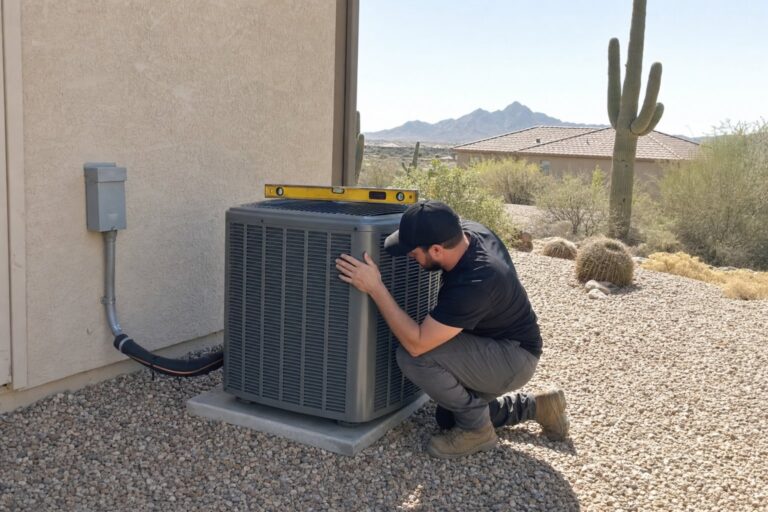
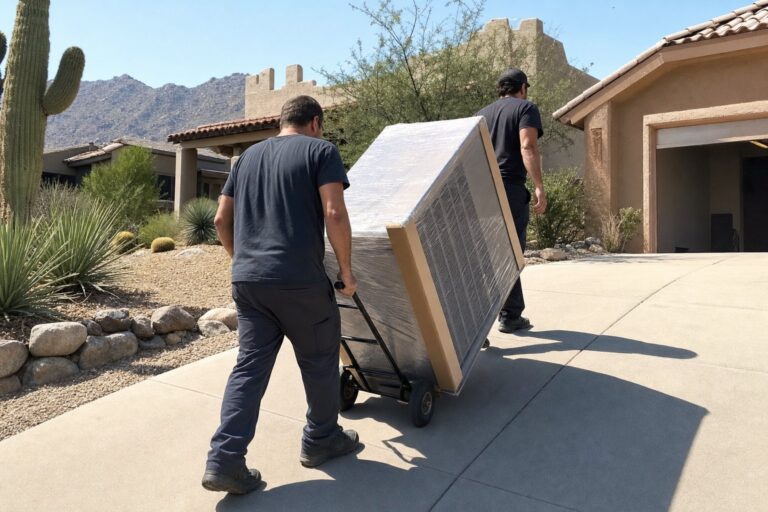
Air conditioning, heating, and cooler work at homes across the Phoenix metro.
How the job typically runs.
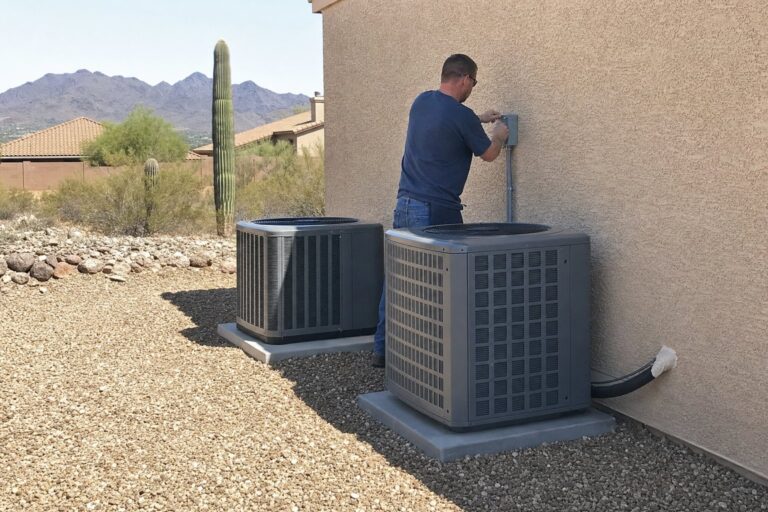
Installation starts with a visit to the home, not a phone-only tonnage guess. We look at the existing equipment, duct layout, return path, thermostat location, electrical conditions, condensate routing, access, and the rooms that have been hardest to cool. We gather the information needed for a Manual-J load calculation and discuss comfort concerns before equipment options are built. The diagnostic or service-call fee, when applicable, is disclosed at booking and credited according to the approved scope.
After the evaluation, we provide flat-rate written installation options. The quoted number is what you pay unless we find something new and stop to re-quote before proceeding. We explain the equipment size, efficiency level, scope of work, warranty expectations, and any duct, electrical, drain, or access items that affect the installation. Financing is available when that helps make the project manageable.
During installation, we protect the work areas, remove the old equipment as included in the scope, set and connect the new system, address condensate and electrical requirements within the quoted work, and commission the equipment. Startup is not a ceremonial switch flip. We check operation, airflow indicators, temperature behavior, thermostat control, and visible installation details so the system begins its life correctly.
- 01 Booking, with the diagnostic fee disclosed
- 02 In-person diagnosis with real readings
- 03 Written flat-rate quote before work begins
- 04 The work: repair, install, or maintenance
- 05 Startup, documentation, and warranty handoff
Residential AC installation in Queen Creek usually requires the proper mechanical permit when equipment is installed or replaced, and additional electrical or related permits may apply depending on scope. Incorporated properties generally follow Town of Queen Creek requirements; nearby unincorporated areas may involve Maricopa County, Pinal County, or another authority having jurisdiction. We explain the permitting path that applies to the home before the job proceeds. Service-area work means we come to you, but the property location still matters for code and inspection.
Arizona homes here are generally slab-on-grade, so installation details usually involve attic, closet, garage, side-yard, roofline, or package-unit locations rather than basement mechanical rooms. Yeti Pros is licensed under AZ ROC #363372 and ROC #363423. Our written workmanship warranty is held to the Arizona Registrar of Contractors minimum, and you can review the Minimum Workmanship Standards directly.
Pricing, financing & the 10% military & first responder discount.
AC installation pricing depends on the load calculation, equipment type, efficiency level, access, duct and return conditions, electrical needs, condensate routing, crane or roof considerations if applicable, and permit requirements. Queen Creek homes with the same square footage can still need different scopes, so we do not price them like copies of each other. After the in-person evaluation, you receive flat-rate written options. The quoted number is what you pay unless we uncover a new condition and stop to re-quote before continuing.
Financing is available for new system installation. Yeti Pros also offers a 10% military, veteran & first responder discount. We keep the pricing conversation tied to design and scope: what size the home needs, what the installation includes, what warranty terms apply, and which choices affect comfort, operating cost, and long-term serviceability.
- 01 Flat-rate written quote after an in-person look
- 02 Diagnostic fee disclosed at booking, credited to the repair
- 03 Financing available on replacements
- 04 2-year workmanship warranty; 1-year manufacturer parts warranty
- 05 10% military, veteran & first responder discount
Why a licensed HVAC contractor matters.
FAQs: AC Installation in Queen Creek, AZ.
Why does Manual-J sizing matter for AC installation in Queen Creek?
Manual-J sizing matters because Queen Creek homes can have very different cooling loads even when they look similar from the street. Orientation, window area, insulation, ceiling height, duct location, occupancy, shade, and room layout all affect how much cooling the home needs. Copying the old equipment size can repeat an original builder compromise or ignore changes made since construction. Oversized equipment can short-cycle, create uneven comfort, and wear poorly. Undersized equipment can run constantly and still lose ground. A load calculation gives the installation a defensible starting point.
Can I replace my AC with the same size unit I already have?
Sometimes the same size is correct, but it should not be assumed. If the existing system was properly sized, the home has not changed, and comfort has been good, the calculation may support a similar capacity. If the home has hot rooms, long run times, renovations, added shade, changed windows, duct issues, or a history of short-cycling, the old label may be misleading. We evaluate the home and equipment before recommending size. The goal is not to sell a larger or smaller system; it is to install the system the house actually needs.
Do Queen Creek AC installations require permits?
Most residential AC installations or replacements require the proper mechanical permit, and some projects may involve electrical or related requirements depending on the scope. Incorporated Queen Creek generally follows Town of Queen Creek permitting, while nearby unincorporated properties may involve Maricopa County, Pinal County, or another authority. We identify the applicable path before the work proceeds. A simple service repair is different from installing equipment. For homeowners, the permit question matters because code, inspection, equipment documentation, and warranty expectations all connect to the quality of the installation.
How long does a residential AC installation usually take?
The timeline depends on the equipment type, access, duct or return changes, electrical needs, condensate routing, permitting, and whether the system is attic, garage, side-yard, roofline, or package-unit based. Many straightforward residential installations are completed in a day once equipment, permits, and scheduling are ready, but some homes need more time because the supporting conditions matter. We explain the expected schedule in the written scope before work begins. We would rather give a realistic timeline than rush a new system into a home that was not properly prepared.
Will a new AC fix hot rooms in my Queen Creek home?
A new AC may help, but it is not guaranteed to fix hot rooms by itself. Uneven comfort can come from undersized or oversized equipment, duct restrictions, poor return air, insulation gaps, west-facing glass, thermostat placement, attic heat, or room layout. During installation planning, we ask which rooms are uncomfortable and review the duct and airflow conditions that may be contributing. If the equipment is the main problem, replacement can improve comfort. If the duct system is the problem, the installation scope should address that instead of pretending new equipment will solve everything.
What should I expect after the new system is installed?
After installation, the system should be started, tested, and explained. We check operation, thermostat control, visible installation details, condensate drainage, airflow indicators, and temperature behavior. You receive written documentation, warranty information, and the workmanship warranty terms 2-year written workmanship warranty . We also explain maintenance expectations because manufacturer warranty coverage often depends on proper registration, installation, and maintenance requirements. If financing applies, those terms are handled separately from the technical scope. The goal is for you to know what was installed and how it should perform.
Every major brand, serviced and installed.




Phoenix metro: Most days a tech is already working somewhere in the Valley, so same-day appointments happen when the schedule allows. After-hours emergencies are dispatched when a licensed tech is available — a real person answers and tells you the ETA on the call.
Call (520) 556-8929Request an estimate.
No pressure, no door knockers. We look at the HVAC system, tell you what it needs (and what it doesn’t), and put the number in writing.
Need AC installation in Queen Creek? A real person answers.
Other services we run in Queen Creek.
AC Installation in nearby cities.
Looking for something else nearby? All HVAC services in Queen Creek