
Anthem
Kitchen Exhaust Cleaning in Anthem, AZ.
- (520) 556-8929
- Serving the entire Phoenix metro — we come to you
- Office: Mon–Fri 8:00 AM – 5:00 PM · 24/7 emergency service
- 2-year workmanship warranty · 1-year parts warranty
- Veteran-owned & operated · residential + commercial
- 23 five-star Google reviews
In Anthem’s compact food-service market, NFPA 96 hood cleaning helps reduce kitchen risk, though it cannot come with a promised inspection result. The honest promise is narrower and more useful: perform the accessible cleaning work, document it clearly, and make sure the operator understands that code, insurance, and inspection outcomes remain their responsibility. In Anthem, commercial kitchens often serve a tight local market where restaurant traffic, club dining, coffee service, and retail food operations depend on equipment that may be tucked into 2000s-era tenant spaces or later remodels. Grease does not care that the community is slightly cooler than central Phoenix; it collects in hoods, filters, ducts, fans, and roof areas according to cooking volume, cleaning interval, equipment layout, and staff practices. Because Anthem sits far north up I-17, scheduling matters too: a missed or vague service window can disrupt prep, closing routines, and manager coverage. Yeti Pros is veteran-owned, AZ ROC #363372 · ROC #363423. We provide kitchen exhaust hood cleaning in Anthem with plain documentation, practical scheduling, and no inflated compliance promises. Call (520) 556-8929 to book service.
ZIPs served: 85086
What Kitchen Exhaust Cleaning covers in Anthem.
NFPA 96-scope cleaning
We clean accessible kitchen exhaust components within the approved scope and document the work performed. The service supports fire-risk reduction and recordkeeping, while inspection, code, and insurance outcomes remain the operator’s responsibility.
Hood and plenum cleaning
Grease buildup in hood and plenum areas can increase fire risk and create sanitation concerns. We perform the approved cleaning, identify visible access limitations, and leave documentation that helps managers maintain clearer service records.
Filter service coordination
Filters affect airflow, grease capture, and daily kitchen operation. We clean or address filters within the approved scope, note damaged or missing items, and explain what staff should continue managing between professional service visits.
Fan and duct access review
Exhaust fans and duct access can determine whether cleaning is complete or limited. We review accessible areas, document restrictions, and identify damaged hinges, missing access, or conditions that may require repair or follow-up work.
Restaurant record support
Managers often need proof that cleaning was performed for landlords, insurers, corporate files, or inspections. We provide practical documentation tied to the service scope, while avoiding promises that only an authority or insurer can decide.
Scheduled hood maintenance
Cooking volume determines how quickly grease returns. We can set a written cleaning schedule that matches the operation, reducing last-minute stress and keeping the kitchen’s exhaust maintenance more predictable for managers and ownership.
What we see for kitchen exhaust cleaning in Anthem.
Kitchen exhaust systems in Anthem vary widely because the food-service mix is not one-size-fits-all. A quick-service restaurant cooking all day, a club kitchen with event peaks, a cafe with lighter grease load, and a tenant space that changed concepts may all need different cleaning intervals and access planning. The common mistake is treating hood cleaning as a sticker-only task. The useful work is removing grease from the accessible hood, plenum, filters, duct path, and exhaust fan areas according to the approved scope, then documenting what was performed and what could not be reached without additional access or repair.
Anthem’s building age creates some practical issues. Many spaces developed during the 2000s have had equipment swapped, menus changed, and rooftop units serviced by multiple vendors. Exhaust fans may be difficult to access, hinges may be missing or damaged, grease containment may be neglected, and prior cleaning records may be incomplete. A manager may inherit a kitchen and only discover the exhaust system’s condition when an insurer, landlord, corporate auditor, or fire authority asks for documentation. We help by making the condition and service record clearer.
We are careful with compliance language because it matters. NFPA 96 is the reference standard many operators, insurers, and authorities look to for commercial cooking ventilation maintenance, but a cleaning contractor does not control the whole compliance picture. Equipment design, access panels, fire suppression, cooking volume, filter practices, repair needs, documentation, and operator procedures all play roles. We perform and document the cleaning scope; the restaurant or facility remains responsible for maintaining compliance, arranging inspections, correcting deficiencies, and deciding how records are used.
For Anthem operators, scheduling is part of the service quality. Kitchens have prep windows, closing procedures, staff availability, and landlord rules. Because the community is located up I-17, we plan the visit with realistic timing instead of treating it like a casual nearby stop. We confirm access to the hood, roof or fan area when needed, water or utility expectations, and any site-specific rules. Good hood cleaning is physical work, but good commercial service is also coordination and documentation.
- 01 Airflow and static pressure
- 02 Electrical: capacitors, contactors, draws
- 03 Refrigerant-circuit behavior
- 04 Drains, safeties, and float switches
- 05 Thermostat, controls, and cycling
- 06 Ducts, returns, and room-by-room comfort
Commercial jobs we have documented.
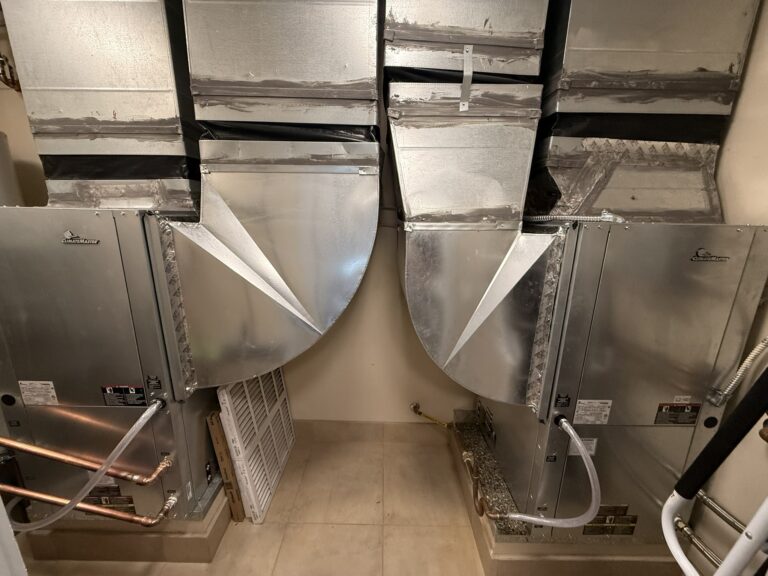
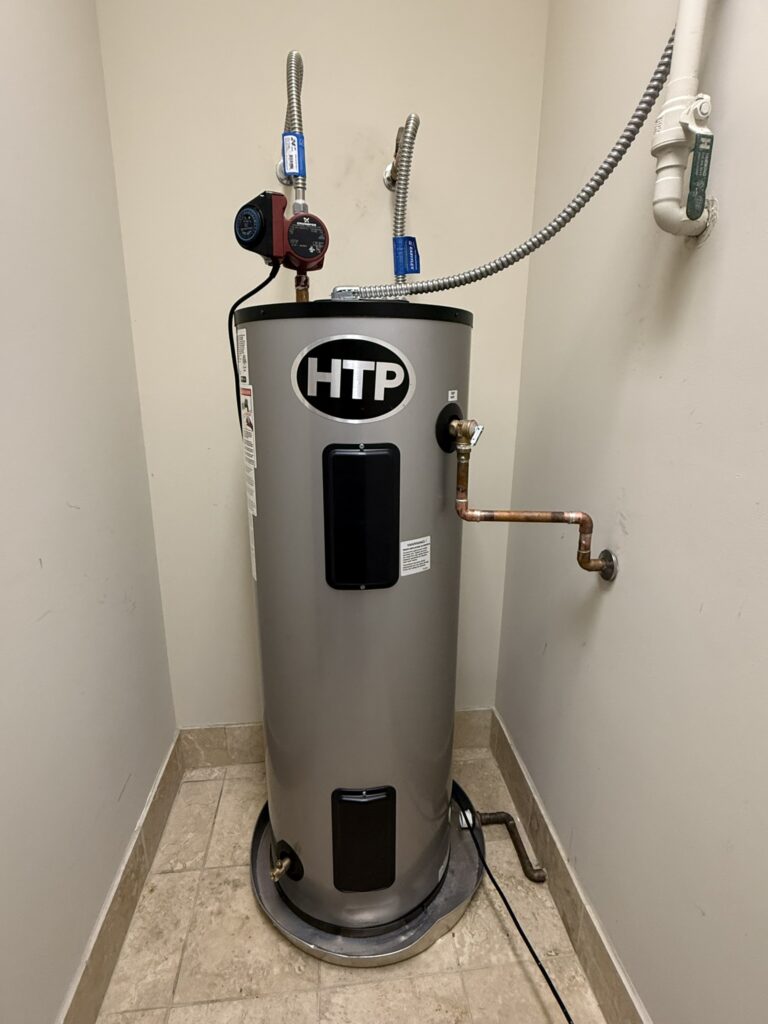
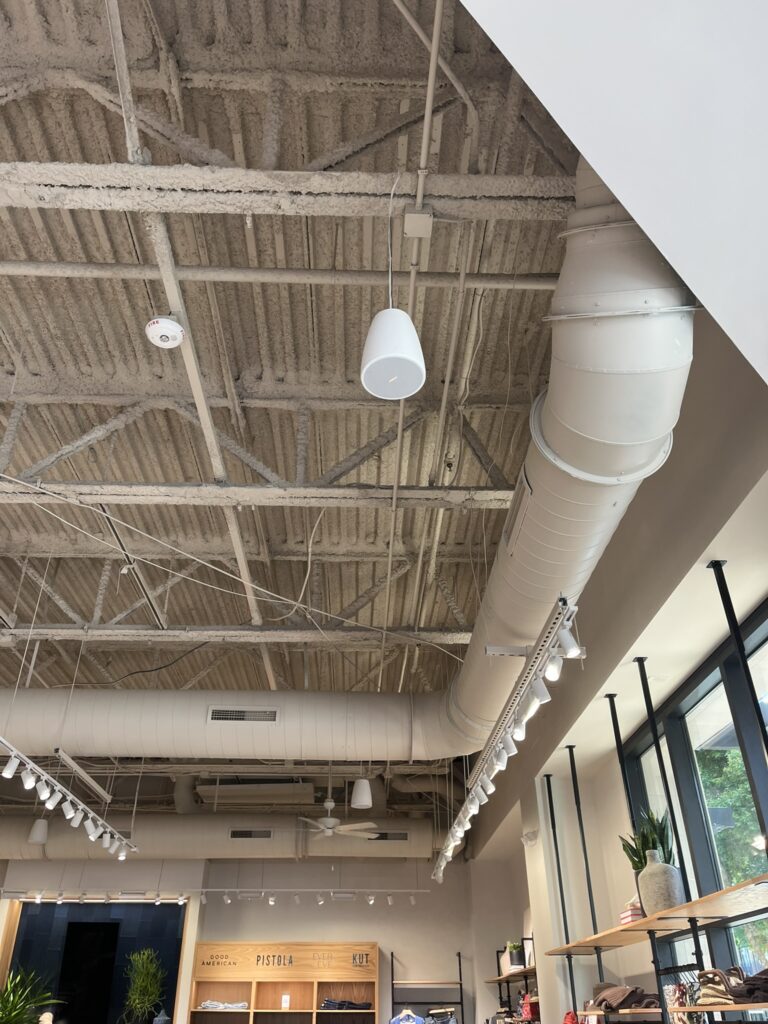
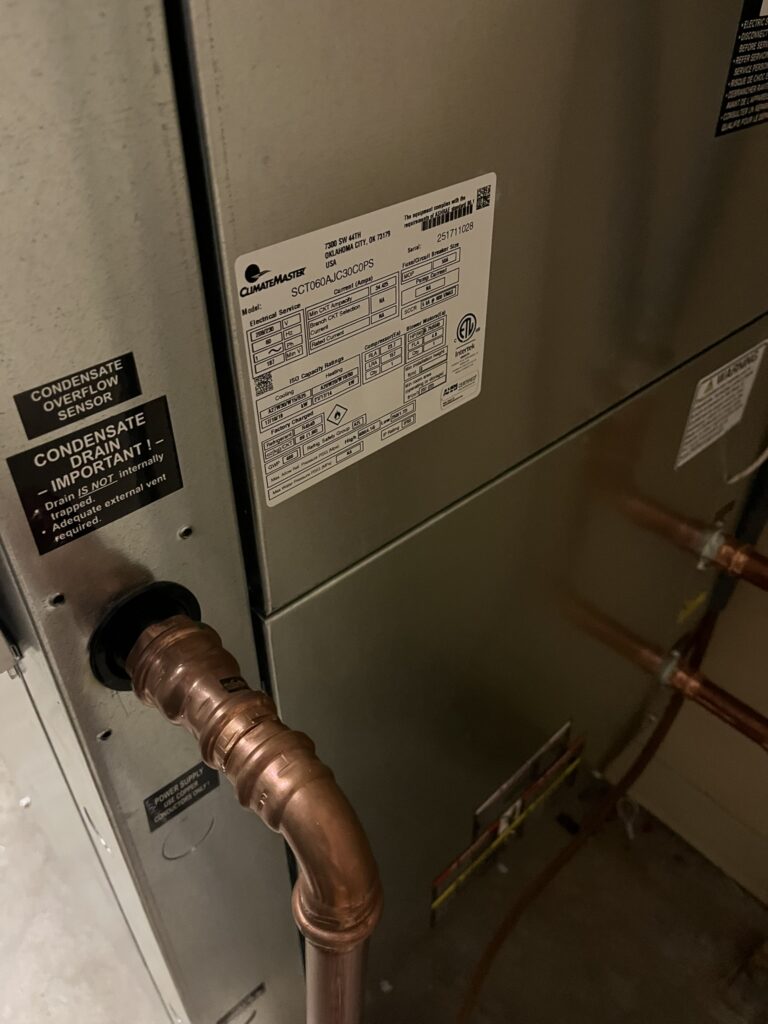
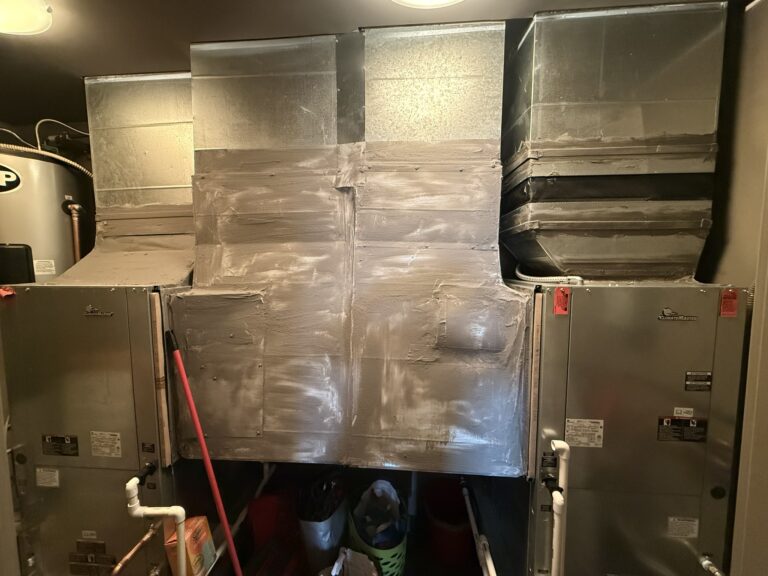
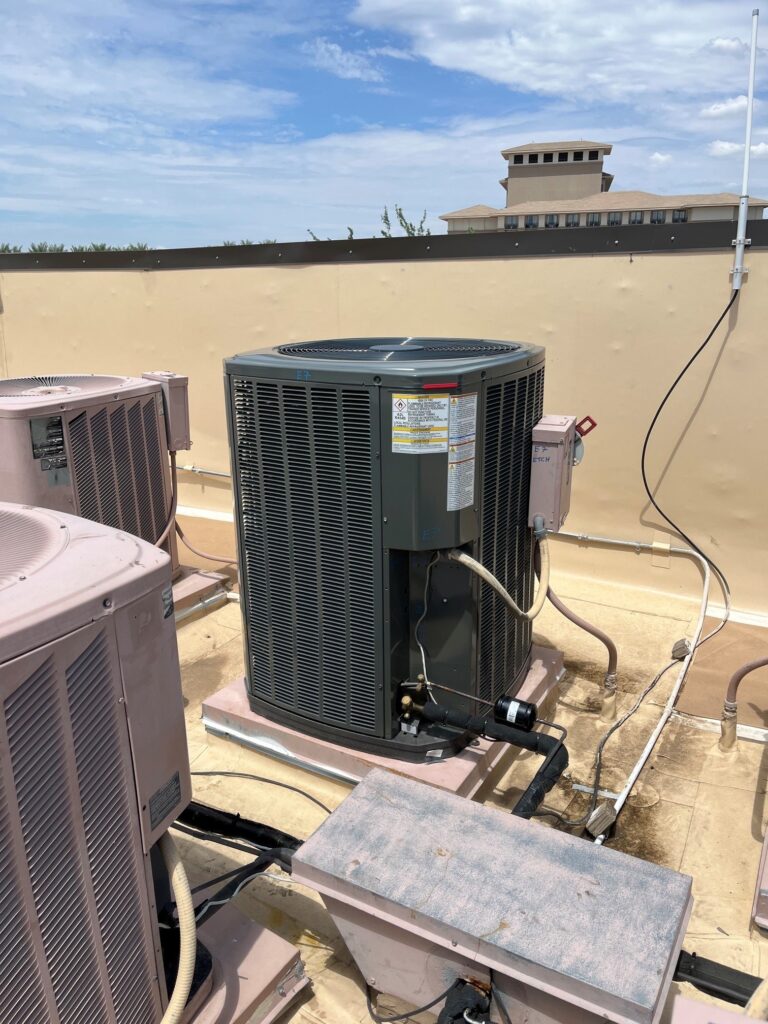
Photos from our own commercial projects across the Phoenix metro — equipment we installed, in buildings we service.
How the job typically runs.
When you call, we ask about the cooking operation, hood count, last cleaning date, access to the roof or exhaust fan, business hours, and whether the request is tied to an insurer, landlord, internal audit, or inspection. We disclose the service-call or assessment fee when applicable, explain scheduling, and confirm that Yeti Pros is a service-area business that comes to you.
Before work begins, we identify the accessible components and the approved cleaning scope. Depending on the system and access, work may include hood surfaces, filters, grease collection areas, plenum areas, duct access points, fan components, and surrounding protection or cleanup. If we find access limitations, damaged components, heavy buildup outside the approved scope, or repair needs, we document them rather than pretending they do not affect the outcome.
After the work, we provide documentation of the service performed. That may support internal records, landlord files, insurance requests, or inspection preparation, but it is not a guarantee of code approval. The quoted number is what you pay for the approved scope unless we find something that requires us to stop and re-quote before continuing.
- 01 Booking, with the diagnostic fee disclosed
- 02 In-person diagnosis with real readings
- 03 Written flat-rate quote before work begins
- 04 The work: repair, install, or maintenance
- 05 Startup, documentation, and warranty handoff
Kitchen exhaust cleaning is closely tied to NFPA 96 expectations, fire safety programs, insurance reviews, and local authority requirements, but the responsibility lines must stay clear. Yeti Pros performs and documents the hood cleaning work we are hired to do. Yeti Pros performs its work to code and pulls the permits and inspections our own scope requires. Landlord or lease approvals, insurance decisions, and building-wide operational compliance stay with the property owner or operator — but licensed, code-compliant workmanship on what we install or repair is on us. The operator still owns those items, plus records, deficiency corrections, inspections, and access for required service.
Some issues discovered during cleaning may require repair, access-panel work, fan service, electrical work, grease-containment correction, or broader mechanical attention that falls outside ordinary cleaning. Arizona’s Registrar of Contractors publishes the Minimum Workmanship Standards, and our written workmanship warranty is 2-year written workmanship warranty . Documentation is useful, but it is not a substitute for operator compliance management.
Pricing, financing & the 10% military & first responder discount.
Kitchen exhaust cleaning pricing depends on hood size, number of hoods, cooking volume, grease load, access to ducts and fans, rooftop conditions, cleaning interval, site rules, and whether the request is routine or tied to heavy buildup or documentation pressure. Similar Anthem kitchen menus can still mean different access and grease conditions, so pricing has to start with the actual job. When an in-person look is needed, the diagnostic or service-call fee is disclosed at booking and credited according to the approved scope.
After reviewing the job, we provide a flat-rate written quote. The quoted number is what you pay unless we discover a condition that changes the scope and stop to re-quote. Financing is available when applicable for larger related work, and we offer a 10% military, veteran & first responder discount. A written maintenance schedule often costs less operationally than waiting for heavy buildup, failed access, or last-minute documentation stress.
- 01 Flat-rate written quote after an in-person look
- 02 Diagnostic fee disclosed at booking, credited to the repair
- 03 Financing available on replacements
- 04 2-year workmanship warranty; 1-year manufacturer parts warranty
- 05 10% military, veteran & first responder discount
Why a licensed HVAC contractor matters.
FAQs: Kitchen Exhaust Cleaning in Anthem, AZ.
Do you guarantee we will pass a fire or health inspection?
No. We perform and document the kitchen exhaust cleaning work within the approved scope, but inspection results are controlled by the authority, insurer, landlord, or corporate standard reviewing the kitchen. NFPA 96-related cleaning is important, but compliance also depends on system design, access, fire suppression, repair condition, cooking practices, documentation history, and operator responsibilities. We are direct about that because false guarantees create risk. You receive documentation of the work performed, not a promise about another party’s decision.
How often should an Anthem restaurant schedule hood cleaning?
The right interval depends on cooking volume, fuel type, menu, grease production, equipment layout, and requirements from insurers, landlords, corporate programs, or authorities. A light cafe and a high-volume fryer kitchen should not be treated the same. We can review your operation and recommend a practical schedule, but the operator remains responsible for meeting applicable requirements. Many businesses benefit from written recurring service because it prevents cleaning from becoming a last-minute reaction to an audit, complaint, or visible grease buildup.
What parts of the exhaust system do you clean?
The approved scope can include accessible hood surfaces, filters, grease collection areas, plenum areas, duct access points, exhaust fan components, and related cleanup or protection. The exact work depends on system design and access. If a fan cannot be safely opened, an access panel is missing, a hinge is damaged, or buildup extends beyond the agreed scope, we document the limitation. That is part of honest service. A record that identifies access problems is more useful than a sticker that ignores them.
Can you work around restaurant operating hours?
Yes, scheduling is part of the job. Hood cleaning usually needs to happen around prep, service, closing, staff availability, roof access, and site rules. Anthem’s location up I-17 makes coordination especially important because a vague arrival window can create real disruption. We confirm timing, access, utilities, and manager contact before the visit. If the kitchen has special landlord, security, or corporate requirements, tell us during booking so we can plan the service properly.
What happens if you find damaged access panels or fan parts?
We document what we find and explain how it affects the cleaning scope. Damaged hinges, missing access panels, unsafe fan conditions, broken grease containment, or electrical concerns may require repair or a separate trade before a full cleaning scope can be completed. We do not hide those limitations or imply that cleaning alone fixes them. If related work is within our service capability, we provide a written quote. If it requires another party or authority decision, we say so plainly.
Do you offer recurring hood cleaning agreements?
Yes. A recurring agreement helps Anthem kitchens keep exhaust cleaning on a planned schedule instead of waiting for visible grease, insurance pressure, or inspection deadlines. The interval should reflect cooking volume and any applicable requirements from the operator’s governing parties. We document each completed service and note visible access or condition issues. Recurring cleaning does not guarantee compliance outcomes, but it gives managers and owners a better record and reduces the chance of falling behind unnoticed.
Every major brand, serviced and installed.
Phoenix metro: Most days a tech is already working somewhere in the Valley, so same-day appointments happen when the schedule allows. After-hours emergencies are dispatched when a licensed tech is available — a real person answers and tells you the ETA on the call.
Call (520) 556-8929Request an estimate.
No pressure, no door knockers. We look at the HVAC system, tell you what it needs (and what it doesn’t), and put the number in writing.
Need kitchen exhaust cleaning in Anthem? A real person answers.
Other services we run in Anthem.
Kitchen Exhaust Cleaning in nearby cities.
Looking for something else nearby? All HVAC services in Anthem