
Scottsdale
HVAC for Cold Storage in Scottsdale, AZ.
- (520) 556-8929
- Serving the entire Phoenix metro — we come to you
- Office: Mon–Fri 8:00 AM – 5:00 PM · 24/7 emergency service
- 2-year workmanship warranty · 1-year parts warranty
- Veteran-owned & operated · residential + commercial
- 23 five-star Google reviews
Cold storage HVAC in Scottsdale usually means smaller, high-consequence refrigeration: restaurant walk-ins in Old Town, resort kitchens near Gainey Ranch and McCormick Ranch, specialty food storage around Kierland, medical cold rooms near Shea, golf-club kitchens in DC Ranch or Troon, and convenience retail where product loss can start fast when a door gasket, coil, or control fails. Scottsdale is not a warehouse freezer market in the same way parts of the industrial West Valley are. The work here is tighter, more visible, and often attached to hospitality operations that cannot look disorganized while repairs happen. A walk-in that drifts during dinner prep, a freezer that ices after a banquet delivery, or a cold room that alarms before a clinic opens can create an operational problem before anyone has time for a long diagnostic debate.
Yeti Pros is veteran-owned & operated, AZ ROC #363372 · ROC #363423, and we come to you across Scottsdale, including 85250, 85251, 85254, 85255, 85258, and 85260. SRP serves most of the city, with some far-north APS pockets, and summer ambient conditions punish refrigeration equipment. We handle service, repair, documentation, and replacement conversations for cold rooms, walk-ins, and the HVAC systems around them. That means looking at the box, the condensing unit, the evaporator, the door hardware, the roof or service-yard conditions, and the way staff actually use the space during rushes, deliveries, and prep periods. For the metro overview, see our cold storage HVAC page.
ZIPs served: 85250, 85251, 85254, 85255, 85258, 85260
What Cold Storage covers in Scottsdale.
Walk-in cooler repair
We repair walk-in coolers serving Scottsdale restaurants, resort kitchens, specialty food shops, and medical storage rooms. Service includes evaporator fans, condenser components, controls, drains, gaskets, defrost issues, and airflow problems that cause temperature drift during heavy summer operation.
Walk-in freezer repair
Freezers fail hard in Scottsdale heat when defrost, door sealing, condenser airflow, or electrical components weaken. We diagnose icing, temperature rise, fan failures, compressor issues, and control faults, then document the repair path so managers can act before product loss spreads.
Condenser cleaning and service
Dirty condensers are common on roofs and service yards around Old Town, Kierland, and resort properties. We clean and service condenser coils, fans, electrical components, and operating conditions to reduce high-head-pressure problems and improve refrigeration stability during peak ambient heat.
Door and infiltration checks
Hot-air infiltration destroys cold-storage performance. We inspect gaskets, closers, sweeps, hinges, threshold conditions, and staff-use patterns that contribute to iced coils and temperature swings. Where replacement hardware is needed, we quote it clearly after confirming fit and access.
Controls and defrost troubleshooting
We troubleshoot thermostats, sensors, defrost clocks, heaters, drain heaters, relays, wiring, and control settings that keep coolers and freezers from recovering. Scottsdale’s long hot season makes small control errors show up as major operational problems.
Cold-storage replacement planning
When a cooler, freezer, condenser, or evaporator is past practical repair, we help plan replacement around access, shutdown timing, landlord requirements, electrical capacity, refrigerant considerations, and written scope. Financing is available for qualifying replacement work.
What we see for cold storage in Scottsdale.
Scottsdale cold-storage failures often come from the building around the box as much as the refrigeration equipment itself. Old Town restaurants fight constant door traffic, delivery timing, heat from cooking lines, and tight alleys or roof access. Resort and golf-club kitchens may have longer service routes, security check-in, and equipment spread across multiple prep, banquet, and beverage areas. In north Scottsdale, custom properties can bury mechanical access behind finished architecture, which slows diagnosis unless the service process is organized. A technician may need to coordinate with a chef, engineer, manager, gate attendant, or property office before reaching the equipment, and that access reality affects how the repair should be planned.
Walk-in coolers and freezers suffer under 115-degree ambient conditions because every weak part has less margin. Dirty condensers, failing condenser fan motors, iced evaporators, weak door closers, torn gaskets, bad defrost heaters, plugged drains, and controls with drifting sensors all show up as temperature complaints. Door infiltration is a major Scottsdale problem. Hot dry air rushes in during deliveries, then coils freeze, product temperatures drift, and staff starts turning controls down without solving the cause. Once that pattern starts, the box may appear to recover overnight and then fail again during the next afternoon load, which is why we look at timing instead of treating every call as a simple thermostat issue.
Restaurant rows in Old Town and Kierland also create mixed mechanical loads. Open-case refrigeration, ice machines, make-up air, exhaust hoods, and dining-room comfort systems can all be stacked into the same electrical and roof environment. When the dining room is warm, staff may assume the walk-in is unrelated. Often both are telling the same story: condenser coils are neglected, rooftop equipment is overloaded, and airflow paths have been compromised by remodels or deferred maintenance. A hot roof, a grease-loaded environment, poor clearance, or a service yard full of stored items can reduce heat rejection enough that a cooler looks mechanically weak when it is really being forced to run without breathing room.
For medical and specialty cold rooms near Shea or in 85260 office parks, documentation matters as much as repair speed. We service HVAC and refrigeration-forward equipment, document what we touched, and avoid pretending to control clinical policy. If the operation has internal temperature logging, chain-of-custody requirements, or product handling rules, we work around those procedures while keeping our scope mechanical. We can note observed conditions, equipment readings, failed components, repairs made, and recommendations, but product disposition and regulated handling decisions stay with the people responsible for those procedures.
- 01 Airflow and static pressure
- 02 Electrical: capacitors, contactors, draws
- 03 Refrigerant-circuit behavior
- 04 Drains, safeties, and float switches
- 05 Thermostat, controls, and cycling
- 06 Ducts, returns, and room-by-room comfort
Commercial jobs we have documented.
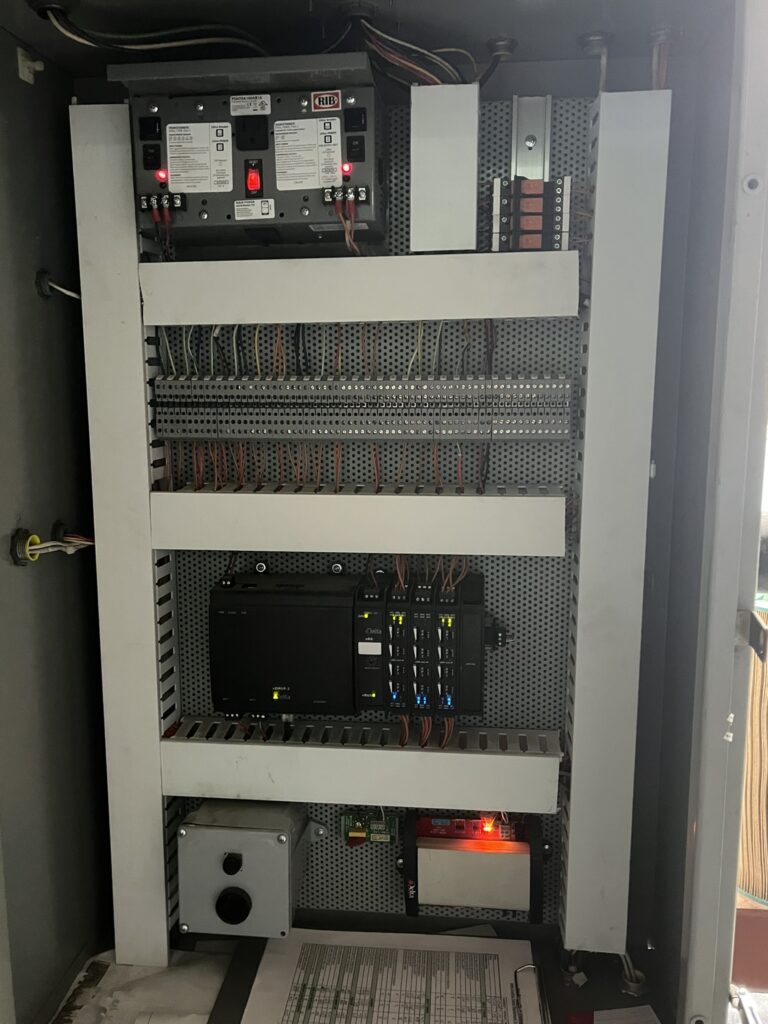
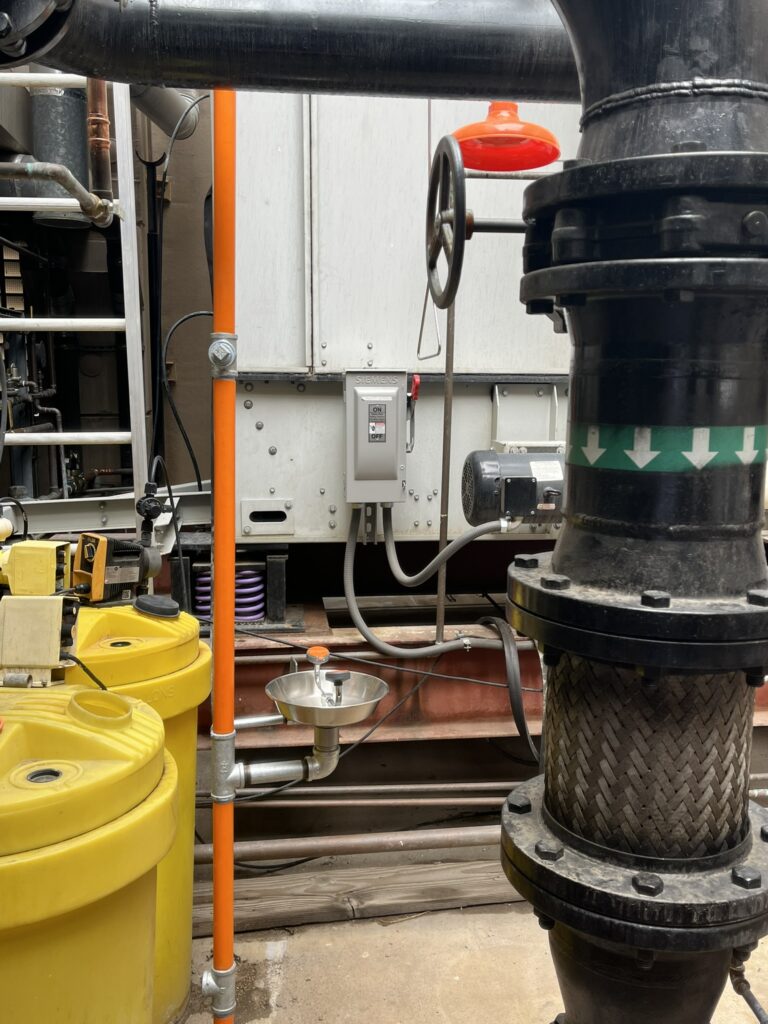
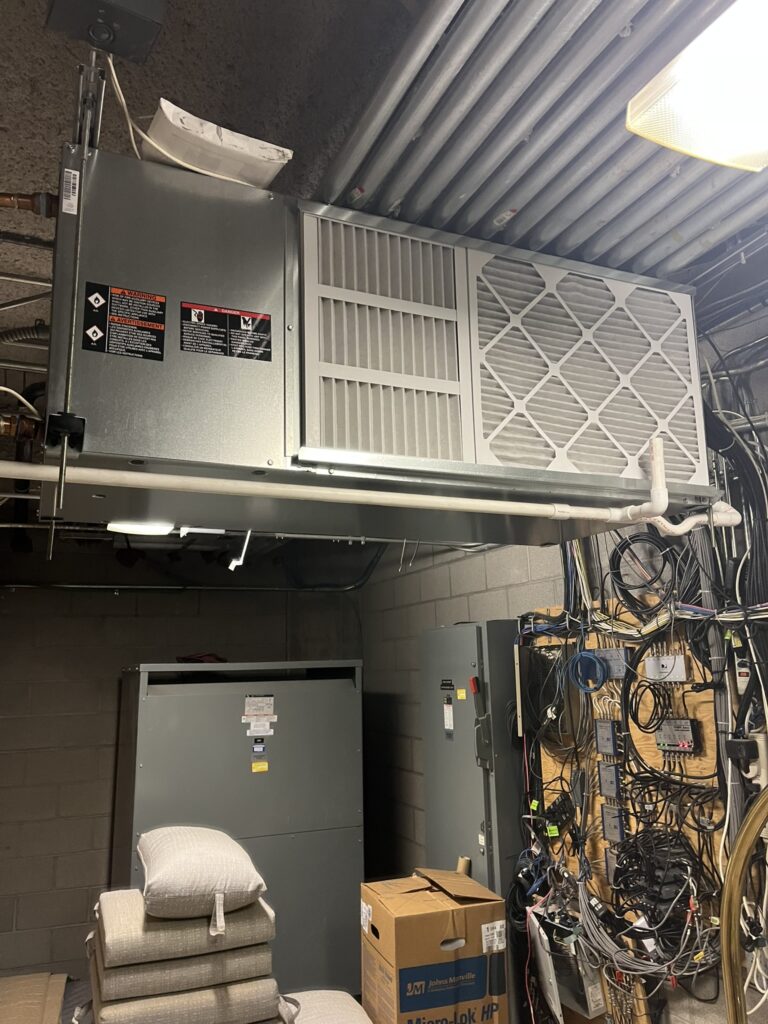
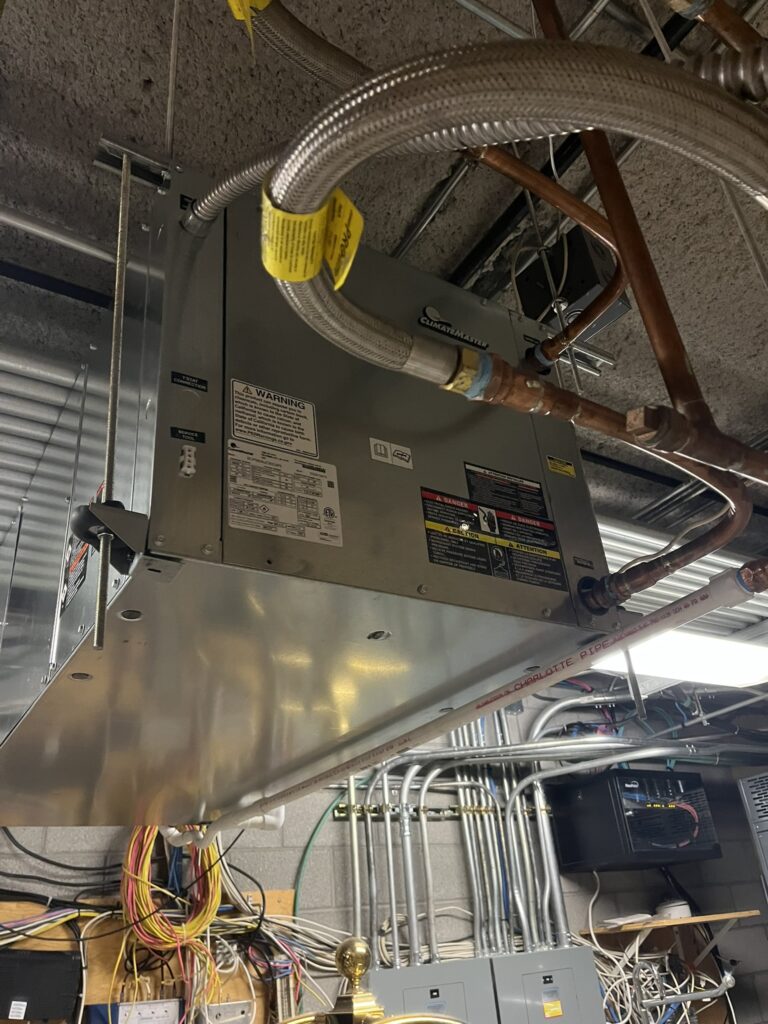
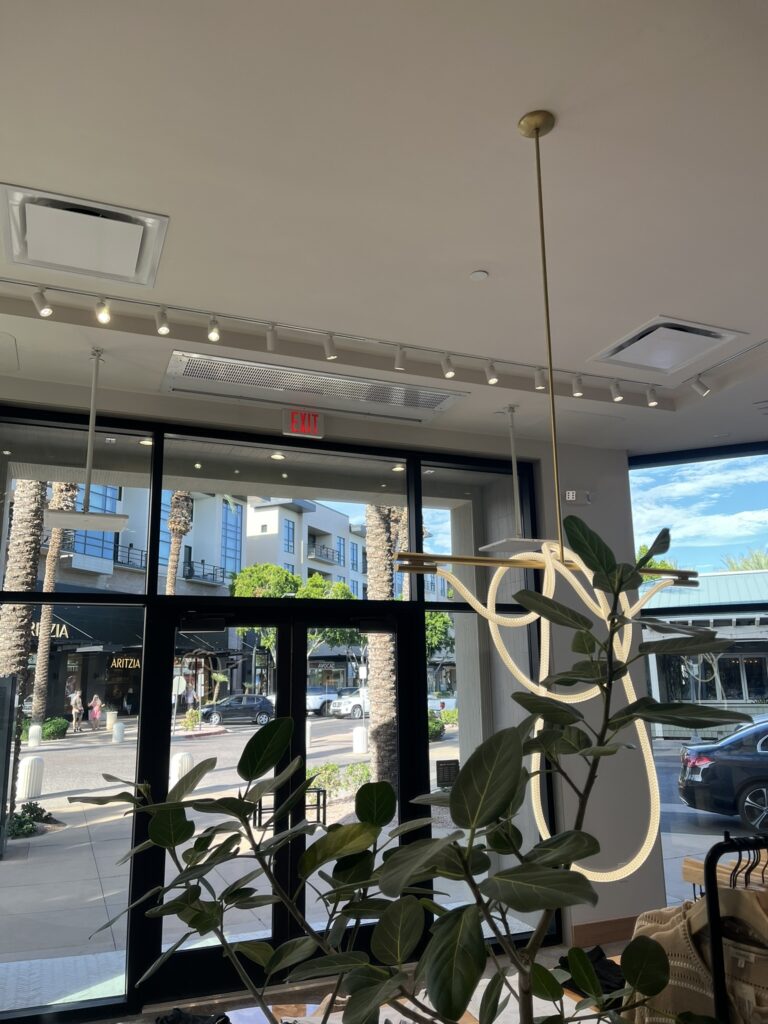
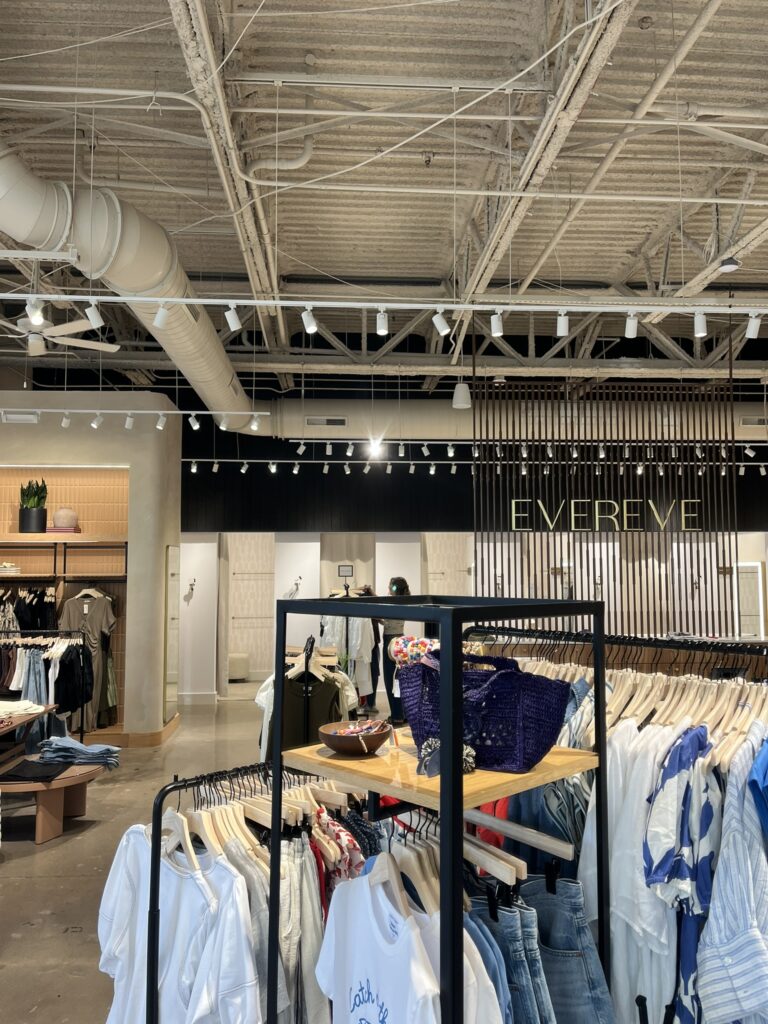
Photos from our own commercial projects across the Phoenix metro — equipment we installed, in buildings we service.
How the job typically runs.
Cold-storage calls start with what is at risk: food, beverage, medication, samples, catering inventory, or retail product. We ask for box temperature, product condition, alarm status, door traffic, recent deliveries, and whether the unit is a cooler, freezer, prep room, or mixed-use storage area. Office hours are Mon–Fri 8–5, and 24/7 emergency service is available when refrigeration cannot wait. The first conversation is practical because a manager may need to move product, limit door openings, assign access, or decide whether the call is a stabilization issue or a broader replacement discussion.
On site, we check the refrigeration side and the surrounding HVAC reality: condenser condition, evaporator airflow, fan operation, defrost, drains, gaskets, electrical components, controls, and heat sources near the box. We look for obvious failure points and operating patterns, including iced coils, short cycling, high ambient load, blocked airflow, loose wiring, failed motors, sensor problems, and door hardware that lets hot air pour in. If the problem involves rooftop access, loading dock timing, resort security, or Old Town parking constraints, we build that into the repair plan instead of surprising your staff mid-service.
After an in-person look, we provide flat-rate written quotes. Scopes are documented in writing. The diagnostic/service-call fee is disclosed at booking and credited. We keep communication direct because a chef, general manager, facilities lead, or owner usually needs to decide quickly whether to repair, stabilize, or plan replacement. When a short-term repair may only buy time, we say that plainly. When a maintenance issue is driving the failure, we document the condition so the next decision is based on equipment reality, not guesswork.
- 01 Booking, with the diagnostic fee disclosed
- 02 In-person diagnosis with real readings
- 03 Written flat-rate quote before work begins
- 04 The work: repair, install, or maintenance
- 05 Startup, documentation, and warranty handoff
Cold-storage service in Scottsdale can range from gasket, fan, drain, and control repairs to larger equipment replacement that may involve electrical, refrigerant, roof, curb, or structural details. Many repairs are service work. Replacements, major line-set changes, new condensers, new evaporators, or alterations tied to a tenant improvement may require permits, landlord approval, or trade coordination. In restaurant centers, resort properties, medical suites, and managed retail buildings, the access rules can matter almost as much as the mechanical scope because roof entry, crane timing, shutdown windows, and work-area protection may be controlled by the property.
Yeti Pros is licensed under AZ ROC #363372 · ROC #363423. We document HVAC and refrigeration-related work, follow manufacturer requirements, and coordinate with property managers when a resort, restaurant center, medical suite, or retail landlord has access rules. We do not issue health-code rulings, make product-safety decisions, or give legal advice. Our role is to define the mechanical condition, complete the approved repair or replacement scope, and leave written documentation that supports your internal records. Arizona’s workmanship reference is here: ROC minimum workmanship standards.
Pricing, financing & the 10% military & first responder discount.
Cold-storage pricing in Scottsdale depends on urgency, equipment type, access, refrigerant-side condition, part availability, controls, and whether the repair is isolated or tied into a failing system. A walk-in freezer behind an Old Town restaurant, a resort prep cooler, and a medical cold room near Shea can require very different labor even when the complaint sounds the same. A simple failed fan motor is not the same scope as a system with iced coils, damaged gaskets, blocked drains, dirty condensers, and control settings that have been changed repeatedly during a heat event.
We provide flat-rate written quotes after an in-person look. The diagnostic/service-call fee is disclosed at booking and credited. Financing is available for larger repairs and replacements. Yeti Pros offers a 10% military, veteran & first responder discount through our military discount program. Repair parts carry a 1-YEAR manufacturer parts warranty, and workmanship is backed by a 2-YEAR written workmanship warranty. The written quote helps managers compare the immediate repair, the risk of repeat failure, and any replacement planning without adding confusion during an already urgent cold-storage problem.
- 01 Flat-rate written quote after an in-person look
- 02 Diagnostic fee disclosed at booking, credited to the repair
- 03 Financing available on replacements
- 04 2-year workmanship warranty; 1-year manufacturer parts warranty
- 05 10% military, veteran & first responder discount
Why a licensed HVAC contractor matters.
FAQs: HVAC for Cold Storage in Scottsdale, AZ.
Do you service restaurant walk-in coolers in Old Town Scottsdale?
Yes. We service walk-in coolers and freezers for Old Town restaurants, bars, cafes, and hospitality kitchens. Access can be tight, so we ask about loading areas, roof access, service windows, and product risk before dispatch. We diagnose refrigeration equipment, door infiltration, drains, controls, and condenser problems, then provide a flat-rate written quote after the in-person look. If the issue is tied to deliveries, kitchen heat, or repeated door use, we include that operating pattern in the diagnosis instead of only clearing ice and leaving the cause untouched.
Can you come out after hours if a freezer is warming up?
Yes. Our office hours are Mon–Fri 8–5, and we provide 24/7 emergency service for urgent cold-storage failures. Call (520) 556-8929. We are a service-area business with no street address; we come to you. Before arrival, we will ask about temperature, product type, alarm status, and whether staff can provide roof, kitchen, or mechanical access. We may also ask whether the door is being opened, whether a recent delivery occurred, and whether any alarms or controls were reset.
Why does our Scottsdale walk-in ice up during summer deliveries?
Common causes include hot-air infiltration, damaged gaskets, weak door closers, long door-open times, dirty condensers, poor evaporator airflow, defrost problems, or controls that are set incorrectly. Scottsdale ambient heat gives the system less room to recover after deliveries. We check the mechanical parts and the usage pattern so the repair addresses the cause, not just the ice. In many cases, the coil ice is the visible symptom of air leakage, heat load, or a defrost problem that has been building over several busy cycles.
Do you decide whether food or medical product is still usable?
No. We service and document the HVAC and refrigeration equipment. We do not issue health-code rulings, product-safety decisions, medical storage determinations, or legal advice. Your internal procedures, insurer, supplier, or regulatory professional handles product decisions. Our role is to diagnose the mechanical failure, repair what is approved, and document what we did. We can record observed equipment conditions and service actions, but those notes do not replace your required product-handling process.
Can you replace a walk-in condenser on a Scottsdale roof?
Yes, when replacement is the right path and access is workable. We inspect the existing condenser, evaporator, refrigerant lines, electrical, controls, roof access, and landlord requirements before quoting. Depending on the scope, permits, crane coordination, or property manager approval may be needed. The scope is documented in writing before work begins. We also look at clearance, roof conditions, shutdown timing, and whether the existing failure points suggest a targeted replacement or a broader system conversation.
What maintenance matters most for cold storage in Scottsdale?
Condenser cleaning, evaporator airflow, door sealing, defrost operation, drain condition, fan motors, electrical checks, and control accuracy matter most. Scottsdale heat turns dirty coils and weak door gaskets into urgent failures. Planned maintenance should happen before the peak summer load and should include written notes your manager can keep with facility records. The goal is to catch weak motors, loose electrical parts, blocked drains, worn gaskets, and dirty heat-rejection surfaces before the first severe heat stretch turns them into downtime.
Every major brand, serviced and installed.

Phoenix metro: Most days a tech is already working somewhere in the Valley, so same-day appointments happen when the schedule allows. After-hours emergencies are dispatched when a licensed tech is available — a real person answers and tells you the ETA on the call.
Call (520) 556-8929Request an estimate.
No pressure, no door knockers. We look at the HVAC system, tell you what it needs (and what it doesn’t), and put the number in writing.
Need cold storage in Scottsdale? A real person answers.
Other services we run in Scottsdale.
Cold Storage in nearby cities.
Looking for something else nearby? All HVAC services in Scottsdale