
Queen Creek
HVAC for Distribution Centers in Queen Creek, AZ.
- (520) 556-8929
- Serving the entire Phoenix metro — we come to you
- Office: Mon–Fri 8:00 AM – 5:00 PM · 24/7 emergency service
- 2-year workmanship warranty · 1-year parts warranty
- Veteran-owned & operated · residential + commercial
- 23 five-star Google reviews
Queen Creek is not the west-Valley logistics corridor, so distribution center HVAC Queen Creek work usually looks smaller and more mixed-use than the giant warehouse parks along other freight routes. The real audience is a local warehouse user, trades supplier, e-commerce stockroom, last-mile operator, agricultural supply space, office-and-warehouse condo, or owner evaluating a Queen Creek satellite location near the town’s growing arterials. Around Queen Creek Marketplace and the commercial edges of 85142 and 85144, distribution functions often sit behind retail, service, or light industrial doors rather than in a pure big-box campus. On the fringe, large lots, horse-property service businesses, and former agricultural buildings create hot work bays, dusty storage rooms, and small office pods that need real HVAC attention. The work is practical: keep dispatch staff functional, protect office electronics, reduce heat stress at packing stations, and keep cooling equipment alive through dust, roof heat, and long summer runtime. Yeti Pros is veteran-owned & operated, AZ ROC #363372 · ROC #363423, and we come to you. For broader warehouse capability, see our commercial distribution center HVAC service across metro Phoenix.
ZIPs served: 85142, 85144
What Distribution Centers covers in Queen Creek.
Warehouse HVAC Repair
Repair for rooftop units, split systems, evaporative components, exhaust, controls, drains, belts, motors, and electrical faults serving warehouse and office areas. We diagnose the actual zone affected instead of treating the whole building as one room.
Office Pod Cooling
Service for offices built inside warehouse or storage shells, where thermostat placement and duct layout often create comfort gaps. We check return paths, supply balance, heat gain, and whether the equipment matches the office use.
Dock And Spot Cooling
Assessment and service for cooling relief at dock doors, packing benches, receiving counters, and staging points. We account for door openings, ceiling height, electrical capacity, dust, and whether portable or fixed equipment makes sense.
Preventive Maintenance
Scheduled service for commercial systems exposed to dust, door load, roof heat, and long runtime. Maintenance includes filters, coils, belts, motors, electrical checks, drains, controls, and written notes for operations planning.
Emergency HVAC Service
24/7 emergency response for failed cooling in shipping offices, dispatch rooms, warehouse work zones, and mixed-use commercial spaces. We coordinate access around gates, docks, roof ladders, and active operations.
Equipment Replacement
Replacement planning for worn commercial units serving distribution, storage, or office-and-warehouse properties. We consider Queen Creek utility territory, roof exposure, lift access, tenant schedules, duct limits, and written scope control.
What we see for distribution centers in Queen Creek.
The most common Queen Creek distribution HVAC issue is uneven comfort between warehouse, office, counter, and loading areas. Office pods inside larger shells may have split systems or rooftop units that were designed for office occupancy, while the warehouse area relies on ventilation, evaporative equipment, spot cooling, or nothing at all. Dock doors, roll-up doors, and frequent vehicle movement pull heat and dust through the building. Staff feel the problem first at packing benches, will-call counters, and shipping desks. By midafternoon, the office may be cold enough to satisfy the thermostat while the actual work zone near the door or racking stays hot.
Newer commercial shells can still be mechanically rough. A tenant improvement may add offices, restrooms, inventory cages, and mezzanine storage without rethinking duct layout or return paths. The thermostat ends up in the front office while the fulfillment bench bakes near a south-facing wall. Rooftop package units short cycle over the office and never move enough air where people are staged. We also see economizers stuck, belts worn, drains clogged, contactors pitted, and coils packed with dust from construction and yard activity. In growing Queen Creek corridors, nearby grading, road work, and tenant turnover can load filters faster than a manager expects.
Older rural or service-yard properties around Queen Creek bring another pattern. A metal building, shop bay, agricultural support structure, or horse-property business may have minimal insulation, high infiltration, long electrical runs, limited roof access, and equipment mounted wherever it fit. Some fringe sites involve well and septic constraints that affect pad placement, condensate routing, and service access. These are not traditional distribution centers, but the operational need is the same: keep people, products, controls, and office functions from failing under heat. We pay attention to doors that stay open, attic or roof exposure, shaded versus unshaded walls, and whether cooling is being lost to a space that cannot realistically be conditioned like an office.
Spot cooling gets requested often, especially at docks, packing tables, inventory workstations, and office windows inside warehouse space. The right answer depends on doors, heat sources, ceiling height, insulation, electrical capacity, and whether the operation needs comfort cooling, process protection, or temporary relief. We do not treat a dock fan, portable unit, rooftop replacement, and duct redesign as the same solution. We inspect the building, document the load pattern, and write the scope around the work being done in that space. That may mean repairing a failed unit, correcting airflow to the office pod, documenting a broader design limitation, or planning a staged improvement that fits the operation.
- 01 Airflow and static pressure
- 02 Electrical: capacitors, contactors, draws
- 03 Refrigerant-circuit behavior
- 04 Drains, safeties, and float switches
- 05 Thermostat, controls, and cycling
- 06 Ducts, returns, and room-by-room comfort
Commercial jobs we have documented.
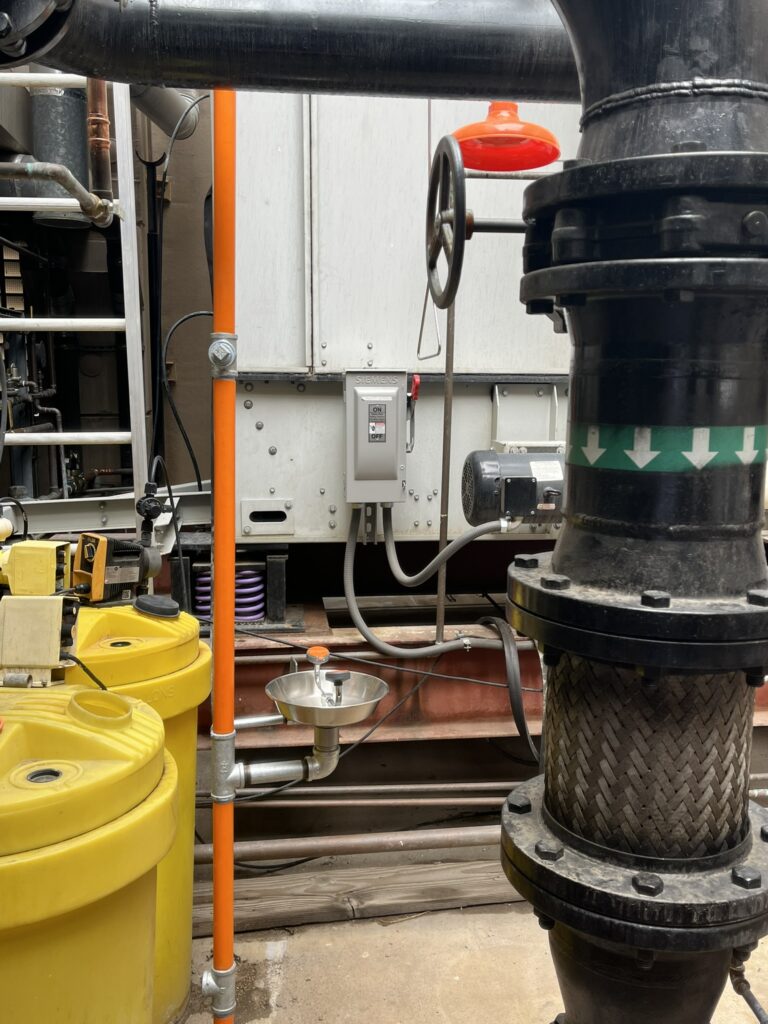
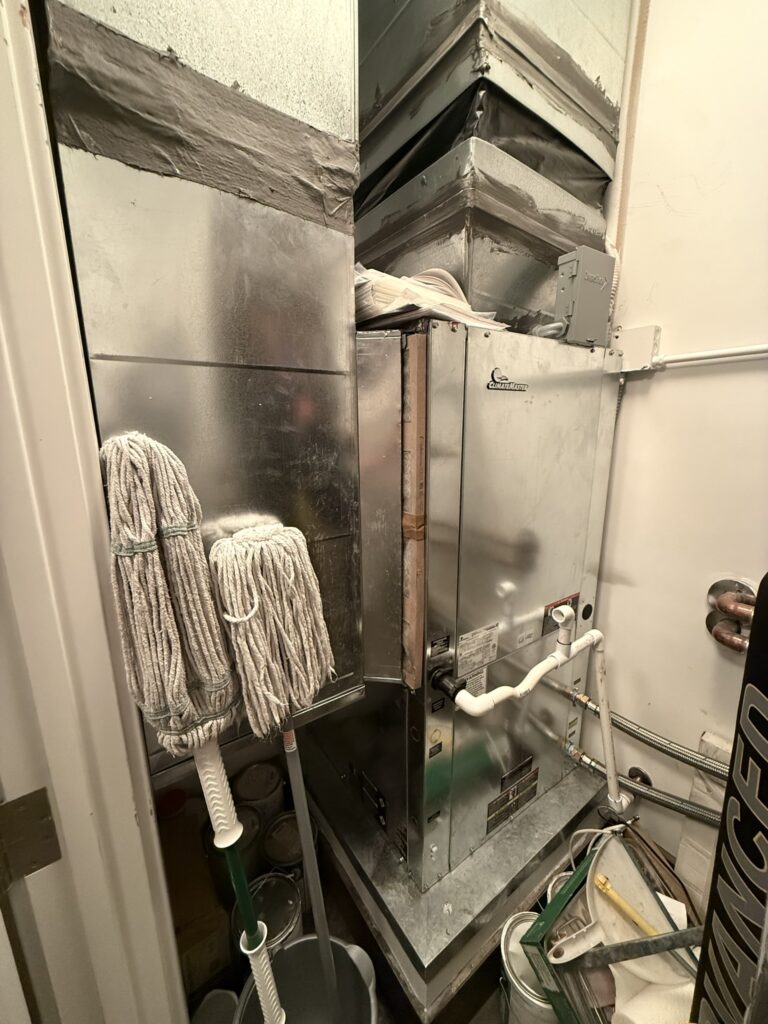
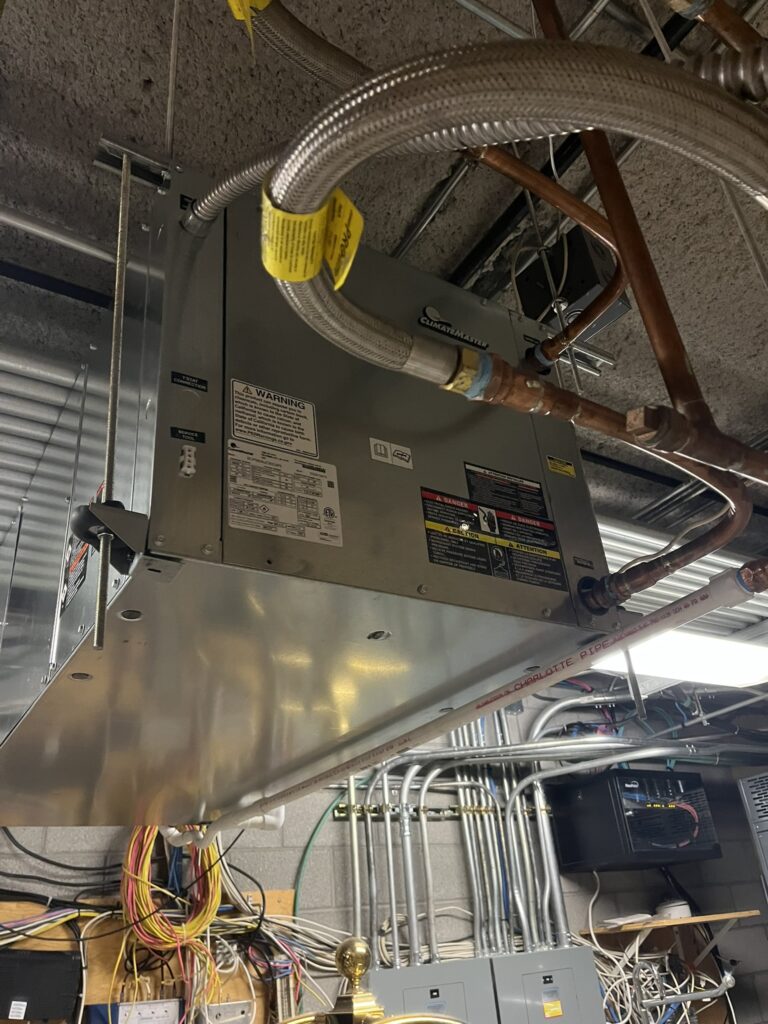
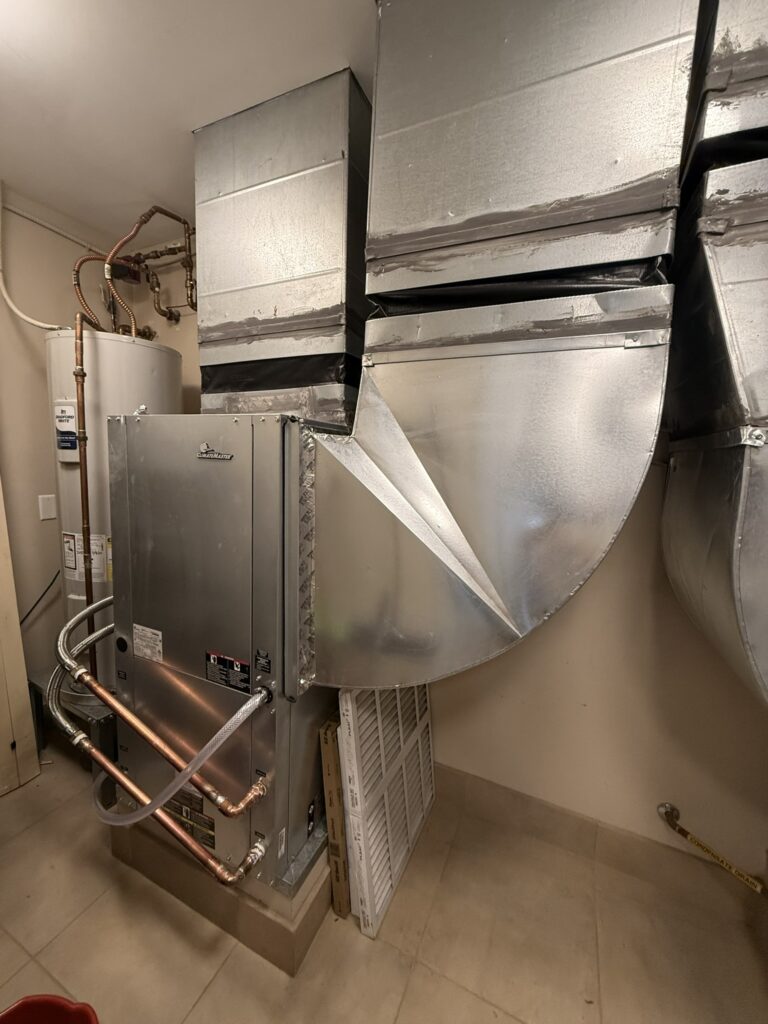
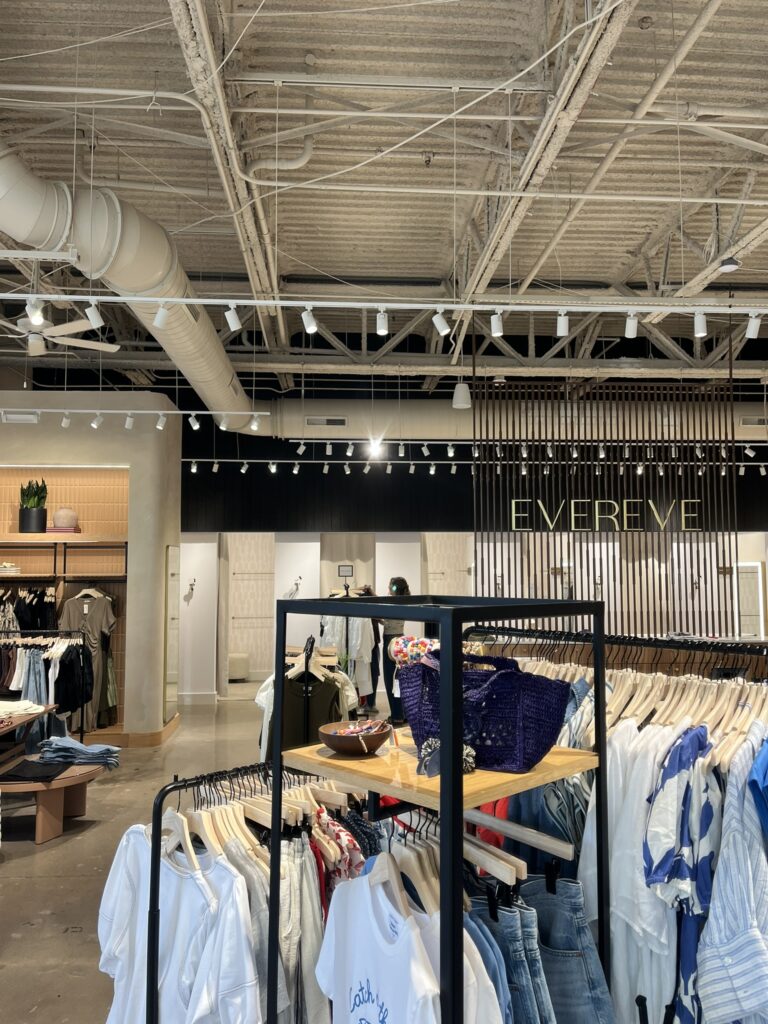
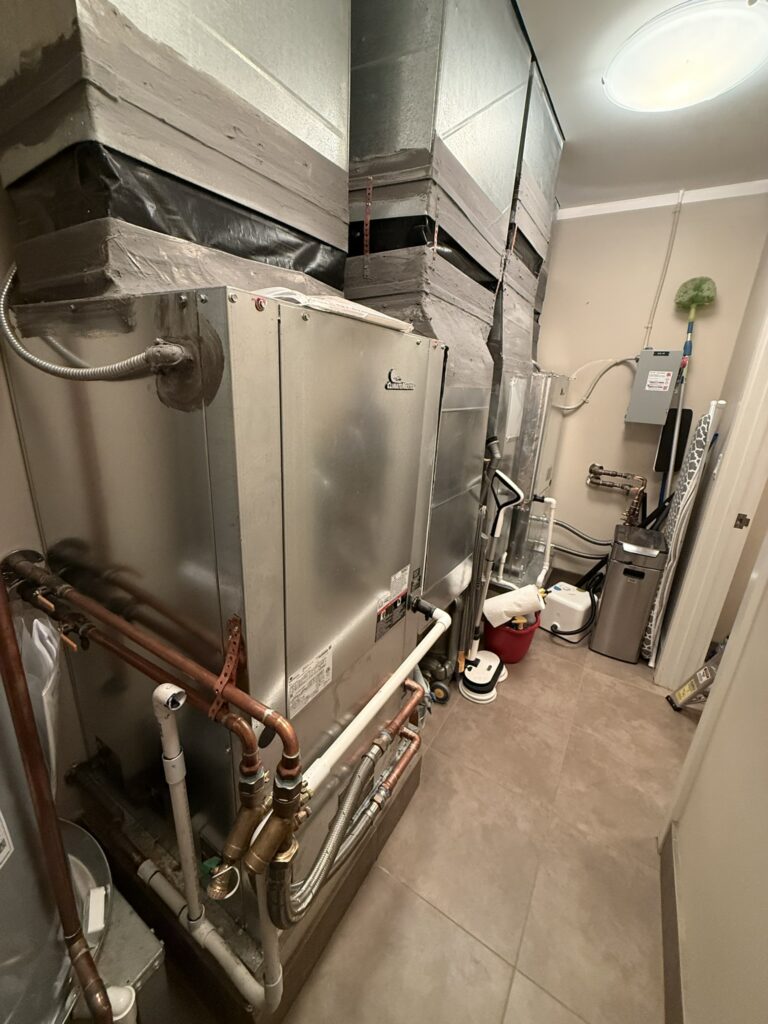
Photos from our own commercial projects across the Phoenix metro — equipment we installed, in buildings we service.
How the job typically runs.
Distribution work has to fit truck windows, receiving schedules, forklift paths, yard gates, and tenant access. Before dispatch, we confirm the site contact, dock or bay access, roof ladder conditions, electrical-room access, and whether equipment can be shut down while staff are working. If the site is inside a mixed-use center, we also plan around neighboring tenants. Access planning matters because a technician may need to move through a stockroom, cross a drive aisle, or reach a roof while shipping and receiving are still active.
On site, we inspect the equipment serving office pods, warehouse work areas, receiving counters, and any spot-cooling equipment. We check coils, belts, motors, drains, economizers, filters, controls, refrigerant symptoms, duct conditions, and obvious building-load issues. We also look at whether doors, uninsulated walls, mezzanine heat, blocked returns, or poor thermostat placement are making a repair look like a capacity problem. Findings are documented in writing so operations and ownership can separate urgent repair from comfort improvement.
Office hours are Mon–Fri 8–5 with 24/7 emergency service. If a shipping office loses cooling during a load-out window or a warehouse unit fails after hours, call (520) 556-8929. We come to you across Queen Creek and do not operate a public walk-in address.
- 01 Booking, with the diagnostic fee disclosed
- 02 In-person diagnosis with real readings
- 03 Written flat-rate quote before work begins
- 04 The work: repair, install, or maintenance
- 05 Startup, documentation, and warranty handoff
Commercial HVAC scope in Queen Creek depends on parcel location, equipment type, and whether the work is repair, replacement, new installation, structural curb change, or electrical modification. Incorporated properties generally involve Town of Queen Creek permitting. Some sites are in Maricopa County and some are in Pinal County. Utility territory is SRP, not APS, which matters when replacement or added load requires coordination. A service repair may be straightforward, while a rooftop replacement, new dedicated office-pod system, added spot-cooling circuit, duct modification, or curb change can create a different path.
Yeti Pros documents HVAC work and scopes clearly; we do not give legal advice or act as the permitting authority. We identify the HVAC portion, note access and utility concerns, and write the scope so ownership, management, and any required reviewers can understand what is being proposed. For workmanship context, Arizona’s ROC publishes the Minimum Workmanship Standards. We provide a 2-YEAR written workmanship warranty and a 1-YEAR manufacturer parts warranty on repair parts. AZ ROC #363372 · ROC #363423.
Pricing, financing & the 10% military & first responder discount.
Distribution and warehouse HVAC pricing in Queen Creek is shaped by roof access, unit size, duct reach, warehouse height, insulation, roll-up door load, electrical capacity, lift needs, controls, spot-cooling layout, and whether offices are built inside a larger shell. The access plan can matter as much as the equipment when trucks, forklifts, and tenant neighbors are active. Dust exposure, clogged coils, worn belts, drain issues, and long runtime may make a maintenance repair very different from a comfort redesign. A dispatch office with a failed component is not the same scope as a warehouse work area that was never served well by the original system.
Yeti Pros provides flat-rate written quotes after an in-person look, with scopes documented in writing. Financing is available, and a 10% military, veteran & first responder discount is available through our military discount. The diagnostic/service-call fee is disclosed at booking and credited. Call (520) 556-8929 for Queen Creek distribution HVAC service.
- 01 Flat-rate written quote after an in-person look
- 02 Diagnostic fee disclosed at booking, credited to the repair
- 03 Financing available on replacements
- 04 2-year workmanship warranty; 1-year manufacturer parts warranty
- 05 10% military, veteran & first responder discount
Why a licensed HVAC contractor matters.
FAQs: HVAC for Distribution Centers in Queen Creek, AZ.
Is distribution center HVAC Queen Creek service only for large warehouses?
No. Queen Creek has fewer true big-box distribution campuses than other parts of metro Phoenix, so many calls come from smaller warehouse users, last-mile storage, trades suppliers, e-commerce stockrooms, agricultural support businesses, and office-and-warehouse suites. The equipment may be a rooftop package unit, split system, evaporative unit, exhaust fan, or spot-cooling setup. The building may have one shipping desk, a few roll-up doors, a counter area, and a storage floor rather than a formal logistics layout. We size the service conversation to the actual facility instead of pretending every site is a regional logistics hub.
Can you cool only our packing bench or shipping office?
Often, yes, but the right method depends on the building. A packing bench near a roll-up door has a different load than an enclosed shipping office inside a warehouse. We look at airflow, insulation, heat sources, ceiling height, electrical capacity, door openings, and whether the existing system can support changes. We also consider dust, staff placement, sun exposure, and whether the space needs steady comfort or targeted relief during peak work periods. Sometimes the fix is repair or balancing. Sometimes it is dedicated equipment, controls, or spot cooling. The recommendation comes after the site inspection.
Do you work around trucks and warehouse schedules?
Yes. We coordinate with the site contact before arrival so the technician knows gate access, dock activity, forklift paths, roof access, electrical-room access, and shutdown limits. If the building is in a retail or mixed-use center near Queen Creek Marketplace or another commercial corridor, neighboring tenants and parking can also affect timing. We plan the work path so equipment can be reached without guessing about locked areas, active bays, or staged inventory. We document the HVAC work in writing so the operations manager and property owner have the same information.
Why is our warehouse office cold while the warehouse work area is hot?
The office and warehouse often have different loads but share equipment or controls that were not designed for both. The thermostat may be in the office, so the unit satisfies quickly while the warehouse work area stays hot. Duct runs may not reach the bench area, return air may be restricted, or roll-up doors may be adding heat faster than the system can remove it. In Queen Creek, roof heat, dust on coils, south-facing walls, and high door traffic can make that split worse through the afternoon. We inspect the layout, not just the unit, before writing the scope.
Can you replace rooftop units on Queen Creek commercial buildings?
Yes. Replacement depends on equipment condition, roof access, curb fit, electrical requirements, duct connections, crane or lift access, and jurisdiction. Incorporated Queen Creek sites usually point to Town of Queen Creek requirements, while some properties fall under Maricopa or Pinal County. Utility service is SRP. We also consider tenant schedules, truck routes, roof safety, and whether the existing unit served offices, warehouse zones, or both. We inspect first, then provide a flat-rate written quote with the scope documented in writing.
What emergency HVAC issues should a warehouse manager call about?
Call when cooling loss affects dispatch, shipping offices, inventory controls, staff work areas, or equipment rooms; when water is leaking from a ceiling or rooftop drain path; when a unit is tripping repeatedly; or when electrical symptoms show up around HVAC equipment. In summer, a failed office pod or warehouse work-zone unit can affect load-out timing, paperwork, computer systems, and staff safety long before the whole building is unusable. Emergency service is available 24/7 at (520) 556-8929. We come to the Queen Creek site, stabilize what can be stabilized, and document the repair scope.
Every major brand, serviced and installed.

Phoenix metro: Most days a tech is already working somewhere in the Valley, so same-day appointments happen when the schedule allows. After-hours emergencies are dispatched when a licensed tech is available — a real person answers and tells you the ETA on the call.
Call (520) 556-8929Request an estimate.
No pressure, no door knockers. We look at the HVAC system, tell you what it needs (and what it doesn’t), and put the number in writing.
Need distribution centers in Queen Creek? A real person answers.
Other services we run in Queen Creek.
Distribution Centers in nearby cities.
Looking for something else nearby? All HVAC services in Queen Creek