
Casa Grande
Commercial HVAC Maintenance in Casa Grande, AZ.
- (520) 556-8929
- Serving the entire Phoenix metro — we come to you
- Office: Mon–Fri 8:00 AM – 5:00 PM · 24/7 emergency service
- 2-year workmanship warranty · 1-year parts warranty
- Veteran-owned & operated · residential + commercial
- 23 five-star Google reviews
In Casa Grande, July heat makes written HVAC upkeep part of keeping commercial buildings calm instead of reactive. The work is not glamorous, but the record matters: filters, coils, belts, drains, electrical readings, operating checks, and written notes that show the equipment was not ignored until it failed. Commercial HVAC maintenance in Casa Grande needs that discipline because the city combines older buildings, new tenant improvements, retail pads, offices, restaurants, medical suites, and industrial support spaces across a standalone market that is far enough from the metro to make emergency response less forgiving. Dust from agriculture, construction, and open lots does not care whether a rooftop unit is new or old. ED2 power, long cooling seasons, high roof temperatures, and changing tenant use all make small issues expensive when nobody is watching them. A property near the downtown core may need a different maintenance rhythm than a newer suite serving growth near 85194, but both need documentation a manager can actually use. Yeti Pros is veteran-owned and operated, AZ ROC #363372 · ROC #363423. We come to you, provide office hours Monday through Friday, 8-5, and answer 24/7 emergencies when maintenance finds the problem too late; call (520) 556-8929.
ZIPs served: 85122, 85194
What HVAC Maintenance covers in Casa Grande.
Scheduled HVAC inspections
We inspect commercial cooling and heating equipment on a planned schedule built around the site. Visits document equipment condition, visible wear, operating concerns, access issues, and recommended repairs so Casa Grande owners and managers are not relying on memory when summer problems appear.
Filter and airflow service
Loaded filters and poor airflow can make commercial units run longer, cool worse, and fail earlier. We track filter needs, check blower and return conditions, note duct or access concerns, and document airflow-related issues that may require repair beyond routine maintenance.
Coil and condenser attention
Casa Grande dust and roof exposure make coil condition a serious operating issue. We inspect and clean serviceable coil areas as scoped, check condenser fan operation, look for signs of overheating or restricted heat rejection, and document when deeper cleaning or repair is needed.
Electrical component checks
Capacitors, contactors, wiring, disconnects, motors, and controls experience long seasonal stress. Maintenance checks can catch weak or unsafe conditions before they become tenant complaints. When a repair is needed, we quote it separately in writing after the finding.
Drain and condensate review
Clogged drains and poor condensate handling can damage ceilings, create shutdowns, or interrupt cooling. We review accessible drain components as part of maintenance, clear serviceable issues within the scope, and flag conditions that require repair or redesign.
Maintenance documentation
Each visit creates a usable service record for owners, tenants, landlords, and facility managers. Documentation includes findings, recommendations, and completed scope so future decisions about repair, replacement, budgeting, or tenant communication are based on facts.
What we see for HVAC maintenance in Casa Grande.
Casa Grande maintenance needs are shaped by the city's mix of building ages and business types. Older commercial properties often have equipment that has survived many summers, multiple tenants, and several rounds of repairs. Newer properties may have cleaner equipment but higher expectations from tenants, regional managers, and customers. In both cases, the most common failure pattern is not mysterious. Filters load, coils collect dust, belts wear, capacitors weaken, drains clog, motors run hot, thermostats drift, and small problems become emergency calls because no one had a consistent record.
Multi-tenant properties especially need preventive work that is visible on paper. A landlord may be responsible for the rooftop unit while the tenant controls the thermostat and operating hours. A property manager may be off site. A national tenant may need service history before approving a repair. Without documentation, every hot call becomes a debate about who noticed what and when. With documentation, the conversation changes. The equipment has a service history, recommendations are dated, and avoidable neglect is easier to separate from normal wear or an unexpected component failure.
Casa Grande's environment makes coil and airflow work more important than many operators realize. Agricultural dust, construction activity in growing areas, parking-lot debris, kitchen grease near restaurants, and roof exposure all reduce heat transfer and airflow. A unit can pass a casual thermostat check while still running too long, drawing extra power, or losing capacity during peak afternoon heat. Maintenance should catch that before the first symptom is a tenant calling from a hot exam room, dining area, office, or sales floor.
We also see maintenance overlooked because businesses assume replacement equipment needs little attention. Newer systems common in newer Casa Grande subdivisions and commercial pads still need filters, coil inspection, drain checks, electrical inspection, economizer review where applicable, and operating verification. Preventive work does not eliminate every failure, and we do not pretend it does. It reduces preventable failures, creates a written record, and gives owners a clearer way to plan repairs before the building is depending on a weak part during the hottest week of the year.
- 01 Airflow and static pressure
- 02 Electrical: capacitors, contactors, draws
- 03 Refrigerant-circuit behavior
- 04 Drains, safeties, and float switches
- 05 Thermostat, controls, and cycling
- 06 Ducts, returns, and room-by-room comfort
Commercial jobs we have documented.
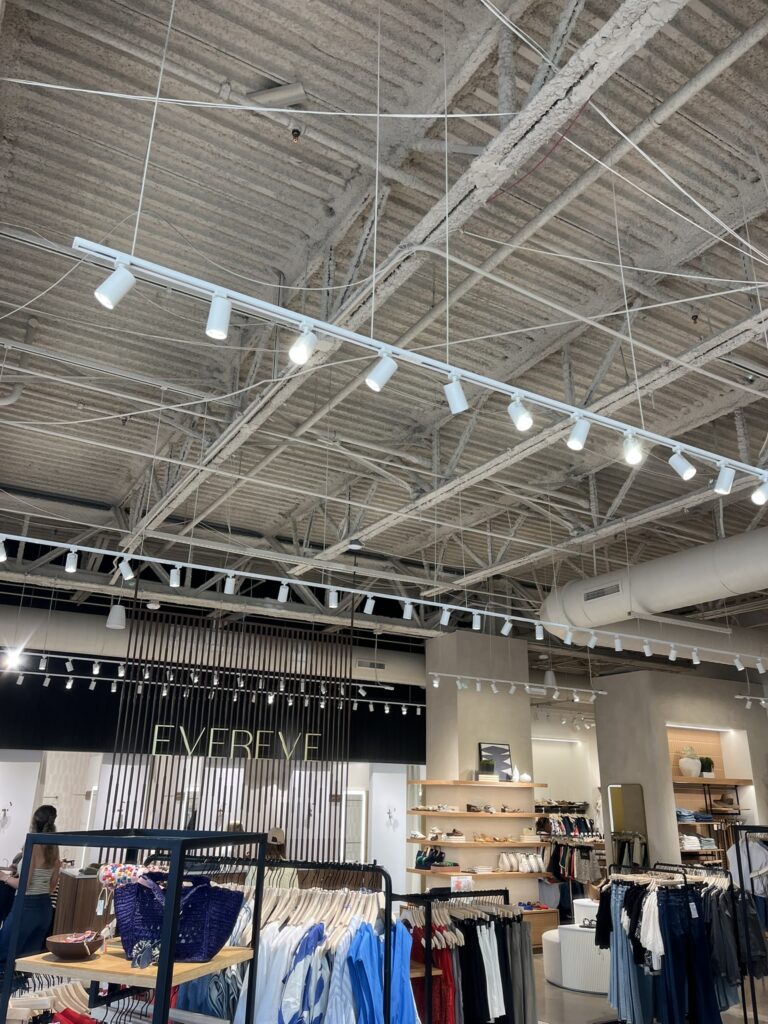
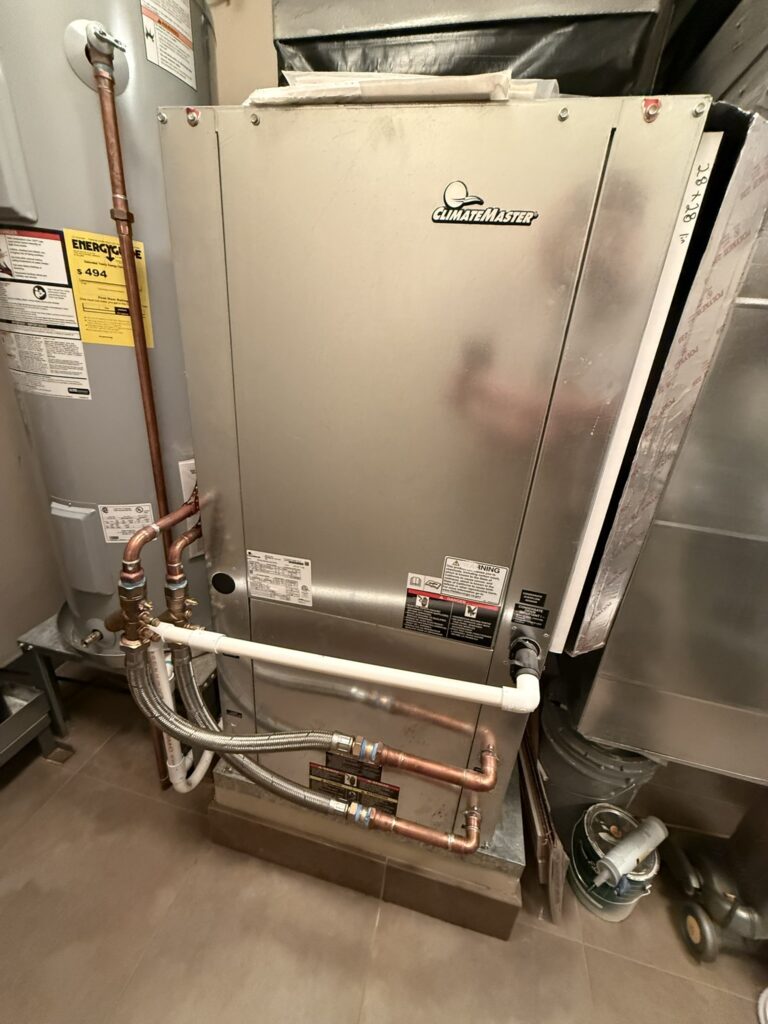
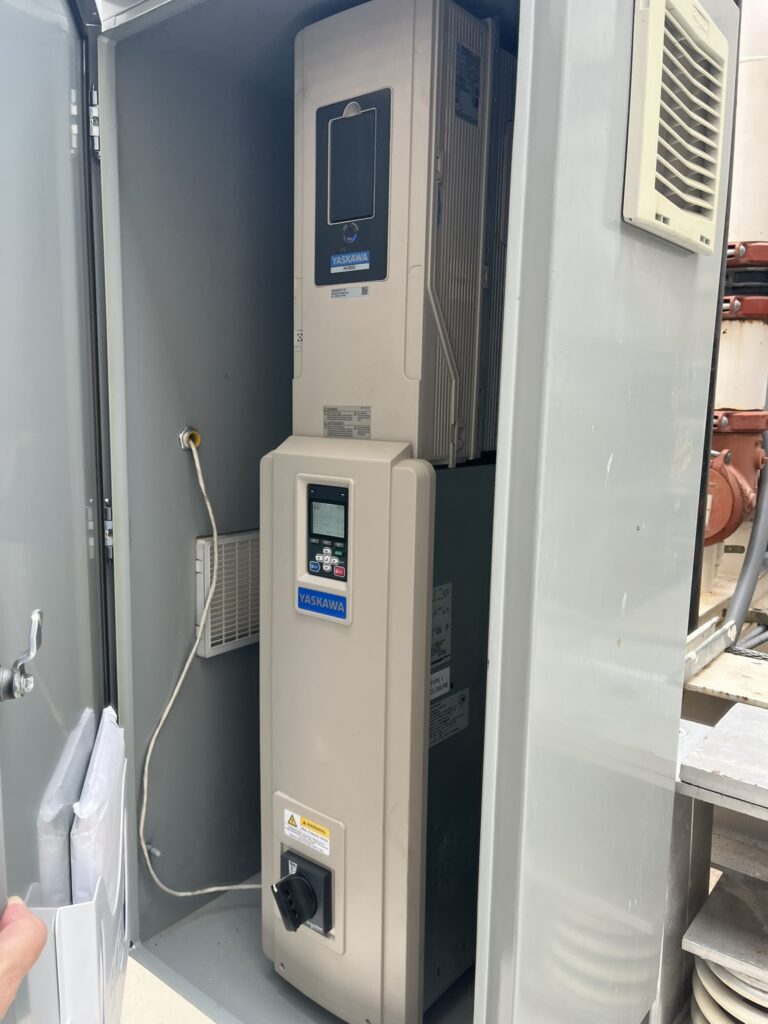
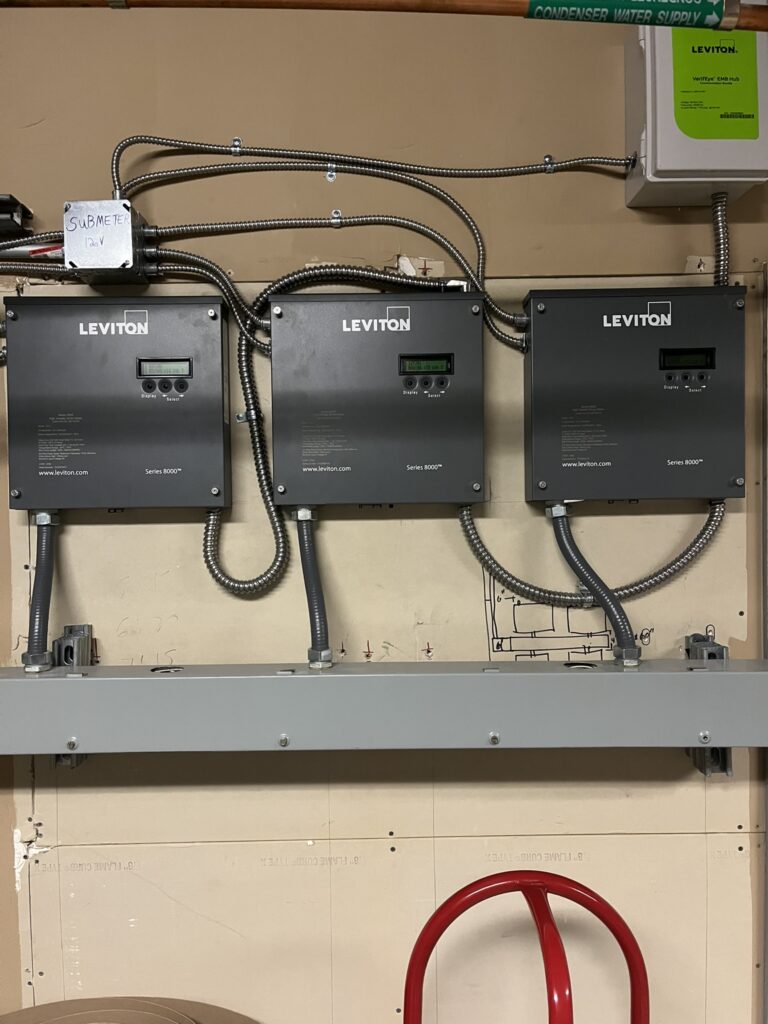
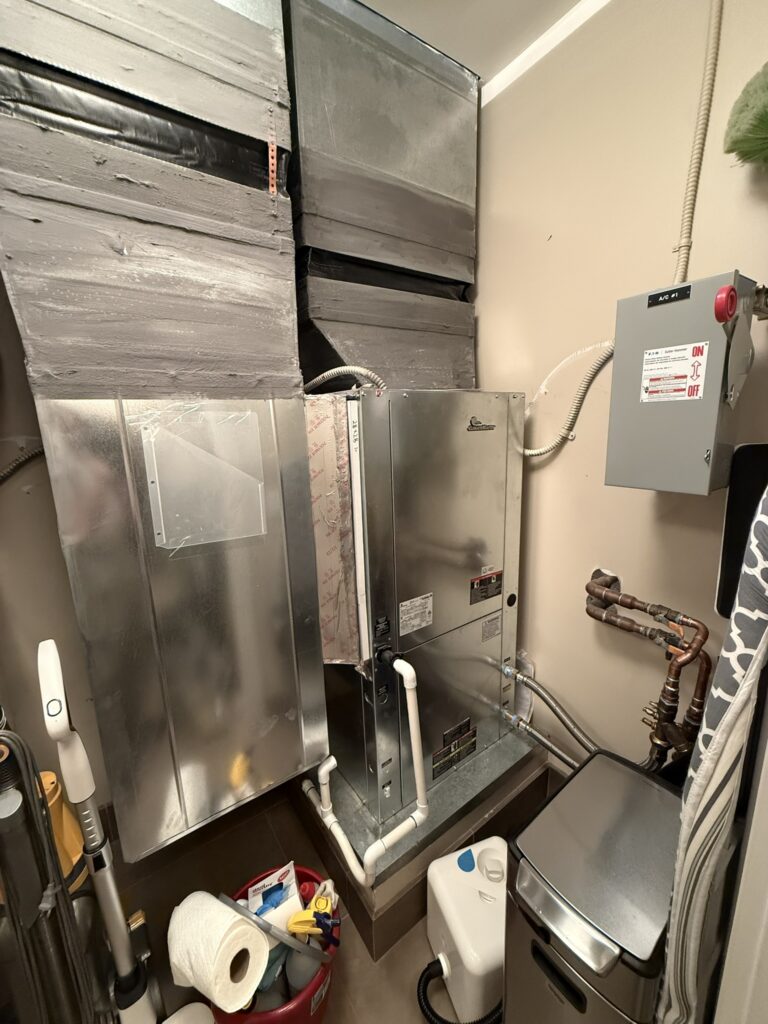
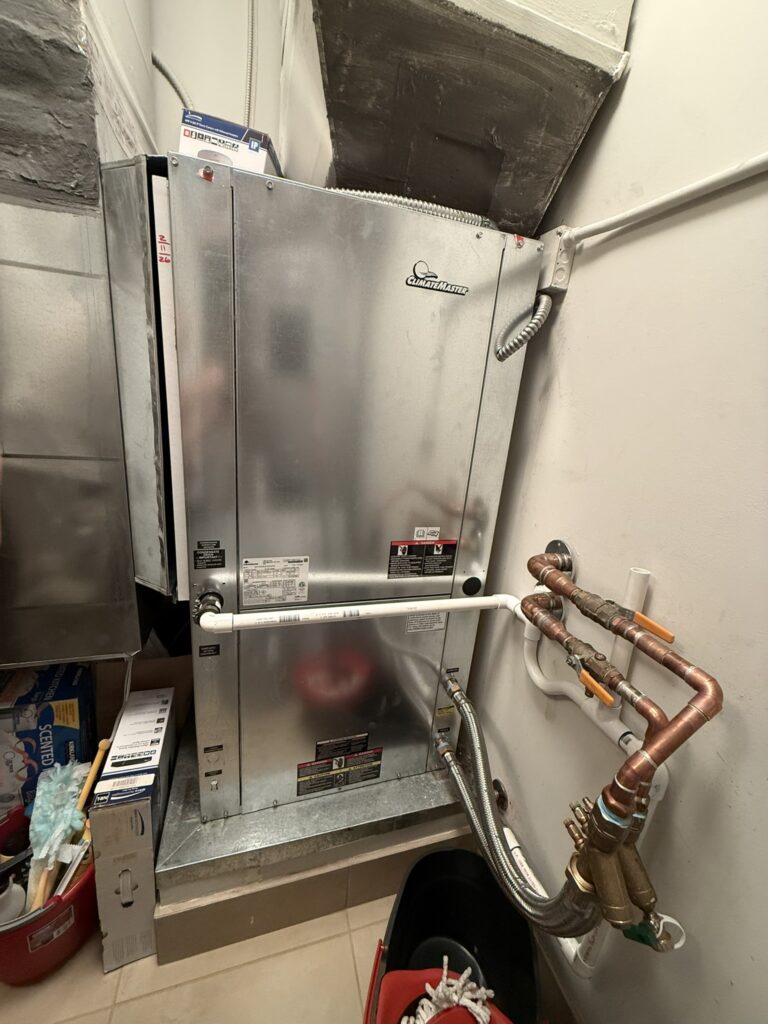
Photos from our own commercial projects across the Phoenix metro — equipment we installed, in buildings we service.
How the job typically runs.
We start by identifying the equipment, access needs, tenant structure, and operating priorities. A restaurant, office, medical suite, retail store, and light industrial space do not all need the same emphasis. We look at equipment count, age, roof or ground access, filter sizes, known comfort complaints, control settings, and whether documentation must be sent to an owner, landlord, or facilities system.
During maintenance visits, we perform practical checks based on the equipment and season. That may include filters, coils, belts, drains, electrical components, motors, blower operation, condenser operation, thermostat and control behavior, economizer function where applicable, visible refrigerant-side symptoms, and general operating condition. Findings are documented in plain language so they can support budget and repair decisions.
If maintenance reveals a needed repair, we separate it from the maintenance visit and provide a flat-rate written quote after the in-person finding. The quoted number is what you pay for the approved repair unless we find something different, stop, and re-quote. The diagnostic or service-call fee is disclosed at booking and credited toward approved repair work when applicable.
- 01 Booking, with the diagnostic fee disclosed
- 02 In-person diagnosis with real readings
- 03 Written flat-rate quote before work begins
- 04 The work: repair, install, or maintenance
- 05 Startup, documentation, and warranty handoff
Preventive maintenance usually does not require permitting because it is inspection, cleaning, adjustment, documentation, and ordinary service. However, maintenance can uncover conditions that lead to regulated work, such as equipment replacement, electrical corrections, structural modifications, duct changes, or other mechanical work beyond routine service. Yeti Pros performs its work to code and pulls the permits and inspections our own scope requires. Landlord or lease approvals, insurance decisions, and building-wide operational compliance stay with the property owner or operator — but licensed, code-compliant workmanship on what we install or repair is on us.
Arizona's Registrar of Contractors publishes the Minimum Workmanship Standards, and licensed workmanship gives Casa Grande businesses a better record than informal maintenance notes. Our written workmanship warranty is 2-year written workmanship warranty . Maintenance documentation also helps show that equipment was being watched, which can matter when managers, tenants, or owners ask why a failure happened.
Pricing, financing & the 10% military & first responder discount.
Maintenance pricing depends on equipment count, access, visit frequency, filter requirements, coil condition, tenant schedule, documentation needs, and whether after-hours work is required. Two office units and a multi-tenant retail building call for different pricing because they are different jobs. Yeti Pros provides written maintenance scopes and flat-rate written quotes for repairs discovered during service. Diagnostic or service-call fees are disclosed at booking and credited toward approved repair work when applicable.
Financing is available for larger repairs or replacements that maintenance identifies, and our 10% military, veteran & first responder discount is available with clear applicability. We are a service-area business with no public counter, so we come to you. Regular office hours are Monday through Friday, 8-5, with 24/7 emergency service if a maintained system still has an unexpected failure.
- 01 Flat-rate written quote after an in-person look
- 02 Diagnostic fee disclosed at booking, credited to the repair
- 03 Financing available on replacements
- 04 2-year workmanship warranty; 1-year manufacturer parts warranty
- 05 10% military, veteran & first responder discount
Why a licensed HVAC contractor matters.
FAQs: Commercial HVAC Maintenance in Casa Grande, AZ.
How often should a Casa Grande business schedule HVAC maintenance?
Most commercial properties benefit from planned maintenance before peak cooling season and again during or after heavy use, but the right frequency depends on equipment count, hours, dust exposure, tenant type, filters, and business sensitivity to downtime. Restaurants, medical offices, and high-traffic retail spaces often need closer attention than a lightly used office. We evaluate the site and recommend a schedule that reflects the equipment and risk rather than selling a generic calendar.
Does maintenance prevent all emergency HVAC failures?
No, and no honest contractor should promise that. Motors, compressors, boards, sensors, and electrical parts can still fail unexpectedly. Good maintenance reduces preventable failures by keeping filters, coils, drains, belts, electrical components, and operating conditions in better shape. It also creates documentation, so when something does fail, the owner or facility manager has a record of prior condition and recommendations. That record can make the repair decision faster and less confusing.
What do you document during commercial HVAC maintenance?
Documentation depends on the equipment and scope, but it commonly includes unit identification, visible condition, filters, coils, drains, belts where present, electrical observations, motors, controls, thermostat behavior, operating concerns, and recommended repairs. We write findings in plain language so they can be used by on-site managers, off-site owners, landlords, and facilities teams. The goal is a record that supports decisions, not a checklist nobody understands.
Can you maintain rooftop units on multi-tenant buildings?
Yes. Multi-tenant buildings are one of the strongest cases for documented maintenance because responsibilities can be split between landlord, tenant, and property manager. We identify which equipment serves which area when possible, note access requirements, check the serviceable items included in the scope, and document findings. If a tenant complaint points to a repair rather than maintenance, we provide a separate written quote so approval is clear.
What if maintenance finds a repair issue?
We explain the finding and separate the repair from the maintenance scope. After an in-person diagnosis, Yeti Pros provides a flat-rate written quote for the recommended repair. The quoted number is what you pay for the approved scope unless we find something different, stop, and re-quote. This keeps maintenance from becoming an open-ended invoice and gives owners or facility managers a clean approval step.
Why is maintenance especially important in Casa Grande?
Casa Grande commercial systems work through long cooling seasons, high roof temperatures, dust from agriculture and construction, and a mix of old and new buildings. The city is also a standalone market, so waiting for a failure can mean more downtime than a business expects. Maintenance keeps serviceable issues visible and documented before a weak capacitor, clogged coil, loaded filter, or blocked drain turns into a July no-cooling call with tenants, customers, or staff already affected.
Every major brand, serviced and installed.
Phoenix metro: Most days a tech is already working somewhere in the Valley, so same-day appointments happen when the schedule allows. After-hours emergencies are dispatched when a licensed tech is available — a real person answers and tells you the ETA on the call.
Call (520) 556-8929Request an estimate.
No pressure, no door knockers. We look at the HVAC system, tell you what it needs (and what it doesn’t), and put the number in writing.
Need HVAC maintenance in Casa Grande? A real person answers.
Other services we run in Casa Grande.
HVAC Maintenance in nearby cities.
Looking for something else nearby? All HVAC services in Casa Grande