
Glendale
Commercial HVAC Maintenance in Glendale, AZ.
- (520) 556-8929
- Serving the entire Phoenix metro — we come to you
- Office: Mon–Fri 8:00 AM – 5:00 PM · 24/7 emergency service
- 2-year workmanship warranty · 1-year parts warranty
- Veteran-owned & operated · residential + commercial
- 23 five-star Google reviews
When tens of thousands of fans pack Westgate for a game or a concert, the HVAC serving the surrounding hotels, sports bars, and big-box retail does not get an off night. Yeti Pros treats commercial HVAC maintenance in Glendale as scheduled engineering work, not a clipboard walk-through: a technical preventive-maintenance visit that measures what your rooftop fleet is actually doing before an event-night crowd loads it to the ceiling. We are veteran-owned and operated, EPA 608-certified for refrigerant work, and licensed under ROC #363372 and ROC #363423. From the entertainment district to the older industrial corridors on the west side, we service package rooftop units, split systems, and the refrigeration that keeps restaurants and stores selling. Glendale's commercial building stock skews older than the newer West Valley suburbs, so aging RTUs, tired economizers, and belts running past their service life are the norm rather than the exception. Our visit finds those conditions on a Tuesday, with a meter, instead of on a sold-out Saturday with a packed venue and no cool air. Every stop produces written per-asset numbers you can trend, so equipment decisions stop being guesses. A reading drifting toward failure, caught in April, becomes a scheduled swap rather than a July emergency dispatch. A real person answers our line 24 hours a day, the same company that maintains your equipment answers when something fails anyway, and every quote is flat-rate and in writing. Hotels, restaurant groups, retail boxes, and healthcare suites here need maintenance that matches how hard the equipment runs. That discipline is what separates a routine Tuesday from a scrambled sold-out Saturday on the west side.
ZIPs served: 85301, 85302, 85304, 85305, 85308
What HVAC Maintenance covers in Glendale.
Scheduled RTU and Split-System PM
The core visit for Glendale's aging rooftop fleets: package units and splits inspected asset by asset, electrical tested against nameplate, refrigerant performance verified, and mechanical wear caught before an event-night crowd finds it. Hotels, Westgate restaurants, and retail boxes get a task list matched to runtime, so a slow-idle unit is measured at the load that breaks it.
Coil Cleaning: Capacity Insurance
A condenser coil packed with west-side dust is insulated, and insulation is lost capacity. As grit builds, head pressure climbs, amps rise, and a marginal unit trips at 115 degrees with a full dining room waiting. We clean condenser coils before summer and rinse storm-fouled coils after haboobs, keeping event-night tonnage on the roof when Glendale needs it.
Belt, Bearing and Motor Service
Older Glendale RTUs run belts and bearings rarely kept on a schedule. We check belt tension, alignment, and glazing, since desert heat destroys them fast, inspect pulleys, lubricate and listen to bearings before they seize a blower, and compare motor amps to nameplate. A bearing replaced in spring beats the same failure on a booked Westgate weekend.
Economizer and Controls Verification
A decade of dust seizes economizers, and a stuck damper quietly wrecks an energy bill. We stroke dampers, verify actuators, sensors, and linkages, and confirm controls match how the space is used, critical for venues whose occupancy swings hard by the hour. A stuck-open economizer drags 110-degree air in; a stuck-closed one wastes every cool Glendale night.
Filter Program Management
Filtration fails two ways, wrong filter or wrong schedule, and Glendale's older industrial corridors punish both. We match MERV rating to each space, warehouse back-of-house to a medical suite's finer capture, within what the blower's static pressure can carry. High-dust sites near the west-side rail get filter-only stops, and every change is logged by size and rating.
Written Per-Asset Condition Reports
Every visit ends with numbers on paper: microfarads, amp draws, pressures, and temperature splits recorded per asset and trended against the last visit. Each rooftop carries a condition grade and remaining-life estimate, so a manager overseeing dozens of hotel or retail units sees which one is drifting first. That turns a packed-house surprise into a scheduled repair.
What we see for HVAC maintenance in Glendale.
Event-driven load is the signature stress on Glendale commercial equipment, and it writes itself into the readings. A rooftop unit serving a Westgate-area restaurant or bar idles through a slow weekday, then gets slammed to full capacity for four hours on an event night when the dining room is shoulder-to-shoulder and the kitchen line is wide open. That pattern of long idle and sudden peak punishes compressors, contactors, and capacitors, and it hides trouble, because equipment that limps along at half load will still trip when the crowd arrives and the ambient hits 112 degrees. We find contactors pitted from repeated high-amp starts and compressors pulling amps that telegraph a failure months out.
The age of the building stock compounds it. Much of Glendale's inventory, strip retail, older office, and the west-side industrial near the rail corridor, runs RTUs well into their second decade. On that equipment we find sun-baked belts glazed and cracking, bearings never on a lubrication schedule, economizers seized from a decade of grit, and rusted condensate pans that flood the moment monsoon humidity arrives. Warehouses and industrial bays pull dust through their filters onto condenser coils, and an unwashed coil at 115 degrees trips on high head pressure exactly when a full building needs it most.
Hotels carry their own profile: dozens of units, guest-comfort complaints that mask a slowly failing compressor, and nobody tracking which rooftop is drifting. Big-box retail hides marginal units behind sheer tonnage until two or three quit in the same July week, and a stadium-district bar can seat hundreds the night one of them chooses to fail. Healthcare suites and older office space add steadier but unforgiving loads, where a warm waiting room becomes a tenant complaint the same afternoon. None of this announces itself; it accumulates quietly between visits and surfaces as downtime during a packed event weekend, so our instrumented visit catches that drift while it is still a planned line item. Left unmeasured, each of these quietly compounds until it surfaces on the next event night.
- 01 Airflow and static pressure
- 02 Electrical: capacitors, contactors, draws
- 03 Refrigerant-circuit behavior
- 04 Drains, safeties, and float switches
- 05 Thermostat, controls, and cycling
- 06 Ducts, returns, and room-by-room comfort
Commercial jobs we have documented.
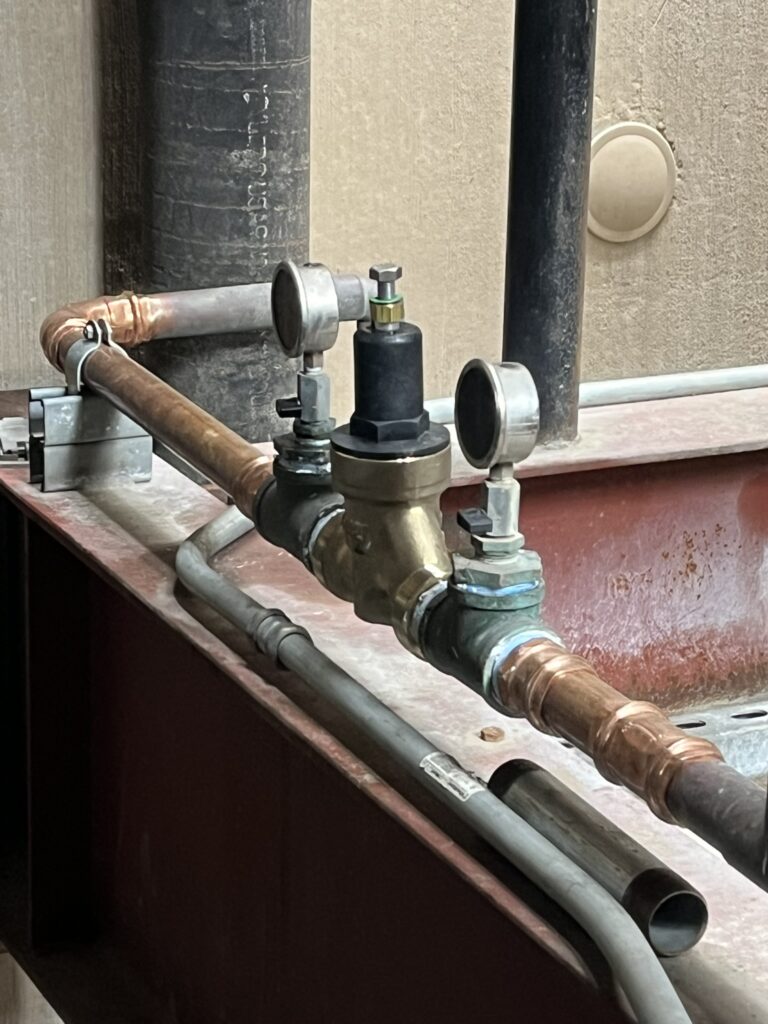
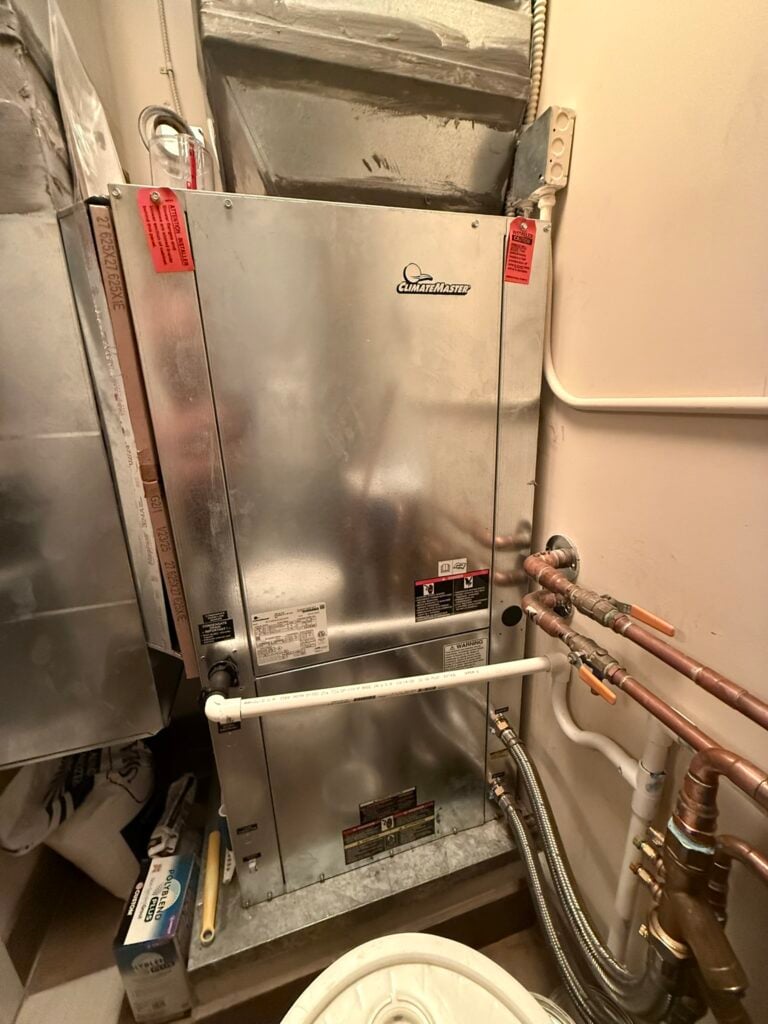
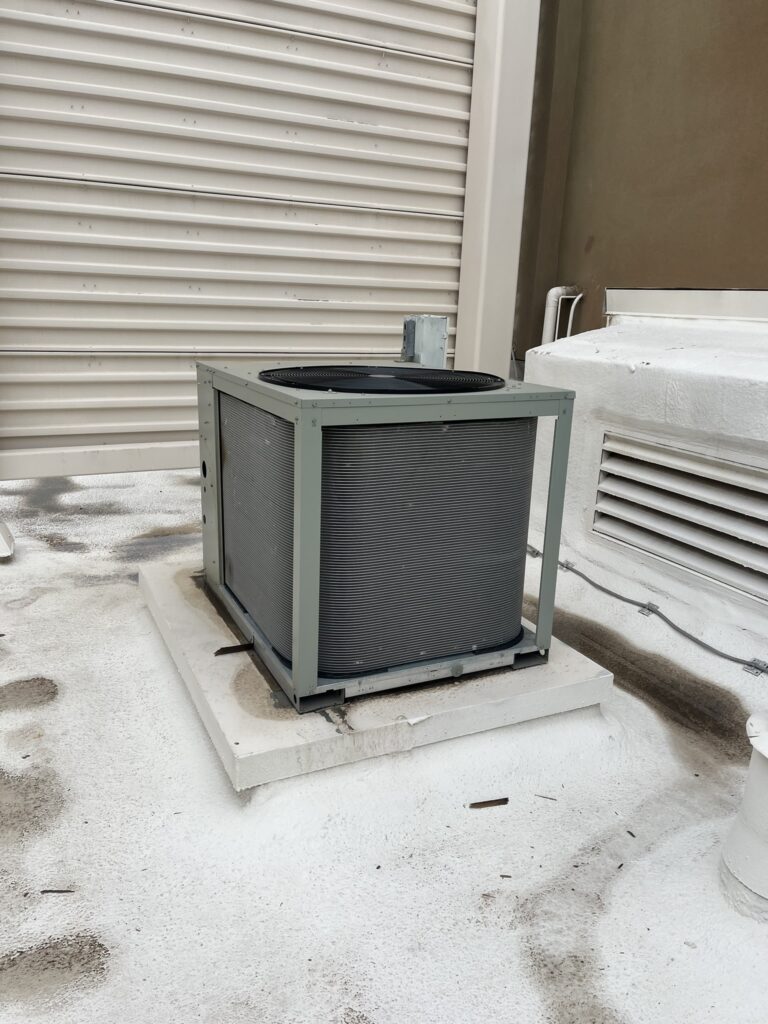
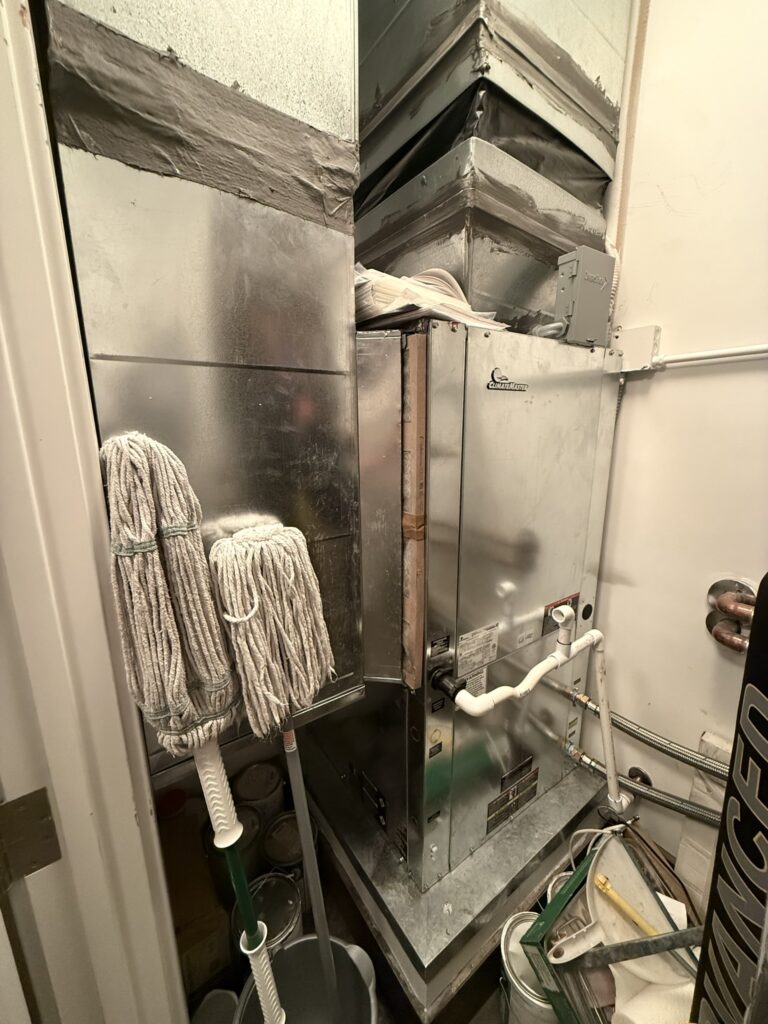
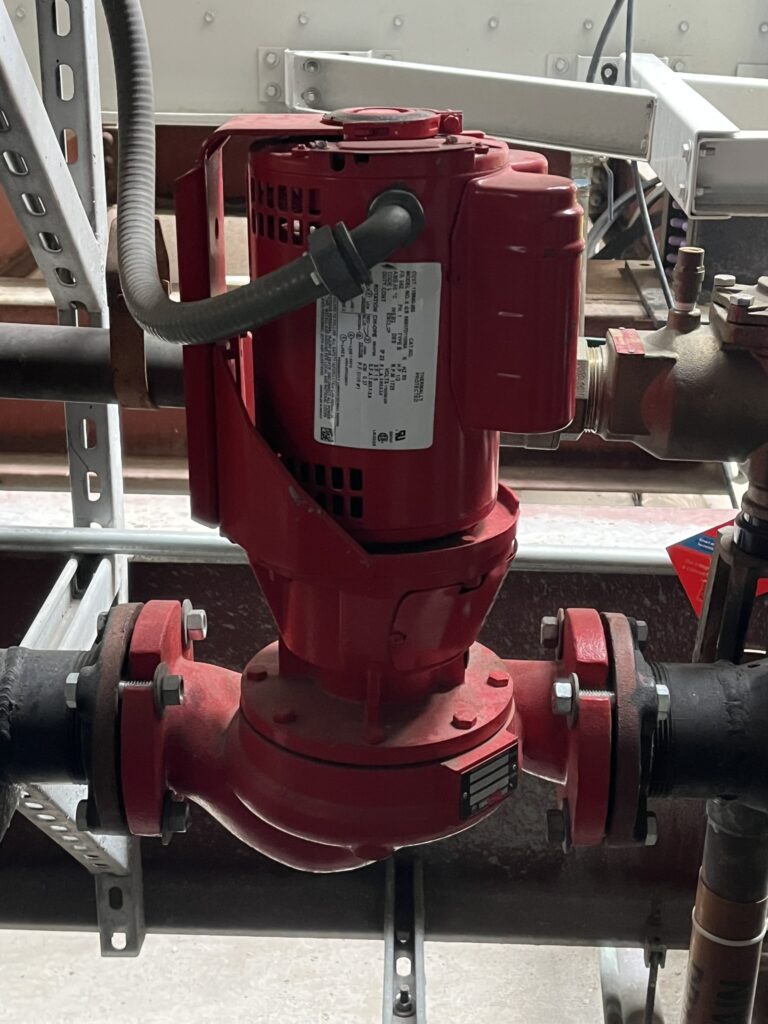
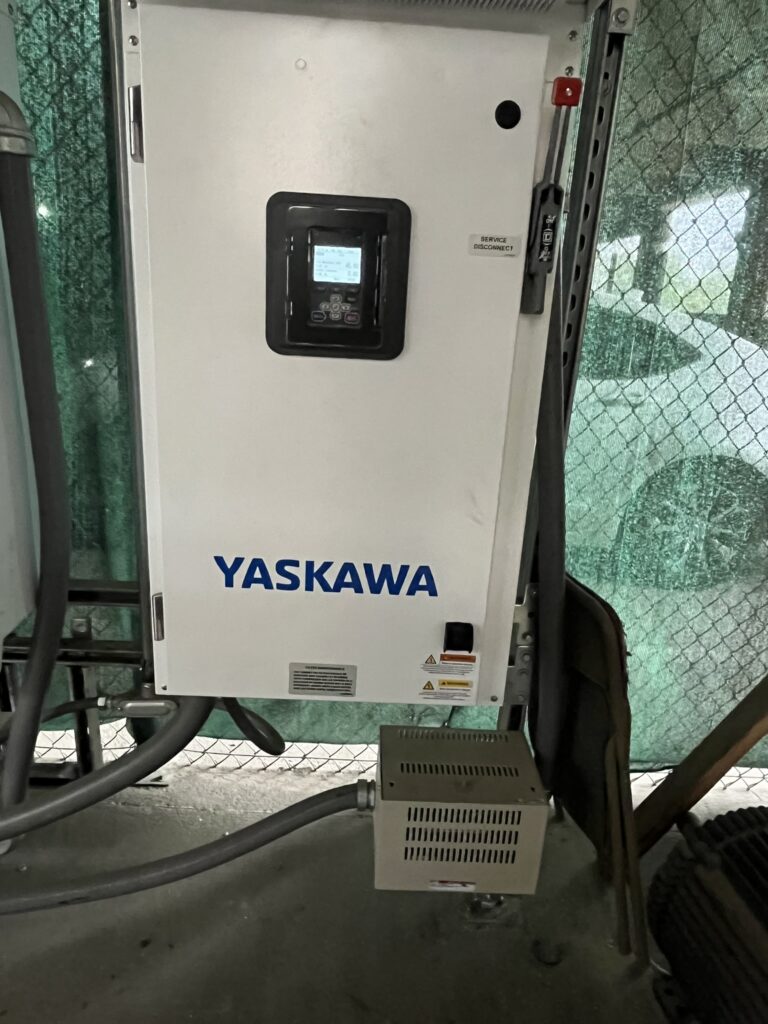
Photos from our own commercial projects across the Phoenix metro — equipment we installed, in buildings we service.
How the job typically runs.
A commercial PM visit is scheduled around your operation, not ours. For a Westgate restaurant or a hotel that cannot have technicians on the roof during a booked event, we work early mornings, off-nights, or slow shoulder hours so the crowd never sees us. The service-call fee is disclosed when you book, with no surprise line on the invoice, and if the visit turns up a repair, that fee is credited toward it. On site we do not narrate fear; we measure. Every reading comes off a meter, and when something crosses a threshold, we show you the number and what it means for that specific asset. Any repair beyond routine maintenance arrives as a flat-rate written quote with the measurement that justifies it, so a facility manager can approve it, defer it, or take it to an owner with the data in hand. Approved work is verified before we leave, the corrected amp draw or restored charge confirmed on the meter, not assumed. Then you get a written per-asset condition report to file, forward, or budget against. Recurring visits with scheduled dates and priority status are handled through a maintenance agreement; this visit covers the work itself. And because a real person answers 24 hours a day, a between-visit failure never routes to voicemail.
- 01 Booking, with the diagnostic fee disclosed
- 02 In-person diagnosis with real readings
- 03 Written flat-rate quote before work begins
- 04 The work: repair, install, or maintenance
- 05 Startup, documentation, and warranty handoff
Routine preventive maintenance rarely triggers a permit, but the repairs a PM visit uncovers often do, and commercial work lives under a stricter code lens than residential. In Glendale, like-for-like component service usually proceeds without paperwork, while a rooftop change-out, new curb adapter, gas-line alteration, or electrical modification pulls a mechanical permit and an inspection. For the many Westgate-area restaurants and bar kitchens we serve, commercial cooking exhaust and its makeup air fall under NFPA 96, and we keep our work clear of anything that would compromise that system's certified balance. All refrigerant handling is performed by EPA 608-certified technicians with the recovery and documentation the EPA requires, never optional on a commercial circuit. Everything we touch is held to the Arizona ROC's Minimum Workmanship Standards, and the written warranty we attach sits deliberately higher than that regulatory floor. When a repair does need a permit and inspection, it is pulled correctly and documented, so an older west-side building's paper trail stays clean for insurers, landlords, and the next tenant improvement. Documented correctly, that history reassures an insurer, a landlord, and the next prospective tenant.
Pricing, financing & the 10% military & first responder discount.
Commercial maintenance pricing at Yeti Pros is flat-rate and disclosed in writing, because a facility manager budgeting a Glendale property cannot work with hourly surprises. The service-call fee is stated when you book and credited toward any repair that comes out of the visit, so a diagnostic never becomes a sunk cost. When the PM turns up work, you get a written flat-rate quote tied to the measurement behind it; approve it, schedule it, or route it up the chain, but never guess what a number means. For larger repairs or planned rooftop change-outs on aging west-side equipment, financing keeps a capital fix from waiting on the next budget cycle, and recurring service can run under an agreement with predictable scheduled pricing. One note for owners and staff who have served: our 10% military, veteran & first responder discount is a residential-side offer, applying to work on your own home rather than commercial invoices, so the team keeping a Glendale business running can carry that military discount back to their own houses. The commercial relationship stays flat-rate and transparent; the discount thanks them for their residential lives.
- 01 Flat-rate written quote after an in-person look
- 02 Diagnostic fee disclosed at booking, credited to the repair
- 03 Financing available on replacements
- 04 2-year workmanship warranty; 1-year manufacturer parts warranty
- 05 10% military, veteran & first responder discount
Why a licensed HVAC contractor matters.
FAQs: Commercial HVAC Maintenance in Glendale, AZ.
How often should a Glendale venue or restaurant service its HVAC?
Quarterly is the working baseline for comfort-cooling equipment in Glendale, driven by long Valley runtime and heavy dust load. But event-driven properties around Westgate, the restaurants, bars, and hotels that swing from idle to packed, often justify a tighter cadence, because a unit that coasts at half load still trips when a sold-out crowd arrives and the ambient peaks. Kitchen refrigeration and high-occupancy retail lean the same way, while a quiet back office can sometimes stretch. The honest interval comes from a site walk and your runtime, not a national brochure.
Can you work around booked events at Westgate?
Yes, and for Westgate-area properties that is the whole point. We schedule PM visits in early mornings, off-nights, or slow shoulder hours so no crowd ever sees a technician on the roof. Facility managers give us the event calendar, and we build the maintenance schedule around it, working the roof while the venue is dark. When a between-visit failure hits during a booked weekend, a real person answers our line 24 hours a day and dispatches. Your guests only ever experience cool air, never the maintenance that keeps it that way behind the scenes.
Our rooftop units are old; is maintenance still worth it?
Especially then. Much of Glendale's commercial stock runs RTUs well into their second decade, and older equipment is exactly where instrumented maintenance pays. We find glazed belts, unlubricated bearings, seized economizers, and rusted condensate pans before they cascade into a failure. More importantly, the condition report tells you which aging units are worth maintaining and which to budget for planned change-out, so you replace on your schedule and capital plan, not during a July emergency when the whole Valley is calling and rooftop cranes are booked out for weeks at a time.
What does a single commercial maintenance visit include?
Booked as commercial HVAC maintenance in Glendale, a single visit is asset-by-asset technical work, not a quick look. On each rooftop unit we inspect and clean coils, test capacitors in microfarads and contactors for pitting, compare motor amps to nameplate, service belts and bearings, verify the economizer and controls, check refrigerant performance with EPA 608-certified procedures, and clear the condensate system. Splits and refrigeration get their own discipline, and every reading lands on a written per-asset report trended against last visit, so drift is visible while it is still cheap to fix.
Do you handle refrigeration for west-side restaurants and stores too?
Yes. For Glendale restaurants, bars, and retail with cold storage, we fold refrigeration into the same maintenance visit: walk-in door gaskets and sweeps, evaporator and condenser coil condition, defrost operation, and drain lines, plus checks on reach-ins and prep tables. In an entertainment district where a busy weekend moves serious inventory, a walk-in limping through June on a fouled condenser is a spoiled-product loss with a date already on it. Catching it on a scheduled visit is far cheaper than a same-day rescue during service.
Will a maintenance program lower our utility bills?
It measurably reduces the energy each system burns per hour of cooling. Clean condenser coils, correct refrigerant charge, right-sized filtration, and a working economizer all cut the work a unit does to deliver the same comfort, and Glendale hands you more cooling hours than almost any market, so small percentage gains compound across a long season. For a property carrying many rooftop units, that adds up on an APS or SRP demand bill, and the condition report gives you the readings behind the savings. On many rooftop units at once, that saving is real money on the demand bill.
Every major brand, serviced and installed.


Phoenix metro: Most days a tech is already working somewhere in the Valley, so same-day appointments happen when the schedule allows. After-hours emergencies are dispatched when a licensed tech is available — a real person answers and tells you the ETA on the call.
Call (520) 556-8929Request an estimate.
No pressure, no door knockers. We look at the HVAC system, tell you what it needs (and what it doesn’t), and put the number in writing.
Need HVAC maintenance in Glendale? A real person answers.
Other services we run in Glendale.
HVAC Maintenance in nearby cities.
Looking for something else nearby? All HVAC services in Glendale