
Surprise
Commercial HVAC Maintenance in Surprise, AZ.
- (520) 556-8929
- Serving the entire Phoenix metro — we come to you
- Office: Mon–Fri 8:00 AM – 5:00 PM · 24/7 emergency service
- 2-year workmanship warranty · 1-year parts warranty
- Veteran-owned & operated · residential + commercial
- 23 five-star Google reviews
Surprise built its commercial core fast, and the HVAC came builder-grade. Across the retail strips, restaurant pads, big-box anchors, and medical offices that filled in the far West Valley over the past decade, developers installed the least expensive rooftop equipment that met code, and out here, at the leading edge of the Valley's western dust exposure, that equipment fails early. Yeti Pros delivers commercial HVAC maintenance in Surprise as a technical preventive-maintenance visit, instrumented and measured work on the units themselves, because catching builder-grade shortcuts before they cascade is the difference between a planned repair and a July shutdown. We are veteran-owned and operated, EPA 608-certified for refrigerant work, and licensed under ROC #363372 and ROC #363423. From the newer commercial centers along Bell and Grand to the medical and retail growth near Surprise Stadium, we service package rooftop units, split systems, and the refrigeration that keeps restaurants and shops running. The visit exists to measure: to find a light-duty compressor drifting, a cheap contactor pitting, or a coil buried in western dust with a meter on a scheduled morning, not during a spring-training rush with a full house. Every stop generates written per-asset readings you can trend, so a facility manager works from data, not hope, and a cluster of tired units becomes a plan. Someone real answers our line 24 hours a day, every quote is flat-rate and in writing. A whole-property maintenance plan should connect unit condition, access needs, repair timing, and budget planning in one usable record. Out at the leading edge of the West Valley, that measured approach is the difference between a change-out you scheduled and one the desert scheduled for you. A newer center can look fine from the parking lot while three rooftops quietly drift toward the same July, and only the readings tell you which.
ZIPs served: 85374, 85378, 85379, 85388
What HVAC Maintenance covers in Surprise.
Scheduled RTU and Split-System PM
The essential visit for Surprise's builder-grade rooftops: each package unit and split worked in sequence, electricals tested against nameplate, refrigerant performance measured, and early wear flagged before a cheap unit strands a full center. Because a strip built in one phase often carries a dozen near-identical rooftops, we measure each individually, so a manager learns which is drifting first.
Coil Cleaning as Capacity Insurance
Builder-grade coils were never generous on surface area, and Surprise sits at the leading edge of western dust exposure, so fouling bites fast. We clean condenser coils before summer and rinse them after storms, because a dust-choked coil on an already-marginal unit runs high head pressure, pulls extra amps, and loses tonnage it cannot spare at the afternoon peak.
Belt, Bearing and Motor Service
Minimum-spec motors and belts on builder-grade rooftops do not forgive neglect. We check belt tension, alignment, and glazing, inspect pulleys, lubricate and listen to bearings before they seize a blower, and compare motor amps to nameplate to catch a cheap fan or compressor motor sliding toward failure. Caught early, a part is a planned swap, not a dark restaurant.
Economizer and Controls Verification
Builder-grade economizers are often barely commissioned, then left to seize in western dust. We stroke dampers, verify actuators, sensors, and linkages, and confirm controls match how the space is used, key for medical offices needing steady conditions and restaurants swinging by the hour. A stuck-open economizer drags 110-degree air in; thin margins make either fault expensive fast.
Filter Program Management
At the western edge of the Valley's dust, filtration on builder-grade systems fails quickly when the filter or schedule is wrong. We match MERV rating to each space, retail back-of-house to a dental suite's finer capture, within the blower's static limits, add filter-only stops at the dustiest Surprise sites, and log every change by size and rating.
Written Per-Asset Condition Reports
Every visit ends in numbers per asset, capacitance, amps, pressures, and temperature splits, trended against the last visit so a cheap unit's decline shows early. Each rooftop carries a condition grade and remaining-life estimate, exactly what a Surprise property manager needs when a phase-built center holds a cluster of near-identical units. The report sequences replacements by data, not panic.
What we see for HVAC maintenance in Surprise.
Builder-grade equipment is the story on Surprise commercial rooftops, and it writes itself into the readings. When the retail pads, restaurant boxes, and medical suites went up across the far West Valley, the rooftop units chosen were the cheapest that satisfied code: light-duty compressors, minimum-spec motors, thin coils, and economizers barely commissioned. That equipment ages on a fast clock even before the climate touches it, and Surprise's climate is unforgiving. This is the leading edge of the Valley's western dust exposure, where open desert on the city's edges feeds grit straight into condenser coils, and a builder-grade coil was never generous on surface area to begin with.
We find these units running high head pressure early in life, contactors pitting after only a few seasons, and capacitors drifting below rating years sooner than a commercial-grade unit would. The rapid growth compounds the pattern: a strip center built in one phase often carries a dozen near-identical cheap rooftops that all reach the end of their service life the same summer, so a property manager faces not one failure but a cluster. Restaurants add refrigeration on the same builder-grade logic, undersized walk-in condensers that choke on western dust and threaten inventory on a hot afternoon.
The medical and dental offices filling newer centers need tighter comfort and cleaner air than their equipment was specified to hold, and dust bypassing a neglected filter degrades both quietly. Around Surprise Stadium, spring-training crowds load restaurant and retail cooling hard for two months, exposing marginal units that coasted all winter, and a big-box anchor can lose a whole zone at the worst hour. This equipment does not fail because it is old; it fails because it was cheap and the desert accelerated the math, and our instrumented visit reads that math while there is still time to plan around it rather than react to it in July. Across a phase-built center, near-identical units age on near-identical clocks, so the failures tend to arrive in a wave rather than one at a time.
- 01 Airflow and static pressure
- 02 Electrical: capacitors, contactors, draws
- 03 Refrigerant-circuit behavior
- 04 Drains, safeties, and float switches
- 05 Thermostat, controls, and cycling
- 06 Ducts, returns, and room-by-room comfort
Commercial jobs we have documented.
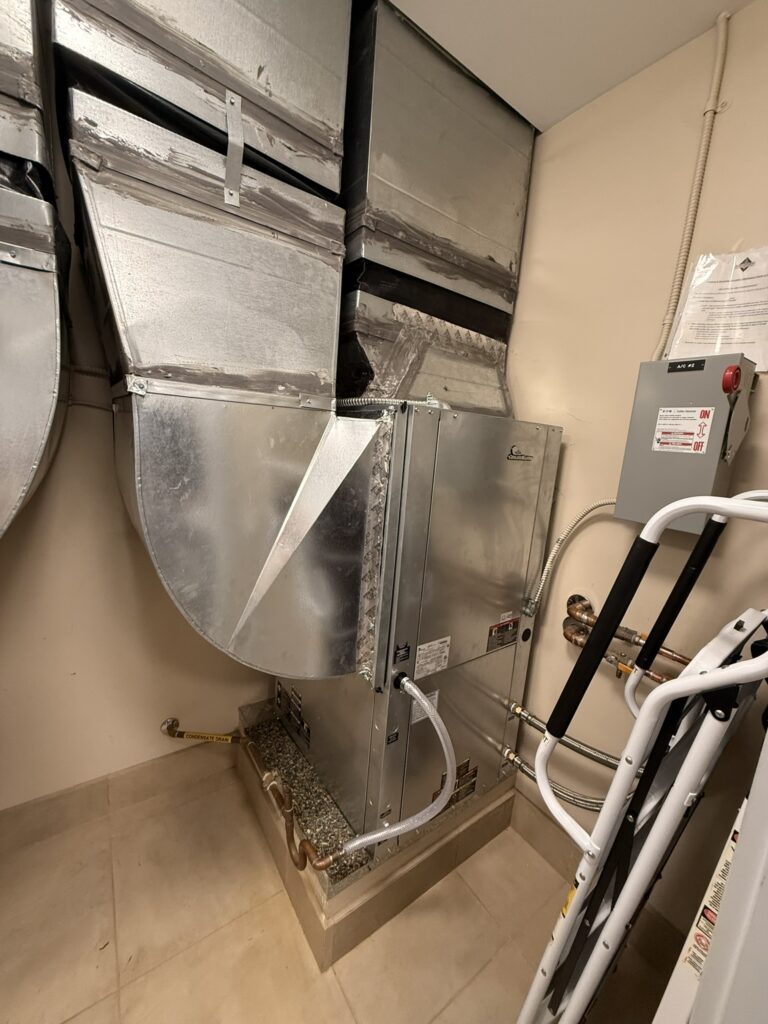
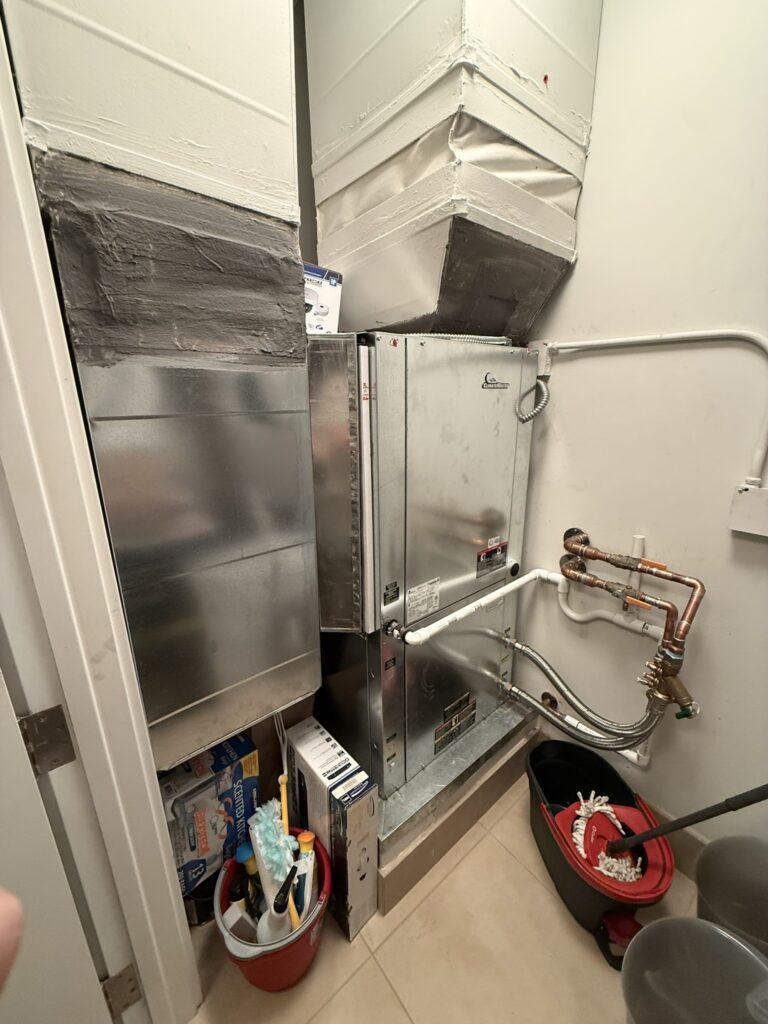
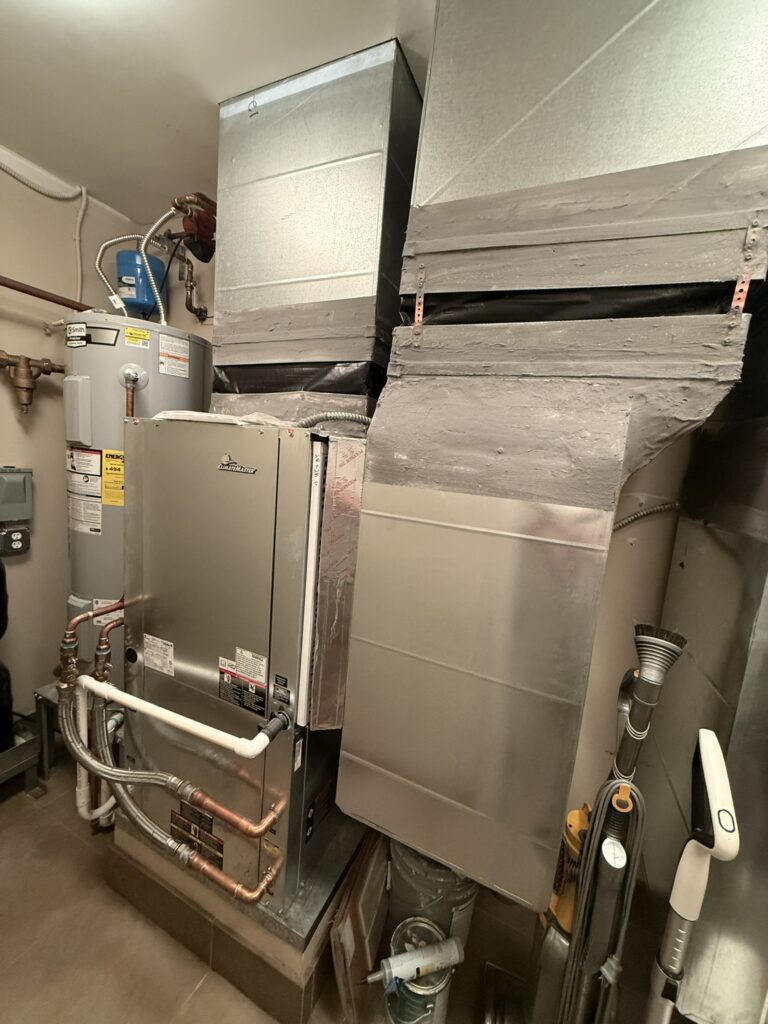
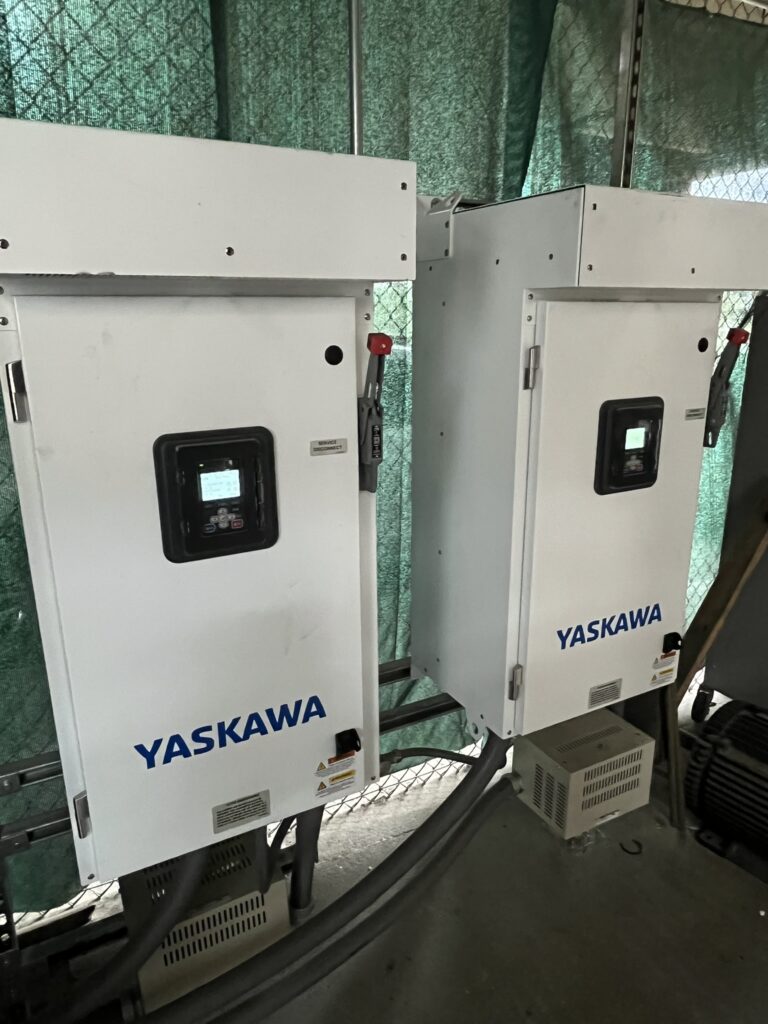
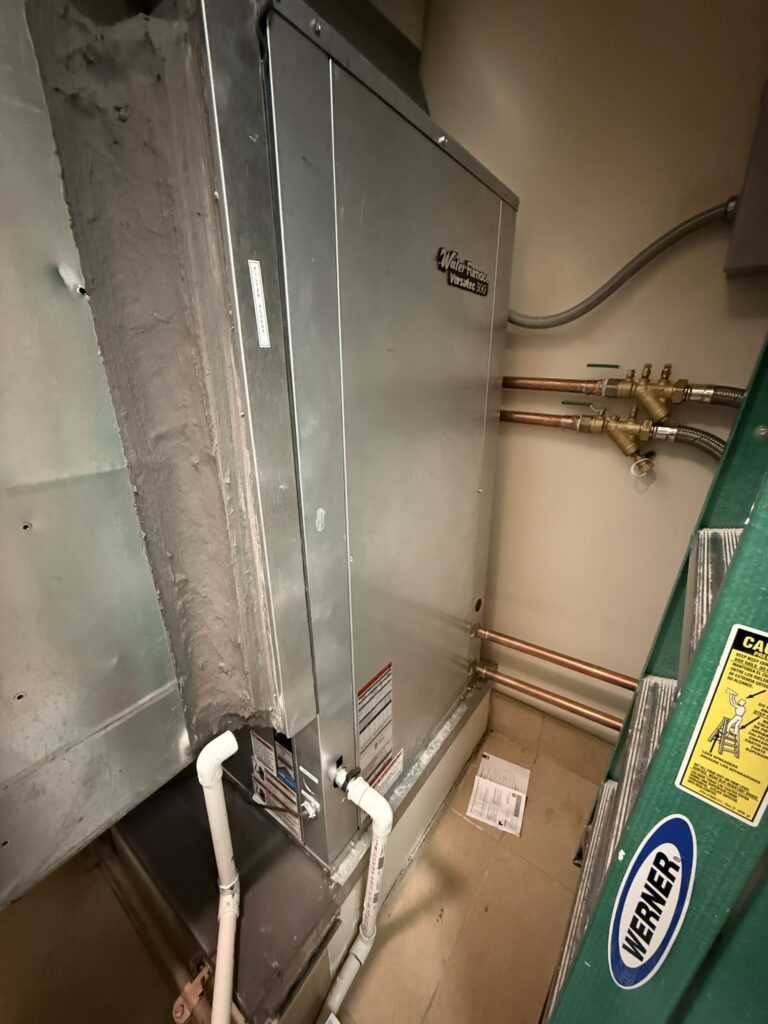
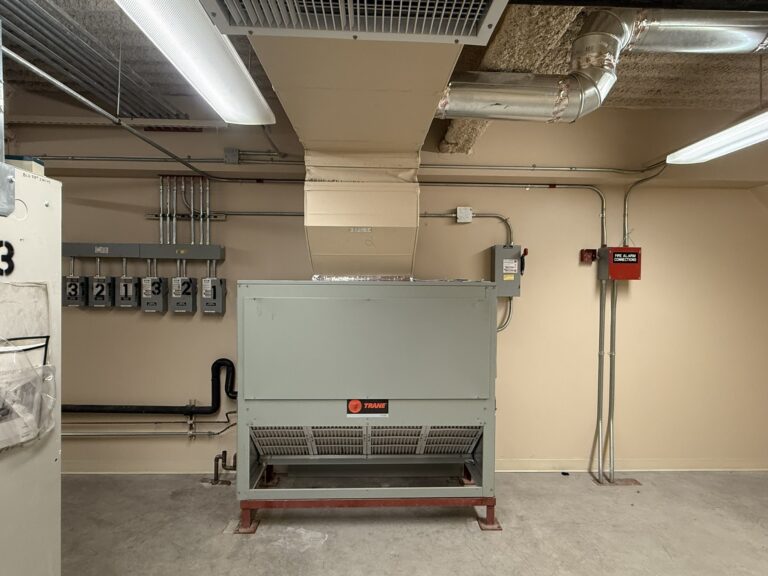
Photos from our own commercial projects across the Phoenix metro — equipment we installed, in buildings we service.
How the job typically runs.
A Surprise PM visit fits your operating hours instead of fighting them. For a restaurant mid-shift or a medical office seeing patients, we schedule roof work for early mornings or slow stretches so the business never pauses. The service-call fee is disclosed when you book, with no mystery line later, and credited toward any repair the visit turns up. On the roof we work off meters, not adjectives: when a reading crosses a limit, we show you the number and what it means for that exact unit, which matters most on builder-grade equipment where several cheap rooftops may be drifting at once. Any repair past routine service comes back as a flat-rate written quote with the measurement that drove it, so you can approve it, defer it, or route it to ownership with the data attached, useful when a property has to sequence spend across a cluster of aging units. Approved work is verified before we leave, the corrected charge or cleaned coil confirmed on the gauge. Then you get a per-asset condition report to file, forward, or budget against. Set-cadence visits, locked dates, and priority dispatch belong in a maintenance agreement; the visit is the hands-on work. And because a real person answers 24/7, a failure between visits reaches a dispatcher. That sequencing is exactly what a builder-grade cluster needs from a maintenance vendor.
- 01 Booking, with the diagnostic fee disclosed
- 02 In-person diagnosis with real readings
- 03 Written flat-rate quote before work begins
- 04 The work: repair, install, or maintenance
- 05 Startup, documentation, and warranty handoff
Routine maintenance rarely needs a permit, but the repairs it exposes on builder-grade equipment often do, and commercial code holds a tighter line than residential. In Surprise, like-for-like part swaps usually go ahead without paperwork, while a rooftop change-out, common here as cheap original units reach end of life, plus curb work, gas-line changes, or electrical alterations pull a mechanical permit and an inspection. The city's fast-growing restaurant pads bring NFPA 96 into the picture, since commercial cooking exhaust and its makeup air are a regulated system of their own, and we keep our work clear of anything that would undermine that compliance. All refrigerant handling is performed by EPA 608-certified technicians with the documentation federal rules demand on every commercial circuit. We build every repair to clear the Arizona ROC's Minimum Workmanship Standards, and the warranty we put in writing sits intentionally above that minimum, a real distinction when the original builder-grade install may have barely met it. A permitted change-out is then filed and inspected cleanly, keeping a newer center's records right for insurers and landlords. Pulled correctly, it keeps a young center's records right for the next lease.
Pricing, financing & the 10% military & first responder discount.
Yeti Pros keeps commercial maintenance pricing flat-rate and written, because a Surprise property manager staring at a cluster of aging builder-grade rooftops needs to plan spend, not chase an hourly meter. The service-call fee is quoted at booking and credited toward any repair the visit produces, so a diagnostic never becomes wasted money. When the PM finds work, you get a written flat-rate quote tied to the reading behind it; approve, hold, or escalate with the evidence in hand, exactly what sequencing several end-of-life units requires. For larger repairs or planned change-outs of cheap original equipment, financing keeps a capital fix from waiting on the next budget cycle, and recurring service can run under an agreement with predictable scheduled pricing. One note for owners and staff who have served: our 10% military, veteran & first responder discount is a residential offer, applying to their own homes rather than commercial invoices, so the people keeping a Surprise business cool can carry that military discount back to their own houses. The commercial relationship itself stays flat-rate and transparent. The fee is credited, the quote is in writing, and nothing about the number is a surprise.
- 01 Flat-rate written quote after an in-person look
- 02 Diagnostic fee disclosed at booking, credited to the repair
- 03 Financing available on replacements
- 04 2-year workmanship warranty; 1-year manufacturer parts warranty
- 05 10% military, veteran & first responder discount
Why a licensed HVAC contractor matters.
FAQs: Commercial HVAC Maintenance in Surprise, AZ.
Why do our newer rooftop units already struggle?
Because much of Surprise's commercial equipment is builder-grade, the least expensive rooftops that met code when the centers went up. Light-duty compressors, minimum-spec motors, and thin coils age fast on their own, and Surprise's position at the leading edge of western dust exposure accelerates everything. We commonly find these units running high head pressure, contactors pitting, and capacitors drifting below rating years sooner than commercial-grade equipment would. It is not age so much as cheap specification meeting a brutal desert, and instrumented maintenance is how you get ahead of it early.
Why do a strip center's units fail together here?
When a Surprise center is built in a single phase, it usually carries a dozen or more near-identical builder-grade rooftops that reach the end of their service life in roughly the same summer. That turns one failure into a cluster and one repair into a capital problem. Our visit measures each unit individually and trends it, so the condition report tells you which units are drifting first. That lets you stage and budget change-outs across seasons instead of absorbing five rooftop failures in the same brutal July week.
How often do Surprise centers actually need HVAC maintenance?
Quarterly is the working baseline, but commercial HVAC maintenance in Surprise often runs tighter, because builder-grade equipment and extreme western dust push failure earlier. High-dust sites and marginal cheap rooftops frequently warrant coil attention or filter-only stops between full visits, and restaurant refrigeration leans the same way. Medical suites needing steady conditions do too. The honest interval is not a national number stamped on a brochure; it comes from a site walk that reads your equipment grade, runtime, and dust exposure, then sets a cadence the desert will not outrun.
Is it worth maintaining cheap equipment, or just replacing it?
Maintenance is how you make that decision with data instead of guessing. For builder-grade Surprise rooftops, the condition report tells you which units are worth keeping on a schedule and which have drifted far enough to budget for planned change-out. Maintaining a marginal unit still buys controlled timing: you replace on your calendar and capital plan, not during a spring-training-weekend emergency when the whole West Valley is calling. And clean coils and correct charge cut its operating cost meanwhile. The point is to replace on your terms, not the desert's.
Do you handle refrigeration for the newer restaurant pads too?
Yes. Surprise's fast-growing restaurant pads often got builder-grade, undersized walk-in condensers, and we fold refrigeration into the same maintenance visit: door gaskets and sweeps, evaporator and condenser coil condition, defrost operation, drain lines, and reach-in and prep-table checks. Out here at the edge of the western dust, an undersized condenser fouls quickly, and one running high on a hot afternoon is a spoiled-inventory loss with a date on it. Catching it on a scheduled visit beats a same-day rescue during service. Out here, a fouled condenser is a spoiled load waiting for the next hot afternoon.
Can you work around a medical office's patient hours?
Yes, and for Surprise's growing medical and dental centers that scheduling is standard. We book roof and equipment work for early mornings or slow stretches so patients and staff never notice technicians on site, and we keep the finer filtration and steady conditions those spaces require front of mind. Medical suites in newer centers often need cleaner air and tighter comfort than their builder-grade equipment was specified to hold, so we watch the filter program and controls closely. If a unit fails, a real person answers 24 hours a day.
Every major brand, serviced and installed.

Phoenix metro: Most days a tech is already working somewhere in the Valley, so same-day appointments happen when the schedule allows. After-hours emergencies are dispatched when a licensed tech is available — a real person answers and tells you the ETA on the call.
Call (520) 556-8929Request an estimate.
No pressure, no door knockers. We look at the HVAC system, tell you what it needs (and what it doesn’t), and put the number in writing.
Need HVAC maintenance in Surprise? A real person answers.
Other services we run in Surprise.
HVAC Maintenance in nearby cities.
Looking for something else nearby? All HVAC services in Surprise