
Mesa
HVAC for Car Washes in Mesa, AZ.
- (520) 556-8929
- Serving the entire Phoenix metro — we come to you
- Office: Mon–Fri 8:00 AM – 5:00 PM · 24/7 emergency service
- 2-year workmanship warranty · 1-year parts warranty
- Veteran-owned & operated · residential + commercial
- 23 five-star Google reviews
Mesa car washes live where heat, water, chemicals, and traffic all hit at once: big-box corridors around Superstition Springs, older arterial pads through 85204 and 85210, Dobson Ranch-area retail sites, and newer east Mesa lanes catching growth toward Eastmark. A car wash hvac mesa job is not just cooling the customer lobby. It is separating tunnel humidity from office comfort, keeping equipment rooms ventilated, protecting electrical and control spaces, and stopping chemical-laden air from shortening equipment life. Express tunnels, flex-service washes, detail bays, and small office-lobby sites all stress HVAC differently. Mesa's long cooling season adds another layer because staff areas and payment offices need relief even when the tunnel is wet and hot. Door cycles, vacuum traffic, glass storefronts, damp mats, open pass-throughs, and back-room heat all show up in the load. Yeti Pros is veteran-owned & operated, serving Mesa car washes across Maricopa County, including 85201, 85203, 85204, 85205, 85210, and 85213. We are a service-area business, no street address, we come to you. AZ ROC #363372 · ROC #363423. Office hours are Mon-Fri 8-5 with 24/7 emergency service. Call (520) 556-8929.
ZIPs served: 85201, 85203, 85204, 85205, 85210, 85213
What Car Washes covers in Mesa.
Lobby HVAC Repair
Repair for rooftop or split systems serving waiting areas, sales counters, restrooms, and offices. We check cooling performance, airflow, filters, coils, drains, controls, and whether tunnel air is undermining the conditioned space.
Tunnel-Adjacent Ventilation
HVAC-side evaluation of air movement between tunnel, lobby, office, and equipment rooms. We inspect exhaust, makeup air symptoms, duct leakage, door effects, and pressure issues that create humidity, odor, or comfort problems.
Corrosion-Focused Maintenance
Preventive service for equipment exposed to humidity, chemicals, dust, and Mesa rooftop heat. We inspect coils, pans, fasteners, electrical compartments, drains, filters, blower sections, and control wiring for early failure signs.
Equipment Room Cooling
Service for rooms holding controls, compressors, electrical panels, water equipment, or payment systems. We look at heat buildup, airflow, ventilation, dust, chemical exposure, and cooling reliability before recommending repairs.
Drain And Leak Service
Diagnosis of condensate leaks, clogged drains, rusted pans, overflow switches, and moisture problems around HVAC equipment. Car wash buildings already manage water everywhere; HVAC drainage still needs its own clean route.
Emergency HVAC Response
24/7 emergency service for failed cooling, overheated equipment rooms, electrical faults, leaking units, or no-heat conditions. We stabilize the affected zone and provide a written scope after diagnosis.
What we see for car washes in Mesa.
Car wash HVAC in Mesa fails from exposure as much as age. Rooftop units over small lobbies take desert sun and dust. Split systems serving offices or payment rooms get pulled into humidity complaints when doors open toward tunnel or detail areas. Equipment rooms need ventilation but can also pull in chemical mist if the pressure relationship is wrong. On older arterial sites, the building may have been expanded or converted, leaving ductwork, drains, and thermostats in places that make sense on paper but not during a busy Saturday wash line. We also see additions where a payment office, towel room, or manager space was carved out without rethinking return air.
The most common comfort complaint is a lobby that smells damp or feels sticky even while the thermostat says it is cool. That can come from tunnel air migrating into the lobby, return leaks, poor door separation, short cycling, dirty coils, weak blower performance, or an HVAC unit that was never sized for the door traffic. Around Superstition Springs and other retail corridors, customer areas often have more glass and more door cycles than the original load calculation assumed. In peak afternoon heat, a small weakness in airflow or coil condition can feel much larger because the building is already taking on solar and pavement heat.
Chemicals and moisture attack equipment. We see corroded fasteners, damaged coils, rusted pans, clogged drains, compromised electrical compartments, and filters loaded faster than a normal retail office. Detail bays and tunnel-adjacent spaces can move aerosolized product into areas where HVAC equipment was not meant to breathe it. Mesa's dust adds to the load, especially after monsoon wind. Preventive service has to look at corrosion, not only whether the unit turns on. A unit can still cool today while the pan, drain, wiring, or coil surfaces are already showing the next failure.
Ventilation is the other problem. A tunnel can need air movement for moisture and chemical control while the lobby needs stable comfort and the office needs quiet, reliable cooling. If exhaust, makeup air, and conditioned air fight each other, the HVAC runs hard and still leaves complaints. Equipment rooms can overheat when doors are closed for security, then pull dirty or damp air when someone tries to cool them with makeshift airflow. We do not certify chemical compliance or workplace safety programs. We service HVAC, ventilation-related components within scope, and document mechanical findings so operators can make informed facility decisions.
- 01 Airflow and static pressure
- 02 Electrical: capacitors, contactors, draws
- 03 Refrigerant-circuit behavior
- 04 Drains, safeties, and float switches
- 05 Thermostat, controls, and cycling
- 06 Ducts, returns, and room-by-room comfort
Commercial jobs we have documented.
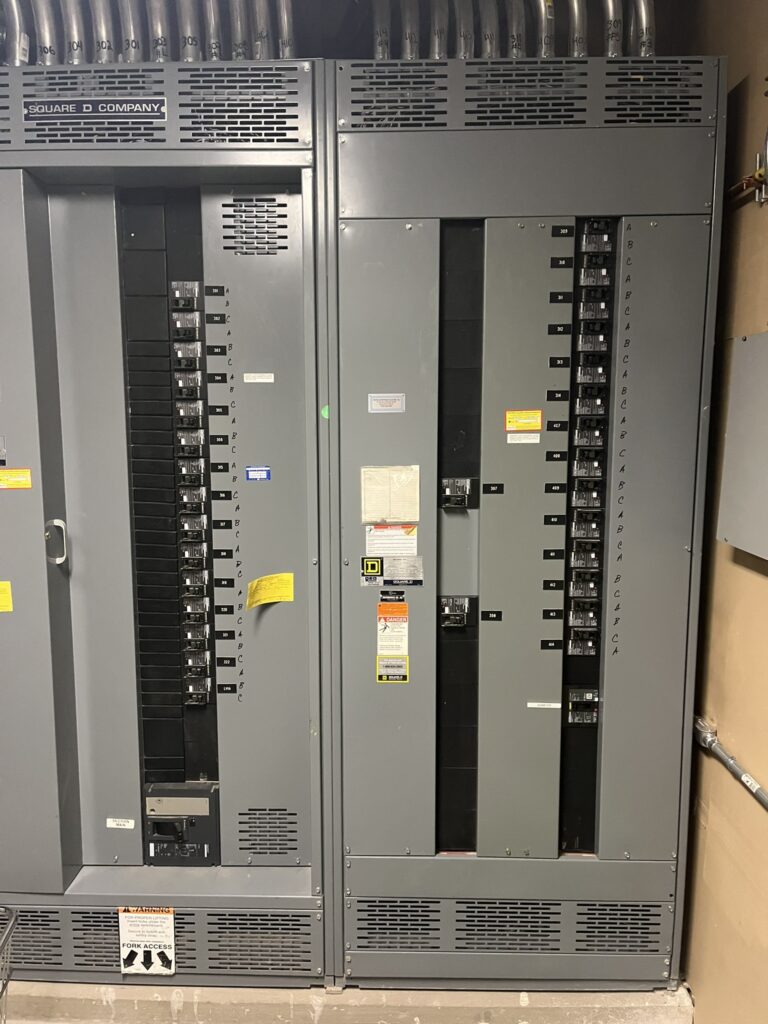
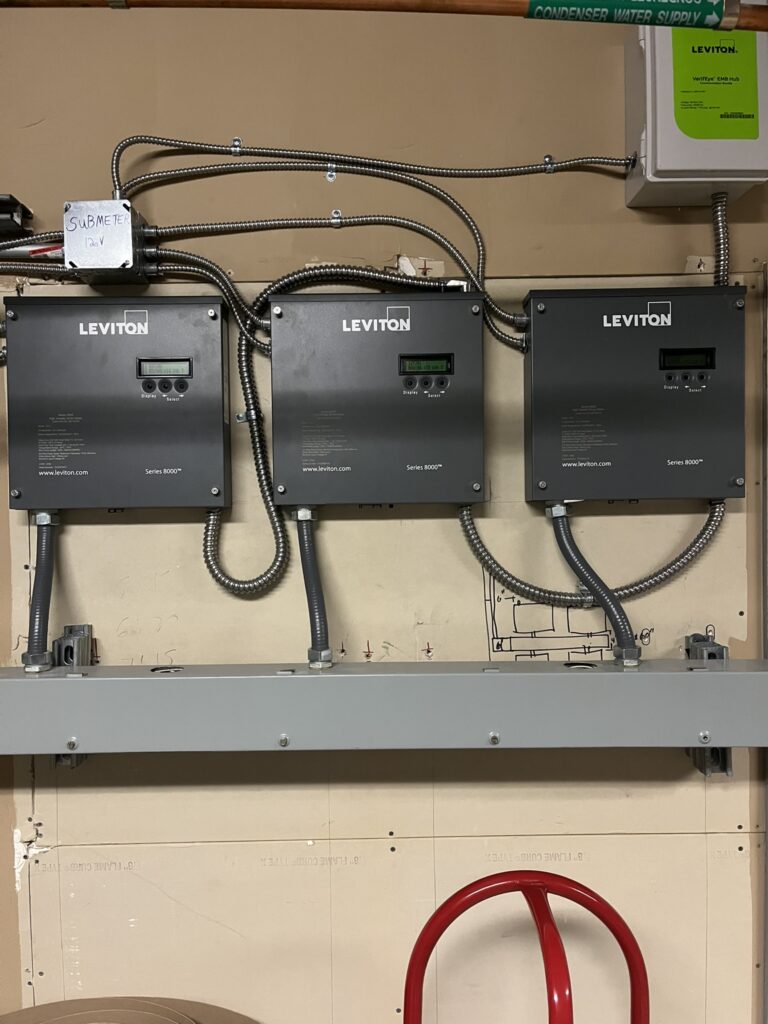
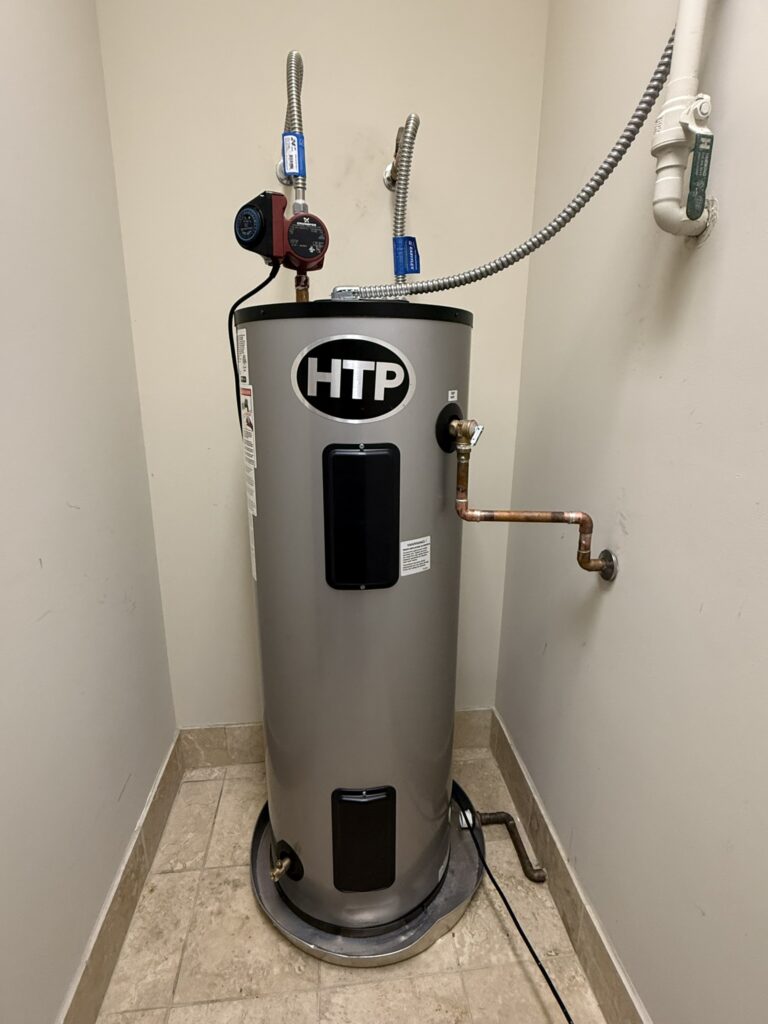
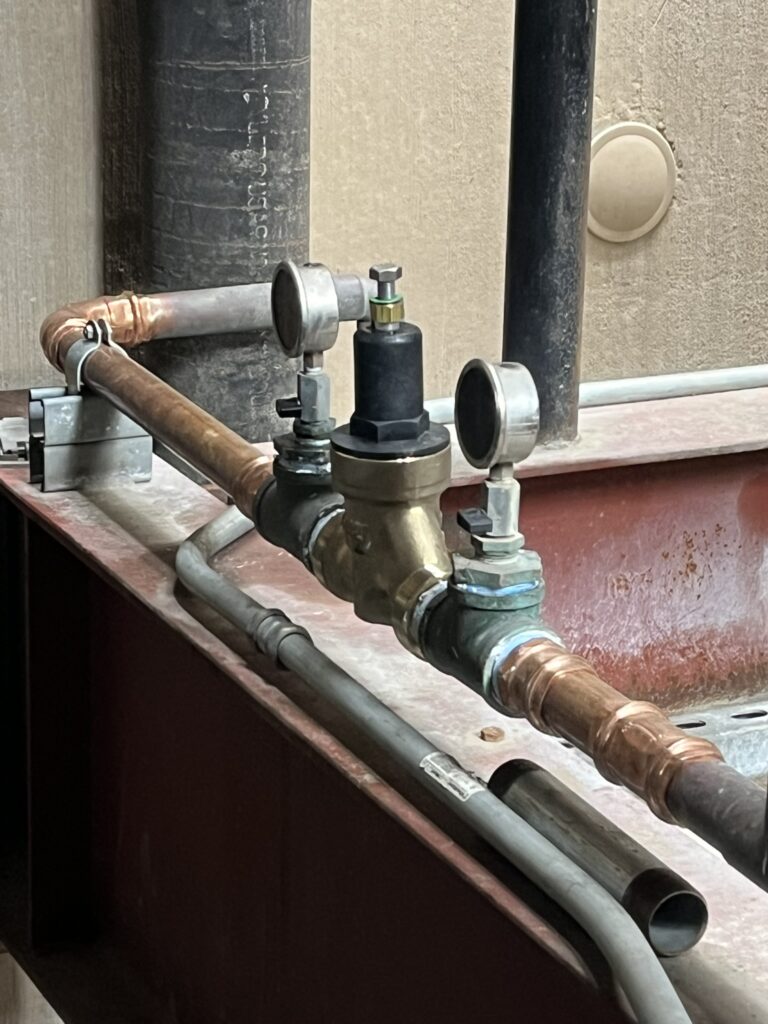
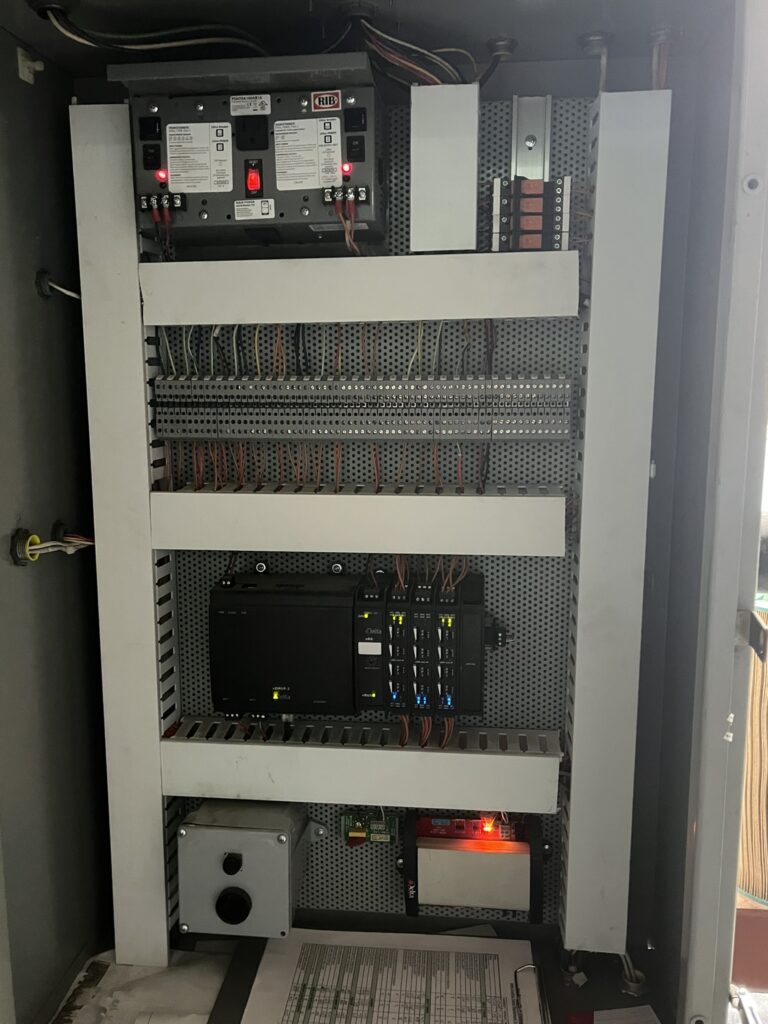
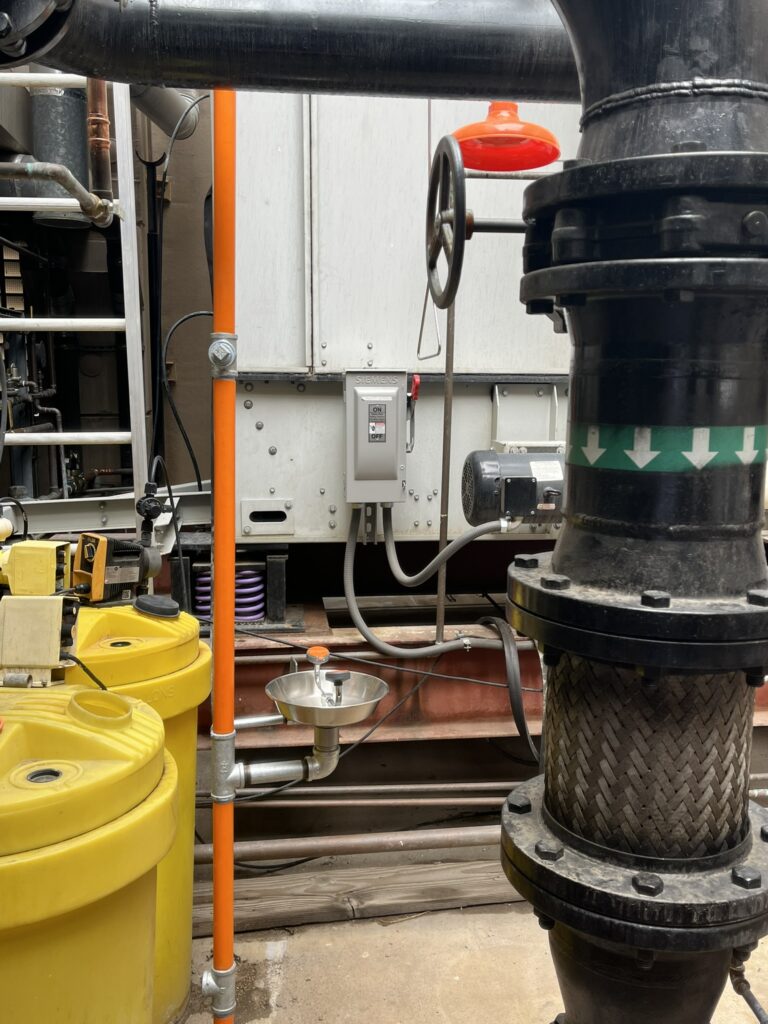
Photos from our own commercial projects across the Phoenix metro — equipment we installed, in buildings we service.
How the job typically runs.
We start by separating the zones: tunnel, lobby, office, restrooms, equipment room, detail area, and payment or attendant space. We ask when the wash is busiest, when chemicals are mixed or delivered, where doors stay open, and whether roof access or lane closures are needed for service. We also ask which areas affect revenue immediately, which areas affect staff comfort, and which equipment rooms have controls or electrical components that cannot tolerate heat or moisture.
During diagnosis, we inspect the equipment serving the complaint area, then look at the building pressure and exposure that may be causing the failure. Filters, coils, drains, blower sections, electrical components, thermostats, duct condition, and ventilation interaction all matter. Scopes are documented in writing. Flat-rate written quotes are provided after an in-person look. The diagnostic/service-call fee is disclosed at booking and credited. If a lobby complaint is really a tunnel-air problem, or an equipment-room issue is really a ventilation problem, we say that clearly so the repair scope matches the cause.
We plan work around wash traffic. Some repairs can happen during normal hours; others need early morning, after close, or a temporary lane plan. Office hours are Mon-Fri 8-5, and 24/7 emergency service is available when a failed system threatens operations, equipment rooms, or staff areas. For urgent calls, we focus first on stabilizing the affected zone, controlling leaks or electrical risk within HVAC scope, and documenting the next step.
- 01 Booking, with the diagnostic fee disclosed
- 02 In-person diagnosis with real readings
- 03 Written flat-rate quote before work begins
- 04 The work: repair, install, or maintenance
- 05 Startup, documentation, and warranty handoff
Car wash HVAC work in Mesa may involve rooftop replacement, ventilation changes, electrical corrections, gas connections, condensate routing, curb adapters, or equipment-room airflow. SRP serves most of Mesa, while the City of Mesa utility serves a downtown pocket, so utility context can matter for electrical coordination. Permit needs depend on the actual scope and building conditions. Roof access, curb fit, disconnect condition, drain termination, and changes to air movement can affect how a job is planned. Yeti Pros is AZ ROC #363372 · ROC #363423. We document HVAC scope and workmanship in writing. Arizona workmanship expectations can be reviewed here: Arizona ROC workmanship standards. We service HVAC and document mechanical findings. We do not issue chemical-safety certifications, environmental approvals, or legal advice.
Pricing, financing & the 10% military & first responder discount.
Car wash HVAC pricing is driven by equipment condition, corrosion level, access, roof height, lane or tunnel shutdown needs, ventilation interaction, duct damage, drain routing, electrical condition, and whether chemical exposure has damaged components beyond the visible complaint. A basic lobby repair is different from a rooftop unit with corroded panels, a clogged drain, weak airflow, and tunnel pressure pulling damp air into the return. Scheduling can also matter when work must avoid peak traffic or keep a payment lane open. We provide flat-rate written quotes after an in-person look, with scopes documented in writing. Financing is available. Repair parts carry a 1-year manufacturer parts warranty, and our workmanship carries a 2-year written workmanship warranty. Yeti Pros offers a 10% military, veteran & first responder discount at /military-discount/. Call (520) 556-8929 for Mesa service.
- 01 Flat-rate written quote after an in-person look
- 02 Diagnostic fee disclosed at booking, credited to the repair
- 03 Financing available on replacements
- 04 2-year workmanship warranty; 1-year manufacturer parts warranty
- 05 10% military, veteran & first responder discount
Why a licensed HVAC contractor matters.
FAQs: HVAC for Car Washes in Mesa, AZ.
Do you repair HVAC for car washes in Mesa?
Yes. We service HVAC for express tunnels, flex-service washes, detail operations, lobbies, offices, payment areas, and equipment rooms across Mesa. Car washes need a different diagnostic approach because moisture, chemical exposure, door traffic, and tunnel pressure can make a normal retail repair fail early. We inspect both the equipment and the conditions around it before writing the repair scope. That includes looking at airflow paths, drain condition, corrosion, thermostat placement, and whether the affected zone is being pulled into the tunnel environment.
Why does our Mesa car wash lobby feel humid when the AC is running?
A running AC does not guarantee humidity control. Tunnel air may be moving into the lobby, the unit may be short cycling, coils may be dirty, blower performance may be weak, or return air may be pulling from the wrong area. Mesa's heat adds load through glass and door traffic. Damp air can also enter when doors stay open for towels, staff movement, or customer flow. We check the HVAC equipment, door relationships, air paths, drains, and controls to find the cause instead of only lowering the thermostat.
Can car wash chemicals damage HVAC equipment?
Yes. Chemical mist, moisture, and cleaning exposure can corrode coils, fasteners, pans, cabinets, electrical components, and control wiring. Detail bays and tunnel-adjacent rooms are especially hard on equipment if air movement carries product into the HVAC path. Mesa dust and rooftop heat add another layer. Maintenance for a car wash should inspect corrosion and drains closely, not just change filters and leave. Catching early damage matters because a unit can keep running while its drain pan, wiring, or coil condition is already declining.
Can you service HVAC without shutting down our wash?
Sometimes. Lobby or office systems may be accessible during normal operation. Rooftop work, equipment-room repairs, ventilation checks, or anything requiring lane access may need a planned window. We ask about traffic patterns, tunnel hours, roof access, and whether cones or temporary lane changes are needed. We also consider where customers and staff will be moving while tools, ladders, or roof access are in use. For urgent failures, 24/7 emergency service is available, and we focus first on stabilizing the affected area.
What maintenance does a Mesa car wash HVAC system need?
It should include filters, coils, drains, blower sections, electrical compartments, controls, corrosion checks, thermostat operation, and ventilation interaction between tunnel, lobby, office, and equipment rooms. Mesa's long cooling season means small airflow or coil problems show up as big comfort complaints. Car wash exposure means maintenance intervals may need to be tighter than a standard office or retail tenant. The inspection should also account for monsoon dust, chemical residue, and whether condensate is draining cleanly away from already wet areas.
How do you quote car wash HVAC repairs?
We provide flat-rate written quotes after an in-person look. The cost drivers are equipment condition, corrosion, access, drain routing, ventilation interaction, roof or lane constraints, electrical condition, and whether the repair has to be staged around operating hours. We look for the cause behind the complaint, not only the part that failed first. The diagnostic/service-call fee is disclosed at booking and credited. Repair parts carry a 1-year manufacturer parts warranty, and workmanship carries a 2-year written workmanship warranty.
Every major brand, serviced and installed.
Phoenix metro: Most days a tech is already working somewhere in the Valley, so same-day appointments happen when the schedule allows. After-hours emergencies are dispatched when a licensed tech is available — a real person answers and tells you the ETA on the call.
Call (520) 556-8929Request an estimate.
No pressure, no door knockers. We look at the HVAC system, tell you what it needs (and what it doesn’t), and put the number in writing.
Need car washes in Mesa? A real person answers.
Other services we run in Mesa.
Car Washes in nearby cities.
Looking for something else nearby? All HVAC services in Mesa