
San Tan Valley
HVAC for Cleanrooms in San Tan Valley, AZ.
- (520) 556-8929
- Serving the entire Phoenix metro — we come to you
- Office: Mon–Fri 8:00 AM – 5:00 PM · 24/7 emergency service
- 2-year workmanship warranty · 1-year parts warranty
- Veteran-owned & operated · residential + commercial
- 23 five-star Google reviews
Cleanroom work in San Tan Valley is not a row of fabs on a city industrial grid. It is usually smaller, tighter, and tied to the southeast Valley chip corridor by distance: specialty assembly, electronics support, medical device handling, lab rooms, packaging rooms, or controlled-process spaces tucked into flex suites, light commercial buildings, and owner-improved properties near Hunt Highway, Gary Road, Ironwood, Johnson Ranch, Pecan Creek, and the edges of Encanterra. That changes the HVAC conversation. The building may be newer, but the base package units, split systems, and heat pumps often started as builder-grade comfort equipment, not process support equipment. Yeti Pros handles cleanroom HVAC San Tan Valley operators can actually use: filtration support, pressurization troubleshooting, temperature and humidity correction, equipment replacement, and written service documentation. We are veteran-owned & operated, service-area based with no storefront, and we come to you in ZIPs 85140 and 85143. For broader controlled-environment work, see our commercial cleanroom HVAC page. We service and document HVAC systems; we do not certify cleanrooms, issue regulatory rulings, or replace your third-party validation provider.
ZIPs served: 85140, 85143
What Cleanrooms covers in San Tan Valley.
Cleanroom HVAC diagnostics
We inspect the serving HVAC equipment, accessible airflow paths, controls, coils, drains, belts, motors, filters, and obvious pressure conflicts. The goal is to identify the mechanical cause of drift, heat gain, humidity problems, or airflow instability without pretending to certify the room.
Filtration and static pressure support
High-efficiency filtration can expose weak fans, dirty coils, undersized returns, and poor cabinet sealing. We check whether the unit can move the required air without tripping limits, starving airflow, or creating pressure swings across doors and adjacent rooms.
Package unit and split-system replacement
When builder-grade equipment is no longer fit for controlled-process use, we quote replacement options based on load, access, airflow demand, and electrical conditions. We document the scope clearly so your quality, operations, and ownership teams know what is changing.
Temperature and humidity correction
San Tan Valley heat and monsoon moisture can push marginal systems outside their working range. We troubleshoot capacity loss, short cycling, sensor placement, condensate issues, and controls that let the room drift during afternoon load or after-hours operation.
Emergency HVAC repair
If a system failure threatens production, testing, packaging, or stored material, our 24/7 emergency service is available. We prioritize restoring mechanical operation, documenting what was found, and separating immediate repair from any larger replacement discussion.
Preventive maintenance documentation
Controlled spaces need service records that are useful later. We maintain equipment, record observed conditions, note wear patterns, and flag items that could affect airflow, temperature stability, or reliability before they become an emergency call.
What we see for cleanrooms in San Tan Valley.
San Tan Valley cleanroom and controlled-process spaces often begin inside buildings that were never designed around room classification, pressure cascades, or high filtration loads. The surrounding town grew fast, with master-planned residential areas, contractor yards, medical suites, small offices, and service businesses filling in around corridors rather than a deep industrial base. That means we commonly see packaged rooftop units or split systems serving an improved room, then fan-powered filtration, room-side HEPA modules, or add-on controls trying to make the space behave like a process environment. The room may be small, but the mechanical expectations are not small when product, packaging, testing, or handling depends on stable conditions.
The first failure pattern is airflow instability. Filters load quickly in desert dust, doors open into hot uncontrolled space, and small rooms swing pressure when a return path is undersized or a fan belt slips. In San Tan Valley, summer ambient conditions punish marginal equipment. A rooftop unit that looked acceptable in spring can lose capacity during monsoon humidity or high afternoon load, then the room drifts out of the operating band before anyone sees a hard mechanical failure. When the room is tight, even a modest airflow change can show up as door pull, temperature drift, noise, or a pressure relationship that no longer behaves the way the operator expects.
The second pattern is equipment age. Much of the local commercial stock is tied to the 2005-to-2020s boom, and first-generation HVAC equipment is now hitting compressor, blower motor, coil, and control failures. Heat pumps and package units that were adequate for office use may struggle once higher-efficiency filtration, tighter temperature limits, or longer production hours are added. We look at static pressure, coil condition, economizer position, sensor placement, and whether the system has enough fan and cooling capacity for the room it is being asked to support. A clean filter rack, sealed cabinet, and functioning drain can matter as much as the larger equipment decision.
The third pattern is documentation gaps. A cleanroom operator may have validation reports, but the HVAC service history is scattered across invoices, photos, and emergency repairs. Our work is practical: inspect in person, isolate the HVAC problem, document findings, quote flat-rate in writing, and record the scope completed. When the room depends on filtration, pressurization, and stable conditioning, vague repair notes do not help the facility manager, the quality lead, or the next technician. Clear notes also help separate a mechanical repair from a certification question, which keeps the HVAC work from being confused with process approval.
- 01 Airflow and static pressure
- 02 Electrical: capacitors, contactors, draws
- 03 Refrigerant-circuit behavior
- 04 Drains, safeties, and float switches
- 05 Thermostat, controls, and cycling
- 06 Ducts, returns, and room-by-room comfort
Commercial jobs we have documented.
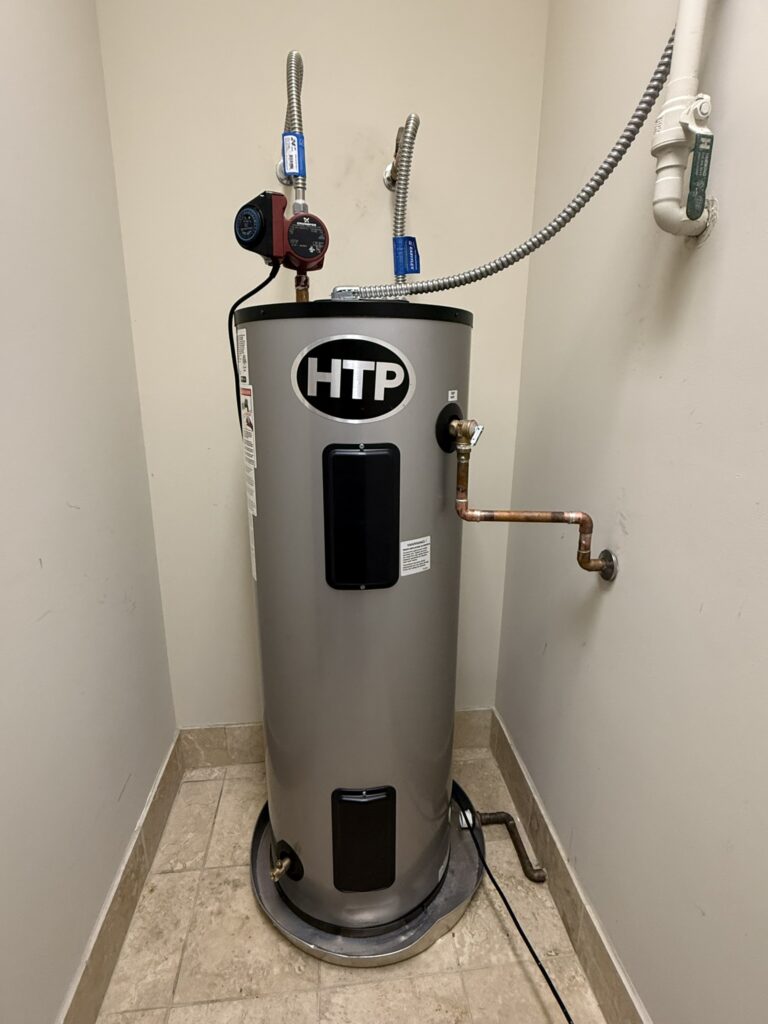
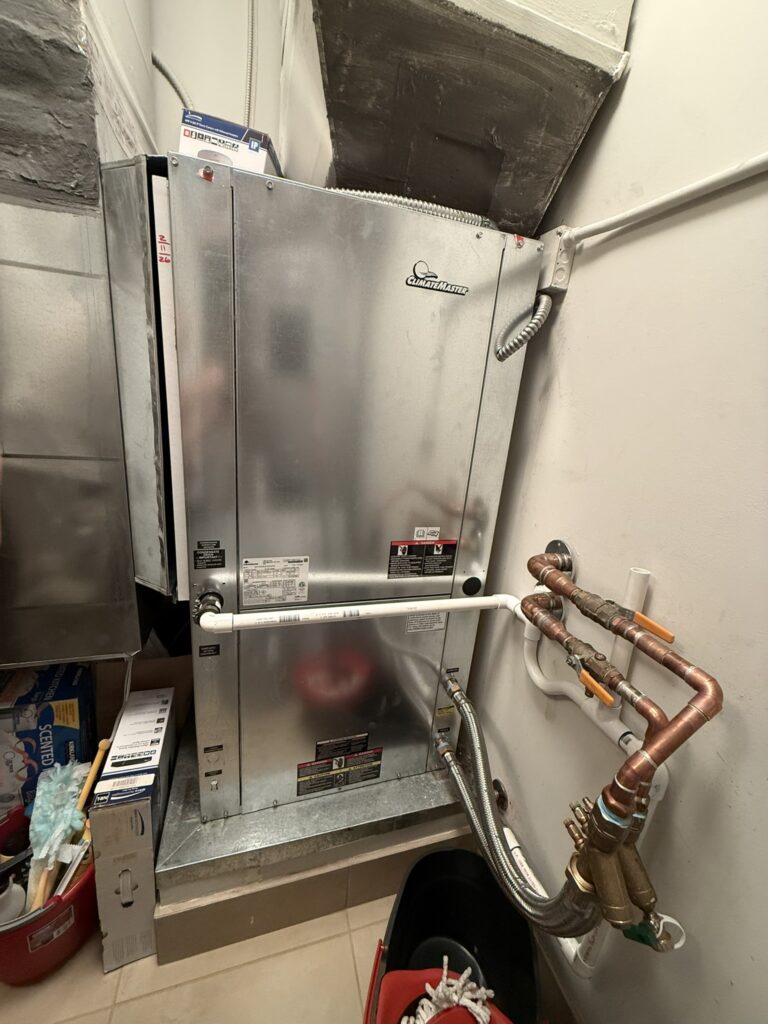
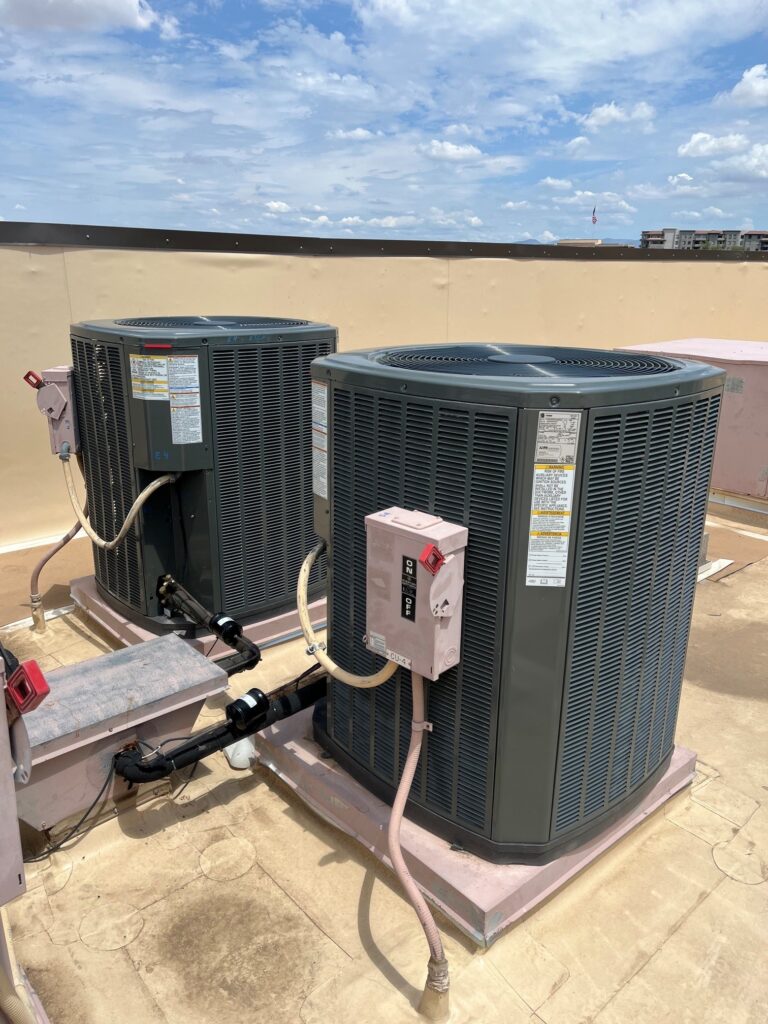
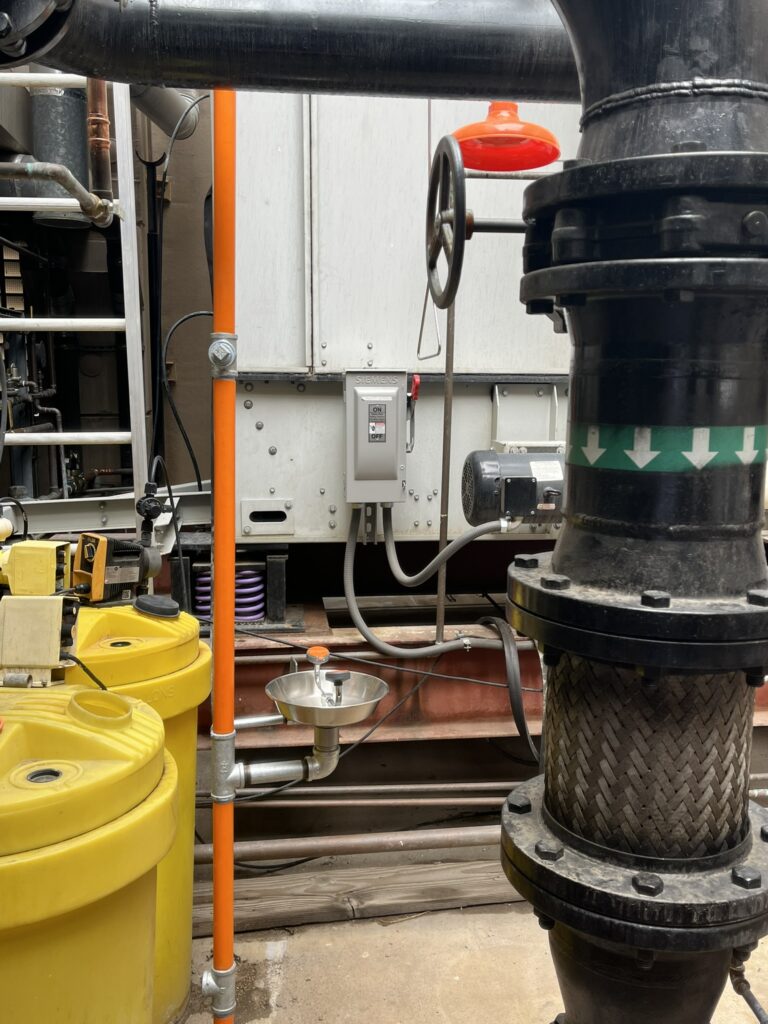
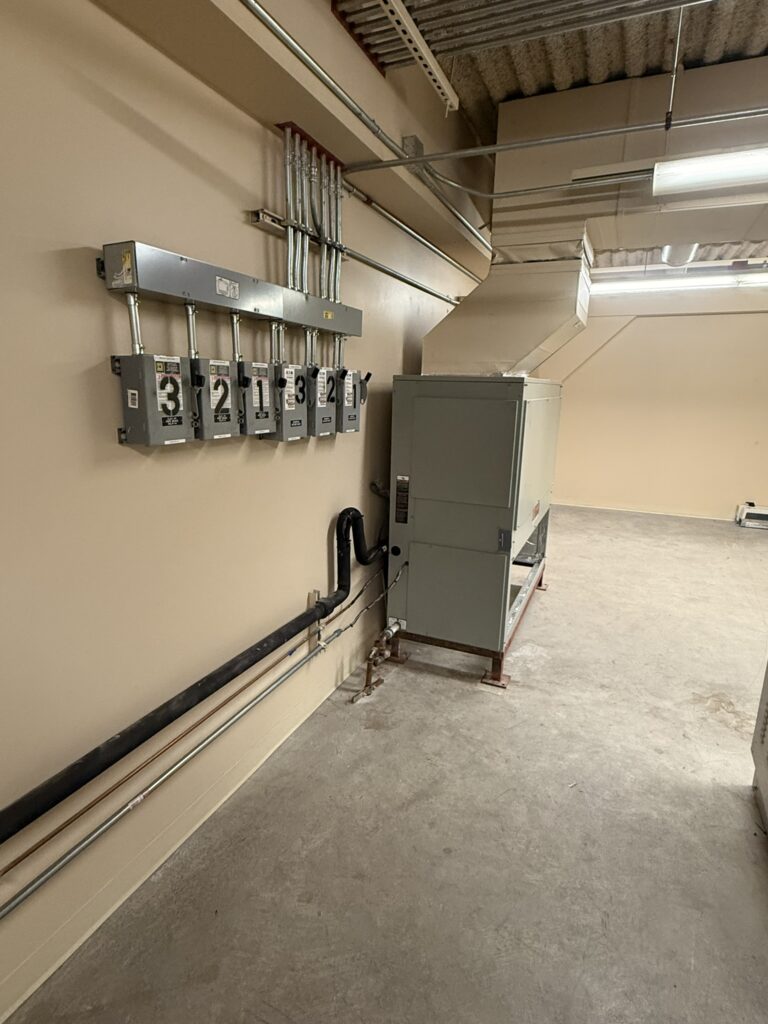
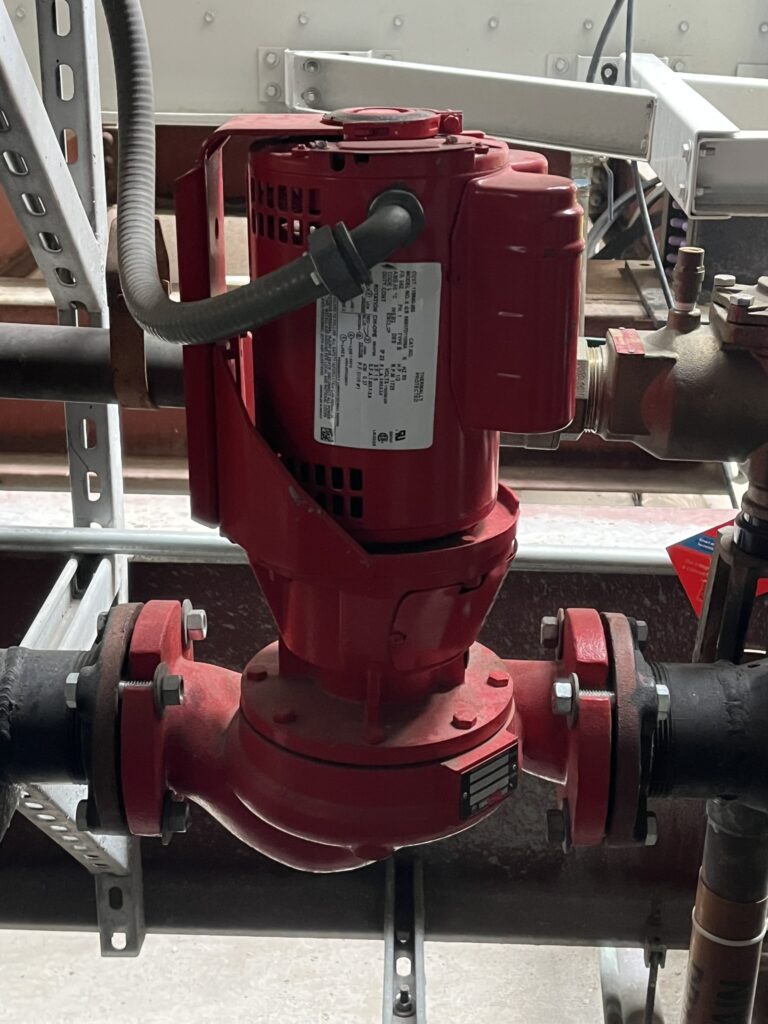
Photos from our own commercial projects across the Phoenix metro — equipment we installed, in buildings we service.
How the job typically runs.
We schedule around your room access rules first. If production, packaging, testing, or cleaning windows limit when panels can be opened, we plan the diagnostic window around that reality. Office hours are Mon-Fri 8-5, and 24/7 emergency service is available when a failed unit is threatening process continuity. Call (520) 556-8929 and we will disclose the diagnostic/service-call fee at booking. Useful booking details include the affected room, equipment type, current symptom, access limitations, and whether the space is drifting in temperature, humidity, airflow, or pressure behavior.
On site, we do not treat the room like a normal office complaint. We check the serving equipment, air paths, filters, controls, drains, safeties, temperature split, static pressure where accessible, and obvious pressurization conflicts. If the issue involves certification, classification, or regulatory interpretation, we stay in our lane and coordinate around your cleanroom certifier or quality consultant. We are looking for mechanical causes: restricted airflow, dirty coils, weak motors, control faults, failed components, poor sensor placement, drain problems, and equipment that has been pushed beyond its current use.
After the in-person look, we provide a flat-rate written quote with the scope documented in writing. The diagnostic/service-call fee is credited when approved work moves forward. Repair parts carry a 1-year manufacturer parts warranty, and our workmanship is backed by a 2-year written workmanship warranty. If immediate repair and longer-term planning are both relevant, we separate those items so operations can decide what must happen now and what can be scheduled around production.
- 01 Booking, with the diagnostic fee disclosed
- 02 In-person diagnosis with real readings
- 03 Written flat-rate quote before work begins
- 04 The work: repair, install, or maintenance
- 05 Startup, documentation, and warranty handoff
San Tan Valley is in Pinal County, and much of it is unincorporated. For HVAC replacements, electrical changes, curb changes, or other permit-triggering work, the path is typically through Pinal County rather than a city counter. Utility coordination should be based on the actual service provider: SRP, not APS. That matters when equipment sizing, disconnects, service capacity, and shutdown windows are part of the job. It also matters when a controlled room sits inside a tenant improvement, because a small room change can involve roof access, condensate routing, electrical isolation, controls, or equipment support.
Yeti Pros is AZ ROC #363372 · ROC #363423. We document HVAC findings and completed scope, but we do not certify cleanrooms or provide legal/code opinions. We can provide equipment information, written scopes, access notes, observed conditions, and completion details for your project file. For Arizona workmanship standards, see the ROC document here: minimum workmanship standards.
Pricing, financing & the 10% military & first responder discount.
Cleanroom HVAC pricing in San Tan Valley is driven by access, filtration load, static pressure problems, rooftop or attic conditions, controls complexity, required shutdown timing, and whether the existing equipment was designed for the room's current use. A simple blower or control repair is a different scope than replacing a package unit that serves a controlled space with pressure relationships and documented operating limits. The same is true when a room-side filtration problem is actually exposing a weak fan, dirty coil, undersized return, or control sequence that cannot hold up during summer load.
We give flat-rate written quotes after an in-person look, with scopes documented in writing. Financing is available. Yeti Pros also offers a 10% military, veteran & first responder discount; details are here: military discount. We are veteran-owned & operated, and we come to your San Tan Valley site rather than asking you to bring the problem to an office. Our written quote is meant to be useful to ownership, operations, facilities, and quality teams without overstating what HVAC service can certify.
- 01 Flat-rate written quote after an in-person look
- 02 Diagnostic fee disclosed at booking, credited to the repair
- 03 Financing available on replacements
- 04 2-year workmanship warranty; 1-year manufacturer parts warranty
- 05 10% military, veteran & first responder discount
Why a licensed HVAC contractor matters.
FAQs: HVAC for Cleanrooms in San Tan Valley, AZ.
Do you certify cleanrooms in San Tan Valley?
No. We service and document HVAC systems that support cleanrooms and controlled-process rooms, but we do not certify cleanrooms, assign classifications, issue health-code rulings, or provide legal advice. If your room needs third-party validation, we work around that provider's requirements and focus on the mechanical side: airflow, cooling, heating, filtration load, controls, and equipment reliability. Our documentation supports the HVAC service record; it does not replace your validation process.
Can you work on a small cleanroom inside a flex suite or office buildout?
Yes. That is common in San Tan Valley because the area has more small-format commercial and service buildings than heavy industrial campuses. We inspect the actual serving equipment and room conditions instead of assuming the base building was designed for cleanroom duty. If the room was added after the original buildout, we look closely at returns, fan capacity, filtration load, controls, drains, sensor placement, and whether adjacent spaces are affecting temperature or pressure behavior.
What utilities should we plan around for HVAC work in San Tan Valley?
San Tan Valley commercial sites are typically served by SRP, not APS. The right utility matters for electrical coordination, service capacity questions, shutdown timing, and equipment replacement planning. During the site visit, we confirm what is present at the property and include relevant access or coordination issues in the written scope. That is especially important when controlled-room work has to be scheduled around production, testing, cleaning, or quality windows.
Can you respond after hours if our controlled room is drifting?
Yes. Our office hours are Mon-Fri 8-5, and we provide 24/7 emergency service. Call (520) 556-8929. We disclose the diagnostic/service-call fee at booking, then credit it when approved work moves forward. For cleanroom-related calls, we focus first on stabilizing the mechanical system and documenting what changed. If the issue points to certification, validation, or process acceptance, we keep that separate from the HVAC repair scope.
Do cleanroom HVAC replacements need Pinal County permits?
They may, depending on the scope. San Tan Valley is in Pinal County, and much of it is unincorporated, so permit handling generally goes through Pinal County rather than a city department. Equipment replacement, electrical changes, curb work, or duct modifications can trigger different requirements. We identify permit-related items during the quote process and document the mechanical scope, access conditions, equipment information, and coordination items that affect the work.
What warranties apply to cleanroom HVAC repair work?
Yeti Pros provides a 2-year written workmanship warranty. Repair parts carry a 1-year manufacturer parts warranty. Those warranties cover the HVAC work we perform; they do not replace cleanroom certification, validation, or process acceptance by your quality team. We keep scopes and completed work documented in writing so the service record is clear. That record can help facilities, operations, and quality teams understand what was repaired and what still belongs to validation or process review.
Every major brand, serviced and installed.





Phoenix metro: Most days a tech is already working somewhere in the Valley, so same-day appointments happen when the schedule allows. After-hours emergencies are dispatched when a licensed tech is available — a real person answers and tells you the ETA on the call.
Call (520) 556-8929Request an estimate.
No pressure, no door knockers. We look at the HVAC system, tell you what it needs (and what it doesn’t), and put the number in writing.
Need cleanrooms in San Tan Valley? A real person answers.
Other services we run in San Tan Valley.
Cleanrooms in nearby cities.
Looking for something else nearby? All HVAC services in San Tan Valley