
Mesa
Kitchen Exhaust Cleaning in Mesa, AZ.
- (520) 556-8929
- Serving the entire Phoenix metro — we come to you
- Office: Mon–Fri 8:00 AM – 5:00 PM · 24/7 emergency service
- 2-year workmanship warranty · 1-year parts warranty
- Veteran-owned & operated · residential + commercial
- 23 five-star Google reviews
Mesa runs the widest mix of commercial kitchens in the East Valley, and most of them sit on top of buildings that have been baking in the sun since the 1980s. Behind the older retail strips on Main Street, inside the big-box centers, in the cafeterias serving Falcon Field and Gateway aerospace shops, and across the healthcare campuses, the cooking never stopped — but the rooftop exhaust equipment above it quietly aged. Yeti Pros brings kitchen exhaust hood cleaning Mesa operators can trust to the whole system, not just the shiny hood a wipe-down crew leaves behind. We are veteran-owned and operated, licensed under ROC #363372 and ROC #363423, and a real person answers our phone around the clock. NFPA 96 — the fire standard your inspector and insurer measure your kitchen against — expects the entire exhaust path cleaned to bare metal: hood interior, filters, plenum, every foot of duct, and the fan on the roof. That is exactly the path we clean, and every visit ends with before-and-after photos, a certificate you can hand a fire marshal, and a flat-rate written quote before any repair starts. The grease we scrape from a Mesa duct is fuel; NFPA 96 exists because that film eventually finds a flame, and a lapsed cleaning record is a real liability. Mesa's aging retail and industrial kitchens often have ducts and fans that have not been truly opened in years. Tell us what you cook and when the line goes dark, and we send an EPA 608-certified technician who works overnight and leaves the kitchen cook-ready by morning. Call (520) 556-8929.
ZIPs served: 85201, 85203, 85204, 85205, 85210, 85213
What Kitchen Exhaust Cleaning covers in Mesa.
Full NFPA 96 Hood-to-Fan Cleaning
We clean the whole exhaust path to bare metal — hood interior, filters, plenum, duct, and rooftop fan — the way NFPA 96 intends. On Mesa's older strip-center kitchens, that often means opening duct nobody has truly cleaned in years, where the fire load hides above the ceiling while past crews shined only the hood.
Filter & Plenum Degreasing
Behind the baffle filters, the plenum is where grease drops out of the airstream, and on long-running Mesa kitchens it is the dirtiest chamber in the system. We pull and degrease the filters, check them for gaps, and scrape the plenum down — the step a quick wipe-down skips, leaving fuel above the cook line.
Rooftop Exhaust-Fan Service
This is where Mesa's aging buildings bite hardest. We hinge the fan open, clean the blades and housing, and inspect it like mechanics — belts, bearings, drainage, mounting — because on 80s and 90s rooftops the fan is often more worn than dirty. Anything failing comes back as a flat-rate written quote before we touch it.
Grease Containment & Hinge Kits
Overflowing containment stains and rots the roof membrane, a costly problem on Mesa's older buildings. We install and replace containment and add hinge kits to fan bases rusted shut over the decades — a small job that finally lets the fan open, making every future service faster, safer, and complete instead of scrubbed from the edge.
Before-and-After Photo Certificates
Every cleaning closes with a file: before-and-after photographs of the hood, plenum, duct, and fan, a certificate listing what was cleaned and anything unreachable, and a dated hood sticker. It is the record a Mesa fire marshal, insurer, or property manager expects on file, and the honest answer an adjuster wants after any kitchen fire.
Make-Up-Air Balance Check
A fan only exhausts what the building lets back in, and Mesa's older strip centers were built with thin make-up air. When it runs short, the kitchen goes negative — fighting doors, smoke off the hood, snuffed pilots, and cooled air dragged onto the roof in summer. As a full HVAC contractor, we diagnose and balance it.
What we see for kitchen exhaust cleaning in Mesa.
Mesa wears its age on the roof. The Main Street diners, taquerias, and family restaurants that have anchored their strips for forty years usually run original or long-overdue exhaust fans, and what we find up there is worn hardware as much as grease. Belts sit glazed hard and cracking, bearings run dry and howl, and fan bases have rusted so stiff they were never once hinged open for a proper cleaning. Underneath, the ductwork on these older buildings frequently has no access panels at all, so every crew before us cleaned the visible hood, reached an arm into the plenum, and left decades-old duct runs packed solid above the ceiling. That buried grease is the fire nobody sees coming, and it is exactly what a cheap wipe-down skips. Where a fan does hinge open, its drain is usually plugged and grease has quietly run down the curb onto the roof for years.
The building mix widens the problem across the East Valley's broadest range of kitchens. Institutional kitchens on Mesa's healthcare campuses and school-adjacent cafeterias cook moderate volume every single day, quietly loading systems deferred behind larger facility budgets. Aerospace and light-industrial break rooms near Falcon Field and Gateway are treated as afterthoughts until a rooftop unit finally quits mid-shift. In the big-box and older strip centers, make-up air was often value-engineered thin decades ago, so kitchens run negative — back doors that fight the staff, smoke curling off the hood, and pilot flames snuffing out. The desert compounds all of it: dust pulled through worn intakes cakes onto grease, one monsoon storm loads a tired fan in an afternoon, and roof-deck heat finishes off belts and bearings already past due. We also meet a lot of value-brand hoods with warped or missing baffle filters, and every missing baffle is an open lane for grease to load the plenum twice as fast. On aging Mesa equipment, the cleaning is often the visit that catches a failure before it becomes an unplanned shutdown.
- 01 Airflow and static pressure
- 02 Electrical: capacitors, contactors, draws
- 03 Refrigerant-circuit behavior
- 04 Drains, safeties, and float switches
- 05 Thermostat, controls, and cycling
- 06 Ducts, returns, and room-by-room comfort
Commercial jobs we have documented.
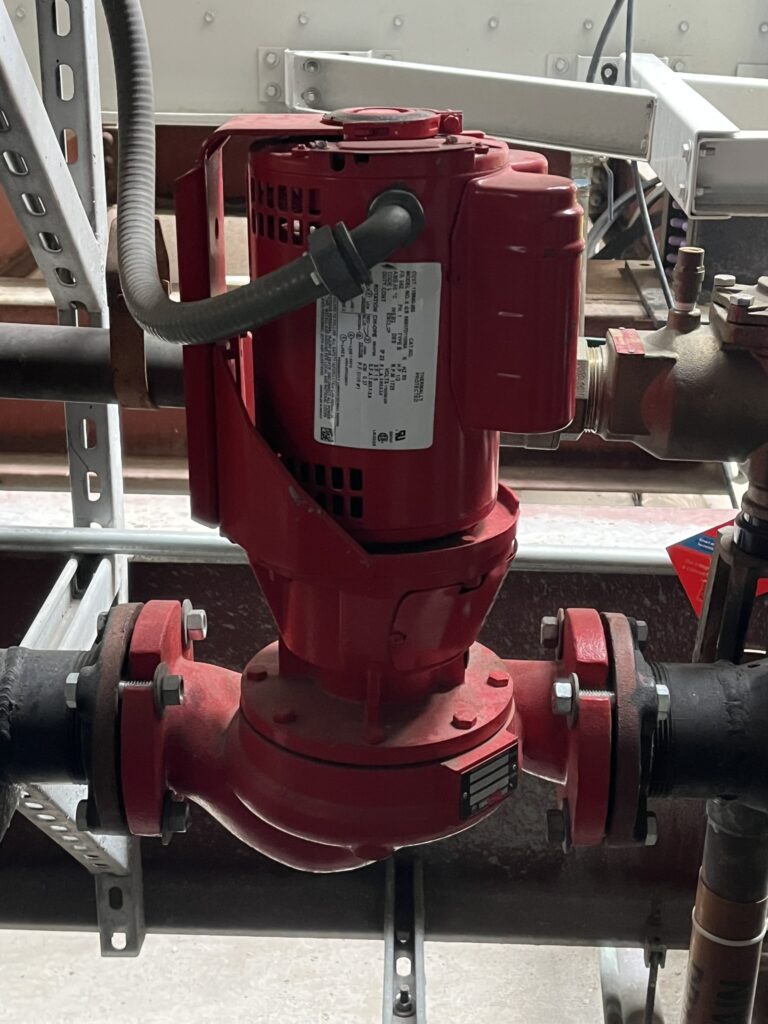
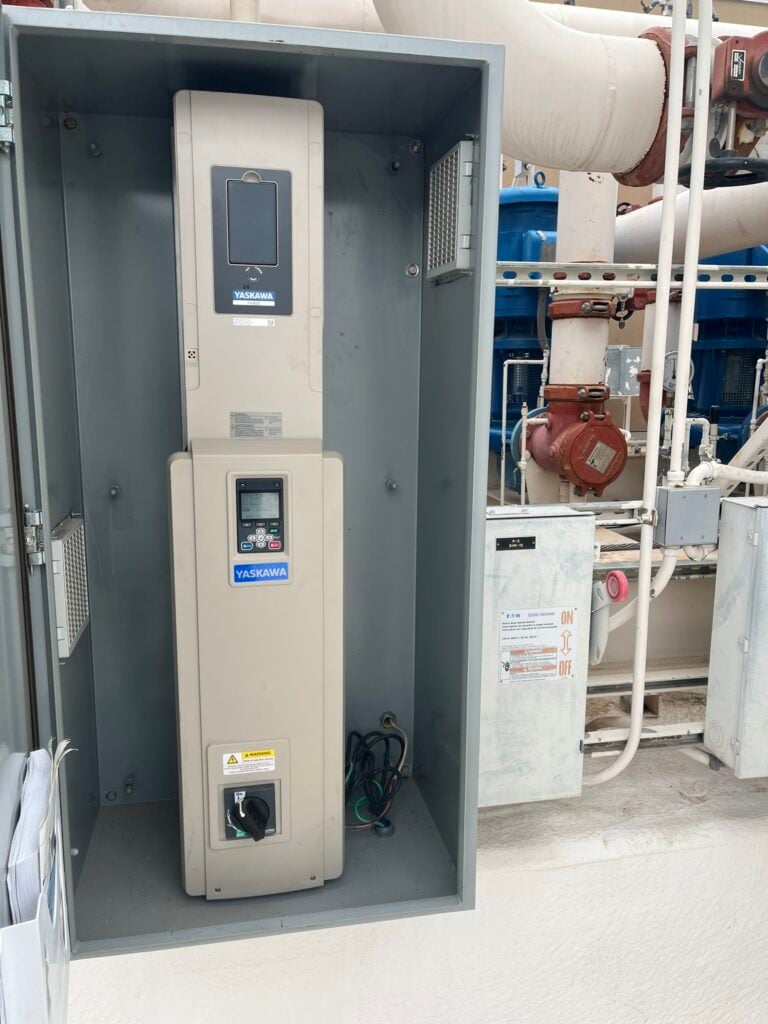
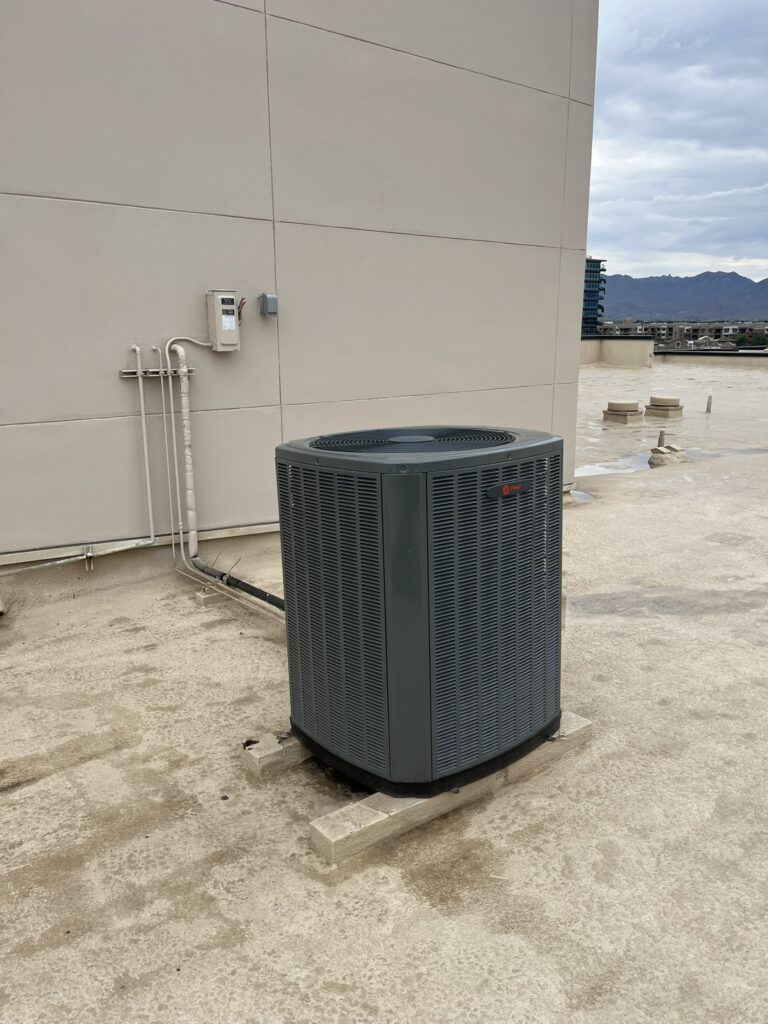
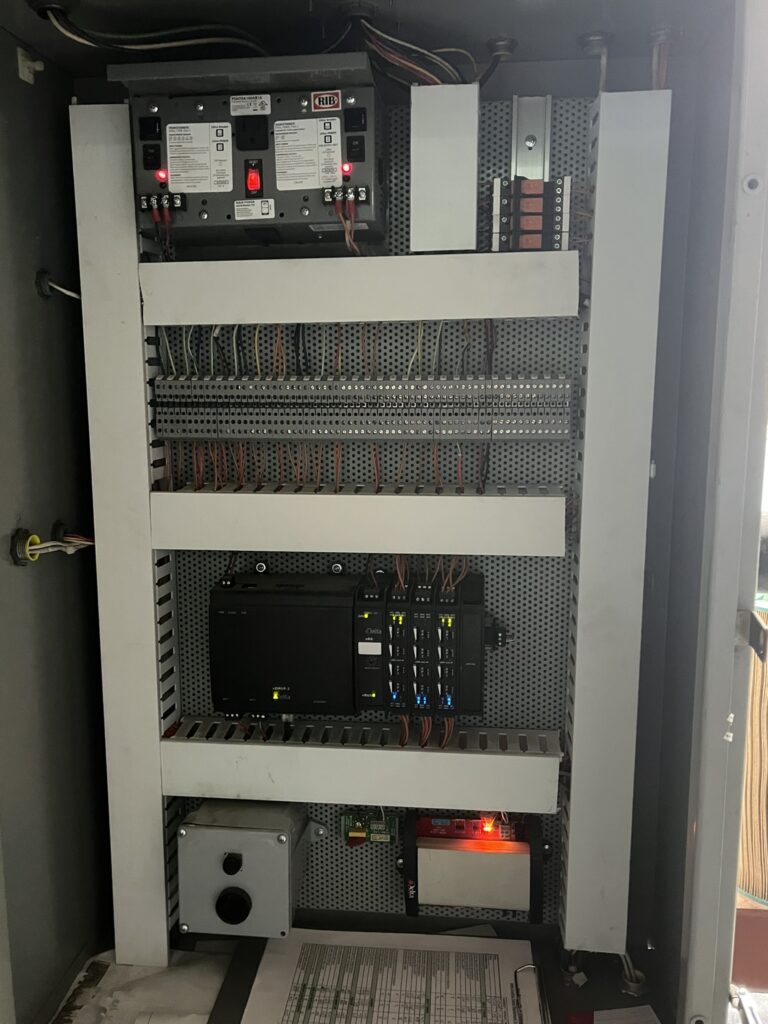
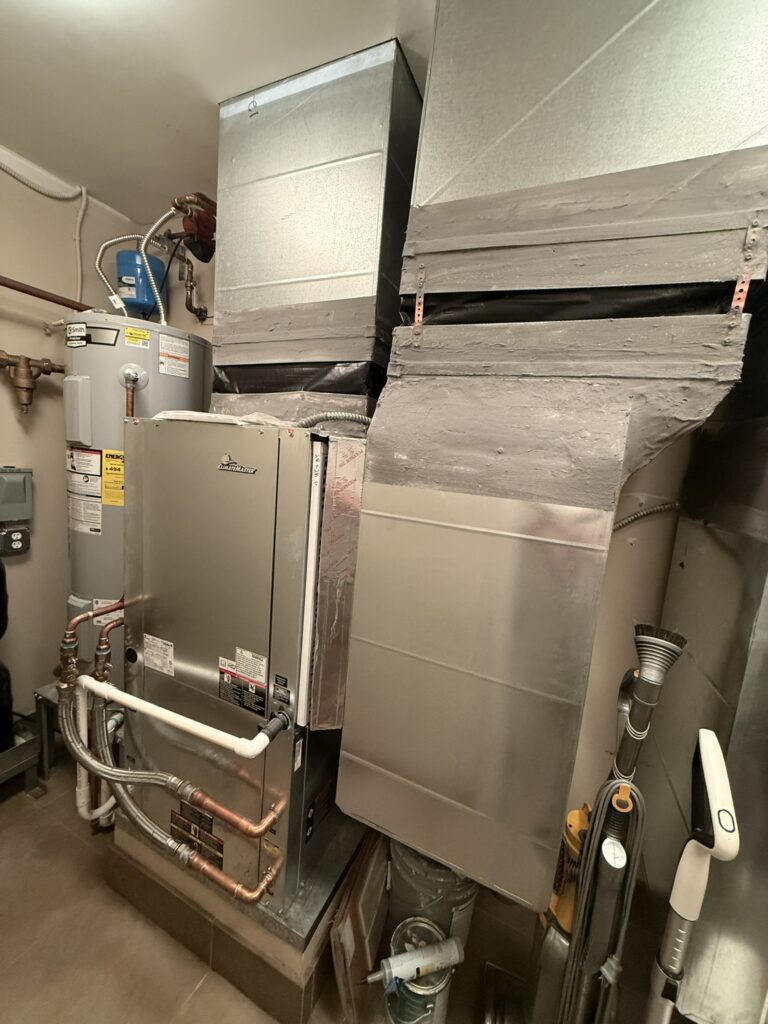
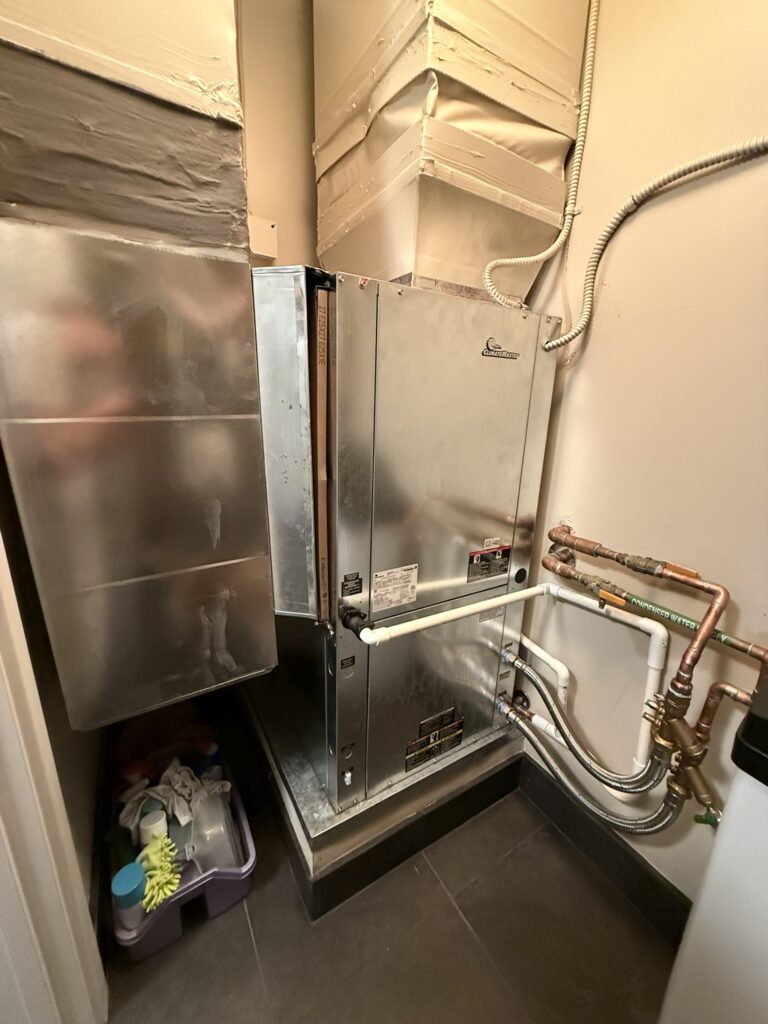
Photos from our own commercial projects across the Phoenix metro — equipment we installed, in buildings we service.
How the job typically runs.
We start by taking the guesswork out of the bill: the service-call fee is disclosed when you book and credited back against the work once you approve it. Most Mesa kitchens can't shut a line down mid-day, so we come after close or overnight, mask off the equipment, and work while the building is empty. Diagnosis comes before commitment — on older rooftop systems we open what access exists, show you the grease packed into the plenum and duct, and photograph the fan rather than just describe its condition. When the fan needs belts, bearings, or a hinge kit, or the duct needs access panels cut in, that comes back as a flat-rate written quote you approve before a wrench turns, not an hourly surprise. For an occupied building with tenants next door or patients upstairs, we keep the work contained, quiet, and clean. After cleaning we reassemble, leave the line dry and ready for morning prep, and recheck that smoke actually clears the hood. The visit closes with a documented file — photos, certificate, and a dated sticker — written so a facility manager or an off-site owner can file it. Because the same veteran-owned crew also handles commercial refrigeration, one overnight trip can clean the exhaust and check the coolers a Mesa kitchen runs alongside it. If an inspector already flagged you, that job jumps the line.
- 01 Booking, with the diagnostic fee disclosed
- 02 In-person diagnosis with real readings
- 03 Written flat-rate quote before work begins
- 04 The work: repair, install, or maintenance
- 05 Startup, documentation, and warranty handoff
A routine hood-to-fan cleaning is maintenance, so it does not pull a City of Mesa mechanical permit. That changes when the work alters the system — adding or rerouting duct, cutting access panels into an old assembly, or swapping a failed rooftop fan for a different unit can require a mechanical permit and inspection, and on Mesa's aging buildings that step comes up more than most operators expect. We file that paperwork instead of leaving it to your staff. NFPA 96 is the standard that governs commercial kitchen exhaust, and it is what your fire marshal, insurer, and landlord all reference when they ask for cleaning records, so our certificates satisfy an AHJ on sight and survive an insurer's audit. Any refrigerant work on adjacent equipment is performed and logged by EPA 608-certified technicians, as federal law requires. Arizona licenses the trade through the Registrar of Contractors, and every registered contractor answers to the state's Minimum Workmanship Standards. Our written warranty is set deliberately above that floor — the standard we stand behind, not the least the state allows.
Pricing, financing & the 10% military & first responder discount.
Every quote is flat-rate and in writing before work begins, so a Mesa operator approves a fixed number instead of watching an hourly clock run through the night. The service-call fee named at booking credits toward the job once you authorize it, and when an aging fan needs belts or bearings on the same trip, that repair lands on the same written quote rather than trickling onto the invoice later. Multi-unit restaurant groups and property managers with several Mesa locations can put their kitchens on a recurring schedule that keeps every hood compliant and predictable, and it turns emergency fan failures into a budgeted line item that protects both your compliance record and the roof a deferred cleaning quietly damages. Our pricing has to be something we can honor, so the approved number is the number you pay. One note for the owners and cooks who served: our 10% military, veteran & first responder discount applies to their own homes and residential AC, not to a commercial invoice, and we mention it because Mesa's veteran community is a large one.
- 01 Flat-rate written quote after an in-person look
- 02 Diagnostic fee disclosed at booking, credited to the repair
- 03 Financing available on replacements
- 04 2-year workmanship warranty; 1-year manufacturer parts warranty
- 05 10% military, veteran & first responder discount
Why a licensed HVAC contractor matters.
FAQs: Kitchen Exhaust Cleaning in Mesa, AZ.
Our building is from the 1980s — is the exhaust fan the real problem?
Often, yes. On Mesa's older Main Street and strip-center kitchens, the rooftop fan has usually run for decades on belts and bearings past their service life, and the base may be rusted so stiff it was never hinged open for cleaning. We give the fan a mechanic's inspection alongside the cleaning — belts, bearings, drainage, and mounting — and catch a failure before it strands you mid-shift. Anything needing work comes back as a flat-rate written quote, so you decide with a real number, not a guess.
There are no access panels on our old ductwork — can you still clean it?
Yes. Many older Mesa buildings were built with duct runs that have no access doors, which is exactly why past crews left them packed with grease. We clean everything the existing openings allow, then show you where the blind spots are and quote cutting in code-compliant access panels that make the full duct reachable — permanently. Once those panels are in, every future cleaning covers the whole path, and your certificate can honestly state the entire system was serviced rather than only the reachable parts.
How often should a Mesa restaurant schedule a hood cleaning?
NFPA 96 sets frequency by how you cook, and kitchen exhaust hood cleaning Mesa restaurants schedule accordingly. A solid-fuel or heavy charbroil line may need monthly service, a busy full-service kitchen is typically quarterly to semi-annual, and a light-duty cafe or institutional break room can run annually. A moderate-volume Main Street diner usually lands around semi-annual. We confirm your exact interval by measuring the grease actually in the duct on the first visit, so you stay compliant and never pay for cleanings your kitchen doesn't warrant.
Can you handle a healthcare campus or school cafeteria kitchen?
We do regularly. Institutional kitchens on Mesa's healthcare and education campuses cook every day, which loads the system steadily even at moderate volume, and they usually need work scheduled around meal service and tight security. We clean overnight or between service periods, keep the area masked and clean, and deliver the full documentation package your facilities and compliance teams need on file. The same crew can sequence multiple kitchens on one campus so nothing falls behind a bigger maintenance budget and turns into an inspection finding.
Will the cleaning cost us any open hours?
No. We schedule the wet, loud work for after close or overnight, mask off the equipment, and leave the line dry, reassembled, and ready for the morning crew. Your Mesa kitchen never loses a service to us. If your building runs an unusual schedule — a hospital cafeteria, a 24-hour operation, or a shared-tenant center — we build the visit around the window that costs you the least, and we sequence a group's locations so no single manager has to track the dates on a busy calendar.
What documentation do we get, and who actually needs it?
You get before-and-after photos of the hood, plenum, duct, and fan; a certificate of performance recording the date, the areas cleaned, and anything inaccessible; and a dated hood sticker. Three parties want it: your fire marshal on a routine inspection, your insurer when they audit or process a claim, and often your landlord as a lease condition. After a fire, the first question an adjuster asks is when the exhaust system was last professionally cleaned — so we make yours specific, dated, and provable on demand.
Every major brand, serviced and installed.



Phoenix metro: Most days a tech is already working somewhere in the Valley, so same-day appointments happen when the schedule allows. After-hours emergencies are dispatched when a licensed tech is available — a real person answers and tells you the ETA on the call.
Call (520) 556-8929Request an estimate.
No pressure, no door knockers. We look at the HVAC system, tell you what it needs (and what it doesn’t), and put the number in writing.
Need kitchen exhaust cleaning in Mesa? A real person answers.
Other services we run in Mesa.
Kitchen Exhaust Cleaning in nearby cities.
Looking for something else nearby? All HVAC services in Mesa