
Apache Junction
Walk-In Cooler Repair in Apache Junction, AZ.
- (520) 556-8929
- Serving the entire Phoenix metro — we come to you
- Office: Mon–Fri 8:00 AM – 5:00 PM · 24/7 emergency service
- 2-year workmanship warranty · 1-year parts warranty
- Veteran-owned & operated · residential + commercial
- 23 five-star Google reviews
Apache Junction operators need a cold box protected and a clear record, but the contractor’s role ends at repair documentation, not product or reopening decisions. In Apache Junction, walk in cooler repair has to be clear about that line from the first visit. A drifting box behind a restaurant near Apache Trail, a resort clubhouse cooler loaded for weekend service, or a small market walk-in packed for winter visitors can become a business problem before anyone sees a dramatic failure. The door may be sweating, the evaporator may be iced, the condenser may be buried in dust, or the controller may be reading a cleaner story than the product tells. At the foot of the Superstitions, many businesses run practical kitchens and compact storage rooms, so airflow, door discipline, and maintenance habits matter as much as the failed part. Yeti Pros is veteran-owned, licensed under AZ ROC #363372 · ROC #363423. If your walk-in is losing temperature or confidence, call (520) 556-8929.
ZIPs served: 85119, 85120
What Walk-In Cooler Repair covers in Apache Junction.
Temperature-loss diagnosis
We diagnose walk-ins that are warming, slow to recover, short-cycling, or showing different temperatures across the box. The visit looks at mechanical components, airflow, controls, door behavior, and actual site conditions before quoting repair.
Evaporator and fan repair
Iced coils, failed evaporator fans, blocked airflow, and defrost issues can make a walk-in lose capacity quickly. We evaluate the evaporator assembly and related controls, then provide a written repair scope.
Condensing-unit service
Dust, heat, electrical wear, and long run times can stress outdoor or rooftop condensing units. We check coil condition, electrical components, compressor symptoms, fan operation, and operating behavior in context.
Door and gasket issues
Air leaks can create icing, sweating, long run times, and product-temperature complaints. We evaluate gaskets, hinges, closers, thresholds, and user patterns so the repair addresses the load entering the box.
Drain and icing corrections
Drain restrictions, defrost faults, and airflow problems often show up as ice, water, or uneven cooling. We trace the cause and explain whether the issue is mechanical, maintenance-related, or tied to use.
Walk-in maintenance plans
Preventive maintenance keeps coils, fans, drains, gaskets, controls, and condensing units on a documented schedule. For Apache Junction food operators, that record supports planning before summer heat and seasonal volume.
What we see for walk-in cooler repair in Apache Junction.
Walk-in cooler problems in Apache Junction often show up as a few degrees of drift before they become a shutdown. Staff may notice softer product, sweating walls, a fan that sounds different, ice on the coil, water near the threshold, or a controller that no longer matches a separate thermometer. In restaurants and small groceries, that gap matters. A walk-in is not just storage; it is the backstop for prep, purchasing, menu planning, and health practices. When it becomes unreliable, the business starts making decisions under pressure.
The local building mix creates real service patterns. Older commercial kitchens, rural service properties, RV resort facilities, and small retail spaces often have walk-ins that were fitted into available space rather than designed into a large modern back-of-house plan. Condensing units may sit where dust collects. Doors may open directly into hot prep areas. Drain lines may be exposed to abuse. Panels and gaskets may be old enough that air leakage is part of the load. In those settings, replacing one component without understanding the room can lead to repeat calls.
Common failures include iced evaporators, failed fans, dirty coils, bad defrost controls, damaged door gaskets, clogged drains, electrical faults, contactor or relay problems, refrigerant-side symptoms, and compressors running beyond a reasonable duty cycle. Sometimes the walk-in is not broken so much as overwhelmed by use: hot product loaded in bulk, doors propped open during deliveries, or shelving blocking airflow. We separate mechanical failure from operating load because the right repair depends on that distinction.
Documentation is especially important for walk-ins. The manager on duty may need repair notes for an owner, landlord, corporate office, health file, or insurance discussion. We document what we observed and what we repaired, but we do not decide whether food is safe, whether a health inspector will accept a record, or whether an insurer will approve a claim. That boundary is not evasive; it keeps the service honest. We fix the equipment, verify operation as conditions allow, and leave the operator with usable facts.
- 01 Airflow and static pressure
- 02 Electrical: capacitors, contactors, draws
- 03 Refrigerant-circuit behavior
- 04 Drains, safeties, and float switches
- 05 Thermostat, controls, and cycling
- 06 Ducts, returns, and room-by-room comfort
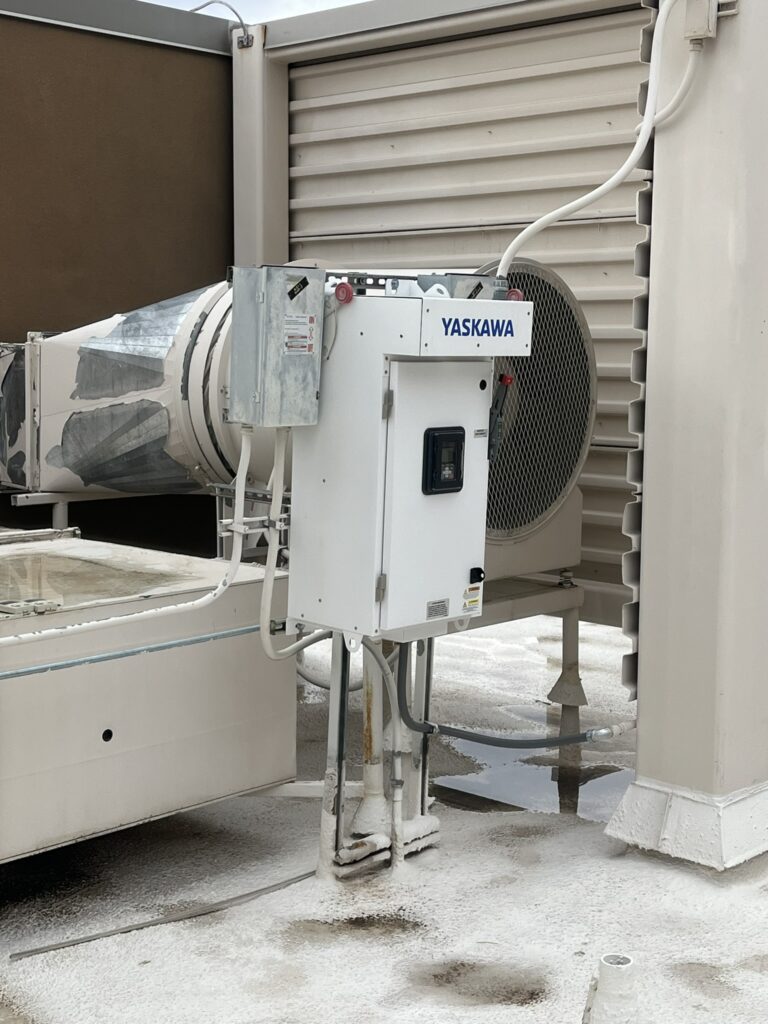
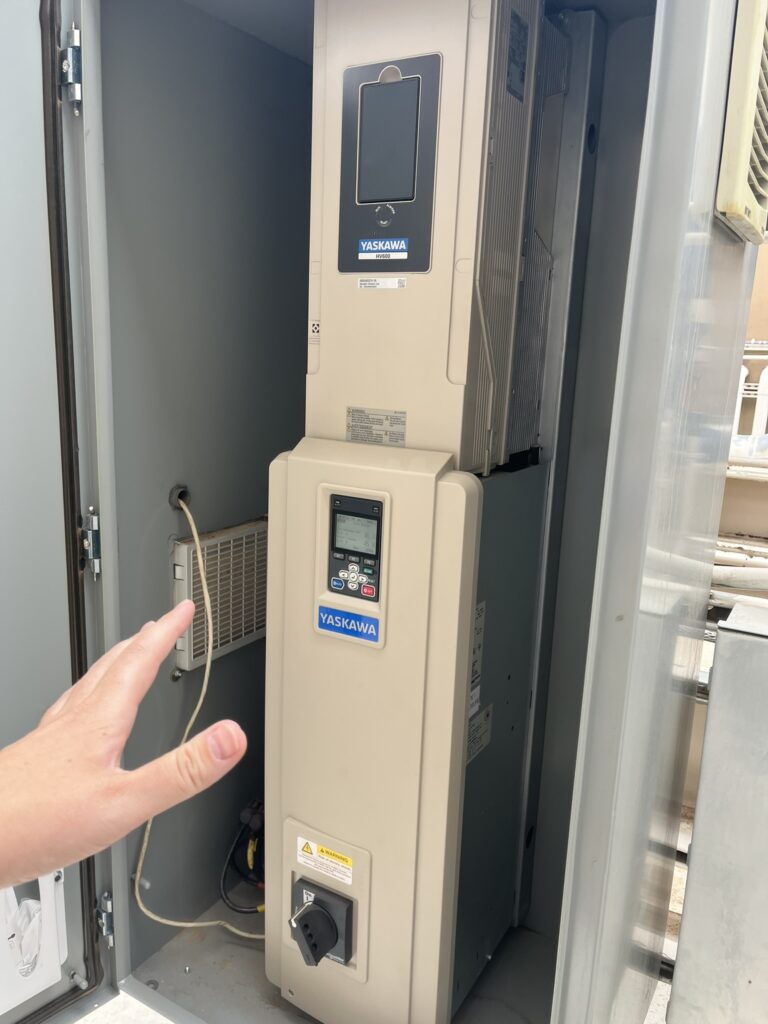
Commercial jobs we have documented.
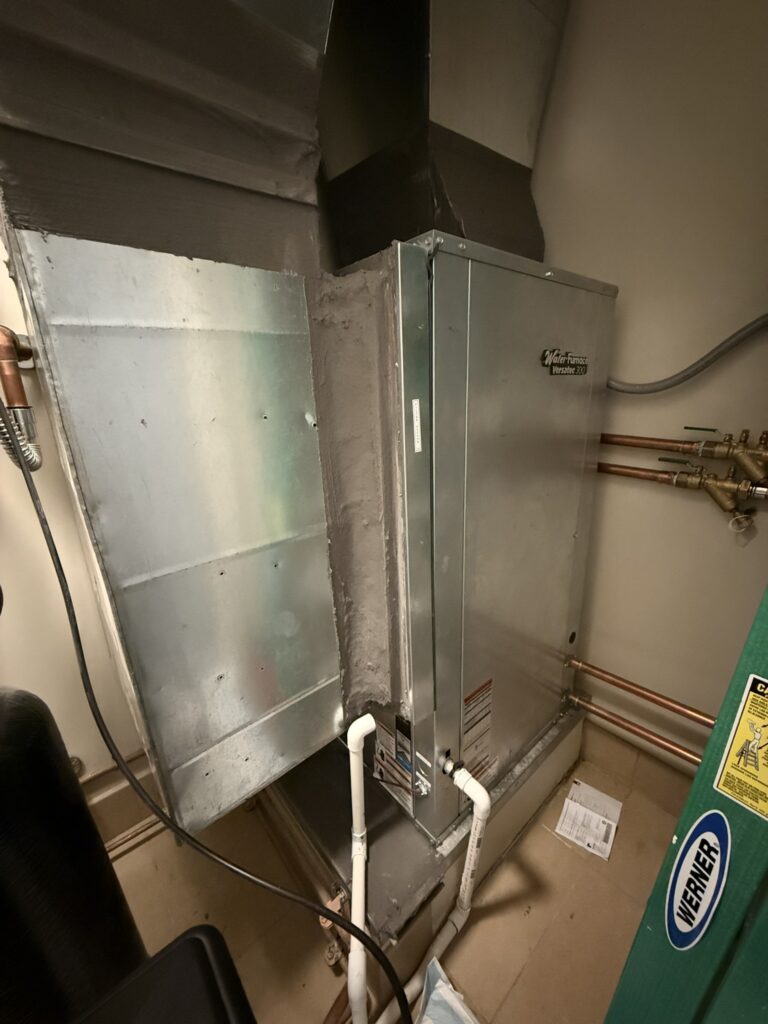
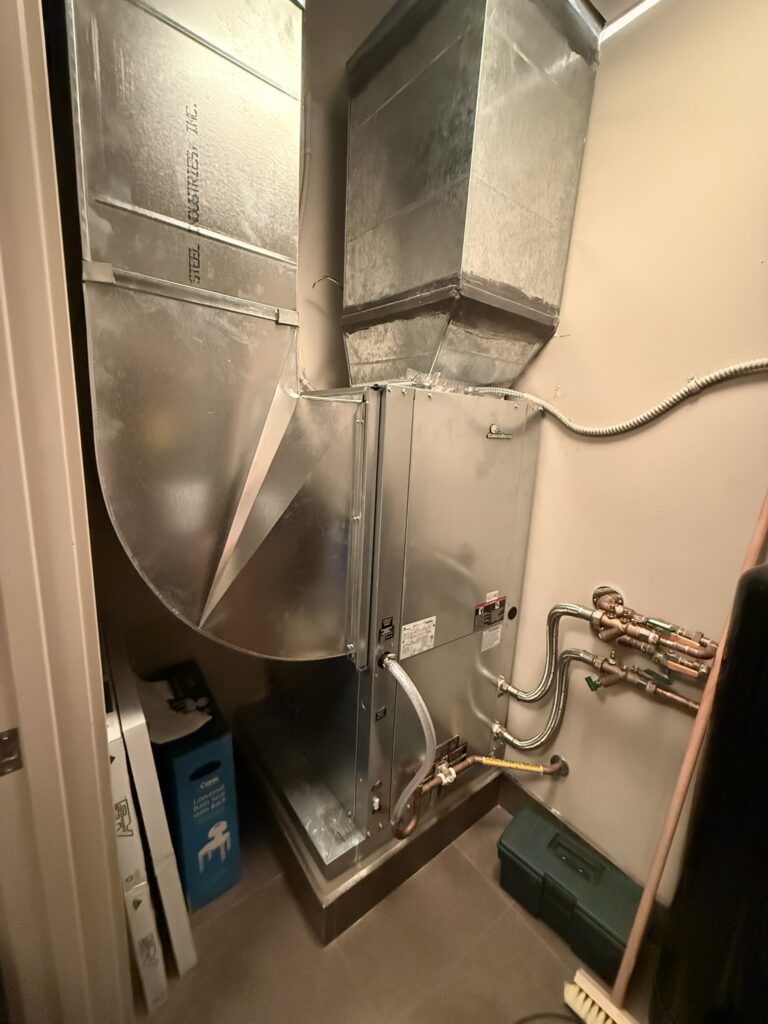
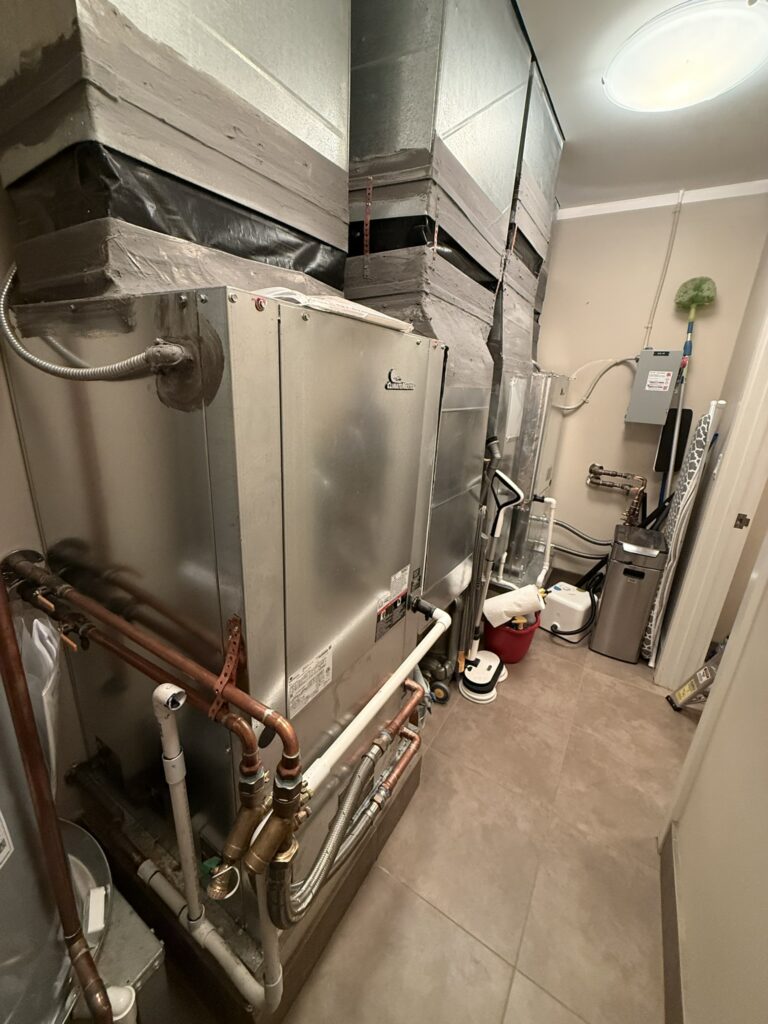
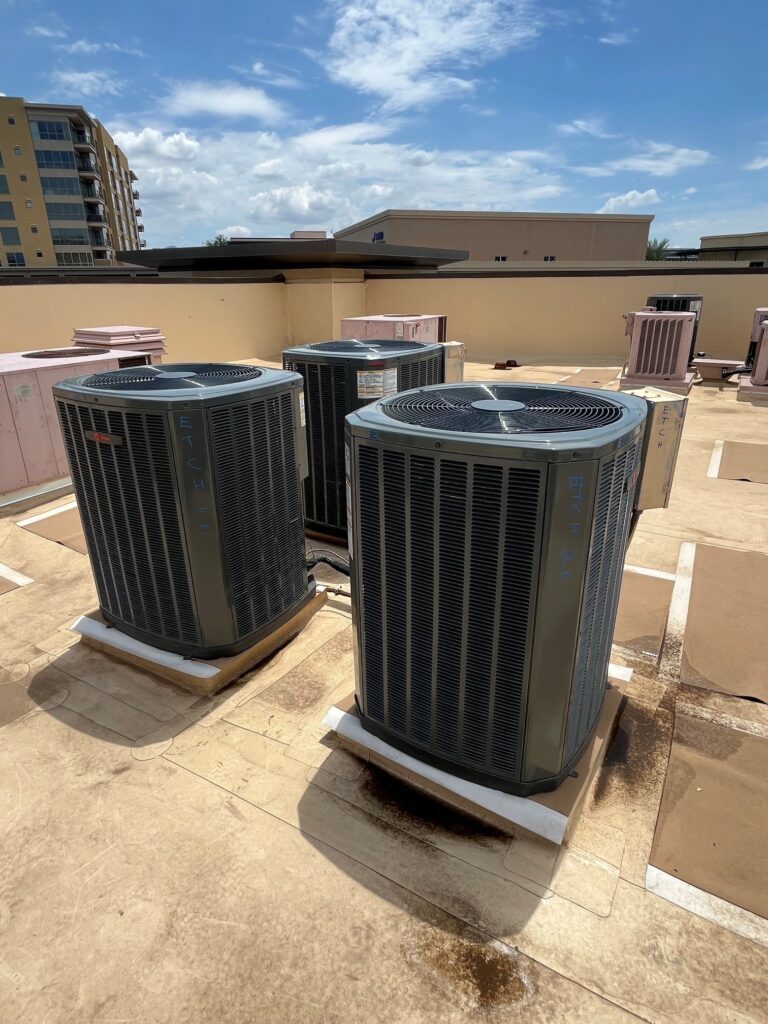
Photos from our own commercial projects across the Phoenix metro — equipment we installed, in buildings we service.
How the job typically runs.
When you call for walk-in service, we ask whether the box is a cooler or freezer, what temperature it is showing, what product is inside, how long the issue has been happening, and whether the door, coil, drain, or condensing unit shows visible symptoms. We disclose the diagnostic or service-call fee at booking and credit it toward approved repair work. We are a service-area business, so we come to you.
On site, the technician evaluates the walk-in as a system. That means checking the evaporator, fans, coil condition, defrost behavior, controller, electrical components, door closure, gaskets, drain, condenser, airflow, and operating environment. Where refrigeration-side diagnosis is needed, we evaluate symptoms in context rather than treating pressure or temperature readings as standalone answers.
After the in-person diagnosis, we provide a flat-rate written quote before work begins. The quoted number is what you pay unless we find something and stop to re-quote. Once approved work is complete, we test operation as much as the situation allows and document the findings. Office hours are Monday through Friday, 8-5, with 24/7 emergency service for walk-in failures that cannot wait.
- 01 Booking, with the diagnostic fee disclosed
- 02 In-person diagnosis with real readings
- 03 Written flat-rate quote before work begins
- 04 The work: repair, install, or maintenance
- 05 Startup, documentation, and warranty handoff
Most walk-in cooler repairs are service work, but some scopes can trigger additional requirements. Replacing a condensing unit, changing electrical circuits, altering penetrations, modifying rooftop equipment, replacing panels, or moving refrigeration components may require permits or inspection through Apache Junction, Pinal County, Maricopa County where applicable, or the property authority. Food businesses also remain responsible for temperature logs, product disposition, health-department requirements, insurance reporting, and internal operating procedures.
Yeti Pros performs its work to code and pulls the permits and inspections our own scope requires. Landlord or lease approvals, insurance decisions, and building-wide operational compliance stay with the property owner or operator — but licensed, code-compliant workmanship on what we install or repair is on us. Those still belong to the operator. We do provide licensed workmanship and a written repair record. Arizona's Registrar of Contractors publishes the Minimum Workmanship Standards, and our written workmanship warranty is framed to meet or exceed that minimum without overstating what a service visit can control.
Pricing, financing & the 10% military & first responder discount.
Walk-in repair pricing depends on whether the failure involves fans, controls, defrost, door hardware, gaskets, drains, electrical components, the condensing unit, refrigerant-side conditions, or the box itself. Access, equipment age, product load, and site conditions all matter. We disclose the diagnostic or service-call fee at booking and credit it toward approved repair work. After we see the equipment, you receive a flat-rate written quote. The quoted number is what you pay unless we find something and stop to re-quote.
Financing is available for qualifying larger repairs or replacement planning. Yeti Pros offers a 10% military, veteran & first responder discount, with discount applicability explained before approval. For Apache Junction operators, the lowest guessed price is rarely useful when product is sitting in the box. A clear diagnosis, written scope, and practical maintenance recommendation usually save more than a vague repair that leaves the same walk-in drifting again next week.
- 01 Flat-rate written quote after an in-person look
- 02 Diagnostic fee disclosed at booking, credited to the repair
- 03 Financing available on replacements
- 04 2-year workmanship warranty; 1-year manufacturer parts warranty
- 05 10% military, veteran & first responder discount
Why a licensed HVAC contractor matters.
FAQs: Walk-In Cooler Repair in Apache Junction, AZ.
Can you help if our walk-in cooler is above temperature?
Yes. We provide 24/7 emergency service for walk-in cooler failures and triage the call based on product risk, temperature movement, access, and business impact. When you call, we ask what the box is reading, how long the issue has been happening, whether the evaporator is iced, whether fans are running, and whether the door or drain shows obvious symptoms. We disclose the service-call fee at booking, credit it toward approved repair, and focus on diagnosing the cause rather than simply resetting the controller.
Will you certify that the food in our walk-in is safe?
No. Yeti Pros repairs and documents the walk-in equipment, but food-safety decisions stay with the operator. Your business is responsible for temperature logs, product handling, health-department requirements, insurance reporting, and internal policies. We can document equipment findings, repair work, observed temperatures where practical, and recommendations after service. That information can support your decision-making, but it is not a guarantee that product is safe, that an inspection will pass, or that an insurer will accept a claim.
Why does our walk-in keep icing up?
Walk-in icing can come from failed or mis-set defrost controls, weak evaporator fans, low airflow, door leaks, damaged gaskets, clogged drains, refrigeration-side issues, or staff loading hot product and leaving the door open during busy periods. Apache Junction dust and heat add stress because coils and condensers work harder. We inspect the evaporator, door, drain, controls, condenser, and use pattern before recommending repair. Melting the ice without finding the cause usually creates the same problem again.
Do you repair walk-in freezers too?
Yes, when the equipment and scope fit the service call. Walk-in freezers have similar system pieces but different temperature, defrost, door, and product-risk concerns. Ice buildup, door heaters, controls, drains, fans, and condensing-unit performance can all affect operation. We identify the equipment, diagnose the fault, and provide a written quote before approved work begins. If the issue points to major replacement, structural box problems, or work requiring additional permitting, we explain that before the scope changes.
Can a maintenance agreement reduce walk-in emergencies?
Yes, especially for businesses that depend on one walk-in for most of their inventory. Maintenance cannot eliminate every failure, but it catches preventable issues: dirty coils, weak fans, bad gaskets, drain restrictions, electrical wear, poor airflow, and controls that are drifting. In Apache Junction, scheduled checks are useful before long summer heat and before winter-visitor traffic increases volume. A written agreement also gives owners, landlords, or facility managers a documented record instead of relying on memory after a failure.
What should staff do while waiting for walk-in repair?
Follow your food-safety procedures first. Keep the door closed as much as possible, avoid loading warm product, note displayed and independent thermometer readings, and preserve your temperature logs. If there is an electrical hazard, active leak, unusual odor, or unsafe condition, follow site safety procedures and utility or emergency guidance as appropriate. We can advise on equipment access when you book, but product movement, disposal, and compliance decisions belong to the operator. Our role is to diagnose, repair, and document the equipment.
Every major brand, serviced and installed.




Phoenix metro: Most days a tech is already working somewhere in the Valley, so same-day appointments happen when the schedule allows. After-hours emergencies are dispatched when a licensed tech is available — a real person answers and tells you the ETA on the call.
Call (520) 556-8929Request an estimate.
No pressure, no door knockers. We look at the HVAC system, tell you what it needs (and what it doesn’t), and put the number in writing.
Need walk-in cooler repair in Apache Junction? A real person answers.
Other services we run in Apache Junction.
Walk-In Cooler Repair in nearby cities.
Looking for something else nearby? All HVAC services in Apache Junction