
Phoenix Metro
ERV & Fresh-Air Ventilation Installation in Phoenix.
- (520) 556-8929
- Serving the entire Phoenix metro — we come to you
- Office: Mon–Fri 8:00 AM – 5:00 PM · 24/7 emergency service
- 2-year workmanship warranty · 1-year parts warranty
- Veteran-owned & operated · residential + commercial
- 23 five-star Google reviews
Residential HVAC across the Valley.
Air conditioning, heating, and cooler work at homes across the Phoenix metro.
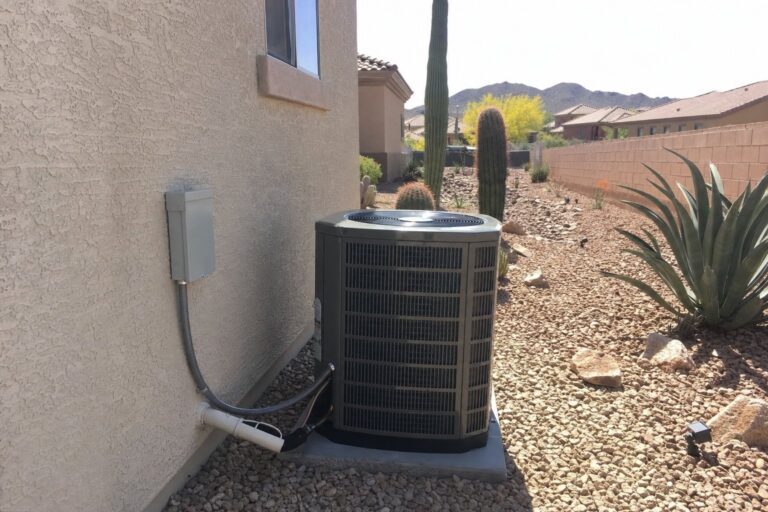
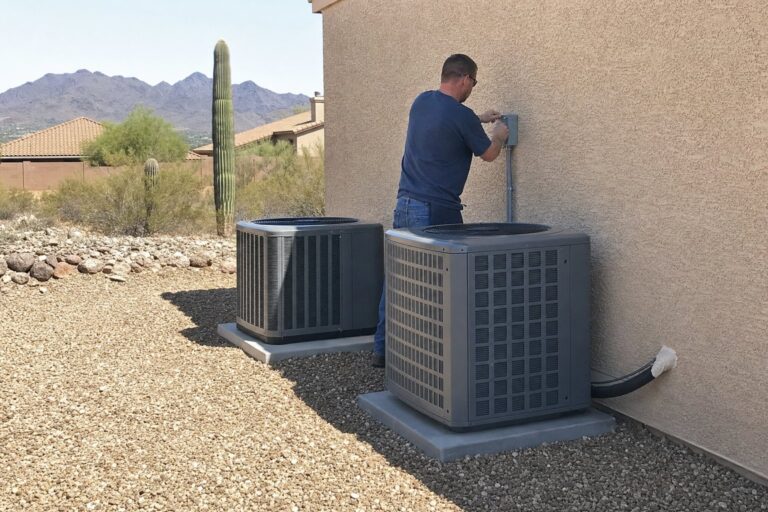
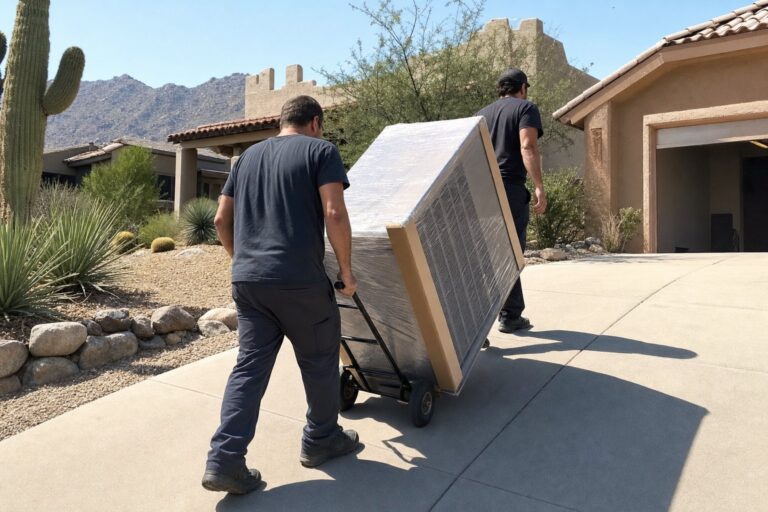
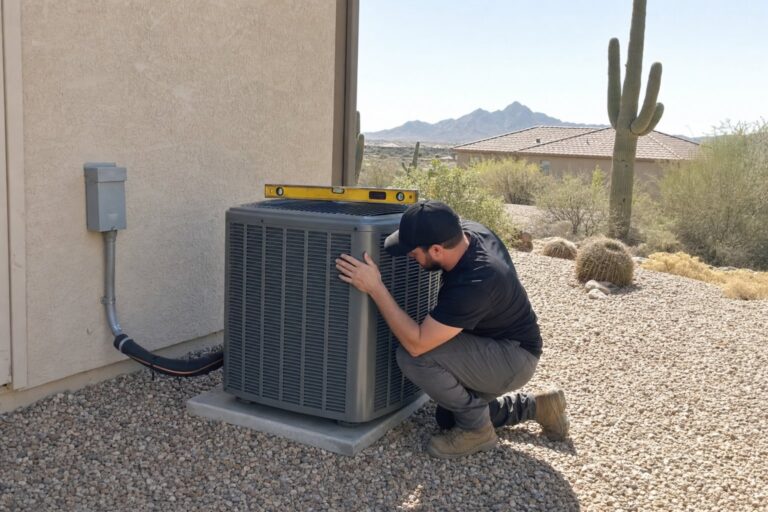
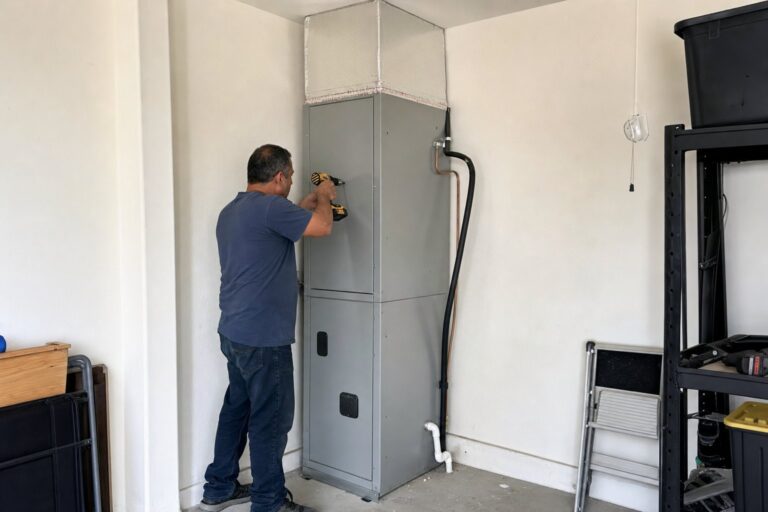
ERV installation adds a balanced fresh-air ventilation system that brings outdoor air in while exhausting stale indoor air through a heat-and-moisture exchange core.
You need it when a tight home feels stale.
You need it when odors linger.
You need it when indoor air feels heavy.
You need it when fresh air is needed without just cracking windows into dust and heat.
We verify the house, duct path, controls, and cooling impact before quoting it.
What an ERV can and cannot do here
An ERV is an energy recovery ventilator.
It exchanges indoor and outdoor air while transferring some heat and moisture between the two airstreams. In cooling-heavy Phoenix, that wording needs an honest explanation. An ERV does not make 110-degree outdoor air cold. It reduces the penalty of bringing in required or wanted fresh air compared with an open hole or uncontrolled fan. The AC still has to handle the load that remains.
Best ERV Candidates
- Tight homes, newer builds, remodeled homes with foam sealing.
- Houses with lingering odors.
- Homes where indoor air feels stale because there is little natural leakage.
When ERV May Not Be First
Older leaky homes may not need mechanical fresh air, or they may need duct sealing and filtration first.
If the complaint is dust, an ERV may be part of the answer, but it is not a vacuum for the house. Dust can come from attic duct leaks, poor filtration, return leaks, construction gaps, or pressure problems.
In the Phoenix metro, ventilation has to be controlled. Opening windows can be great during mild mornings and miserable during dust, smoke, pollen, monsoon humidity, or peak heat.
Benefits of a Properly Installed ERV
- Measured airflow.
- Filtration at the intake.
- A planned path instead of random leakage.
It belongs with residential HVAC because fresh air, duct pressure, filtration, and cooling load all affect each other.
How the job actually goes
We start with an in-person look at the home and the complaint. We ask what feels wrong: stale bedrooms, cooking odors, dusty supply vents, new-home chemical smells, bathroom humidity, or general stuffiness.
Then we inspect the equipment location, attic access, duct routes, electrical options, intake and exhaust termination locations, filter access, and whether the existing HVAC ductwork is suitable for integration.
Readings and observations matter. We look at:
- Return layout
- Supply layout
- Filter setup
- Equipment size
- Available static pressure
- Whether ducts in the attic appear damaged or leaky
Arizona is slab-on-grade, so there is no basement mechanical room to hide equipment in. Most routing decisions happen in hot attic space or carefully selected indoor utility areas. Attics can hit 150°F+, so service access, insulation, hanging support, and condensate or moisture concerns have to be treated seriously.
Before work starts, you get a flat-rate written quote after the in-person look. The quoted number is what you pay unless we find something hidden and stop to re-quote. The diagnostic or service-call fee is disclosed at booking and credited toward the installation or repair.
During installation, we mount the ERV.
Run intake and exhaust ducting.
Seal connections.
Wire controls.
Integrate with the air handler or dedicated grilles as designed.
Verify airflow direction and check noise.
Explain filter access and operation.
We clean up and leave the setup understandable.
To schedule, use contact or call (520) 556-8929.
What points toward ERV installation
Fresh-air problems can look like comfort problems, odor problems, or dust problems. This table separates likely ERV situations from issues that usually need duct, filtration, or AC work first.
| What you notice | What it usually means | ERV or something else? |
|---|---|---|
| The home feels stale with windows closed | The house may be tight and short on controlled fresh air | ERV may fit |
| Cooking or pet odors linger for hours | Air exchange may be low or exhaust may be weak | ERV plus exhaust review |
| Dust appears around vents | Duct leaks, filtration, return leaks, or pressure issues may be present | Diagnose before ERV |
| New construction smells do not clear | The home may need planned ventilation during occupancy | ERV or fresh-air system review |
| Opening windows makes the house worse | Outdoor dust, heat, humidity, or pollen may be the problem | Controlled ventilation and filtration |
Phoenix-metro realities for fresh air
Fresh air in the Valley is not automatically comfortable air. It can be hot, dry, dusty, pollen-heavy, smoky, or humid during monsoon stretches. That does not mean a home should be sealed with no plan. It means ventilation needs control.
How an ERV Provides Controlled Ventilation
- Lets the home breathe through a designed path.
- Includes filters.
- Provides measured airflow.
- Avoids reliance on gaps, attic leaks, or a window cracked at the wrong time.
Tighter Newer Homes
Newer Phoenix metro homes can be tighter than owners expect. Spray foam, better windows, sealed penetrations, and modern envelopes can reduce natural leakage. That can be good for energy use and bad for stale air if ventilation was not handled.
Leaky Older Homes
Many homes are not tight at all; they leak through attic penetrations, duct joints, garage connections, and old returns. Installing an ERV before fixing those leaks may give disappointing results.
Heat recovery language also needs care here. In a heating market, people talk about keeping indoor heat. In Phoenix, the more important cooling-season question is how much outdoor heat and moisture the system brings in and how the AC absorbs that load. The ERV core helps reduce the exchange penalty, but it does not erase it. We size and set it with the cooling system in mind.
We are veteran-owned and operated, AZ ROC #363372 · ROC #363423. We are a service-area business with no street address; we come to you. Office hours are Mon–Fri 8–5, with 24/7 emergency service for urgent HVAC failures. ERV installation is planned work, but ventilation complaints often uncover duct or AC issues that need a faster response.
What drives the quote
Factors Affecting Your ERV Quote
- ERV capacity
- Duct routing
- Whether the system uses dedicated grilles or ties into existing ducts
- Intake and exhaust termination locations
- Electrical access
- Controls
- Filter access
- Attic conditions
- Roof or wall penetration requirements
- Whether duct sealing or filtration changes are needed first
A tight new build with a clear mechanical area is different from a finished home with crowded attic ducts and difficult exterior termination options.
You get a flat-rate written quote after the in-person look. The quoted number is what you pay unless we find something and stop to re-quote. The diagnostic or service-call fee is disclosed at booking and credited toward the installation or repair. Financing is available, and there is a 10% military, veteran & first responder discount.
Workmanship Warranty
Workmanship is covered by a 2-YEAR written workmanship warranty and held to the AZ ROC Minimum Workmanship Standards.
Parts Warranty
Repair parts carry a 1-YEAR manufacturer parts warranty.
If dust is part of why you are looking at ventilation, read our dusty house and AC guide before deciding the ERV is the only fix. Dust problems often involve ducts, filtration, pressure, and attic leakage together.
The intake side of an ERV in the Valley eats fine dust for most of the year, so filtration ahead of the core and a cleaning schedule matched to our air — not the manual’s Midwest assumptions — decide whether the unit keeps trading heat efficiently or quietly clogs.
The core itself earns its keep here in summer: it pre-cools incoming 110° air with the energy already spent on the outgoing stream, which is exactly when a tight house needs fresh air most.
Because the duct runs usually cross a 150° attic, we insulate and seal those links like supply trunks, not afterthoughts — a leaky fresh-air duct in an Arizona attic imports the exact heat the system exists to manage.
Balance readings at startup go in the handoff paperwork.
Importance of ERV Placement
Placement is the quiet decision that dictates service life out here. Mount the unit where a tech can actually reach both filter banks without crawling forty feet of 150° attic, and the maintenance that keeps cores efficient actually happens; bury it over the far gable and it becomes another forgotten box. We plan the access with the install, and the paperwork records where every serviceable part lives.
Straight answers
Is an ERV worth it in Phoenix?
It can be in a tight home that needs controlled fresh air. It is less useful if the house already leaks heavily or if the real problem is dirty ducts, poor filtration, or return leaks. We look at the home first because ventilation should be designed, not guessed.
Will an ERV make my AC work harder?
Any fresh-air system adds some load because outdoor air has to be conditioned. An ERV reduces that penalty compared with uncontrolled ventilation, but it does not remove it. The install needs the right airflow setting and duct strategy so fresh air does not overwhelm comfort.
Does an ERV remove dust?
No. It can bring fresh air through a filtered intake, but it does not clean all indoor dust sources. If dust is coming from attic duct leaks, gaps, bad filters, or pressure problems, those issues need to be found and corrected. We check for them during the visit.
How do I schedule ERV installation?
Call (520) 556-8929. We will disclose the diagnostic or service-call fee at booking, come to you, inspect the home and duct options, and give a written flat-rate quote before work starts. Office hours are Mon–Fri 8–5, with 24/7 emergency service.
Permits and inspections
Most repairs are ordinary service work; bigger scopes can involve city permitting. We perform our work to code, pull the permits our scope requires, and put what we did in writing.
What's covered
Workmanship is covered for two full years, in writing, and repair parts carry a 1-year manufacturer parts warranty — we document installs and repairs so those claims stay simple to make
Why a licensed HVAC contractor matters.
Every major brand, serviced and installed.



Phoenix metro: Most days a tech is already working somewhere in the Valley, so same-day appointments happen when the schedule allows. After-hours emergencies are dispatched when a licensed tech is available — a real person answers and tells you the ETA on the call.
Call (520) 556-8929Request an estimate.
No pressure, no door knockers. We look at the HVAC system, tell you what it needs (and what it doesn’t), and put the number in writing.