
Glendale
HVAC for Medical Offices in Glendale, AZ.
- (520) 556-8929
- Serving the entire Phoenix metro — we come to you
- Office: Mon–Fri 8:00 AM – 5:00 PM · 24/7 emergency service
- 2-year workmanship warranty · 1-year parts warranty
- Veteran-owned & operated · residential + commercial
- 23 five-star Google reviews
Medical office hvac Glendale service has to respect the way care actually happens in this city: small clinics in older 1950s-70s commercial buildings near the core, specialty practices and dental offices around Arrowhead Ranch, and patient-facing suites near retail corridors that pull from Glendale, Peoria, and west Phoenix. Exam-room comfort is different from office comfort. A gowned patient feels cold fast. Procedure lights, imaging equipment, sterilization areas, lab refrigerators, and packed waiting rooms add heat where the thermostat may not see it. Glendale's older buildings often have aging package units and uneven ducts; newer north-side offices tend to have more zones and controls but still struggle when schedules are full. Desert afternoons make small airflow or controls problems obvious because rooms can fall behind after lunch and never fully recover before closing. Yeti Pros is veteran-owned & operated, serving ZIPs 85301, 85302, 85304, 85305, and 85308. We come to you, inspect in person, and provide written scopes. See commercial medical office HVAC.
ZIPs served: 85301, 85302, 85304, 85305, 85308
What Medical Offices covers in Glendale.
Exam-Room Comfort
We diagnose rooms that run too cold, too warm, or uneven through the appointment day, including airflow, thermostat location, zoning, coils, filters, and controls.
Rooftop Unit Repair
Many Glendale clinics rely on package rooftop units. We repair motors, capacitors, contactors, compressors, economizers, belts, drains, sensors, and airflow faults.
Controls And Zoning
We review schedules, sensors, thermostats, dampers, and zone behavior when waiting rooms, exam rooms, treatment rooms, and staff areas need different conditions.
Drain And Leak Service
Condensate problems can disrupt clinical rooms and ceilings. We inspect drain pans, lines, traps, float switches, unit pitch, and signs of recurring overflow.
Preventive Maintenance
We build maintenance around clinic hours, patient flow, roof access, filters, coils, drains, belts, electrical components, and written service records.
Replacement Scoping
For aging clinic systems, we evaluate equipment condition, access, zoning, electrical needs, duct limits, condensate routing, scheduling, and written replacement scope.
What we see for medical offices in Glendale.
In Glendale medical offices, comfort complaints are rarely simple. The waiting room may be warm because the front door keeps opening. Exam rooms may be cold in the morning and warm by afternoon. A procedure room may collect heat from lights and equipment. Staff work areas may be overloaded by computers, printers, refrigerators, and people who are moving all day. The system has to support patients, providers, and equipment at the same time. A thermostat that looks satisfied in a hallway may not represent an exam room with closed doors, a west-facing wall, or equipment running through the appointment day.
Older offices in the core often sit inside adapted retail or small professional buildings. We see rooftop units with dirty coils, weak blower sections, patched ductwork, aging thermostats, poor return paths, and condensate drains that have been ignored until ceiling stains appear. Owners in these areas are often budget-sensitive, so we identify what is urgent, what can be planned, and what is simply a limitation of the existing layout. In some spaces, the HVAC system was designed for a retail counter, general office, or different tenant, then asked to serve exam rooms, sterilization support, storage, and a busy waiting area without a full mechanical redesign.
Arrowhead and newer Glendale medical suites often have more zoning, but that does not make them immune. Sensors may be placed in the wrong room, schedules may ignore early appointments, and one zone may serve spaces with very different loads. Dental, imaging, therapy, urgent-care, and specialty practices all create different heat and airflow patterns. We look at actual room use, not just the unit label. A dental practice may have small rooms, staff movement, and equipment heat. A therapy suite may have larger open areas and longer patient dwell time. A specialty practice may have procedure rooms that need steadier conditions than the administrative areas around them.
Glendale’s desert climate adds another layer. Long cooling seasons are hard on capacitors, contactors, condenser fans, belts, coils, and drains. Monsoon humidity can expose condensate problems that were less obvious in drier weeks. Dust and roof exposure can reduce heat rejection. Buildings near large parking areas or west-facing glass may pick up heat late in the day, just as the schedule is still full. When a practice says the system works in the morning but not at 3 p.m., that pattern matters.
Glendale's APS and SRP utility split means operating pressure can vary by neighborhood, but the mechanical basics do not change. Filters, coils, drains, airflow, controls, refrigerant charge, economizers, and equipment age decide whether rooms stay usable. We service and document HVAC. We do not certify cleanrooms, issue health-code rulings, or provide legal advice. Documentation is written so office managers can keep clear service records, communicate with landlords, and understand whether a complaint is tied to one room, one zone, or one piece of equipment.
- 01 Airflow and static pressure
- 02 Electrical: capacitors, contactors, draws
- 03 Refrigerant-circuit behavior
- 04 Drains, safeties, and float switches
- 05 Thermostat, controls, and cycling
- 06 Ducts, returns, and room-by-room comfort
Commercial jobs we have documented.
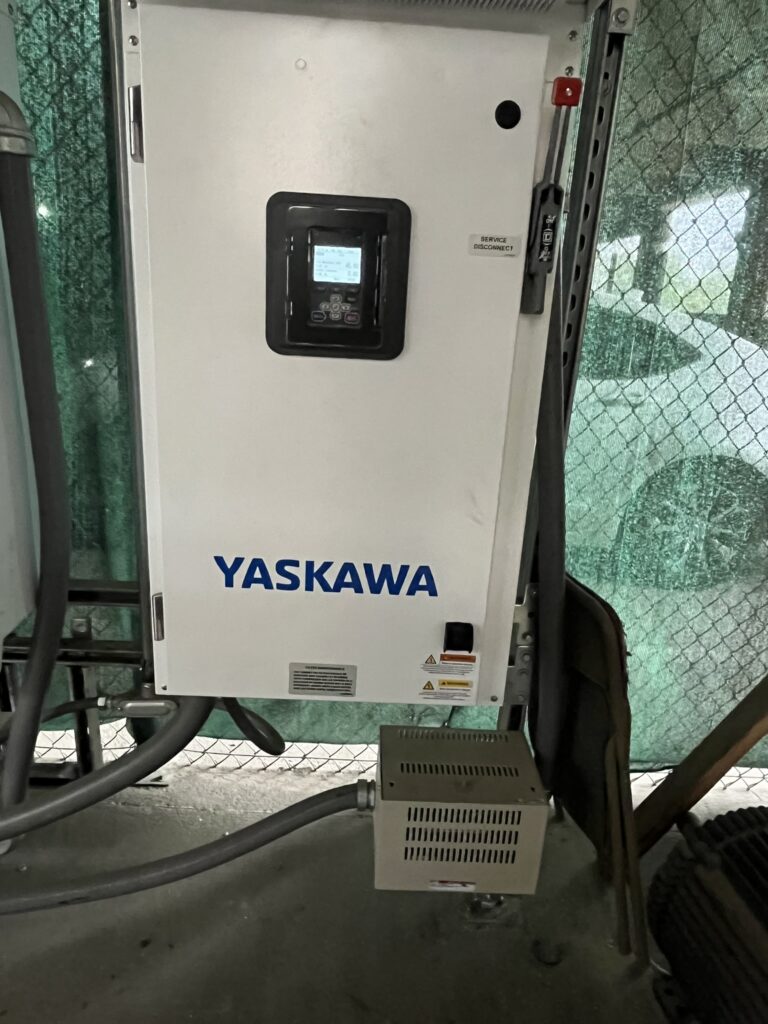
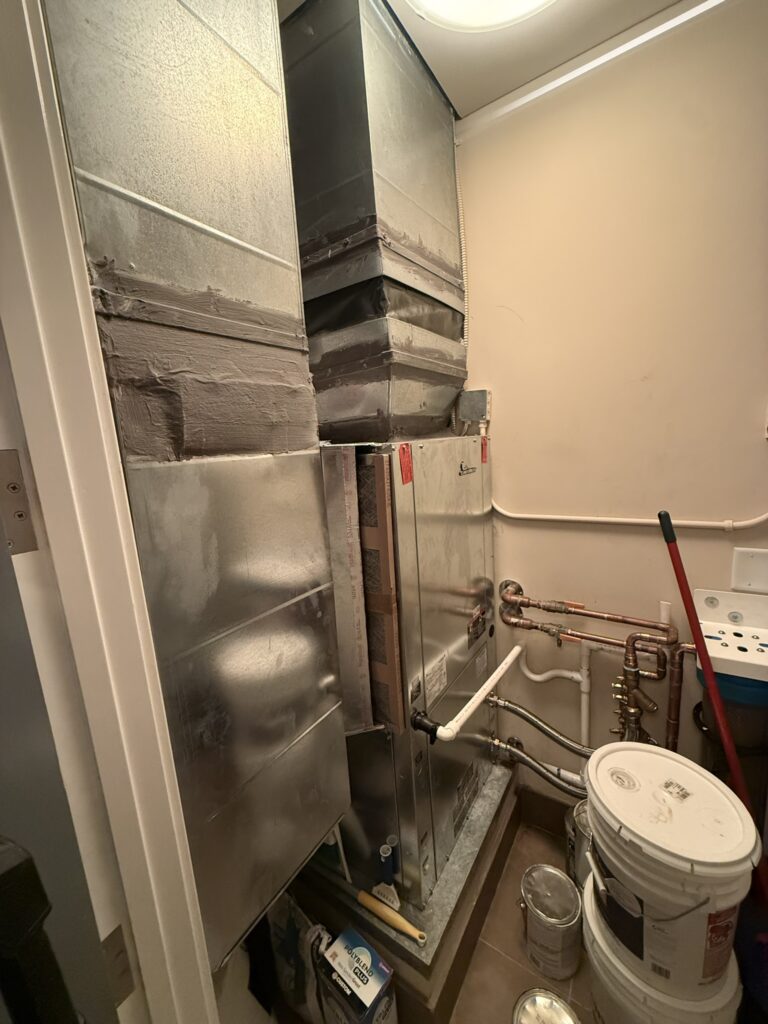
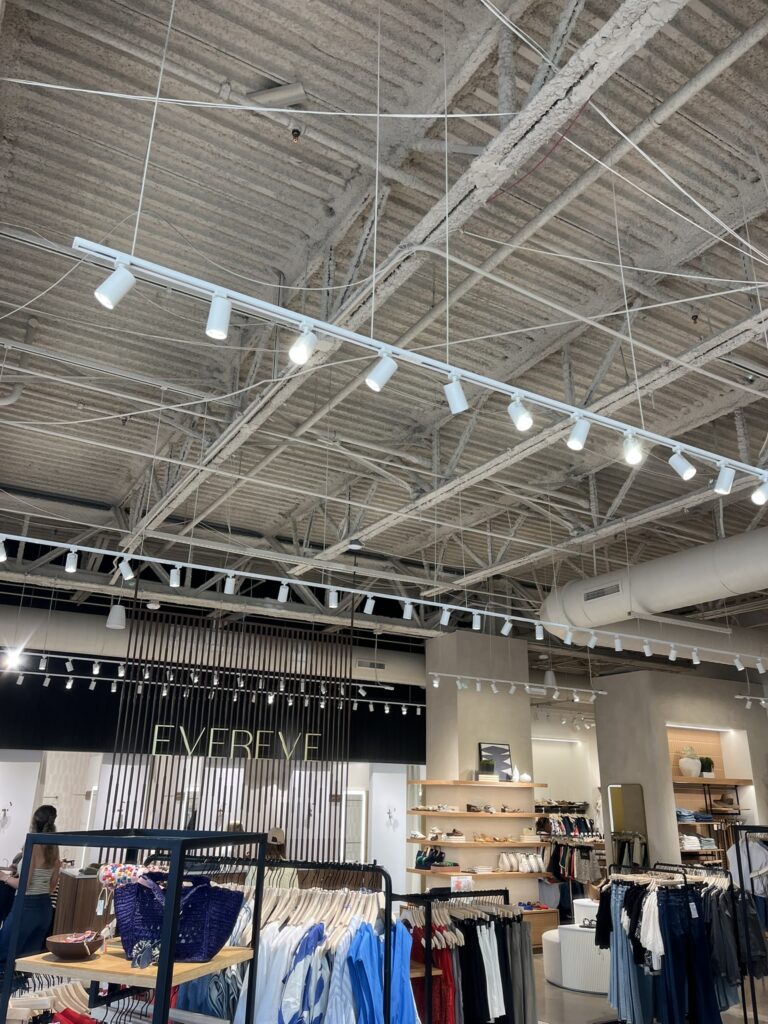
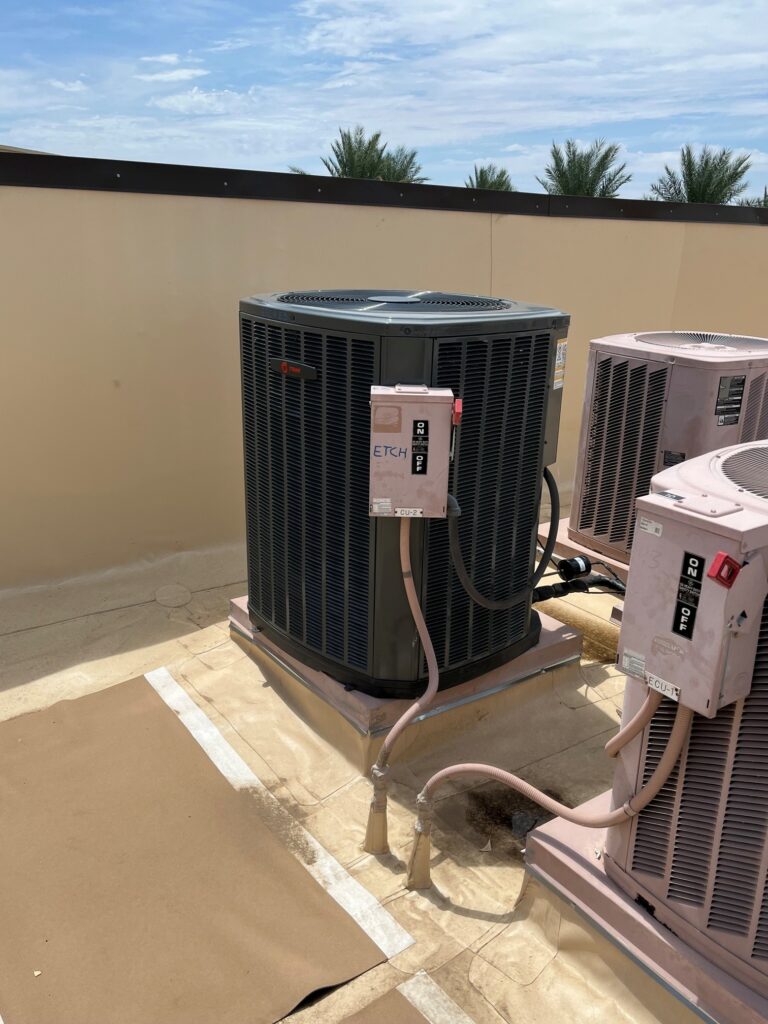
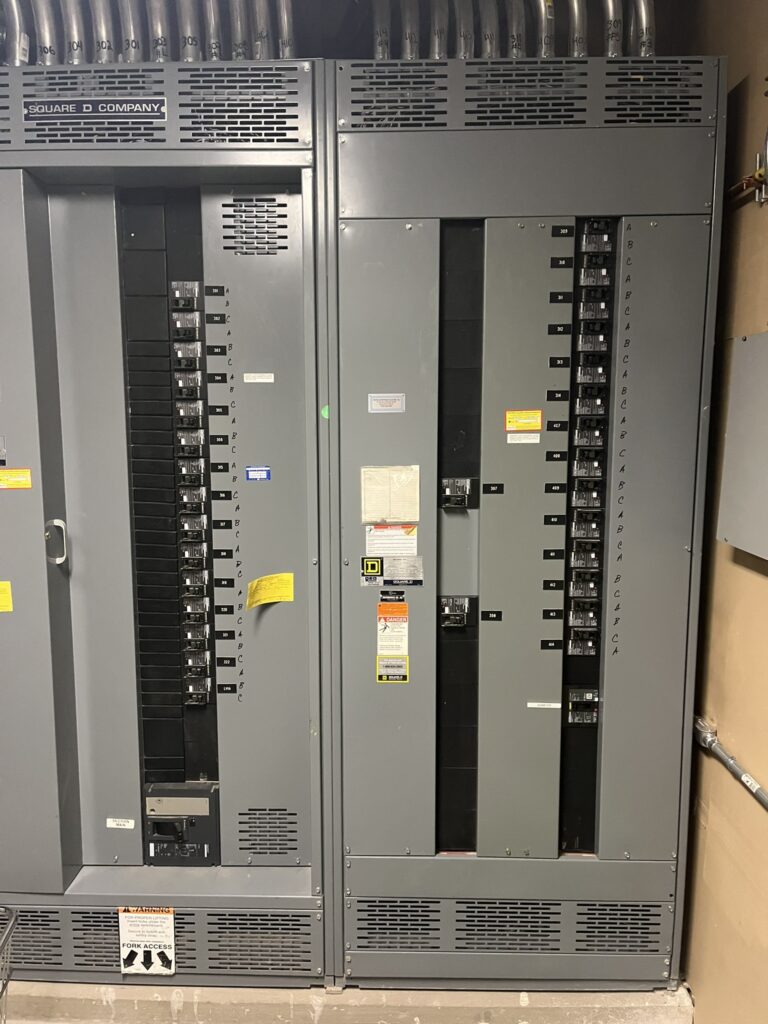
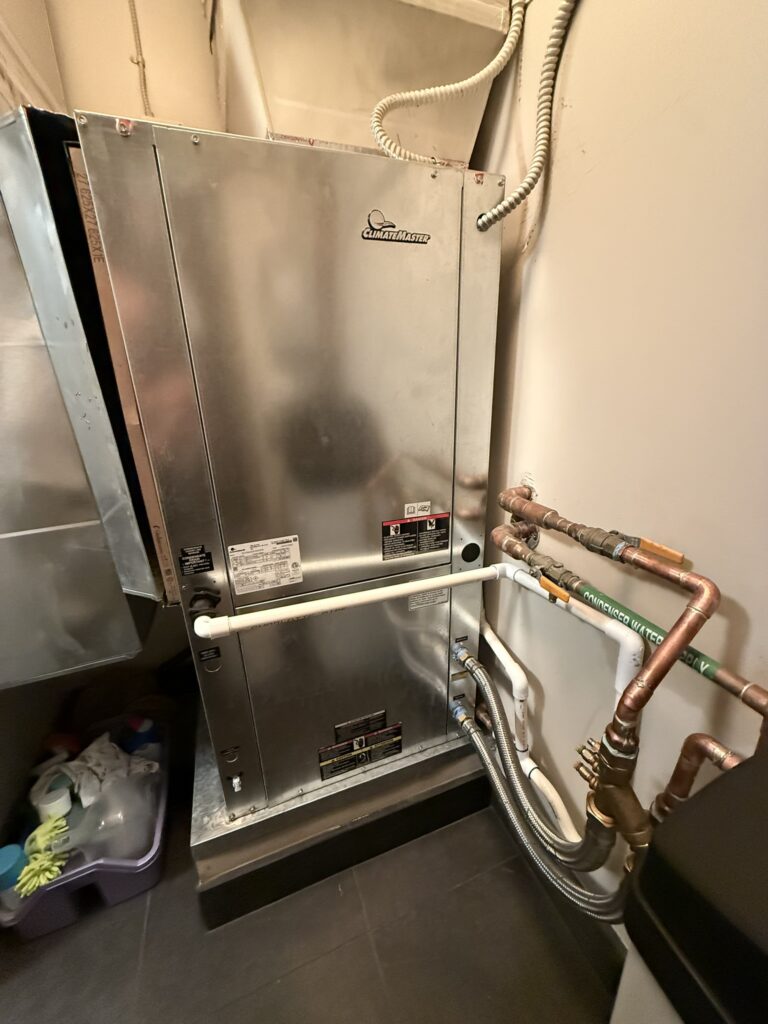
Photos from our own commercial projects across the Phoenix metro — equipment we installed, in buildings we service.
How the job typically runs.
Medical office HVAC work is scheduled around patients, providers, locked rooms, treatment areas, and staff availability. We ask which rooms are clinical, which are administrative, and which cannot be interrupted during appointments. At booking, we also ask whether the issue is one room, one zone, the whole suite, a rooftop unit, a split system, a drain leak, or a controls complaint. That helps us plan access and keep the visit focused.
The diagnostic or service-call fee is disclosed at booking and credited as applicable. After the in-person inspection, we provide a flat-rate written quote with the scope documented in writing. That helps practice managers, landlords, and ownership make decisions from the same information. If the work needs to be staged around patients, we identify the practical sequence instead of treating the suite like an empty office.
Call (520) 556-8929 for scheduling or urgent service. Yeti Pros is a service-area business with no public shop counter; we come to you. Office hours are Mon-Fri 8-5, with 24/7 emergency service for HVAC failures that cannot wait. For urgent calls, the first goal is to stabilize comfort where possible, identify the equipment involved, and document the next step clearly.
- 01 Booking, with the diagnostic fee disclosed
- 02 In-person diagnosis with real readings
- 03 Written flat-rate quote before work begins
- 04 The work: repair, install, or maintenance
- 05 Startup, documentation, and warranty handoff
Medical office HVAC projects may involve rooftop units, split systems, controls, drains, electrical disconnects, duct changes, ventilation components, or replacement equipment. When the HVAC scope requires permit coordination, we handle the applicable HVAC portion within our license. Yeti Pros is veteran-owned & operated under AZ ROC #363372 and ROC #363423. For replacement planning, we look at the served rooms, roof or pad access, disconnects, condensate routing, curb or platform condition, controls, and any practical scheduling limits created by patient care.
We service and document HVAC systems; we do not certify cleanrooms, issue health-code rulings, or give legal advice. Arizona workmanship standards are available here: Arizona ROC minimum workmanship standards. Our workmanship warranty is written for 2 years. Repair parts carry a 1-year manufacturer parts warranty. Written documentation helps keep the HVAC record separate from clinical compliance questions and gives managers a clear account of the trade work performed.
Pricing, financing & the 10% military & first responder discount.
Medical office HVAC cost is driven by equipment type, number of zones, access, failed parts, refrigerant condition, drain routing, controls, after-hours scheduling, and whether clinical rooms need staged work. A small exam suite in an older 85301 building is not the same scope as a multi-zone Arrowhead practice with equipment heat and tight appointment windows. Desert-climate wear can also shape the scope because coils, motors, capacitors, contactors, belts, filters, and drains all see heavy use through Glendale cooling seasons.
We provide flat-rate written quotes after an in-person look and document the scope. That quote may identify immediate repair, maintenance correction, controls troubleshooting, drain work, airflow limitations, or replacement scoping. We do not add assumptions from a phone description alone because room use, access, and equipment condition matter. Financing is available. A 10% military, veteran & first responder discount is available here: military discount.
- 01 Flat-rate written quote after an in-person look
- 02 Diagnostic fee disclosed at booking, credited to the repair
- 03 Financing available on replacements
- 04 2-year workmanship warranty; 1-year manufacturer parts warranty
- 05 10% military, veteran & first responder discount
Why a licensed HVAC contractor matters.
FAQs: HVAC for Medical Offices in Glendale, AZ.
Can you service HVAC in an active Glendale medical office?
Yes. We coordinate with the office manager or practice contact to work around patients, providers, locked areas, and rooms that cannot be interrupted. We ask which rooms are clinical and which are administrative because the comfort needs are different. After the in-person inspection, we provide a flat-rate written quote and document the HVAC scope so the practice has clear records. We also account for access paths, appointment blocks, rooftop or mechanical room rules, and whether the issue is tied to a room, zone, or whole-suite condition.
Why are exam rooms cold while the waiting room is warm?
That usually means the spaces have different loads but are being served or controlled as if they were the same. Waiting rooms get door traffic, people, glass exposure, and check-in activity. Exam rooms may have low airflow, bad thermostat placement, or a zone schedule that does not match appointments. Glendale's older clinic buildings can also have duct layouts that were inherited from prior retail or office use. We check airflow, returns, controls, room use, and equipment condition before assuming one setting can solve every room.
Do you provide documentation for medical office HVAC service?
Yes. We document the HVAC findings, quoted scope, and work performed. That is useful for managers keeping maintenance records, landlord communication, or internal files. We do not certify cleanrooms, issue health-code rulings, or provide legal advice. Our role is to service and document the HVAC system clearly so the practice can maintain its own records. Written notes can identify the served equipment, observed condition, immediate repair, recommended follow-up, and whether the issue appears isolated or recurring.
Can you help with heat from medical equipment?
Yes, from the HVAC side. Imaging equipment, procedure lights, sterilization equipment, lab refrigerators, computers, and packed staff areas can add heat that the original system was not designed around. We look at room use, airflow, return paths, controls, and equipment condition. If the solution requires repair, controls changes, duct adjustments, or replacement scoping, we put the scope in writing. We also consider whether the heat problem appears during peak afternoon load, during full schedules, or only when specific equipment is in use.
Do you offer emergency service for Glendale clinics?
Yes. Call (520) 556-8929 for urgent medical office HVAC problems. Office hours are Mon-Fri 8-5, and 24/7 emergency service is available. Emergency work focuses on stabilizing the immediate comfort issue, identifying the failed equipment, and documenting what happened. We are a service-area business, so we come to your Glendale location rather than receiving customers at a shop. For clinics, we confirm the affected rooms, access contact, patient-hour limits, and whether the failure affects exam rooms, waiting areas, staff areas, or equipment-sensitive support spaces.
What warranty comes with medical office HVAC repairs?
Yeti Pros provides a 2-year written workmanship warranty. Repair parts carry a 1-year manufacturer parts warranty. For medical offices, written warranty and service documentation matter because equipment may serve exam rooms, treatment spaces, waiting areas, and staff zones differently. We identify the serviced equipment and scope so the practice can track history without guessing what was done. That is useful when a landlord, practice manager, or ownership group needs to review repeat complaints, repair history, or replacement timing.
Every major brand, serviced and installed.




Phoenix metro: Most days a tech is already working somewhere in the Valley, so same-day appointments happen when the schedule allows. After-hours emergencies are dispatched when a licensed tech is available — a real person answers and tells you the ETA on the call.
Call (520) 556-8929Request an estimate.
No pressure, no door knockers. We look at the HVAC system, tell you what it needs (and what it doesn’t), and put the number in writing.
Need medical offices in Glendale? A real person answers.
Other services we run in Glendale.
Medical Offices in nearby cities.
Looking for something else nearby? All HVAC services in Glendale