
Phoenix Metro
HVAC for Medical Offices in Phoenix.
- (520) 556-8929
- Serving the entire Phoenix metro — we come to you
- Office: Mon–Fri 8:00 AM – 5:00 PM · 24/7 emergency service
- 2-year workmanship warranty · 1-year parts warranty
- Veteran-owned & operated · residential + commercial
- 23 five-star Google reviews
Commercial jobs we have documented.
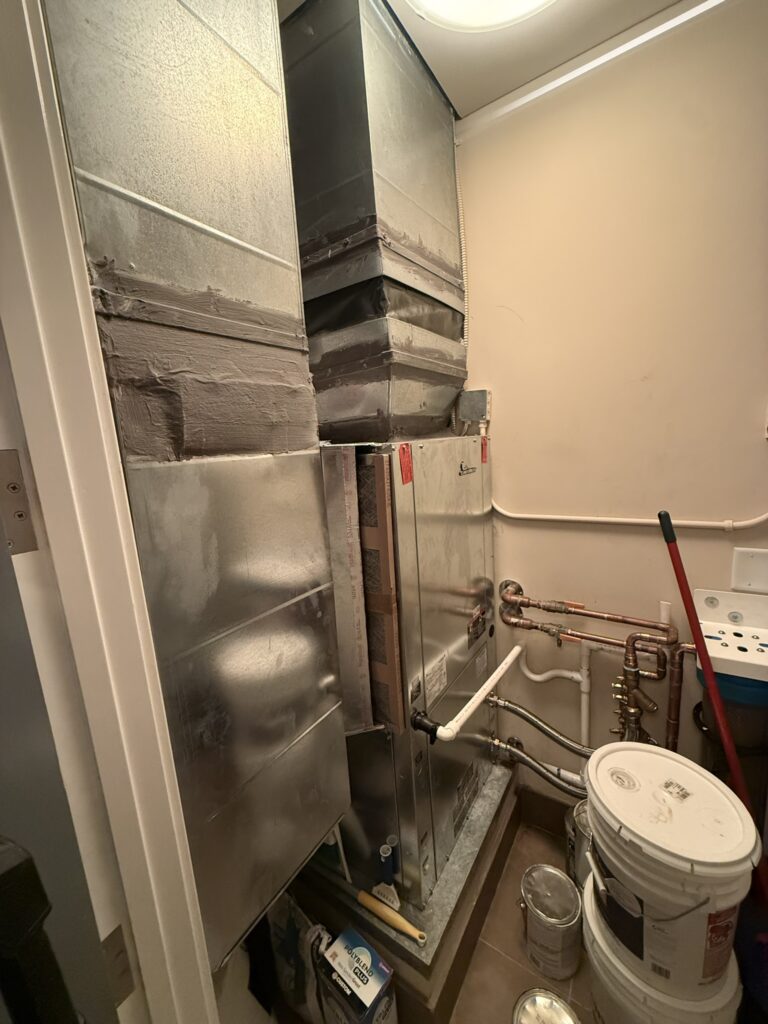
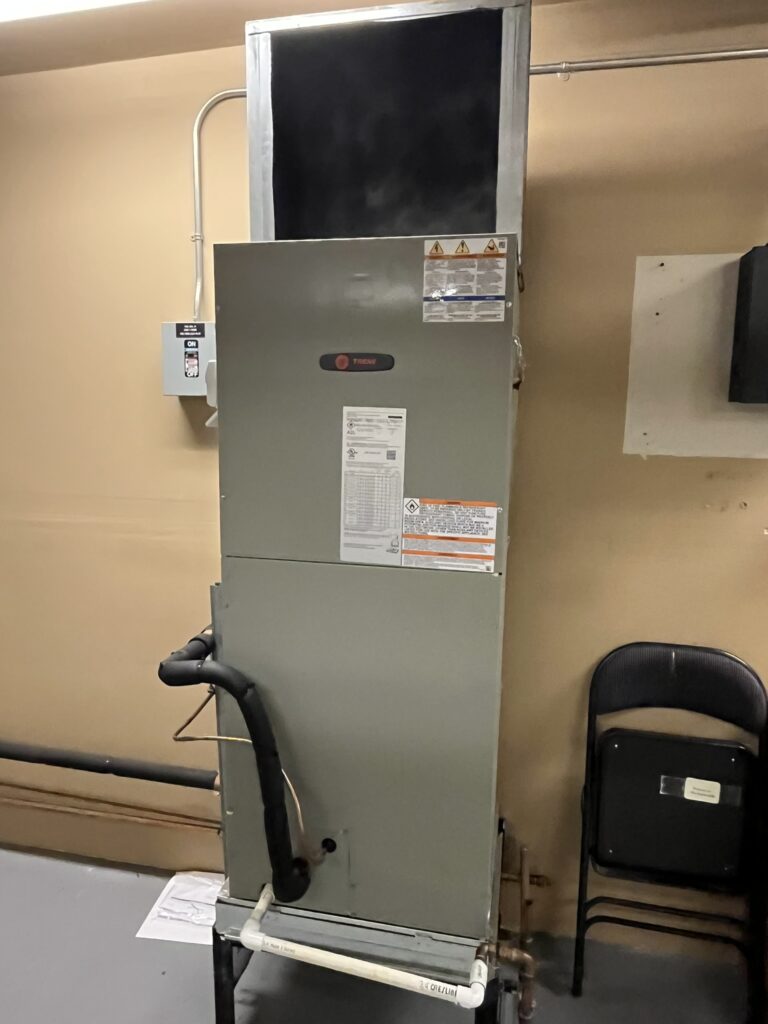
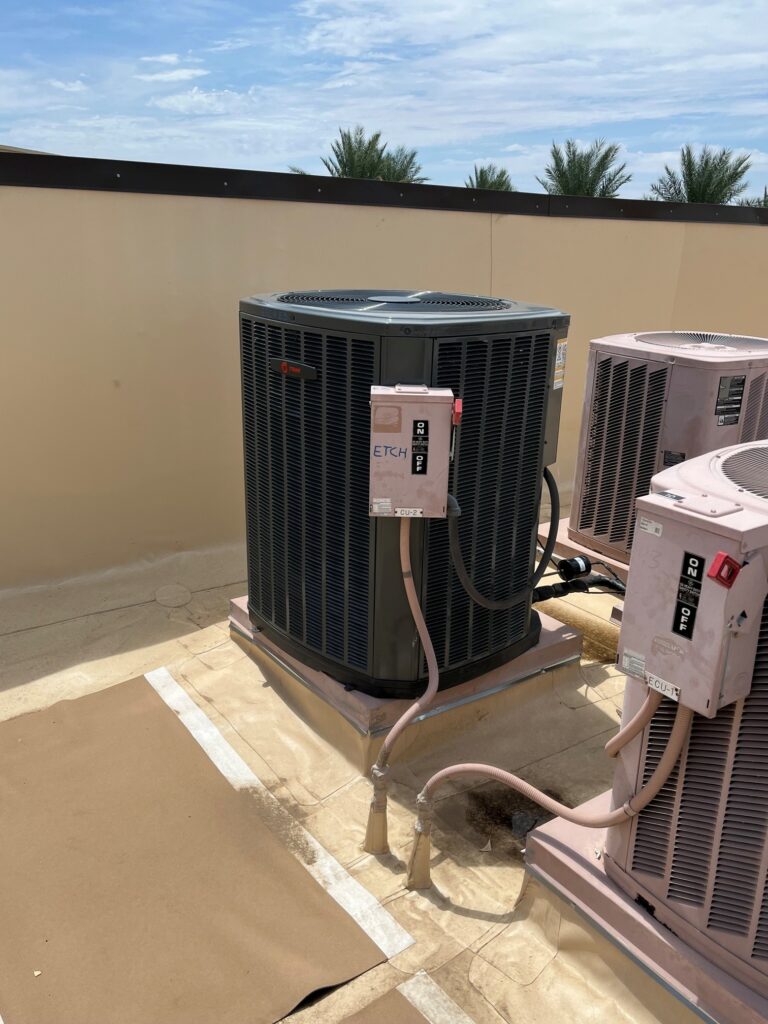
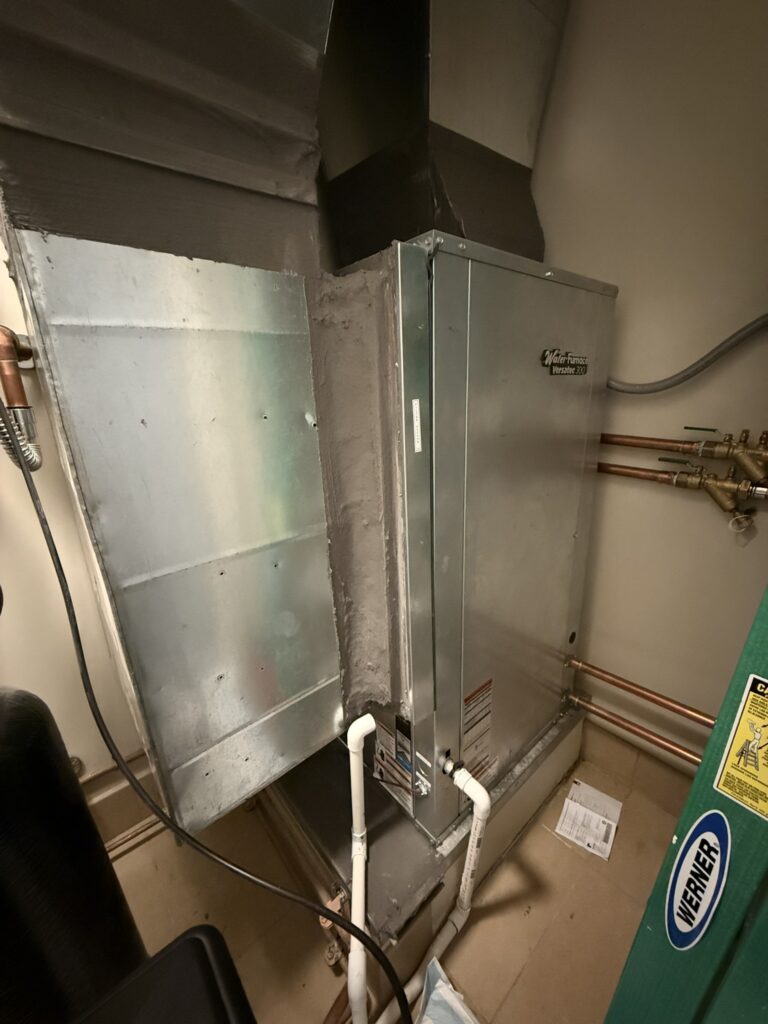
Photos from our own commercial projects — equipment we installed, in buildings we serviced.
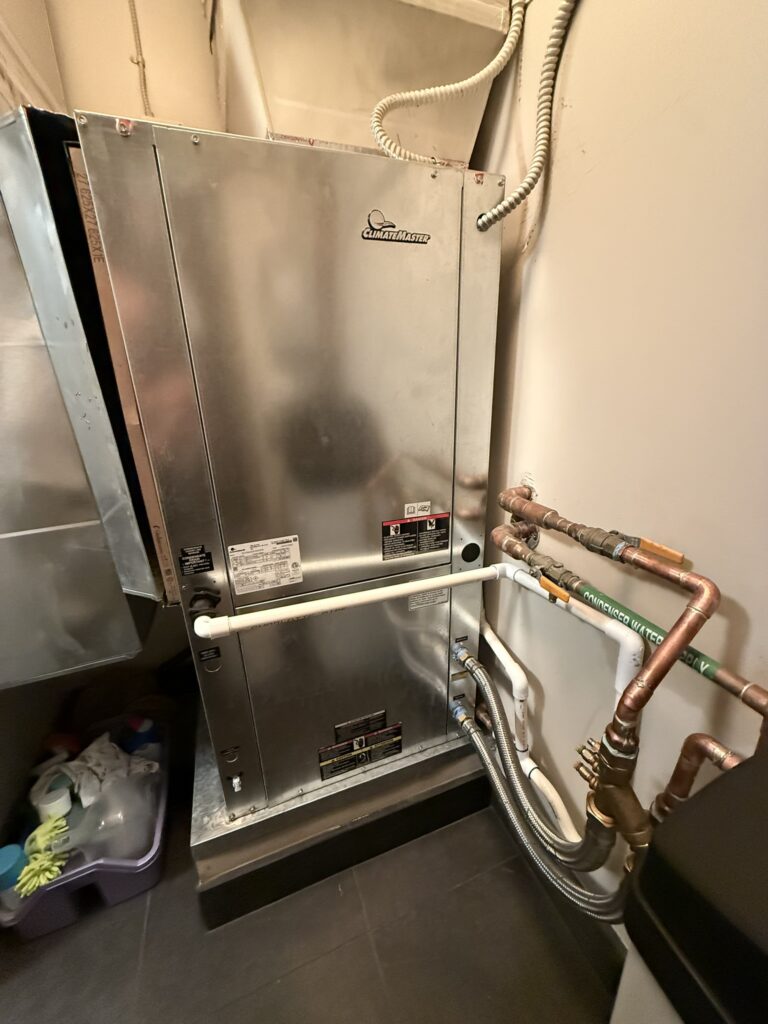
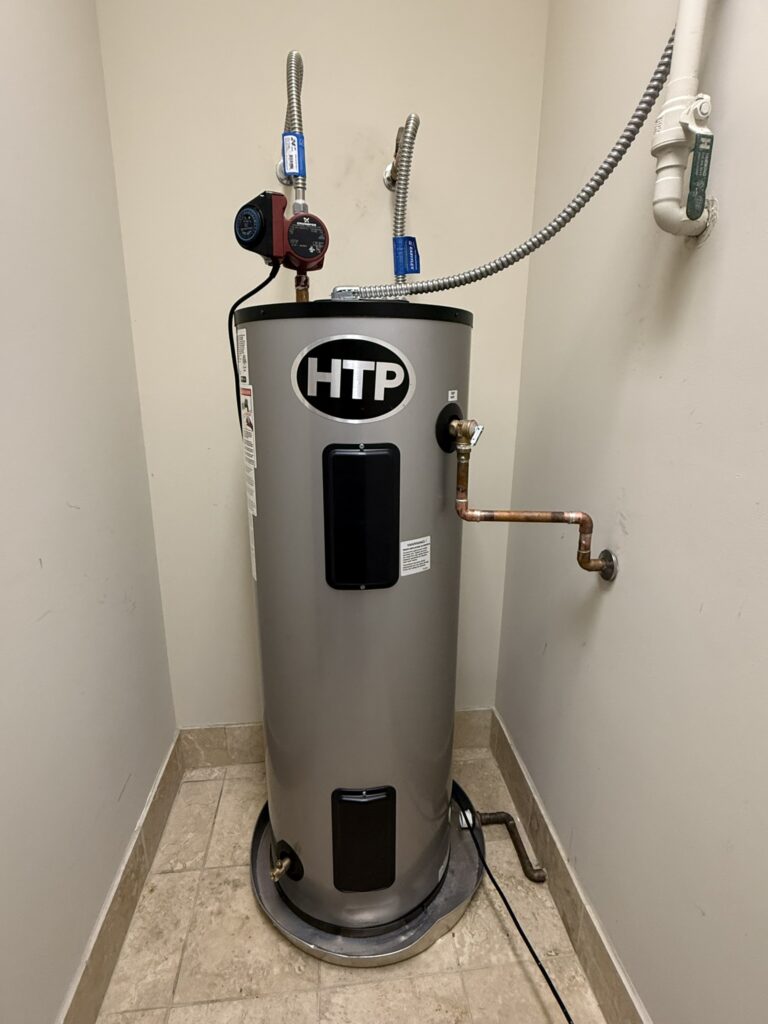
Medical office HVAC in Phoenix carries a consequence most commercial buildings never face: when the cooling fails, the appointment book fails with it. Yeti Pros is a veteran-owned commercial HVAC contractor keeping clinics, specialty practices, urgent cares, and multi-suite medical plazas across the Phoenix metro cool, filtered, and open for patients — with emergency response at any hour and preventive programs built around clinic schedules. Licensed under ROC #363372 and ROC #363423. Reach us day or night at (520) 556-8929.
A cooling failure cancels patients, not just comfort
Every appointment on the book gets rescheduled into a calendar that was already full.
Front-desk staff spend the morning making apology calls instead of doing intake. Providers and clinical staff are paid to stand around in a building nobody can sit in.
Some of the rescheduled patients quietly become no-shows, and a few of them genuinely needed to be seen this week.
That is what the 7 a.m. “the suite is already 84 degrees” phone call actually costs — and in a Phoenix June, an office without cooling blows past 90 before the mid-morning slots arrive.
Our medical-practice work is organized around preventing that morning twice over:
Instrumented Preventive Maintenance
Catches weak capacitors and fouled coils in April.
Emergency Dispatch
For the failures no program can completely prevent.
Waiting rooms full of the people heat hurts most
Vulnerable to heat stress.
Infants are highly susceptible.
Patients with reduced heat tolerance.
On medications that blunt heat tolerance.
Spent physiological capital crossing a 115° parking lot.
Clinical Concern
A waiting room sitting at 80 and climbing is not a comfort complaint for these vulnerable populations — it is a clinical concern unfolding in front of your reception desk.
Our Solution
We size, repair, and tune cooling so the waiting room stays a refuge on the precise afternoons the desert pushes back hardest.
Exam rooms that hold their temperature
Exam rooms are small, intermittently occupied, and full of people wearing paper gowns — a zoning problem in a comfort-complaint disguise. When one thermostat governs six rooms with different sun exposures, the southwest corner bakes while the interior room freezes, and staff develop the familiar workaround economy of space heaters, propped doors, and taped-over registers.
Our Room-by-Room Troubleshooting Solutions
We troubleshoot suites room by room, verifying our work with actual thermometer readings in each room rather than a hand held up to a vent. Our solutions include:
Vaccine and medication refrigeration: our lane, drawn honestly
Most practices store vaccines or temperature-sensitive medications, and the refrigeration protecting them deserves a straight answer about who does what.
What We Do
- Service commercial refrigeration equipment.
- Keep closets and storage rooms housing equipment from overheating. A medical-grade refrigerator laboring inside a 95° back room is fighting uphill all summer, and we prevent that.
- Consult on temperature monitoring and alarm options when you are evaluating them.
What We Don’t Do
We do not own your compliance. Storage protocols, excursion responses, and temperature logs belong to the provider.
Our job is making sure the equipment and the space around it never hand those logs a bad day to record.
Filtration and ventilation you can speak to with confidence
Patients and staff ask pointed questions about air now. We help practices answer them honestly:
We implement MERV-13-class filter upgrades where your air handler’s static pressure allows. If not, we provide straight talk about the equipment changes needed to achieve this.
We verify outside-air and exhaust systems to ensure ventilation precisely matches the actual occupancy of your suite.
We ensure coil and condensate hygiene, preventing the HVAC system itself from becoming a source of problems.
We work informed by healthcare ventilation guidelines while staying clear-eyed about what we are — an HVAC contractor making equipment perform to specification. Clinical and compliance decisions remain yours; we supply the mechanical facts they should rest on.
Medical office HVAC built for Phoenix summers
The Valley’s medical space clusters in plazas and professional corridors built during the same construction booms as everything else, which means fleets of rooftop units now deep into their second decade, running compressed Phoenix duty cycles from March through October. Monsoon season adds its own tax: haboob dust packs the condenser coils above your ceiling within hours, and grid surges take out control boards mid-storm. Pre-summer coil cleaning, electrical testing, and post-storm checks are not add-ons for a clinic; they are how the building stays boring — the highest compliment a practice can pay its mechanical systems.
Service that happens after the last patient leaves
The repair that costs a clinic least is the one patients never witness. We schedule non-urgent work for evenings, early mornings, and weekends so exam rooms stay in service.
A real person answers our phone 24/7 — so a Saturday failure gets handled before Monday’s schedule loads rather than being discovered by the first medical assistant through the door.
When a diagnostic visit is needed, the fee is stated up front and credited toward the repair if you move forward with it.
Multi-suite plazas and shared rooftop units
A large share of Phoenix-area medical space is condo-style plazas clustered around hospital campuses, and much of it runs on shared or ambiguously assigned rooftop equipment.
Common Challenges
Neighbor’s Deferred Maintenance
One rooftop unit serving three suites means a neighbor’s deferred maintenance becomes your comfort problem.
Landlord’s Vendor Shortcuts
A landlord’s lowest-bid vendor means your patients feel someone else’s shortcuts.
Our Solution
We navigate these arrangements weekly:
We document which equipment actually serves which space.
We coordinate with property managers.
We give practice owners a written condition assessment they can bring to the landlord conversation armed with facts instead of frustration.
Where a building is hospital-owned with central plant systems, we coordinate with the facility engineering team rather than pretending to replace it.
How we work with practice managers
Medicine runs on documentation and predictability; so do we.
Repairs arrive as flat-rate written quotes before any work begins.
Ongoing care runs under written maintenance agreements that spell out exactly what gets inspected, cleaned, and tested at each visit, with condition reports you can file and show anyone who asks.
Refrigerant work is performed by EPA 608-certified technicians with documentation to match, and everything we touch meets the Arizona ROC’s Minimum Workmanship Standards as a floor — our own warranty stacks above it.
One accountable contractor across the full commercial HVAC scope, metro-wide.
Veteran-Owned & Operated
Yeti Pros is veteran-owned and operated, and the habits transfer directly: show up when promised, execute the checklist completely, document everything.
Military & First Responder Discount
Healthcare also employs a remarkable number of people who served or married someone who did — our 10% military, veteran & first responder discount is there for them on the residential side, for their own homes.
Questions Phoenix medical practices ask us
Usually, yes. We stage non-urgent work for evenings and weekends, isolate zones where the layout allows so unaffected rooms keep seeing patients, and coordinate timing with your practice manager so the schedule drives the work rather than the reverse.
MERV-13-class filtration is the common target for patient-facing spaces, but the honest first step is a static pressure reading — a blower that cannot handle the filter will lose airflow and capacity. We test first, then recommend the highest rating your equipment genuinely supports.
We repair commercial refrigeration equipment and keep the spaces housing it cool, and we can discuss monitoring and alarm options. Storage protocols and compliance logs remain the provider’s responsibility — our role is keeping the machinery from being the reason a log goes bad.
Start with documentation: we will assess the unit, map which zones it actually serves, and put its condition in writing. That gives you a factual basis for landlord negotiations, cost-sharing conversations, or a case for dedicated equipment serving your suite alone.
We will not invent a minutes guarantee — July demand is real for every contractor in the Valley. What we can promise: a live person answers around the clock, facilities with patients in the building are treated with urgency, and maintenance-agreement customers hold priority in the queue.
Yes — scheduled visits timed for closed hours, filter programs matched to your filtration target, coil cleaning before summer, and written condition reports after every visit so your equipment’s trajectory is documented rather than guessed at.
Often it is balancing — a damper, a duct restriction, or a zone that was never configured correctly — rather than a failing unit. We diagnose with room-by-room measurements and quote the fix flat-rate in writing, so you know the scope before committing to anything.
Yes — multi-location practices get one point of contact, consistent scopes at every site, and consolidated reporting, whether the suites sit in Scottsdale, Chandler, Glendale, or anywhere else in the metro. That keeps your equipment records uniform when a group administrator or an acquiring partner asks for them.
Protect the appointment book before summer tests it. Call (520) 556-8929 for a site assessment or after-hours scheduling anywhere in the Phoenix metro.
Permits and inspections
Most repairs are ordinary service work; bigger scopes can involve city permitting. We perform our work to code, pull the permits our scope requires, and put what we did in writing.
What's covered
Workmanship is covered for two full years, in writing, and repair parts carry a 1-year manufacturer parts warranty — we document installs and repairs so those claims stay simple to make
HVAC for Medical Offices in Phoenix, city by city.
Every city below has its own local page for this industry — local FAQs, utility territory, and dispatch reality included.
Why a licensed HVAC contractor matters.
Commercial HVAC, industry by industry.
Every major brand, serviced and installed.



Phoenix metro: Most days a tech is already working somewhere in the Valley, so same-day appointments happen when the schedule allows. After-hours emergencies are dispatched when a licensed tech is available — a real person answers and tells you the ETA on the call.
Call (520) 556-8929Request an estimate.
No pressure, no door knockers. We look at the HVAC system, tell you what it needs (and what it doesn’t), and put the number in writing.