
Phoenix Metro
HVAC for Office Buildings in Phoenix.
- (520) 556-8929
- Serving the entire Phoenix metro — we come to you
- Office: Mon–Fri 8:00 AM – 5:00 PM · 24/7 emergency service
- 2-year workmanship warranty · 1-year parts warranty
- Veteran-owned & operated · residential + commercial
- 23 five-star Google reviews
Storefront and office work, documented.
Photos from our own commercial projects — equipment we installed, in buildings we serviced.
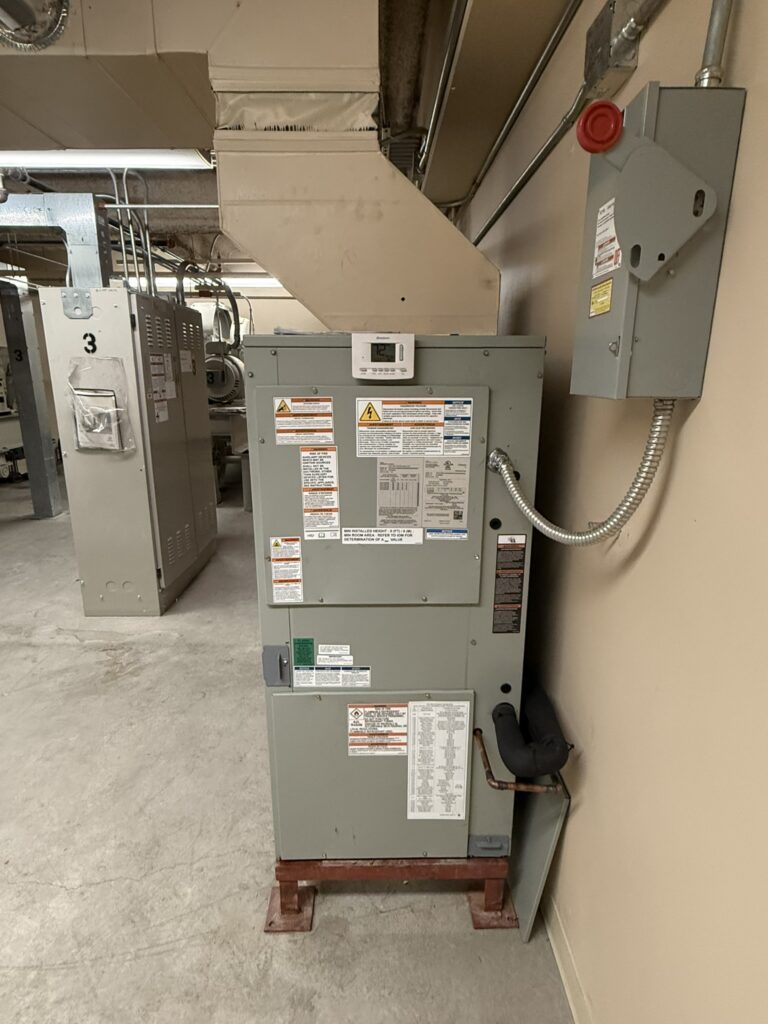
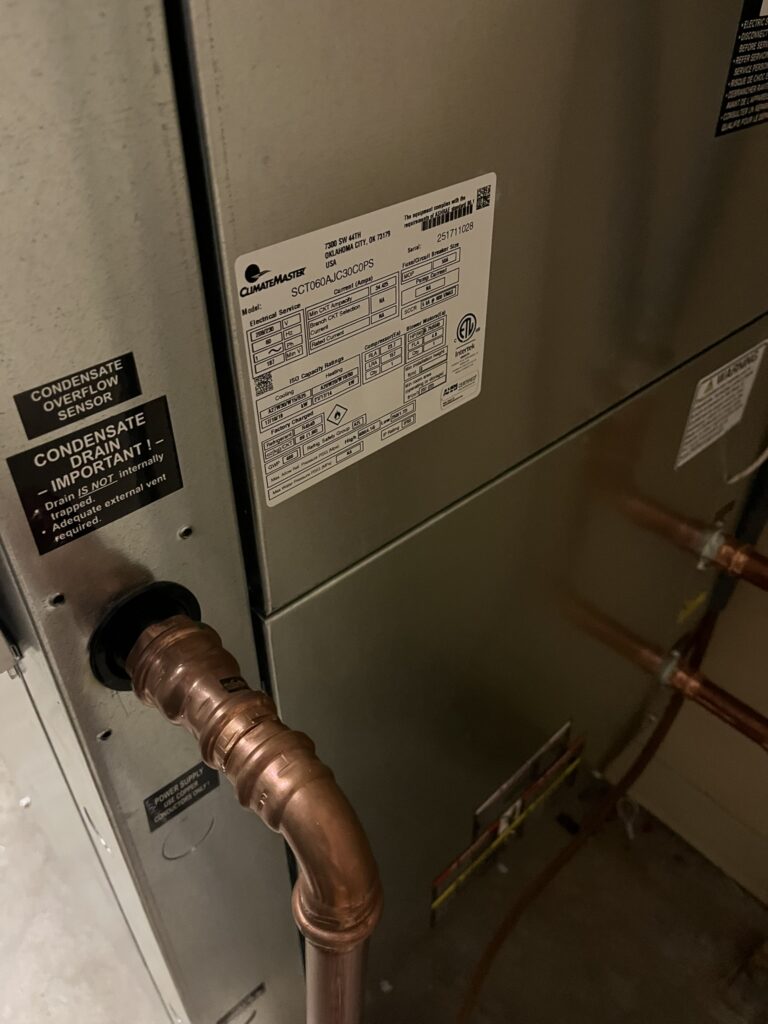
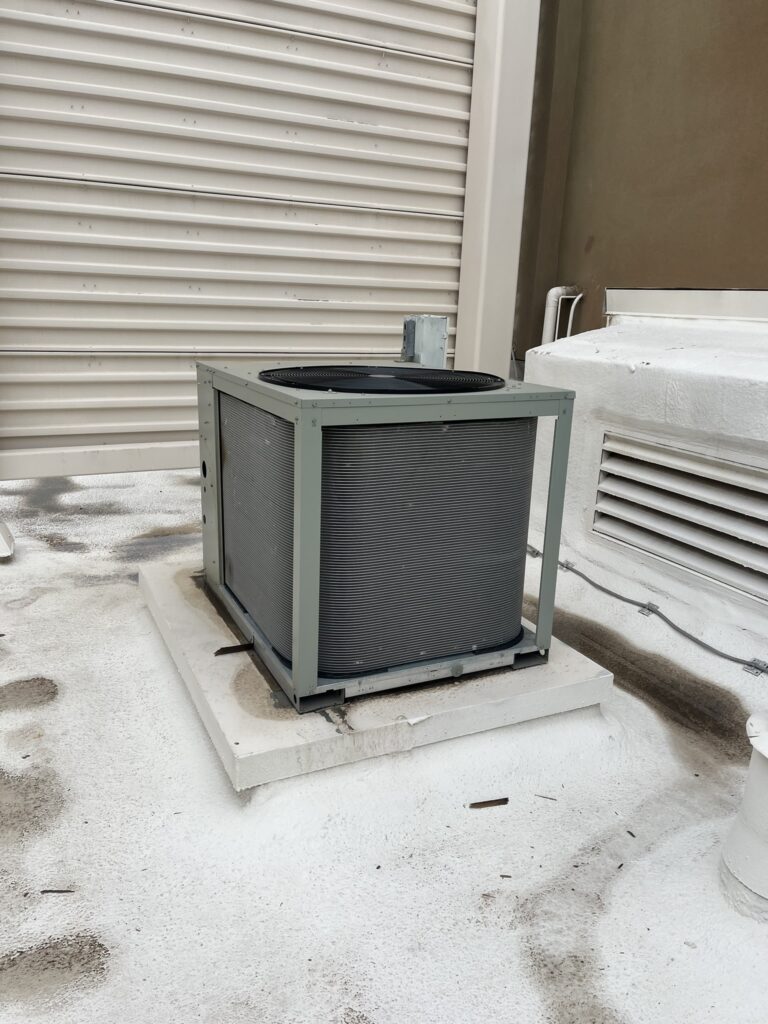
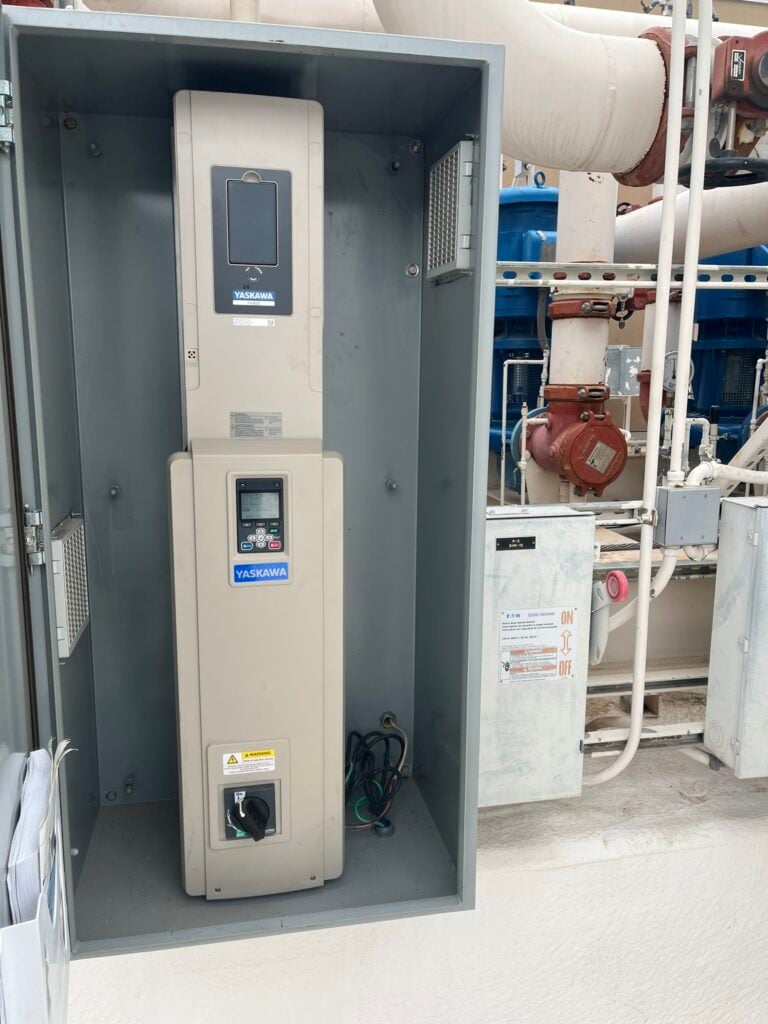
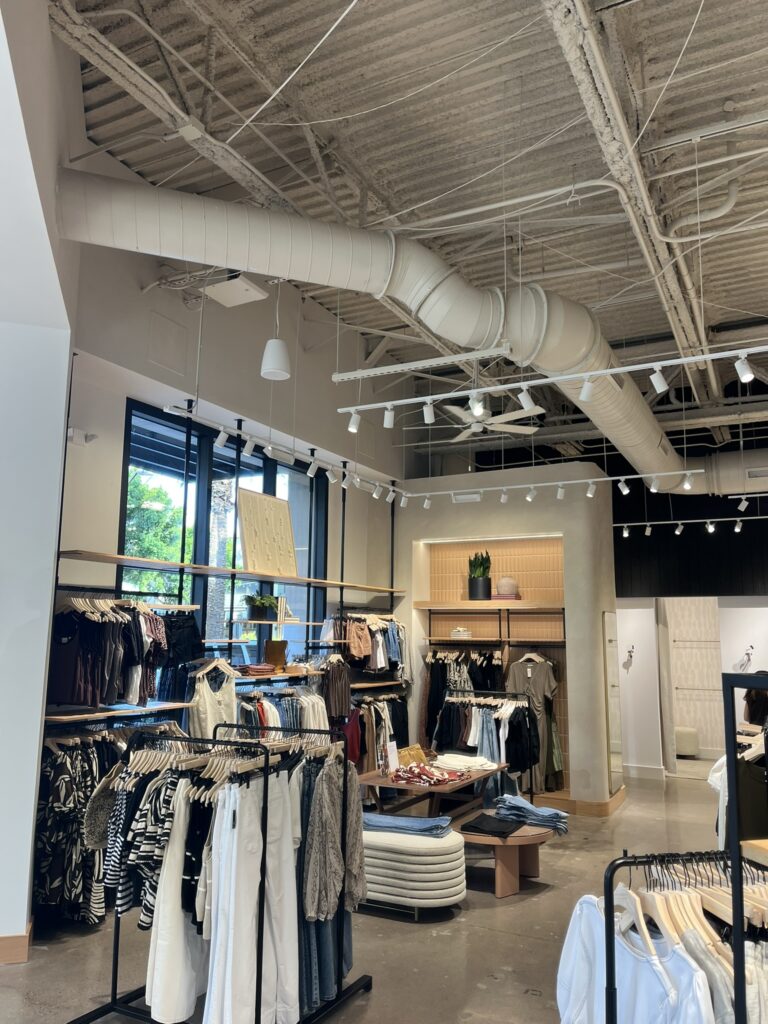
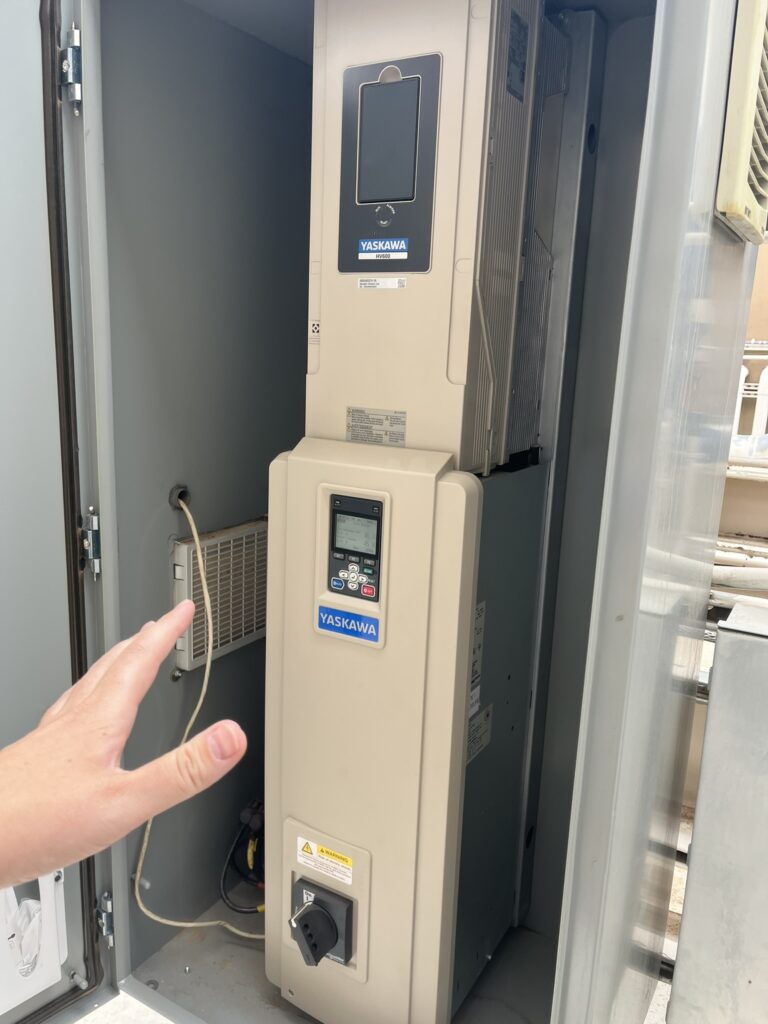
An office building in Phoenix is really a comfort business with rentable square footage attached. Tenants sign for location and rate, but they renew — or quietly start touring competing properties — based on whether their people can work through a 113°F afternoon without complaint. Yeti Pros handles office building HVAC across the Phoenix metro: hot and cold call diagnosis, VAV and zoning corrections, aging rooftop fleets, chilled-water plants, and the maintenance programs that keep suites comfortable and renewal conversations easy. Veteran-owned and operated, licensed under ROC #363372 · ROC #363423, with a live person on the phone 24/7 at (520) 556-8929.
Comfort complaints are lease-retention data
Talk to any leasing team in the Valley and the pattern holds: temperature complaints outnumber every other category of tenant friction — parking, janitorial, elevators — and they carry more emotional weight, because a too-hot suite makes a tenant’s own employees unhappy every working day.
When renewal time arrives, the tenant doesn’t remember the lobby refresh; they remember the summer their conference room hit 82°F during client meetings.
Losing a tenant means months of vacancy, a fresh tenant-improvement allowance, leasing commissions, and free-rent concessions — a figure that dwarfs the cost of finding out why Suite 210 never cools.
Treating HVAC as a retention tool instead of an expense line is the cheapest occupancy strategy an office owner has.
Hot and cold calls, run like work orders instead of favors
Most buildings handle comfort complaints reactively: someone calls, an engineer nudges a setpoint, and the cycle repeats. We run them differently. Every hot or cold call gets logged against the specific zone, so patterns surface. Fixing the root cause once beats resetting the same setpoint forty times a summer, and it’s the only thing that makes complaints actually stop.
A suite that’s fine at 9 a.m. but miserable every afternoon points to west-facing solar gain overwhelming its zone.
A space that swings cold in the morning and warm after lunch suggests a scheduling or controls problem.
One office that never matches its neighbors usually has a stuck damper, a dead actuator, or a thermostat mounted over a hot wall cavity.
Zoning and VAV, translated into plain language
Most multi-tenant office buildings in the Valley cool spaces using a few large machines. A rooftop unit or air handler produces cold air, and Variable Air Volume (VAV) boxes above the ceiling meter how much each zone receives, adjusting a damper based on thermostat requests.
Efficient Design
VAV is an efficient design for climate control across multiple zones.
Hidden Weakness
Dozens of small mechanical devices above ceiling tiles can fail silently, a known weakness of the system.
Common VAV Failures
A VAV damper stuck open freezes the accounting department.
A damper stuck closed bakes the corner office.
We test and repair VAV boxes, actuators, and zone controls as part of normal service. This is vital because hardware above the ceiling generates more complaints than rooftop equipment.
After-hours cooling without after-hours arguments
Standard office leases tie included HVAC to building hours, which means tenants working late are consuming conditioned air the lease says they should pay for. The friction starts when nobody can prove who ran what.
Ensure HVAC operation aligns precisely with tenant lease agreements, preventing unauthorized usage.
Implement systems that record tenant-initiated after-hours usage, providing clear data for billing.
Provide verifiable records of HVAC activity, ensuring all charges on a tenant’s ledger are fully supported and justified.
Billed fairly and documented clearly, after-hours HVAC turns from a recurring dispute into a modest revenue line — tenants generally accept numbers they can see justified.
Class A, B, and C buildings fail differently
Phoenix office stock spans everything from newer Camelback Corridor product to 1980s garden offices in Mesa and Glendale, and the HVAC realities split along class lines.
Class A Properties
Typically run central plants or late-model packaged equipment with building automation. Our work focuses on controls calibration, chiller service, and maintaining efficiency as per pro forma expectations.
Class B & C Buildings
These carry the Valley’s aging rooftop fleets, often beyond 15 years old and some still running R-22 refrigerant. For these owners, rooftop unit repair and honest repair-versus-replace math are paramount over automation upgrades.
We service both ends, and our recommendations track the building’s actual capital position rather than a brochure.
Hybrid schedules broke the old load assumptions
Office systems in this market were sized and scheduled for buildings full of people five days a week. Hybrid work rewrote the arithmetic: Tuesday through Thursday the floors load up, Mondays and Fridays run half-empty, and equipment designed for steady occupancy now short-cycles against light loads part of the week. The fix is mostly intelligence, not iron: occupancy-matched scheduling, ventilation trimmed to actual headcount where the controls allow, and zone-level attention so a nearly empty floor isn’t conditioned like a full one. Owners who tune for the week they actually have, rather than the week the building was designed for, see the difference directly on the utility bill.
Demand charges: your bill is set by your worst half hour
What are Demand Charges?
Commercial electric rates from APS and SRP include demand charges — a component driven by the building’s highest draw during the billing period, not just total consumption.
Common Peak Demand Pitfall
For an office property, the classic self-inflicted wound is every rooftop unit and air handler slamming on at the same minute each morning, setting a peak the building pays for all month.
Ways to Trim Demand
Implement staggered starts.
Optimize setback recovery.
Ensure equipment sheds load quickly.
The Role of Maintenance
Maintenance is crucial: dirty coils and slipping belts force longer, harder runtimes at exactly the hours that set your demand figure, which is why we flag demand-side opportunities during routine maintenance visits.
Tenant improvements: get the mechanical scope in before drywall
Every TI reconfiguration changes the airflow the original design assumed. Common issues include:
Demising a suite into two means one side inherits the thermostat, the other complaints.
Packing a bullpen where private offices used to be mismatches the zone’s cooling budget with its heat load.
Adding a conference room without a return path will roast at full occupancy forever.
Our Mechanical TI Services
- Duct rework
- VAV additions and rebalancing
- Thermostat relocations
- Complete system installations where the
How we work with office owners and managers
Everything under our commercial HVAC division is built for people who answer to owners and tenants at the same time.
The trip fee is quoted when you book and credited against the repair when you approve it. Every repair is priced flat-rate, in writing, before work begins — no hourly meter running above the ceiling.
Refrigerant work is performed by EPA 608-certified technicians and documented properly.
Our written warranty rides on top of the Arizona ROC Minimum Workmanship Standards that bind every licensed contractor in the state.
Buildings that want fewer surprises put their equipment on a planned maintenance agreement, which bundles scheduled service with priority standing on our 24/7 emergency line — answered by a human, at any hour, every day of the year.
As a veteran-owned and operated company, we offer a special note: building staff and tenant employees who served can use our 10% military, veteran & first responder discount on HVAC work at their own homes.
Office building HVAC questions from Phoenix managers
A tenant says their suite has been hot for weeks. Where do you start?
With the zone, not the thermostat. We check the VAV box serving that suite — damper position, actuator function, airflow at the diffusers — then work back toward the unit. Most chronic single-suite complaints trace to a failed component above that tenant’s own ceiling, and most are fixable in one visit.
Can you support our in-house building engineer instead of replacing him?
Gladly — many accounts run exactly that way. On-site staff handle filters and first response; we take refrigerant work, VAV diagnostics, compressor-level repairs, and anything needing EPA 608 certification or two sets of hands. We share findings so your engineer gets smarter about the building, not sidelined.
How should after-hours HVAC billing be set up?
Define building hours in the lease, schedule equipment to match, and give tenants a documented override — a request process or control that logs runtime. We handle the mechanical and scheduling side; your lease sets the rate. The documentation is what prevents disputes.
Our Class B building still runs its original rooftop units. Replace everything?
Almost never all at once. We assess each unit, grade its condition, and rank the fleet. Usually a couple of units justify near-term replacement, several deserve targeted repairs, and the rest just need real maintenance. A phased plan spreads capital across budget years instead of one painful season.
Do maintenance contracts actually reduce tenant complaints?
Measurably. Most comfort complaints grow out of slow degradation — dirty coils, slipping belts, failing actuators — that scheduled maintenance catches before tenants feel it. Contract buildings also hold priority for emergency dispatch, which shortens the complaints that do happen.
Can you handle the HVAC scope on a tenant improvement?
Yes — design input, duct and VAV rework, controls, permits, and inspection closeout in every Valley jurisdiction. The most valuable thing we do on a TI is review the space plan early, when moving a wall on paper is still free.
What happens when a suite loses cooling on a 110°F day?
Call the line, give us the building and suite, and a live dispatcher — not a message service — routes a technician by severity. Occupied suites in extreme heat move to the front. You get a flat-rate quote before repair and verified operation before we leave.
Tenants warm, or renewals cooling off? Call (520) 556-8929 for office building HVAC anywhere in the Phoenix metro — veteran-owned, ROC #363372 · ROC #363423.
Permits and inspections
Most repairs are ordinary service work; bigger scopes can involve city permitting. We perform our work to code, pull the permits our scope requires, and put what we did in writing.
What's covered
Workmanship is covered for two full years, in writing, and repair parts carry a 1-year manufacturer parts warranty — we document installs and repairs so those claims stay simple to make
HVAC for Office Buildings in Phoenix, city by city.
Every city below has its own local page for this industry — local FAQs, utility territory, and dispatch reality included.
Why a licensed HVAC contractor matters.
Commercial HVAC, industry by industry.
Every major brand, serviced and installed.




Phoenix metro: Most days a tech is already working somewhere in the Valley, so same-day appointments happen when the schedule allows. After-hours emergencies are dispatched when a licensed tech is available — a real person answers and tells you the ETA on the call.
Call (520) 556-8929Request an estimate.
No pressure, no door knockers. We look at the HVAC system, tell you what it needs (and what it doesn’t), and put the number in writing.