
Phoenix Metro
HVAC for Banks & Credit Unions — Phoenix Metro.
- (520) 556-8929
- Serving the entire Phoenix metro — we come to you
- Office: Mon–Fri 8:00 AM – 5:00 PM · 24/7 emergency service
- 2-year workmanship warranty · 1-year parts warranty
- Veteran-owned & operated · residential + commercial
- 23 five-star Google reviews
Storefront and office work, documented.
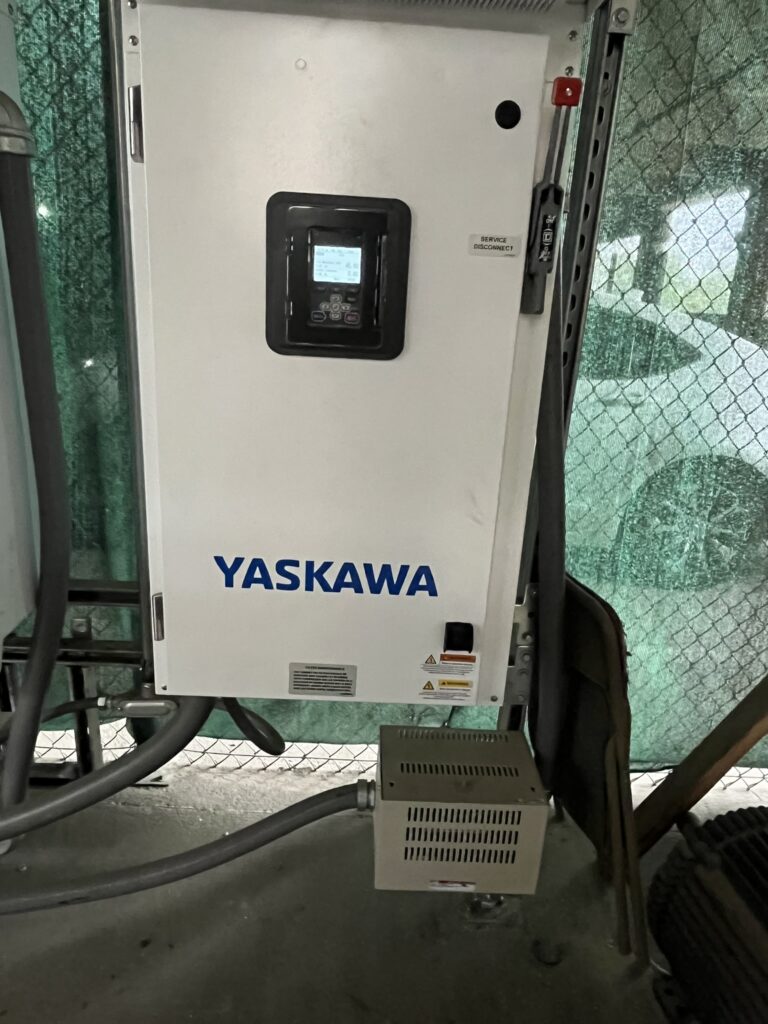
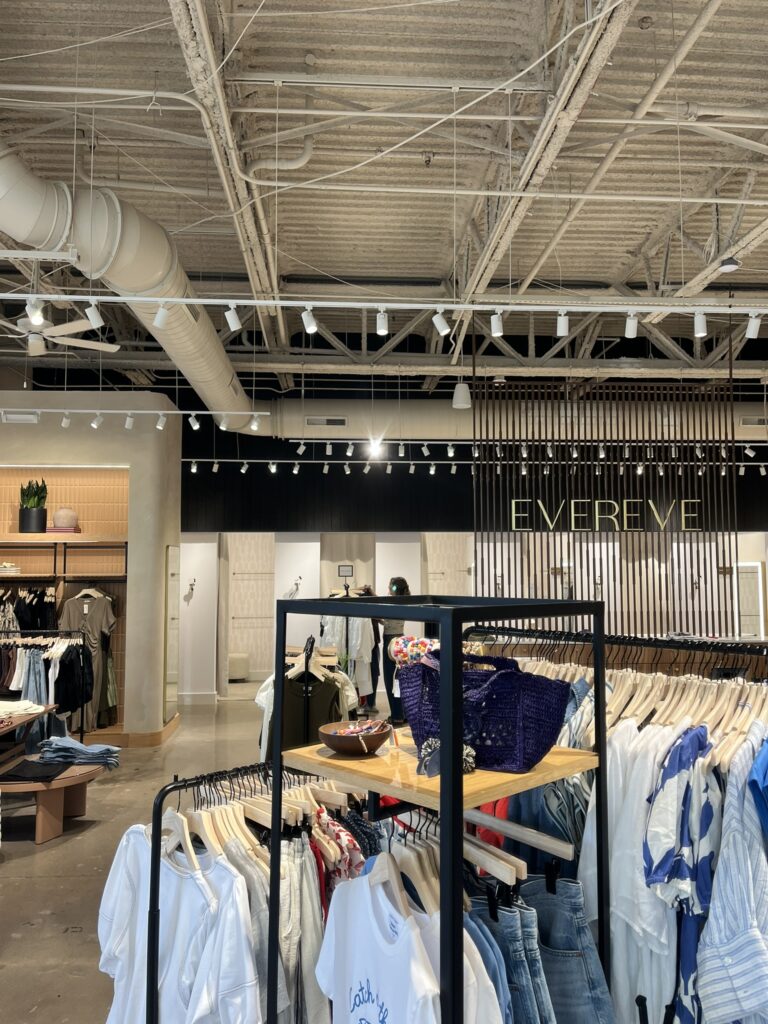
Photos from our own commercial projects — equipment we installed, in buildings we serviced.
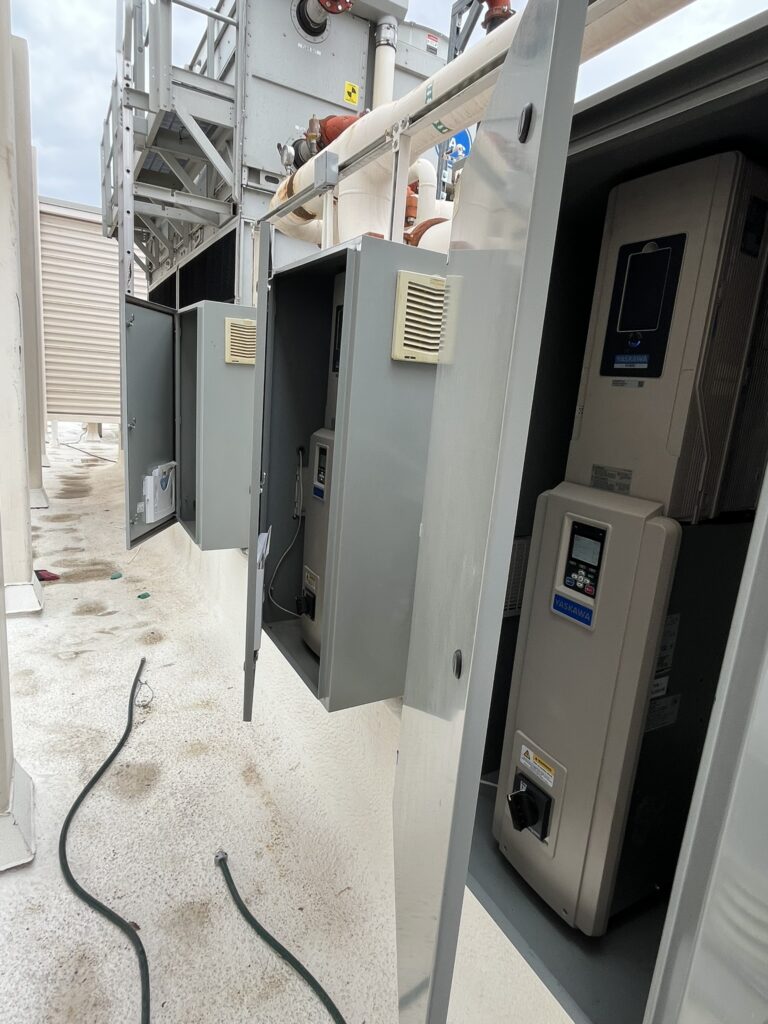
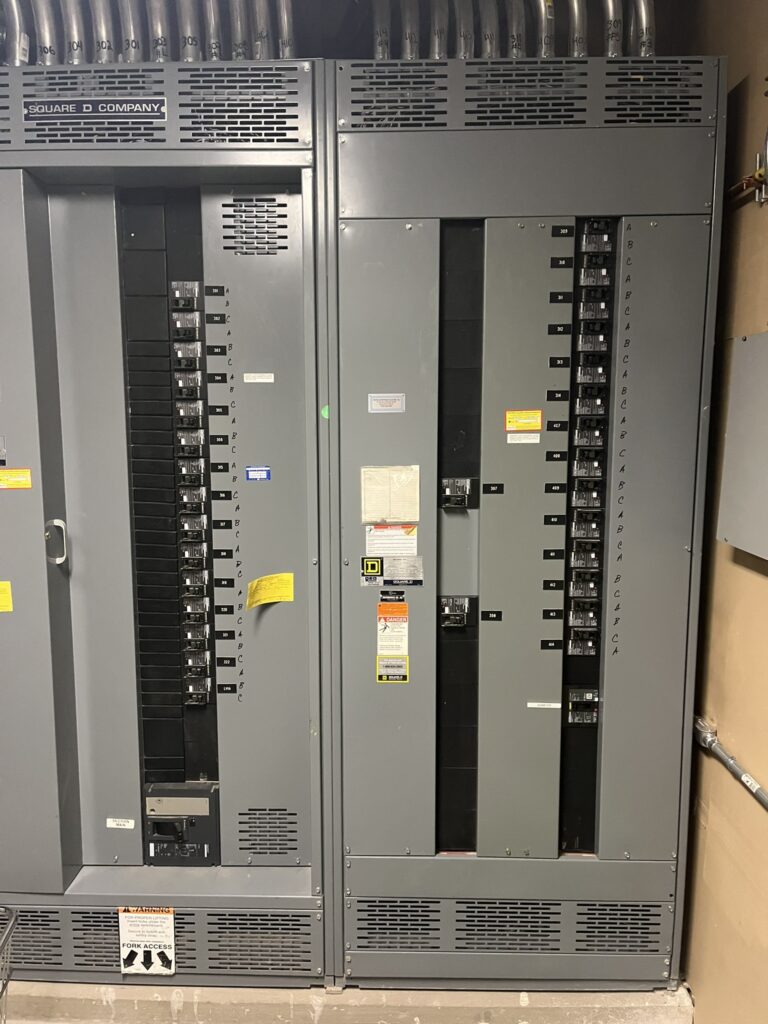
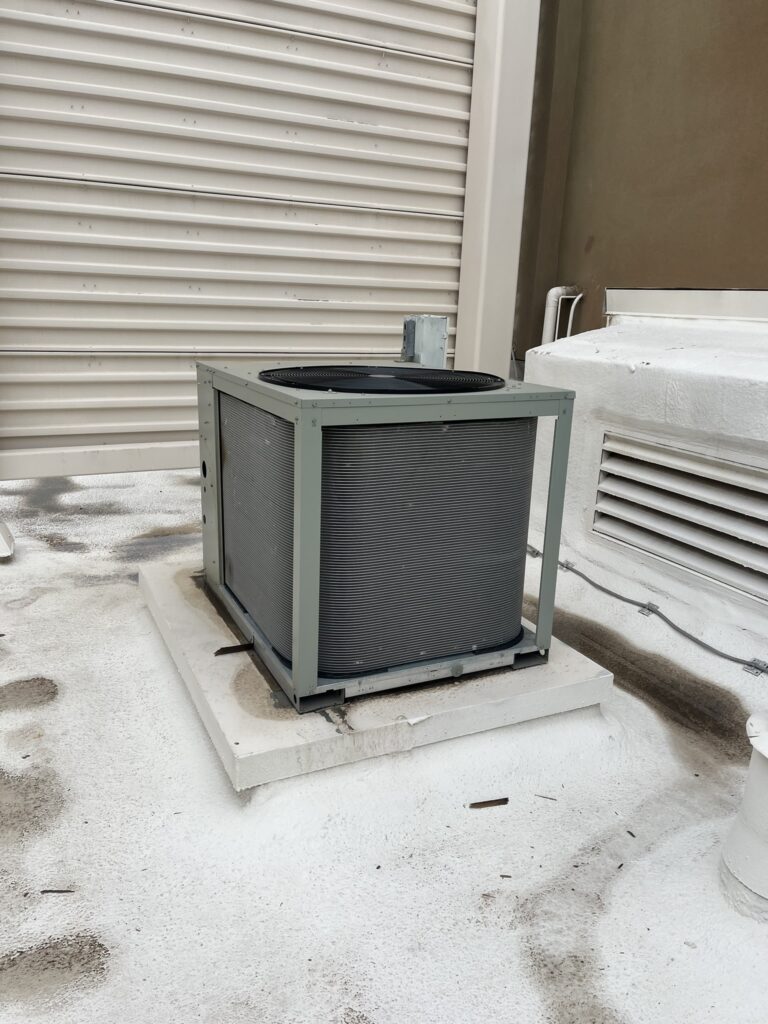
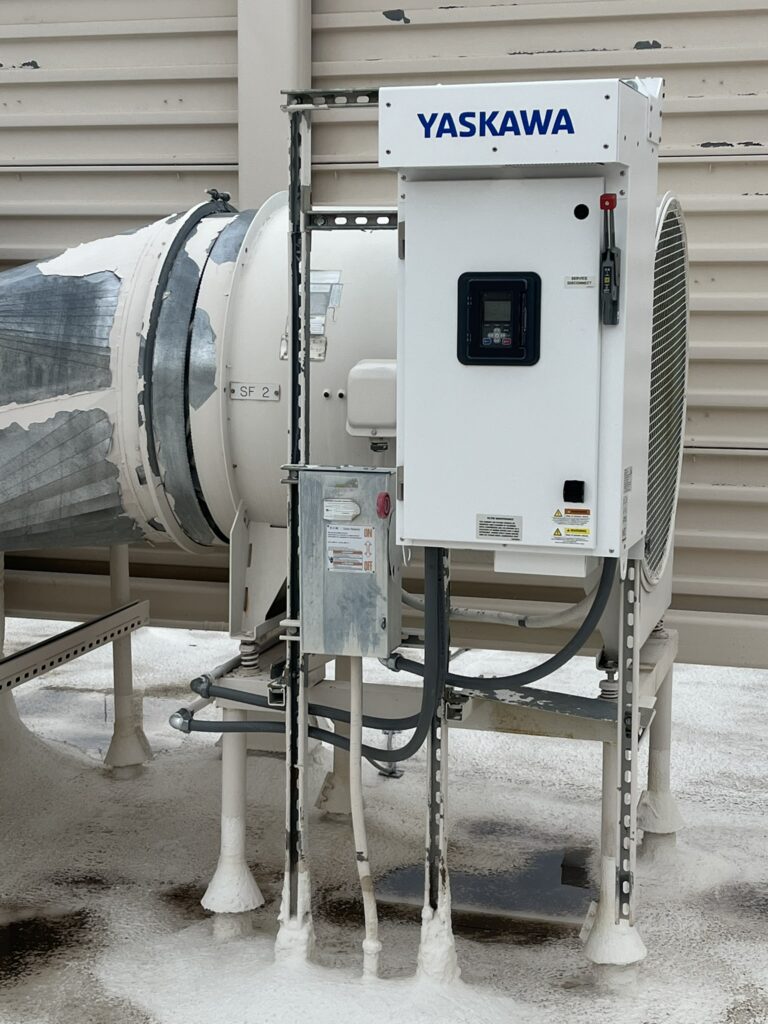
Bank and credit union HVAC service is branch comfort, staff productivity, customer trust, and equipment protection in the same call. It needs its own approach because lobbies, teller lines, offices, conference rooms, ATM support spaces, and server closets carry different loads while access, documentation, and scheduling have to be handled carefully.
Bank And Credit Union HVAC Reality In The Valley
A branch is a public-facing office with stricter operational expectations than a typical suite.
Customers notice comfort while waiting.
Staff sit under the same diffusers all day.
Managers need private offices usable for account conversations.
Conference rooms may sit empty, then fill quickly.
Back offices, break rooms, vault-adjacent areas, and equipment rooms all have their own airflow problems.
In Phoenix, the HVAC load is shaped by long cooling seasons, glass, roof exposure, and predictable business hours with occasional after-hours access.
RTUs are common, and many branches rely on rooftop package units that take direct sun, monsoon dust, and heavy summer run time.
A unit serving the lobby may have to handle door traffic and solar load.
A unit serving offices may short cycle if the zone is lightly occupied.
A small system serving a server closet may be more important than its size suggests.
Server closets and network rooms are a major branch concern.
We service HVAC and document findings; we do not certify IT environments.
Still, a warm equipment closet can create urgent operational pressure because banking workflows depend on stable systems.
If the closet is being cooled by a general office system, the branch may see comfort conflicts: staff are cold while equipment still runs warm, or the lobby is comfortable while the closet climbs.
The cost of failure is rarely dramatic at first. It starts with teller complaints, lobby discomfort, staff moving fans around, doors propped open, and managers trying to keep customers calm.
Then it becomes lost productivity, after-hours coordination, repeated service calls, or a branch that cannot use rooms the way it planned.
Multi-branch operators also need consistency; one site with neglected equipment can eat more time than the whole portfolio should require.
HVAC work in a bank branch should respect access and documentation from the start.
We need to know who can authorize roof access, when occupied areas can be entered, whether escorts are required, and which zones are critical.
The service itself is still commercial HVAC: inspect the equipment, identify confirmed failures, document findings, and provide a written scope.
The branch environment just makes the coordination more important.
Contracts And Cost Honesty
Commercial HVAC pricing for banks and credit unions depends on access rules, equipment type, number of units, roof conditions, confirmed failure, parts availability, after-hours needs, and whether the issue affects a critical room.
We inspect before quoting.
After the in-person look, we provide a flat-rate written quote for the approved scope and document findings in writing.
Maintenance contracts are useful for branches because they create a predictable service record.
Filters, coils, drains, electrical components, belts where installed, thermostats, economizers, and equipment-room conditions can be checked on a set cadence.
For multi-branch groups, that record helps compare sites and decide where repairs or replacements should be planned first.
Yeti Pros is veteran-owned & operated. AZ ROC #363372 · ROC #363423.
Our work is held to the AZ ROC Minimum Workmanship Standards.
We provide a 2-YEAR written workmanship warranty.
Repair parts carry a 1-YEAR manufacturer parts warranty.
Financing is available, and we offer a 10% military, veteran & first responder discount.
The cost conversation should be tied to the written scope. A branch manager should not have to translate a vague verbal diagnosis for operations. The facilities contact should know whether the recommendation is repair, maintenance, further evaluation, or replacement planning. That is how commercial HVAC decisions stay clear without disrupting the branch more than necessary.
How We Run Service For Banks And Credit Unions
We schedule branch service around the way the facility operates.
Lobby and teller-line issues usually need quick attention because they affect customers and staff at the same time.
Office and conference-room issues may be scheduled during lower-traffic periods when possible.
Server-closet or network-room heat gets treated as a critical equipment-area complaint, with clear notes about what the HVAC is doing and what it is not doing.
Yeti Pros is a service-area business with no customer-facing street address; we come to you across Phoenix and the Valley.
Office hours are Mon-Fri 8-5, and 24/7 emergency service is available.
For branches, after-hours work may be appropriate when customer areas, access protocols, or staff schedules make daytime repair difficult.
We do not pretend after-hours is always the best answer. Parts availability, roof access, authorization, and the type of repair all affect timing.
At booking, the diagnostic or service-call fee is disclosed and credited toward the repair.
After an in-person look, we provide flat-rate written quotes.
Scopes and findings are documented in writing so a branch manager, facilities contact, board, or operations team can review the condition, the recommended work, and the approval path without relying on a verbal summary.
For multi-branch maintenance, consistency matters.
Each branch should have its equipment identified by location and zone.
Filters, coils, drains, electrical components, belts where installed, economizers, thermostats, and control issues should be documented in a way that helps the facilities person compare locations.
The goal is to catch repeated failures, prioritize aging units, and avoid emergency-only maintenance.
Access has to be handled cleanly.
We coordinate with the site contact, follow the branch’s entry process, and keep our work focused on the HVAC scope.
We do not need to know customer information, and we do not wander the building looking for shortcuts.
If a unit serves a sensitive room, we document the HVAC condition and keep the recommendation tied to the mechanical issue.
For planned branch support, see commercial maintenance contracts. To schedule service or discuss a multi-branch cadence, use contact or call (520) 556-8929.
Decision Table For Branch HVAC Problems
Branch complaints often sound simple until the affected zone is identified. A warm teller line, cold office, and hot network closet may involve different systems or one system serving mismatched loads.
| Symptom Or Situation | What It Usually Means | Priority |
|---|---|---|
| Lobby warm during business hours | Solar gain, door traffic, dirty coils, low airflow, staging issue, or RTU performance loss | High because customers and staff feel it |
| Teller line uncomfortable but offices fine | Air balance issue, supply layout, thermostat placement, or zone control problem | High when staff are stationed there all day |
| Server closet running warm | Insufficient dedicated cooling, poor airflow, failed small system, or general HVAC not matched to equipment load | High because operations may depend on it |
| Conference room swings hot and cold | Intermittent occupancy load, poor sensor location, airflow imbalance, or controls not matched to use | Medium unless customer meetings are affected |
| One branch has repeat summer calls | Aging RTU, dirty condenser coils, unresolved electrical issue, or maintenance cadence too light for the load | Plan repair history review |
| Condensate leak or ceiling stain | Clogged drain, pan issue, coil icing, or neglected maintenance | Prompt service to limit disruption |
Phoenix-Metro Specifics For Banks And Credit Unions
Branch buildings in the Phoenix metro often combine glass, open lobbies, private offices, and small equipment rooms under one roof. That mix puts pressure on standard rooftop units. The same system may be expected to satisfy customers in the lobby, staff behind the line, and office occupants with different schedules and heat loads.
RTUs dominate many commercial branches because they are practical, but roof conditions are harsh. Roofs can hit 115 degrees.
Units that have not been cleaned or checked before summer can lose capacity when the branch needs them most.
Monsoon dust loads condenser coils and filters.
A branch near heavy traffic can see faster filter loading than expected.
Clogged drains can become ceiling problems quickly.
Server closets deserve special attention in the Valley.
A closet placed inside an office zone may not have the airflow or cooling control needed for equipment heat.
If staff lower the thermostat to help the closet, the occupied area may become too cold. If they raise it for comfort, equipment heat may climb.
We document the HVAC condition and identify whether the mechanical equipment is operating as intended, undersized for the observed load, poorly distributed, or simply neglected.
Utility demand realities also affect branch planning. Long cooling hours, aging RTUs, and dirty coils can make equipment work harder. We do not promise savings from a quick visit. We point out confirmed operating issues, deferred maintenance, and repair needs that create avoidable strain or comfort instability.
Multi-branch operators across Phoenix and the Valley benefit from standardized maintenance notes.
If every branch has a different description for the same unit, decision-making gets messy.
We document equipment, observed condition, recommended repairs, and urgency in plain language so the facilities contact can prioritize.
A board or operations team does not need vague comfort language. They need to know which unit, which zone, what finding, and what scope.
The branch goal is steady, quiet reliability. Customers should not be thinking about the air conditioning, staff should not be fighting over thermostats, and equipment closets should not be ignored until they trigger an emergency call. Commercial HVAC work cannot control every building-design issue, but it can keep the mechanical side visible and documented.
Straight Answers
Can you service banks after hours?
Yes, when the scope and access make sense. Office hours are Mon-Fri 8-5, and 24/7 emergency service is available. After-hours work depends on authorization, access, parts, roof conditions, and the repair needed. We coordinate before arrival so the branch knows what to expect.
Do you handle HVAC for server closets?
We service HVAC equipment affecting server closets and document what we find. We do not certify IT rooms or provide technology design. If the HVAC is failing, poorly maintained, or not matching the observed load, we explain that in a written scope.
Can you maintain multiple branches?
Yes. A maintenance contract can identify equipment by branch, unit, and zone, then document findings consistently. That helps operations compare conditions across the portfolio, plan repairs, and reduce emergency-only service calls during Phoenix summer heat.
What happens before you quote a branch repair?
The diagnostic or service-call fee is disclosed at booking and credited toward the repair. We inspect the equipment in person, document findings, and provide a flat-rate written quote. Call (520) 556-8929 or use the contact page to schedule.
Whether it starts as planned maintenance contracts or as a standing maintenance plan, the process is the same: an in-person look, a documented scope, and numbers that hold. Reach out and we will walk the facility with you.
Permits and inspections
Most repairs are ordinary service work; bigger scopes can involve city permitting. We perform our work to code, pull the permits our scope requires, and put what we did in writing.
What's covered
Workmanship is covered for two full years, in writing, and repair parts carry a 1-year manufacturer parts warranty — we document installs and repairs so those claims stay simple to make
HVAC for Banks & Credit Unions — Phoenix Metro, city by city.
Every city below has its own local page for this industry — local FAQs, utility territory, and dispatch reality included.
Why a licensed HVAC contractor matters.
Commercial HVAC, industry by industry.
Every major brand, serviced and installed.


Phoenix metro: Most days a tech is already working somewhere in the Valley, so same-day appointments happen when the schedule allows. After-hours emergencies are dispatched when a licensed tech is available — a real person answers and tells you the ETA on the call.
Call (520) 556-8929Request an estimate.
No pressure, no door knockers. We look at the HVAC system, tell you what it needs (and what it doesn’t), and put the number in writing.