
Phoenix Metro
HVAC for Urgent Care Clinics in Phoenix.
- (520) 556-8929
- Serving the entire Phoenix metro — we come to you
- Office: Mon–Fri 8:00 AM – 5:00 PM · 24/7 emergency service
- 2-year workmanship warranty · 1-year parts warranty
- Veteran-owned & operated · residential + commercial
- 23 five-star Google reviews
Commercial jobs we have documented.
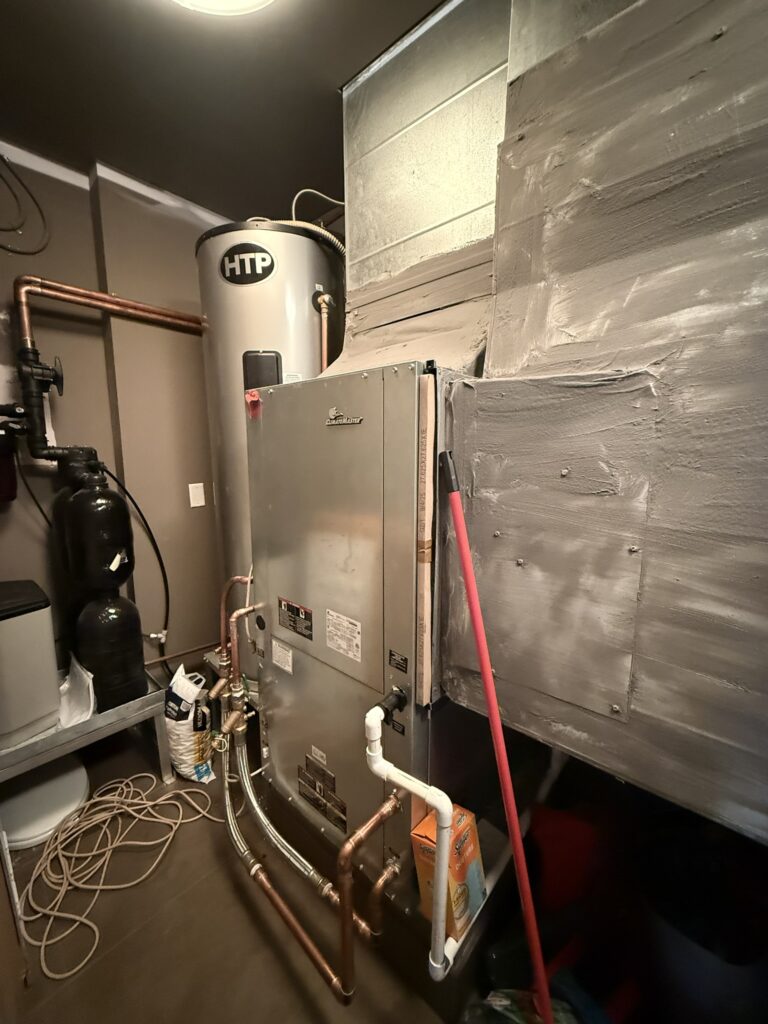
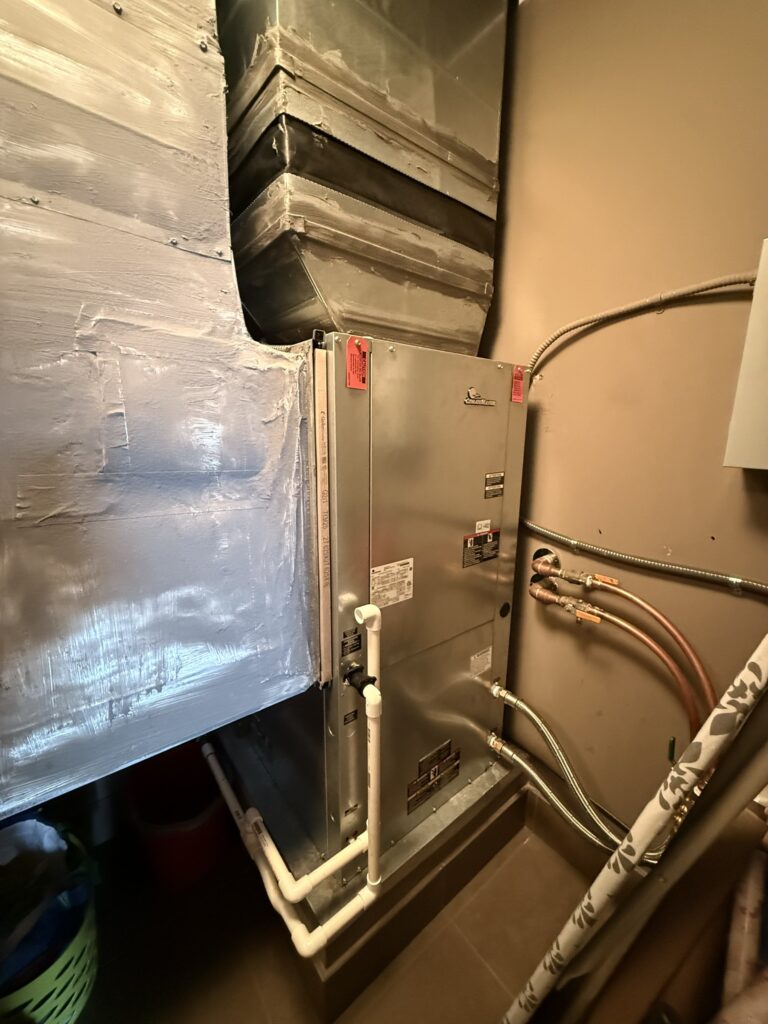
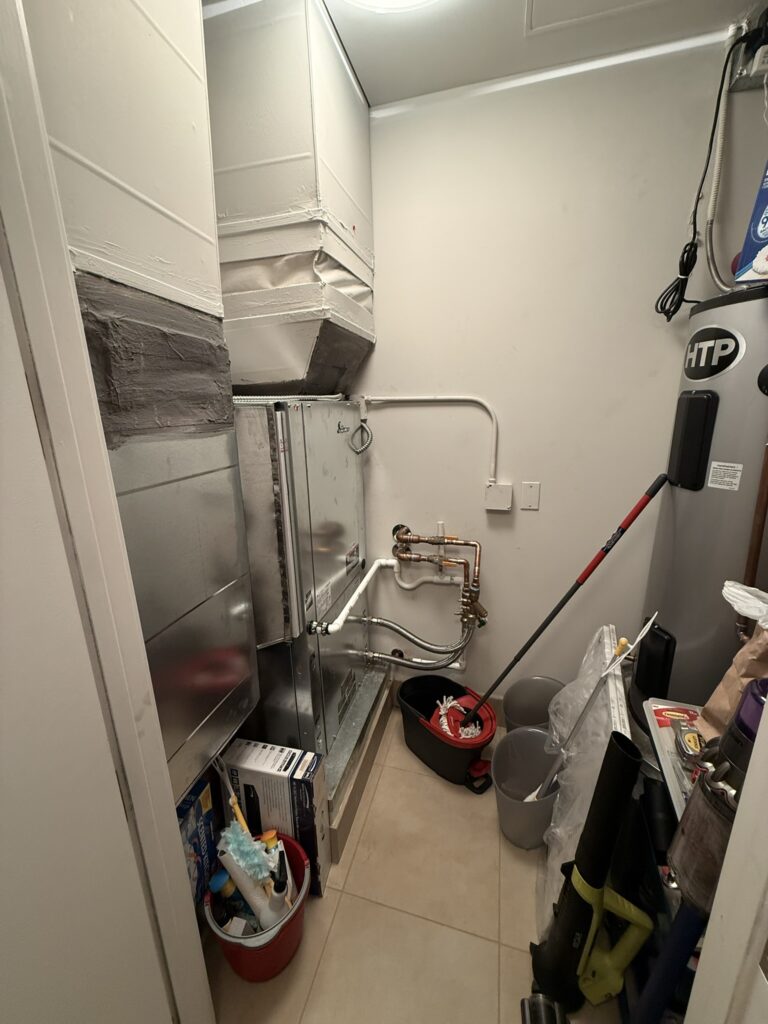
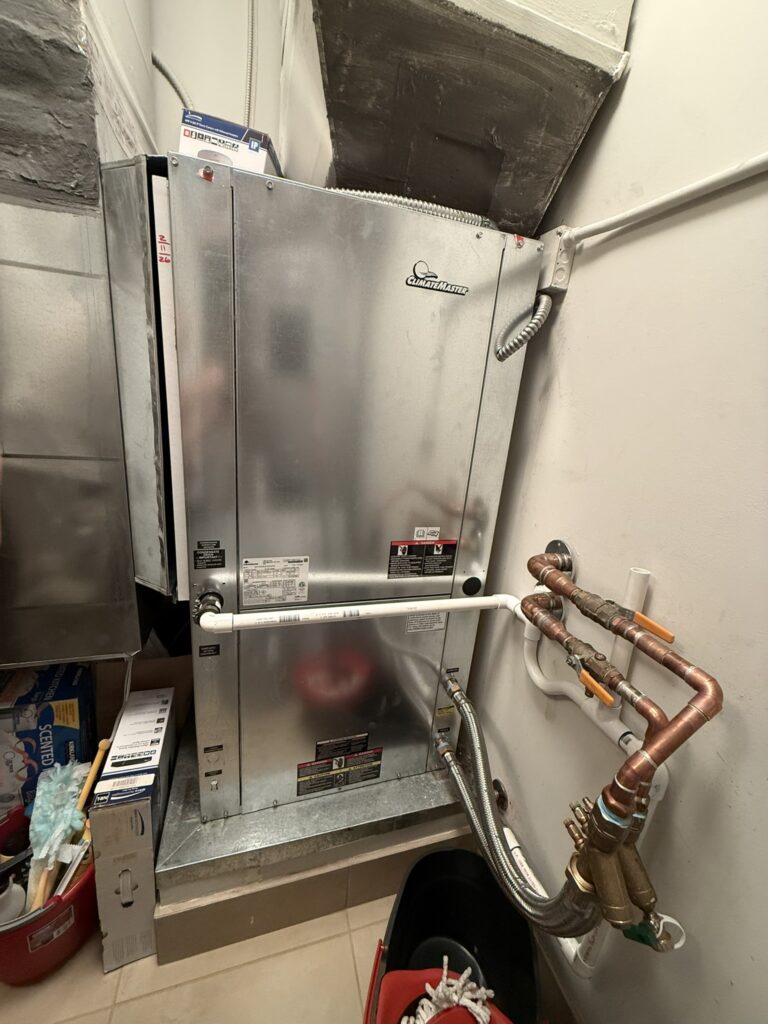
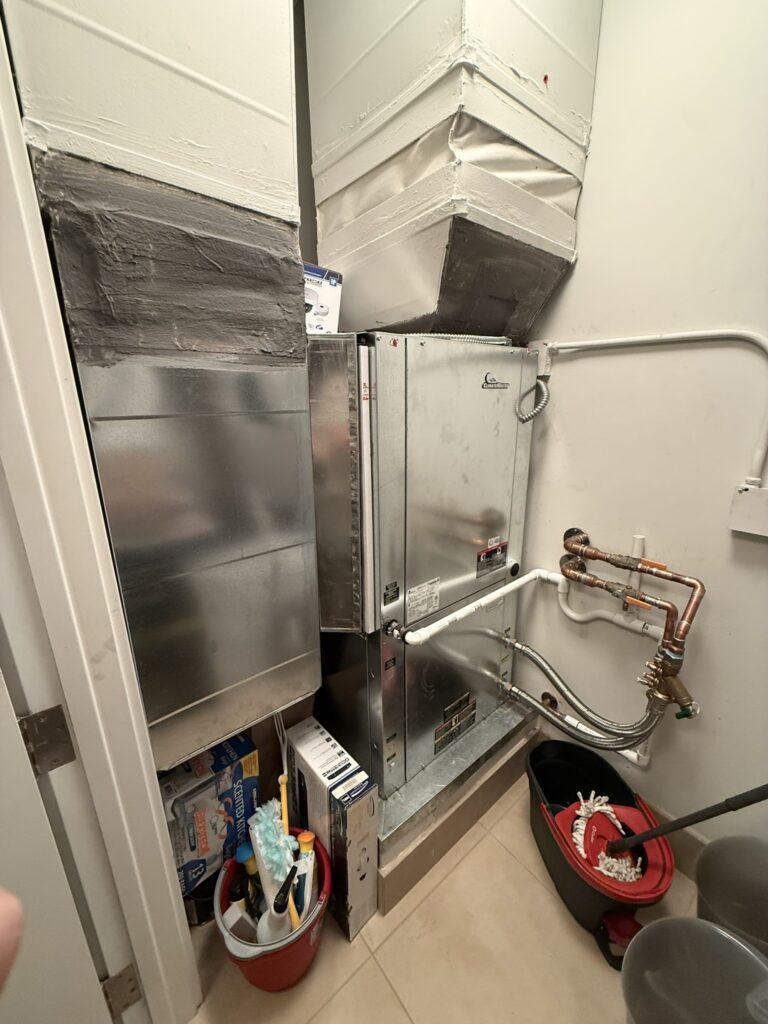
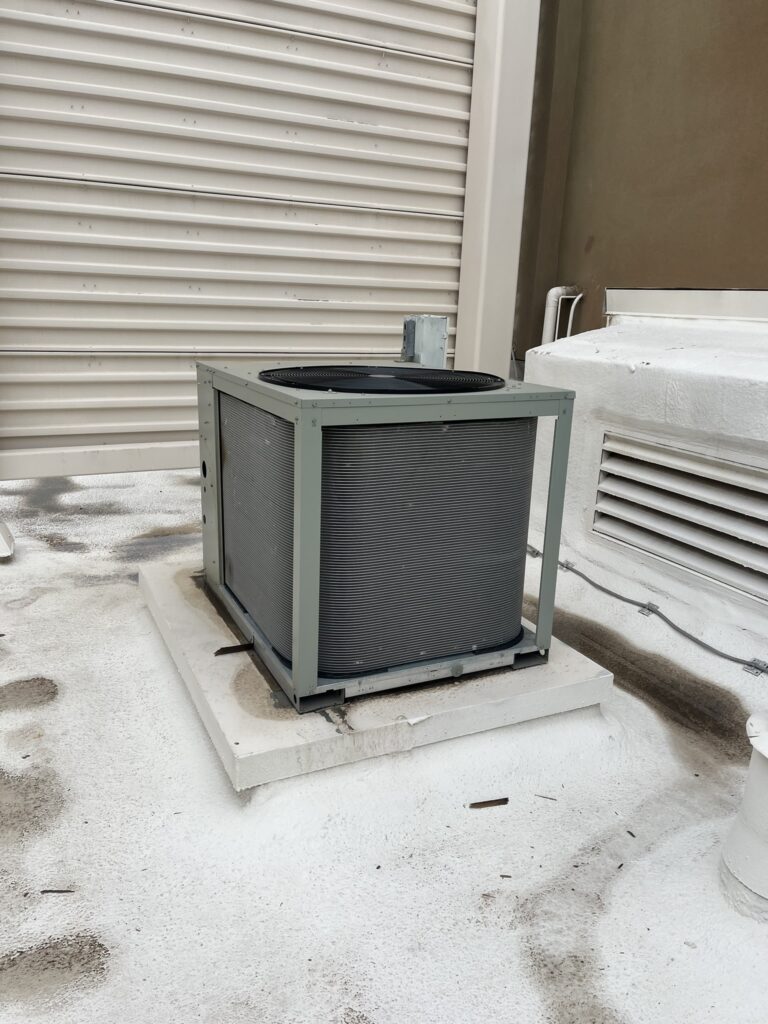
Photos from our own commercial projects — equipment we installed, in buildings we serviced.
Urgent care HVAC in Phoenix has a scheduling problem baked into the business model: your clinics are open on the evenings, weekends, and holidays when most commercial HVAC contractors have gone home. A system that quits at 7 p.m. on a Saturday quits during your busiest shift — and if your service vendor keeps banker’s hours, that failure runs unanswered until Monday while patients walk back out the door. Yeti Pros is a veteran-owned commercial HVAC contractor whose dispatch runs 24/7 with a live person answering, which makes our operating hours one of the few in this trade that actually match yours. Arizona ROC #363372 · ROC #363423, serving the whole Phoenix metro. The number is (520) 556-8929.
Your busiest hours are everyone else’s closed hours
Retail medicine wins by being available when primary care isn’t — after work, on weekends, on the Fourth of July. The uncomfortable corollary: your HVAC failures cluster in exactly those windows, because that’s when the building is fullest and the equipment is working hardest. A contractor who calls back Monday morning is functionally useless to a clinic whose peak census lands Saturday afternoon. Our emergency line is answered by a human at every hour of every day of the year, occupied medical facilities sit at the top of our dispatch triage, and the arrival window you’re quoted reflects where trucks actually are — not what a marketing department decided would sound impressive.
Summer fills your lobby and strains your equipment at the same time
Urgent Care High Season: June through September
June through September is urgent care high season in the Valley due to:
Common Phoenix Rooftop Equipment Failures in Summer
This is also the exact stretch when Phoenix rooftop equipment fails most:
Compressors dying under sustained 110-degree duty.
Capacitors cooking on the roof.
Coils choked by monsoon dust.
The busiest quarter of your year and the most failure-prone quarter for your cooling are the same quarter, and pretending otherwise is how clinics end up dark in July.
The Structural Solution
Proactive Pre-Season Maintenance
Pre-season maintenance each spring to delete the predictable failures.
Reliable After-Hours Capability
Genuine after-hours capability for whatever summer throws anyway.
Clinics that do the first rarely need the second — but they have it.
Strip-mall suites, storefront buildouts, and shared rooftop units
Typical Setup
Most Valley urgent cares occupy retail shells — end-caps, in-line suites, converted storefronts — and inherited whatever rooftop units the landlord’s tenant-improvement budget allowed.
Common Challenges
Exam rooms, labs, and X-ray suites get carved out of open retail space with ductwork designed on a deadline, which is why so many clinics run one roasting exam room and one freezing one off the same unit.
After buildouts, we perform airflow rebalancing.
We provide zone corrections.
We add returns where TI work skipped them.
Written documentation of which unit actually serves which space — including who’s responsible for it under your lease, a question far better answered before the failure than during it.
A waiting room where the sick and the well share air
An urgent care lobby is one of the few rooms in commercial Phoenix where contagious people are the expected clientele. Patients notice the air in that room, and your staff breathe it for entire shifts.
Filtration upgraded to the highest MERV rating the air handler’s static pressure genuinely supports — measured first, never assumed.
Outside-air settings verified against how the space is really occupied.
Exhaust checked.
Coils and condensate systems kept clean so the HVAC itself never joins the problem list.
We’re careful with claims here, because no filter makes a waiting room risk-free and any contractor promising that is selling something. What you get from us is equipment doing everything it mechanically can, with the documentation to show it.
Multi-location chains, one accountable vendor
Urgent care in the Valley is increasingly a multi-site business, and ten locations with ten different service histories is an operational headache nobody budgeted for.
We consolidate it:
Every clinic on one maintenance agreement with identical scope.
One point of contact for your operations lead.
Uniform condition reports from every site.
Fleet-level visibility into which rooftop units are aging toward replacement — so capital planning happens on evidence, at the regional level, instead of arriving one emergency at a time.
A closed clinic sends its patients to the competitor up the road
Urgent care patients don’t reschedule — they redirect. Every hour your lobby is uninhabitable, the clinic two miles away is treating people who searched for you first, and some fraction of them learn a new habit that outlives the outage. We understand what an out-of-service afternoon costs a retail clinic, and that math shapes how we run your calls:
We provide honest triage to quickly assess the situation.
Our trucks are stocked with parts for most Phoenix commercial failures (contactors, capacitors, fan motors, control boards).
We prioritize closing the repair in a single visit.
If a part must be ordered, we inform you immediately, stabilize what we can, and prioritize the return trip.
What to Expect
We won’t invent minute-guarantees; you get a real window, and updates if it moves.
Urgent care HVAC coverage across the Phoenix metro
Extensive Service Footprint
From central Phoenix and Tempe out through Mesa, Gilbert, Chandler, Scottsdale, Glendale, Peoria, Surprise, and the West Valley corridors where new clinics follow new rooftops, coverage runs metro-wide under a single dispatcher. That footprint matters to chains with sites spread across forty miles, and to single-location operators at the metro’s edges who are used to hearing they’re outside the service area.
Monsoon Season Preparedness
Monsoon season earns its own paragraph in every Phoenix service plan: after a haboob crosses the Valley, dust-packed condensers and surge-killed boards produce a predictable overnight wave of failures, and the clinics that open Sunday morning feel it first. A post-storm equipment check is cheap insurance against joining that wave with a lobby full of patients.
How we work with clinic operators
Repairs arrive as flat-rate written quotes before any work starts. Diagnostic fees are disclosed when you call and credited toward approved repairs.
Refrigerant work is performed by EPA 608-certified technicians and documented properly.
Workmanship meets the Arizona ROC’s Minimum Workmanship Standards as a floor, with our own warranty above it.
When a new location needs equipment for a buildout or an aging unit finally earns retirement, that’s handled through commercial AC installation with a written scope. The rest of the commercial catalog is at commercial HVAC services.
Veteran-Owned & Operated
We’re veteran-owned and operated, which mostly means the unglamorous virtues: show up on time, finish the checklist, complete the paperwork.
Military & First Responder Discount
Urgent care staffs a remarkable number of veterans and military spouses — for their own houses, the 10% military, veteran & first responder discount applies on our residential side, and we’re glad when word travels through a break room.
Questions Phoenix urgent care operators ask us
Yes — a person who can move a truck, not an answering service taking a message for Monday. Around-the-clock coverage exists precisely because businesses like yours are open when the rest of the trade is closed, and a clinic full of patients ranks at the top of our triage.
Frequently, yes. Where the suite runs multiple units or zones, we isolate the affected area so the rest of the clinic keeps seeing patients, and we push disruptive work into your closed hours. If conditions genuinely can’t support patients, we’ll tell you directly rather than let you find out from complaints at the front desk.
Call us either way. We’ll diagnose the unit, put its condition in writing, and help you sort what your lease makes the landlord’s problem versus yours. Clinics regularly use those written assessments to get action out of property managers who otherwise move at property-manager speed.
The highest MERV rating your blower can genuinely handle, confirmed with a static pressure measurement first — an over-filtered system loses the very airflow that makes filtration useful. MERV-13-class is a common target for patient-facing space; we test, then recommend, in that order.
Yes — one contract, identical scope at every site, one contact for your operations team, and consolidated condition reporting so you can compare equipment health across the whole fleet at a glance.
Usually not — post-buildout airflow imbalance is the most common culprit in retail-shell clinics: a starved duct run, a damper set wrong at TI, a missing return. We measure room by room and quote the correction flat-rate in writing before touching anything.
Spring maintenance, seriously executed: coil cleaning before the heat arrives, capacitor and electrical testing under load, refrigerant charge verification, condensate protection, and a written condition report flagging whatever is trending toward failure while it’s still a cheap fix instead of a closed Saturday.
When a diagnostic fee applies, you hear it on the phone before dispatch, and it credits toward the repair if you approve the quote. No surprises after the fact — that’s the whole policy.
Be the clinic that stays open in July. Call (520) 556-8929 — live answer 24/7, anywhere in the Phoenix metro.
Permits and inspections
Most repairs are ordinary service work; bigger scopes can involve city permitting. We perform our work to code, pull the permits our scope requires, and put what we did in writing.
What's covered
Workmanship is covered for two full years, in writing, and repair parts carry a 1-year manufacturer parts warranty — we document installs and repairs so those claims stay simple to make
Why a licensed HVAC contractor matters.
Commercial HVAC, industry by industry.
Every major brand, serviced and installed.



Phoenix metro: Most days a tech is already working somewhere in the Valley, so same-day appointments happen when the schedule allows. After-hours emergencies are dispatched when a licensed tech is available — a real person answers and tells you the ETA on the call.
Call (520) 556-8929Request an estimate.
No pressure, no door knockers. We look at the HVAC system, tell you what it needs (and what it doesn’t), and put the number in writing.