
Phoenix Metro
HVAC for Warehouses — Phoenix Metro.
- (520) 556-8929
- Serving the entire Phoenix metro — we come to you
- Office: Mon–Fri 8:00 AM – 5:00 PM · 24/7 emergency service
- 2-year workmanship warranty · 1-year parts warranty
- Veteran-owned & operated · residential + commercial
- 23 five-star Google reviews
Commercial jobs we have documented.
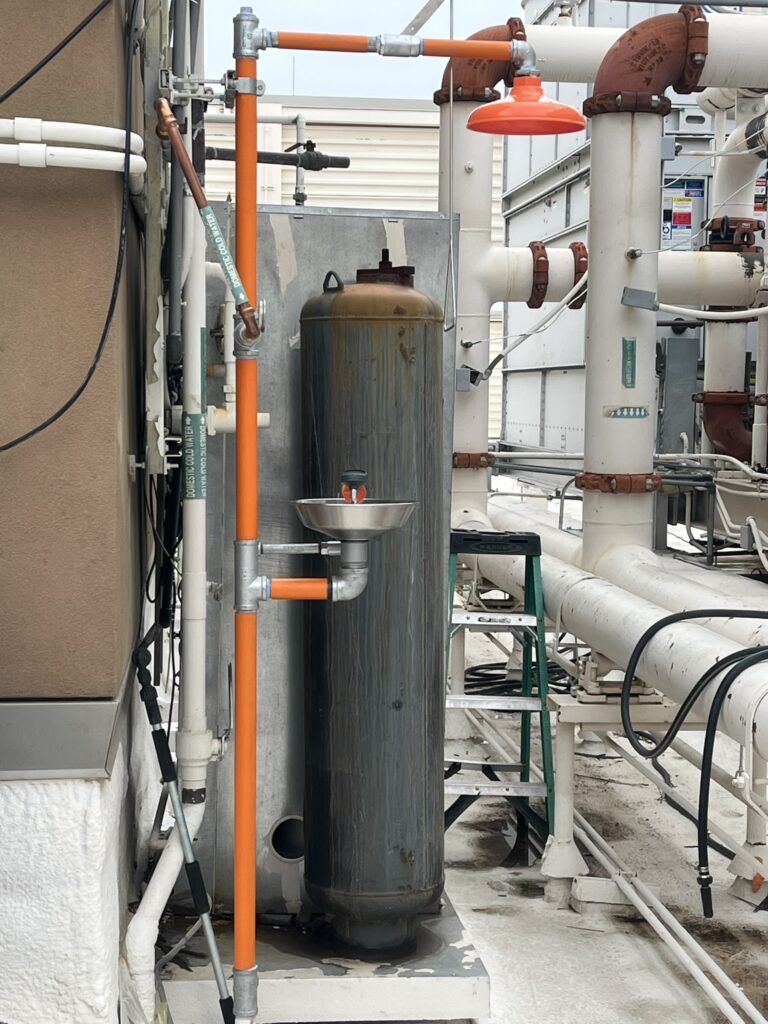
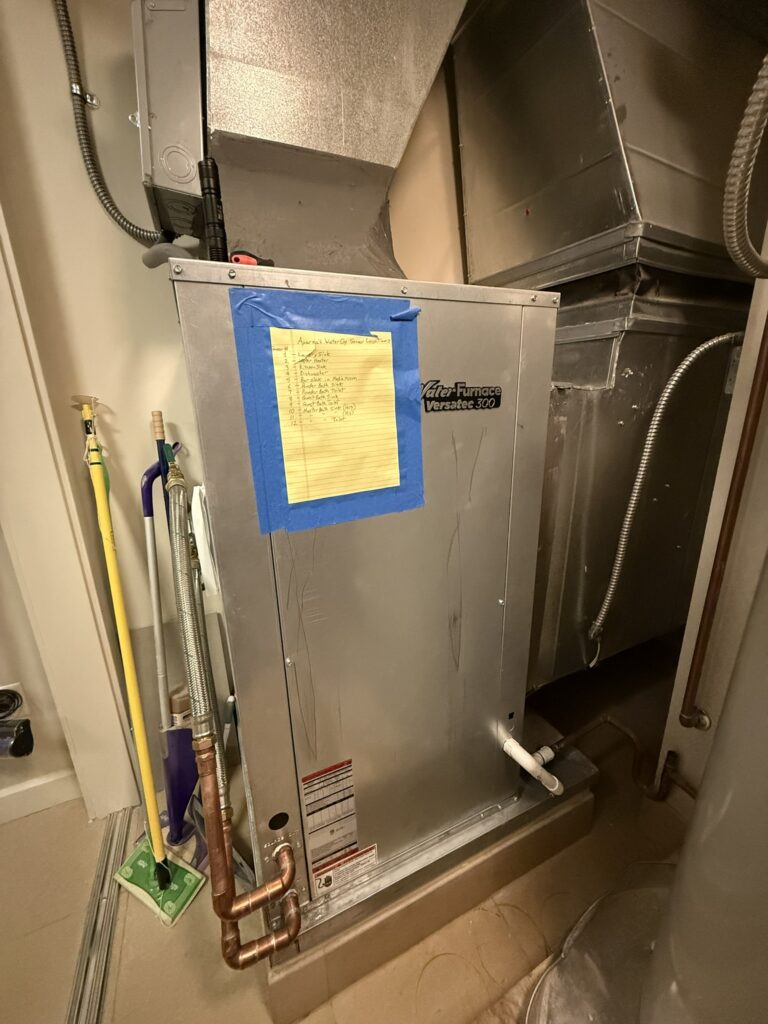
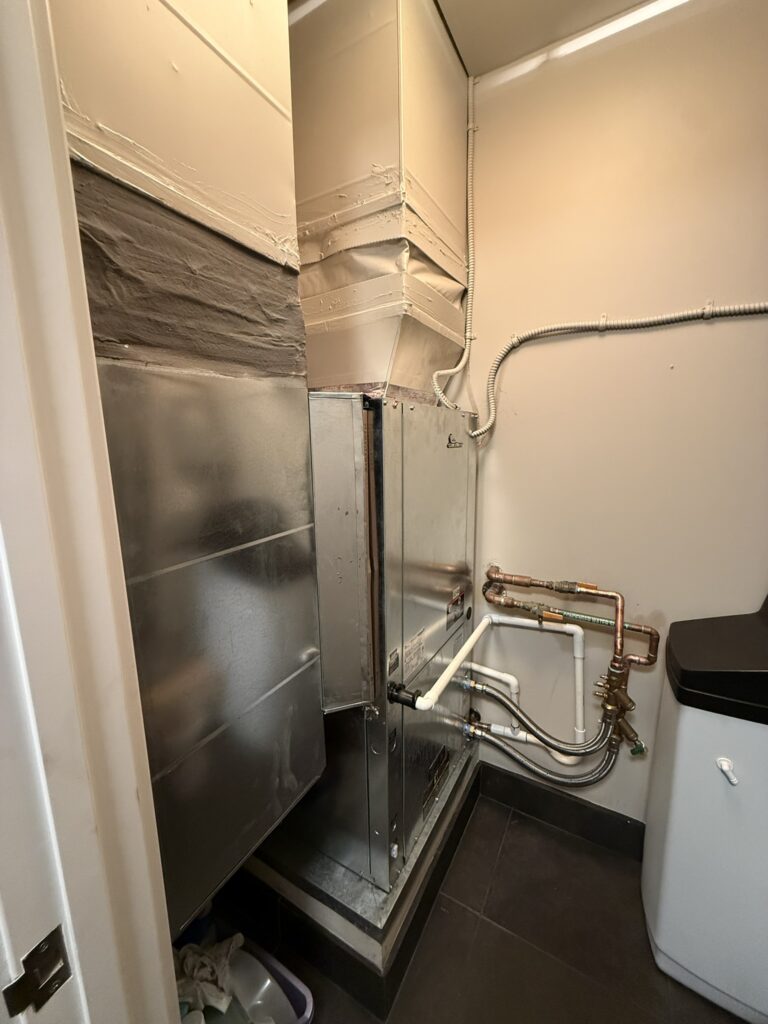
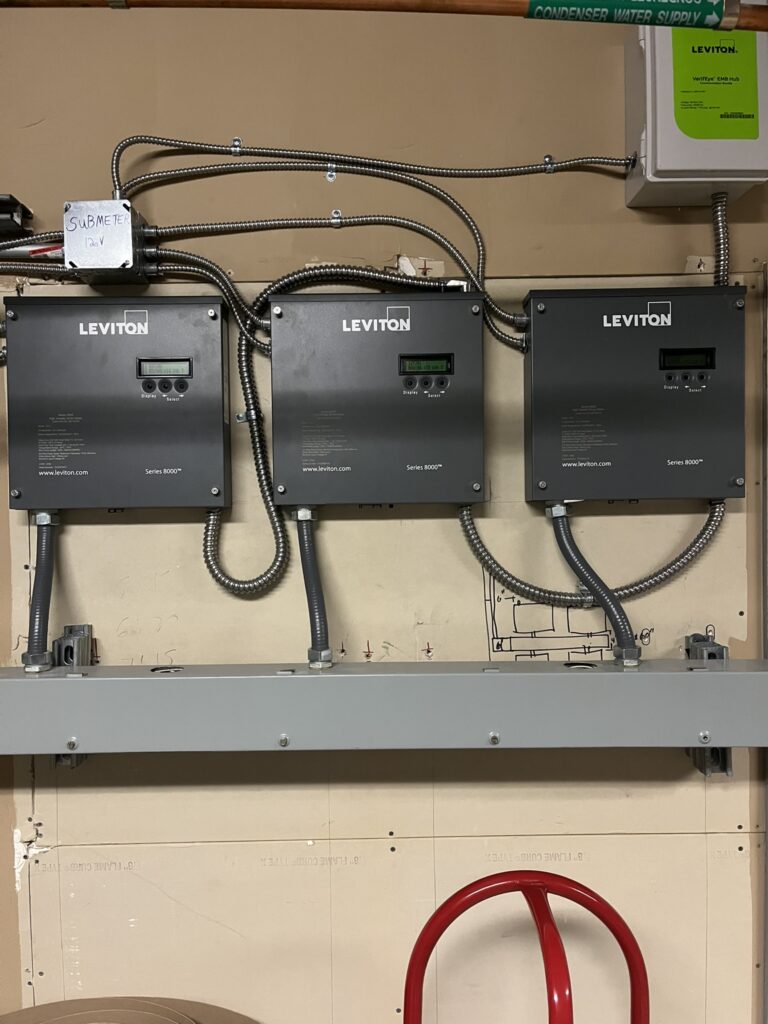
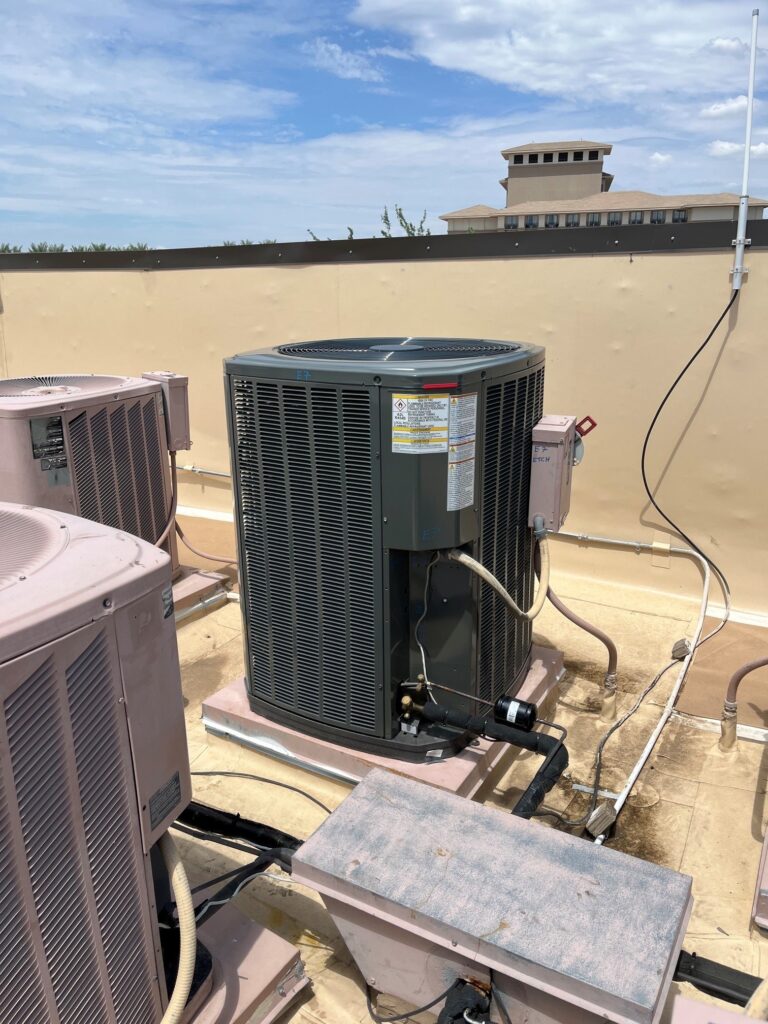
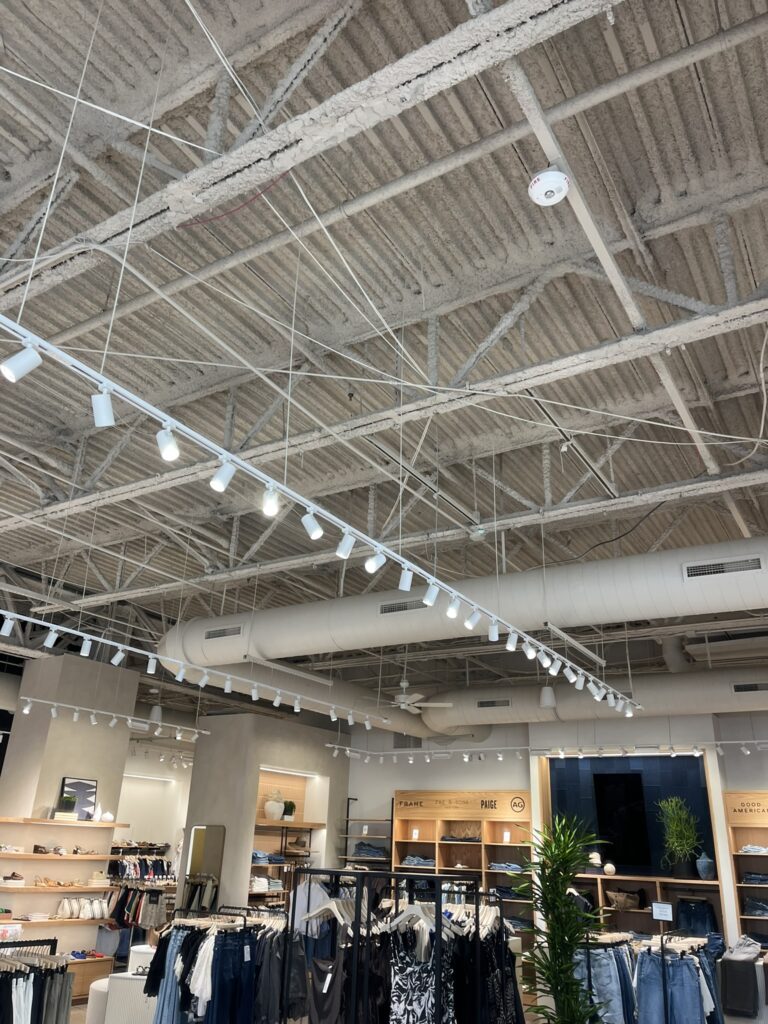
Photos from our own commercial projects — equipment we installed, in buildings we serviced.
Warehouse HVAC service starts with an honest question: what area actually needs conditioning? In Phoenix and the Valley, a full warehouse, office pod, shipping desk, break room, mezzanine, or production zone may each need a different answer. Good service separates comfort targets from equipment limits before money is spent on the wrong repair. It also separates a true cooling failure from a building-use problem.
The HVAC Reality For Warehouses In The Valley
Warehouses are not single-room comfort problems. They are volume, doors, people, equipment, forklifts, loading bays, racking, office pods, and sometimes production heat all in one shell. A thermostat reading in the office may say nothing about the pick line. A rooftop unit may serve only the front offices while the main box relies on evaporative cooling, fans, spot cooling, or no full conditioning at all. In practice, the first service decision is mapping the complaint to the equipment that can actually affect it.
Cooling the entire warehouse volume like an office is often unrealistic unless the building was designed for it. Many facilities need targeted conditioning for offices, dispatch areas, break rooms, quality control zones, IT spaces, or workstations where people remain in place.
Evaporative systems need to be maintained honestly, with clear expectations about what they can and cannot do during humid monsoon conditions.
A peak-heat complaint may be a different operational problem than the same complaint early in the morning.
Rooftop Package Units
Common on warehouse offices and conditioned areas, they sit on hot roofs, collect dust, and run hard during long cooling seasons. In summer, those units can cycle for long stretches with little recovery time, so weak capacitors, dirty condenser coils, worn belts, marginal blower motors, and poor airflow show up quickly.
Evaporative Coolers & Makeup Air
May serve larger zones, but they bring their own maintenance needs: pads, pumps, belts, bearings, water distribution, drains, and seasonal performance limits. The right service approach depends on the equipment mix, not a generic commercial HVAC checklist.
Warehouse downtime can be expensive without needing a dramatic failure. If the shipping office is too hot, paperwork slows. If a break room is unusable, morale takes a hit. If a production area depends on spot cooling and that unit fails, a line may have to change pace.
HVAC service for warehouses has to be practical about work areas, access, safety coordination, roof conditions, and scheduling around operations.
A repair that blocks a dock, interrupts a pick path, or requires power isolation during a rush window has to be planned around the business.
Contracts, Cost Honesty, And Warranty Facts
Warehouse HVAC pricing depends on equipment type, roof access, unit size, evaporative components, refrigeration work, electrical condition, parts availability, lift or access requirements, after-hours timing, and whether the scope involves an office pod, spot zone, or larger warehouse system. We inspect in person and provide flat-rate written quotes, with findings and scopes documented in writing. The diagnostic/service-call fee is disclosed at booking and credited toward the repair.
Planned maintenance is usually the cleaner way to manage mixed warehouse equipment. Our commercial maintenance contracts can be built around RTUs, evaporative units, office pods, filters, coils, drains, belts, electrical checks, seasonal startup needs, and written reporting for management review. For warehouses, that reporting helps separate recurring mechanical problems from building conditions, scheduling constraints, and system limitations that should be handled differently.
Workmanship Warranty
Yeti Pros is veteran-owned & operated. AZ ROC #363372 · ROC #363423. Our work is held to the AZ ROC Minimum Workmanship Standards. We provide a 2-YEAR written workmanship warranty.
Parts Warranty & Discounts
Repair parts carry a 1-YEAR manufacturer parts warranty. Financing is available, and we offer a 10% military, veteran & first responder discount.
How We Run Service For Warehouses
Yeti Pros is a veteran-owned & operated commercial HVAC contractor serving warehouse facilities across Phoenix and the Valley. We are a service-area business with no street address, so we come to you. Office hours are Mon-Fri 8-5, and 24/7 emergency service is available for commercial cooling failures that cannot wait. For warehouse calls, the service conversation includes both the equipment issue and the operating conditions around it.
Is the complaint in the office pod, warehouse floor, shipping desk, server closet, restroom, break room, or a specific production zone? Which unit serves it?
Is the system expected to fully condition the space, provide spot cooling, or support ventilation and air movement?
We look at thermostat location, return path, supply delivery, unit labeling, access panels, electrical disconnects, and any pattern in when the complaint appears. Those questions prevent wasted repair decisions and make the written scope more useful.
Rooftop Equipment Repair
Our commercial RTU repair work covers diagnosis of compressors, condenser fans, blower assemblies, belts, contactors, capacitors, economizers, thermostats, controls, drains, coils, and electrical issues. We pay attention to duty cycle and afternoon behavior because a unit that cools during a light morning load may still be failing under roof heat and full occupancy.
Evaporative Equipment Service
For evaporative equipment, we inspect the serviceable components and explain seasonal limits plainly. We are not going to present evaporative cooling like refrigerated air, especially during humid periods.
Warehouse work needs access planning, considering roof ladders, dock traffic, lift equipment, locked electrical rooms, tenant operating hours, and safety requirements.
We coordinate with the responsible manager before work starts, then document findings in writing. Details like filters above active work areas or restricted access affect timing.
If a repair can be done with limited disruption, we say so. If a unit is failing repeatedly or the equipment is mismatched to the work area, we put that in the recommendation.
Warehouse HVAC benefits from seasonal timing. Before peak heat, coils, belts, electrical components, filters, drains, blower operation, and controls deserve inspection. After monsoon dust, coils and filters may need attention again.
Evaporative systems need their own maintenance rhythm because water distribution and pad condition drive performance. A facility with both refrigerated and evaporative equipment should not treat them as the same system.
We also account for shift schedules, receiving windows, tenant rules, and roof access so maintenance happens without avoidable interference.
Decision Points For Warehouse HVAC
The biggest warehouse HVAC mistakes come from treating every hot area as the same problem. The decision has to account for the served zone, equipment type, occupancy pattern, and what level of conditioning the system was built to deliver. A hot office pod points toward a different diagnosis than a hot dock lane, and a quality station with people in place may need a different service priority than open warehouse volume near doors.
| Symptom Or Situation | What It Usually Means | Priority |
|---|---|---|
| Office pod is hot but warehouse floor is unchanged | Dedicated RTU or split system may have a component, airflow, or control issue | High priority because the served area is supposed to be conditioned |
| Warehouse floor feels hotter near dock doors | Open doors, heat gain, air movement, or ventilation limits may be driving conditions | Inspect equipment, then discuss realistic conditioning targets |
| Evaporative unit is blowing warm air | Pad, pump, belt, bearing, water distribution, or seasonal humidity limits may be involved | Service promptly, especially before peak operational hours |
| RTU cools early but fades in afternoon | Dirty condenser coil, weak motor, failing capacitor, low airflow, or refrigerant issue may exist | Urgent during summer because roof heat magnifies weak components |
| Server closet or quality area overheats | Dedicated cooling, airflow, or load mismatch may be failing | High priority because equipment or process conditions may be affected |
Phoenix-Metro Conditions That Matter For Warehouses
Warehouse roofs in Phoenix and the Valley are unforgiving. RTUs sit above large heat-loaded buildings, often with long refrigerant circuits, exposed disconnects, and service access that takes planning. A dirty condenser coil on a small office RTU can make administrative areas uncomfortable. A weak blower in a larger unit can reduce air delivery to the exact zone that needs it most. When roof heat, open doors, dock activity, and long run times stack together, small mechanical weaknesses become operational complaints.
Monsoon dust coats condenser coils, loads filters, and can combine with humidity to stress drains and electrical components.
In warehouse settings, dock doors and vehicle traffic can add more dust inside the building. Pallet movement, forklifts, packaging debris, and outdoor air movement can all increase the filter load compared with a cleaner office environment.
If filters are skipped or coils go too long, the equipment may keep running while performance drops and components wear harder.
Evaporative cooling deserves honest handling in the Phoenix metro. It can be useful in large warehouse spaces, but it is not the same as refrigerated AC. Performance depends on outdoor conditions, pad condition, water distribution, airflow, and humidity. During monsoon periods, expectations need to be realistic. Water has to reach the pads evenly, belts and bearings have to move air reliably, and drains need to behave under real operating conditions. We service the equipment, document findings, and explain limits without overselling what the system can deliver.
Spot Cooling
A shipping desk, inspection station, or office pod may need a targeted repair or dedicated unit. We help clarify what the current system serves and whether the issue is a repair, a maintenance need, or an equipment strategy decision.
Full Conditioning
A whole warehouse conversion requires a broader design conversation outside a routine service call. That clarity matters when managers are balancing production, employee comfort, equipment protection, and the practical limits of an existing building.
Straight Answers
Can you cool an entire warehouse?
That depends on how the building was designed, what equipment is installed, and what level of conditioning is expected. We can service existing HVAC equipment and document what it serves. If the goal is whole-building refrigerated conditioning, that is a larger design and budgeting discussion, not something to assume from a repair visit.
Do you work on warehouse evaporative coolers?
Yes, when the equipment is serviceable within our commercial HVAC scope. We inspect pads, pumps, belts, bearings, water distribution, airflow, and related components where accessible. We also explain seasonal limits clearly. Evaporative systems can help large spaces, but they will not perform like refrigerated AC during humid conditions.
What if only the office pod is hot?
That usually means we should focus on the equipment serving that office pod, not the entire warehouse. We trace the served area, inspect the RTU or split system, check airflow and controls, document the findings, and quote the repair scope after the in-person look. That keeps the decision tied to the actual affected space.
How do we schedule warehouse HVAC service?
Call (520) 556-8929 or use contact. We come to you across the Phoenix metro, disclose the diagnostic/service-call fee at booking, inspect the equipment, document findings in writing, and provide a flat-rate written quote. 24/7 emergency service is available for urgent cooling failures.
Permits and inspections
Most repairs are ordinary service work; bigger scopes can involve city permitting. We perform our work to code, pull the permits our scope requires, and put what we did in writing.
What's covered
Workmanship is covered for two full years, in writing, and repair parts carry a 1-year manufacturer parts warranty — we document installs and repairs so those claims stay simple to make
HVAC for Warehouses — Phoenix Metro, city by city.
Every city below has its own local page for this industry — local FAQs, utility territory, and dispatch reality included.
Why a licensed HVAC contractor matters.
Commercial HVAC, industry by industry.
Every major brand, serviced and installed.

Phoenix metro: Most days a tech is already working somewhere in the Valley, so same-day appointments happen when the schedule allows. After-hours emergencies are dispatched when a licensed tech is available — a real person answers and tells you the ETA on the call.
Call (520) 556-8929Request an estimate.
No pressure, no door knockers. We look at the HVAC system, tell you what it needs (and what it doesn’t), and put the number in writing.