
Phoenix Metro
HVAC for Universities in Phoenix.
- (520) 556-8929
- Serving the entire Phoenix metro — we come to you
- Office: Mon–Fri 8:00 AM – 5:00 PM · 24/7 emergency service
- 2-year workmanship warranty · 1-year parts warranty
- Veteran-owned & operated · residential + commercial
- 23 five-star Google reviews
Commercial jobs we have documented.
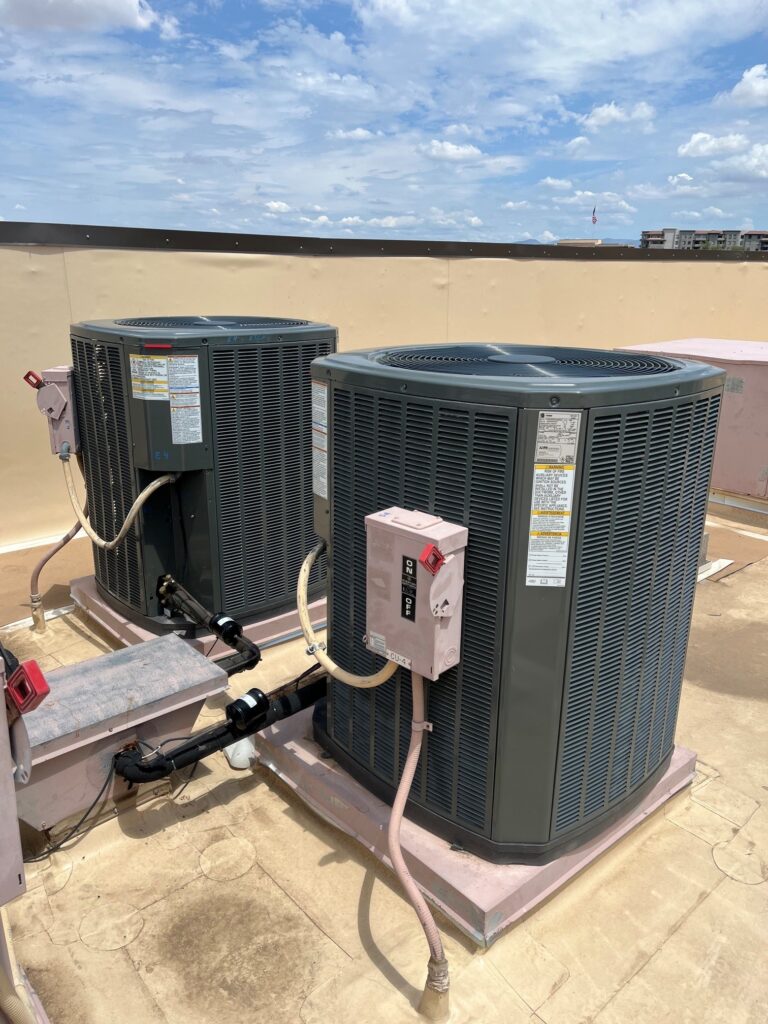
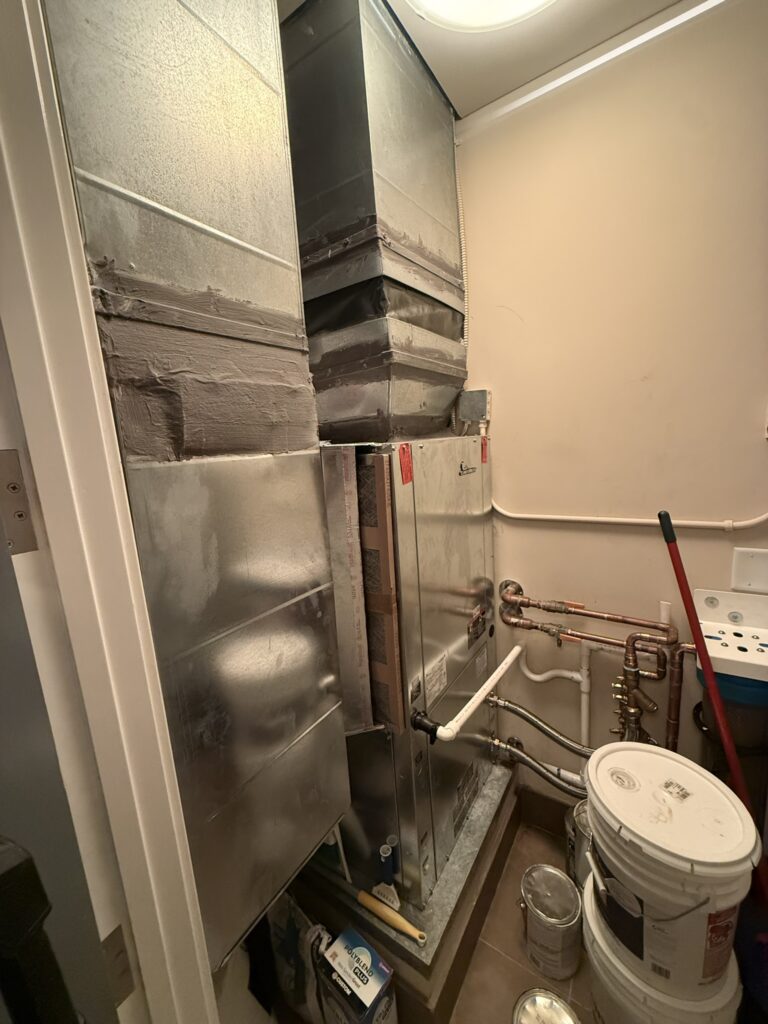
Photos from our own commercial projects — equipment we installed, in buildings we serviced.
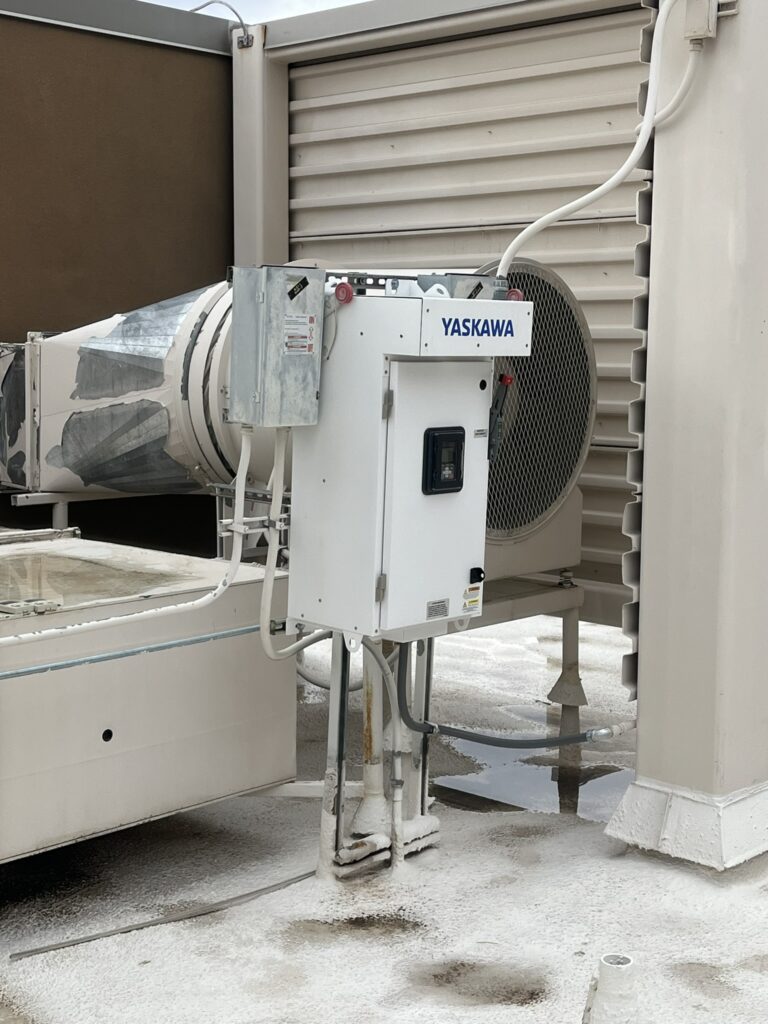
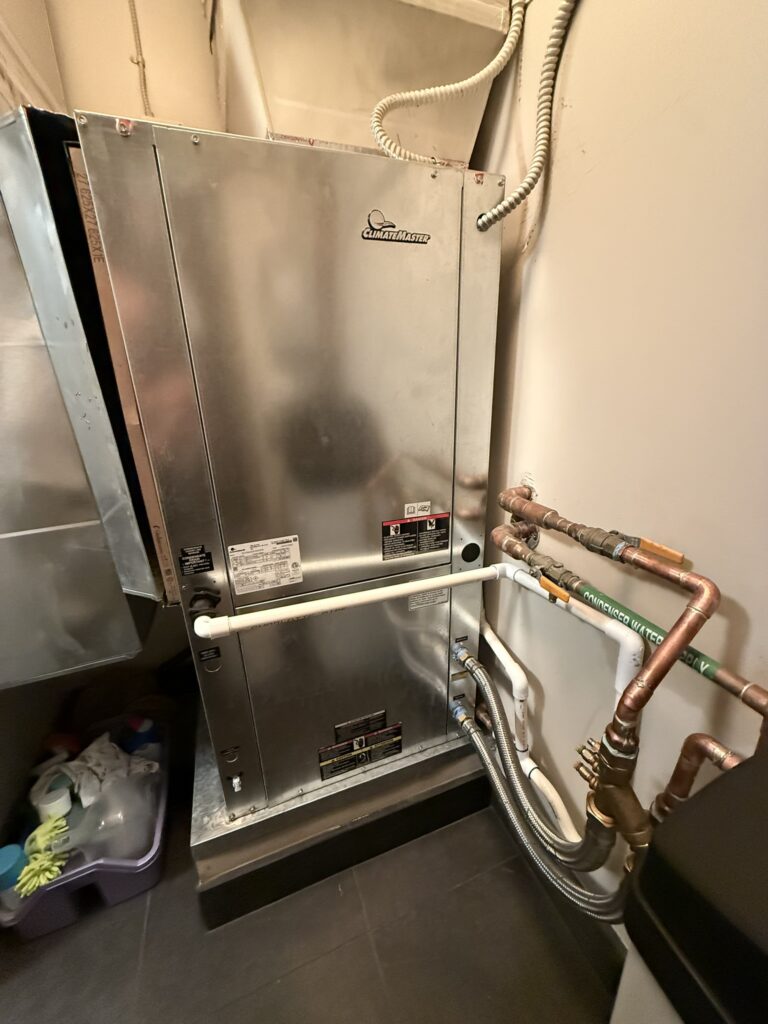
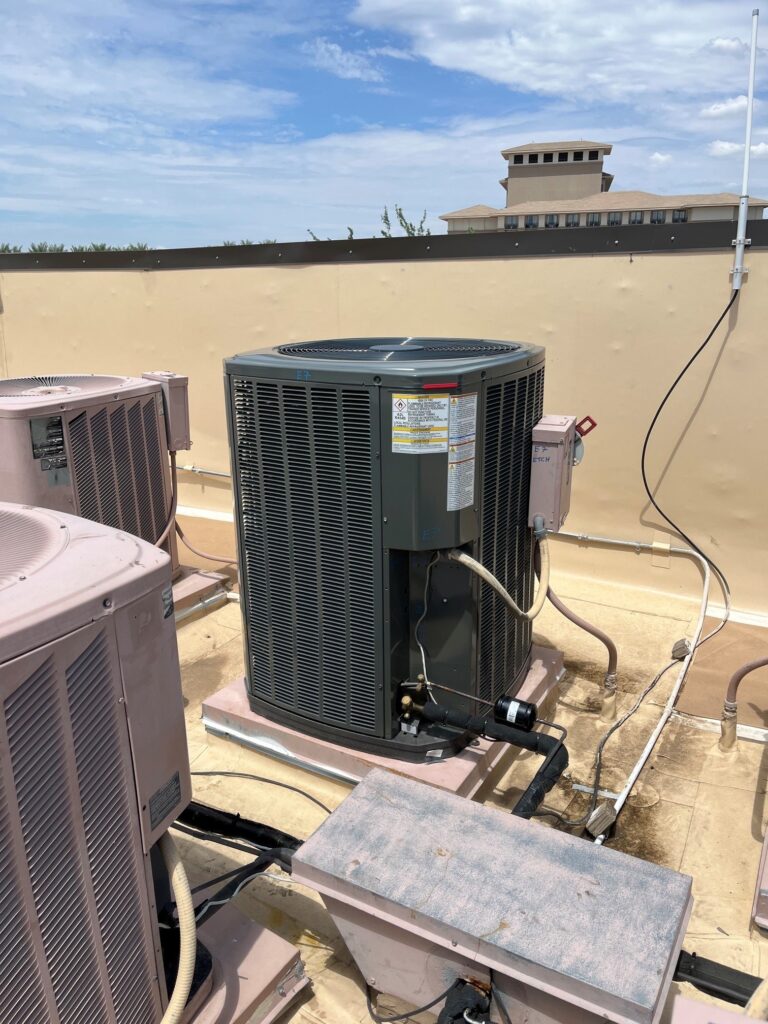
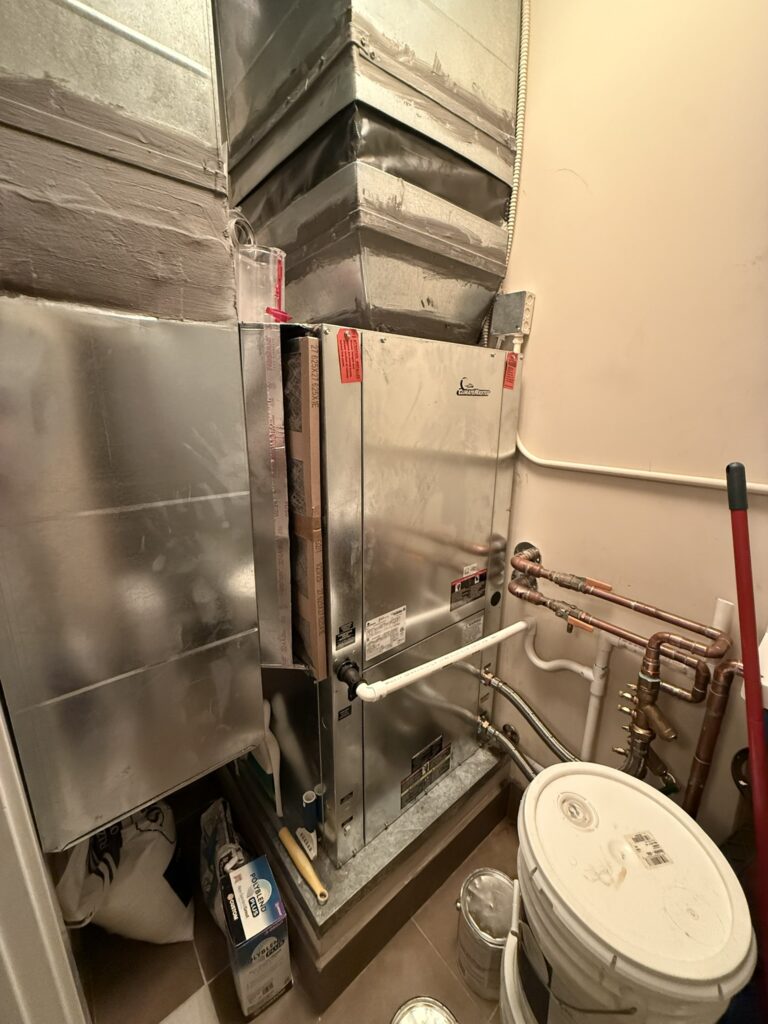
University HVAC in Phoenix is a dozen different jobs wearing one badge. A single campus stacks lecture halls against laboratories, residence halls against dining commons, a recreation center against a data closet — each with its own load profile, its own tolerance for downtime, and often its own decade of construction. Yeti Pros is a veteran-owned commercial HVAC contractor supporting universities, colleges, and technical campuses across the Phoenix metro, licensed under ROC #363372 and ROC #363423. When your facilities operation needs certified hands beyond its own bench, call (520) 556-8929.
One campus, every load profile in the book
Keep business hours and predictable loads.
Surge from empty to two hundred occupants and back on fifty-minute cycles.
Hold tight tolerances around sensitive work regardless of what the weather is doing.
Run around the clock whenever students are on campus.
Pile kitchen heat on top of crowd heat.
Add humidity and enormous air volumes to the mix.
No single system type serves all of that — which is why a mature campus accumulates a mechanical inventory ranging from central chilled-water plants to packaged rooftops to the mini-splits in an annex nobody remembers commissioning. And the Valley has a lot of campus to serve: public universities, community college districts, private colleges, and trade institutes spread across the metro, each running its own version of this same diversity.
Decades of building vintages, one service relationship
Phoenix-area campuses grew in waves, and their mechanical systems record every era: hydronic loops in the oldest halls, chilled-water distribution added as campuses densified, packaged rooftop equipment on the low-rise periphery, VRF in the newest renovations. We work across that entire span with EPA 608-certified technicians and paperwork that slots into your existing asset records instead of starting a parallel filing system. Our services include:
- Chiller repair and service on central plant equipment
- Boiler work on heating loops
- Rooftop unit repair on satellite buildings
Fluency across vintages matters more on a campus than anywhere else, because the tech who only knows the newest third of the inventory is useless in the other two-thirds.
The academic calendar is the project schedule
Campuses can’t take buildings offline whenever it suits a contractor. Disruptive work lives in two windows — winter break and the summer intersession — and both are shorter than they look once move-out, camps, conferences, and summer sessions carve into them.
Our Academic Calendar Planning Strategies
Staged for break weeks with equipment ordered months ahead.
Noisy work kept clear of exam periods.
Sequenced so occupied buildings never lose service.
A project that misses its break window doesn’t slip a week on a campus; it slips a semester, and we schedule with that arithmetic in full view.
Summer work here also fights the heat itself — roof labor gets sequenced for early hours, and commissioning happens under the very load conditions the equipment will face when August arrives.
Deferred maintenance meets Phoenix summer
Every campus carries a deferred-maintenance backlog; the only question is whether it’s documented or waiting to be discovered. Arizona heat compresses the discovery timeline — equipment that would limp along for years in a milder climate simply dies here, usually during the first sustained 110° week, and usually in clusters.
Our Condition Assessments Help Facilities Teams By:
Grade each asset.
Estimate remaining service life.
Attach the readings and photos that turn a hallway hunch into a capital request administration can act on.
Proactive Replacement
A chiller replacement that enters the capital plan two years early is a scheduled project with competitive pricing.
Reactive Replacement
The same replacement discovered in July is a crisis with a waiting list.
The difference is documentation, and we generate it as a byproduct of every visit.
We augment facilities teams — we don’t replace them
Universities staff capable engineers and trades who know their buildings better than any outside vendor ever will. Our role is the capacity they can’t keep on the bench:
When a heat wave stacks work orders faster than the in-house team can clear them.
For commercial refrigeration and dining equipment.
For break-window change-outs.
That lets a lean staff actually go home at night.
We work inside your work-order system, badge through your processes, and hand documentation back in whatever format your records require. The goal is to make your facilities director look good — not to compete for the budget.
August move-in: dorm habitability when stakes peak
Move-in weekend lands squarely in Phoenix’s brutal season: thousands of students and parents hauling boxes up stairwells while the city posts heat warnings. A residence-hall wing without cooling that weekend isn’t a work order — it’s a housing emergency and a first impression no admissions office can spin. We help campuses front-run it by:
Dorm cooling verified under real load in July rather than discovered failing in August.
Spare parts staged for the components most likely to quit.
Rapid-response coverage through move-in week itself, when the after-hours line is answered by a person with dispatch authority rather than a recording promising a callback.
Halls that sat dormant through summer deserve the same verification — a building that idled through June can hide failures only an occupied load reveals.
Labs, server rooms, and spaces that can’t drift
Research spaces and campus data rooms tolerate very little variance, and their failure consequences aren’t measured in comfort — they’re measured in lost experiments and downed services. We support precision-cooling applications with:
Priority commercial AC repair.
Checks that confirm the backup unit will actually carry the load before the day it must.
Folded into scheduled visits.
Where these spaces ride the central plant, chiller health becomes lab health — one more reason campus chilled-water systems deserve disciplined, documented attention instead of run-to-fail management. For planned shutdowns, we coordinate timing and temporary cooling with lab managers directly, so active research never rides on luck.
Dining commons, kitchens, and athletics buildings
A university dining operation is an industrial kitchen with a lunch rush measured in the thousands, and it carries the same fire-code obligations as any restaurant. Our services for dining facilities include:
Maintenance for hood systems, grease ducts, and make-up air.
Our kitchen exhaust cleaning service documents to standard.
Walk-in boxes and cold storage ride the same visit schedule, so the dining director isn’t juggling a second vendor.
Recreation and athletics buildings round out the picture with high-volume air handling and humidity control that protects both the finishes and the people training inside them.
Procurement, insurance, and institutional paperwork
Institutional purchasing has requirements smaller vendors routinely fumble. We built our back office to clear those bars without drama, including:
Vendor registration.
Certificates of insurance issued correctly the first time.
Written flat-rate scopes a purchasing office can process without a translation layer.
Closeout files complete enough to survive an audit.
Our workmanship is bound by the Arizona ROC’s Minimum Workmanship Standards and warranted in writing beyond them — and diagnostic charges are quoted in advance and credited to the repair invoice, a policy that translates cleanly into any institution’s accounting.
A veteran-owned partner on campuses full of veterans
Phoenix-area campuses enroll and employ a substantial military-connected population, and a veteran-owned and operated contractor tends to speak the same language:
Mission first.
Checklist discipline.
No excuses on follow-through.
We support institutions across the entire metro through our commercial HVAC division, and faculty, staff, and student veterans can take our 10% military, veteran & first responder discount home with them for residential HVAC work.
University HVAC questions from Phoenix campus teams
Do you work alongside in-house maintenance staff or take over buildings?
Alongside, always. Most campus engagements are surge capacity, specialty trades, or break-window project labor — scoped with your facilities leadership and executed inside your work-order and badging systems.
Can you service central plant equipment, not just rooftop units?
Yes — chillers, boilers, pumps, and hydronic distribution as well as packaged equipment. Campus inventories span decades, and our technicians are fluent across the range rather than specialized in a single vintage.
How far ahead should break-window projects be scoped?
A semester or more. Equipment lead times plus institutional approval cycles mean a winter-break change-out is realistically scoped before fall midterms, and a summer project before spring break.
Can you respond overnight during move-in week or finals?
Yes — the emergency line reaches someone who can dispatch on the spot, around the clock, and habitability failures in occupied residence halls sit at the top of our triage.
Do you handle dining hall hoods and refrigeration too?
Yes — hood and grease-exhaust cleaning with certification documentation, plus walk-ins, reach-ins, and kitchen ventilation, all reportable under one service relationship.
Can you support lab or server-room cooling?
Yes — precision-cooling repair, redundancy verification, and monitoring folded into scheduled maintenance, with escalation paths agreed in advance for the spaces where drift is unacceptable.
Will your documentation work with our asset-management system?
Yes — service records, refrigerant logs, and condition reports are delivered in the format your system ingests, rather than forcing your staff to re-key our paperwork.
Can a smaller college without a large facilities staff use you differently?
Absolutely — for lean campuses we function closer to a full-service mechanical partner, with scheduled maintenance, emergency coverage, and capital planning support scaled to the institution’s size.
Need surge capacity, specialty coverage, or a break-window project partner? Call (520) 556-8929 and scope it with people who speak facilities.
Permits and inspections
Most repairs are ordinary service work; bigger scopes can involve city permitting. We perform our work to code, pull the permits our scope requires, and put what we did in writing.
What's covered
Workmanship is covered for two full years, in writing, and repair parts carry a 1-year manufacturer parts warranty — we document installs and repairs so those claims stay simple to make
Why a licensed HVAC contractor matters.
Commercial HVAC, industry by industry.
Every major brand, serviced and installed.
Phoenix metro: Most days a tech is already working somewhere in the Valley, so same-day appointments happen when the schedule allows. After-hours emergencies are dispatched when a licensed tech is available — a real person answers and tells you the ETA on the call.
Call (520) 556-8929Request an estimate.
No pressure, no door knockers. We look at the HVAC system, tell you what it needs (and what it doesn’t), and put the number in writing.