
Phoenix Metro
HVAC for Coffee Shops in Phoenix.
- (520) 556-8929
- Serving the entire Phoenix metro — we come to you
- Office: Mon–Fri 8:00 AM – 5:00 PM · 24/7 emergency service
- 2-year workmanship warranty · 1-year parts warranty
- Veteran-owned & operated · residential + commercial
- 23 five-star Google reviews
Commercial jobs we have documented.
Photos from our own commercial projects — equipment we installed, in buildings we serviced.
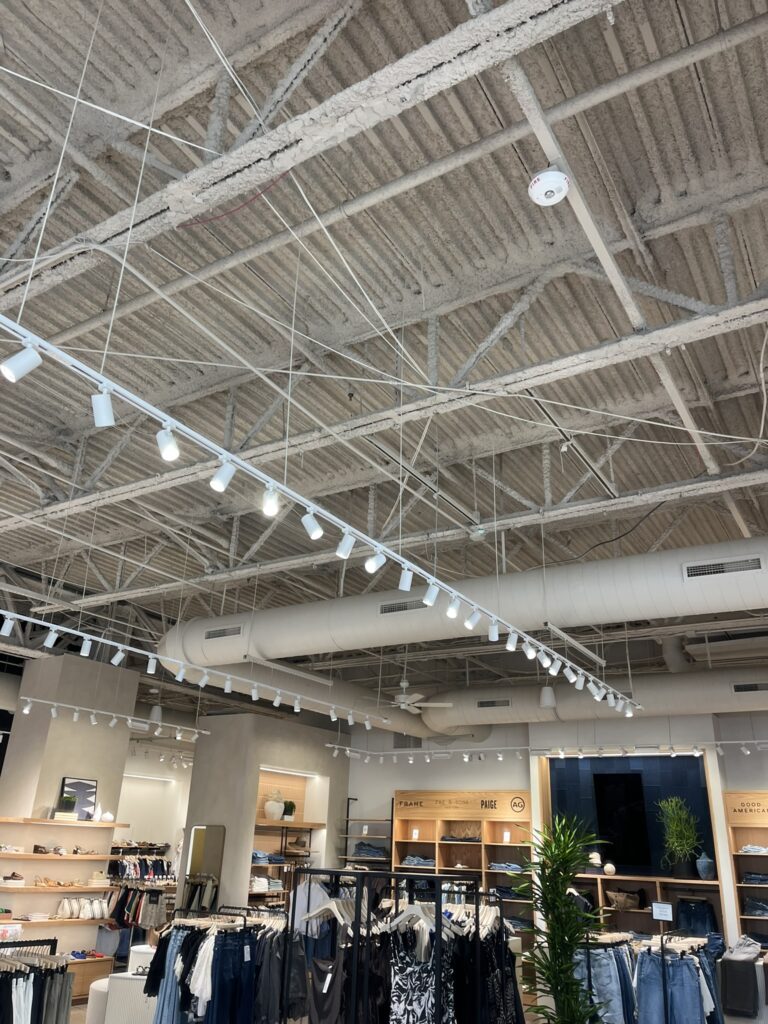
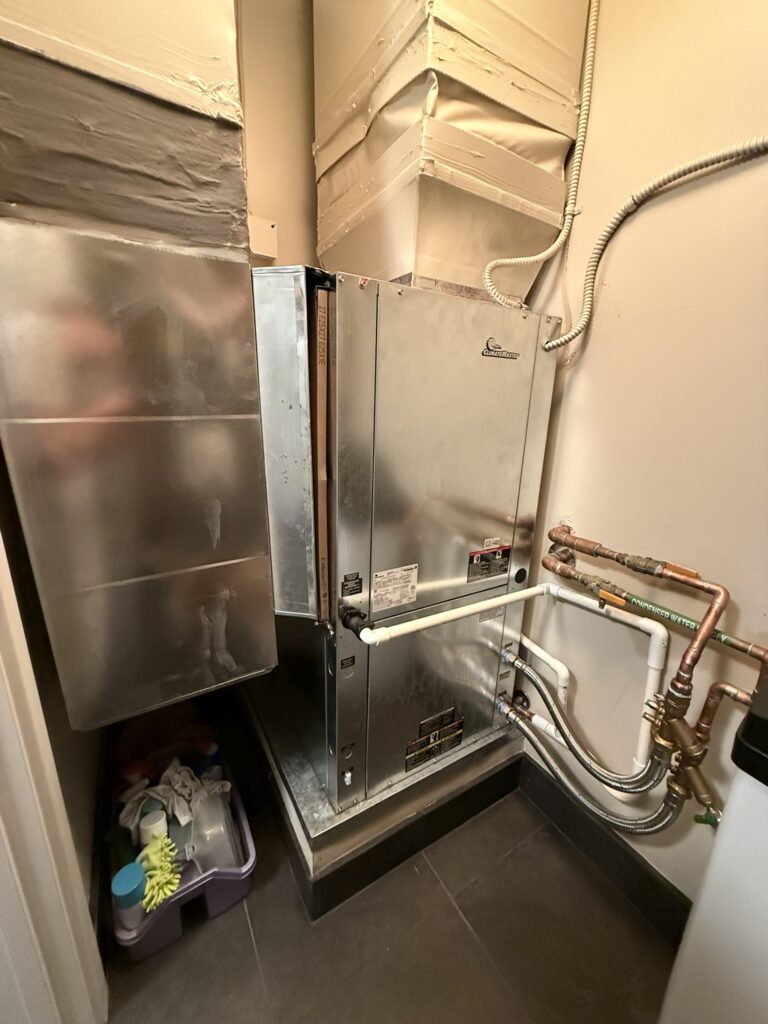
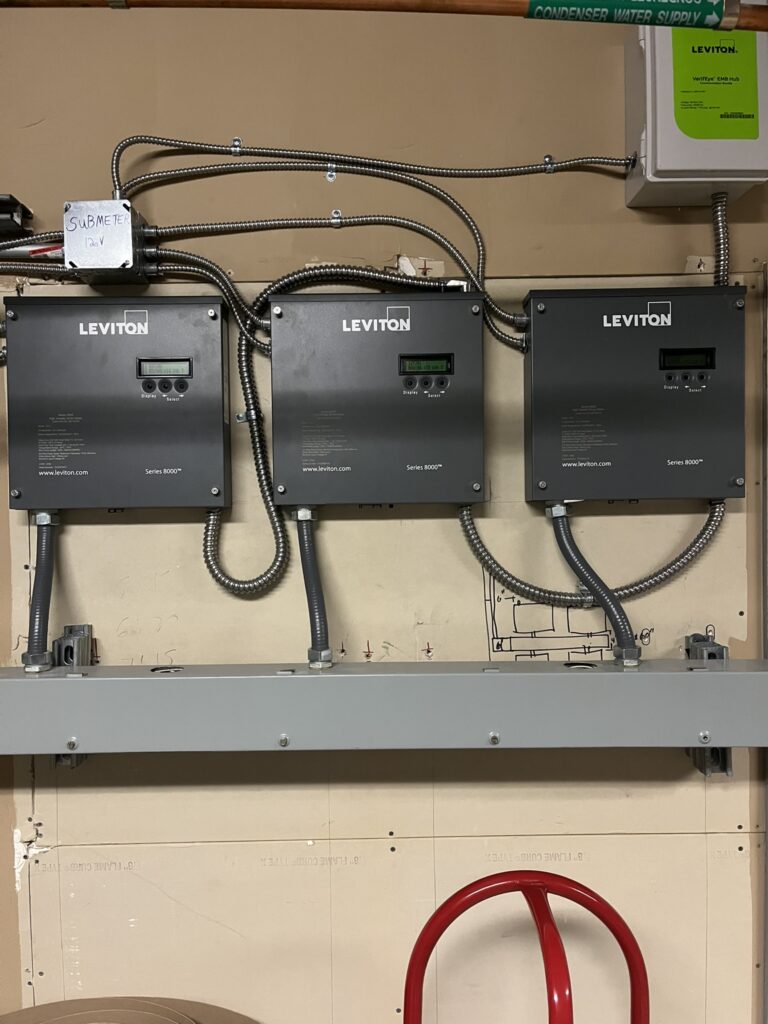
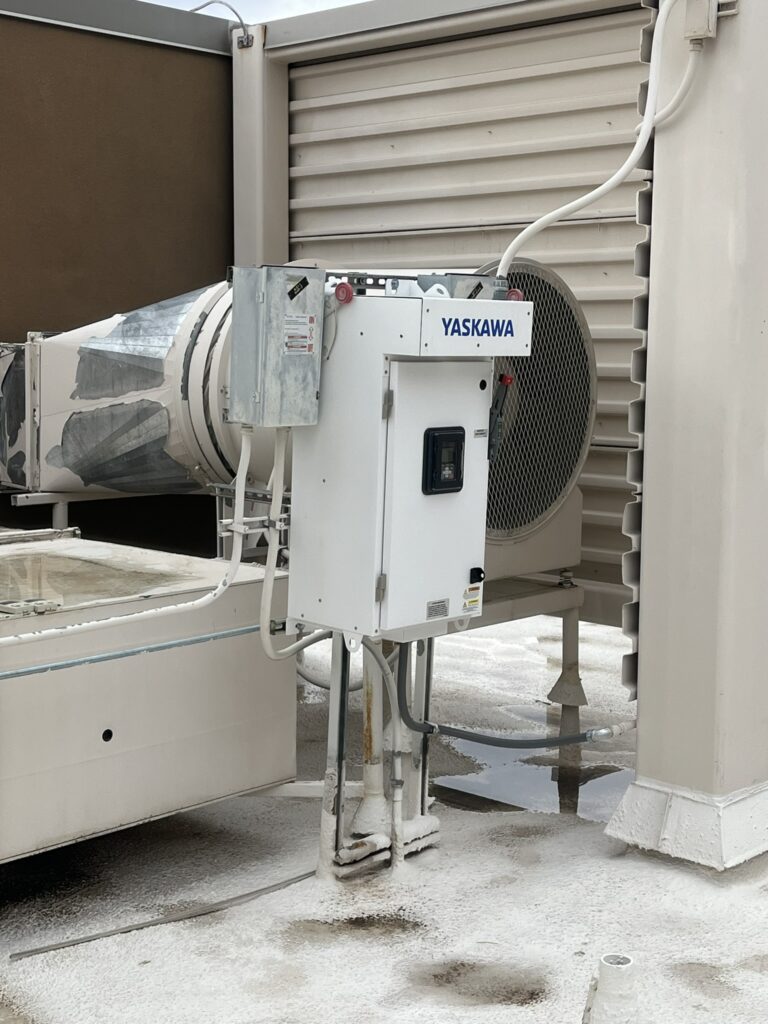
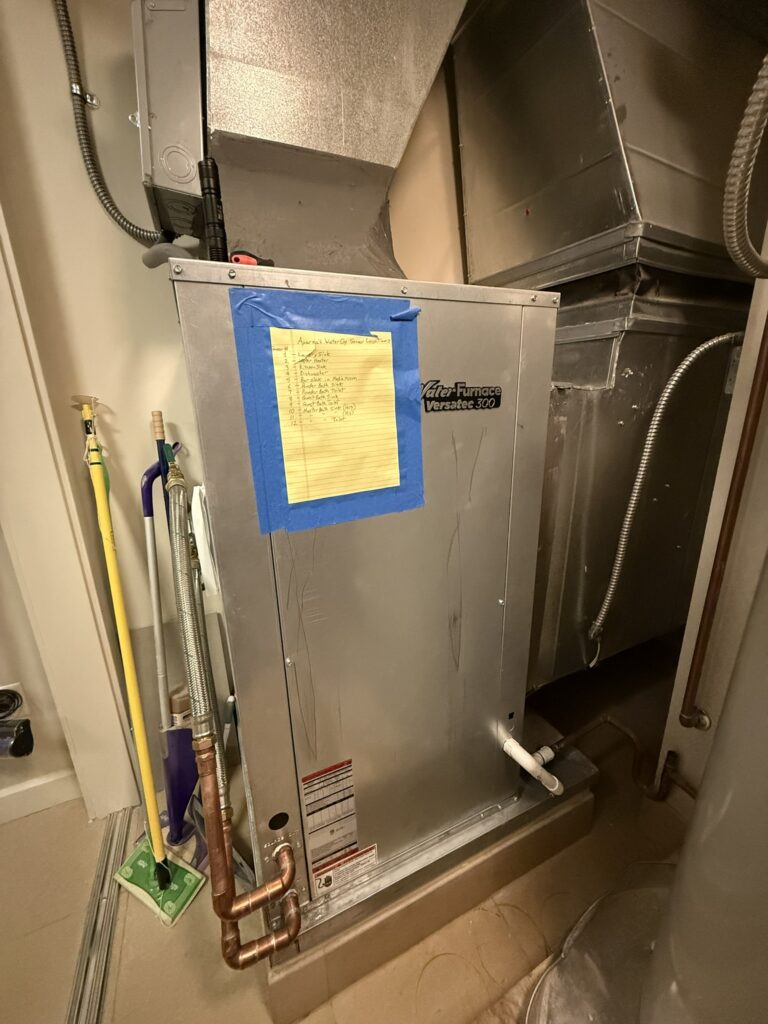
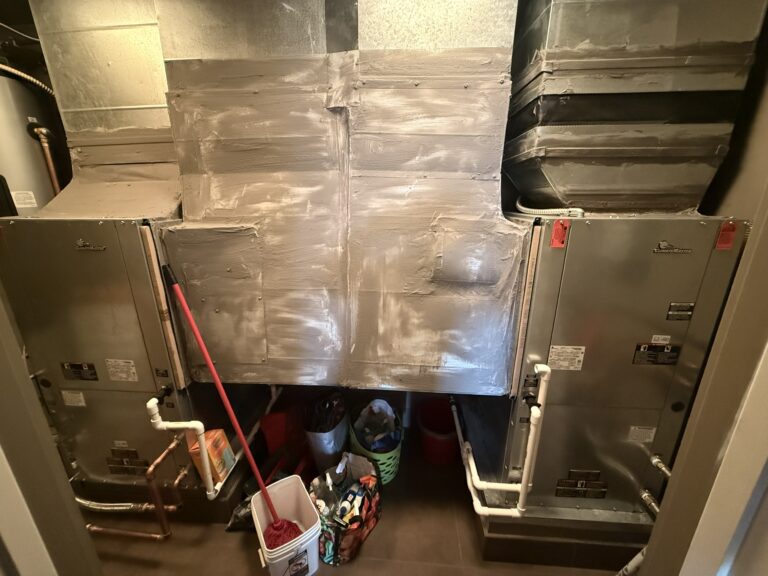
Coffee shop HVAC in Phoenix is a precision problem in a small box. A two-group espresso machine runs near boiler temperature all day a few feet from your customers, the drive-thru window and front door bleed 110°F air into a dining room the size of a living room, and a single rooftop unit usually carries the entire building on its back.
Yeti Pros — a veteran-owned and operated commercial HVAC and refrigeration contractor licensed under ROC #363372 and ROC #363423 — keeps coffee shops across the entire Phoenix metro cool, dry, and pouring. Shop heating up mid-rush? A live person picks up (520) 556-8929 any hour.
Small footprint, oversized heat sources
Square foot for square foot, a busy coffee shop generates more equipment heat than most offices ten times its size.
The espresso machine holds pressurized boilers hot from open to close.
Batch brewers, a convection oven, a panini press, and the condensers of every under-counter refrigerator all reject their heat into the same few hundred square feet your customers occupy.
If you roast on site, the roaster and its ventilation add an industrial-grade load to a retail-grade space.
Comfort systems sized by generic retail rules of thumb get eaten alive here — which is why we start every coffee shop engagement with a real load assessment instead of a guess.
One rooftop unit, zero redundancy
The Single RTU Problem
Most standalone shops and end-cap suites run on a single RTU. There’s no second zone to lean on and no oversized neighbor to borrow from: when that one unit quits at 6 a.m. in July, the whole business is on a countdown. A small, glassy space heats brutally fast, milk-based drinks and pastry cases follow, and by mid-morning you’re deciding whether to lock the door.
Yeti Pros’ Solution
Our RTU repair techs carry the common failure parts for the package units sitting on Valley strip-mall roofs, and our 24/7 emergency HVAC dispatch exists precisely for the single-unit operator with no fallback. If the unit is at end of life, you’ll get honest repair-versus-replace numbers on the same visit.
Coffee shop HVAC has to beat the morning rush
Your occupancy curve is a cliff. At 5:45 a.m. the shop holds three employees; by 7:15 it holds a line to the door, every table taken, and an entrance swinging open every few seconds — and in a Phoenix July, it’s already 90°F outside before sunrise. A thermostat that starts reacting once the room warms up has already lost the morning.
We set up pre-cooling schedules so the space banks cold before the spike hits.
We verify the equipment can hold setpoint at true peak occupancy.
We tune airflow so the seats stay comfortable without freezing the barista standing under a diffuser.
The drive-thru window is a hole in your envelope
A drive-thru window opens hundreds of times a day into what is effectively a convection current of asphalt heat and idling engines. Every cycle pulls in superheated air and exhaust, and a west-facing window adds direct afternoon sun on the exact station where one employee stands for an entire shift.
Air-curtain performance decides whether that corner of the shop is workable in August or a turnover machine.
Supply-register placement at the window station decides whether that corner of the shop is workable in August or a turnover machine.
Overall building pressurization decides whether that corner of the shop is workable in August or a turnover machine.
It’s fixable — most shops have simply never had anyone look at the window as part of the mechanical system.
Milk safety and the refrigeration under your counters
Milk is the most temperature-sensitive product in the building and the backbone of most of the menu.
It usually lives in under-counter refrigeration wedged into the warmest microclimate you own — beside the espresso machine, beneath the counter, with a condenser breathing dust at floor level.
When those boxes drift, you’re not just risking product; you’re risking the cold-holding numbers your health inspection depends on.
Our commercial refrigeration repair service covers under-counters, prep units, and display and pastry cases — including verifying that the case that looked fine at open still holds temperature through the worst of a Phoenix afternoon.
Phoenix hard water is scaling more than your espresso machine
Valley water is famously mineral-heavy, and every coffee operator learns fast what it does to boilers and group heads. The same scale is quietly choking your ice machine:
Coating the evaporator plate.
Distorting cube release.
Cutting production capacity right as summer iced-drink sales peak.
Our ice machine repair and descaling service keeps output up through the season, and we’ll tell you plainly whether your filtration setup is actually protecting the equipment or just improving the taste of the coffee.
Pastry cases fail in the afternoon
A refrigerated pastry case is the most ambient-sensitive box you own. It’s built to display, not to insulate, so its holding performance tracks the room around it — and a case that reads perfectly at 6 a.m. can drift out of range by 3 p.m. once:
The west glass heats up.
The lunch crowd peaks.
Its own condenser starts recycling warm air from under the counter.
During monsoon weeks, humid air fogs the glass and loads the coil with frost on top of everything else.
When we service coffee shops we check case temperatures at the hard hour, not the easy one, and we position and clean condensers so the display that sells your margin keeps protecting it.
The laptop crowd notices two degrees
A coffee shop sells dwell time. Your regulars camp for hours, and they’re exquisitely sensitive to things a simple thermostat reading never shows:
The cold blast under one diffuser.
The greenhouse seat along the west glass.
The unit that rattles over the playlist.
These are airflow, balancing, and maintenance problems, and they’re cheap to correct compared with what a reputation for being “always freezing” or “always stuffy” costs a dwell-time business. We adjust diffusers, dampers, and setpoints around how the room is actually used — not the average the thermostat believes in.
Maintenance sized for a small operator
Planned maintenance isn’t only for buildings with a facilities department — the single-RTU shop arguably needs it more, because there’s no redundancy to hide behind. Our maintenance contracts scale down honestly:
Pre-summer coil cleaning and refrigerant verification on the rooftop unit.
Condensate drain service before monsoon humidity turns a clogged line into a ceiling stain over the bar.
Filter cadence matched to drive-thru dust.
Temperature checks on every fridge and case in the shop, documented in writing.
Contract customers get priority dispatch — decisive for a business that’s one failure away from a handwritten “closed” sign.
How a veteran-owned contractor treats a small business
The same way it treats a big one. Coffee shops run on thin margins, and we quote like we know it.
Flat-rate quotes in writing before any work starts.
The service-call fee disclosed up front and credited toward the repair.
EPA 608-certified refrigerant handling.
Our written warranty stacked on top of the Arizona ROC’s Minimum Workmanship Standards.
Owners and baristas who served — or whose families do — get a 10% military, veteran & first responder discount on work at their own homes, because the discount belongs to the person, not the property.
When you add a second location, the rest of our commercial HVAC services are already in your phone.
Coffee shop HVAC questions Phoenix owners ask
The shop is fine all morning and hot every afternoon. What’s going on?
Usually a capacity-margin problem: west sun, equipment heat, and peak outdoor temperature stack up after 2 p.m., and a unit that’s marginal or degraded loses exactly then. A load check and a coil cleaning often recover the gap; if not, you’ll get straight numbers on right-sizing.
Our milk fridge can’t hold temp next to the espresso machine. Is it broken?
Possibly just suffocating. Under-counter boxes need clearance and clean condensers to survive beside hot equipment, and both are routinely missing. We clean, verify holding temperatures under load, and tell you honestly if the location itself is the real problem.
Is a maintenance contract overkill for one rooftop unit?
It’s the opposite — one unit means one point of failure for the entire business. A small-shop agreement costs little, keeps that unit alive through summer, and buys priority dispatch for the day something finally lets go.
What actually happens if our only RTU dies in July?
Call the emergency line and a person answers, day or night. We triage single-unit businesses hard because we know the math: no unit, no shop. You’ll get a diagnosis, a flat-rate quote, and — if the unit is done — fast-tracked replacement options.
Why is the drive-thru corner always miserable?
Window infiltration, engine exhaust, and afternoon sun converge on one workstation. Air-curtain service, register placement, and pressure adjustments can transform it — among the highest-return fixes we make in coffee shops.
Does hard water really affect the ice machine that much?
In Phoenix, dramatically. Scale builds on the evaporator until cubes stop releasing cleanly and production drops — usually bottoming out in July, when you need ice most. Regular descaling plus proper filtration keeps it out of trouble.
Our pastry case fogs up every afternoon in August. Is it dying?
Probably not — it’s drowning in monsoon humidity and afternoon ambient heat, the two conditions display cases handle worst. A coil cleaning, a gasket check, and better control of the room’s moisture usually clear it. If the case genuinely can’t keep up anymore, we’ll say so plainly.
Can you service us outside open hours?
Yes — pre-dawn and evening windows are standard for coffee shops, and the phone is answered by a real person around the clock. Your rush is sacred; we work around it.
One rooftop unit standing between you and a closed sign? Call (520) 556-8929 — veteran-owned coffee shop HVAC support across the whole Phoenix metro, ROC #363372 · ROC #363423.
Permits and inspections
Most repairs are ordinary service work; bigger scopes can involve city permitting. We perform our work to code, pull the permits our scope requires, and put what we did in writing.
What's covered
Workmanship is covered for two full years, in writing, and repair parts carry a 1-year manufacturer parts warranty — we document installs and repairs so those claims stay simple to make
HVAC for Coffee Shops in Phoenix, city by city.
Every city below has its own local page for this industry — local FAQs, utility territory, and dispatch reality included.
Why a licensed HVAC contractor matters.
Commercial HVAC, industry by industry.
Every major brand, serviced and installed.

Phoenix metro: Most days a tech is already working somewhere in the Valley, so same-day appointments happen when the schedule allows. After-hours emergencies are dispatched when a licensed tech is available — a real person answers and tells you the ETA on the call.
Call (520) 556-8929Request an estimate.
No pressure, no door knockers. We look at the HVAC system, tell you what it needs (and what it doesn’t), and put the number in writing.