
Phoenix Metro
HVAC for Gyms & Fitness — Phoenix Metro.
- (520) 556-8929
- Serving the entire Phoenix metro — we come to you
- Office: Mon–Fri 8:00 AM – 5:00 PM · 24/7 emergency service
- 2-year workmanship warranty · 1-year parts warranty
- Veteran-owned & operated · residential + commercial
- 23 five-star Google reviews
Commercial jobs we have documented.
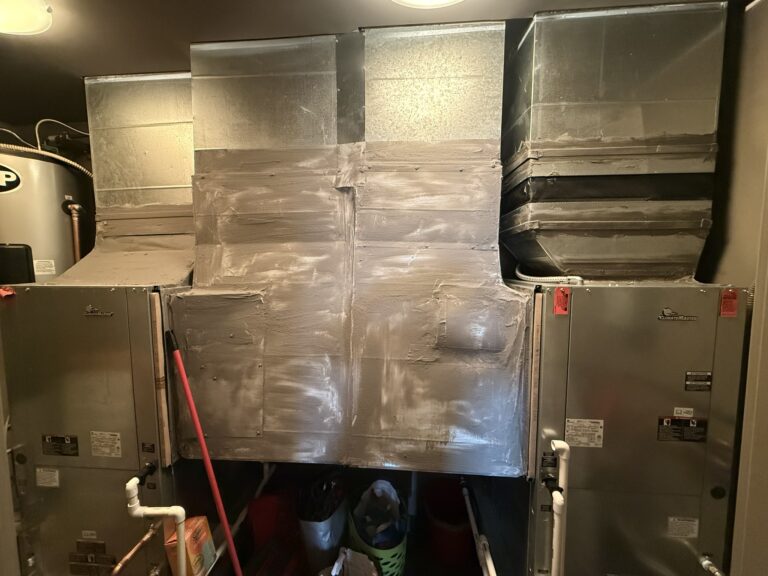
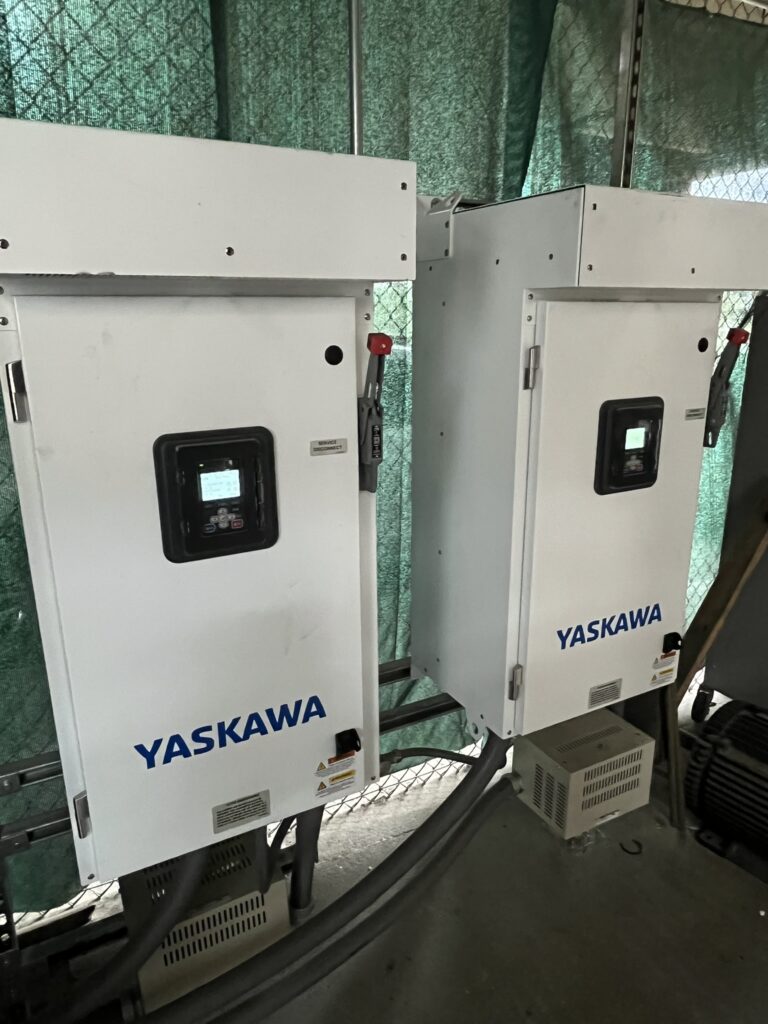
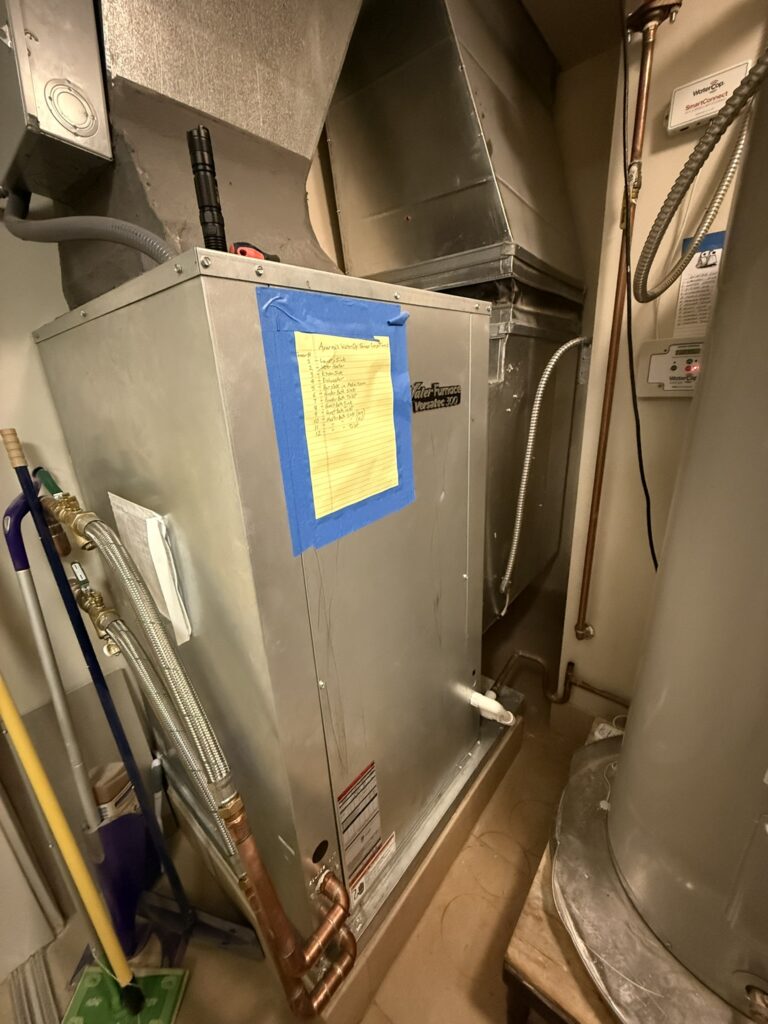
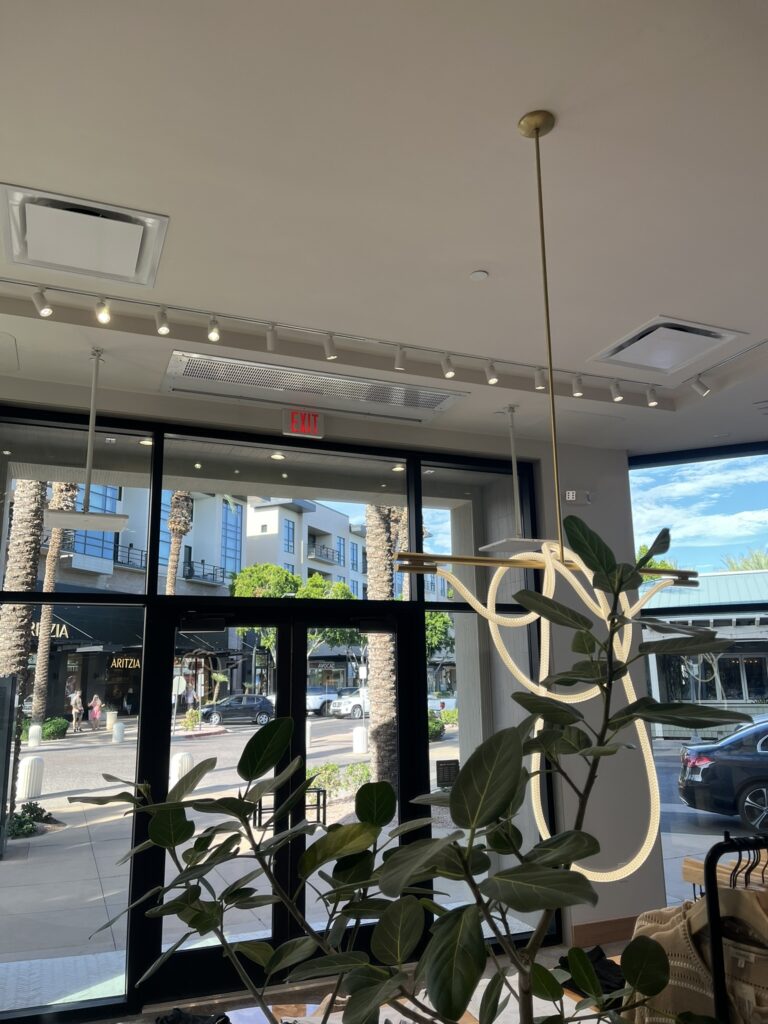
Photos from our own commercial projects — equipment we installed, in buildings we serviced.
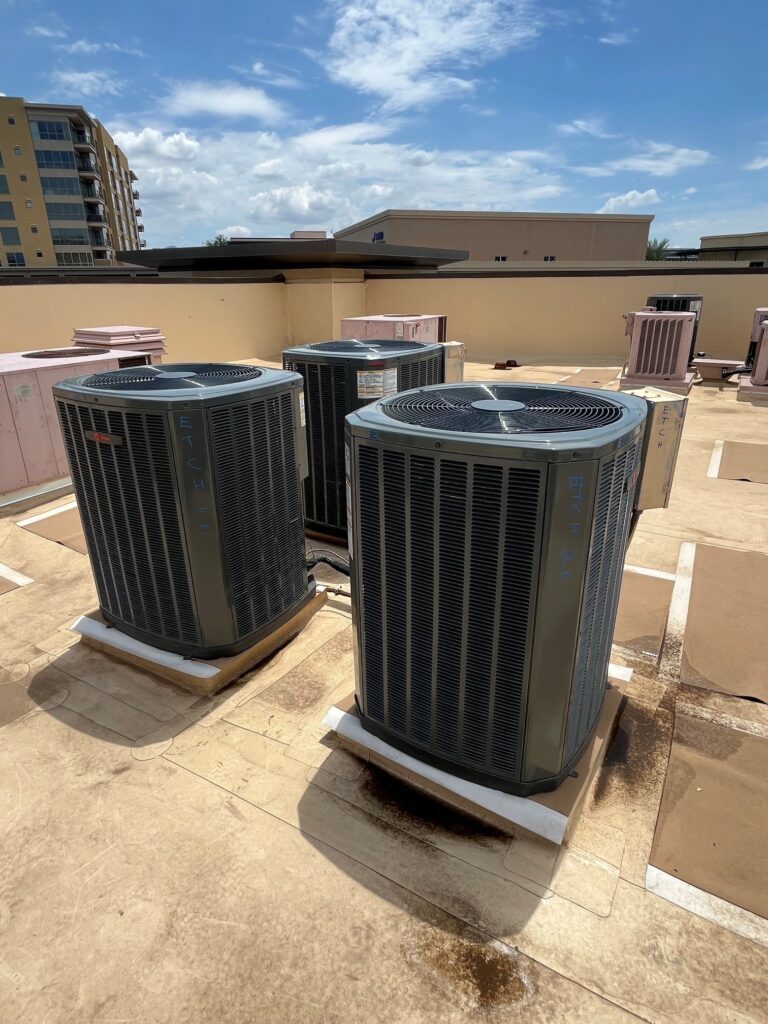
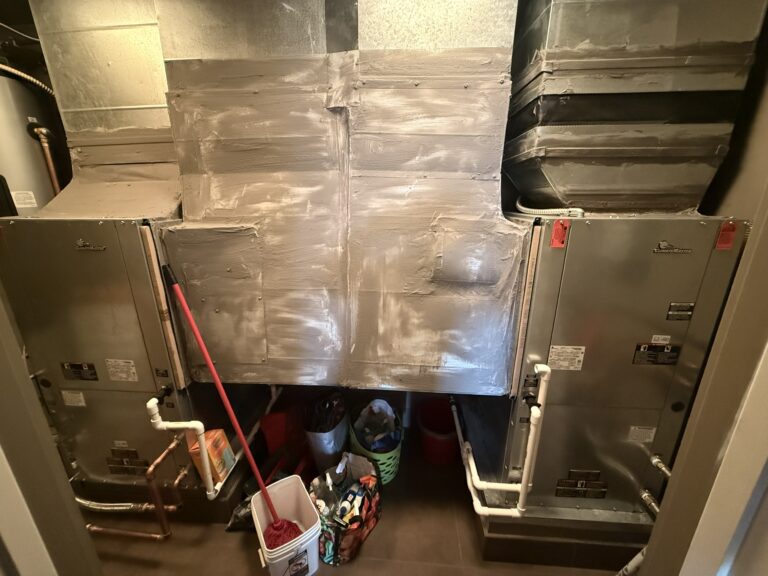
Gym HVAC service has to handle bodies, sweat, showers, mirrors, music, long hours, and members who complain the second the room feels stale. In Phoenix, fitness studios and gyms need cooling, airflow, and humidity control approached as an operating issue, not a standard office comfort call.
Gym HVAC reality in the Valley
A gym’s load changes fast. A quiet room at noon can become a high-heat, high-humidity space during a class. Cardio areas create steady sensible heat. Group studios spike with body load. Locker rooms add moisture, odor pressure, and drain concerns. Front desks and offices still need normal comfort while the workout floor is asking the HVAC system to do a much harder job.
Phoenix makes that harder because cooling is business-critical most of the year. Members do not care that the roof is 115 degrees, coils are dusty, or the RTU is older than the current lease. They feel a hot studio, fogged mirrors, heavy air in a locker room, or a front desk that cannot recover in the afternoon. For owners and managers, that turns HVAC into retention, reviews, staffing, and schedule pressure.
A 4am to 11pm duty cycle gives equipment less rest and less time for service.
Filters load faster because of dust, lint, hair, and heavy occupancy.
Drains need attention because cooling runs long.
Belts, motors, contactors, capacitors, and blower assemblies work hard through long summer stretches.
If the unit serving a spin room or weight floor drops out, the business may have to cancel classes or move members into already-loaded zones.
A lobby unit may cycle normally while the studio RTU is pulled into long calls every time a class starts.
A weight floor may need broad air movement more than a dramatic thermostat change.
A locker room may satisfy temperature while still holding moisture because showers, wet towels, door swings, and exhaust patterns keep feeding latent load.
During monsoon weather, outside humidity and dust can arrive together, so the same system has to reject heat, move moisture, and keep airflow steady while filters and coils are getting dirtier.
Yeti Pros is veteran-owned & operated and services gyms across Phoenix and the Valley as a mobile commercial HVAC contractor. We come to you, inspect the equipment in person, document findings, and build repair scopes around how the facility actually runs.
Contracts and cost honesty
Repair Service
Gym HVAC pricing depends on roof access, unit type, controls, parts, drain issues, coil condition, duct and airflow problems, scheduling windows, and the number of zones affected. We do not quote repair work blind. Yeti Pros provides flat-rate written quotes after an in-person look, with findings and scopes documented in writing. The diagnostic/service-call fee is disclosed at booking and credited toward the repair.
Maintenance Contract Benefits
A commercial maintenance contract is often the better fit for gyms because long hours and heavy occupancy create repeatable wear. Planned visits can track filter loading, coil condition, belts, motors, drains, electrical components, thermostat behavior, and recurring complaint zones before they become class cancellations or member refunds. For a gym, maintenance also gives management a cleaner operating record. If a studio repeatedly struggles at the same time of day, documented visits help separate a dirty coil from a failed part, a drain issue from humidity load, or an airflow complaint from a scheduling problem. That record is useful when ownership is deciding whether to approve a repair, increase inspection cadence, or plan a larger scope around seasonal heat.
Yeti Pros is veteran-owned & operated. AZ ROC #363372 · ROC #363423. Work is held to the AZ ROC Minimum Workmanship Standards.
We provide a 2-YEAR written workmanship warranty, and repair parts carry a 1-YEAR manufacturer parts warranty.
Financing is available. A 10% military, veteran & first responder discount is available.
Schedule through the contact page or call (520) 556-8929.
Whether it starts as commercial AC repair or as a standing maintenance plan, the process is the same: an in-person look, a documented scope, and numbers that hold. Reach out and we will walk the facility with you.
How we run service for gyms and fitness studios
We start with the schedule. A gym is not empty just because it is outside normal office hours. Early classes, evening rush, staffed front desks, personal training, cleaning crews, and locker-room traffic all affect when service can happen.
We ask which area is failing, when complaints peak, whether classes are scheduled, and whether equipment access will affect members.
Office hours are Mon-Fri 8-5, with 24/7 emergency service when a failure cannot wait. After-hours service can protect class schedules, but we stay practical. Some repairs can be completed during a low-traffic window. Some require parts, roof access, electrical work, controls diagnosis, or a planned shutdown. We document the path so the manager is not trying to translate a vague service note into a member-facing decision.
Gym HVAC problems are often a mix of comfort cooling and airflow. A studio may be cold when empty but hot during class. A locker room may cool but still feel wet. A cardio zone may have airflow dead spots even with the unit running.
We check the serving equipment, filter condition, coil condition, drains, blower performance, thermostat or sensor placement, and obvious ventilation issues. For standard cooling failures, our commercial AC repair process covers diagnosis, repair scope, and documentation.
Onsite, we try to connect the complaint to the actual operating pattern. That can mean checking a studio before class and again after the room is loaded, verifying whether the blower is delivering enough air, looking for restricted returns, confirming that supply air is reaching the occupied area, and checking whether a thermostat is reading a wall condition instead of the room condition members feel.
On rooftops, we look for condenser coil loading, fan operation, electrical weakness, contactor wear, capacitor condition, drain performance, belt condition where applicable, and signs that the unit is overheating or short cycling under afternoon roof load.
We also plan around member traffic. A roof hatch in a busy hallway, a ladder near check-in, ceiling tile access inside a studio, or water from a condensate issue near finished space can create disruption beyond the mechanical repair.
If a unit has to be shut down, we want the manager to know which zone is affected, how long the shutdown is expected to last when that can be estimated, and whether the work is diagnostic, repair, or follow-up. That makes it easier to move a class, block a room, notify staff, or keep members away from an access path.
We provide flat-rate written quotes after an in-person look. Scopes and findings are documented in writing. The diagnostic/service-call fee is disclosed at booking and credited toward the repair. For gyms, that written scope matters because the owner or manager may need to decide whether to cancel a class, shift a zone, repair immediately, or plan a larger maintenance visit.
Decision guide for gym HVAC issues
Gym complaints can sound subjective, but the patterns are usually useful. The affected space, time of day, and occupancy level tell us where to start.
| Symptom or situation | What it usually means | Priority |
|---|---|---|
| Group studio is fine empty but hot during class | Occupancy load, airflow issue, weak cooling, sensor placement, or ventilation mismatch | High when classes are scheduled |
| Locker room feels damp or smells stale | Humidity load, exhaust issue, drain problem, airflow imbalance, or coil performance concern | High because complaints build quickly |
| Cardio area has dead spots | Air distribution problem, blower issue, duct imbalance, or equipment underperformance | Medium to high during peak hours |
| RTU trips during afternoon rush | Dirty coils, electrical weakness, motor issue, or overheating under roof load | Urgent before classes or member traffic are disrupted |
| Water near ceiling or supply registers | Condensate drain problem, insulation issue, pan overflow, or long-run cooling stress | Urgent around members and finished areas |
Phoenix-metro specifics for gyms
Gyms in the Phoenix metro ask a lot from rooftop equipment. Long cooling seasons mean RTUs run hard before, during, and after peak member hours. The roof may be punishing the condenser at the same time the studio is full of bodies. A unit that can handle an empty room may fail the real test when the class starts.
Monsoon dust is a recurring problem. It loads coils and filters, reduces heat rejection, and can push borderline equipment into nuisance failures.
Fitness facilities add their own indoor load: lint, hair, rubber flooring particles, cleaning products, towel service, and heavy foot traffic. Filters and coils need attention on a cadence that matches the building, not a generic calendar copied from an office suite.
In the morning, a unit may recover after the doors open because the roof and walls have not absorbed the full day’s load. By late afternoon, the same unit may run continuously and still lose ground as members arrive, west-facing glass heats up, and parking-lot air comes through the entrance.
A weak condenser fan, dirty coil, tired capacitor, or restricted filter may be barely noticeable at 9am and obvious by the evening rush.
Locker rooms deserve special attention. Cooling alone does not solve moisture. Showers, wet floors, exhaust, door swings, and long occupied hours create a latent load that can make the space feel bad even when the temperature looks acceptable.
We inspect the HVAC side, drains, airflow, and equipment condition, then document what is repairable within our trade.
Utility demand realities also shape decisions. A gym may want every zone cold before the evening rush, but weak equipment, dirty coils, and poor airflow can waste effort while still leaving members unhappy. We do not design utility programs, but we can document equipment condition and maintenance needs so owners have a clearer basis for repair and planning. Across Phoenix and the Valley, that clarity helps keep the workout floor usable during the months when cooling is not optional.
Straight answers
Why does the studio get hot only when class starts?
That usually points to occupancy load, airflow, sensor placement, or equipment that cannot recover under real use. We inspect the serving unit, airflow, filters, coil condition, blower performance, and controls. Empty-room temperature is useful, but the repair plan has to account for the class load your business actually sells.
Can you help with locker-room humidity?
Yes, from the HVAC side. We look at cooling performance, airflow, drains, coil condition, and signs that the space is holding moisture. Locker rooms can also involve exhaust and building-use factors. We document what we find and identify repair or maintenance steps within the HVAC scope.
Can service be scheduled around early and late classes?
Often. We ask for the class schedule, access rules, roof access, and affected zones before planning work. Office hours are Mon-Fri 8-5, and 24/7 emergency service is available. Some repairs can be handled in low-traffic windows, while others need parts or a planned shutdown.
What should we do if the AC fails during peak member hours?
Call for service and tell us which zones are affected, whether classes are active, and what equipment access is available. The diagnostic/service-call fee is disclosed at booking and credited toward the repair. Once onsite, we inspect the system, document findings, and provide a written scope when quoted repair is needed.
Permits and inspections
Most repairs are ordinary service work; bigger scopes can involve city permitting. We perform our work to code, pull the permits our scope requires, and put what we did in writing.
What's covered
Workmanship is covered for two full years, in writing, and repair parts carry a 1-year manufacturer parts warranty — we document installs and repairs so those claims stay simple to make
HVAC for Gyms & Fitness — Phoenix Metro, city by city.
Every city below has its own local page for this industry — local FAQs, utility territory, and dispatch reality included.
Why a licensed HVAC contractor matters.
Commercial HVAC, industry by industry.
Every major brand, serviced and installed.


Phoenix metro: Most days a tech is already working somewhere in the Valley, so same-day appointments happen when the schedule allows. After-hours emergencies are dispatched when a licensed tech is available — a real person answers and tells you the ETA on the call.
Call (520) 556-8929Request an estimate.
No pressure, no door knockers. We look at the HVAC system, tell you what it needs (and what it doesn’t), and put the number in writing.