
Phoenix Metro
HVAC for Manufacturing — Phoenix Metro.
- (520) 556-8929
- Serving the entire Phoenix metro — we come to you
- Office: Mon–Fri 8:00 AM – 5:00 PM · 24/7 emergency service
- 2-year workmanship warranty · 1-year parts warranty
- Veteran-owned & operated · residential + commercial
- 23 five-star Google reviews
Commercial jobs we have documented.
Photos from our own commercial projects — equipment we installed, in buildings we serviced.
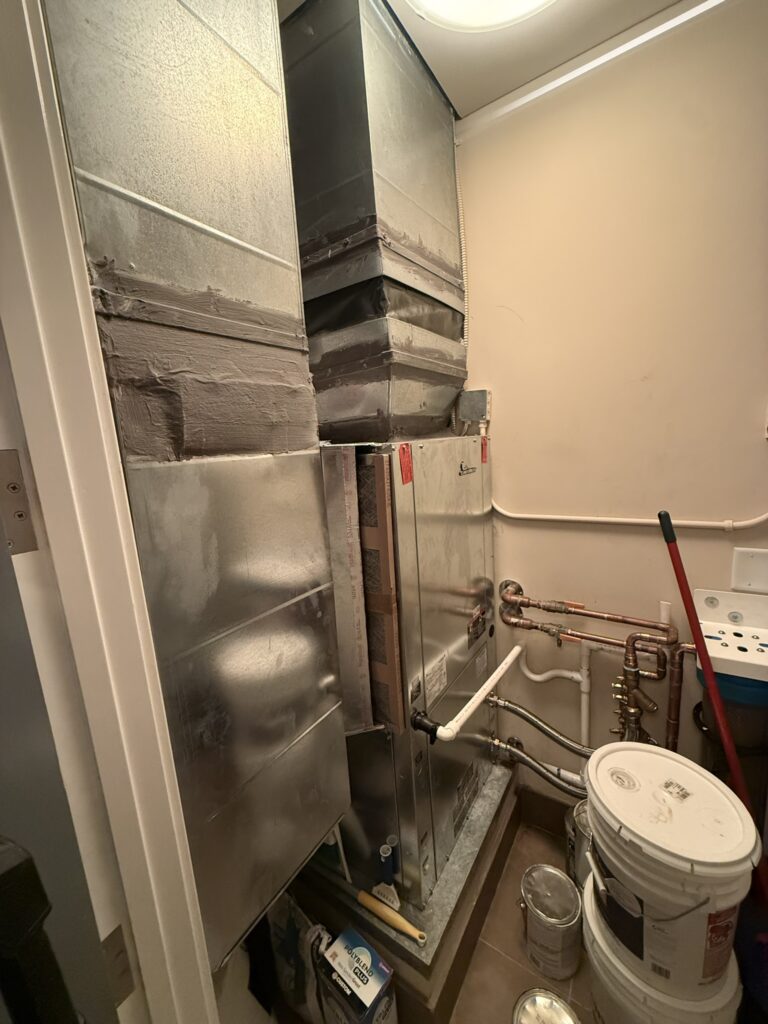
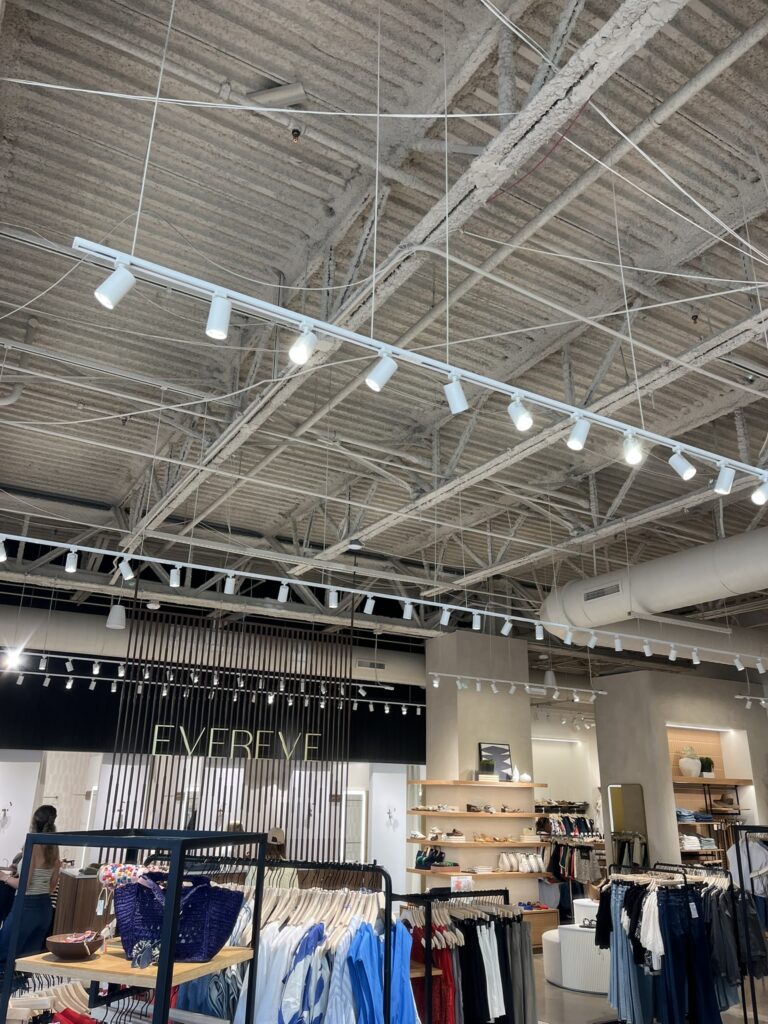
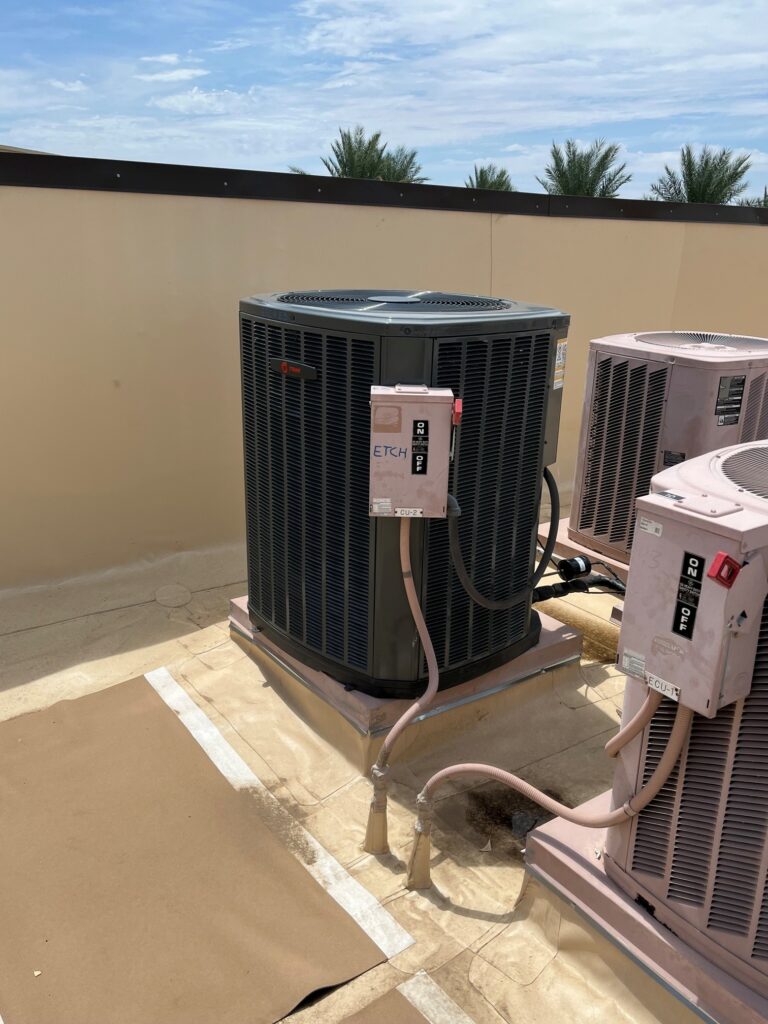
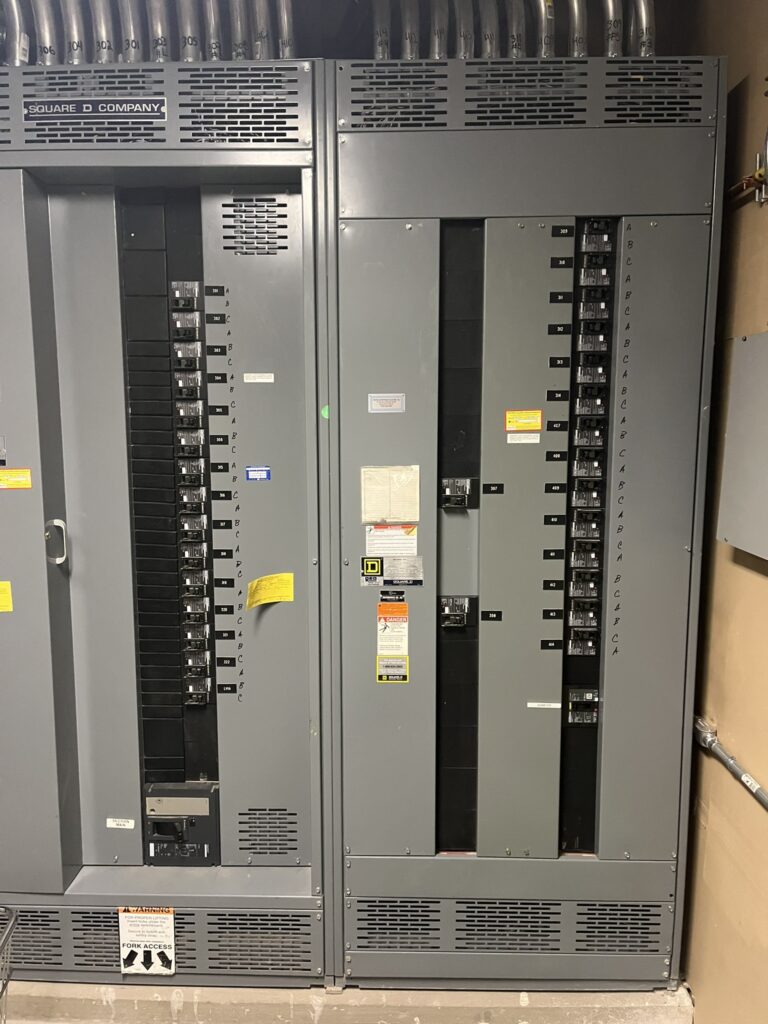
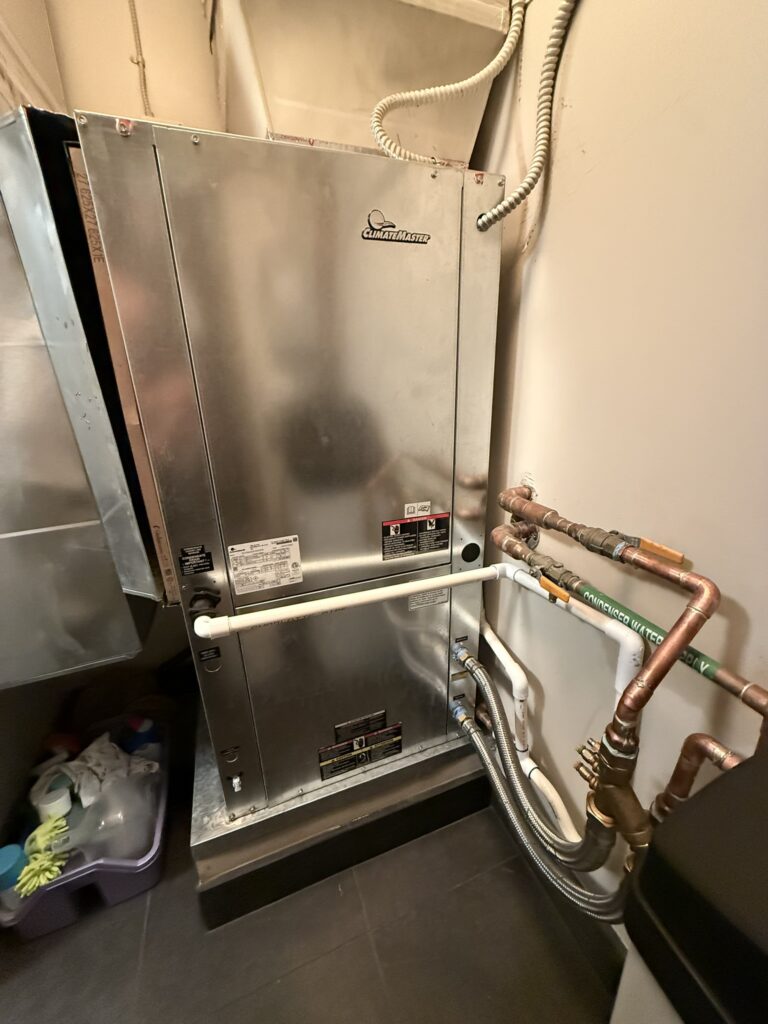
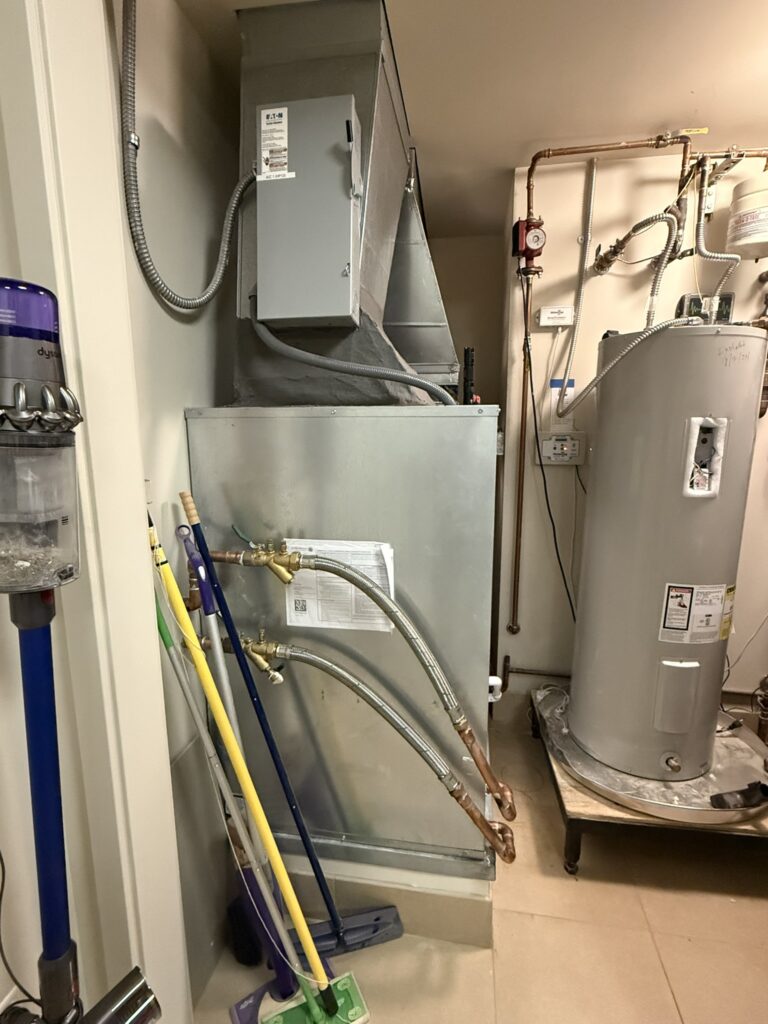
Manufacturing HVAC service has to work around production, process heat, roof equipment, and shift schedules. Comfort cooling may serve offices, break rooms, production-adjacent areas, QC rooms, electrical rooms, or the plant floor itself. The right approach separates comfort problems from process loads, documents findings, and plans downtime so repairs do not casually interrupt output.
Manufacturing HVAC reality in the Valley
Manufacturing and industrial buildings in Phoenix ask HVAC equipment to do more than cool people at desks. Production equipment throws heat. Roll-up doors open. Exhaust fans pull air out.
Areas with Varied Cooling Needs
- Offices
- QC spaces
- Electrical rooms
- Break rooms
- Locker areas
- Shipping offices
- Production zones
These areas may all need different temperatures and run on different schedules.
Thermostat Complaint Causes
- Process heat
- Roof-unit condition
- Airflow
- Controls
- Exhaust
- Building pressure
Rooftop package units are common across industrial properties in the Valley because they are serviceable and scalable. Many plants have an RTU fleet instead of one or two units. That creates a different service problem.
One failed unit may not shut the whole operation down, but it can make a production-adjacent office unusable.
It can push a QC room out of a practical range.
It can overheat a mezzanine.
It can make a break area a complaint source during peak heat.
Manufacturing loads are rarely steady. A plant may run one shift most of the year, then add hours during a production push. Equipment may sit idle in the morning and create heavy heat by afternoon.
Factors Changing Cooling Picture Quickly
- Doors
- Forklifts
- Dust
- Compressed air
- Ovens
- Welders
- Packaging lines
- Process exhaust
In that setting, a contractor needs to ask how the building is used, not just what the thermostat says.
Phoenix weather makes small weaknesses show up fast. On 115 degree roofs, dirty condenser coils, weak contactors, failing fan motors, worn belts, plugged filters, and marginal compressors do not get much grace. Monsoon dust loads coils and filters, and dust from the facility itself may add to the problem. If a unit is already struggling against process heat, a maintenance miss can become a production issue.
The cost of failure is measured in disruption:
Costs of HVAC Failure
- Slowed work
- Hot operators
- Missed quality checks
- Irritated supervisors
- Office staff relocating
- A manager trying to decide whether an emergency repair should interrupt a shift
Manufacturing HVAC service needs practical triage, not vague comfort talk. It should tell you which units are critical, what can wait, and what should be planned before the next high-load period.
Contracts, written scopes, and cost honesty
Manufacturing HVAC decisions need written scopes because downtime, approvals, and production timing are part of the cost. We provide flat-rate written quotes after an in-person look.
The diagnostic or service-call fee is disclosed at booking and credited toward the repair.
Findings and scopes are documented in writing so the plant manager, maintenance lead, owner, or controller can review the same facts.
Factors Driving Commercial Pricing
- Equipment type
- Roof access
- Unit count
- Parts
- Electrical condition
- Coil condition
- Controls
- Refrigerant status
- Crane or lift needs
- After-hours timing
- How tightly the repair must fit around operations
A single RTU over an office is not the same as a fleet serving production support areas. We explain the scope plainly and separate urgent repair from planned maintenance or replacement discussion.
Workmanship Warranty
Our workmanship is backed by a 2-year written workmanship warranty and is held to the AZ ROC Minimum Workmanship Standards.
Parts Warranty
Repair parts carry a 1-year manufacturer parts warranty.
Yeti Pros is veteran-owned and operated, AZ ROC #363372 and ROC #363423. Financing is available, and we offer a 10% military, veteran and first responder discount.
For plants with multiple units, review commercial maintenance contracts before the next high-load season. To schedule service, use contact Yeti Pros or call (520) 556-8929.
How we run service for manufacturing
We start by learning what the affected area does and when downtime is least disruptive. A plant-floor comfort issue is different from an electrical-room cooling issue, and a break-room complaint is different from a QC space that supports production decisions. Yeti Pros is veteran-owned and operated, and we work as a service-area commercial HVAC contractor across Phoenix and the Valley. We come to you.
Office hours are Mon-Fri 8-5, with 24/7 emergency service when a facility cannot wait.
The diagnostic or service-call fee is disclosed at booking and credited toward the repair. After an in-person look, we provide a flat-rate written quote for the approved work.
Findings and scopes are documented in writing so maintenance managers, plant managers, owners, and office managers can make decisions from the same information.
For industrial properties, roof access and production timing matter. We coordinate around shift changes, dock traffic, security requirements, lockout needs, noise concerns, and areas where shutdowns affect output.
Repairs During Operation
Some repairs can be done while the building is operating.
Repairs Needing Planned Window
Others need a planned window because equipment must be shut down, parts must be staged, or rooftop work would create unacceptable disruption below.
RTU fleets need asset-level thinking. The oldest unit is not always the most important unit, and the loudest complaint is not always the largest operational risk. We look at which units serve offices, production support, QC, electrical or IT rooms, break areas, and high-occupancy zones.
Equipment Prioritization Factors
- Use
- Heat exposure
- Age
- Repair history
- How difficult the area is to operate without cooling
A preventive plan should prioritize equipment by these factors.
Commercial RTU Repair Work
For direct rooftop unit problems, our commercial RTU repair work covers diagnosis, electrical checks, coils, belts, motors, controls, refrigerant-side concerns, and written repair scopes.
Maintenance Plan Benefits
For recurring support, a maintenance plan can reduce emergency surprises by catching coil loading, worn components, drain issues, and airflow problems before summer load turns them into downtime.
Manufacturing HVAC symptoms and service priority
Industrial HVAC calls need to be sorted by production impact, not just comfort level. The table below shows common manufacturing situations and how we typically frame the first service priority.
| Symptom or situation | What it usually means | Priority |
|---|---|---|
| Production-adjacent area overheats in afternoon | Process heat, dirty coil, weak airflow, poor zoning, exhaust pull, or RTU capacity under peak load | High during operating hours |
| Multiple RTUs show weak cooling | Dust-loaded coils, neglected filters, aging electrical components, or fleet-wide maintenance gap | High before peak heat |
| QC or equipment room temperature drifts | Internal heat load, undersized cooling, airflow issue, failing unit, or control problem | Urgent if production decisions depend on it |
| Breaker trips or unit locks out on hot days | Electrical stress, motor failure, compressor concern, dirty condenser coil, or high operating pressure | Urgent in summer |
| Plant wants downtime scheduled around shifts | Parts, access, shutdown needs, and production timing should be planned before the repair window | Planning priority |
A good service visit should leave the manager with more than a repair suggestion. It should identify the operating risk, the affected area, and whether the work can be handled immediately or should be staged around production.
Phoenix-metro specifics for manufacturing HVAC
Manufacturing HVAC in Phoenix is defined by rooftop heat, dust, and duty cycle. RTUs dominate many industrial sites in the Valley, and they often run long hours above buildings that generate their own internal heat.
A clean, well-maintained unit still works hard.
A dirty or aging unit works harder, runs longer, and fails at the worst possible time: mid-shift, high outdoor load, full production schedule.
Monsoon dust adds another layer. Dust from storms, nearby lots, roof surfaces, and the facility itself can coat condenser coils and load filters.
Dusty Processes Requiring Closer Attention
- Welding
- Fabrication
- Packaging
- Woodworking
- Machining
- Other dusty processes
If the building has these processes, the equipment may need closer attention than a standard office schedule. Coil condition and airflow are not cosmetic details. They affect compressor stress, electrical load, and whether the space can recover after doors open or production heat spikes.
Utility demand is a practical management issue. We do not claim maintenance will erase high bills, but inefficient HVAC operation can add avoidable strain.
Causes of Inefficient HVAC Operation
- Dirty coils
- Loose belts
- Failing motors
- Poor airflow
These make units work harder to deliver the same result. In a plant with several RTUs, those small problems stack. Written maintenance findings help a manager decide which units need immediate attention and which can be budgeted in order.
The Phoenix-metro labor and supply reality also matters. During the hottest months, parts, crane coordination, rooftop working conditions, and emergency demand can affect timing.
Planned Work Timing Options
- Shift changes
- Scheduled shutdowns
- Inventory windows
- Lower-production days
A plant that waits until multiple units fail may have fewer clean options than a plant that documents issues before peak season. Planned work can be tied to these options.
Many industrial buildings also evolve. Lines move, mezzanines get built, offices are added, dock doors change use, and process exhaust is modified. The HVAC may still be arranged around yesterday’s layout. Before recommending a repair path, we look at the current use of the space and the equipment serving it. In the Valley, that practical context often explains why a unit that once worked acceptably now cannot keep up.
Straight answers
Do you service manufacturing HVAC in Phoenix?
Yes. We service commercial HVAC and RTU equipment for manufacturing and industrial facilities across Phoenix and the Valley. That includes rooftop units, split systems, coils, filters, drains, belts, motors, electrical components, controls checks, and written repair scopes. We focus on the HVAC equipment and coordinate around production realities.
Can you schedule HVAC repairs around shifts?
Often, yes. Planned repairs can be coordinated around shift changes, shutdown windows, dock activity, and access rules. Emergency work is available 24/7, but some repairs still depend on parts, roof access, electrical condition, or safe shutdown timing. We tell you what can happen immediately and what should be staged for a cleaner repair window.
Why do our RTUs keep failing in summer?
Common causes include dirty condenser coils, loaded filters, weak electrical components, worn motors, poor airflow, long run times, process heat, and units that are aging under heavy duty. Phoenix roof conditions expose those weaknesses quickly. A fleet review can identify whether failures are isolated or part of a broader maintenance and replacement planning issue.
Can maintenance reduce plant downtime?
Maintenance can reduce avoidable downtime by finding coil loading, worn belts, weak motors, drain problems, electrical issues, and airflow restrictions before they become failures. It cannot remove every risk or fix a system that no longer matches the production load. The value is having documented equipment condition before the next shutdown or budget decision.
Permits and inspections
Most repairs are ordinary service work; bigger scopes can involve city permitting. We perform our work to code, pull the permits our scope requires, and put what we did in writing.
What's covered
Workmanship is covered for two full years, in writing, and repair parts carry a 1-year manufacturer parts warranty — we document installs and repairs so those claims stay simple to make
HVAC for Manufacturing — Phoenix Metro, city by city.
Every city below has its own local page for this industry — local FAQs, utility territory, and dispatch reality included.
Why a licensed HVAC contractor matters.
Commercial HVAC, industry by industry.
Every major brand, serviced and installed.

Phoenix metro: Most days a tech is already working somewhere in the Valley, so same-day appointments happen when the schedule allows. After-hours emergencies are dispatched when a licensed tech is available — a real person answers and tells you the ETA on the call.
Call (520) 556-8929Request an estimate.
No pressure, no door knockers. We look at the HVAC system, tell you what it needs (and what it doesn’t), and put the number in writing.