
Phoenix Metro
HVAC for Multi-Family & HOA in Phoenix.
- (520) 556-8929
- Serving the entire Phoenix metro — we come to you
- Office: Mon–Fri 8:00 AM – 5:00 PM · 24/7 emergency service
- 2-year workmanship warranty · 1-year parts warranty
- Veteran-owned & operated · residential + commercial
- 23 five-star Google reviews
Multi-family equipment work, documented.
Photos from our own commercial projects — equipment we installed, in buildings we serviced.
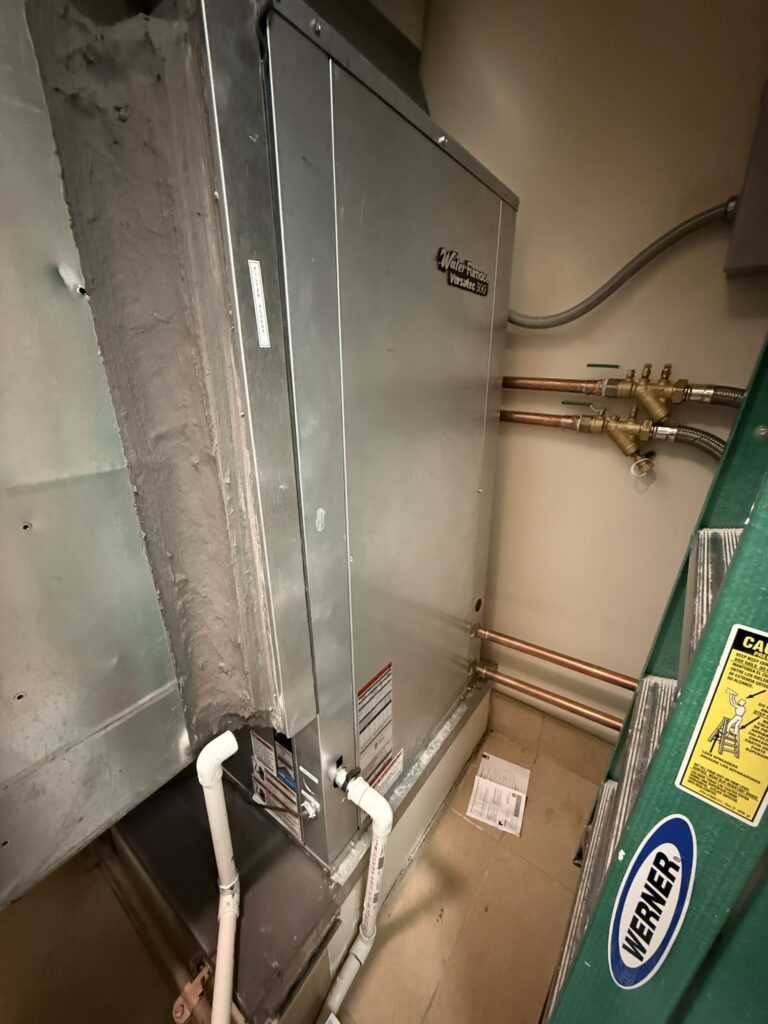
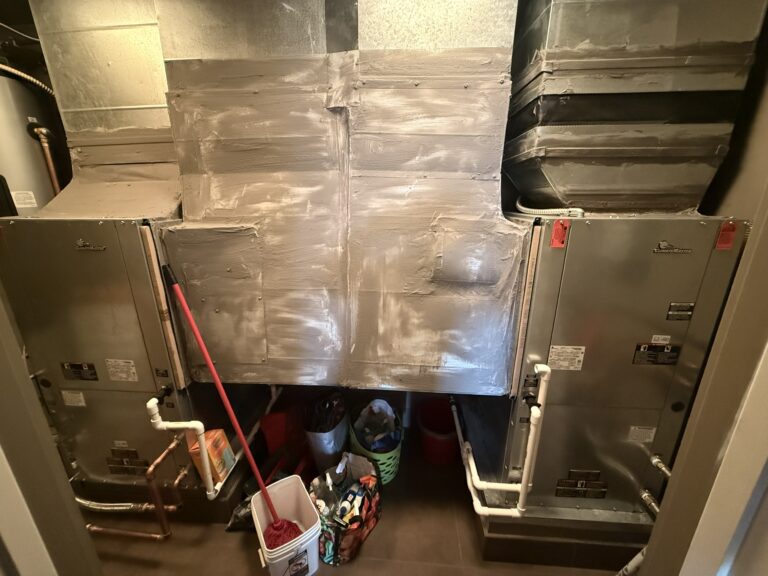
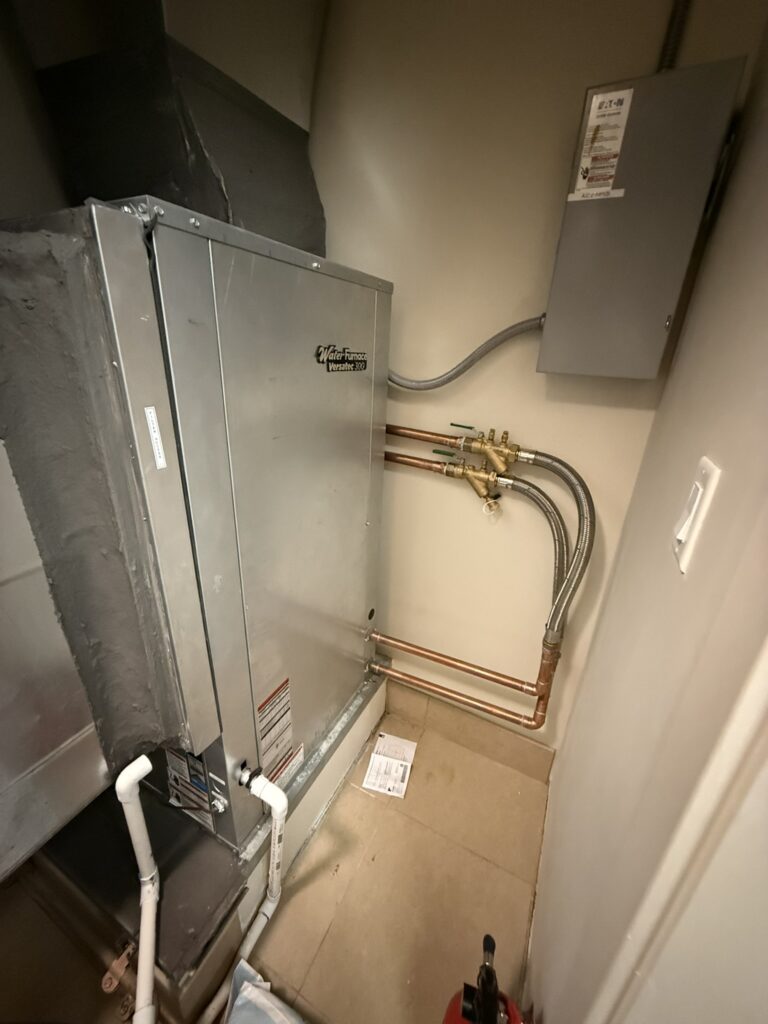
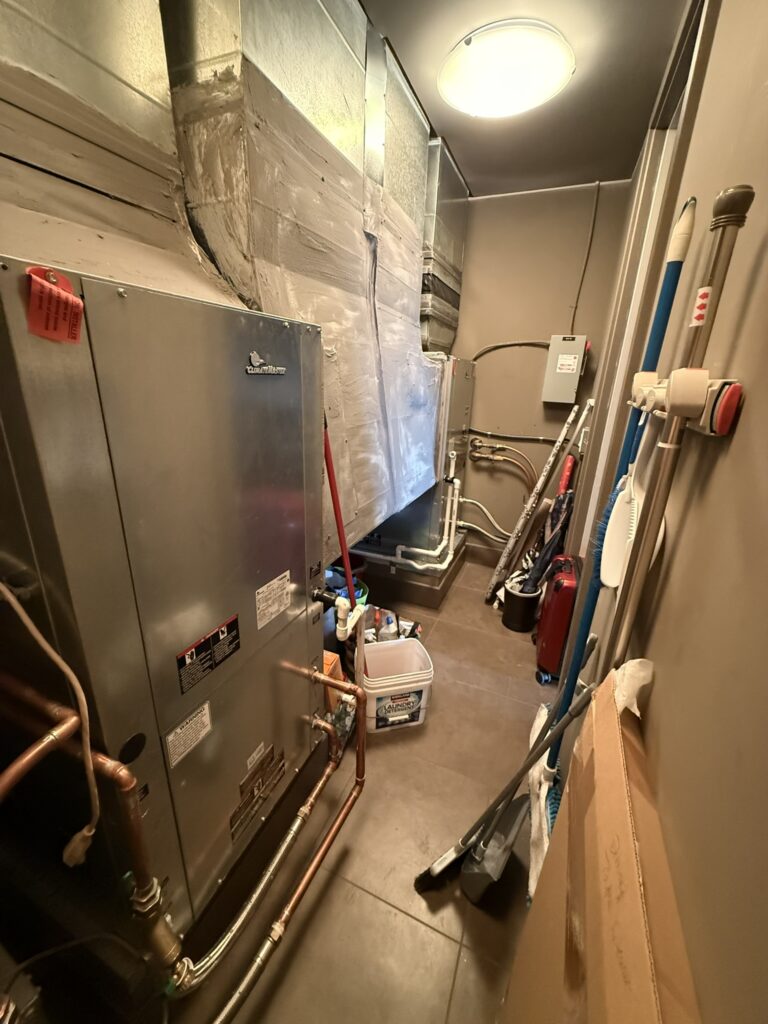
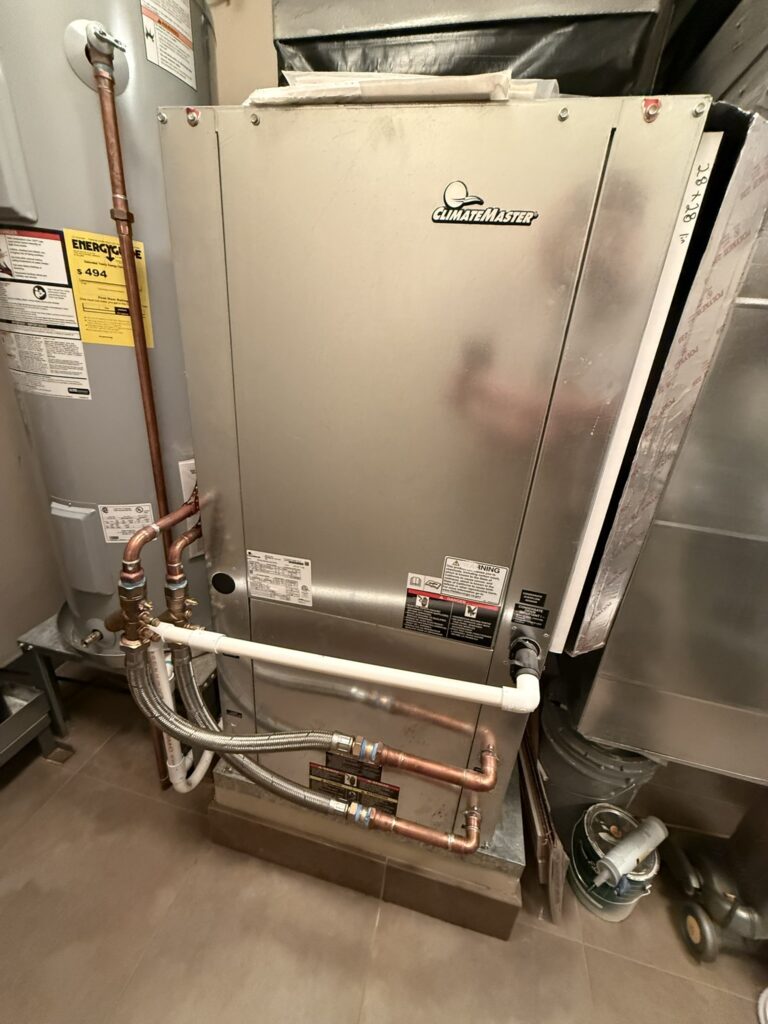
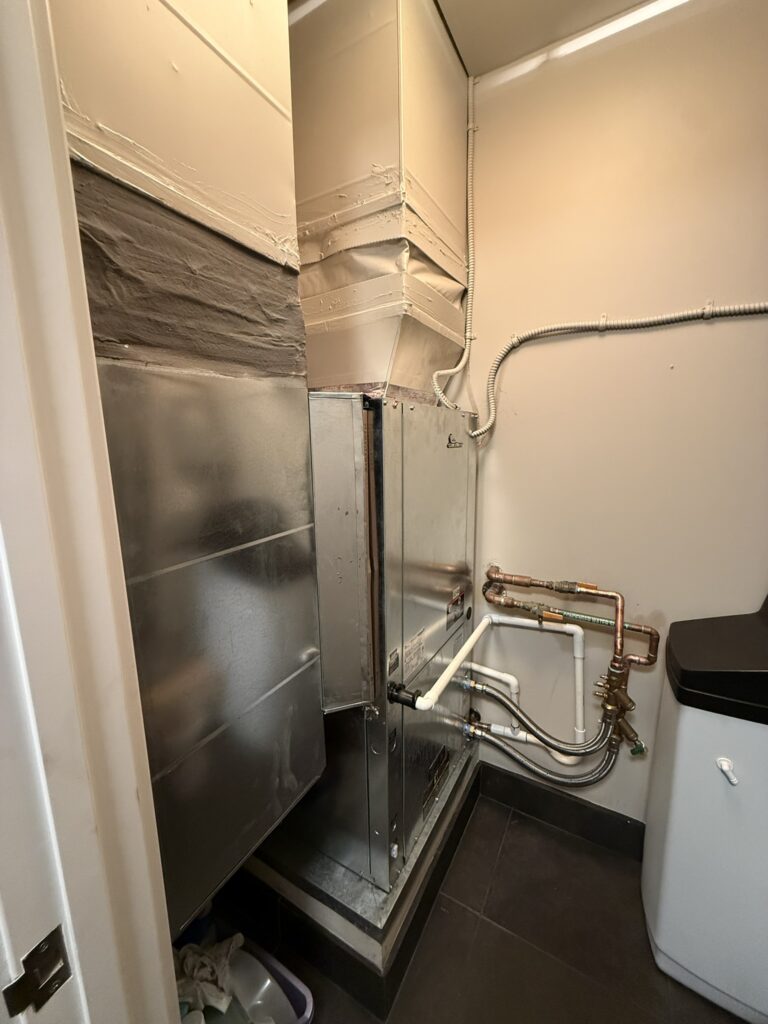
A 250-unit apartment community isn’t one HVAC customer — it’s 250 small ones, plus a clubhouse, a pool, a fitness room, and a leasing office. Multi-family HVAC in Phoenix is a numbers game played in brutal heat: hundreds of individual cooling systems, each one somebody’s home, each failure an urgent phone call the moment July temperatures arrive. Yeti Pros serves apartment communities, condominium associations, and HOAs across the Phoenix metro with volume-smart maintenance, rapid unit-down response, and the asset data boards need for real budgeting. Veteran-owned and operated. Licensed: ROC #363372 · ROC #363423. Reach a live human any time at (520) 556-8929.
Unit-count math: what five percent means at scale
Here is the arithmetic that governs every large community in the Valley.
The Unplanned Summer
Even well-maintained cooling equipment fails at an annual rate of five percent in a punishing climate. Across 300 units, this means fifteen failures a year, clustering from June through September when systems run eighteen-plus hours daily. Treating each failure as a surprise leads to a permanent state of emergency, marked by frantic vendor calls, resident anger, and premium pricing.
The Managed Summer
Planning for this math involves preventive maintenance to reduce the failure rate and a standing vendor relationship to absorb inevitable failures. This approach transforms the same summer into a managed workload. Our multi-family operation is built around this proactive model.
Why bulk maintenance pricing favors the community
The Logic Behind Volume PM Rates
Maintenance economics reward density, and nothing is denser than a community. When our technicians can service forty units in a day without moving the truck — versus forty service calls scattered across the metro — the drive time, setup, and scheduling overhead per unit collapses, and the pricing reflects it. That’s the honest logic behind volume PM rates on community maintenance contracts: not a discount gimmick, just shared efficiency.
Additional Advantages for Communities on Contract
Cooling checks in spring, heating checks in fall.
Our techs learn the property’s quirks — which buildings have roof access issues, where the shutoffs hide, which unit lines were repaired before.
A no-cool call in July is not a comfort ticket
When a resident’s air conditioning quits during a Phoenix heat advisory, the clock that starts ticking is not a customer-service metric. Habitability expectations in Arizona treat working cooling in extreme heat as essential, and property owners are generally expected to restore it promptly — vulnerable residents, small children, and pets raise the stakes further. We’re not attorneys and this isn’t legal guidance; it’s operational reality, and it shapes how we dispatch. Occupied-unit no-cool calls in summer get triaged ahead of nearly everything else, our emergency line is answered by a person around the clock, and our techs carry the common failure parts — capacitors, contactors, fan motors — that put a percentage of down systems back online on the first visit. When a same-day fix isn’t possible — a dead compressor, a parts delay — we say so immediately, so your office can arrange portable cooling or other accommodations instead of discovering the delay tomorrow. Fast restoration protects residents first and the property’s obligations right behind them.
Split systems, PTACs, and central plants — we run all three
Valley communities cool themselves three different ways, sometimes on the same property.
Garden-style communities typically give every unit its own split system or heat pump with a condenser on a pad or roof — hundreds of small machines, best managed with fleet discipline through commercial AC repair and tracked histories.
Older properties and some senior communities run PTACs or through-wall units, where the smart play is often a spares-on-the-shelf rotation rather than bench repair of every failed chassis.
And a share of condo towers and upscale communities run central plants — chilled or heated water circulating building-wide — where chiller service and boiler work are the specialties that count.
We service each architecture and, more importantly, we tell boards honestly which failure patterns their particular architecture will produce.
Turnover-ready: check the cooling before the keys change hands
Our Standardized Turnover Check Includes:
Key Benefits:
Prevent Resident Inconvenience
Every move-out is a chance to catch a problem while the unit is empty and nobody is inconvenienced. It costs little at scale, preventing the worst version of this story — a new resident moving boxes in on a 112°F afternoon and discovering within the first hour that the AC doesn’t work.
Support Leasing Teams
A documented, recently serviced system is one less negotiation at signing and one less angry call in week one. Leasing teams love this benefit.
Folded Into the Cadence:
On communities with steady move-outs, we fold these checks into the regular service cadence so make-readies never wait on a separate dispatch.
Clubhouse, pool, and the spaces every resident shares
Common-area equipment operates on a different schedule and fails more visibly than unit equipment.
Leasing Office & Clubhouse
The clubhouse and leasing office are the property’s showroom; a warm office loses prospects in minutes.
Fitness Rooms
Fitness rooms generate high heat loads, quickly becoming unusable when cooling fails.
Pool Equipment Rooms
Pool equipment rooms hide boilers for heated pools and spas, often failing quietly in October and discovered only with the first cold week.
Rooftop Package Units
Package units over clubhouses age like standard commercial rooftop stock.
We integrate common-area assets into the same maintenance program as the unit fleet, ensuring spaces that sell the community and serve residents don’t become a blind spot.
HOA boards: reserve planning built on condition data, not guesses
Board members inherit a hard job: approving HVAC budgets for equipment they’ve never seen, on the advice of whoever spoke last. We replace that with data.
Every asset we maintain receives a condition grade and a remaining-life estimate, refreshed at each visit.
A readable portfolio view shows oldest equipment and replacement needs within one, three, and five years, aligned with your reserve schedule.
Reserve studies get real field input, replacing age-based assumptions.
Expensive surprises stop being surprises, making special assessments rarer.
Budgeting is based on equipment someone actually inspected, not a spreadsheet built on hope.
Working alongside your on-site team
Most communities have maintenance staff who handle filters, thermostats, and first-look calls — and the best results come from a clean division of labor.
Your Team’s Role
Handles filters, thermostats, and first-look calls.
Our Specialized Services
We handle refrigerant work under EPA 608, compressor and sealed-system repairs, electrical diagnostics, and anything needing certification or specialty equipment.
How We Work With You
We coordinate resident access through your office’s notice process.
We close every ticket with a written report your manager can drop into the property file.
We flag patterns your staff should know about — like a building whose units keep eating capacitors because of a voltage issue nobody had connected.
Transparent Replacement Quotes
When a system is finally done, we quote replacement flat-rate and in writing, sized for the unit rather than copied from whatever died.
Transparent Pricing & Warranty
- Transparent Fee Structure: The service-call charge is stated when the ticket opens and credited into the repair on approval.
- 2-Year Workmanship Warranty: All work carries a 2-year written workmanship warranty held to the Arizona ROC Minimum Workmanship Standards.
Military, Veteran & First Responder Discount
Because we’re veteran-owned and operated, residents and on-site staff who served also qualify for a 10% military, veteran & first responder discount on residential HVAC work for homes of their own.
Multi-family HVAC questions from Phoenix communities
Yes — that scale is exactly what our multi-family model is built for. Seasonal sweeps get scheduled in blocks, summer failures get triaged daily, and the property gets consistent technicians rather than whoever’s available. We’ll walk the property first and show you the service plan before you commit.
We do, and we’ll be honest about the economics: some PTAC failures justify repair, while others make a spares-rotation strategy cheaper per year. We help properties decide with numbers instead of habit.
Through your office and your notice procedures — we schedule windows with management, confirm before entry, and document each visit. Your team keeps control of resident communication; we keep the appointments.
Per-asset, quoted after a site walk, with density doing the work: many systems serviced per trip means a lower cost per system than any one-off call could match. The written scope lists exactly what’s checked on every unit and every common-area asset.
Occupied units in extreme heat sit at the top of our dispatch order, contract communities hold priority, and first-visit fixes are common because trucks carry the parts that fail most. A live person answers the line at 2 a.m. in July — no answering service maze.
Yes. Condition grades, ages, and remaining-life estimates per asset are exactly the field data reserve analysts want, and boards use our portfolio summaries to sanity-check replacement timelines and funding levels.
All of it — pool and spa boilers, clubhouse package units, fitness-room cooling, leasing-office systems. Common areas join the same program and reporting as the unit fleet under our commercial HVAC operation.
Hundreds of systems, one accountable vendor — call (520) 556-8929 for multi-family and HOA HVAC across the Phoenix metro. Veteran-owned, ROC #363372 · ROC #363423.
Permits and inspections
Most repairs are ordinary service work; bigger scopes can involve city permitting. We perform our work to code, pull the permits our scope requires, and put what we did in writing.
What's covered
Workmanship is covered for two full years, in writing, and repair parts carry a 1-year manufacturer parts warranty — we document installs and repairs so those claims stay simple to make
HVAC for Multi-Family & HOA in Phoenix, city by city.
Every city below has its own local page for this industry — local FAQs, utility territory, and dispatch reality included.
Why a licensed HVAC contractor matters.
Commercial HVAC, industry by industry.
Every major brand, serviced and installed.



Phoenix metro: Most days a tech is already working somewhere in the Valley, so same-day appointments happen when the schedule allows. After-hours emergencies are dispatched when a licensed tech is available — a real person answers and tells you the ETA on the call.
Call (520) 556-8929Request an estimate.
No pressure, no door knockers. We look at the HVAC system, tell you what it needs (and what it doesn’t), and put the number in writing.