
Phoenix Metro
HVAC for Food Processing — Phoenix Metro.
- (520) 556-8929
- Serving the entire Phoenix metro — we come to you
- Office: Mon–Fri 8:00 AM – 5:00 PM · 24/7 emergency service
- 2-year workmanship warranty · 1-year parts warranty
- Veteran-owned & operated · residential + commercial
- 23 five-star Google reviews
Commercial jobs we have documented.
Photos from our own commercial projects — equipment we installed, in buildings we serviced.
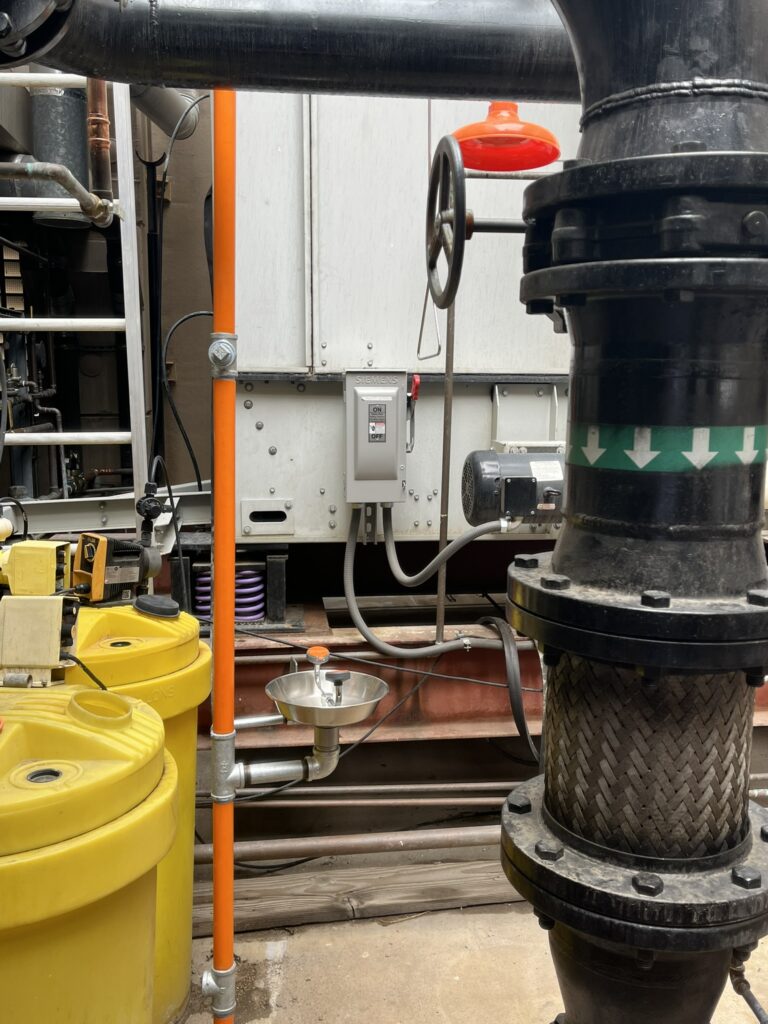
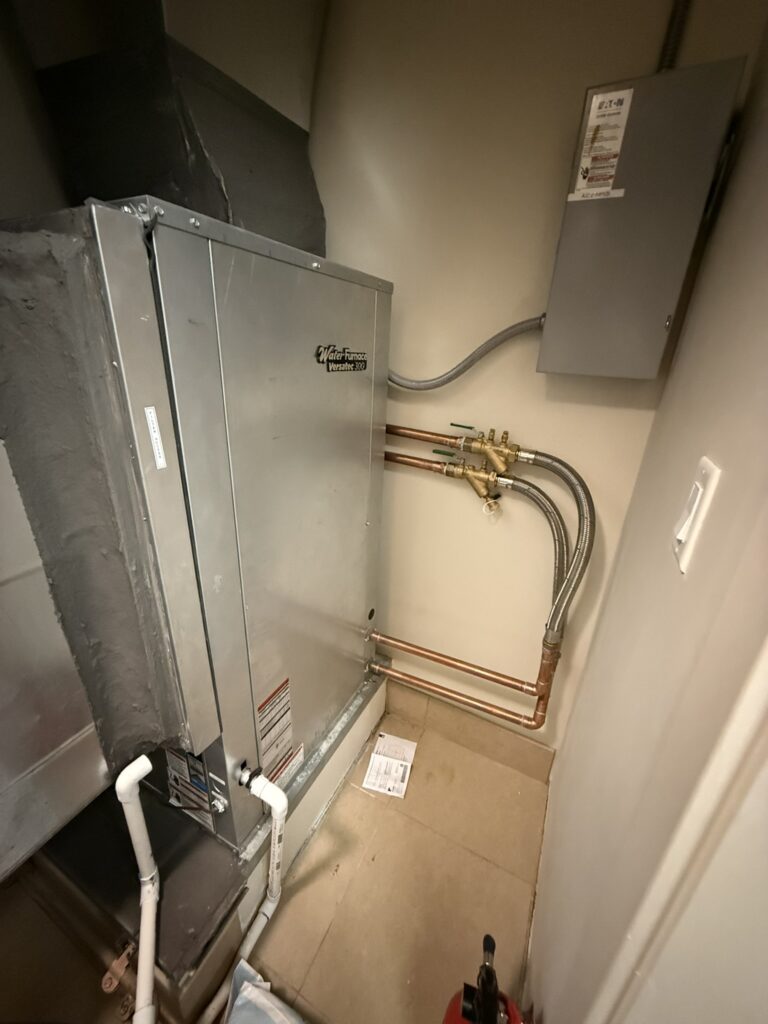
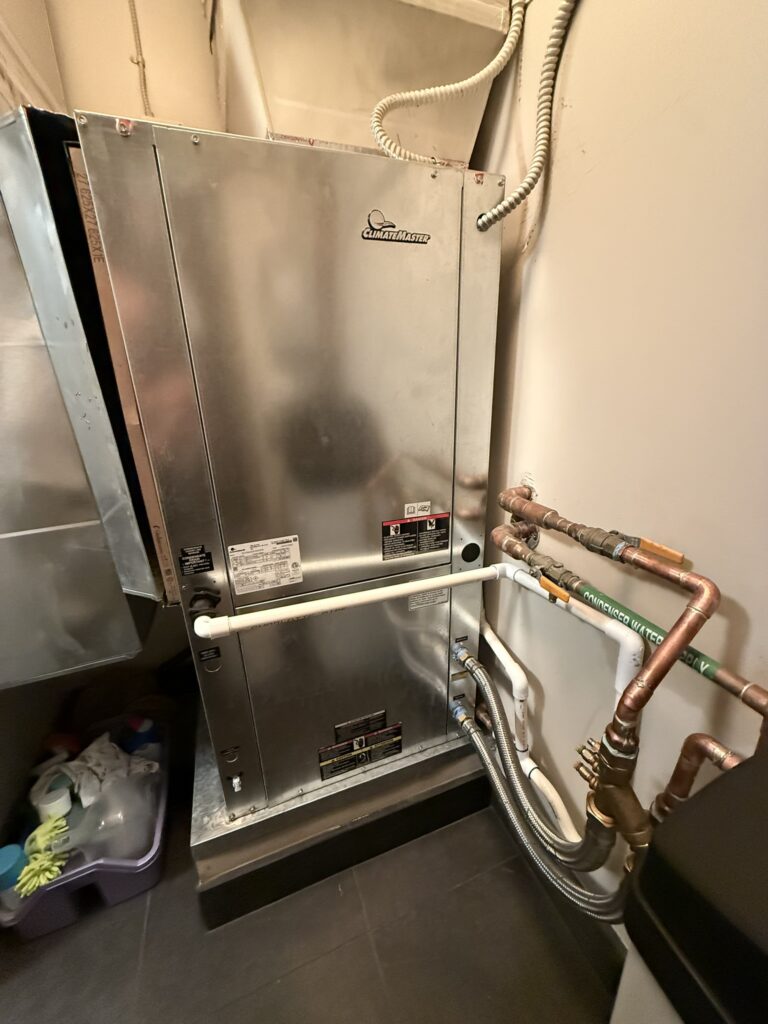
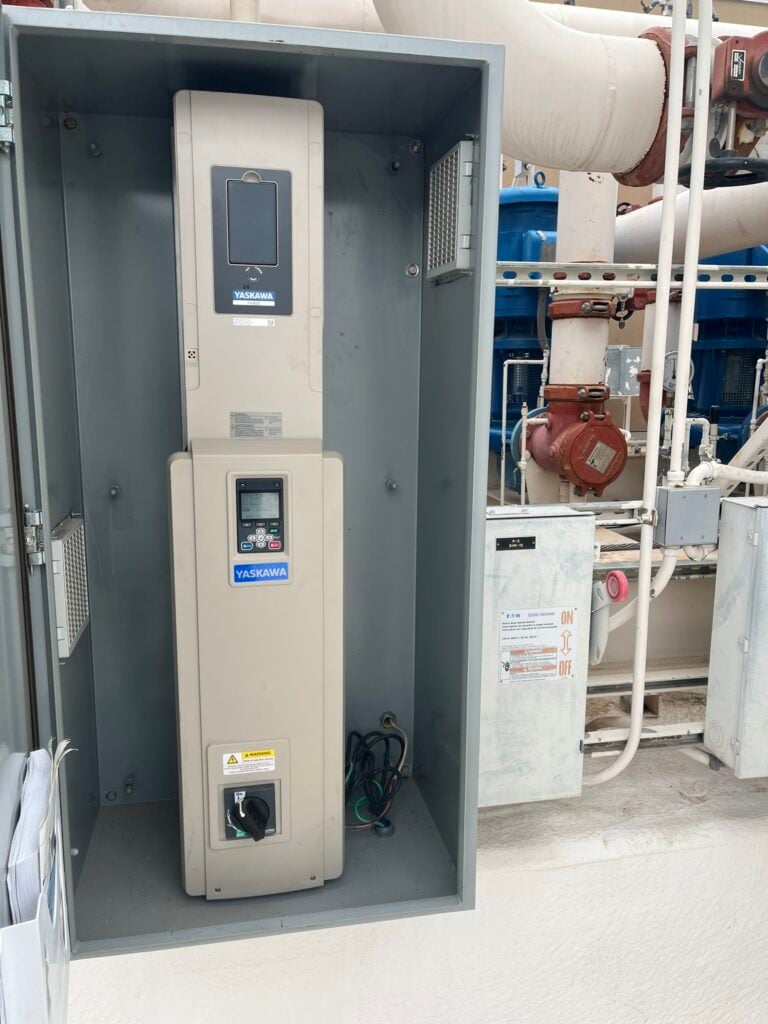
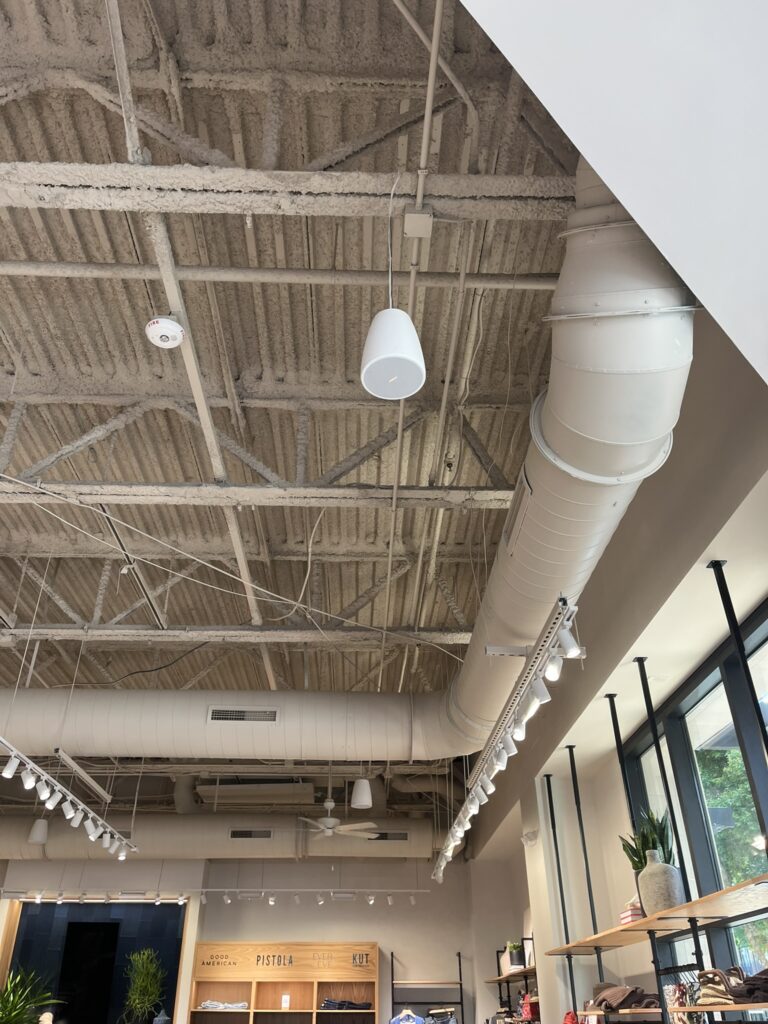
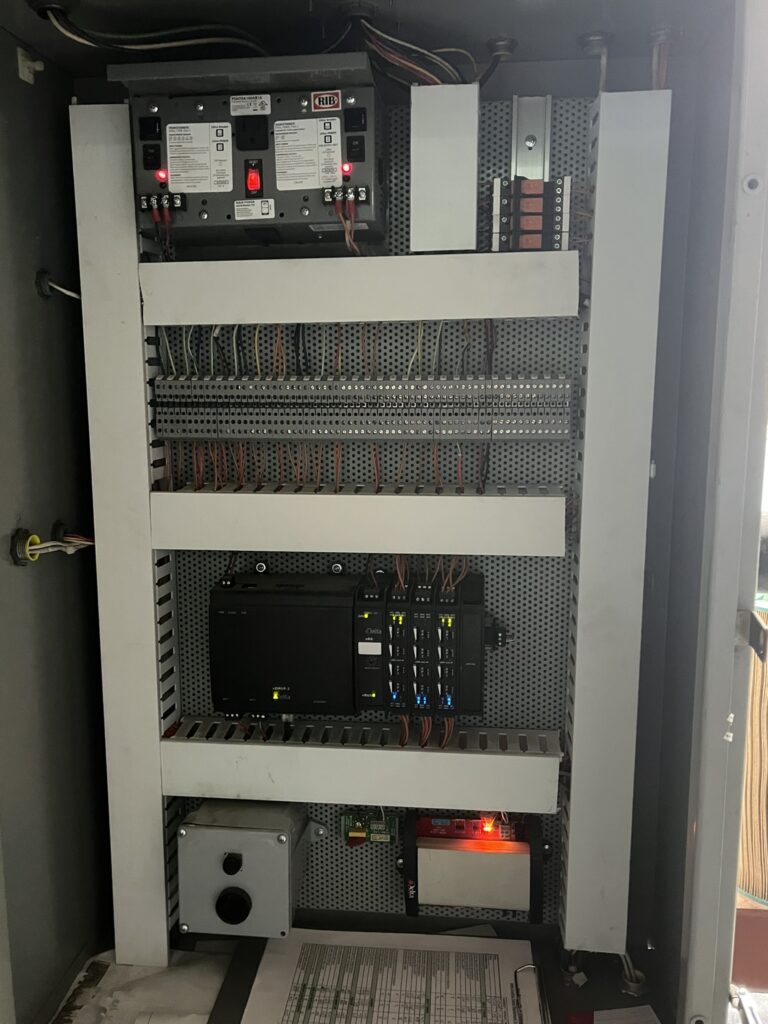
Food processing HVAC service has to respect production schedules, washdown environments, temperature-sensitive work areas, employee conditions, and the documentation trail your team already lives with. In Phoenix, that means commercial cooling, ventilation, rooftop equipment, and refrigeration-adjacent troubleshooting handled without pretending HVAC service replaces health-code, food-safety, or plant-process authority.
Food processing HVAC reality in the Valley
A food processing facility in the Valley is not just another commercial building with a few extra drains. Production heat, washdown moisture, packaging areas, employee welfare spaces, storage adjacencies, and refrigeration equipment all affect how the HVAC behaves. A rooftop package unit serving offices can have a simple comfort mission. A unit serving a production corridor or packaging room may be tied to temperature control, humidity complaints, odor movement, and documentation demands.
Phoenix heat makes the margin thinner. RTUs sit on hot roofs through long cooling seasons. Condenser coils collect dust. Makeup air can arrive hot and dusty. Doors open for receiving and shipping. Internal equipment adds sensible heat. Washdown areas add moisture and corrosion concerns. When an air conditioner underperforms in this environment, the complaint is rarely just that people are uncomfortable. It can affect line pacing, employee conditions, product handling steps, and supervisor confidence.
Duty cycle is a major difference in these buildings. Equipment may be asked to run before startup, hold conditions during active production, respond to hot air from open doors, and keep running while cleanup adds moisture to the space. Short cycling, weak airflow, a dirty condenser, or a control issue can show up as a temperature drift that operators see before the office does. A unit that appears to cool during a quick check may still fail under the combined load of people, process heat, makeup air, and the afternoon roof temperature.
We keep the boundaries clear. Yeti Pros services HVAC and related commercial refrigeration equipment; we document what we find and what we repair. We do not certify cleanrooms, issue health-code rulings, or give legal, medical, or food-safety advice. That distinction matters because food processing teams need accurate service records without a contractor overstating what an HVAC visit proves.
Filters must match the environment.
Coils need attention after dust events.
Drains need to move water reliably.
Belts, motors, controls, and electrical components need to hold up in high-duty operation.
Where process equipment and building HVAC interact, the technician has to isolate the HVAC problem instead of guessing from the first complaint. Veteran-owned & operated Yeti Pros brings that disciplined approach across Phoenix and the Valley.
Contracts and cost honesty
Food processing HVAC pricing depends on access, equipment type, contamination concerns, washdown timing, roof conditions, refrigeration adjacency, parts availability, controls, and production scheduling. We inspect in person before quoting quoted repair work. Yeti Pros provides flat-rate written quotes, documented findings, and written scopes so your team can review what is being repaired and why.
For plants with repeated seasonal loads, a commercial maintenance contract gives the facility team a cleaner record. Planned maintenance can track filter condition, coil cleaning needs, belts, motors, drains, electrical wear, and recurring symptoms. It also helps separate today’s failed part from the larger maintenance pattern that should be budgeted before peak summer.
Which unit serves the affected area.
What condition was observed.
Whether the equipment was under normal operating load.
Whether the issue appears tied to airflow, coils, drains, electrical wear, controls, or surrounding operating conditions.
That level of detail helps supervisors and facility staff decide whether a complaint is a one-time repair, a scheduling issue, or part of a larger pattern.
Workmanship Warranty
We provide a 2-YEAR written workmanship warranty.
Parts Warranty
Repair parts carry a 1-YEAR manufacturer parts warranty.
Yeti Pros is veteran-owned & operated. AZ ROC #363372 · ROC #363423. Work is held to the AZ ROC Minimum Workmanship Standards. Financing is available. A 10% military, veteran & first responder discount is available. To schedule service, use the contact page or call (520) 556-8929.
Most of these relationships start small: a commercial refrigeration repair call that gets handled cleanly, then a maintenance cadence that fits the operation. Request a walkthrough and we will scope it in person, in writing.
How we run service for food processing
We start by asking where the problem touches operations. A hot office, a humid locker room, a warm packaging area, and a refrigeration-adjacent complaint are different calls. We need to know whether production is active, whether washdown is scheduled, where roof or mechanical access is available, and who signs off on a repair window. Good service in this setting is part mechanical skill and part respect for the plant’s rhythm.
Office hours are Mon-Fri 8-5, with 24/7 emergency service for failures that cannot wait. We are honest about after-hours work. If a repair can be done without disrupting a line, we will say so. If the repair needs parts, controls coordination, roof access, or a shutdown window, the written scope will say that too. Emergency service should stabilize the situation and identify the next real step, not create vague promises.
On site, we coordinate with the facility contact before moving through production, washdown, packaging, welfare, or office areas. When the area is active, we work with your team on access, safety boundaries, and timing so the HVAC work does not create confusion on the floor.
Thermostat and control behavior.
Supply and return airflow.
Filter condition.
Coil condition.
Condensate drains.
Electrical components.
Blower and fan operation.
Refrigerant-side performance.
Obvious conditions around doors, exhaust, or makeup air.
Food processing facilities need documentation that is useful. Our findings and scopes are documented in writing. We provide flat-rate written quotes after an in-person look. The diagnostic/service-call fee is disclosed at booking and credited toward the repair. When a facility has recurring complaints, we separate the immediate repair from the underlying maintenance issue. A failed contactor may get the unit running today, while a dirty coil, plugged drain, or failing fan assembly still belongs in the maintenance record.
Planned maintenance cadence depends on the environment. Washdown areas, dust loads, grease exposure, production heat, and long duty cycles can shorten the time between service needs. If the issue touches refrigeration equipment, we can route the work through commercial refrigeration repair when appropriate.
Airflow.
Coil condition.
Drains.
Belts.
Electrical components.
Thermostat and control behavior.
Refrigerant performance.
Signs of moisture-related wear.
Decision guide for food processing HVAC issues
The fastest way to make a useful decision is to connect the symptom to the affected area, not just the unit tag. Food facilities need clear priority calls because production time and documentation both matter.
| Symptom or situation | What it usually means | Priority |
|---|---|---|
| Packaging area temperature will not recover after startup | RTU capacity issue, dirty coils, weak airflow, controls problem, or internal load change | High when production is active |
| Condensation or persistent humidity after washdown | Ventilation imbalance, drain issue, coil problem, or moisture load beyond the current setup | High where surfaces, records, or employee areas are affected |
| Office comfort is fine but production space is hot | Separate zoning, makeup air, process heat, or RTU performance issue | Medium to high depending on line impact |
| Odor moves into offices or break areas | Pressure relationship, exhaust, return air, or filtration concern | Medium, urgent if complaints are active |
| Repeated drain pan or ceiling water issues | Condensate blockage, insulation problem, drain pitch issue, or overloaded equipment | Urgent before damage or line disruption spreads |
Phoenix-metro specifics for food processing
Food processing buildings in the Phoenix metro deal with outside air that is brutally hot for much of the year. Any makeup air, receiving traffic, or door activity can add load quickly. Rooftop units have to reject heat while sitting in direct sun, and condenser coils lose performance when dust builds up. A unit that was acceptable in April can become a production complaint under summer load.
Monsoon dust is a recurring service issue. Dust on coils affects heat transfer. Dust in filters affects airflow. Dust mixed with moisture can create heavier buildup around drains, pans, and mechanical surfaces. After a storm cycle, a food facility may see several small HVAC complaints that share one root cause: equipment that needs cleaning, adjustment, or repair before the next high-load stretch.
Monsoon humidity can also expose weak control or drainage conditions. A system that is already behind on airflow may run longer, pull more water, and still leave areas feeling heavy after cleanup. If drains are slow, pans are dirty, insulation is compromised, or the unit is short on effective capacity, the symptom can look like a humidity problem even when several mechanical issues are contributing. We document the HVAC side clearly so your team can separate equipment repair from process decisions.
Washdown environments add another layer. Moisture does not stay politely inside one process. It can migrate through airflow paths, raise humidity, expose weak insulation, and stress equipment that was selected for comfort cooling rather than wet-adjacent duty. A service visit should document what is observed and what is repaired, while leaving process validation and code determinations to the facility’s qualified authorities.
Utility demand realities also matter. Long operating hours and temperature-critical areas make random cycling and weak components expensive in operational terms even when the bill is not part of our scope. We can help by documenting equipment condition, repair status, and maintenance recommendations in a form your team can use during planning. Across Phoenix and the Valley, that record helps turn a heat complaint into a manageable facilities decision.
Straight answers
Can you work around active production?
Often, yes, if the repair scope allows it. We ask about production timing, washdown, roof access, affected rooms, and approval contacts before work begins. Some repairs can happen with limited interruption. Others need a planned window because of electrical work, access, controls, parts, or the area served by the unit.
Do you certify food-safety or health-code compliance?
No. We service HVAC and related commercial refrigeration equipment, and we document our findings, repairs, and recommendations in writing. We do not certify cleanrooms, issue health-code rulings, or provide legal, medical, or food-safety advice. Your internal team and qualified authorities handle those determinations.
Can HVAC cause humidity problems after washdown?
It can contribute. Humidity complaints may involve ventilation, airflow, drain performance, coil condition, equipment sizing, controls, door activity, or process moisture. We inspect the HVAC side, document what we find, and identify repair or maintenance steps that are within our trade. That gives your team a factual starting point.
What happens when a temperature-critical area is drifting?
We treat that as a priority service call. The technician checks the serving equipment, airflow, coil condition, controls, refrigerant performance, and obvious load changes. If quoted repair is needed, we provide a written scope after the in-person look. The diagnostic/service-call fee is disclosed at booking and credited toward the repair.
Permits and inspections
Most repairs are ordinary service work; bigger scopes can involve city permitting. We perform our work to code, pull the permits our scope requires, and put what we did in writing.
What's covered
Workmanship is covered for two full years, in writing, and repair parts carry a 1-year manufacturer parts warranty — we document installs and repairs so those claims stay simple to make
HVAC for Food Processing — Phoenix Metro, city by city.
Every city below has its own local page for this industry — local FAQs, utility territory, and dispatch reality included.
Why a licensed HVAC contractor matters.
Commercial HVAC, industry by industry.
Every major brand, serviced and installed.

Phoenix metro: Most days a tech is already working somewhere in the Valley, so same-day appointments happen when the schedule allows. After-hours emergencies are dispatched when a licensed tech is available — a real person answers and tells you the ETA on the call.
Call (520) 556-8929Request an estimate.
No pressure, no door knockers. We look at the HVAC system, tell you what it needs (and what it doesn’t), and put the number in writing.