
Phoenix Metro
HVAC for Surgery Centers in Phoenix.
- (520) 556-8929
- Serving the entire Phoenix metro — we come to you
- Office: Mon–Fri 8:00 AM – 5:00 PM · 24/7 emergency service
- 2-year workmanship warranty · 1-year parts warranty
- Veteran-owned & operated · residential + commercial
- 23 five-star Google reviews
Commercial jobs we have documented.
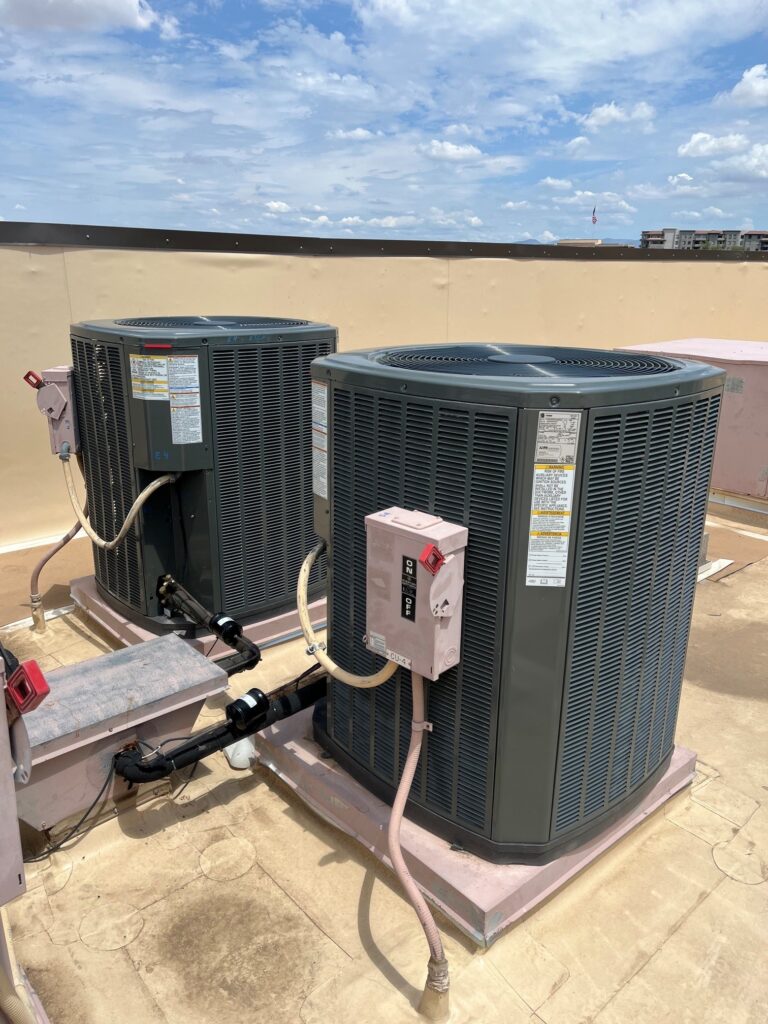
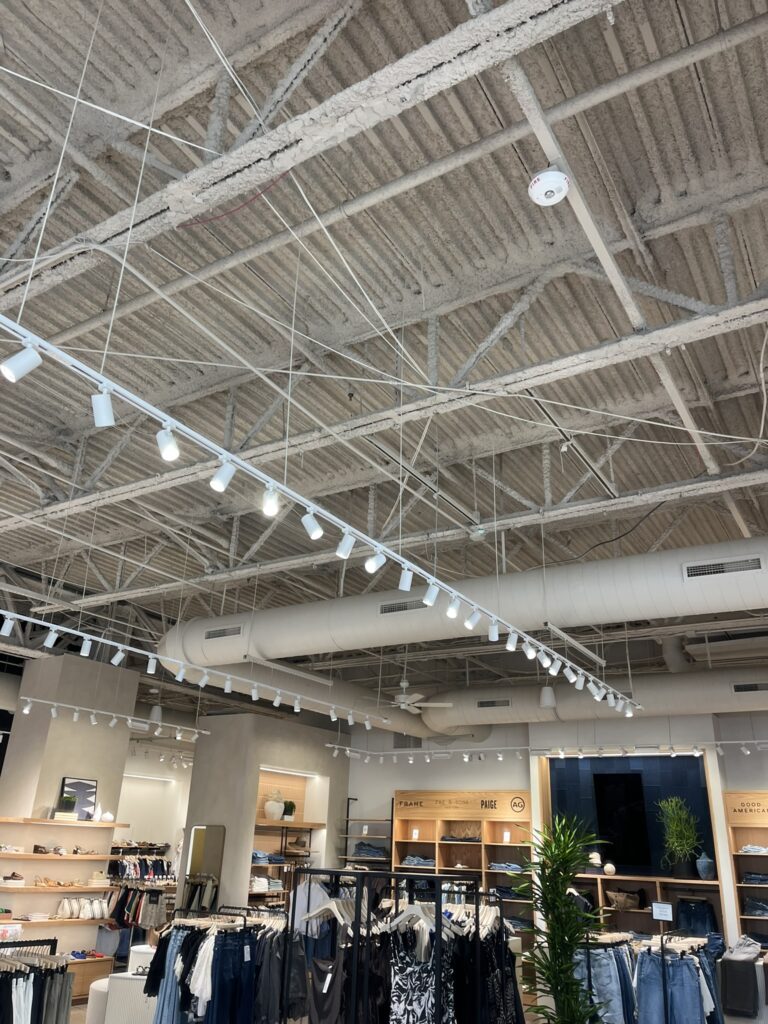
Photos from our own commercial projects — equipment we installed, in buildings we serviced.
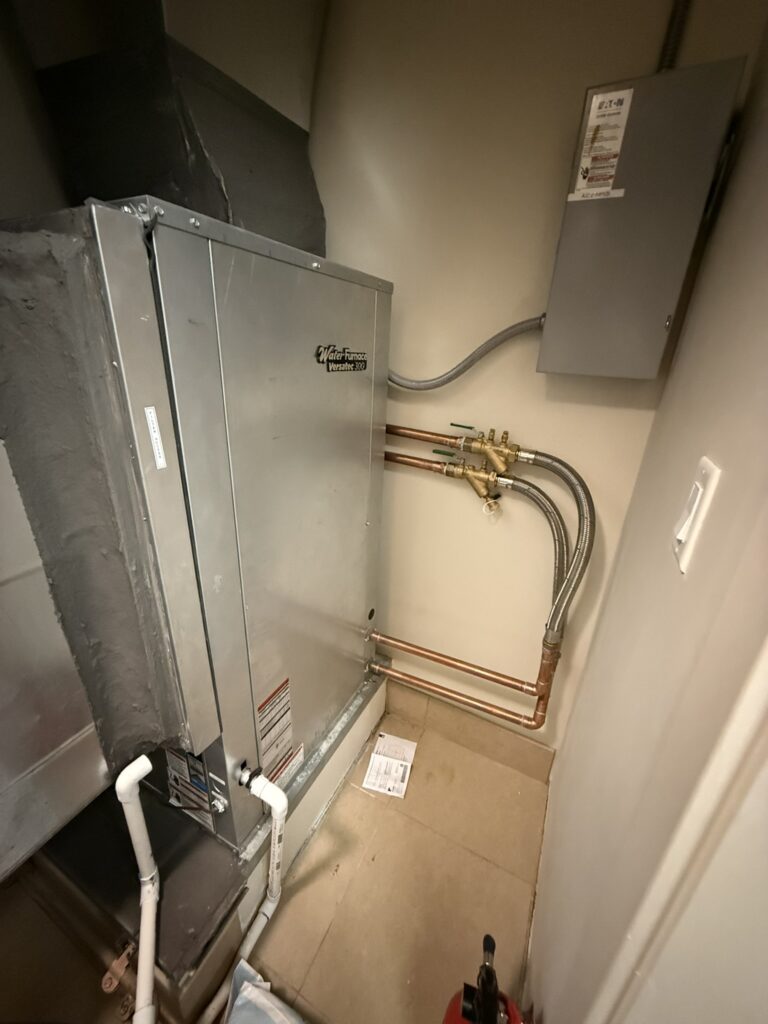
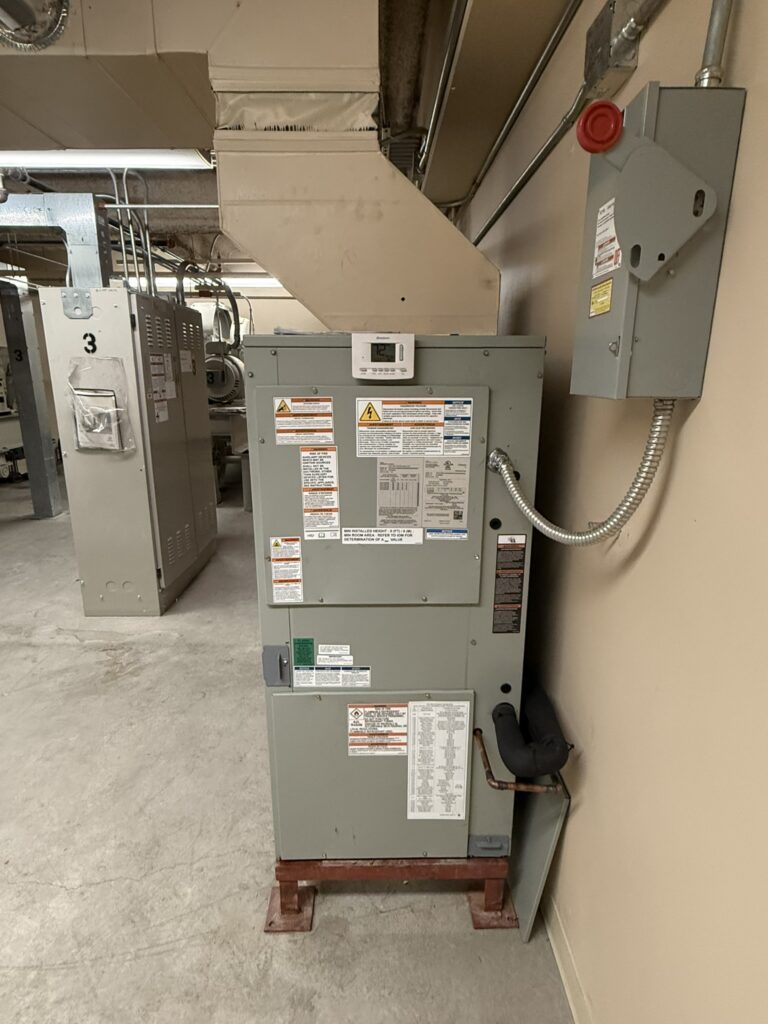
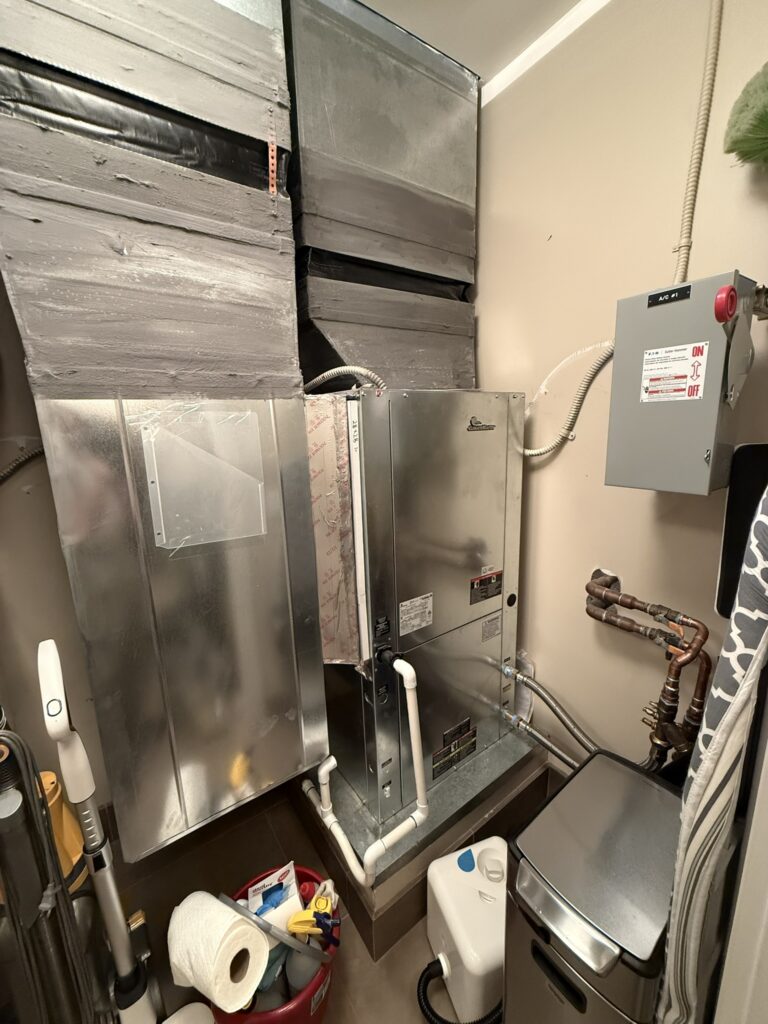
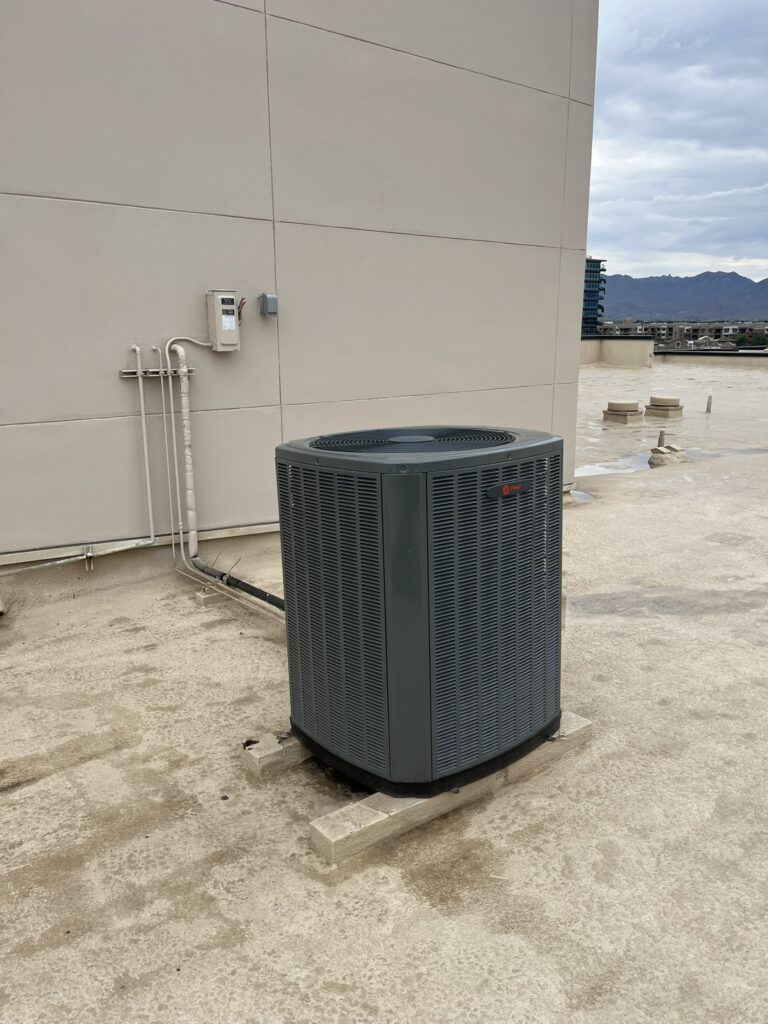
Surgery center HVAC in Phoenix carries stakes no ordinary commercial building ever faces: when the system can’t hold its numbers, the day’s entire case schedule is suddenly in question.
Yeti Pros is a veteran-owned commercial HVAC contractor keeping ambulatory surgery centers across the Phoenix metro cooled, controlled, and ready before the first case cart rolls — with maintenance staged into pre-dawn windows, straight talk about redundancy, and a phone that reaches a real human at any hour.
Arizona ROC #363372 · ROC #363423. Call (520) 556-8929 and get a person, not a menu.
A down system doesn’t cancel a room. It cancels a day.
Patients who fasted from midnight get sent home without their procedures.
Surgeons holding block time lose it — and surgeons who lose block time start asking hard questions about the facility.
Anesthesia providers get paid to leave.
Vendor reps who flew in for a device case fly home.
Staff hours burn on apology calls instead of room turnover.
Every cancelled case must be re-fit into a calendar that was already dense, pushing revenue weeks downstream instead of days.
The building’s mechanical plant is the only link in that chain with no clinical judgment involved — which makes it the one failure an ASC should never absorb from a preventable cause. Preventing it is our entire assignment here.
Setpoints we hold, logs your compliance officer owns
Clinical spaces in an accredited surgery center live inside tight temperature and humidity expectations, and your accreditation framework — not ours — defines them. We keep the division of labor clean: your clinical and compliance leadership owns the parameters, the monitoring, and the logs; our job is making the mechanical equipment reliably produce the conditions those logs are supposed to record.
Cooling capacity verified against the load that actually exists.
Humidity behavior checked in both directions — Phoenix air is desert-dry most of the year, then abruptly heavy when monsoon storms cross the Valley.
Controls calibrated against reference instruments.
Commercial AC repairs finished with the readings written down.
When your logs show drift, we treat the equipment side of that question with genuine urgency, because we know exactly who has to answer for the log.
Pre-dawn windows before the first case
The service window at an ASC isn’t evenings — it’s the hours before the schedule starts. We routinely stage preventive maintenance and non-urgent repairs for early morning.
Finished and verified stable before your first patient checks in.
Filter changes and equipment testing happen while the building is empty.
Anything that could disturb conditions in clinical areas gets completed with enough margin for the space to recover and prove it held.
Your charge nurse should learn we were there from the paperwork, never from the thermostat.
For centers running Saturday cases, the same logic extends to Sunday windows — the surgical calendar drives the wrench schedule, never the other way around.
Recovery bays and the patients who feel every degree
Post-anesthesia patients are famously poor at regulating their own body temperature, and recovery bays hold them at their most vulnerable — thin gowns, bright light, coming back to themselves one vital sign at a time. A recovery area that drifts warm or swings cold isn’t a comfort quibble in that setting; it’s a condition your nurses end up managing with warmed blankets and workarounds instead of clinical attention.
We balance and tune pre-op and recovery zones specifically.
Verify airflow at the register rather than trusting the thermostat’s opinion of itself.
Correct the drift at its mechanical source.
Pre-op holding deserves the same scrutiny — anxious patients waiting in gowns experience every degree of drift as one more thing going wrong today.
Sterile processing runs hot by design
Sterile processing is the thermal outlier of any surgery center: sterilizers, washers, and drying equipment dumping continuous heat into a compact room where staff work in full coverage garb. The cooling equipment serving that zone works harder than anything else in the building and fails accordingly — usually mid-cycle, never conveniently.
We size the equipment carrying that load.
We service the equipment carrying that load.
We watch the equipment carrying that load.
When an aging unit serving SPD limps toward summer, we flag it early and in writing, because that particular failure lands at the worst possible point in your instrument turnaround.
Redundancy conversations before you need them
The most valuable meeting we have with an ASC administrator is about the day the equipment doesn’t come back on. We discuss critical questions like: Which zones share which units? If the system supporting your clinical spaces quits in July, what is the realistic repair timeline, and can the schedule survive it?
Planned Redundancy
Capacity split or added through commercial AC installation so no single failure can take clinical space offline.
Documented Contingency
A documented contingency plan and a faster escalation path, where nothing gets bought at all.
Either way, you get the exposure mapped and the options priced honestly, in writing, while everything still works — instead of improvised over the phone in the middle of a cancellation cascade.
Surgery center HVAC in a Phoenix summer
Phoenix punishes cooling equipment on a schedule: duty cycles climb in March, run brutal through September, and monsoon season drops dust storms and power-quality events into the middle of the stretch. Rooftop units — the workhorses of the Valley’s freestanding surgery centers — take the worst of it, with haboob dust packing condenser coils and surges executing control boards mid-storm.
Pre-season coil cleaning.
Capacitor and electrical testing under load.
Rooftop unit repairs made before small faults compound.
Post-storm inspections so a Tuesday-night haboob doesn’t surface as a Thursday-morning cancellation.
When something fails outright anyway, emergency service runs around the clock, with occupied clinical facilities leading the queue.
How we work with ASC administrators
Surgery centers are documentation cultures, and so are we.
Every repair is preceded by a flat-rate written quote; diagnostic fees are stated before dispatch and credited to approved work.
Refrigerant is handled by EPA 608-certified technicians with records to match.
Ongoing coverage runs under written maintenance agreements that specify tasks, schedule, and reporting, so your governing body and your accreditor-facing files both have something concrete to point at.
The Arizona ROC’s Minimum Workmanship Standards set our legal floor and our warranty stands above it.
Yeti Pros is veteran-owned and operated — the discipline shows up as finished checklists and kept arrival windows, not bumper stickers.
Our 10% military, veteran & first responder discount is available for their own homes on the residential side of our work.
Everything else we do for businesses lives at commercial HVAC services.
Questions Phoenix surgery centers ask us
Do you certify our temperature and humidity compliance?
No — and be cautious with any HVAC contractor who says yes. Your accreditation parameters, monitoring, and logs belong to your clinical and compliance leadership. Our role is mechanical: keeping the equipment able to produce and hold the conditions your standards require, with our own service readings documented in writing for your files.
Can you service the center without disrupting the case schedule?
That’s our default, not an accommodation. Planned work goes into pre-dawn and weekend windows, finishes with verification that conditions are stable, and is coordinated through your administrator so the surgical schedule never bends around a maintenance visit.
What happens if the system fails the night before a full case day?
Call the moment you know — a live person answers at any hour, and occupied clinical facilities lead our triage order. You get a truthful arrival window, a push for same-visit repair from truck stock, and an immediate heads-up if a part has a lead time, so schedule decisions get made early instead of at 6 a.m. with patients arriving.
Our humidity readings drift during monsoon season. Is that fixable?
Often, yes. Monsoon moisture exposes equipment that is oversized, short-cycling, or running degraded controls — mechanical problems with mechanical fixes. We evaluate how the system actually dehumidifies under real load and quote the corrections flat-rate in writing.
Should our center invest in redundant cooling?
It depends on your zone layout, equipment age, and how much schedule risk the business can tolerate — which is exactly the conversation to have while everything works. We’ll map your single points of failure and price the options honestly, including the option of buying nothing yet.
Do you work on sterile processing area cooling?
Yes — we service the cooling equipment serving SPD and watch it closely because of the heat load it carries. Specialized ventilation design requirements for those spaces remain your engineer’s domain; our job is keeping the machinery that serves them alive through summer.
Can you take over from a vendor who keeps missing visits?
Yes, and the fix is structural rather than promissory: a written agreement listing every task and date, condition reports after each visit, and one accountable contact. If a visit ever has to move, you hear why before you have to ask.
How far ahead should we book pre-summer maintenance?
Spring — before the first 100-degree week fills every contractor’s calendar in the Valley. Centers on our maintenance agreements are scheduled automatically, which is half the point of having one.
Protect the case schedule before summer takes a run at it. Call (520) 556-8929 for a site walkthrough anywhere in the Phoenix metro, any hour.
Permits and inspections
Most repairs are ordinary service work; bigger scopes can involve city permitting. We perform our work to code, pull the permits our scope requires, and put what we did in writing.
What's covered
Workmanship is covered for two full years, in writing, and repair parts carry a 1-year manufacturer parts warranty — we document installs and repairs so those claims stay simple to make
Why a licensed HVAC contractor matters.
Commercial HVAC, industry by industry.
Every major brand, serviced and installed.



Phoenix metro: Most days a tech is already working somewhere in the Valley, so same-day appointments happen when the schedule allows. After-hours emergencies are dispatched when a licensed tech is available — a real person answers and tells you the ETA on the call.
Call (520) 556-8929Request an estimate.
No pressure, no door knockers. We look at the HVAC system, tell you what it needs (and what it doesn’t), and put the number in writing.