
Phoenix Metro
HVAC for Churches & Worship — Phoenix Metro.
- (520) 556-8929
- Serving the entire Phoenix metro — we come to you
- Office: Mon–Fri 8:00 AM – 5:00 PM · 24/7 emergency service
- 2-year workmanship warranty · 1-year parts warranty
- Veteran-owned & operated · residential + commercial
- 23 five-star Google reviews
Commercial jobs we have documented.
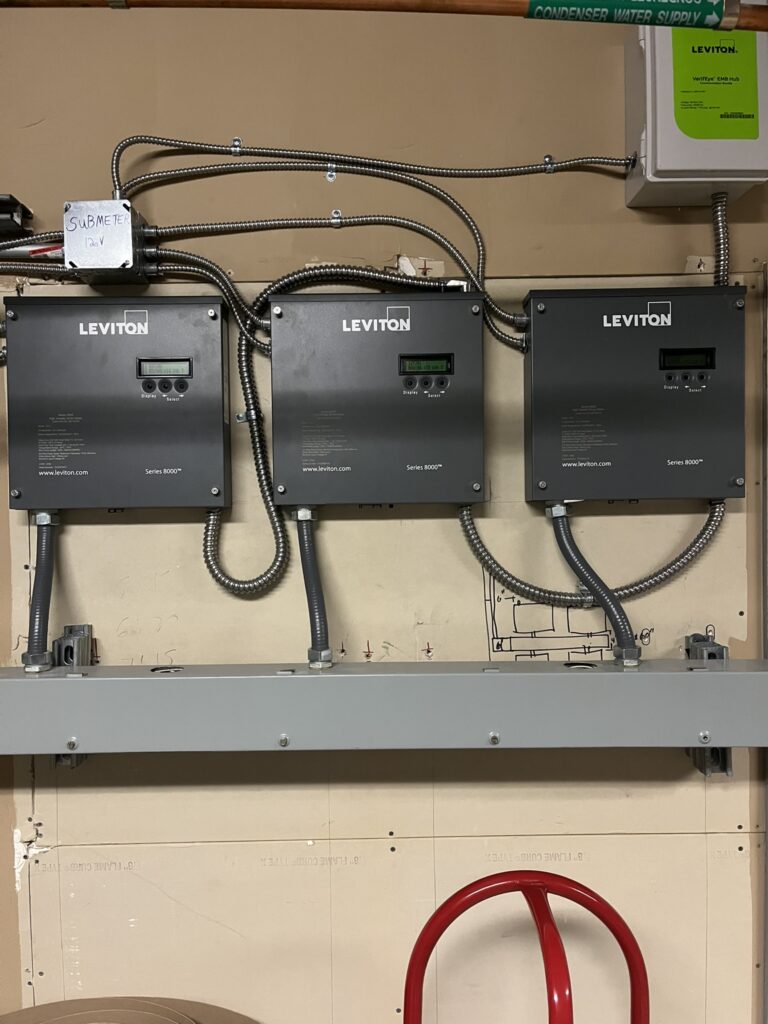
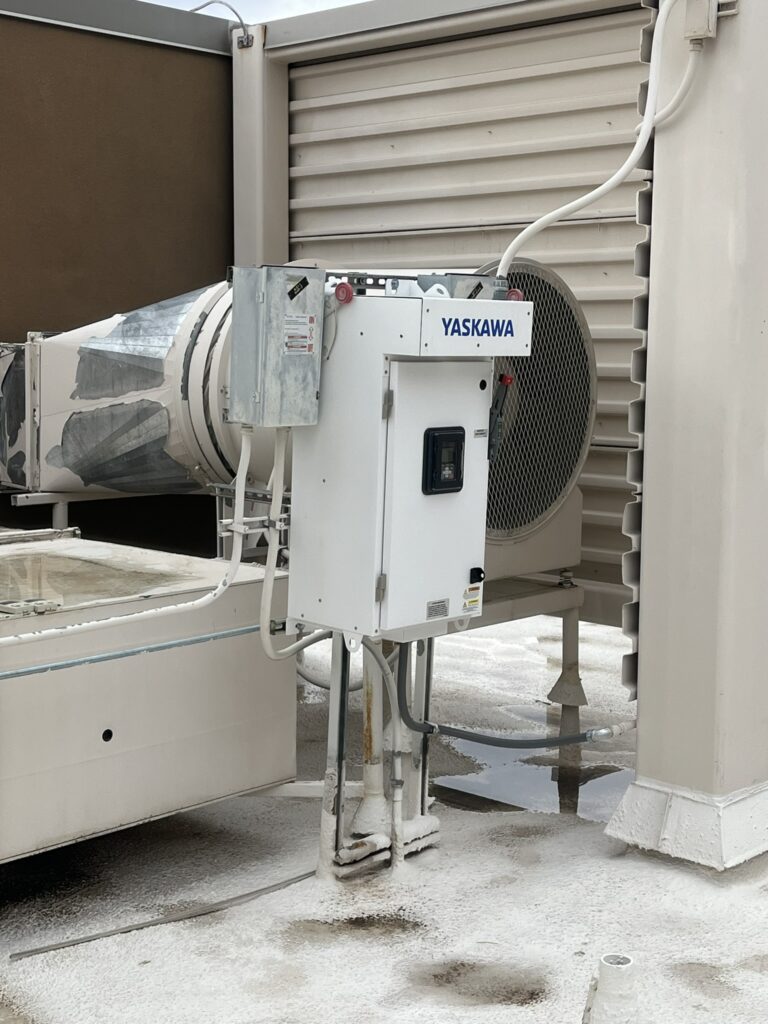
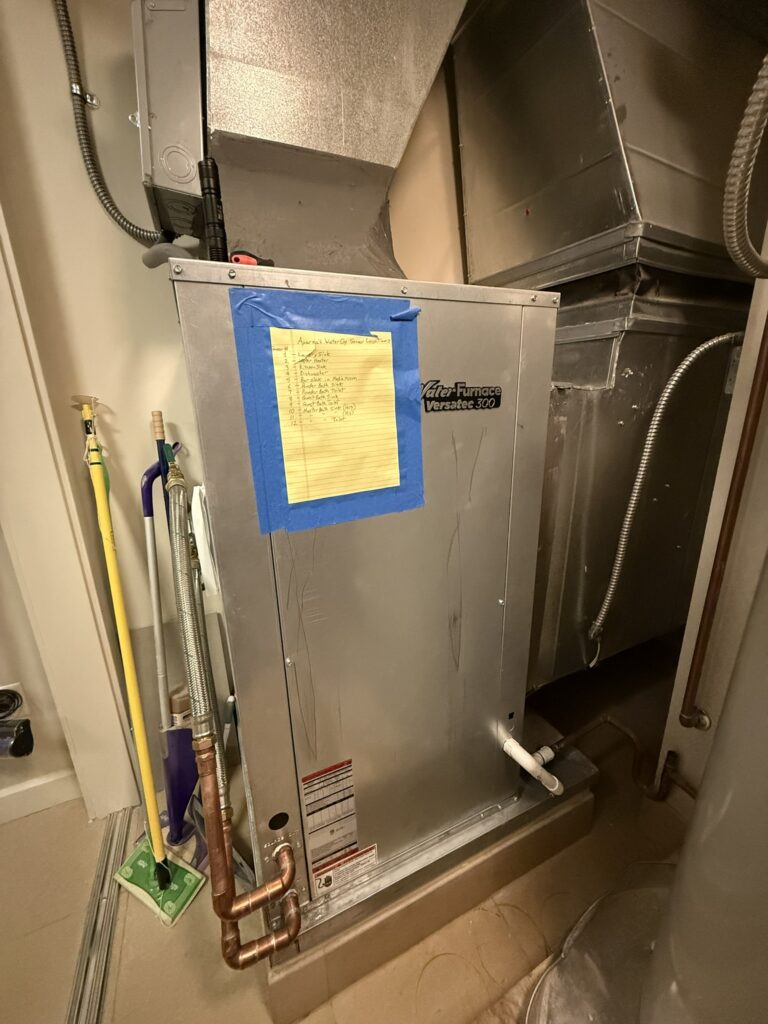
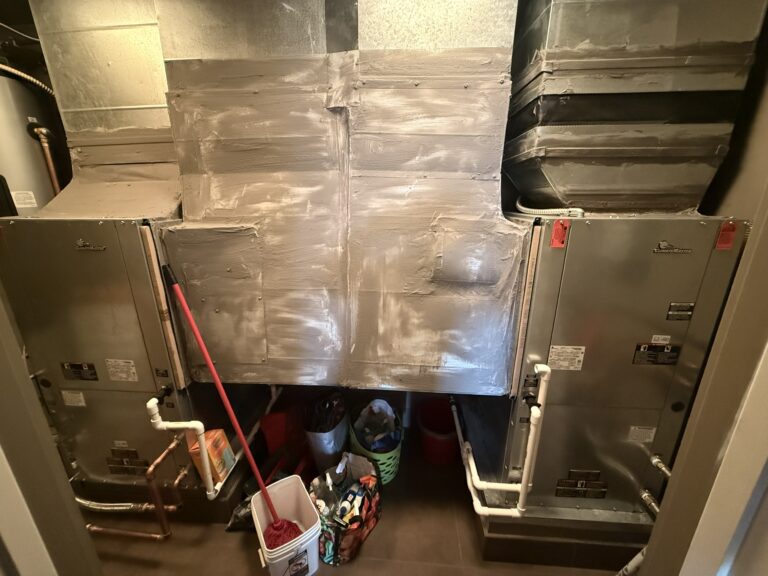
Photos from our own commercial projects — equipment we installed, in buildings we serviced.
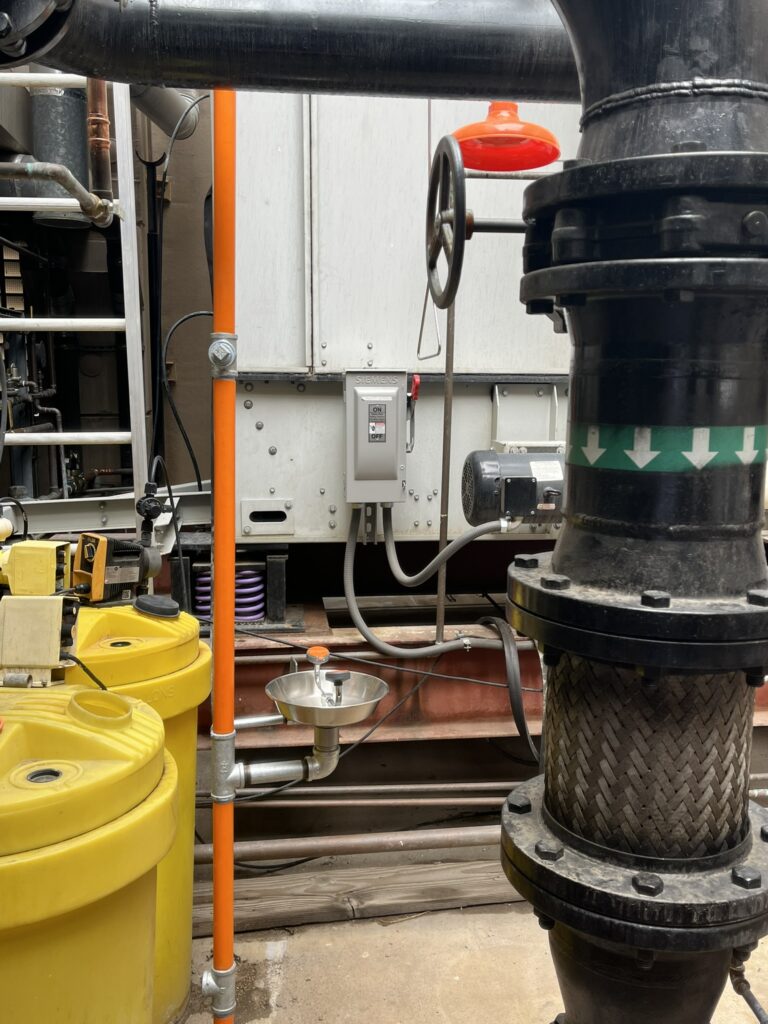
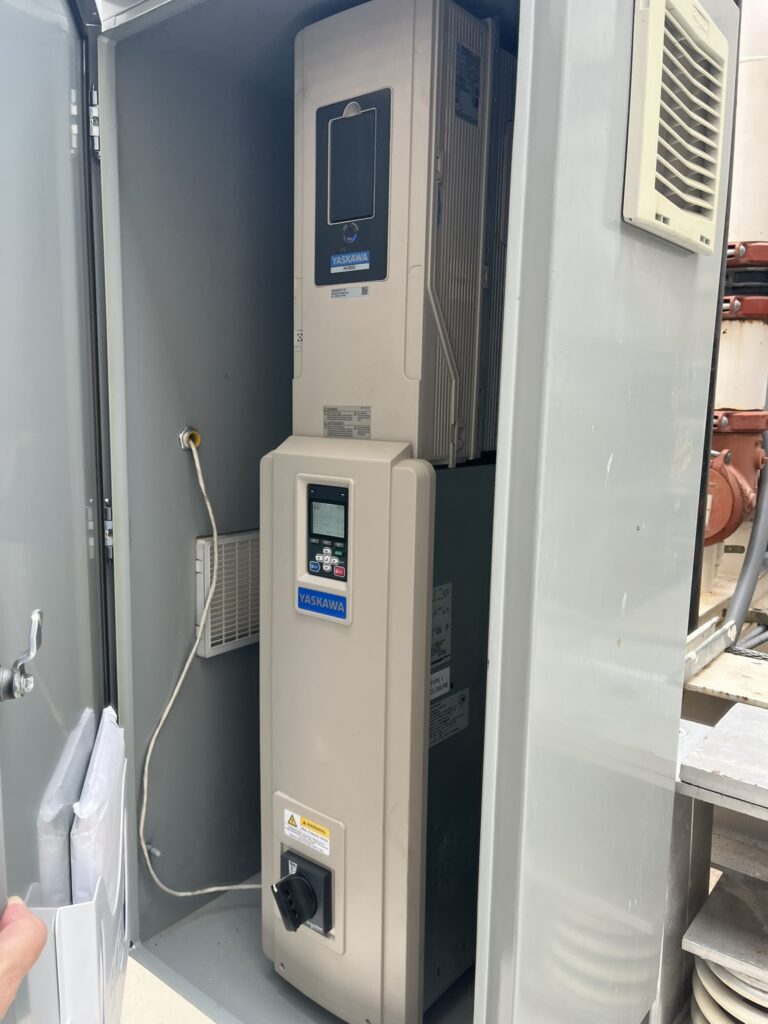
Church HVAC service is different because the building may sit quiet for days, then need stable comfort for a packed sanctuary, classrooms, nursery areas, offices, and fellowship spaces at the same time. The system has to handle intermittent loads, budget timing, donated-equipment history, and Sunday expectations in Phoenix.
The HVAC Reality For Worship Spaces In The Valley
A sanctuary may be mostly empty during the week, then fill quickly for worship, weddings, funerals, choir rehearsal, or community events.
Classrooms may run on a different schedule.
Offices may need normal weekday comfort.
Fellowship halls may be used for dinners, meetings, youth events, or outreach work.
One thermostat complaint can involve several zones, multiple rooftop units, and very different expectations from the people using the building.
Equipment that sits idle can surprise people when it is suddenly asked to pull down a large space on a hot morning.
A sanctuary with high ceilings, older ductwork, and heavy occupancy does not respond like a small office.
If the system starts too late, has dirty coils, weak belts, failing motors, or poor airflow, the complaint appears right when the room is full and there is no good time to stop the service.
Many have been repaired over the years by different vendors, volunteers, facility committees, or donors.
Some units may be newer, some may be past their useful window, and some may serve spaces that changed use long after the original installation.
A donated unit can be helpful, but it still has to match the electrical, duct, curb, drainage, control, and load realities of the space it serves.
Congregants fanning themselves.
Nursery discomfort.
Staff unable to work.
Sound booth equipment running hot.
Event rentals at risk.
Board meetings dominated by mechanical problems.
The goal is not to oversell equipment. The goal is to give the responsible person a clear view of what is working, what is weak, and what deserves budget attention before a major gathering exposes it.
Contracts And Cost Honesty
Church HVAC decisions often move through boards and budget cycles, so we keep the written scope plain. We inspect first, disclose the diagnostic or service-call fee at booking, credit it toward the repair, and provide a flat-rate written quote after an in-person look.
Equipment access.
Roof conditions.
Unit age.
Electrical condition.
Refrigerant type.
Controls.
Parts availability.
Whether the work is scheduled or urgent.
Planned maintenance gives the church a record. Our commercial maintenance contracts can:
Document unit condition.
Filter and coil needs.
Repair recommendations.
Recurring concerns.
That helps the office manager, facilities lead, pastor, or board sort immediate repairs from future equipment planning.
Yeti Pros is veteran-owned and operated, AZ ROC #363372 · ROC #363423. Work is held to the AZ ROC Minimum Workmanship Standards. Financing is available, and we offer a 10% military, veteran & first responder discount. For rooftop equipment, see commercial RTU repair, or use contact. Phone: (520) 556-8929.
Workmanship Warranty
Workmanship is backed by a 2-YEAR written workmanship warranty.
Parts Warranty
Repair parts carry a 1-YEAR manufacturer parts warranty.
How We Run Service For Churches
Church service work has to be scheduled with the building calendar in mind.
Sunday services, midweek programs, funerals, weddings, school use, childcare, and outside groups all affect access.
We ask what spaces are in use and when, then schedule diagnostics, maintenance, and repairs around the least disruptive window whenever the equipment allows it.
For routine work, we inspect the units, test operation, document findings, and separate immediate repairs from planning items. That distinction matters for boards and facility committees. We write it down so the conversation is not based on memory or hallway summaries.
Immediate Repairs
A failed capacitor, belt, motor, drain issue, or thermostat problem may need action now.
Planning Items
Aging equipment, repeated compressor concerns, duct limitations, or control upgrades may need to enter the next budget cycle.
Office hours are Mon-Fri 8-5, and 24/7 emergency service is available.
If a worship space is hot before a service, we will be honest about what can be diagnosed, repaired, temporarily stabilized, or deferred.
Some problems can be fixed quickly. Some require parts, roof access, electrical work, or a larger decision.
We do not pretend every after-hours call can become a permanent repair in one visit, and we do not leave the facility manager guessing what happened.
The diagnostic or service-call fee is disclosed at booking and credited toward the repair.
After an in-person look, we provide a flat-rate written quote.
Scopes and findings are documented in writing.
For churches, that documentation is often as important as the repair because approvals may involve an office manager, pastor, elder board, finance committee, or facilities volunteer who was not on the roof with us.
Additions, remodels, donated units, classroom conversions, and older controls can leave the campus uneven.
We service what is there, identify practical defects, and explain what affects reliability.
When the issue is outside HVAC, such as insulation, door use, building envelope, or event loading, we document the observation without turning it into a service we do not provide.
Church HVAC Decision Points
Worship facilities often call when comfort fails at the worst possible time. The table below is not a substitute for diagnostics, but it reflects the kind of triage that helps a facility manager decide whether to request emergency service, schedule repair, or fold a finding into maintenance planning.
| Symptom Or Situation | What It Usually Means | Priority |
|---|---|---|
| Sanctuary is warm even though units started before service | Dirty coils, weak airflow, incorrect scheduling, failing RTU components, or equipment unable to recover from the starting load | High before large gatherings |
| One classroom wing is comfortable while another is hot | Separate RTU issue, zoning problem, thermostat location issue, airflow imbalance, or changed room use | Medium to high depending on occupancy |
| Unit works during testing but fails during events | Heat load, runtime stress, electrical weakness, controls, or condenser performance may only show under full demand | High because intermittent failures are hard on events |
| Old donated or replacement unit never worked right | Mismatch with ductwork, electrical, curb, controls, capacity, or drainage may be involved | Planning item unless comfort is currently failing |
| Staff offices are uncomfortable during the week | Office zone may need separate diagnosis from sanctuary equipment, especially if schedules and loads differ | Medium unless cooling is lost |
Phoenix-Metro Conditions That Matter For Church HVAC
RTUs are exposed to extreme roof heat.
Long cooling seasons.
Monsoon dust.
Hard starts after idle periods.
A unit that looked acceptable during a mild week can struggle when the roof is hot, the sanctuary is full, and the building needs a fast pull-down.
Condenser coils load up.
Filters fill faster than expected.
Electrical compartments collect debris.
When maintenance is irregular, those conditions reduce capacity before anyone notices.
By the time the complaint reaches the office, the issue may have been developing for months.
Many worship spaces that were expanded over time.
A sanctuary addition, classroom wing, office conversion, fellowship hall, or portable building may have its own equipment history.
The HVAC map can become complicated: different ages, different controls, different access points, and different parts availability.
Good service starts with identifying which unit serves which area and what that area is expected to do.
Utility demand realities matter for churches because budgets are planned, reviewed, and approved.
Long runtimes, dirty coils, bad airflow, and failed economizer components can create waste while still leaving rooms uncomfortable.
If a unit runs longer because it cannot reject heat or move air properly, the building pays for effort without getting reliable comfort.
Cooling is business-critical most of the year.
Staff offices, counseling rooms, weekday ministries, facility rentals, and community programs all need usable spaces.
Maintenance should happen before the season when a roof repair becomes harder, hotter, and more urgent.
Straight Answers
Why is the sanctuary hot only on Sundays?
Because Sunday creates the real load. Occupancy, lighting, doors opening, music equipment, and a fast pull-down can expose weak airflow, dirty coils, failing RTU parts, or poor scheduling. A unit may appear to work during the week and still fall short when the sanctuary is full.
Can you work with a church board or facilities committee?
Yes. We document findings and scopes in writing so the decision does not depend on one person remembering a roof conversation. The quote is flat-rate after an in-person look, and repair priorities are separated from maintenance or planning items when the condition of the equipment supports that split.
Do you service older or donated church HVAC equipment?
We inspect and service the equipment that is installed, then document what we find. If an older or donated unit has issues with controls, electrical, drainage, airflow, curb fit, or capacity, we explain the HVAC findings in practical terms. We do not assume replacement is the answer before diagnostics.
Do churches need a maintenance contract?
Many benefit from one because irregular use can hide problems until an event. A maintenance contract creates a schedule for inspections, filter checks, coil condition, electrical checks, and written reporting. It also supports budget planning across Phoenix and the Valley, where cooling demand arrives hard and lasts.
Permits and inspections
Most repairs are ordinary service work; bigger scopes can involve city permitting. We perform our work to code, pull the permits our scope requires, and put what we did in writing.
What's covered
Workmanship is covered for two full years, in writing, and repair parts carry a 1-year manufacturer parts warranty — we document installs and repairs so those claims stay simple to make
HVAC for Churches & Worship — Phoenix Metro, city by city.
Every city below has its own local page for this industry — local FAQs, utility territory, and dispatch reality included.
Why a licensed HVAC contractor matters.
Commercial HVAC, industry by industry.
Every major brand, serviced and installed.




Phoenix metro: Most days a tech is already working somewhere in the Valley, so same-day appointments happen when the schedule allows. After-hours emergencies are dispatched when a licensed tech is available — a real person answers and tells you the ETA on the call.
Call (520) 556-8929Request an estimate.
No pressure, no door knockers. We look at the HVAC system, tell you what it needs (and what it doesn’t), and put the number in writing.