
Phoenix Metro
HVAC for Senior Living in Phoenix.
- (520) 556-8929
- Serving the entire Phoenix metro — we come to you
- Office: Mon–Fri 8:00 AM – 5:00 PM · 24/7 emergency service
- 2-year workmanship warranty · 1-year parts warranty
- Veteran-owned & operated · residential + commercial
- 23 five-star Google reviews
Multi-family equipment work, documented.
Photos from our own commercial projects — equipment we installed, in buildings we serviced.
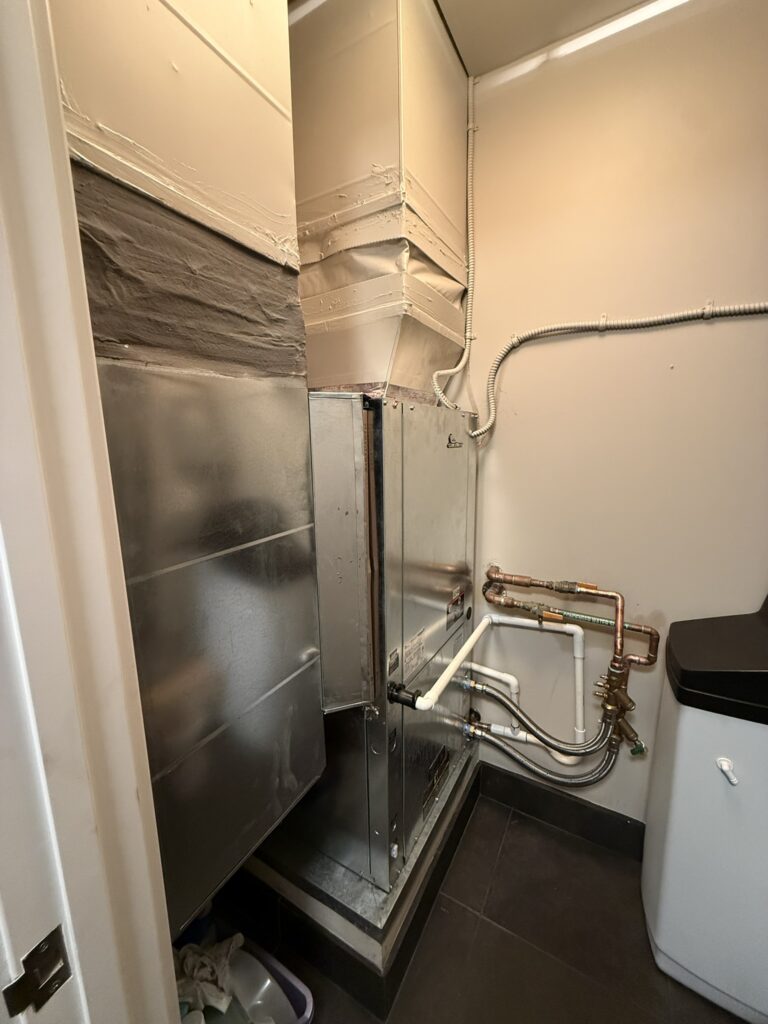
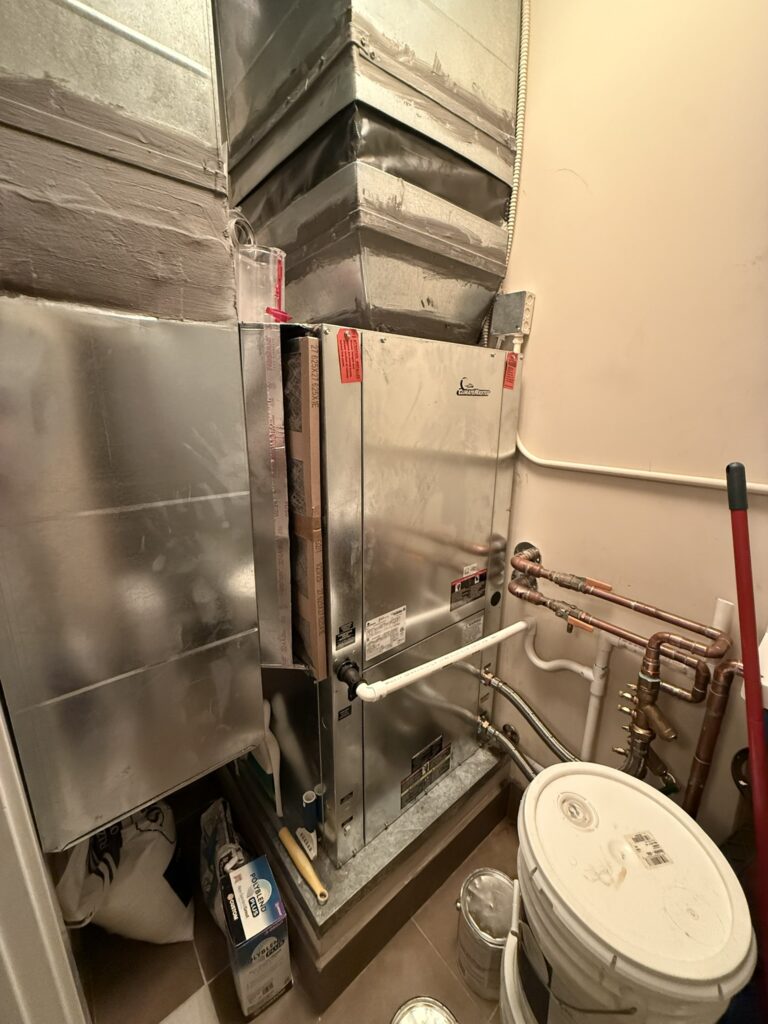
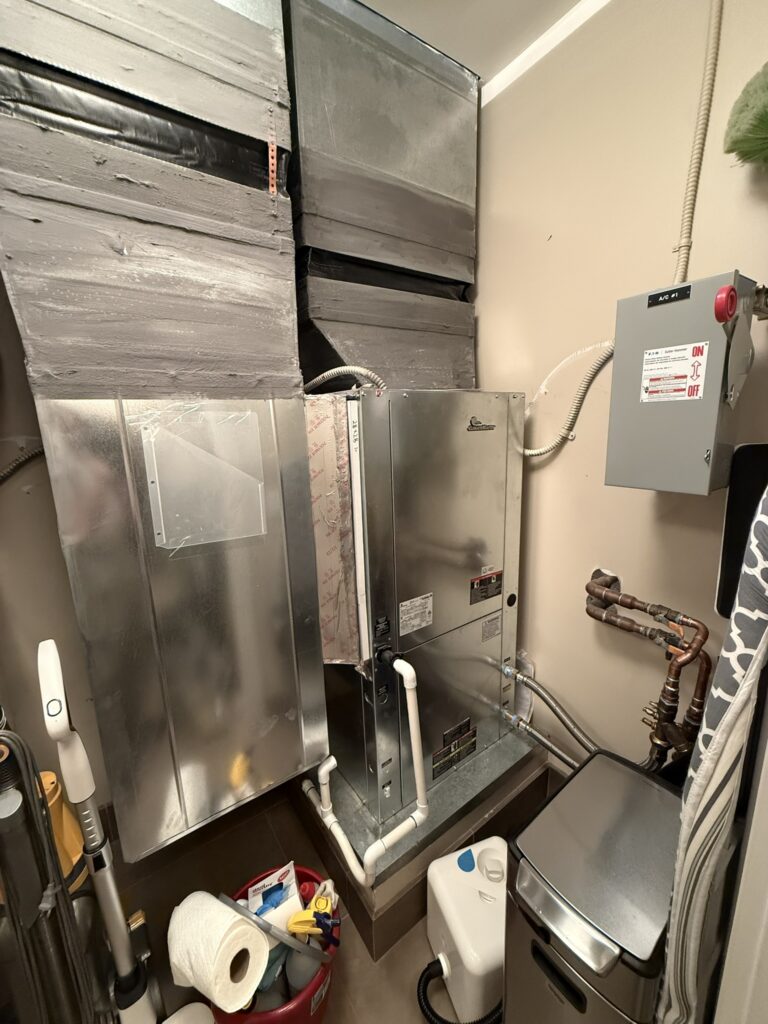
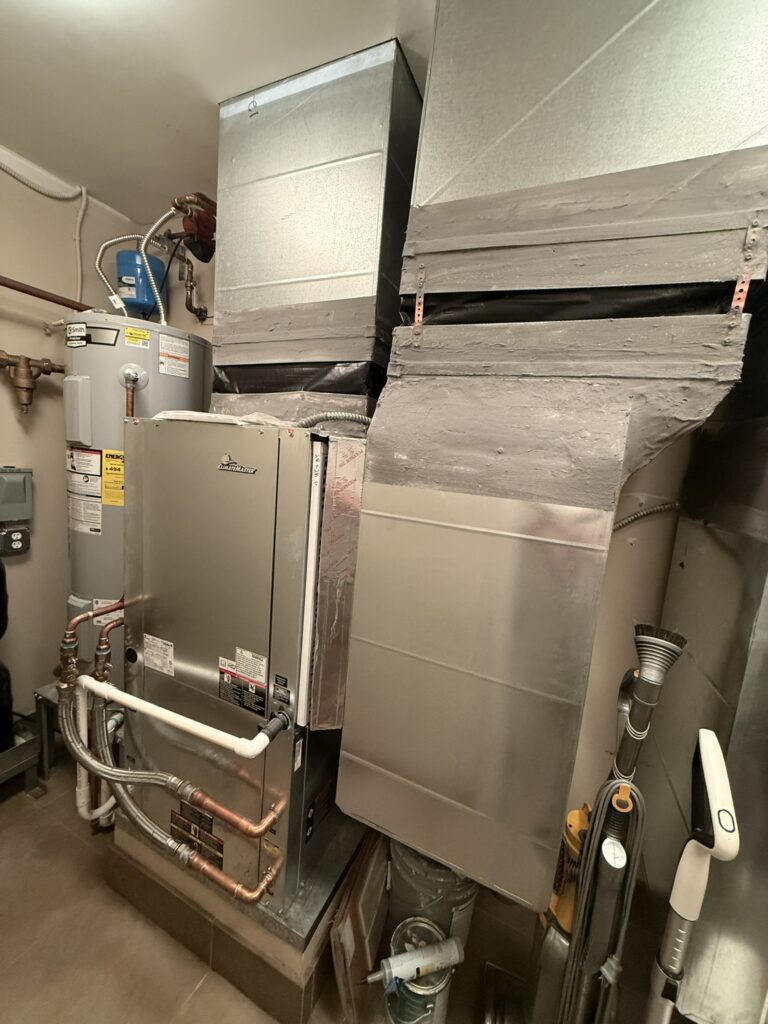
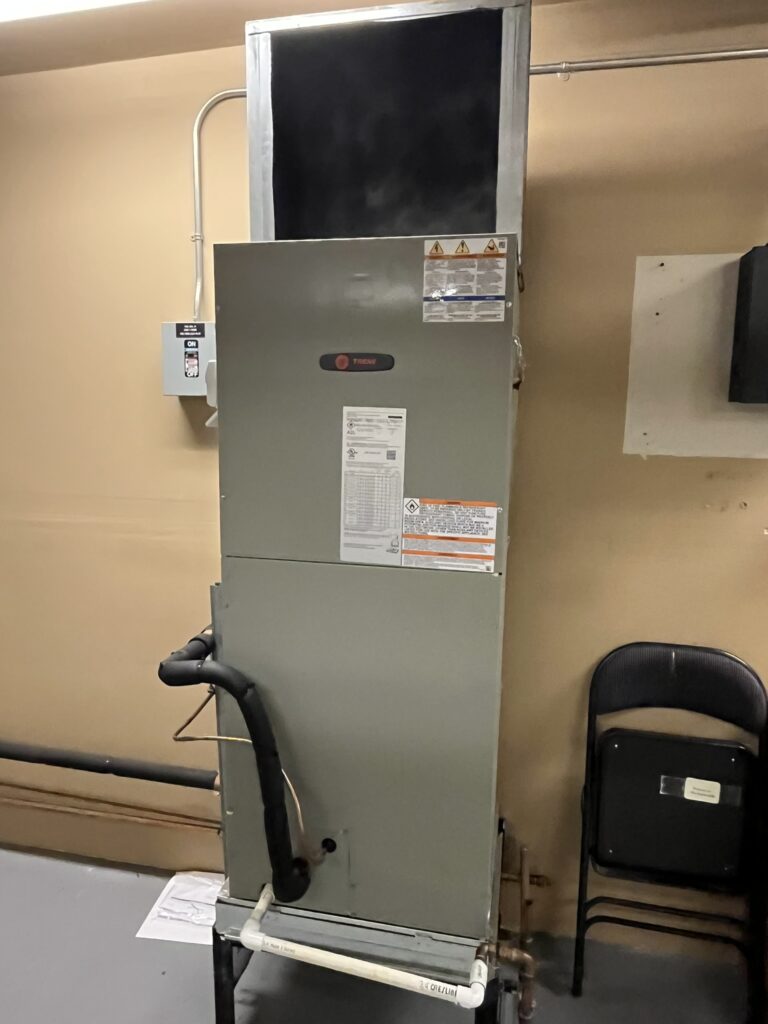
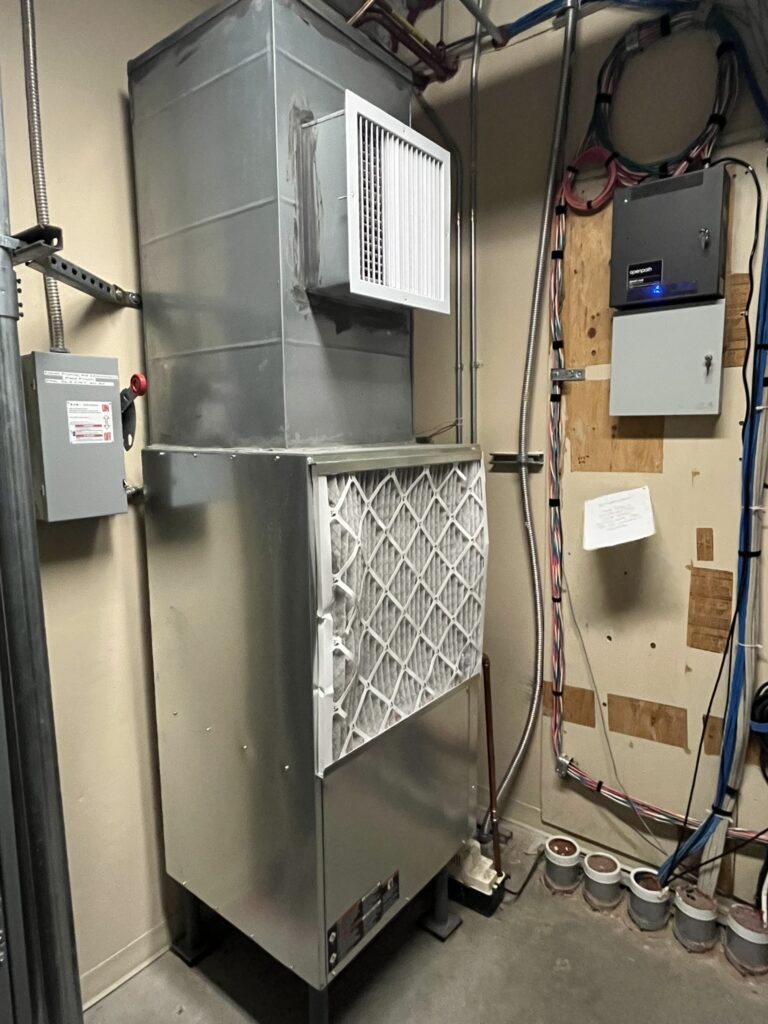
Senior living HVAC in Phoenix is not a facilities line item — it is part of the duty of care. Older adults are the population heat endangers most, and in a metro that spends weeks above 110°, the cooling plant of an assisted living, memory care, independent living, or skilled nursing community is protective infrastructure in the most literal sense. Yeti Pros, a veteran-owned and operated commercial HVAC contractor holding ROC #363372 · ROC #363423, works with senior living operators across the entire Phoenix metro to keep that infrastructure reliable, documented, and ready for July. The line is always open: (520) 556-8929.
The Valley’s most heat-vulnerable people live in your building
The physiology is well established: aging bodies sweat less, register thirst later, and adjust to heat more slowly, while common medications and chronic conditions erode the margin further. The local data tells the same story — Maricopa County’s public-health reporting on heat deaths has consistently shown older adults carrying a disproportionate share of the toll, year after year. Exact figures move annually, but the pattern does not. A senior community is, by definition, a concentration of the people that pattern describes, gathered in the hottest large metro in America.
That is the honest frame for every decision in your buildings: cooling reliability is resident safety.
When residents can’t self-advocate
In memory care especially, the normal alarm system for a too-warm room — an occupant who notices and complains — cannot be assumed.
A resident with dementia may not recognize that 85° is a problem.
May not connect discomfort to the thermostat.
May layer on clothing regardless of season.
And may never mention any of it to staff.
Independent-living residents raised to “not make a fuss” can be nearly as quiet.
The engineering answer is to remove the resident from the detection loop:
Equipment maintained so rooms do not drift in the first place.
Temperature consistency verified room by room rather than assumed from a hallway sensor.
And staff who know the failure signs to walk for.
We build maintenance and repair programs around that standard, because a complaint-driven approach fails exactly the people who will not complain.
What a cooling failure means for a licensed community
An office loses productivity when the AC dies; a care community faces:
Resident relocations.
Incident documentation.
Regulatory attention.
And the phone calls from adult children who chose your community on trust.
The operational defense is deliberately boring:
Equipment that gets measured attention before summer.
A written record proving it.
And an emergency vendor whose phone is answered by a person no matter the hour.
Communities under agreement with us hold priority position in the dispatch queue during the exact weeks the whole Valley’s equipment fails together — for an executive director, that position is the difference between an uncomfortable afternoon and an evacuation conversation. Our emergency HVAC service runs around the calendar for precisely these stakes.
Redundancy planning before the emergency
The best emergency response is the one your community never needs, and it starts with questions asked in February:
Which units serve which resident wings?
What actually happens if the equipment over memory care quits — which spaces become cooling refuges, and will their systems carry the added load?
Where is the aging equipment in the fleet, and what are realistic summer lead times for its replacement?
We walk campuses and answer those questions in writing:
An asset-by-asset condition record with remaining-life estimates.
Single points of failure flagged.
And staged replacement plans that move the worst equipment out in winter at planned prices instead of July at emergency ones.
It is unglamorous work that turns “pray through August” into an actual plan.
Common areas, resident rooms, and PTAC fleets
Senior communities mix system types like few other buildings: central equipment over dining rooms, activity spaces, and corridors; unit-level systems in resident rooms; and, in many properties, whole fleets of PTAC units — one per apartment, each a small machine with its own filter, coil, and lifespan. PTAC fleets fail one resident at a time, which makes them easy to manage badly. We service them as fleets:
Scheduled cleaning and condensate care.
Capacity checks that catch weakening units before a heat wave does.
And a spares strategy so a failed unit means a same-visit swap rather than a resident waiting on a part.
On the central side, we zone and balance common areas for how they are actually used — a dining room at full lunch capacity is a different load than the same room at 3 p.m. — and keep corridors from becoming the hot seam between systems.
Senior living HVAC across the Phoenix metro’s retirement footprint
The Valley holds one of the largest concentrations of retirees in the country. Sun City and Sun City West anchor a retirement geography that runs through Surprise, Peoria, Youngtown, and El Mirage, with major communities in Mesa, Scottsdale, Chandler, and Gilbert as well — and much of that building stock, like its original residents, has been aging in the desert for decades. We serve operators across all of it, with no corner of the metro outside our coverage. Worth noting for the west-side communities in particular: many Sun City residents own their homes outright, and for them we are a residential HVAC call rather than a commercial one — same company, same standards, different door.
Dining, laundry, and the central plant
A senior community is also a restaurant, a laundry, and sometimes a small central plant, and we carry all of it.
Community kitchens need hood and exhaust cleaning on a compliance schedule their insurer will ask about.
Larger campuses run chilled-water systems where our chiller service applies.
And hydronic heating where boiler work does.
On campuses with in-house facility engineering, we work as an extension of that team, coordinating scope with the people who know the plant, not around them.
One contractor across the commercial spectrum means one accountable phone number when anything mechanical threatens a resident-facing space.
Maintenance your staff can run with — and document
Operators live in a world of surveys, audits, and corporate reviews, so our preventive programs are built to produce paper as reliably as they produce cooling:
Visit-by-visit reports showing what was measured and found.
Filter logs.
Refrigerant documentation from EPA 608-certified technicians.
And condition grades your maintenance director can drop into a capital plan.
Each visit follows a written scope under a maintenance agreement sized to your community, repairs come as flat-rate proposals in writing before work starts, and any assessment fee is quoted beforehand and credited against approved work. Behind all of it sits the Arizona ROC’s Minimum Workmanship Standards — the legal baseline our documentation shows we clear.
Yeti Pros is veteran-owned and operated, and in this vertical that carries extra meaning: a substantial share of the residents we ultimately protect wore the uniform themselves. Our 10% military, veteran & first responder discount honors that on the residential side — for veterans and military families, including your staff and your residents’ families, in their own homes.
Questions senior living operators ask us
A wing lost cooling and we have memory care residents in it. What happens when we call?
A person answers, immediately understands that residents who cannot relocate themselves are involved, and we dispatch with corresponding urgency. We will not manufacture a minutes promise, but calls with vulnerable people in warming buildings sit at the top of how we triage.
Can you maintain a building full of PTAC units?
Yes — we treat PTACs as a fleet, not a pile of one-off complaints: scheduled cleaning and inspection cycles, capacity verification before summer, and a spares approach so a failed unit is swapped promptly instead of leaving a resident’s room down while parts ship.
What does redundancy planning actually look like for a community?
A campus walk, then a written product: which equipment serves which resident areas, condition and remaining life for each asset, designated cooling-refuge spaces with verified capacity, and a staged replacement schedule that retires the riskiest units in the off-season.
What documentation do we get for surveys and corporate audits?
Dated service reports for every visit with readings recorded, filter and refrigerant logs, repair records with written scopes, and asset condition summaries. When a surveyor or regional director asks how the community maintains its systems, you hand over a file, not a verbal assurance.
Our campus has a chiller and boilers. Is that beyond you?
We service chillers, boilers, and hydronic systems, and on larger campuses we coordinate directly with your facility engineering staff — supporting the plant they run rather than claiming to replace them. For communities without in-house engineering, we carry the full mechanical scope ourselves.
When should we replace aging equipment rather than keep repairing it?
When the condition data says so — repeated repairs, weak readings trending worse, refrigerant obsolescence, or age past realistic service life. Because we grade every asset in writing, that decision arrives as a planned winter project with normal lead times, not a July crisis.
Do you serve Sun City and Sun City West?
Yes — communities and operators there fall under our commercial work, and the many residents who own their houses are welcome on our residential side. The whole Phoenix metro is inside our service area, west valley very much included.
Can maintenance visits avoid disturbing residents?
Yes. We schedule around meals, activities, and rest hours, coordinate access with your staff so nobody unfamiliar surprises a resident, and keep noisy work in windows you choose. In a memory care setting especially, we follow your community’s lead on how to move through the building.
Your residents count on the cooling working; your license counts on proving it. Call (520) 556-8929 for a campus assessment anywhere in the Phoenix metro.
Permits and inspections
Most repairs are ordinary service work; bigger scopes can involve city permitting. We perform our work to code, pull the permits our scope requires, and put what we did in writing.
What's covered
Workmanship is covered for two full years, in writing, and repair parts carry a 1-year manufacturer parts warranty — we document installs and repairs so those claims stay simple to make
HVAC for Senior Living in Phoenix, city by city.
Every city below has its own local page for this industry — local FAQs, utility territory, and dispatch reality included.
Why a licensed HVAC contractor matters.
Commercial HVAC, industry by industry.
Every major brand, serviced and installed.


Phoenix metro: Most days a tech is already working somewhere in the Valley, so same-day appointments happen when the schedule allows. After-hours emergencies are dispatched when a licensed tech is available — a real person answers and tells you the ETA on the call.
Call (520) 556-8929Request an estimate.
No pressure, no door knockers. We look at the HVAC system, tell you what it needs (and what it doesn’t), and put the number in writing.