
Phoenix Metro
HVAC for Event Venues in Phoenix.
- (520) 556-8929
- Serving the entire Phoenix metro — we come to you
- Office: Mon–Fri 8:00 AM – 5:00 PM · 24/7 emergency service
- 2-year workmanship warranty · 1-year parts warranty
- Veteran-owned & operated · residential + commercial
- 23 five-star Google reviews
Commercial jobs we have documented.
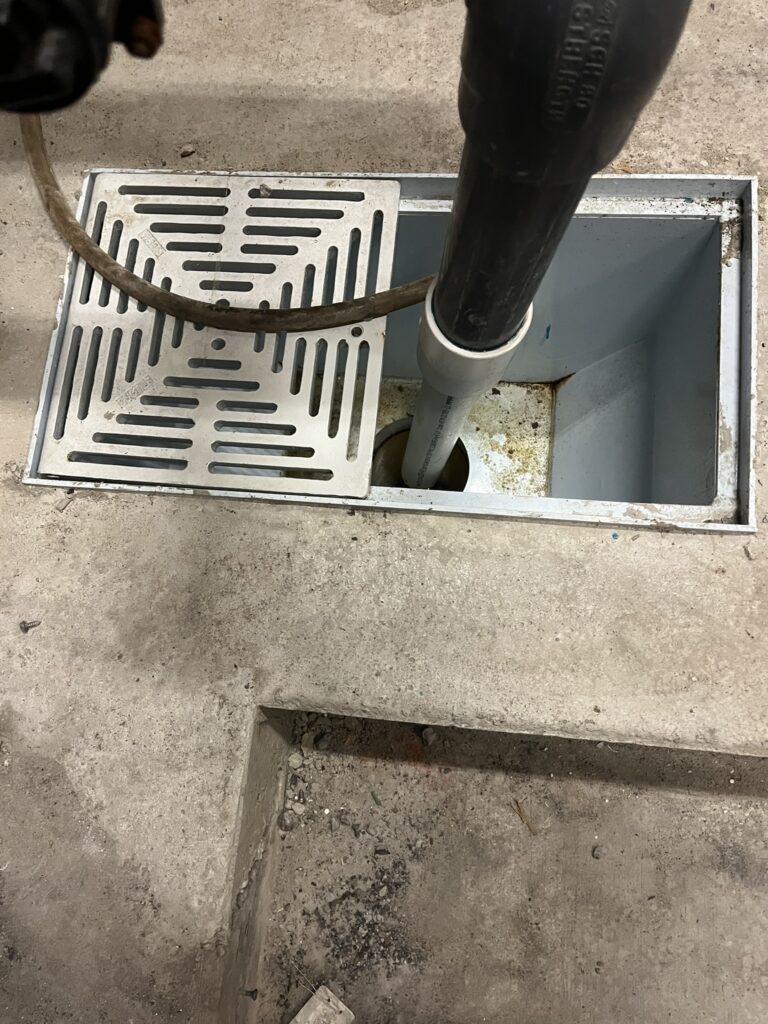
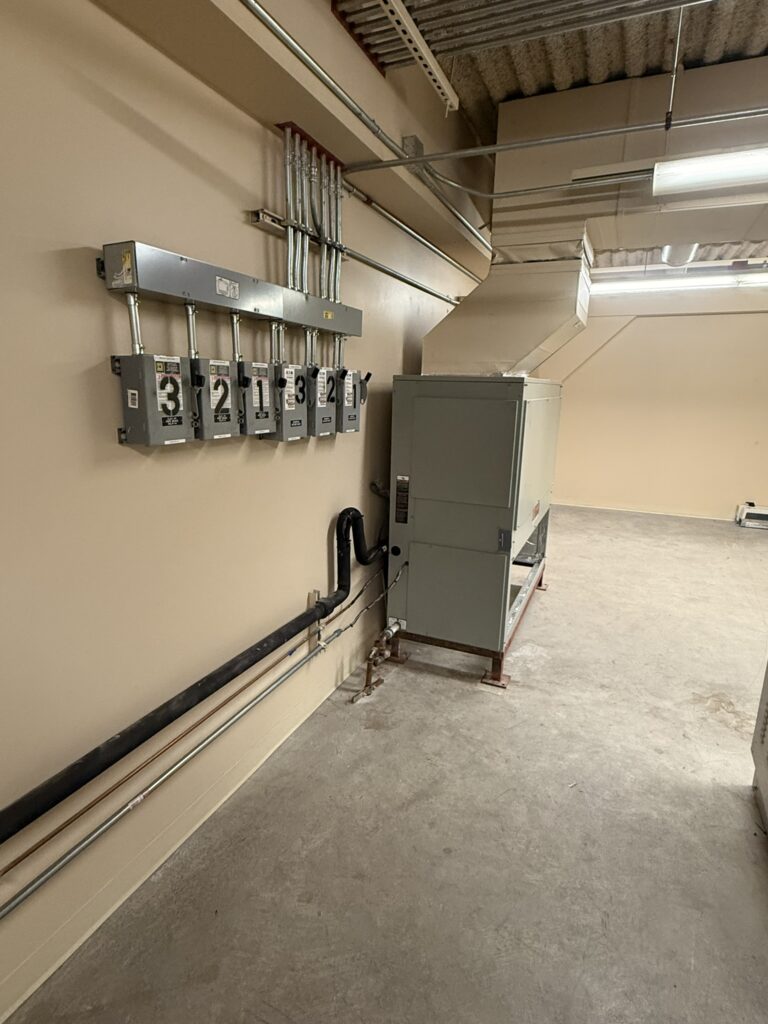
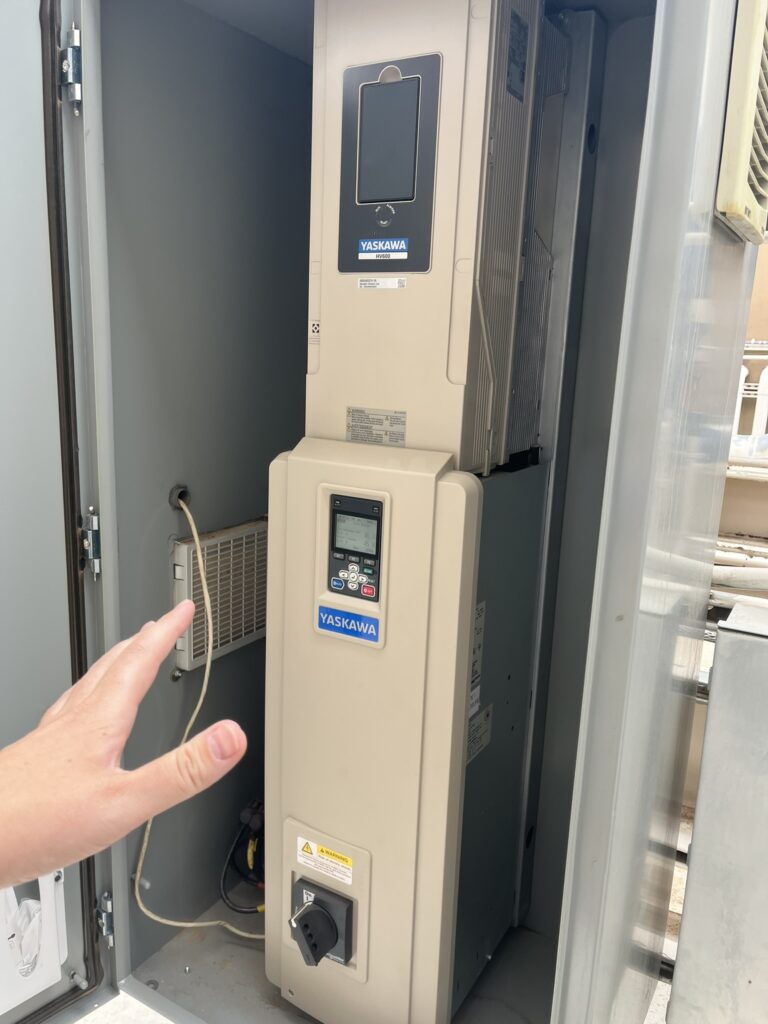
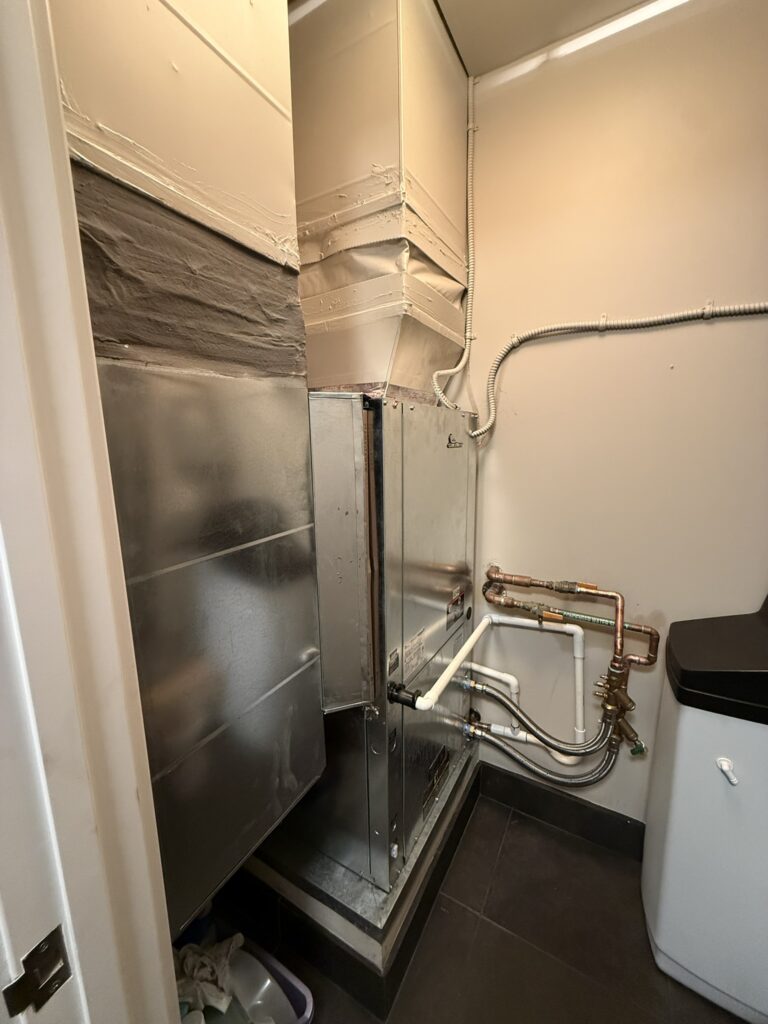
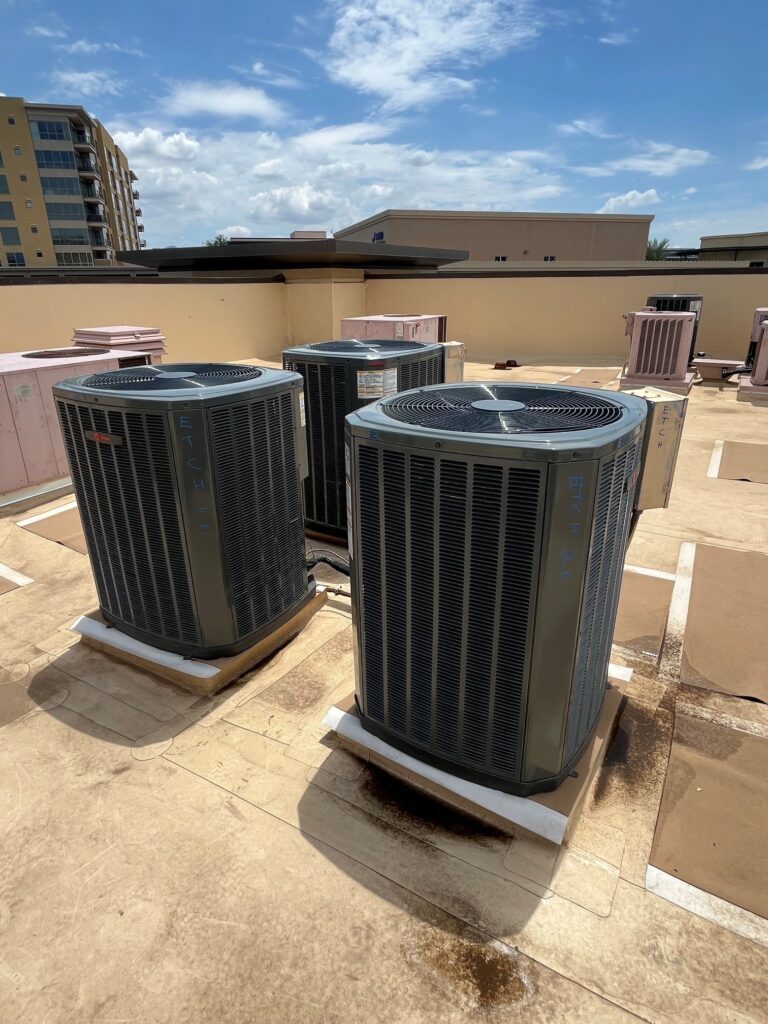
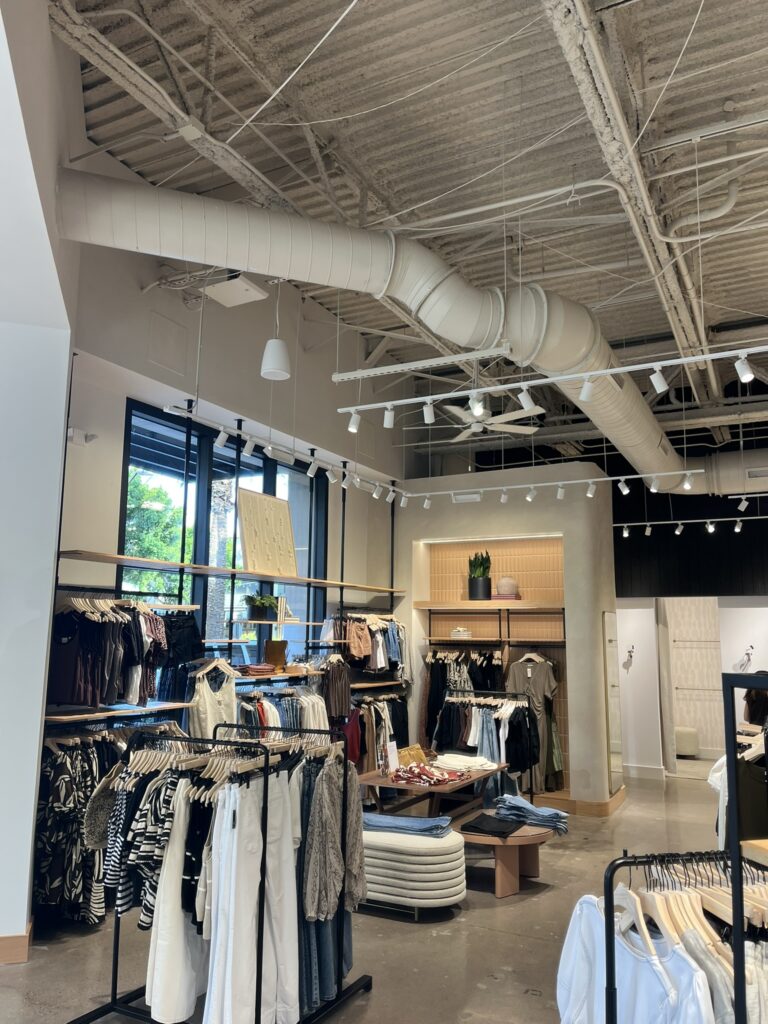
Photos from our own commercial projects — equipment we installed, in buildings we serviced.
Event venue HVAC in Phoenix gets judged on a handful of Saturdays. The same hall that sits empty and dark on a Tuesday afternoon has to absorb four hundred guests, a lighting rig, and a full catering line by Saturday night — with no second take if the room turns hot halfway through the toasts.
Yeti Pros is a veteran-owned commercial HVAC contractor serving wedding venues, banquet halls, conference centers, and special-event spaces across the whole Phoenix metro. Licensed, bonded, and insured — ROC #363372 · ROC #363423.
When the calendar has no slack for a breakdown, call (520) 556-8929.
The binary load profile: near zero, then everything at once
Office Load
An office sees roughly the same heat load every weekday, so its equipment wears predictably and fails observably.
Venue Load
A venue’s load is binary — days of almost nothing, then a spike from ambient to maximum in under an hour. That pattern hides weakness: a compressor that limps along fine at a quiet site visit lets go at full load, and full load only ever happens with a paying crowd in the room. A Tuesday walkthrough tells you almost nothing about Saturday.
We load-test event-space equipment deliberately — electrical wear items, refrigerant charge, staging, airflow — because the only acceptable place to find a marginal component is before your client’s guests do.
Long idle stretches punish equipment: seals dry out.
Condensate traps evaporate.
Rooftop dampers seize in position, so the first hard start after a slow month is when neglected machines announce themselves.
Anything we find gets a flat-rate commercial AC repair quote in writing before we touch it.
Pre-cooling: the event starts hours before the doors do
In a Phoenix summer, an unconditioned hall doesn’t just get warm — the structure itself soaks heat all day, and every wall, chair, and dance floor becomes a radiator by evening. You cannot cool a room full of people on demand; you cool the room before the people arrive, driving the space below setpoint so it can coast upward as bodies fill it.
Factors Affecting Pre-Cooling Time
How early depends on the building’s mass.
How early depends on the day’s high.
How early depends on the guest count — a block-wall hall coming off a 113-degree afternoon needs a very different head start than a well-insulated ballroom in March.
We program pre-cool schedules into your controls by event type, so your coordinator sets a start time instead of guessing at thermostats an hour before doors.
Recovery between back-to-back bookings
Double-booked days are where the money is and where systems get exposed: a morning ceremony flips to an evening reception, or a corporate session hands off to a gala, and the room has a narrow window to shed the first crowd’s heat while staff reset tables and the kitchen ramps for the second seating. Recovery is a capacity question with a hard deadline attached.
Our Approach to Recovery Challenges
If your equipment can’t pull the space back down inside the turnover window, that’s a design problem worth discovering in January. We’ll measure it and tell you honestly whether the fix is:
- Repair
- Controls
- Added tonnage
We scope the options through our commercial HVAC team with real numbers on paper. We also stagger equipment during the recovery sprint so the pull-down doesn’t slam every unit to full output at the same instant.
Wedding season leaves no room for a mechanical excuse
Phoenix wedding season runs spring and fall, when outdoor ceremonies are survivable and every desirable Saturday books out months ahead. The stakes are unlike any other commercial failure: a hot retail store loses an afternoon of sales, but a sweltering reception ruins an event someone gets exactly once — and the review, the demanded refund, and the story told to every future couple touring your space all outlive the repair by years. Venues live on referrals and gallery photos, and nobody photographs the air conditioning until it fails.
Prevention, Not Response
Insurance and contracts can refund money, but they cannot re-run a reception — which is why prevention, not response, is the honest pitch in this vertical. The operational conclusion is blunt: everything mechanical gets inspected, cleaned, and load-verified before the season opens, never during it.
Catering kitchens, AV rigs, and the loads nobody drew on the plans
Event spaces accumulate heat sources faster than their original designs anticipated:
The catering kitchen pushes serious exhaust when service peaks. If makeup air can’t keep pace, the dining room goes negative and pulls kitchen heat and cooking odors straight into the reception. We balance hood exhaust and makeup air together, and handle kitchen exhaust and hood cleaning so your fire-compliance paperwork stays current.
Bar service runs on ice, and a machine that quits on a 400-guest night is its own small emergency — ice machine repair is in our scope, along with the reach-ins behind the bar.
AV and lighting add a load that didn’t exist when the building was drawn: LED walls, moving heads, amplifiers, and a live band’s rig all dump heat into a room already full of dancing bodies. We count that equipment when we evaluate capacity, because your clients keep bringing more production every year.
Tall rooms stratify — and thermostats lie about it
Ballrooms, barns, and converted industrial venues carry twenty- and thirty-foot ceilings, and air in tall volumes layers: heat stacks at the truss line while supply air short-circuits or pools at the slab. The result is a thermostat reading 72 while guests at table height feel something else entirely — or a room that’s chilly during the empty rehearsal and stifling once it fills.
Solutions for Tall Room Stratification
Diffuser selection cures more “our AC is too small” complaints than new equipment does.
Airflow balancing cures more “our AC is too small” complaints than new equipment does.
Destratification fans cure more “our AC is too small” complaints than new equipment does.
Honest sensor placement cures more “our AC is too small” complaints than new equipment does.
We diagnose distribution before recommending tonnage, because it’s the cheaper answer more often than contractors like to admit.
Contract maintenance timed to the event calendar
The right maintenance rhythm for a venue isn’t quarterly-by-default — it’s keyed to your seasons. Spring event season means equipment gets torn into during January and February; fall prep lands in late summer, which is exactly when monsoon storms have spent weeks sandblasting your roof — dust-loaded condenser coils and surge-stressed electronics are the standard findings, and clearing them before October is the whole game.
Benefits of a Maintenance Contract
A maintenance contract puts those windows on autopilot.
Keeps rooftop unit repairs at preferred rates.
Makes you first in line for dispatch on the weekends when it matters most.
Every visit closes with a written condition report and refrigerant records kept to EPA 608 requirements — no vague line items anywhere.
Why venue operators hire a veteran-owned shop
An event venue is a promise-keeping business, and so is military service: be where you said, when you said, ready. That’s the culture behind Yeti Pros — veteran-owned and operated.
Our Commitment to Service
All quotes are provided in writing.
Any diagnostic fee is stated before work and credited against the repair.
Workmanship starts from the Arizona ROC’s Minimum Workmanship Standards and builds upward from there.
Your emergency call reaches a live human at 3 a.m. through our 24/7 emergency service.
For the people behind your venue — owners and staff who wore the uniform — our 10% military, veteran & first responder discount applies to the HVAC in their own houses.
Event venue HVAC questions, answered straight
Can you check our systems before a specific high-stakes event?
Yes — pre-event inspections are a normal request. We verify refrigerant, electrical wear items, airflow, and controls ahead of your date, and flag anything marginal with enough lead time to fix it properly instead of patching it Friday afternoon.
How far ahead should we pre-cool for a summer event?
There’s no universal number — it depends on your building’s thermal mass, the day’s high, and the head count. Once we’ve profiled your space, we program schedules by event type so the answer lives in your controls, not in guesswork.
Our venue is a converted warehouse. Can it ever hold temperature with a full crowd?
Usually, yes — but often the fix is distribution and destratification rather than more tonnage. We measure before we recommend, and if the honest answer really is added capacity, you’ll get that in writing with options.
What happens if cooling fails in the middle of an event?
Call the emergency line and a person answers and dispatches — no message-taking service. A venue full of guests gets triaged with the urgency it deserves, and we’re honest about arrival times instead of quoting minutes nobody can guarantee.
When should a venue schedule annual maintenance?
Before your seasons, not during: deep service in mid-winter ahead of spring bookings, and again in late summer ahead of fall — including post-monsoon coil cleaning, which Phoenix rooftops need almost every single year.
Does the catering kitchen really affect comfort in the hall?
Directly. An exhaust system running without adequate makeup air depressurizes the building and drags kitchen heat and odor into your event space. Balancing the two is a fix guests notice the same night.
We only operate during event seasons. Does a contract still make sense?
Arguably more than for anyone else — seasonal operation means long dormant stretches where small problems mature unobserved. We structure agreements around two intensive pre-season services rather than a generic rotation, so you’re paying for readiness exactly where your revenue lives.
Do you service the bar and catering refrigeration too?
Yes — ice machines, reach-ins, and prep refrigeration can ride the same maintenance agreement as your comfort systems, with one report and one phone number for all of it.
Booked solid this season? Get the mechanical side event-ready — call (520) 556-8929 for a flat-rate assessment from a veteran-owned team.
Permits and inspections
Most repairs are ordinary service work; bigger scopes can involve city permitting. We perform our work to code, pull the permits our scope requires, and put what we did in writing.
What's covered
Workmanship is covered for two full years, in writing, and repair parts carry a 1-year manufacturer parts warranty — we document installs and repairs so those claims stay simple to make
HVAC for Event Venues in Phoenix, city by city.
Every city below has its own local page for this industry — local FAQs, utility territory, and dispatch reality included.
Why a licensed HVAC contractor matters.
Commercial HVAC, industry by industry.
Every major brand, serviced and installed.



Phoenix metro: Most days a tech is already working somewhere in the Valley, so same-day appointments happen when the schedule allows. After-hours emergencies are dispatched when a licensed tech is available — a real person answers and tells you the ETA on the call.
Call (520) 556-8929Request an estimate.
No pressure, no door knockers. We look at the HVAC system, tell you what it needs (and what it doesn’t), and put the number in writing.