
Phoenix Metro
HVAC for Property Management in Phoenix.
- (520) 556-8929
- Serving the entire Phoenix metro — we come to you
- Office: Mon–Fri 8:00 AM – 5:00 PM · 24/7 emergency service
- 2-year workmanship warranty · 1-year parts warranty
- Veteran-owned & operated · residential + commercial
- 23 five-star Google reviews
Multi-family equipment work, documented.
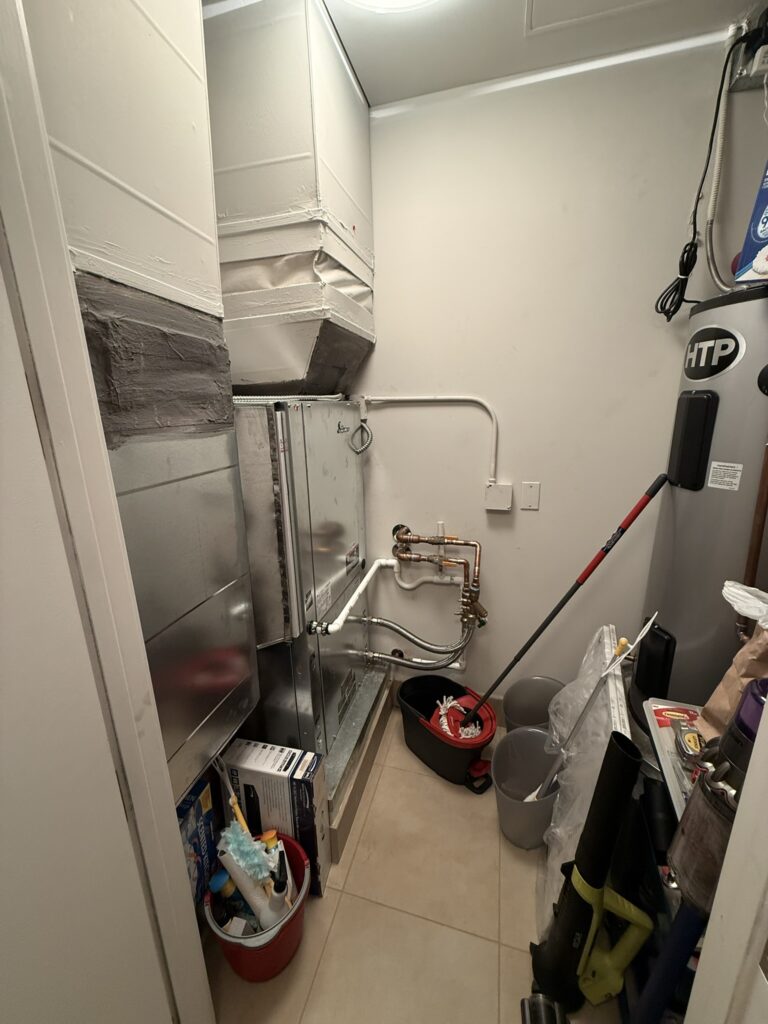
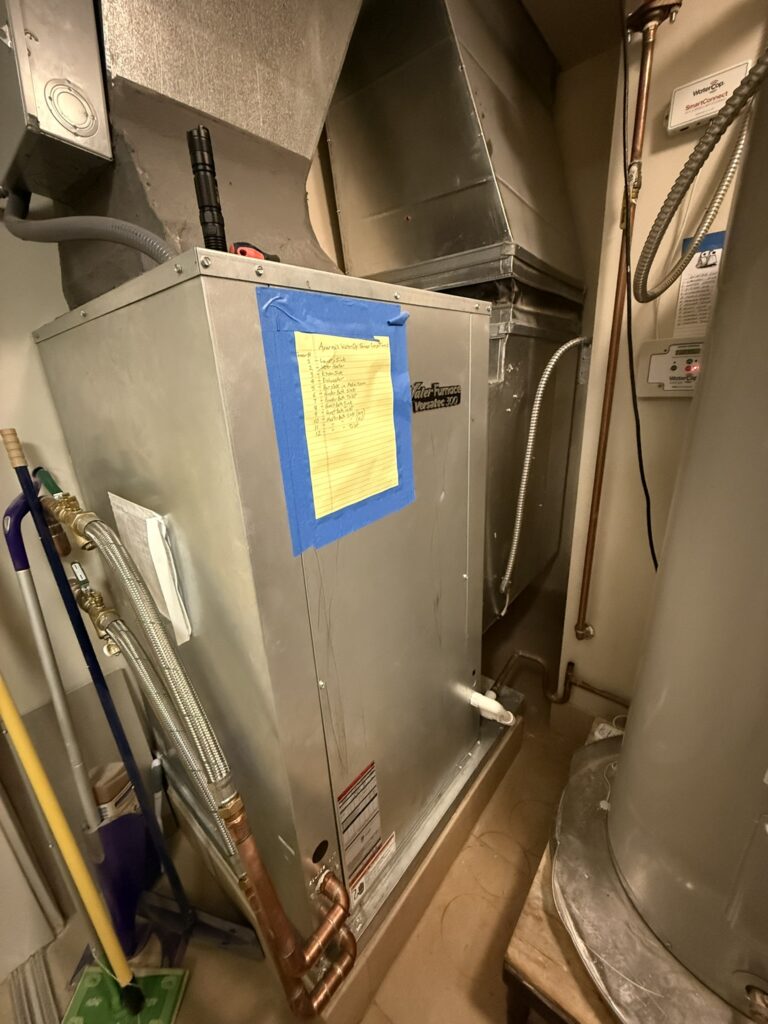
Photos from our own commercial projects — equipment we installed, in buildings we serviced.
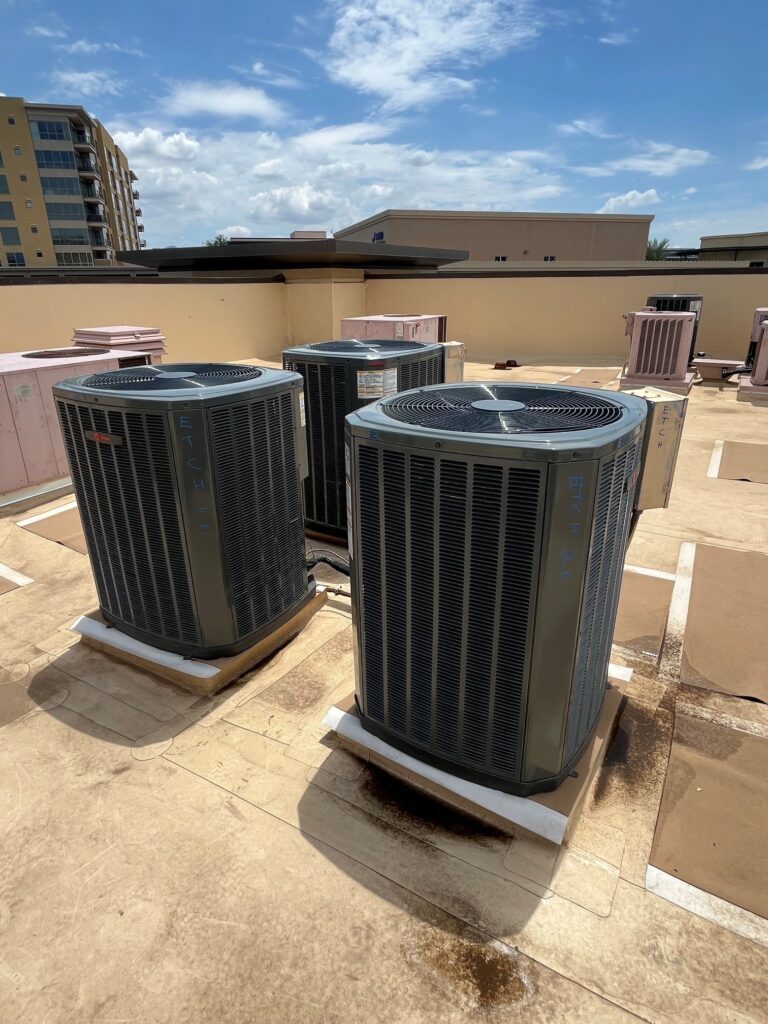
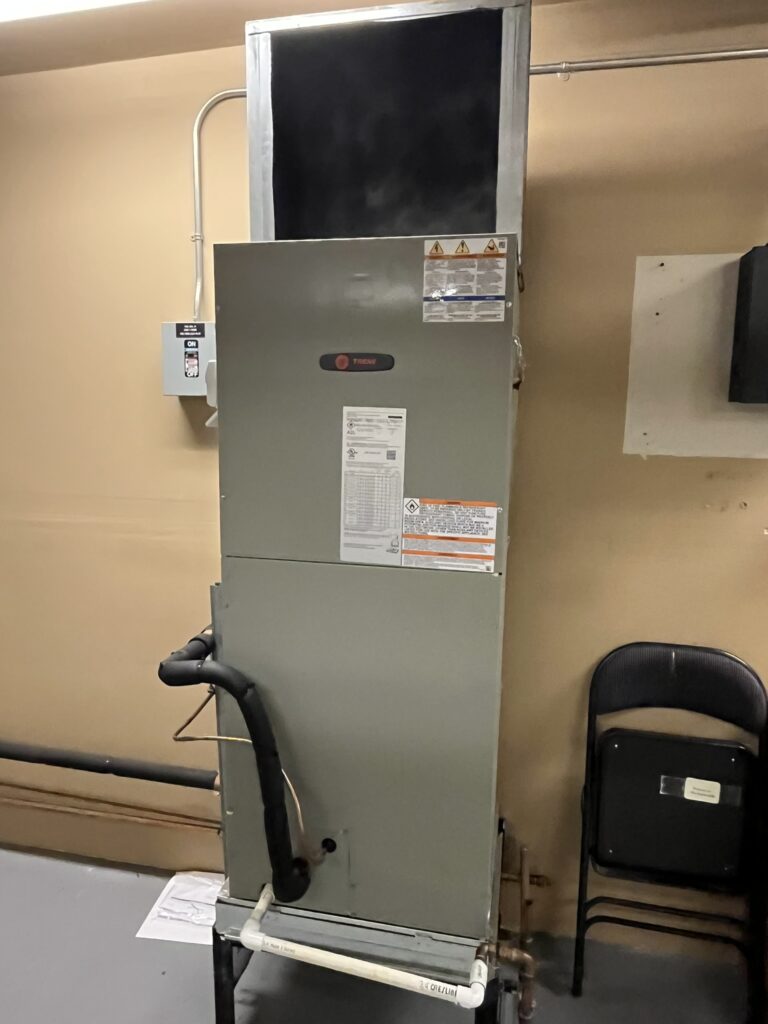
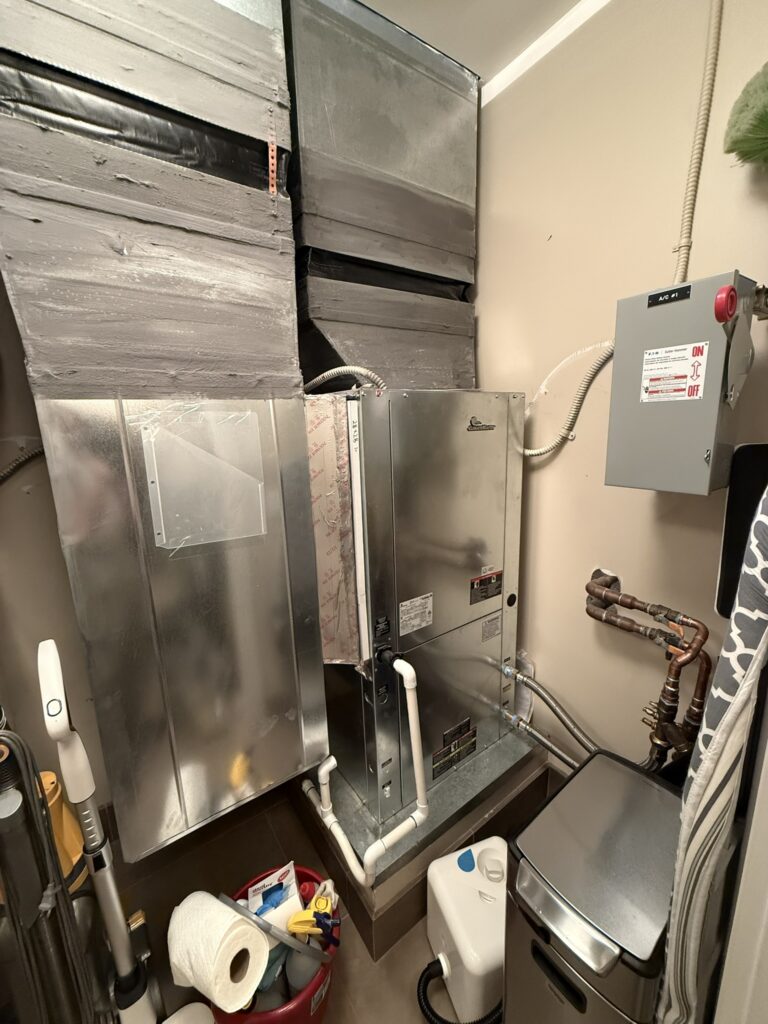
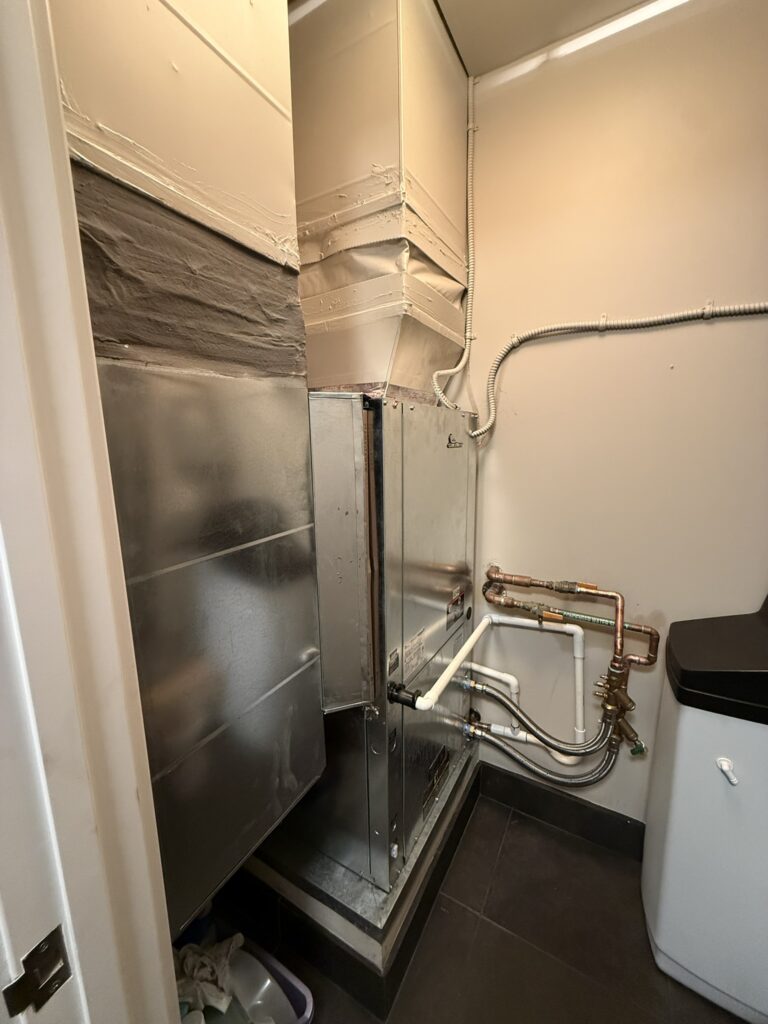
Property managers don’t buy HVAC service the way building owners do — they buy it forty times a month, across a portfolio that might span a retail pad in Chandler, office suites in central Phoenix, a flex-industrial building in Tempe, and a handful of rental homes in Peoria.
Property management HVAC in Phoenix is really a logistics product: one accountable vendor, one phone number, paperwork that satisfies owners, and dispatch that understands which emergency goes first. That’s the service Yeti Pros built for PM companies across the metro. Veteran-owned and operated, licensed under ROC #363372 · ROC #363423, with a human answering around the clock at (520) 556-8929.
One vendor across a scattered portfolio
The typical Valley management portfolio is a mixed bag by design — whatever owners bring through the door. That mix usually defeats vendors: the rooftop-unit specialist won’t touch the rental house, the residential shop can’t handle the office building’s zoning, and the manager ends up juggling five contractors with five sets of paperwork and five definitions of “tomorrow.”
Our scope was built to absorb the whole bag:
Commercial spaces get the full commercial HVAC catalog — rooftop unit work, AC repair, split systems, and everything between.
Rental homes and condos in the portfolio route to our residential service under the same account, the same dispatcher, and the same reporting.
One vendor relationship, every property type, no gaps for work to fall through.
We fit into your work-order flow — not the other way around
Every management company runs tickets differently: dedicated software, an email queue, a shared spreadsheet that has somehow survived three office managers. We don’t ask you to adopt our process. Send work orders however your system generates them, and we return what ticketing systems need to stay clean:
Your work-order number carried on our confirmation, our report, and our invoice.
Status updates when a job is scheduled, on-site, and complete.
Formatted so your coordinator can attach it and move on.
No portal you’ll be forced to log into, no invoice that arrives naming a property but no ticket.
If your process requires before-and-after photos, technician name and arrival time on every report, or not-to-exceed limits respected without exception, say so at onboarding — those instructions live on your account profile and get followed on every ticket after.
The measure we aim for is simple: your accounts-payable person should never have to email us asking which job an invoice belongs to.
Quotes your owners will actually approve
Managers live in the approval loop: the repair can’t start until the owner says yes, and the owner says yes faster when the request answers questions instead of raising them. Our quotes are built for that forward. Each one includes:
What failed, how we verified it, photos where they help.
The flat-rate price in writing.
When the decision is genuinely close — a repair option beside a replacement option with honest reasoning for each.
The diagnostic fee is named before we roll and folded into the job on approval, so owners never feel metered. Managers tell us the practical effect is speed: a quote an out-of-state owner can understand in ninety seconds gets approved the same day, and the tenant stops calling two days sooner.
Emergency triage across many properties at once
When a Phoenix heat wave breaks equipment across the Valley, a management company’s calls stack up fast, and not all of them are equal. An occupied medical suite at 90°F, a restaurant tenant with a packed dining room, a vacant unit, a rental home with an elderly tenant — those deserve different response, and a vendor who works first-come-first-served is triaging by accident.
Our dispatchers triage on purpose, setting the order by:
Prioritizing occupied spaces.
Considering elderly tenants or sensitive environments.
Addressing issues affecting business operations.
Factoring in the intensity of the heat wave.
Your coordinator gets told honestly where each ticket sits rather than being promised everything at once. The 24/7 emergency line is answered by a live person who can actually move a truck, and portfolios under maintenance agreement hold priority when the whole metro is calling at once.
Vacancy protection: the failure nobody’s there to notice
An occupied suite reports its own HVAC problems within the hour. A vacant one stays silent — the system dies in August, cooks quietly through the fall, and announces itself at the worst possible moment: during the walkthrough with a prospective tenant, or in the frantic week before lease commencement when the space was promised move-in ready. Now a routine repair has become a deal risk on a deadline.
We run scheduled vacancy checks for managed portfolios, offering:
Brief periodic visits to confirm vacant-space systems still start, cool, and drain properly.
Any developing issue flagged while the calendar is still friendly.
Against the most expensive kind of discovery, letting leasing teams show space with confidence.
Catching what vacancy hides — condensate stains spreading across a ceiling, thermostats dead from expired batteries, registers closed by the last tenant — small findings that keep a make-ready schedule honest.
Vendor compliance paperwork, handled before you chase it
Management companies carry real exposure for the vendors they send onto owners’ properties, which is why your compliance folder exists and why filling it shouldn’t be your job. We ensure:
Provided promptly and re-issued at renewal without a reminder campaign.
ROC #363372 and ROC #363423 can be looked up directly with the Arizona Registrar of Contractors, and every job we perform is backed above the state’s own Minimum Workmanship Standards by our written warranty.
Refrigerant work is performed and logged by EPA 608-certified technicians, which matters when an owner or their insurer asks who touched the system.
Onboarding paperwork gets returned the week you send it, because a vendor who’s slow with forms will be slow with everything.
Reporting that rolls up to the portfolio level
Job-by-job paperwork keeps tickets closed; portfolio-level reporting is what makes a manager look good to owners. For portfolios on a maintenance agreement, we provide:
Age, condition grade, repair history, and remaining-life estimate for every asset we service.
Consolidated reports by property and by owner.
A summary of equipment health, preventive work performed, what failed and why, and what deserves capital planning before next summer finds it first.
That document does quiet work for your business: it’s evidence the management fee buys foresight, not just phone answering.
A vendor that behaves like part of your operation
Yeti Pros is veteran-owned and operated, and property managers feel that in the habits more than the label:
Arrival windows kept, standards followed, documentation complete without being asked twice.
Pricing stays flat-rate and written across every property type, so a quote from us reads the same whether the asset is a strip-center RTU or a rental home’s heat pump.
We cover the whole Phoenix metro — Phoenix, Scottsdale, Mesa, Gilbert, Glendale, Surprise, Goodyear, Queen Creek, and the rest — so a scattered map doesn’t mean a scattered vendor list.
For your own staff and the tenants of your residential properties who served, our 10% military, veteran & first responder discount applies to home HVAC work — a small thing managers like being able to pass along.
Management companies switch vendors over trust, not price, and trust gets built one closed ticket at a time; we intend to earn the next property in your portfolio the same way we earned the first.
Property management HVAC questions we hear from PM companies
Can you reference our work-order numbers on everything?
Yes — confirmation, service report, and invoice all carry your ticket number. Tell us at dispatch how your system labels jobs and we mirror it. Clean paperwork on our side means clean books on yours.
Do you really cover both commercial buildings and rental homes?
We do. Commercial assets run through our commercial division and residential rentals through our residential side, but you get one account, one dispatcher, and consolidated reporting across both. That’s the point of the model.
How fast can we get quotes for owner approval?
Diagnosis-day in most cases. The technician documents the failure on-site with photos and findings, and the written flat-rate quote follows the same day so your owner-approval clock starts immediately, not after a week of silence.
Can you name additional insureds on your COI?
Yes — tell us the entities your agreements require and we’ll have certificates issued accordingly, and reissued at renewal without your team having to chase them.
Can you take over a portfolio with unknown equipment histories?
That’s a normal onboarding for us. We walk each property, build the asset list — age, condition, refrigerant, immediate risks — and hand you a triage of urgent items versus watch items. From then on, every job adds to the history instead of vanishing.
How do you handle after-hours tenant emergencies?
Tenants or your answering service call our line, a live person picks up, and dispatch follows your standing instructions — spend authority limits, notification rules, which properties warrant immediate rolls. You define the protocol once; we run it at 2 a.m. so nobody wakes you unnecessarily.
What does vacancy protection cost?
It’s quoted by portfolio and visit frequency, and it’s deliberately modest — a brief verification visit per vacant space, catching dead systems months before a lease-signing walkthrough does. Most managers fold it into their maintenance agreement.
One number for the whole portfolio — call (520) 556-8929 and put a veteran-owned Phoenix metro HVAC vendor behind your management operation. ROC #363372 · ROC #363423.
Permits and inspections
Most repairs are ordinary service work; bigger scopes can involve city permitting. We perform our work to code, pull the permits our scope requires, and put what we did in writing.
What's covered
Workmanship is covered for two full years, in writing, and repair parts carry a 1-year manufacturer parts warranty — we document installs and repairs so those claims stay simple to make
HVAC for Property Management in Phoenix, city by city.
Every city below has its own local page for this industry — local FAQs, utility territory, and dispatch reality included.
Why a licensed HVAC contractor matters.
Commercial HVAC, industry by industry.
Every major brand, serviced and installed.




Phoenix metro: Most days a tech is already working somewhere in the Valley, so same-day appointments happen when the schedule allows. After-hours emergencies are dispatched when a licensed tech is available — a real person answers and tells you the ETA on the call.
Call (520) 556-8929Request an estimate.
No pressure, no door knockers. We look at the HVAC system, tell you what it needs (and what it doesn’t), and put the number in writing.