
Phoenix Metro
HVAC for Entertainment Venues in Phoenix.
- (520) 556-8929
- Serving the entire Phoenix metro — we come to you
- Office: Mon–Fri 8:00 AM – 5:00 PM · 24/7 emergency service
- 2-year workmanship warranty · 1-year parts warranty
- Veteran-owned & operated · residential + commercial
- 23 five-star Google reviews
Commercial jobs we have documented.
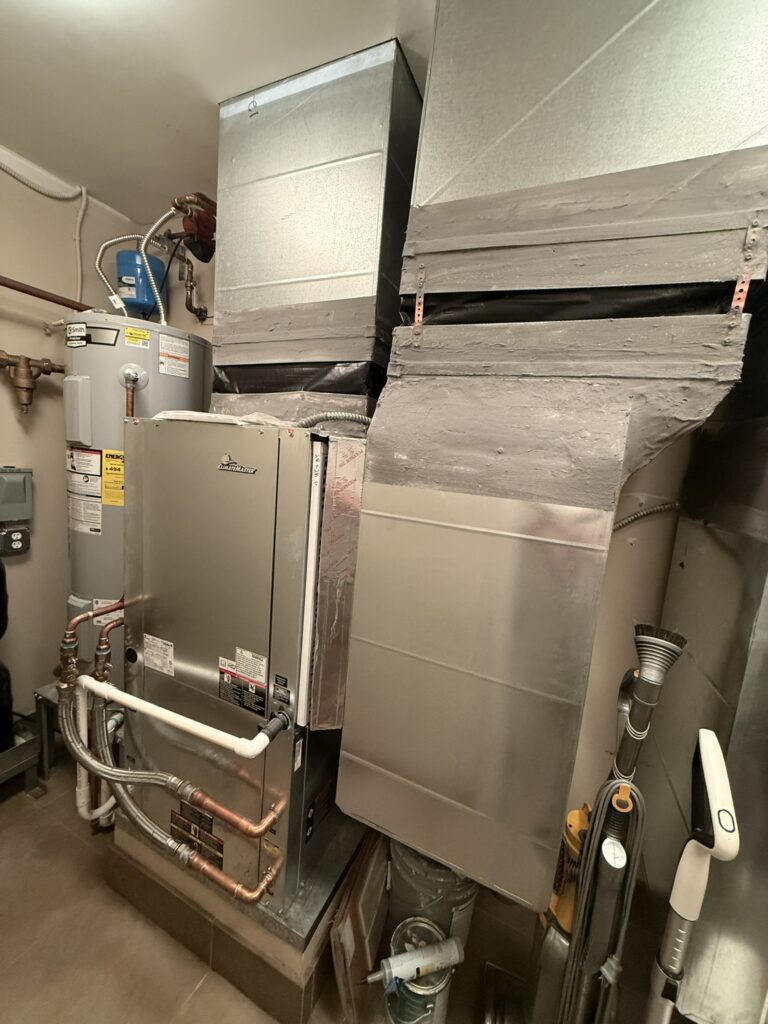
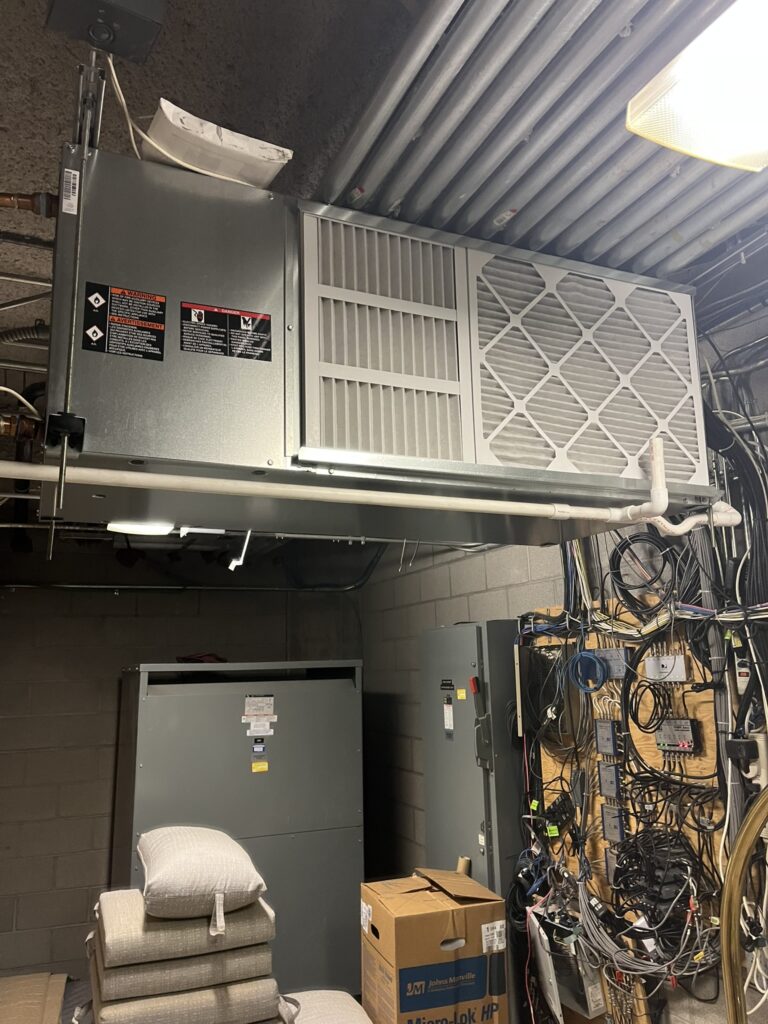
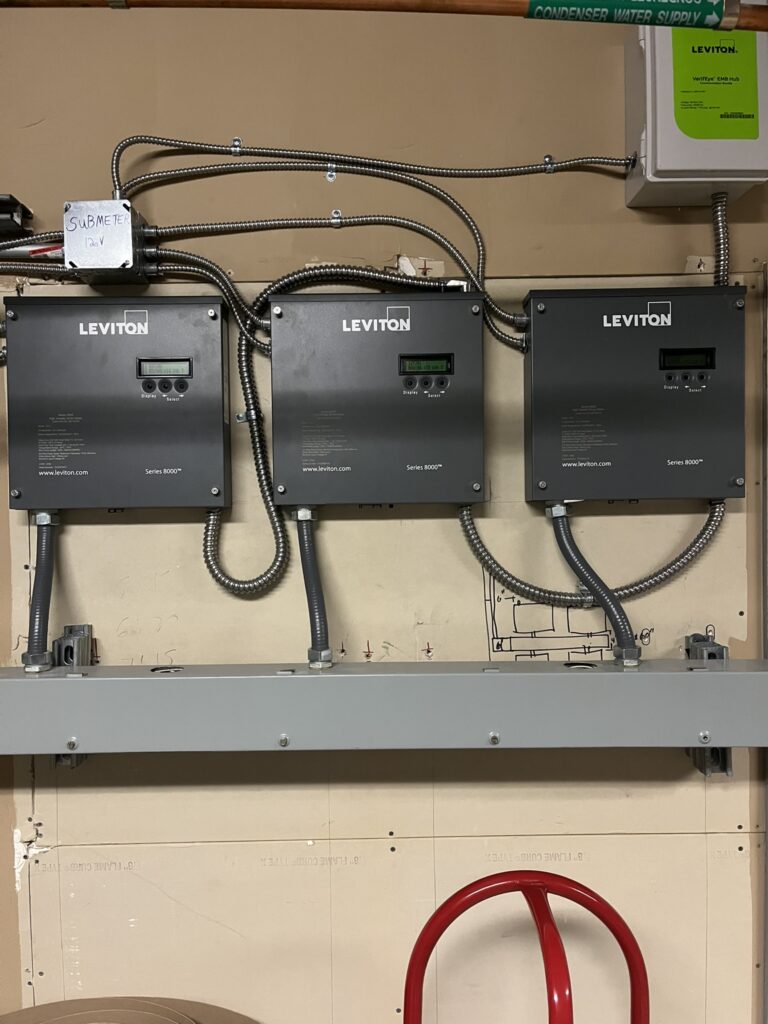
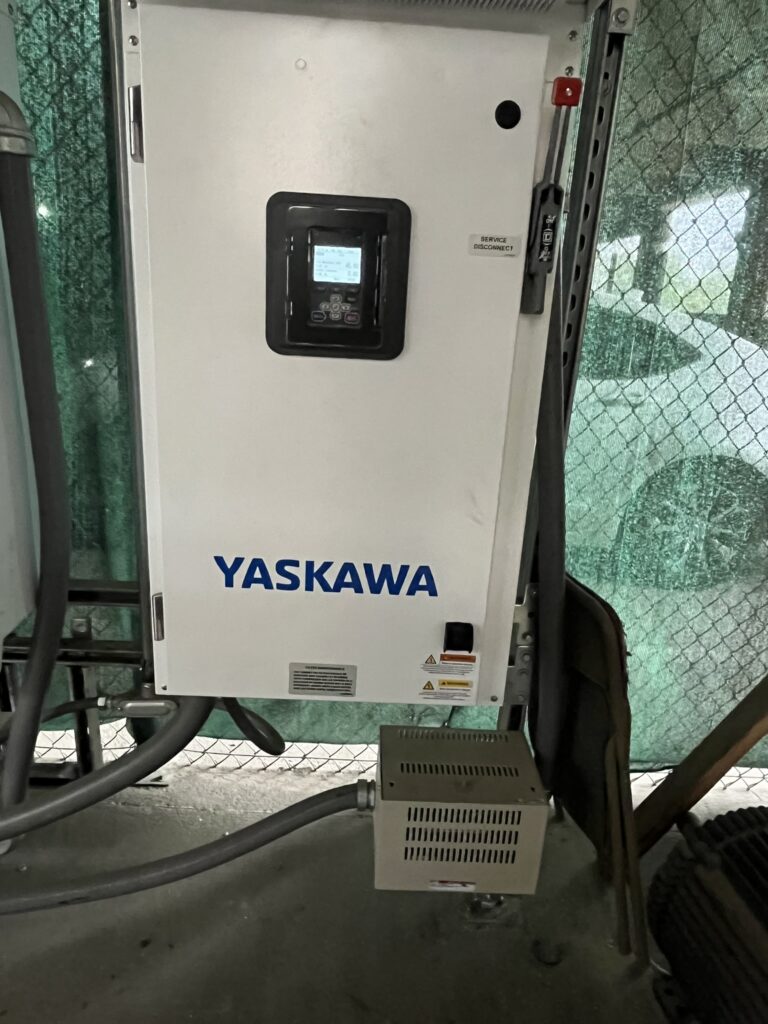
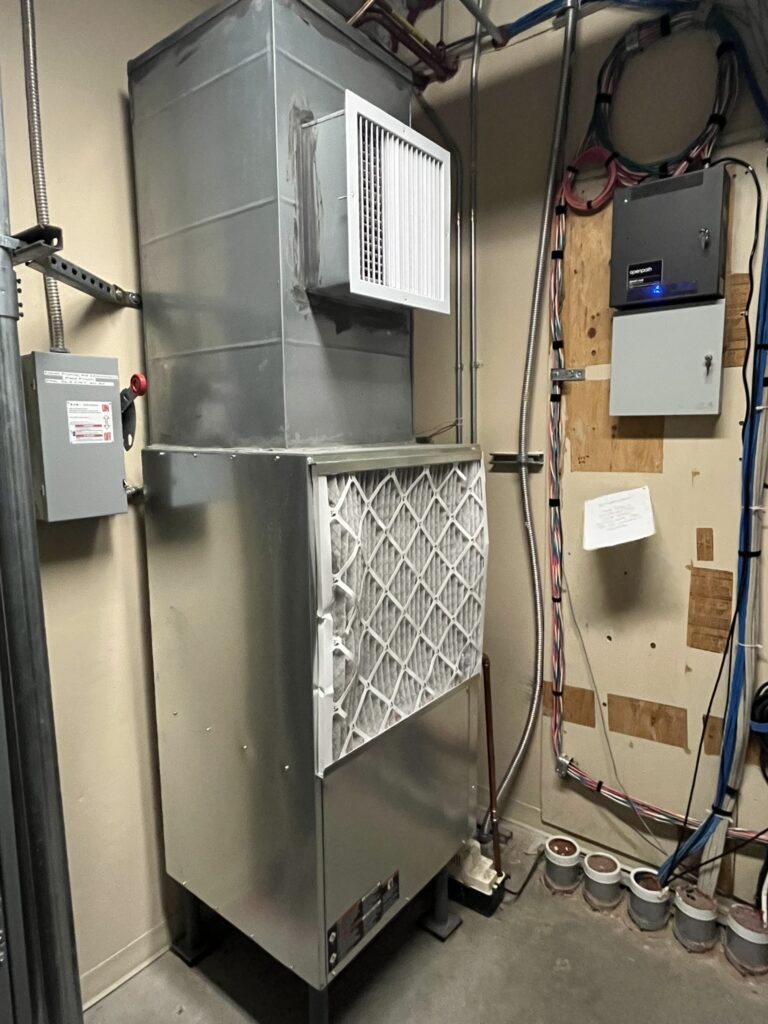
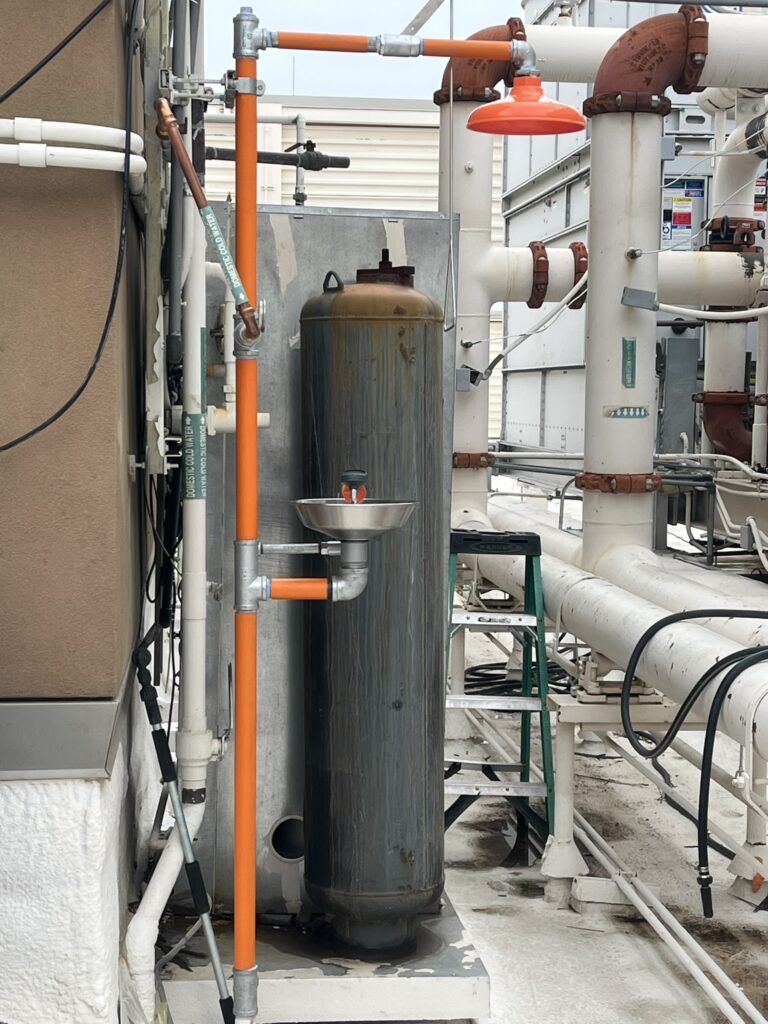
Photos from our own commercial projects — equipment we installed, in buildings we serviced.
Movie theater HVAC in Phoenix serves the strangest occupancy pattern in commercial buildings: rooms that fill to capacity in fifteen minutes, sit packed and motionless in the dark for two hours, then empty in five — on a printed schedule, all day, every day. Yeti Pros is a veteran-owned and operated commercial HVAC company serving movie theaters, arcades, bowling centers, and family entertainment venues throughout the Phoenix metro. Licensed under ROC #363372 · ROC #363423.
A real person answers (520) 556-8929 around the clock.
Movie theater HVAC runs on a showtime timetable
Auditorium loads don’t ramp; they step. Two hundred bodies arrive between the trailers and the title card, hold steady through the feature, and vanish at the credits — then the next showtime does it again. The right control strategy reads like a train schedule: pre-condition each auditorium ahead of seating, carry the load through the run time, and shed capacity during the empty gap instead of freezing an unoccupied room. It also has to flex with attendance, because the nine-person Tuesday matinee and the sold-out Friday premiere are wildly different loads in the same space. We tune staging, economizers, and schedules against your actual programming, and we keep the rooftop fleet behind it healthy — RTU repair and replacement is bread-and-butter work on theater roofs across the Valley.
Quiet is part of the picture
Auditoriums are engineered for silence between the loud moments — which makes HVAC the only machine allowed to run during the film, and holds it to a standard no restaurant or office would ever notice. Guests blame the theater, not the equipment, when HVAC noise becomes part of the soundtrack in every quiet scene.
Becomes part of the soundtrack in every quiet scene.
Becomes part of the soundtrack in every quiet scene.
Becomes part of the soundtrack in every quiet scene.
Becomes part of the soundtrack in every quiet scene.
We treat auditorium noise as a first-class defect: vibration isolation, bearing and belt condition, damper actuators, and air velocity at the diffusers all get checked as maintenance items, not just performance items. If your staff can hear the air handling from row F, that’s a service ticket. And because these rooms are built to reveal sound, we verify noise repairs by listening in the auditorium with the system at operating speed — not just by readings taken on the roof.
The rooms that never go dark: projection and servers
The auditorium sleeps between shows; the projection level doesn’t. Digital projectors and the media servers feeding them shed heat continuously into small, closed rooms, and that heat has nowhere to go without dedicated cooling that runs regardless of showtimes. Electronics degraded by chronic heat fail expensively and at the worst possible moment — a cooked projector doesn’t cancel a repair window, it cancels every remaining showing in that house tonight. We maintain booth and server-room cooling as critical-duty equipment: tighter intervals, condition trending, and candid warnings when a unit is living on borrowed time. Where booth cooling shares a system with adjacent spaces, we’ll tell you plainly whether it needs its own dedicated unit — undersized critical cooling is a failure you can schedule around only until you can’t.
Concessions: protecting the margin counter
Tickets fill seats; the concession stand pays the bills. That entire profit center rides on cold — freezers holding ice cream through a Phoenix summer, reach-ins keeping product moving at rush, fountain systems, and ice production that a 115-degree Saturday devours faster than most machines were specified to produce. Commercial refrigeration repair and ice machine service are core scope for us, and on entertainment accounts we put concession equipment on the same maintenance and reporting cadence as the comfort systems — because a dead ice machine at Saturday peak is a revenue outage, not a kitchen inconvenience.
Blockbuster season is Phoenix escape-the-heat season
Everywhere in America, summer is the movie business’s high season. In Phoenix it compounds: when afternoons run 110-plus for weeks on end, a dark, cold auditorium is one of the cheapest refuges in town, and a measurable share of your summer traffic is buying the air conditioning as much as the film. Which means your revenue peak lands precisely when rooftop equipment is working at the edge of its ratings — and when monsoon storms pile on, driving walls of dust through condenser coils and rattling the power grid beneath your electronics. A July failure on a tentpole opening weekend refunds every showtime it touches. This is the season a maintenance agreement exists for: equipment verified before Memorial Day, coils cleaned after each major storm cycle, and priority dispatch when something breaks anyway.
Our pre-season verification for entertainment venues walks the entire revenue chain:
Every auditorium unit exercised under load, refrigerant charge confirmed, economizers cycled before the first 110-degree week arrives.
Projection booths and server rooms checked against the heat they’ll carry through a hundred consecutive showtimes.
Ice production measured against summer demand, freezer and reach-in performance documented while there’s still time to correct shortfalls on your schedule.
The lobby is a thermal airlock
Theater doors cycle constantly, and in summer each swing admits a slab of 110-degree air into a space you’re holding forty degrees cooler. The lobby’s real job is thermal buffering: absorbing that outdoor assault — plus popcorn equipment, queue lines, and game cabinets — so the auditoriums behind it stay stable. That takes deliberate pressure balance and honest lobby capacity; get it wrong and the building inhales hot air at every entrance while your auditorium units fight a battle that should have been won at the front doors. Monsoon outflow winds add a second variable at the entrances, shoving dust and pressure spikes through every door swing, which is one more reason vestibule balance matters more here than in milder markets. It’s a system-level diagnosis, and one we run on every entertainment property we take on through our commercial HVAC practice.
Arcades, bowling, and hybrid entertainment venues
The modern entertainment center is a mash-up, and its mechanical load is too. Arcade floors add a wall-to-wall electrical heat load that runs every operating hour. Bowling concourses are long, tall volumes where cooled air stratifies and the lanes drift away from the seating behind them. Eatertainment concepts bolt a full kitchen onto the amusement floor — which brings hood exhaust, makeup air, and kitchen exhaust cleaning compliance into the picture alongside the bar’s refrigeration. One building, five load profiles. We map zones to how each area actually operates, so the party room, the lanes, and the sports bar stop fighting over one thermostat.
How we work with entertainment operators
Showtimes make daytime downtime expensive, so we schedule intrusive work around your programming — early mornings and dark hours included.
Every repair is quoted as a flat rate in writing before it starts; if there’s a diagnostic fee, you hear the number first and it’s credited into the repair.
Refrigerant handling is EPA 608-certified and documented.
The Arizona ROC Minimum Workmanship Standards are our starting line, not our ceiling.
Since Yeti Pros is veteran-owned and operated, your managers and crew who served can take a 10% military, veteran & first responder discount home with them — it applies to the residential HVAC where they actually live.
Phoenix theater and entertainment HVAC questions
Can you work without interrupting our showtimes?
Yes — that’s standard on theater accounts. Maintenance and most repairs get scheduled into dark hours and early mornings, and anything disruptive gets coordinated against your programming calendar in advance.
Why is one auditorium always warmer than the others?
Usually a single struggling rooftop unit, a failed damper or economizer, or an airflow imbalance specific to that house. Because auditoriums are typically served unit-by-unit, one weak link shows up as one bad room — which also makes it very fixable once diagnosed.
Guests can hear the air conditioning during quiet scenes. Can that be fixed?
Usually, yes — mechanical noise traces to bearings, belts, dampers, or excessive air velocity, all of which are serviceable. We treat auditorium acoustics as a repair objective and verify the result with the system actually running.
Our ice machine died on a Saturday. How do you handle that?
As an emergency — call our 24/7 line and a live dispatcher, not a voicemail, gets a tech moving. Concession refrigeration failures at peak are revenue events, and we triage them that way.
When should a theater schedule its major maintenance?
Before summer. Blockbuster season and peak heat arrive together here, so we verify comfort systems, projection cooling, and concession equipment in spring — then re-clean coils after monsoon dust events so August doesn’t undo May’s work.
Our multiplex’s equipment dates to the original build. Repair or replace?
We’ll grade every unit and give you both numbers in writing — repair cost, replacement cost, and a candid remaining-life estimate. Aging fleets are usually best replaced in planned phases during slow seasons rather than all at once in a crisis.
We’re a dine-in theater with a full kitchen. Can you handle both sides?
Yes — dine-in concepts combine every load on this page plus a working kitchen’s exhaust, makeup air, and refrigeration, and we service the whole stack under one agreement. In-seat dining also raises the stakes on auditorium comfort and noise, so those checks tighten accordingly.
Do you service bowling centers and arcades, or just cinemas?
All of it — bowling, arcades, family entertainment centers, and hybrid concepts, including their kitchens and bars. The load profiles differ, but the discipline is the same: zone by use, maintain on schedule, document everything.
Keep the cold dark rooms cold. Call (520) 556-8929 before blockbuster season books your calendar and stresses your rooftop.
Permits and inspections
Most repairs are ordinary service work; bigger scopes can involve city permitting. We perform our work to code, pull the permits our scope requires, and put what we did in writing.
What's covered
Workmanship is covered for two full years, in writing, and repair parts carry a 1-year manufacturer parts warranty — we document installs and repairs so those claims stay simple to make
Why a licensed HVAC contractor matters.
Commercial HVAC, industry by industry.
Every major brand, serviced and installed.



Phoenix metro: Most days a tech is already working somewhere in the Valley, so same-day appointments happen when the schedule allows. After-hours emergencies are dispatched when a licensed tech is available — a real person answers and tells you the ETA on the call.
Call (520) 556-8929Request an estimate.
No pressure, no door knockers. We look at the HVAC system, tell you what it needs (and what it doesn’t), and put the number in writing.