
Phoenix Metro
HVAC for Hospitals — Phoenix Metro.
- (520) 556-8929
- Serving the entire Phoenix metro — we come to you
- Office: Mon–Fri 8:00 AM – 5:00 PM · 24/7 emergency service
- 2-year workmanship warranty · 1-year parts warranty
- Veteran-owned & operated · residential + commercial
- 23 five-star Google reviews
Commercial jobs we have documented.
Photos from our own commercial projects — equipment we installed, in buildings we serviced.
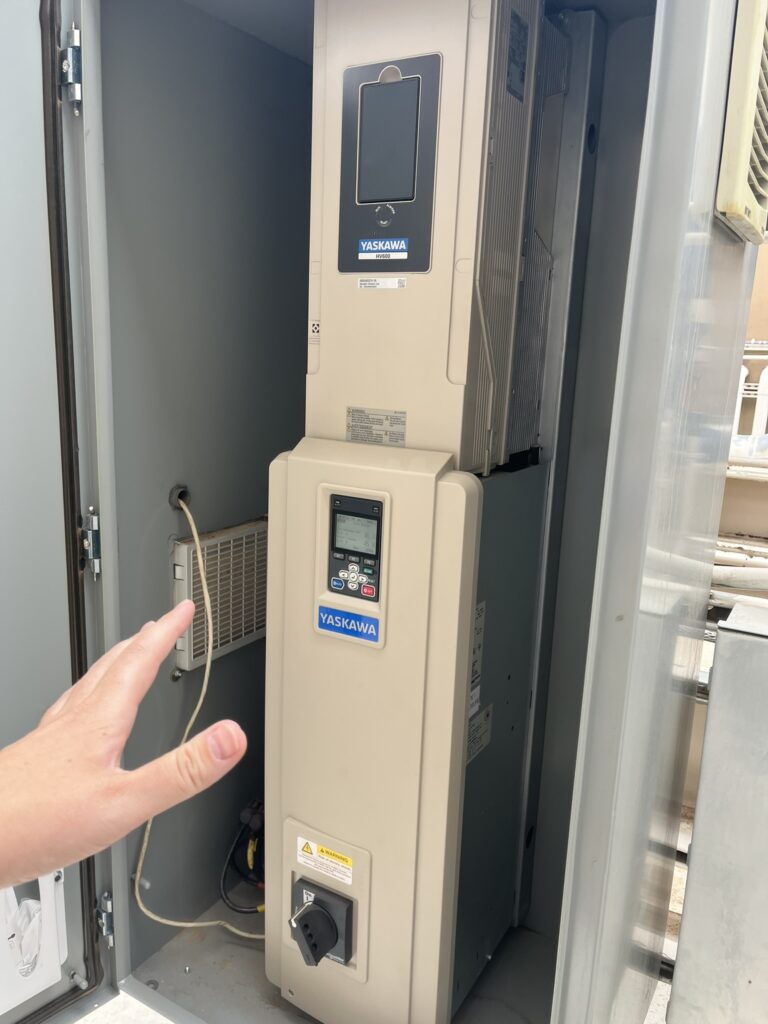
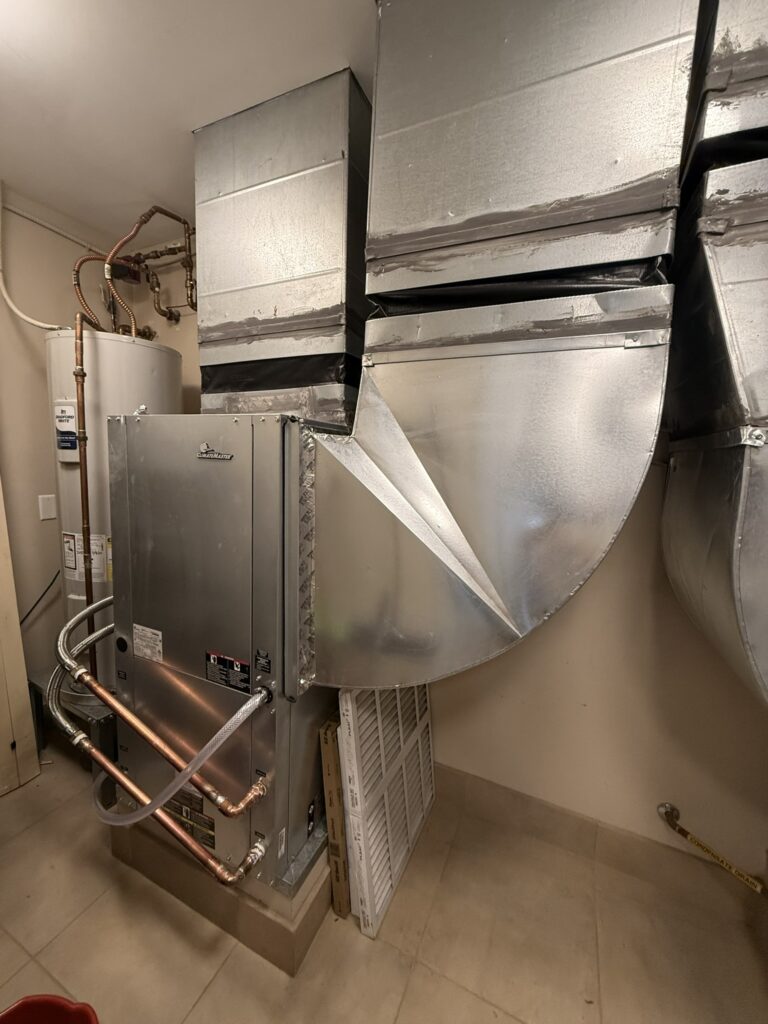
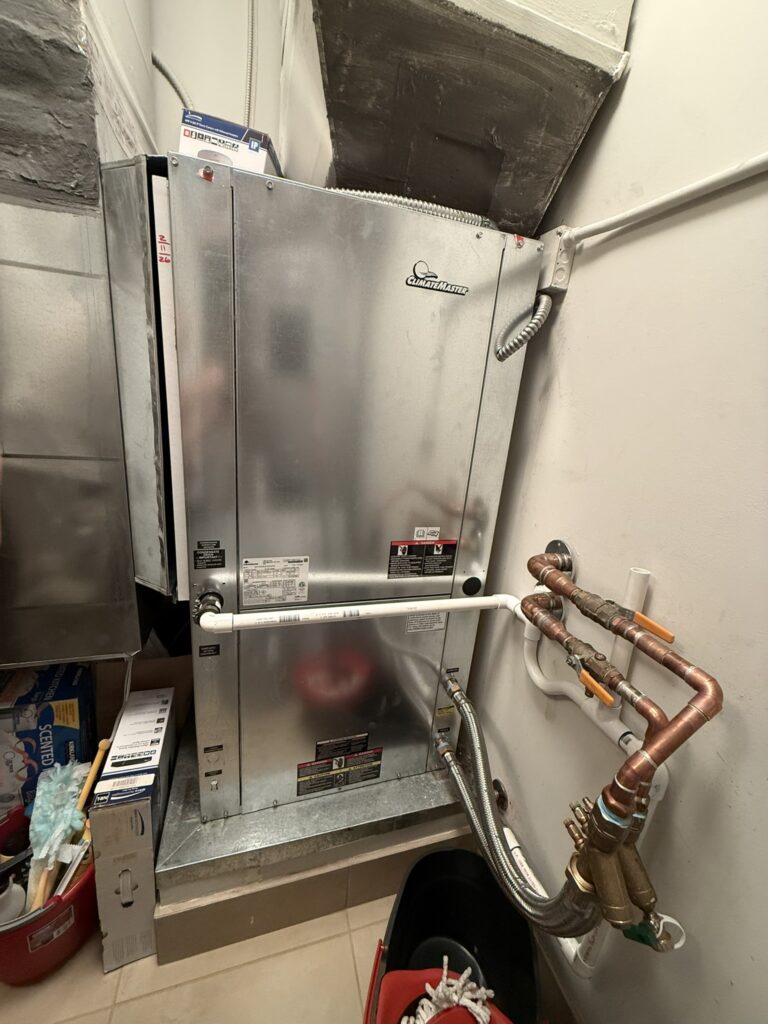
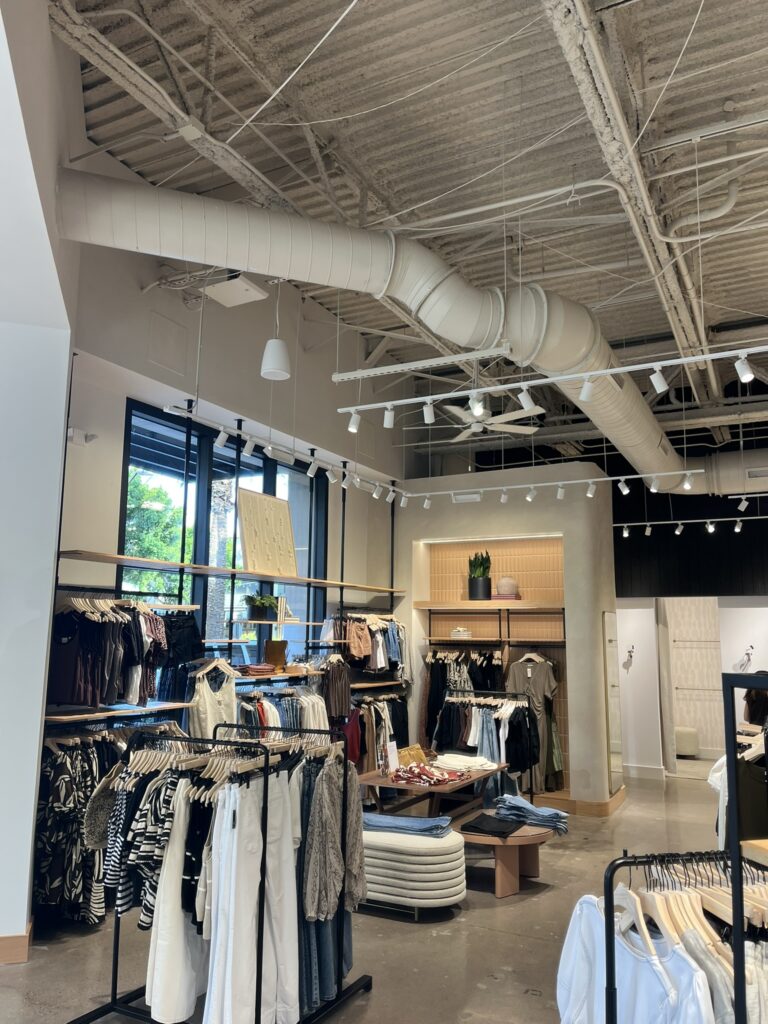
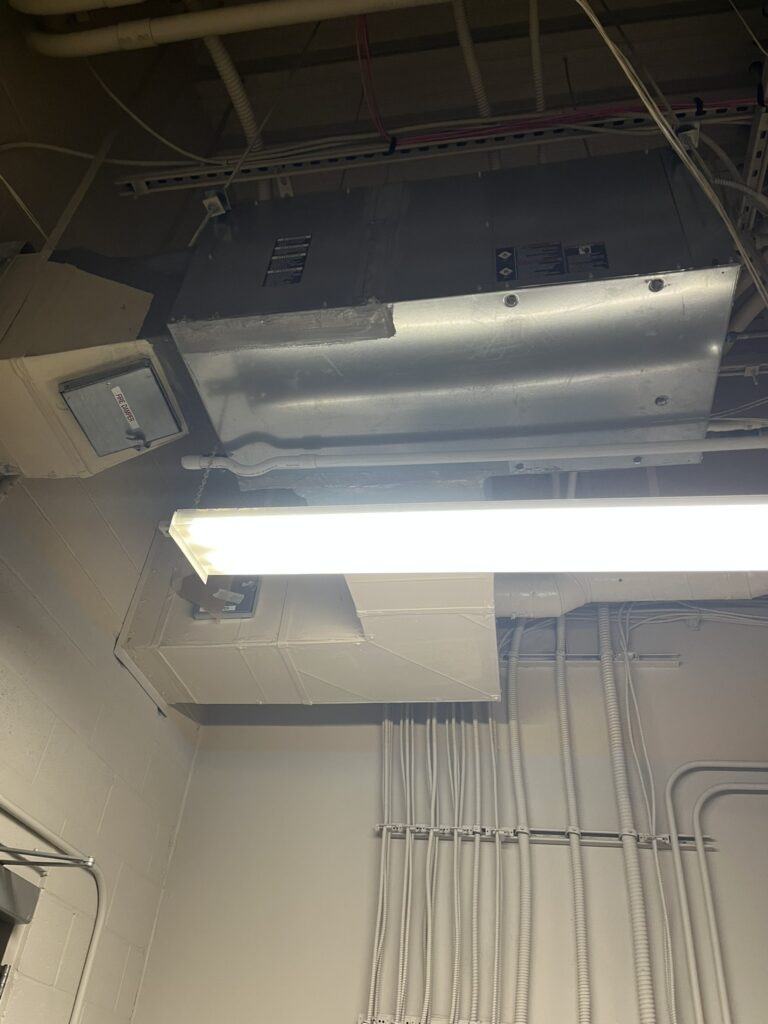
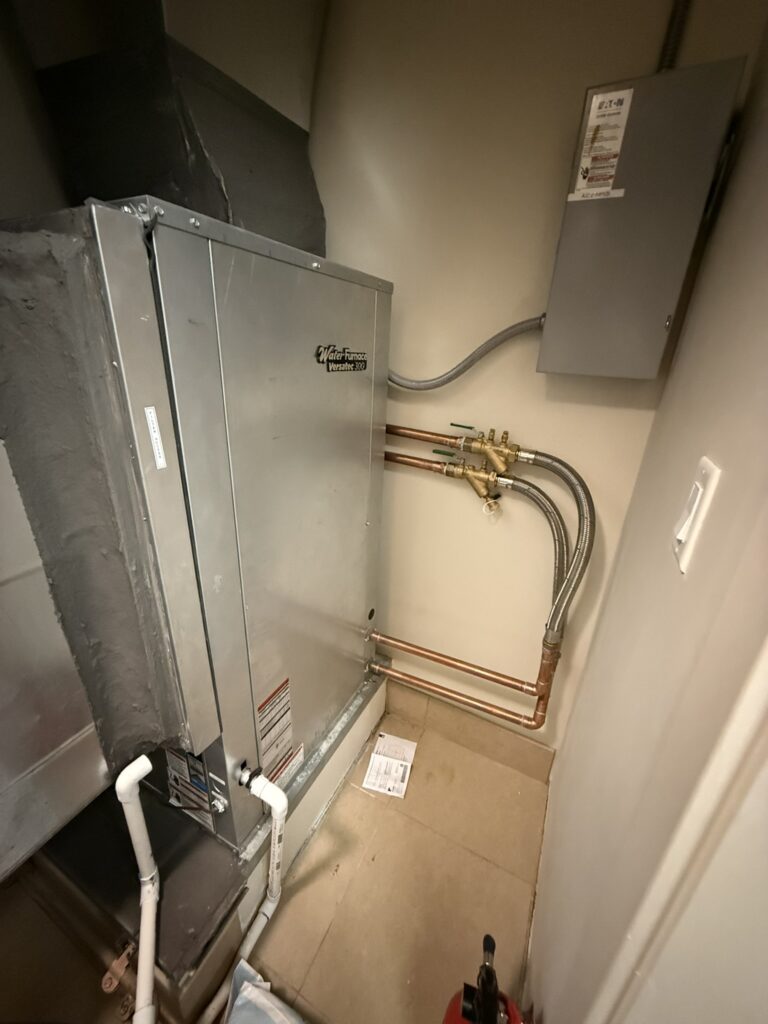
Hospital and surgery-center HVAC service needs a disciplined boundary: support the spaces we are qualified to service, document what we touch, and coordinate around patient care operations. Offices, waiting rooms, staff areas, clinics, storage, administrative suites, and non-OR support equipment need reliable cooling, clear communication, and service records that do not blur into certification claims.
Hospital and surgery-center HVAC reality in the Valley
Healthcare buildings do not tolerate vague HVAC work. A warm waiting room becomes a patient complaint. A hot administrative suite slows staff who are already managing schedule pressure. A failed rooftop unit over a support area can disrupt admissions, billing, sterile storage support, recovery-adjacent spaces, or clinic flow even when the equipment is not serving an operating room. In Phoenix, cooling is business-critical most of the year, so small failures can become operational problems fast.
Yeti Pros services commercial HVAC equipment for healthcare support environments, but we stay honest about scope. We are not a cleanroom certifier, medical gas contractor, balancing engineer, infection-control consultant, or authority issuing health-code rulings. We service HVAC equipment, document findings, and coordinate with the facility team, general contractor, controls vendor, testing-and-balancing firm, or compliance consultant when the building requires that level of coordination.
The equipment mix is often complicated. Surgery centers, outpatient clinics, specialty offices, imaging support areas, administrative buildings, and hospital campus support spaces may use rooftop package units, split systems, exhaust fans, dedicated outdoor-air components, economizers, controls, and supplemental cooling for rooms with higher internal loads. Some areas need steady comfort for people. Others need stable temperature because supplies, equipment, records, or electronics do not tolerate heat well.
Load patterns are not the same as a general office. Patient volumes change by day, staff areas fill early, waiting rooms experience door traffic, and some support rooms run equipment that adds heat even when people are not present. In the Valley, 115 degree roofs, monsoon dust, and long compressor run times expose weak electrical components, dirty condenser coils, poor airflow, and aging controls. A unit that limps through spring can fail hard during summer demand.
The cost of failure is not just discomfort. It is a clinic running behind, staff moving workarounds through the building, patient complaints reaching administrators, and facility personnel needing documentation that explains what happened. That is why healthcare HVAC service needs clean notes, realistic timing, and a contractor who does not overstate what the HVAC repair proves.
Contracts, written scopes, and cost honesty
We provide flat-rate written quotes after an in-person look.
Findings and scopes are documented in writing.
The diagnostic or service-call fee is disclosed at booking and credited toward the repair.
That process gives the facility a clear record without turning the service invoice into a compliance certificate.
Factors Shaping Commercial Pricing
- Equipment type
- Roof access
- After-hours timing
- Parts availability
- Controls involvement
- Filters
- Coils
- Refrigerant status
- Electrical condition
- Documentation needs
- How disruptive downtime will be
Transparent Scopes
In a healthcare setting, coordination time can be as important as wrench time. We state the scope plainly so decision-makers know what is included, what is excluded, and when another specialty contractor should be involved.
Warranties
Our workmanship is backed by a 2-year written workmanship warranty and is held to the AZ ROC Minimum Workmanship Standards. Repair parts carry a 1-year manufacturer parts warranty.
Company & Financial
Yeti Pros is veteran-owned and operated, AZ ROC #363372 and ROC #363423. Financing is available, and we offer a 10% military, veteran and first responder discount.
For planned service, review commercial maintenance contracts. To schedule support-space HVAC service, use contact Yeti Pros or call (520) 556-8929.
How we run service for hospitals and surgery centers
Identify affected space, equipment, access rules, and required notifications.
Determine if other contractors or facility representatives need to be involved.
Yeti Pros is veteran-owned and operated, and we work as a service-area contractor across Phoenix and the Valley. We do not list a public shop address for walk-ins; we come to you.
Our Service Process
Mon-Fri 8-5 office hours. 24/7 emergency service for critical HVAC failures.
Diagnostic/service-call fee disclosed at booking, credited toward repair.
After in-person look, we provide a flat-rate written quote for approved scope.
Findings and scopes documented for facility manager, administrator, or office manager records.
Healthcare Service Coordination
Healthcare service requires scheduling discipline, often around patient hours, procedures, deliveries, medication handling, or staff shifts. We coordinate practical pieces:
- Access (e.g., roof access, escorting)
- Shutdown windows
- Parts
- Thermostat/control checks
- Filter/coil condition
- Condensate issues
- Temporary measures while permanent repair is quoted/approved
We do not promise silent, invisible work, but ensure coordination.
Preventive Maintenance Philosophy
PM cadence is tied to space role and operational risk:
Lower Risk
Noncritical office, staff break, support equipment rooms.
Higher Risk
Busy clinic waiting rooms, records rooms.
Cadence for our commercial HVAC maintenance reflects:
- Hours of operation
- Equipment age
- Roof exposure
- Filter loading
- Failure impact on care operations
We inspect and document findings, avoiding paperwork that falsely certifies specialized medical environments.
Specialized Repairs
For repairs involving controls, balancing, specialty ventilation, or regulated clinical requirements, we coordinate within our lane by:
- Documenting HVAC equipment performance.
- Recommending facility involve a controls contractor.
- Noting need for a testing-and-balancing professional for formal verification.
We provide usable facts, not dressed-up service calls.
Healthcare HVAC symptoms and service priority
Healthcare spaces require faster triage because comfort issues affect patients, staff, and administrators at the same time. This table reflects common support-space calls and the practical service priority they usually carry.
| Symptom or situation | What it usually means | Priority |
|---|---|---|
| Waiting room will not cool during clinic hours | RTU capacity problem, dirty coil, low airflow, thermostat issue, or heavy door and occupancy load | Urgent during patient hours |
| Support room temperature drifts upward | Internal equipment heat, poor airflow, failed component, controls issue, or equipment underserving the space | High if supplies or electronics are affected |
| Repeated condensate alarms or ceiling concerns | Drain restriction, pan issue, insulation problem, or long run time in humid monsoon conditions | High for building protection |
| Staff area has odor or stale airflow complaints | Filter condition, ventilation concern, drain issue, economizer problem, or duct/return-air imbalance | Medium to high depending on area |
| Facility needs documentation after repair | Written findings, equipment condition, parts replaced, and remaining recommendations should be recorded | Always important |
The priority changes with the room. A warm back office is not the same as a warm patient-facing lobby, and a support room with equipment heat needs faster attention than a lightly used conference room. We help separate urgency from noise so the facility team can act without guessing.
Phoenix-metro specifics for healthcare HVAC
Healthcare facilities in Phoenix often rely on rooftop package units for support areas because RTUs are serviceable, familiar, and common across commercial buildings in the Valley. That does not make them easy. On a 115 degree roof, a condenser coil that is already dirty, a weak fan motor, or a marginal capacitor has little room left. Long cooling cycles punish equipment that might look fine during a mild morning check.
Monsoon dust is another real condition, not a seasonal talking point. Dust loads coils and filters, and storm debris can affect rooftop airflow. Higher humidity during monsoon periods can expose condensate problems that stayed hidden in drier weeks. For healthcare support spaces, water stains, ceiling concerns, and repeated drain issues can quickly become administrative headaches even when the HVAC repair itself is straightforward.
Phoenix-metro healthcare buildings also face access and timing realities. A repair may require roof access through a controlled area, coordination with security, notification to an administrator, or work that avoids peak patient flow. Emergency service is available, but the cleanest outcome usually comes when known issues are documented before peak demand. That gives the facility time to approve repair, order parts, and communicate with affected departments.
Utility demand matters as well. We do not sell maintenance as a cure-all for energy costs, but neglected commercial equipment often runs longer than needed. Clean coils, correct airflow, stable electrical components, and functioning controls help equipment hold temperature without unnecessary strain. In healthcare support areas, that matters because the building cannot casually accept drifting comfort while waiting for the next budget cycle.
The Valley also has many healthcare properties that have grown in phases. A surgery center may have added imaging, administrative offices, storage, or specialty clinic space after the original design. HVAC equipment may serve areas differently than current staff assume. An in-person equipment review, clear notes, and written recommendations help the facility team understand what is actually connected before they approve work.
Straight answers
Do you service hospital HVAC in Phoenix?
Yes, within the correct scope. We service commercial HVAC equipment for hospital support spaces, surgery-center support areas, clinics, offices, waiting rooms, staff areas, and similar spaces across Phoenix and the Valley. We do not certify operating rooms, cleanrooms, or regulated clinical environments. We document HVAC findings and coordinate with the facility team when specialized verification is needed.
Can you work around patient hours?
We can often schedule planned service around patient flow, staff hours, access rules, and facility requirements. Emergency service is available 24/7 when a support-area failure cannot wait. Some repairs still depend on parts, roof access, approval, or coordination with controls and building staff. We explain those limits before the work becomes a surprise.
What documentation do you provide for healthcare HVAC service?
We document findings, approved scope, and completed work in writing. That can include equipment condition, observed failures, parts replaced, and recommendations for follow-up. The documentation supports facility records and internal review, but it is not a regulatory certification or medical compliance ruling. We keep the language tied to the HVAC equipment we inspected and serviced.
Can you maintain HVAC for a surgery center?
We can maintain and repair eligible commercial HVAC equipment serving support areas and general comfort spaces. If the equipment connects to specialized clinical requirements, pressure relationships, formal balancing, or regulated procedure spaces, we coordinate within our service scope and recommend the proper specialist where needed. The useful answer is not yes or no; it is defining the equipment and space correctly first.
Permits and inspections
Most repairs are ordinary service work; bigger scopes can involve city permitting. We perform our work to code, pull the permits our scope requires, and put what we did in writing.
What's covered
Workmanship is covered for two full years, in writing, and repair parts carry a 1-year manufacturer parts warranty — we document installs and repairs so those claims stay simple to make
HVAC for Hospitals — Phoenix Metro, city by city.
Every city below has its own local page for this industry — local FAQs, utility territory, and dispatch reality included.
Why a licensed HVAC contractor matters.
Commercial HVAC, industry by industry.
Every major brand, serviced and installed.


Phoenix metro: Most days a tech is already working somewhere in the Valley, so same-day appointments happen when the schedule allows. After-hours emergencies are dispatched when a licensed tech is available — a real person answers and tells you the ETA on the call.
Call (520) 556-8929Request an estimate.
No pressure, no door knockers. We look at the HVAC system, tell you what it needs (and what it doesn’t), and put the number in writing.