
Phoenix Metro
HVAC for Coworking Spaces in Phoenix.
- (520) 556-8929
- Serving the entire Phoenix metro — we come to you
- Office: Mon–Fri 8:00 AM – 5:00 PM · 24/7 emergency service
- 2-year workmanship warranty · 1-year parts warranty
- Veteran-owned & operated · residential + commercial
- 23 five-star Google reviews
Storefront and office work, documented.
Photos from our own commercial projects — equipment we installed, in buildings we serviced.
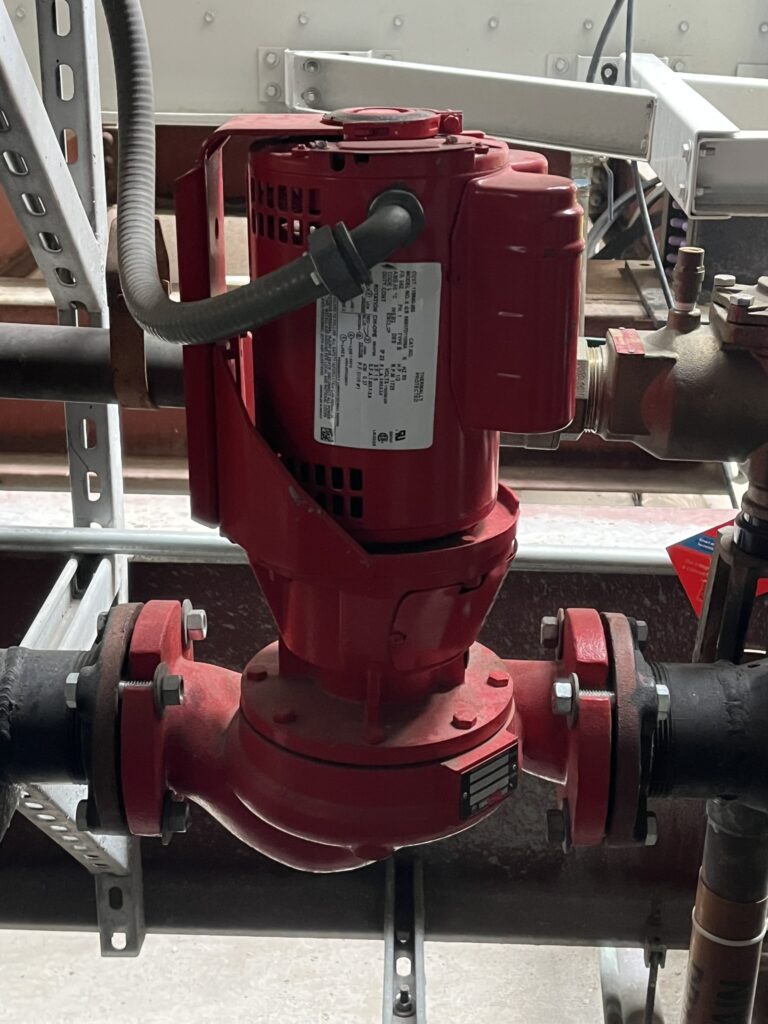
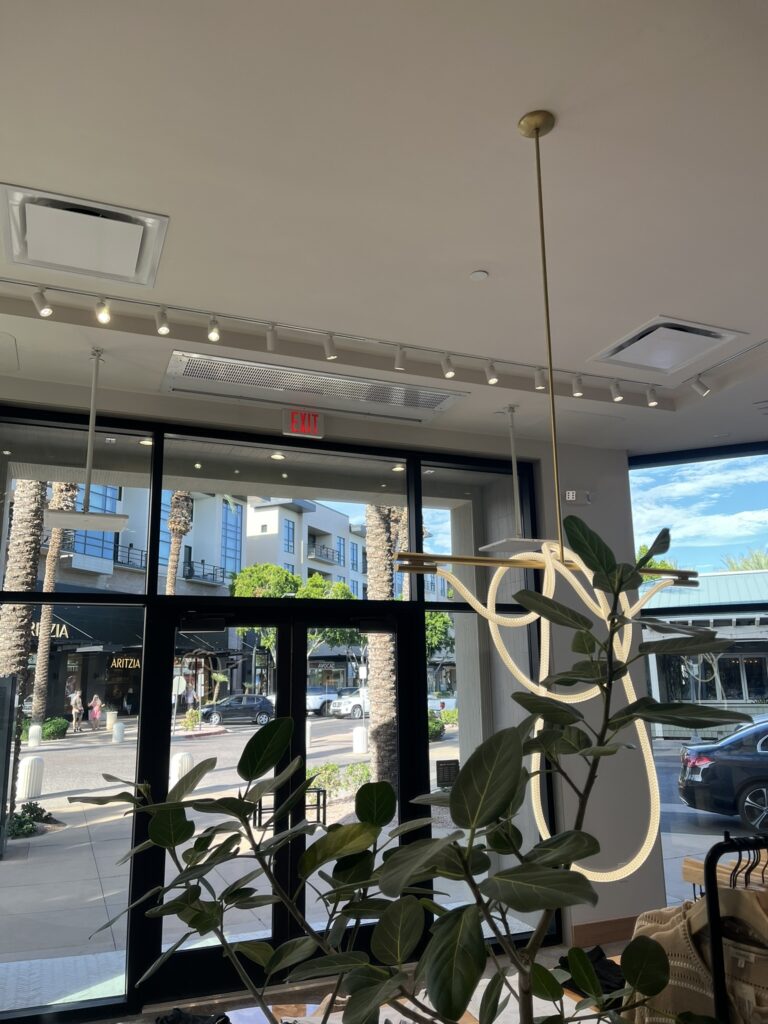
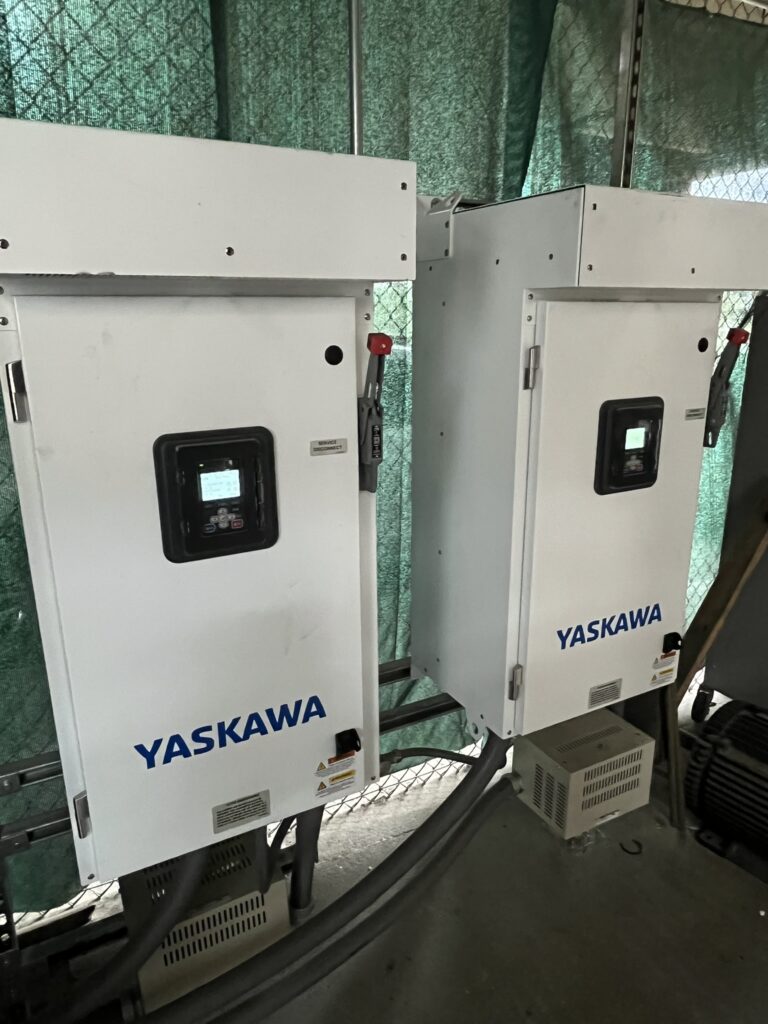
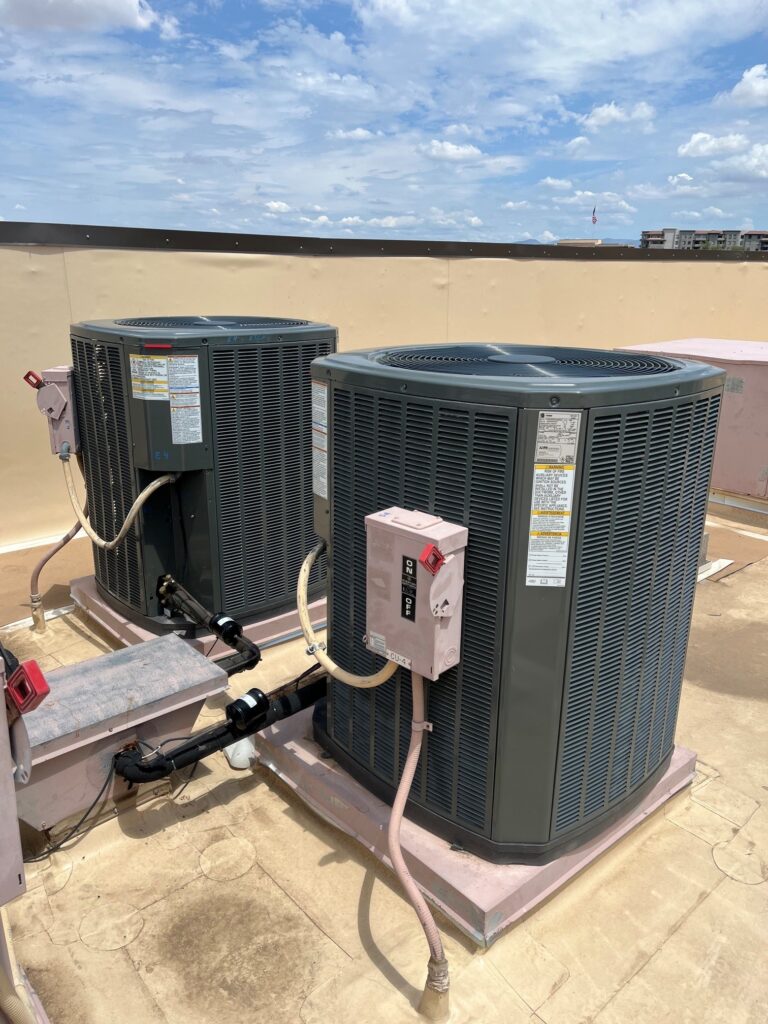
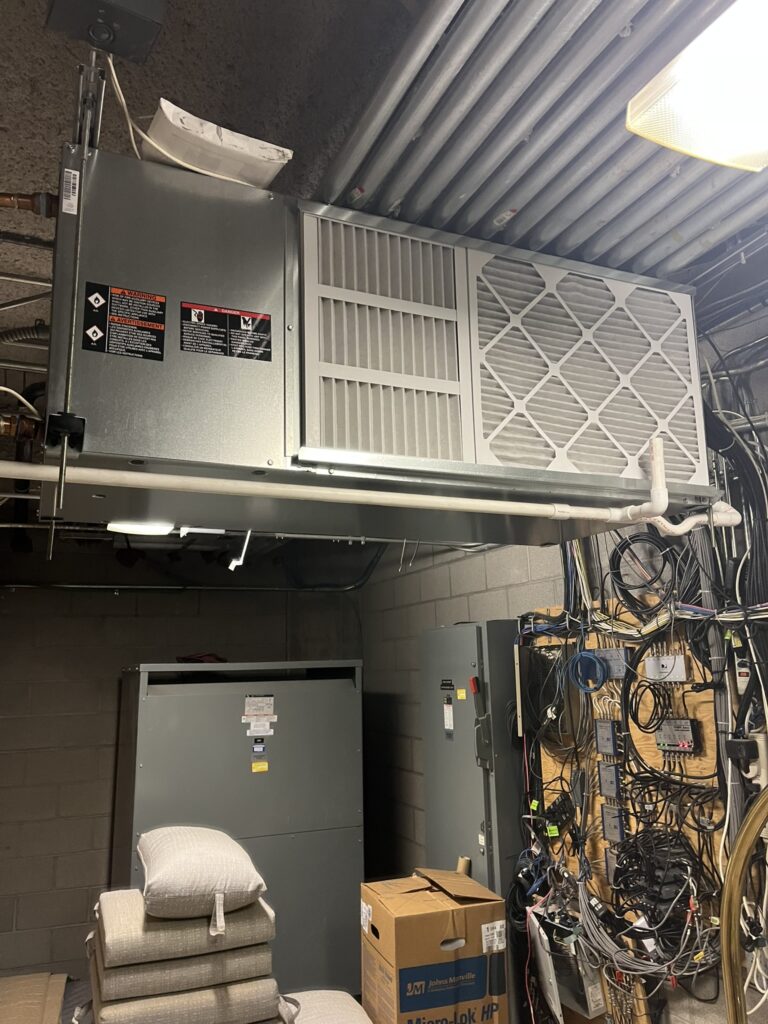
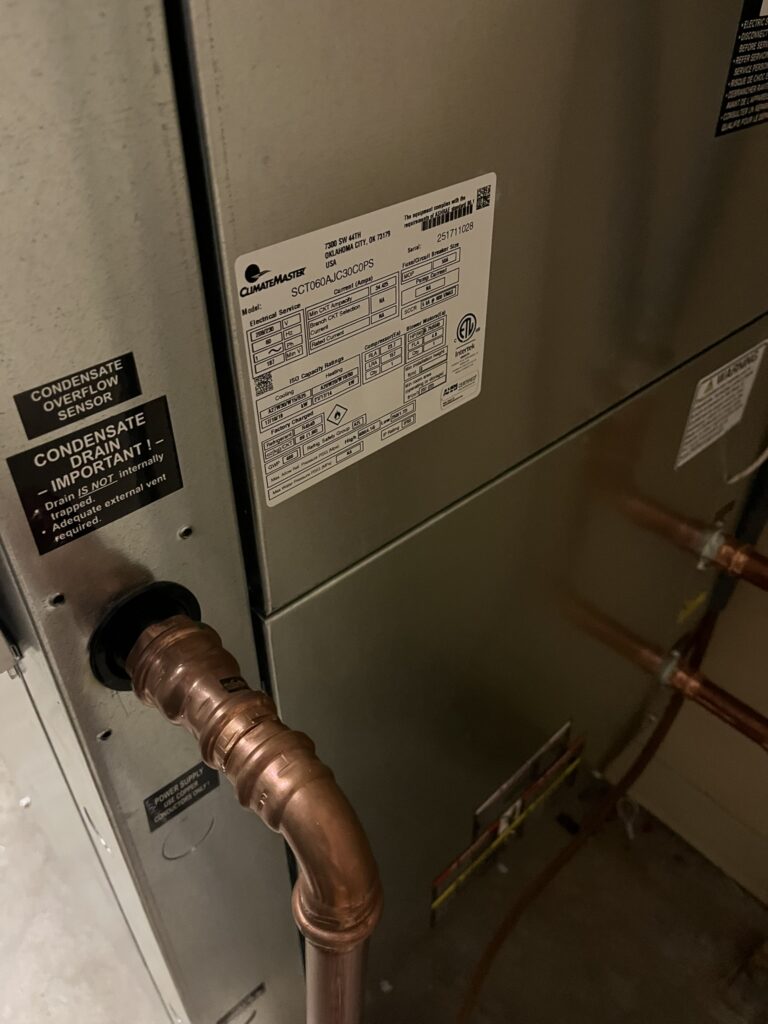
Coworking HVAC service is about comfort control for people using the same building in different ways at the same time. In Phoenix and the Valley, one system may serve phone booths, conference rooms, open desks, private suites, and after-hours members, so zoning, noise, access, and recovery time need their own service approach.
Coworking HVAC reality in the Valley
Unique Challenges of Coworking HVAC
A coworking space is not a standard office with one occupancy pattern. It has morning drop-ins, full-day suite users, meeting-room spikes, event nights, quiet-work zones, and members who expect the space to feel ready when they arrive. The HVAC system is asked to handle fast changes without making the building feel chaotic. One warm conference room can create a complaint even when the open desk area is comfortable.
Common System & Zone Issues
Interior offices may have limited airflow.
Glass-front rooms can heat quickly.
Small call rooms can overcool or feel stuffy because they have a high people load in a tiny volume.
A thermostat in the wrong spot can make the whole zone chase the wrong temperature.
Noise & Disruption Concerns
Noise matters more here than in many commercial settings. A rattling blower, loud return, vibrating rooftop unit, or repeated compressor start can disrupt calls and meetings. So can a technician moving through a packed workspace with ladders, ceiling tiles, and tools during business hours. HVAC service for coworking has to be scheduled with the operating rhythm in mind, not just the mechanical issue.
Valley-Specific Environmental Factors & Symptoms
The Valley adds the long cooling season, 115° roofs, monsoon dust, and RTUs that may run hard most of the year. If maintenance slides, the first symptom may not be a total outage. It may be slow recovery after a booked conference block, uneven temperatures between suites, members propping doors open, or staff fielding the same comfort complaint every afternoon. That is still an operating problem.
Slow recovery after a booked conference block.
Uneven temperatures between suites.
Members propping doors open.
Staff fielding the same comfort complaint every afternoon.
For coworking owners and managers, comfort is part of the product being sold.
Contracts and cost honesty for coworking spaces
Transparent Pricing & Cost Factors
Commercial HVAC pricing for coworking spaces is driven by various factors. We handle the uncertainty by inspecting first and writing the scope clearly. The diagnostic or service-call fee is disclosed at booking and credited toward the repair, then the repair is quoted as a flat-rate written quote after the in-person look.
- Equipment type
- Roof access
- Ceiling access
- Number of zones
- Controls
- Parts
- Noise or vibration work
- Whether the repair has to happen outside occupied hours
Benefits of Maintenance Contracts
Maintenance contracts help coworking operators turn comfort into a managed process instead of a stream of complaints. A practical plan can include:
- Filter changes
- Coil cleaning
- RTU checks
- Control review
- Drain checks
- Written notes by unit or zone
The point is to give management useful records before budget meetings, lease conversations, or member renewals. See commercial HVAC maintenance contracts.
Warranties, Financing & Discounts
Workmanship Warranty
Our workmanship carries a 2-YEAR written workmanship warranty and is held to the AZ ROC Minimum Workmanship Standards.
Parts Warranty
Repair parts carry a 1-YEAR manufacturer parts warranty.
Financing is available, and Yeti Pros offers a 10% military, veteran & first responder discount. Veteran-owned & operated. AZ ROC #363372 · ROC #363423.
Whether it starts as commercial HVAC maintenance or as a standing maintenance plan, the process is the same: an in-person look, a documented scope, and numbers that hold. Reach out and we will walk the facility with you.
How we run service for coworking spaces
Our Service Approach
We start by identifying how the space is actually used. A floor plan matters, but booking patterns matter too. The answers keep the service call focused on the building’s real comfort problem.
Which rooms get complaints?
Which suites run after hours?
Which zones serve phone booths, conference rooms, open desks, or staff-only areas?
Where are the thermostats, returns, and supply diffusers?
Transparent Process & Documentation
Yeti Pros is a service-area business, so we come to you. The diagnostic or service-call fee is disclosed at booking and credited toward the repair. After an in-person look, we provide a flat-rate written quote. Findings and scopes are documented in writing, which helps owners, managers, boards, and landlords understand what was found, what is being repaired, and what should be watched.
Comprehensive Diagnostics
During diagnostics, we check for various issues, also listening for noise and vibration because coworking comfort is not only about temperature. A system that cools but interrupts calls is still creating a business problem. When ceiling access is needed, we coordinate with the manager so occupied rooms and booked meetings are handled with less disruption.
- Airflow
- Filters
- Coils
- Electrical components
- Thermostat behavior
- RTU or split-system performance
- Condensate drainage
- Obvious distribution problems
Flexible Scheduling & Emergency Service
After-Hours Work
After-hours work can be useful for coworking spaces, especially when ladders, ceiling access, or shutdowns would interfere with members. We are direct about when after-hours service helps and when it does not. Some diagnostics need the building under normal heat and people load. Some roof work is better handled in daylight.
Emergency Service
Emergency work is available 24/7 when cooling failure threatens operations.
Tailored Planned Maintenance
Planned maintenance should match the building’s load, not a generic office assumption. High-traffic coworking spaces may need tighter filter schedules, more frequent coil attention, and better written records because tenant complaints often become management issues fast. For recurring service, we can align maintenance windows with low-occupancy periods and document the condition of each unit or zone. For broader preventive service, see commercial HVAC maintenance.
Yeti Pros is veteran-owned & operated. AZ ROC #363372 · ROC #363423. Office hours are Mon-Fri 8-5, with 24/7 emergency service when the space cannot wait. Call (520) 556-8929.
Coworking HVAC decision table
Coworking HVAC issues usually arrive as member complaints before they look like equipment failures. The table below shows how we sort common symptoms into practical service priorities after checking the equipment and zone behavior on site.
| Symptom or situation | What it usually means | Priority |
|---|---|---|
| Conference rooms get hot during bookings | People load, airflow balance, thermostat placement, or undersized zone performance may be limiting recovery. | High if rooms are booked daily |
| Private suites complain while open desks feel fine | Zoning, diffuser layout, return air paths, or controls may not match the current buildout. | Medium to high |
| Members complain about HVAC noise | Blower vibration, loose panels, duct noise, return grille issues, or rooftop equipment vibration may be carrying into work areas. | Medium, higher near call rooms |
| Temperature swings after hours | Schedule programming, access controls, setback strategy, or member use outside office hours may be mismatched. | Medium |
| RTU struggles after dust storms | Monsoon dust, dirty coils, plugged filters, or stressed electrical parts may be reducing capacity. | High during summer |
Phoenix-metro specifics for coworking spaces
Adapted Buildings & Legacy Systems
Phoenix coworking spaces often live in buildings that have been adapted more than once. A former retail suite becomes flexible offices. A traditional office floor becomes shared workspace. Walls get added, conference rooms move, phone rooms appear, and the HVAC system may still be laid out for the old use. That is why we do not assume the thermostat complaint tells the whole story. We look at the zone, the air path, the load, and the equipment serving it.
Rooftop Unit Challenges & Inconsistent Feedback
Rooftop package units are common across the Phoenix-metro area, and they take serious punishment. High roof temperatures age components, long run hours expose weak capacitors and contactors, and dust loads coils and filters. A coworking operator may first notice a problem as inconsistent member feedback:
- Hot at the south glass
- Cold under one diffuser
- Stale in a small room
- Fine at the front desk
Those details help us find whether the issue is mechanical, distribution, controls, or use pattern.
Business Criticality of Summer Cooling
Summer duty is not a short season here. Cooling is business-critical most of the year, especially when the space sells day passes, memberships, meetings, and private offices. If a zone is down, the manager may have to move members, comp rooms, or field complaints from tenants who expect business-grade comfort. Fast response matters, but so does clear documentation because coworking spaces often have multiple stakeholders reviewing the same repair decision.
Addressing Utility Demand & Inefficiencies
Utility demand realities also shape the service conversation. We do not promise bill reductions from a tune-up, and we do not sell magic controls. We look for practical mechanical issues that waste run time or make the system fight itself:
- Dirty coils
- Poor airflow
- Bad schedules
- Weak components
- Door patterns
- Rooms that were built without enough return air
In the Valley, small inefficiencies can become obvious when the roof is hot and every occupied room is calling for cooling.
Straight answers
Can you service coworking HVAC after members leave?
Yes, when the work fits after-hours conditions. Repairs involving ceiling access, noise, or temporary shutdowns often make sense outside peak occupancy. Some diagnostics still need the space under normal heat and people load, so we will tell you when daytime testing is necessary before quoting the repair.
Why are our meeting rooms hot when the rest of the space is fine?
Meeting rooms load up quickly because several people share a small space, often behind glass, with limited return air. The fix may involve airflow, controls, equipment performance, or room use patterns. We check the zone before assuming the RTU is the only problem.
Can you help with HVAC noise complaints?
Yes. We look for mechanical noise, vibration, blower issues, loose panels, duct or grille noise, and rooftop vibration that may be carrying into quiet work areas. Some noise is design-related, but many problems can be reduced with targeted repair, adjustment, or maintenance.
How do we start service for a coworking space in Phoenix?
Call (520) 556-8929 or use contact Yeti Pros. We come to you, disclose the diagnostic or service-call fee at booking, inspect the issue in person, document findings, and provide a flat-rate written quote for approved repairs.
Permits and inspections
Most repairs are ordinary service work; bigger scopes can involve city permitting. We perform our work to code, pull the permits our scope requires, and put what we did in writing.
What's covered
Workmanship is covered for two full years, in writing, and repair parts carry a 1-year manufacturer parts warranty — we document installs and repairs so those claims stay simple to make
HVAC for Coworking Spaces in Phoenix, city by city.
Every city below has its own local page for this industry — local FAQs, utility territory, and dispatch reality included.
Why a licensed HVAC contractor matters.
Commercial HVAC, industry by industry.
Every major brand, serviced and installed.




Phoenix metro: Most days a tech is already working somewhere in the Valley, so same-day appointments happen when the schedule allows. After-hours emergencies are dispatched when a licensed tech is available — a real person answers and tells you the ETA on the call.
Call (520) 556-8929Request an estimate.
No pressure, no door knockers. We look at the HVAC system, tell you what it needs (and what it doesn’t), and put the number in writing.