
Phoenix Metro
HVAC for Hotels in Phoenix.
- (520) 556-8929
- Serving the entire Phoenix metro — we come to you
- Office: Mon–Fri 8:00 AM – 5:00 PM · 24/7 emergency service
- 2-year workmanship warranty · 1-year parts warranty
- Veteran-owned & operated · residential + commercial
- 23 five-star Google reviews
Commercial jobs we have documented.
Photos from our own commercial projects — equipment we installed, in buildings we serviced.
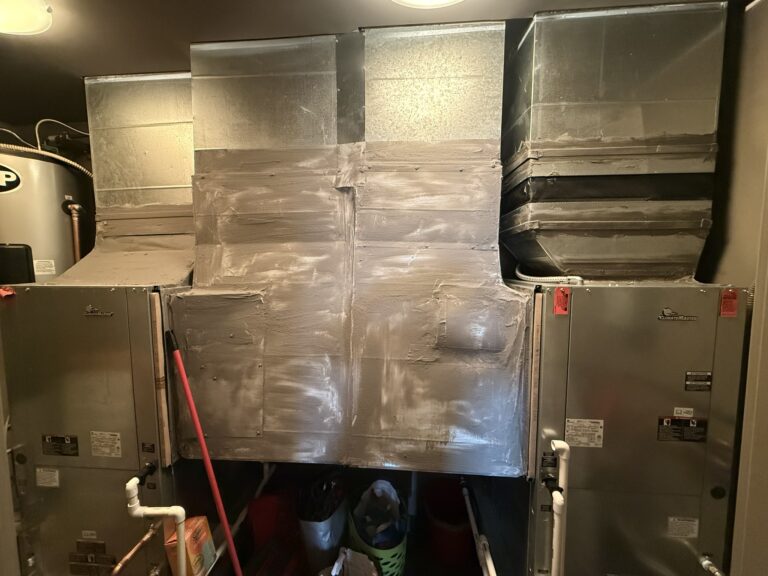
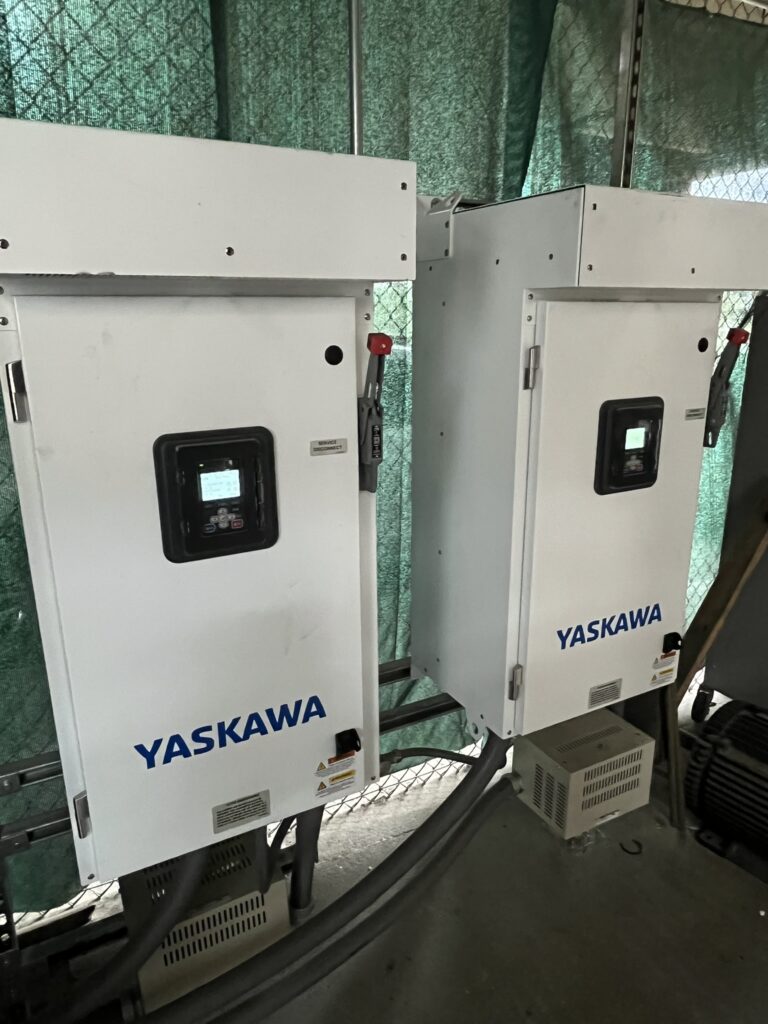
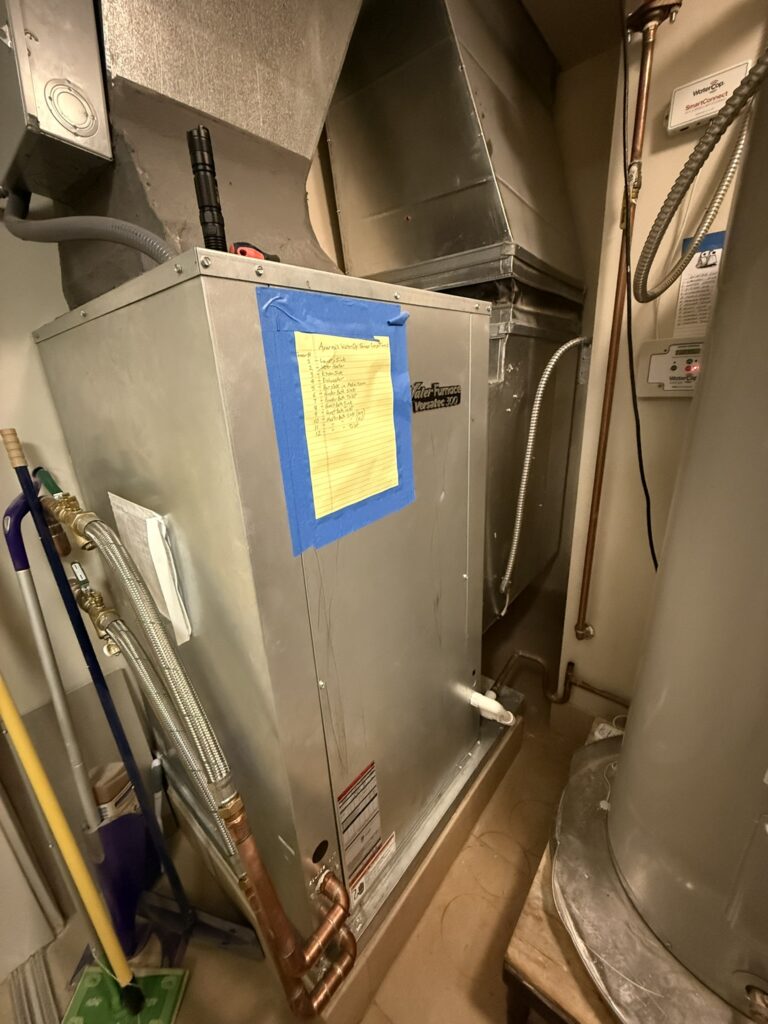
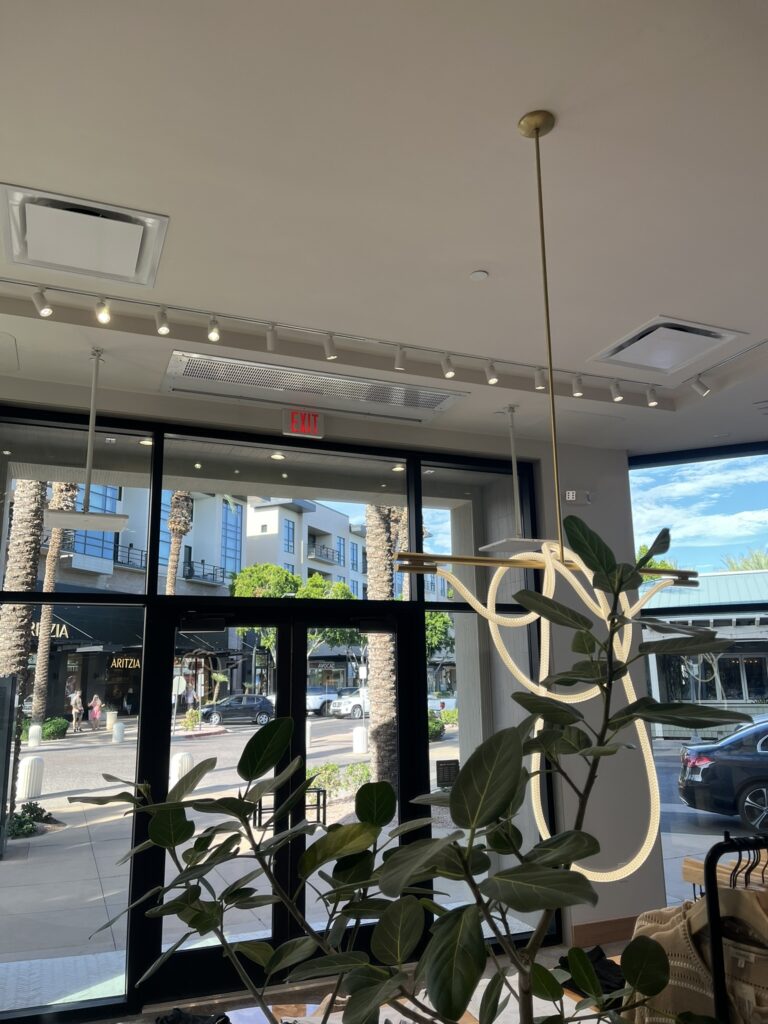
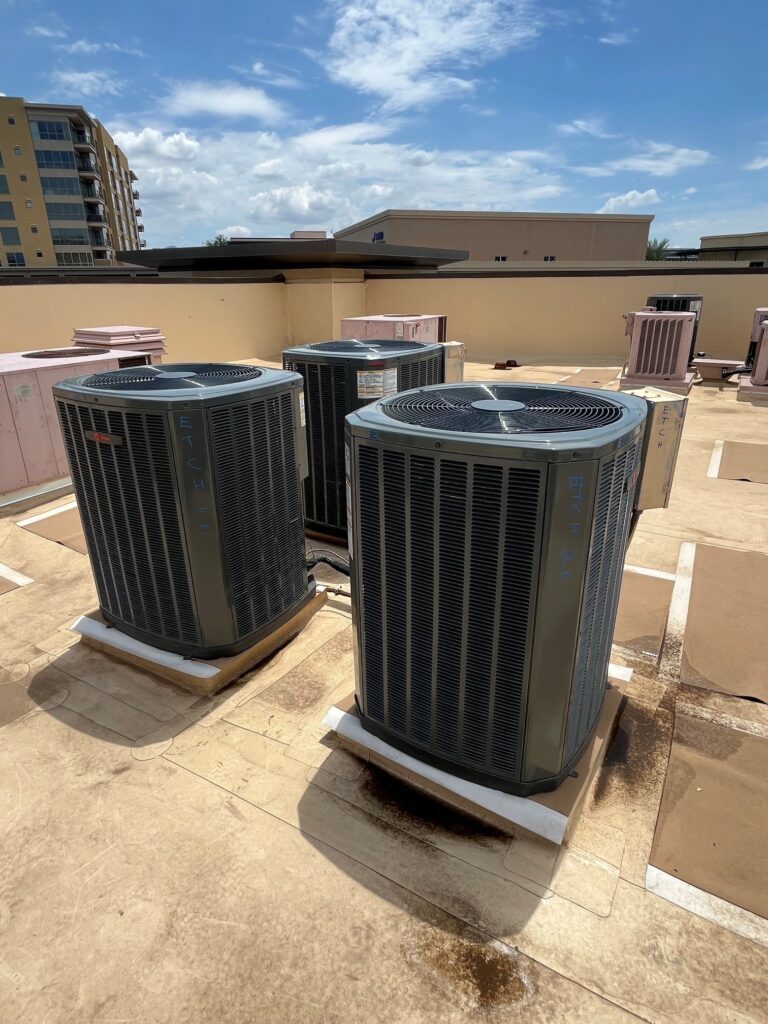
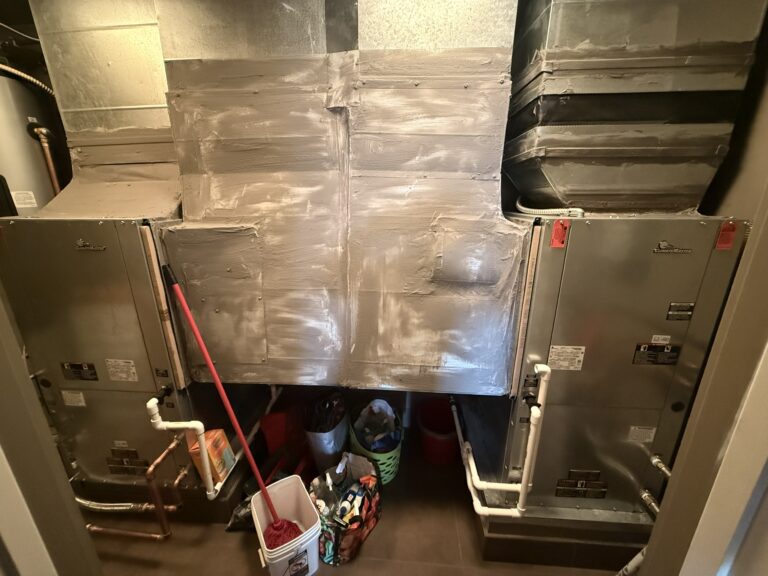
Hotel HVAC in Phoenix carries a burden no office building knows: every guest room is a product, every night is inventory that expires at checkout, and one warm room converts directly into a refund, a comped stay, or a review with the word “hot” in it — the most damaging word a desert hotel listing can contain.
Yeti Pros is a veteran-owned commercial HVAC contractor serving hotels and resorts across the entire Phoenix metro, from guest-room PTAC fleets to central chiller plants, boilers, ballrooms, corridors, and pool rooms. Licensed under ROC #363372 · ROC #363423, with a live person answering (520) 556-8929 at any hour of any night.
The guest-night math behind every work order
When cooling fails in room 214 at 9 p.m., the repair invoice is the smallest number involved. The guest gets walked or comped, the room comes out of sellable inventory until a technician closes it out.
If the front desk fumbles the recovery, the property collects a public review that keeps costing bookings long after the unit is fixed.
Multiply that across an aging fleet of room units failing at random through a sold-out spring-training weekend, and HVAC stops being a maintenance line and becomes a revenue-management problem.
Online travel platforms sort your property against every competitor in the metro, and comfort complaints are the fastest way to slide down that ranking.
That’s the lens we bring to hotel work as part of our commercial HVAC practice: keep rooms sellable, catch failures before guests report them, and push capital work into the weeks when an empty floor costs the least.
PTACs, VTACs, and the room-by-room fleet
Packaged terminal units are the workhorses of Valley guest rooms, and they fail the way fleets fail — individually, quietly, constantly. Handling them one emergency at a time is the expensive way to own them. We manage them like the fleet they are:
- Unit-level history. Every PTAC and VTAC we touch gets logged by room number, so chronic offenders show up in the data before they show up in guest surveys.
- Coil and filter cycles set for desert dust. Phoenix grit loads room-unit coils faster than any manufacturer schedule assumes. Dirty coils mean weak cooling, freeze-ups, and the low-grade rattle that drags down sleep-quality scores.
- Batch replacement on your calendar. When one vintage of units starts dying, we plan change-outs by floor or by wing on planned terms — instead of watching the same failure repeat room after room at emergency premiums.
- Noise treated as a real defect. A room unit that cools but clatters still costs you review points. If a guest would write it up, we’ll work the ticket.
The central plant: chillers, boilers, hot water, and the pool
Chiller repair and service keeps four-pipe systems, air handlers, and fan-coil loops delivering cold water when the whole house calls for it at once.
Boiler service covers the equipment guests never see but always notice: domestic hot water — a cold shower at 6 a.m. generates complaints as fast as a hot room at midnight — plus hydronic heat and pool and spa heating, which in this market earns its keep in January, when a resort guest expects a warm pool on a 60-degree day.
Our technicians hold EPA 608 certification for refrigerant work across the plant, and our reports are written so a chief engineer, an asset manager, and a brand inspector can all read the same page.
Ballrooms, lobbies, and conference load swings
A ballroom is an empty box at two in the afternoon and four hundred bodies, chafing dishes, and stage lighting by six. The systems serving it have to be staged ahead of the event — driving the space cold before doors open, then shedding capacity when the room empties — and they have to actually deliver the tonnage the banquet calendar assumes they will.
We verify function-space equipment under realistic load.
We coordinate scheduling around your highest-stakes group bookings.
We keep the air handlers, rooftop units, and controls behind your event business on a cadence matched to how hard banquets actually run them.
Group business is also where reputations concentrate: a conference organizer who sweats through a keynote books next year’s meeting somewhere else, and meeting planners talk to each other more than any other buyer in hospitality.
Corridor pressurization and pool-room humidity
Two systems separate a sharp property from a tired one, and guests can smell both.
Corridor Makeup-Air Units
Corridor makeup-air units keep hallways slightly positive, so conditioned air pushes into guest rooms instead of room odors drifting out into the hall; when those rooftop units quietly die — and they can run failed for months unnoticed — corridors go stuffy, doors whistle, and an entire floor smells like whatever someone microwaved in 318.
Indoor Pool & Spa Dehumidification
Indoor pool and spa areas run the opposite risk: without working dehumidification, chlorinated moisture condenses on every cool surface and starts eating the building — corroded fixtures, stained ceilings, mold behind the walls.
We service both, and we inspect both on every hotel maintenance route, because they’re the systems generalist vendors skip most often.
The Phoenix hotel calendar runs backwards — schedule like it does
Most American hotels peak in summer. Phoenix inverts the curve: occupancy and rate crest from January through April — snowbirds, spring training, golf, conference season — and sag through the brutal months. That inversion is a gift to a property that plans.
Summer is the window for floor-by-floor guest-room work, PTAC batch change-outs, and renovation tie-ins, because darkening a wing in July costs a fraction of darkening it in March.
Heavy cooling-plant work runs the other direction: chiller overhauls and cooling-tower rebuilds belong in the cool months, when the plant can spare a machine.
Monsoon season taxes everything on the roof in between — one haboob can cake coils and cooling-tower fill in a single afternoon, and storm-driven power surges take out control boards — so late-summer coil cleaning is how rooftop equipment survives to reach the high season that pays your whole year.
Our commercial HVAC maintenance routes are sequenced around exactly this calendar.
How we work with GMs, chief engineers, and asset managers
Hotels run on documentation and predictability; so do we.
Repairs are quoted flat-rate, in writing, before wrenches turn — and if a diagnostic fee applies, you’ll know the figure before we start and see it deducted from the repair bill.
Our emergency line is answered day and night by someone with dispatch authority, never an after-hours message service.
Multi-property groups can consolidate everything under one maintenance contract with standardized reporting across sites.
All of it stands on the Arizona ROC’s Minimum Workmanship Standards, with our own written warranty going further than that legal minimum.
Because we’re veteran-owned and operated, your owners, managers, and line staff who served get a 10% military, veteran & first responder discount on HVAC work at their own homes.
Hotel HVAC questions Phoenix operators ask us
Both, and the range is the point — most properties otherwise juggle a room-unit vendor and a plant vendor who never compare notes. One contractor covering guest rooms, air handlers, chillers, and boilers means one asset history and one accountable phone number when something fails on a full house.
Yes — kitchen exhaust and hood cleaning, makeup air, and the kitchen’s cooling can all ride the same agreement as the rest of the property, with the compliance paperwork your insurer and fire marshal expect to see.
Guest-room and floor-level work in summer, when occupancy is soft and closing a wing is cheap. Chiller and cooling-tower overhauls in the cool months, when the plant has slack. We map project windows against your occupancy pattern before we propose dates.
Call and a human answers — 24/7 — and dispatch starts immediately, with contract holders dispatched first. We don’t publish arrival-minute promises that Phoenix heat waves make fictional; what you get is queue priority and an honest ETA you can plan the guest recovery around.
Yes. Pool heat in Phoenix is a winter revenue amenity, not an afterthought — it belongs to the boiler scope we maintain, and we schedule its heaviest service for the months when your pool deck is quietest.
That’s how we prefer to write them: every covered asset listed by location and serial, task lists per asset class, and a single condition report a GM can forward to ownership without translation.
Absolutely — limited- and select-service hotels are mostly PTAC fleets plus rooftop units over corridors, lobbies, and breakfast areas, and that equipment mix is our daily work. The fleet logging, batch-replacement planning, and pressurization checks apply the same way at 90 rooms as at 400.
Almost always a failed or starved corridor makeup-air unit. Hallways should run slightly positive to the rooms; when pressurization dies, the airflow reverses and the whole floor tells on itself. It’s among the first things we check on any new hotel account.
Rooms out of inventory, or a season to plan for? Call (520) 556-8929 — veteran-owned, ROC #363372 · ROC #363423, answered live around the clock.
Permits and inspections
Most repairs are ordinary service work; bigger scopes can involve city permitting. We perform our work to code, pull the permits our scope requires, and put what we did in writing.
What's covered
Workmanship is covered for two full years, in writing, and repair parts carry a 1-year manufacturer parts warranty — we document installs and repairs so those claims stay simple to make
HVAC for Hotels in Phoenix, city by city.
Every city below has its own local page for this industry — local FAQs, utility territory, and dispatch reality included.
Why a licensed HVAC contractor matters.
Commercial HVAC, industry by industry.
Every major brand, serviced and installed.



Phoenix metro: Most days a tech is already working somewhere in the Valley, so same-day appointments happen when the schedule allows. After-hours emergencies are dispatched when a licensed tech is available — a real person answers and tells you the ETA on the call.
Call (520) 556-8929Request an estimate.
No pressure, no door knockers. We look at the HVAC system, tell you what it needs (and what it doesn’t), and put the number in writing.