
Phoenix Metro
HVAC for Daycares — Phoenix Metro.
- (520) 556-8929
- Serving the entire Phoenix metro — we come to you
- Office: Mon–Fri 8:00 AM – 5:00 PM · 24/7 emergency service
- 2-year workmanship warranty · 1-year parts warranty
- Veteran-owned & operated · residential + commercial
- 23 five-star Google reviews
Commercial jobs we have documented.
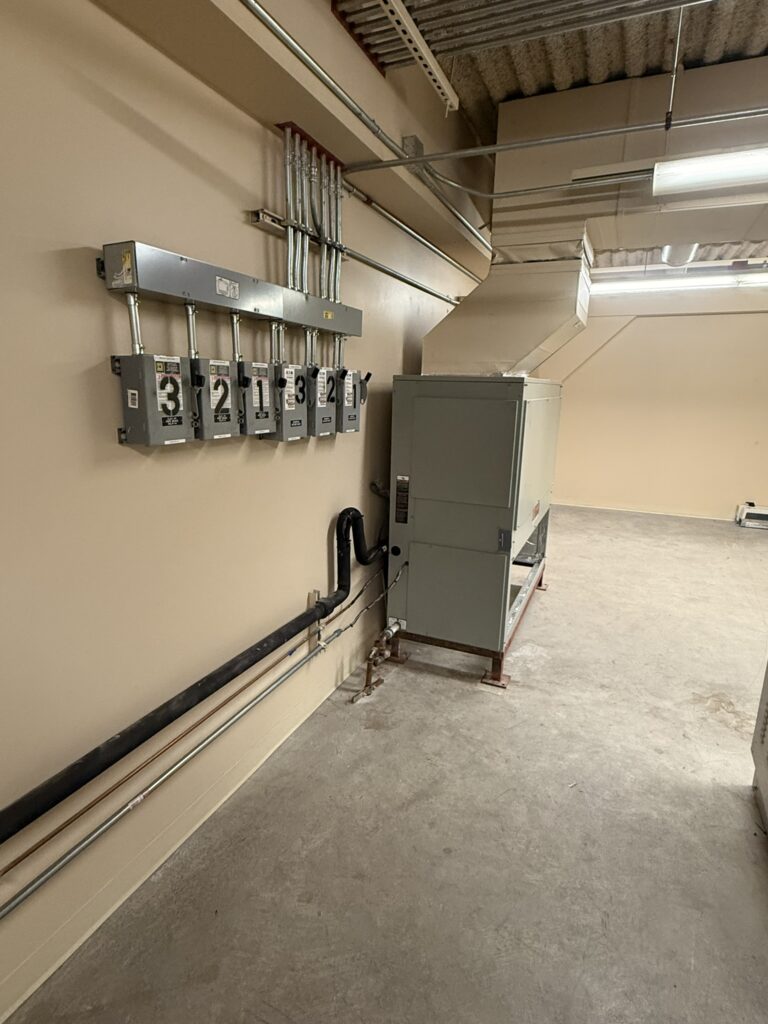
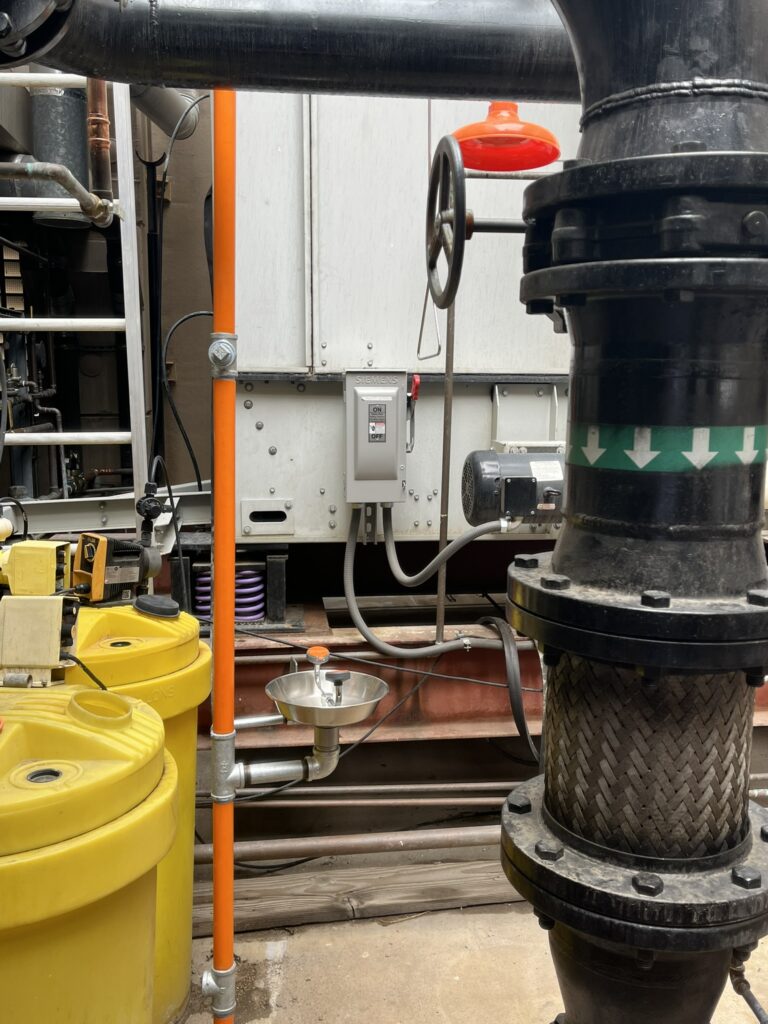
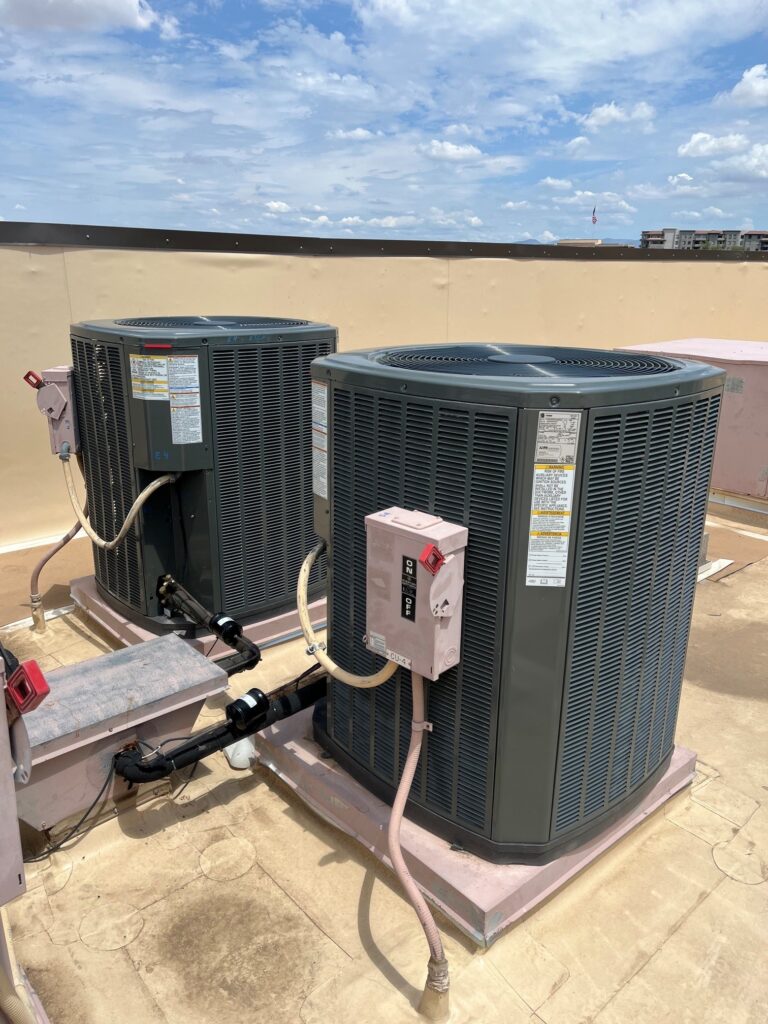
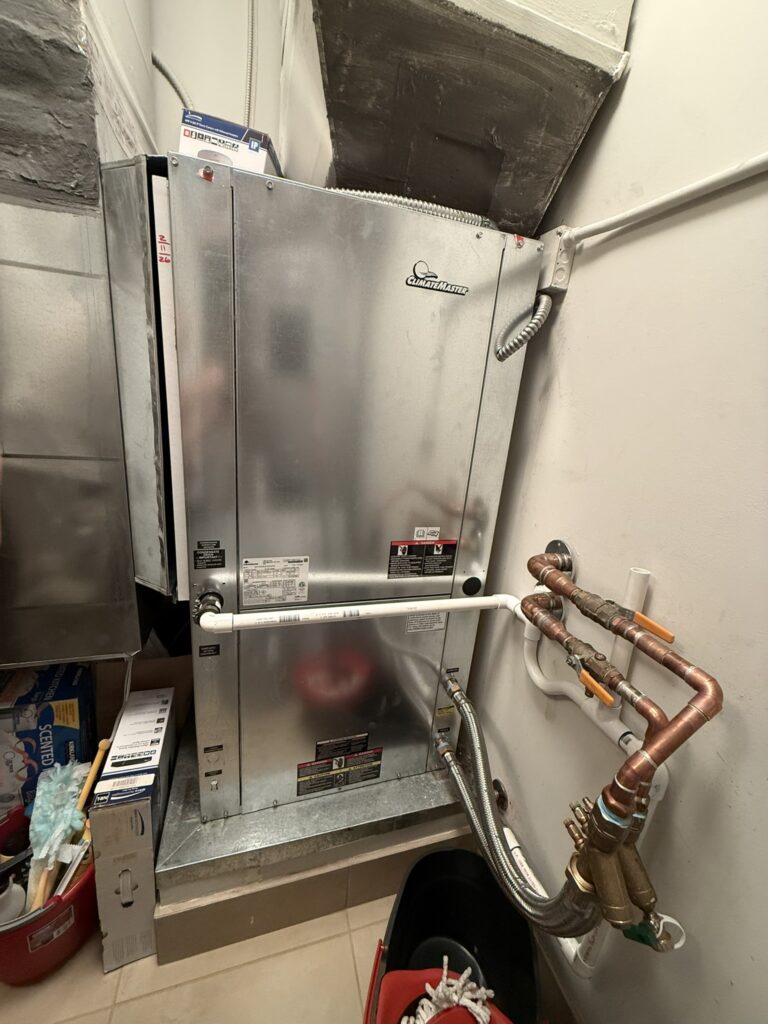
Photos from our own commercial projects — equipment we installed, in buildings we serviced.
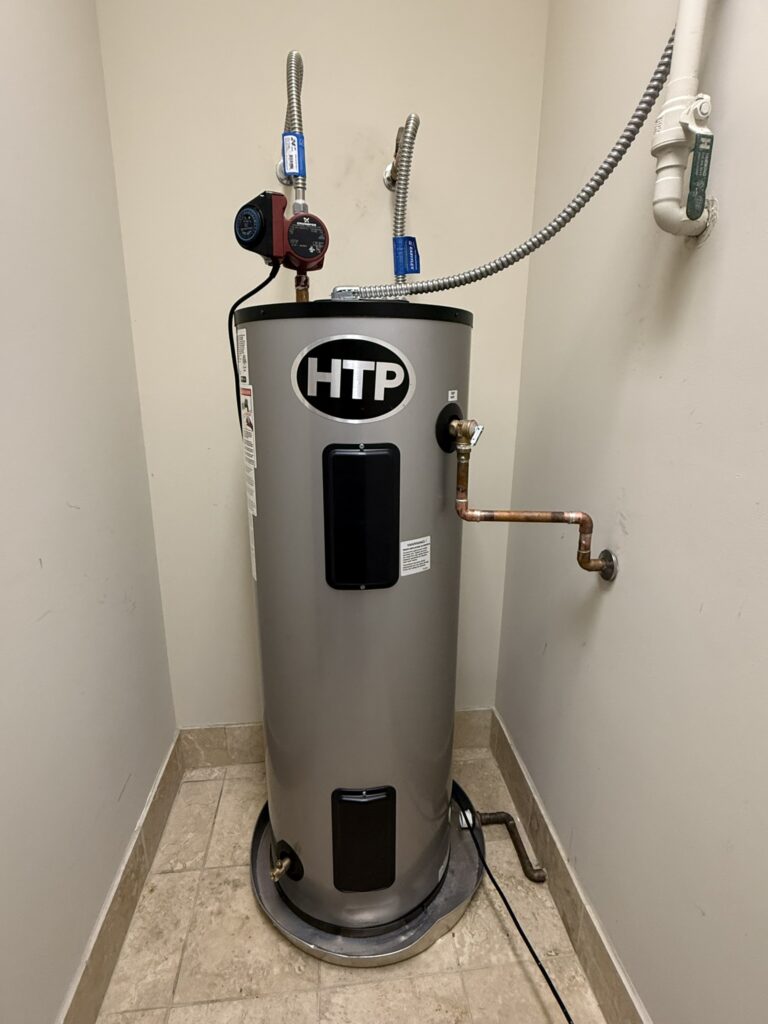
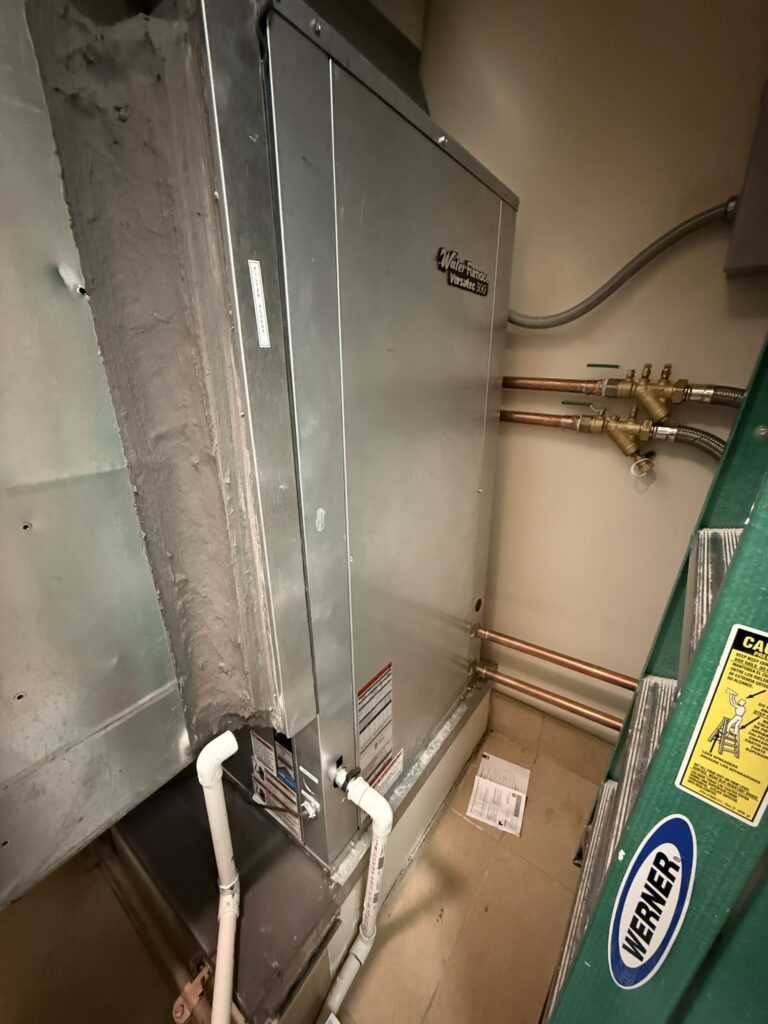
Daycare HVAC service has to protect steady comfort for children, staff, classrooms, and nap rooms while working around licensing pressure and parent expectations. In Phoenix and the Valley, cooling failure is not a minor inconvenience; it can disrupt care, paperwork, pickup routines, staffing decisions, and the daily trust a center depends on.
Daycare HVAC reality in the Valley
How Daycares Use HVAC Differently
Rooms fill and empty by schedule.
Doors open for drop-off and pickup.
Small children spend time close to the floor.
Nap rooms need steadier comfort.
Staff cannot simply move everyone into a conference room while a unit limps along.
Comfort problems become operational problems quickly because children react to temperature, air movement, noise, and stuffiness before adults may call it severe.
Common Challenges in Phoenix Child Care Facilities
Phoenix child care facilities often depend on rooftop package units, split systems, or a mix of older equipment serving classrooms added over time.
- One room may have strong airflow while another has weak supply.
- Poor return air.
- A thermostat affected by sunlight and hallway traffic.
When a center has infants, toddlers, preschool rooms, offices, kitchens, and multi-use rooms, the HVAC system has to serve different activity levels without creating hot and cold complaints all day.
Understanding Long Duty Cycles
Those usage patterns create long duty cycles. Equipment may start before staff arrive, run through breakfast, fight door traffic during morning drop-off, carry classrooms through lunch and nap time, then take another hit during afternoon pickup. A unit that cycles normally at 9 a.m. may run continuously by 2 p.m. if:
Coils are dirty.
Filters are loaded.
A blower is weak.
The thermostat schedule does not match the center’s actual day.
In child care, the problem is not only whether a unit turns on; it is whether the served room recovers fast enough to stay usable.
Our Approach to Indoor Air Quality (IAQ)
What We Service
We service filters, coils, drains, airflow, ventilation-related components within the equipment scope, and conditions that contribute to stale air or humidity issues.
What We Don’t Do & How We Help
We do not give medical advice, issue health-code rulings, or certify a center’s compliance. We document what we find so directors and boards have a clear HVAC record for their own files and next steps.
The Valley Climate & Practical Goals
The Valley makes deferred maintenance show up hard. RTUs sit on 115° roofs, monsoon dust loads coils, and cooling is business-critical most of the year. A dirty coil or weak capacitor may not sound urgent in mild weather, but in summer it can mean a classroom that will not recover before pickup. For daycare operators, the practical goal is simple:
Keep rooms usable.
Reduce avoidable breakdowns.
Document service.
Schedule work with the least disruption to children and staff.
Contracts and cost honesty for daycares
Commercial HVAC pricing for daycares depends on equipment type, roof or ceiling access, number of rooms affected, parts availability, after-hours needs, and whether the work must be coordinated around children, nap schedules, or pickup. We handle that with a written process. The diagnostic or service-call fee is disclosed at booking and credited toward the repair. After an in-person look, we provide a flat-rate written quote with documented findings and scope.
Maintenance contracts can help directors and boards plan instead of reacting during summer. A practical plan may include filter changes, coil cleaning, electrical checks, drain review, thermostat and schedule review, airflow notes, and written unit condition records. That supports budget cycles and gives the center a clearer maintenance file. See commercial HVAC maintenance contracts.
For a daycare, maintenance also has to be scheduled like real facility work, not like a casual stop. Filters may need attention around dust season, coils need review before long heat stretches, and drain problems should be caught before they create ceiling concerns near classrooms. Written notes from each visit help a director see whether one room has a repeat airflow issue or one unit is becoming unreliable under peak load.
Our workmanship carries a 2-YEAR written workmanship warranty and is held to the AZ ROC Minimum Workmanship Standards. Repair parts carry a 1-YEAR manufacturer parts warranty. Financing is available, and we offer a 10% military, veteran & first responder discount. Yeti Pros is veteran-owned & operated. AZ ROC #363372 · ROC #363423.
If this reads like your building, the practical first step is a walkthrough — request one here — or start with the specific problem in front of you via commercial HVAC maintenance. Either way, the findings land in writing.
How we run service for daycares and preschools
We plan service around the center’s day. Yeti Pros is a service-area business, so we come to you. The diagnostic or service-call fee is disclosed at booking and credited toward the repair. Office hours are Mon-Fri 8-5, with 24/7 emergency service when cooling cannot wait.
Before Your Visit, We Confirm:
- Affected rooms
- Access rules
- Nap schedules
- Pickup windows
- Roof access
- Whether background-checked technicians are required for the site
On site, we coordinate with the director, office manager, or facility contact before moving through classrooms or occupied areas. If ceiling access, ladders, or noisy work are needed, we work with the center to reduce classroom disruption.
Our Diagnostics May Include:
- Thermostat behavior
- Supply and return airflow
- Filter condition
- Coil condition
- Electrical components
- Blower operation
- Condensate drainage
- RTU performance
- Signs of dust or maintenance neglect
We pay attention to timing and explain tradeoffs so the director can choose a repair window that fits operations.
Checks Under Load
Some checks are best made while the building is under real load, because a classroom may look fine before children arrive and fail to recover after the afternoon heat builds.
Disruptive Tasks
Other tasks, such as ceiling work, panel removal near occupied areas, or repairs that create noise, may fit better before opening, during a quiet administrative window, or after pickup.
The repair still has to be HVAC-based and evidence-based, but the service process should understand how the room is used.
Nap Rooms
Nap rooms get special attention because a minor temperature swing can turn into a staff problem fast. We look at airflow, thermostat location, room load, door patterns, and whether the serving equipment is actually recovering after peak heat.
Infant & Toddler Areas
For infant and toddler areas, we pay attention to drafts, noisy registers, and stale-room complaints.
After an in-person look, we provide a flat-rate written quote. Scopes and findings are documented in writing, including the equipment affected, the observed condition, and the proposed repair. That documentation helps with budget approvals, board review, facility files, and maintenance planning. For ongoing preventive work, see commercial HVAC maintenance.
About Yeti Pros
Yeti Pros is veteran-owned & operated. AZ ROC #363372 · ROC #363423. Call (520) 556-8929 for scheduling, urgent cooling issues, or a written-scope maintenance conversation.
Daycare HVAC decision table
Daycare HVAC calls often start with room-specific complaints: nap room too warm, infant room stuffy, front office freezing, or parents noticing discomfort at pickup. The table below shows how we translate those symptoms into HVAC service priorities after checking conditions on site.
| Symptom or situation | What it usually means | Priority |
|---|---|---|
| Nap room warms up after lunch | Room load, airflow, thermostat placement, dirty coils, or RTU capacity under peak heat may be limiting recovery. | High during cooling season |
| One classroom is stuffy while another is cold | Air balance, return paths, zone layout, filters, or controls may not match the center’s current use. | Medium to high |
| Unit makes noise during quiet time | Blower issues, vibration, loose panels, duct noise, or rooftop equipment vibration may be carrying into classrooms. | Medium |
| Cooling fails during operating hours | Electrical failure, refrigerant-side issue, dirty coil, motor problem, or control fault may be stopping the system. | Emergency if rooms cannot stay usable |
| Licensing or board file needs HVAC records | Service dates, findings, maintenance work, and repair scopes should be documented clearly. | Plan before review |
Phoenix-metro specifics for daycares
Demanding Operating Environment
In the Phoenix-metro area, daycare HVAC systems often run hard before the school day starts and keep running through pickup. The building may need to be ready early, stay comfortable through the hottest part of the afternoon, and recover after doors open repeatedly for families. A unit that is marginal at noon may be unacceptable by late afternoon. That operating pattern changes how we look at symptoms.
Rooftop Unit Challenges
Rooftop package units are common, and their roof environment is rough. High temperatures stress electrical parts. Monsoon dust coats coils and plugs filters faster than many directors expect. A neglected condenser can reduce capacity just when classrooms need it most.
Our Inspection Focus
Whether the unit is being asked to serve rooms that have changed since the original buildout.
Monsoon Season Impact
Common Monsoon Issues
- Dust can load filters after a storm cycle.
- Humidity can make rooms feel heavier.
- Condensate drains that were barely moving can become a service issue when equipment runs longer.
Typical Complaints
- A stuffy classroom
- Water near a ceiling area
- A musty complaint
- A unit that runs but does not seem to catch up
We keep the diagnosis focused on the HVAC equipment and the conditions we can verify.
Cooling is Business-Critical
Cooling is business-critical most of the year in Phoenix. When a classroom or nap room gets warm, staff may have to move children, adjust activities, call parents, or document the issue internally. A clear HVAC report helps the director explain what happened and what is being done. We keep that report focused on the equipment and the service findings.
Utility Considerations & Preventative Care
Utility demand realities also matter for centers with tight budgets and board approvals. We do not promise energy savings from a service visit. We do point out mechanical conditions that waste run time or create avoidable heat stress:
Schedules that do not match operating hours.
In the Valley, planned attention before peak heat is usually easier than trying to recover a classroom after the system has already failed.
Straight answers
Can you work around nap time and pickup?
Yes. We coordinate with the director or office manager before moving through occupied areas, using ladders, or making noisy repairs. Some diagnostics need the building under real operating load, but repair timing can often be planned around nap windows, classroom schedules, and pickup traffic.
Do you handle daycare indoor air quality concerns?
We handle HVAC-related IAQ work within our trade: filters, coils, airflow, drains, ventilation-related equipment conditions, and documentation of findings. We do not provide medical advice, health-code rulings, or compliance certifications. We give the center a clear HVAC record of what was observed and serviced.
Can you document repairs for our board or licensing file?
Yes. After the in-person inspection, findings and scopes are documented in writing. Completed repair notes can identify the equipment, observed condition, work performed, and maintenance recommendations. That gives directors and boards a cleaner record than a vague invoice line.
How do we get emergency daycare HVAC service in Phoenix?
Call (520) 556-8929. Yeti Pros has office hours Mon-Fri 8-5 and 24/7 emergency service.
We come to you, disclose the diagnostic or service-call fee at booking.
We inspect the issue and provide a written repair scope. You can also use contact Yeti Pros.
Permits and inspections
Most repairs are ordinary service work; bigger scopes can involve city permitting. We perform our work to code, pull the permits our scope requires, and put what we did in writing.
What's covered
Workmanship is covered for two full years, in writing, and repair parts carry a 1-year manufacturer parts warranty — we document installs and repairs so those claims stay simple to make
HVAC for Daycares — Phoenix Metro, city by city.
Every city below has its own local page for this industry — local FAQs, utility territory, and dispatch reality included.
Why a licensed HVAC contractor matters.
Commercial HVAC, industry by industry.
Every major brand, serviced and installed.


Phoenix metro: Most days a tech is already working somewhere in the Valley, so same-day appointments happen when the schedule allows. After-hours emergencies are dispatched when a licensed tech is available — a real person answers and tells you the ETA on the call.
Call (520) 556-8929Request an estimate.
No pressure, no door knockers. We look at the HVAC system, tell you what it needs (and what it doesn’t), and put the number in writing.