
Surprise
HVAC for Coworking Spaces in Surprise, AZ.
- (520) 556-8929
- Serving the entire Phoenix metro — we come to you
- Office: Mon–Fri 8:00 AM – 5:00 PM · 24/7 emergency service
- 2-year workmanship warranty · 1-year parts warranty
- Veteran-owned & operated · residential + commercial
- 23 five-star Google reviews
Coworking in Surprise is not a downtown high-rise story. It is more likely a flex office suite, small executive office buildout, shared medical-admin space, real estate team hub, training room, or professional services site serving the Prasada corridor, Sun City Grand adjacency, Marley Park, and the city’s fast-growing production neighborhoods. A manager searching coworking hvac surprise is usually dealing with mixed occupancy: two people in private offices at 8 a.m., a packed conference room at noon, after-hours tenants on calls, and one thermostat trying to keep everyone quiet. In summer, that same suite may be fighting west-facing glass, hot roof decks, long afternoon runtime, and rooms that recover slowly after doors open for deliveries or member traffic. Surprise is in Maricopa County, served by APS, with ZIPs 85374, 85378, 85379, and 85388. Much of the commercial stock is newer, but many tenant improvements are built around standard rooftop zoning that was never tuned for flexible use. Yeti Pros is veteran-owned & operated, AZ ROC #363372 · ROC #363423. We come to you, provide written scopes, and handle commercial comfort systems without pretending every shared office needs a high-rise facilities playbook. See our metro coworking HVAC service.
ZIPs served: 85374, 85378, 85379, 85388
What Coworking Spaces covers in Surprise.
Zoning diagnostics
We identify why private offices, open desks, phone rooms, and conference rooms behave differently. Diagnostics include thermostats, dampers, sensors, supply air, return paths, duct condition, and equipment performance.
Rooftop unit repair
We repair packaged units serving shared office suites, including electrical faults, blower issues, belts, coils, drains, controls, and capacity problems that show up during Surprise peak cooling conditions.
Conference-room comfort fixes
Packed rooms can overwhelm a standard office layout. We check airflow, returns, diffuser placement, control strategy, and equipment response so booked rooms do not become the recurring complaint.
Noise and vibration service
Coworking tenants notice rattles, blower noise, compressor starts, and diffuser whistle. We inspect mechanical sources, duct connections, belts, motors, panels, and airflow restrictions that disrupt calls and quiet work.
Thermostat scheduling
Shared spaces often run outside standard office hours. We review thermostat schedules, access patterns, overrides, sensors, and zone behavior so cooling matches actual member use where equipment allows.
Maintenance programs
Routine service covers filters, coils, drains, electrical components, belts, motors, controls, and operating readings. For Surprise flex offices, maintenance helps avoid comfort failures during booked rooms and after-hours access.
What we see for coworking spaces in Surprise.
Shared office HVAC complaints in Surprise are usually zoning complaints first. Private offices get cold while the glass-front conference room overheats. Phone booths feel stuffy. Interior rooms have no return path. A training room added during tenant improvement pulls more people than the original load assumed. The rooftop unit may be healthy, but the distribution is not matched to how the space is actually used. Coworking and flex offices need airflow that follows occupancy, not just square footage.
Noise matters more in coworking than in many commercial spaces. A blower vibration, rattling diffuser, hard-starting compressor, or overactive supply grille can disrupt video calls and quiet work. Surprise has many small professional suites in commercial pads and mixed-use strips where rooftop units sit close to offices, parapets, or neighboring tenants. We look at belts, motors, vibration, duct connections, diffuser selection, and control behavior when a comfort complaint includes sound.
After-hours access changes the HVAC workload. Some shared spaces keep standard office hours at the front desk but allow members into offices, conference rooms, or studios early, late, or on weekends. If thermostat schedules are built for a simple Mon-Fri day office, tenants end up overriding controls or running portable fans. APS summer demand, long cooling cycles, and poor scheduling can create hot rooms at exactly the times members expect the space to feel premium. We tune the controls around real occupancy windows where the equipment allows it.
Surprise’s building age mix also matters. Newer shells may have efficient equipment but basic zoning. Older Original Town Site or converted office spaces may have duct leakage, aged rooftop units, weak insulation, and thermostats placed for layouts that no longer exist. Near Marley Park and Prasada, newer tenant improvements may still suffer from value-engineered ductwork, undersized returns, or too few zones. We diagnose the equipment and the layout together instead of treating coworking like a normal single-tenant office.
We also see comfort complaints tied to the way members actually occupy the space. One office might sit empty most of the day, then become a two-person podcast room with door closed and equipment running. A conference room may be booked back-to-back with no recovery time. A reception area may get repeated heat gain from exterior doors while interior offices overcool because the thermostat is trying to satisfy the lobby. These are not always equipment failures. Sometimes the fix is maintenance, sometimes it is controls, and sometimes it is a practical conversation about returns, diffuser placement, and zone boundaries.
- 01 Airflow and static pressure
- 02 Electrical: capacitors, contactors, draws
- 03 Refrigerant-circuit behavior
- 04 Drains, safeties, and float switches
- 05 Thermostat, controls, and cycling
- 06 Ducts, returns, and room-by-room comfort
Commercial jobs we have documented.
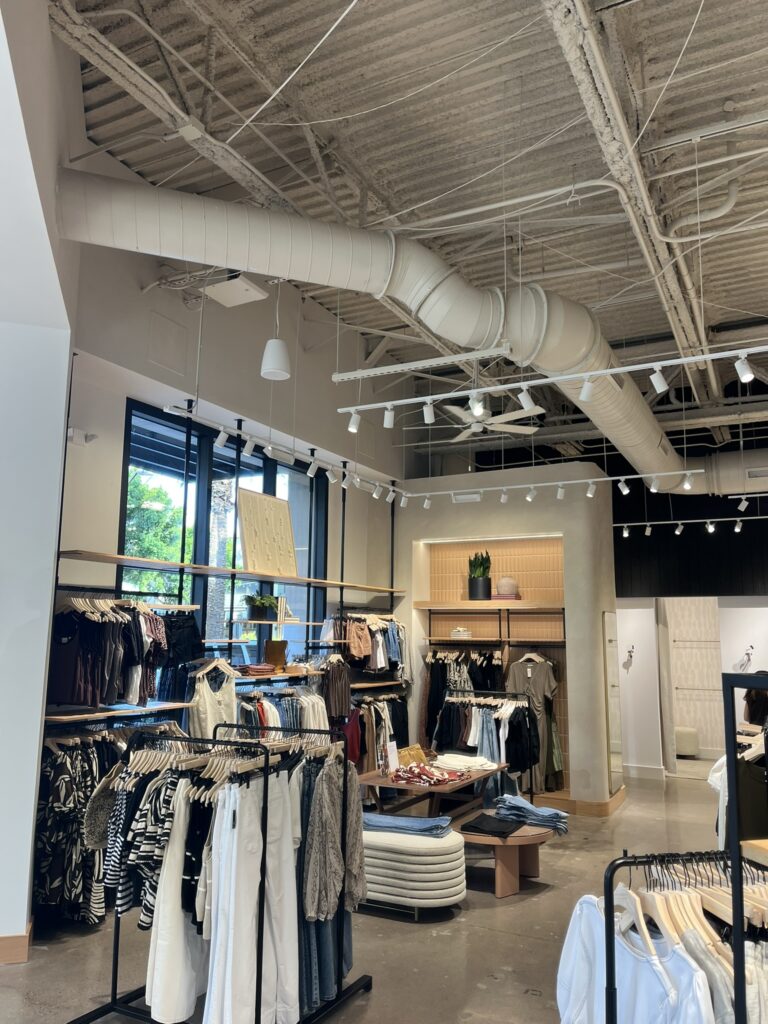
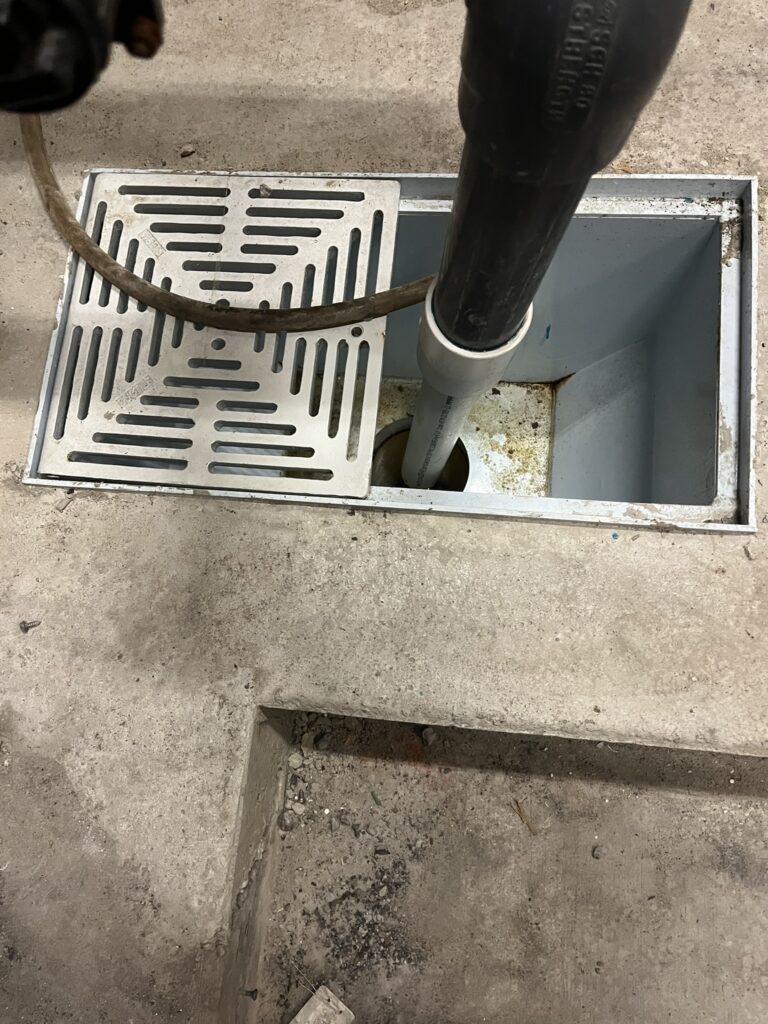
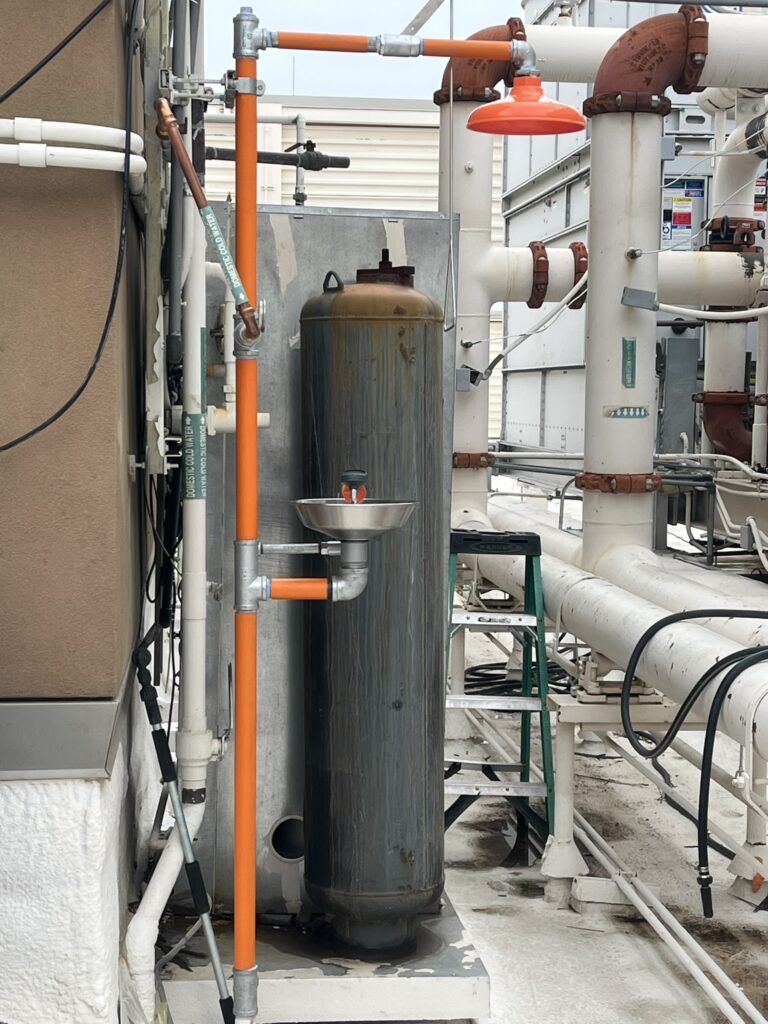
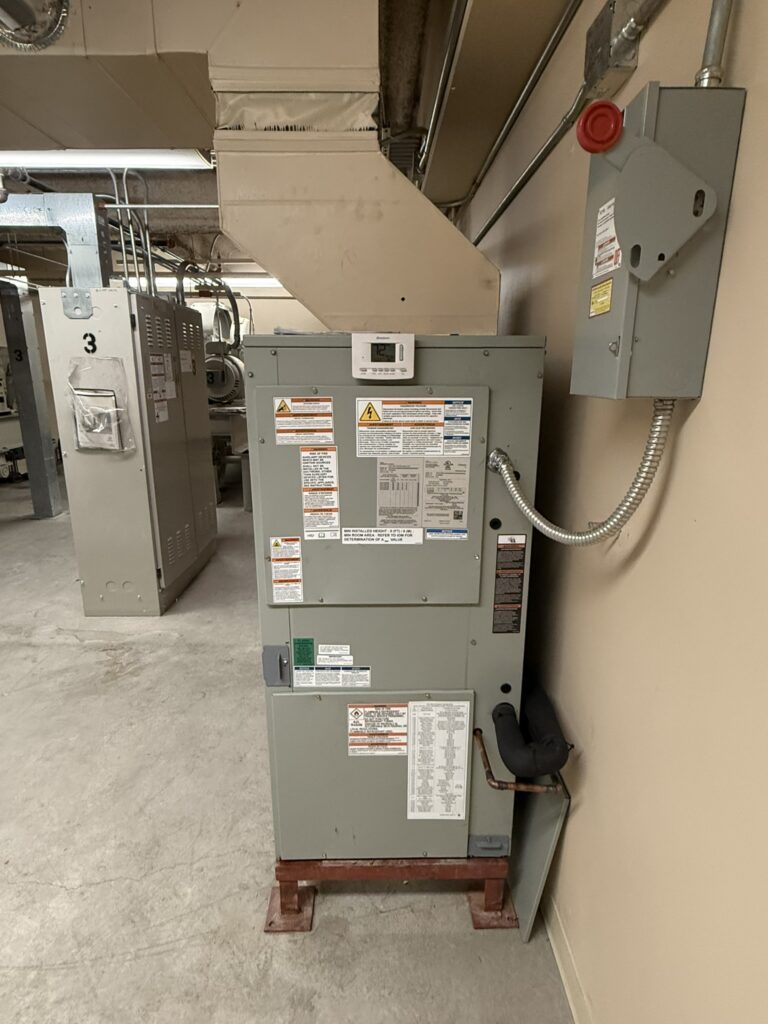
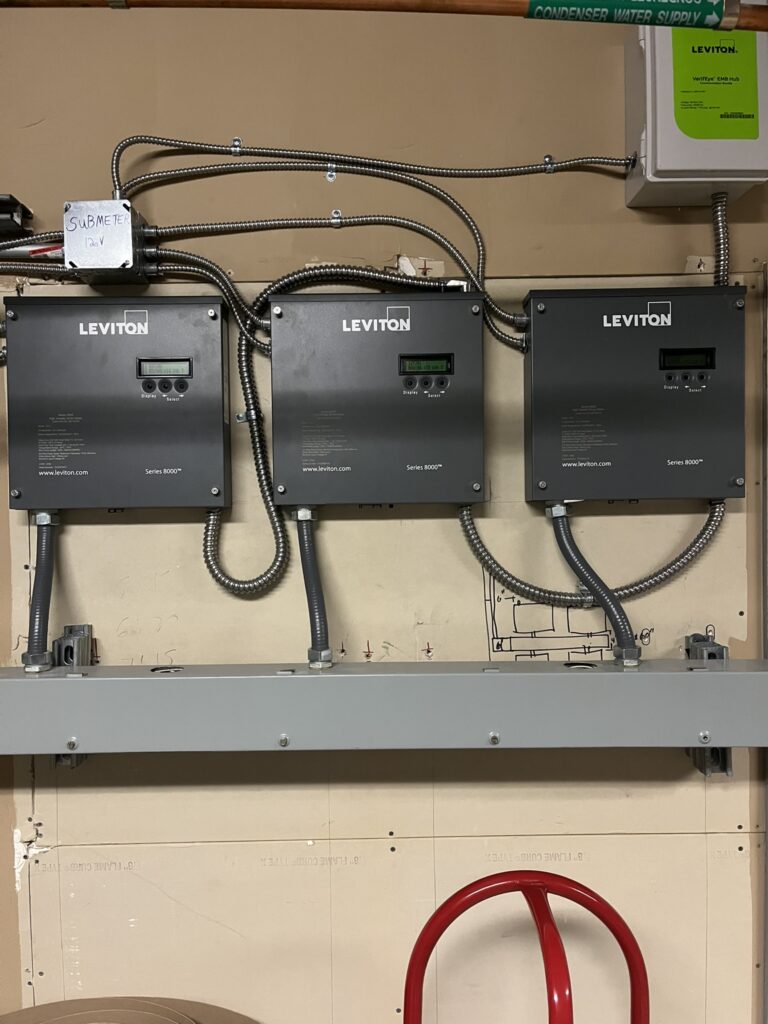
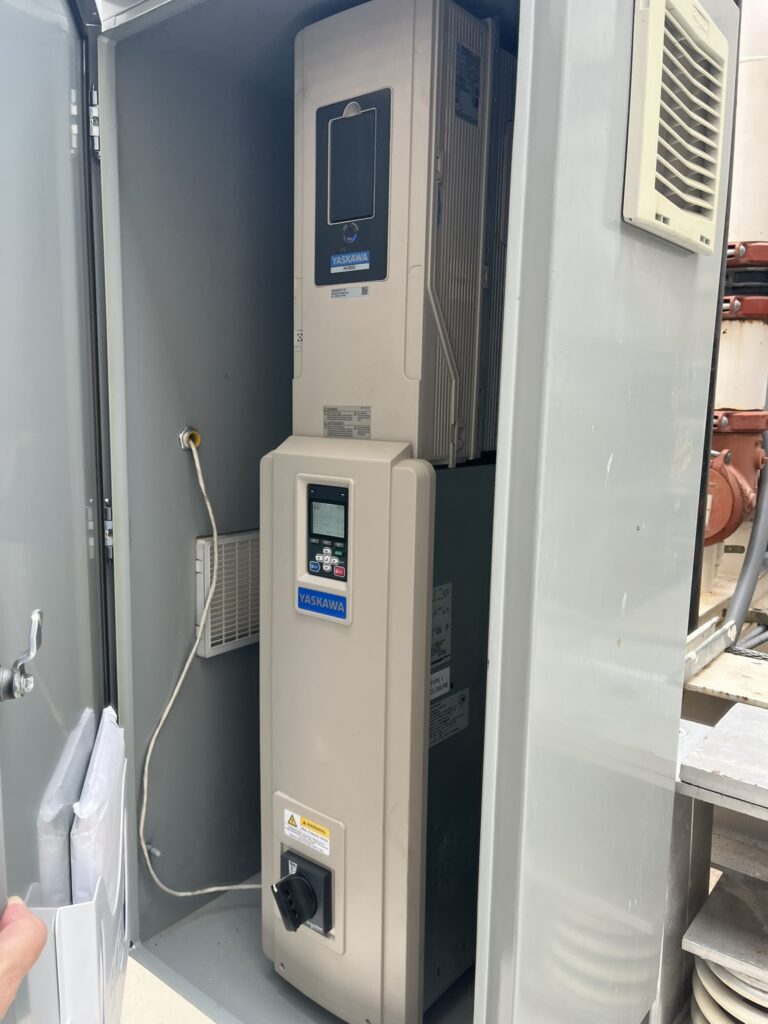
Photos from our own commercial projects across the Phoenix metro — equipment we installed, in buildings we service.
How the job typically runs.
We begin with the occupancy map: private offices, open desks, conference rooms, phone rooms, training areas, reception, server or network closets, and after-hours member access. We ask which rooms complain, when they complain, and whether the problem is temperature, airflow, humidity, odor, noise, or schedule control. The timing matters because a room that is comfortable at 9 a.m. may become the worst room in the suite after lunch, after a long meeting, or after the thermostat goes into setback.
On site, we inspect rooftop or split systems, thermostats, zoning controls, dampers, sensors, filters, coils, drains, return paths, diffusers, belts, motors, and obvious tenant-improvement constraints. We compare what the equipment is doing with what the rooms are asking it to do. That includes looking for closed dampers, restricted filters, dirty coils, weak blower performance, blocked returns, poorly placed thermostats, noisy grilles, and rooms that were created after the original duct layout was installed. Flat-rate written quotes come after an in-person look. Scopes are documented in writing. The diagnostic/service-call fee is disclosed at booking and credited according to the booked repair scope.
For coworking managers, timing matters. We can coordinate work around booked rooms, member access, and lower-occupancy windows where practical. Office hours are Mon-Fri 8-5, with 24/7 emergency service if cooling failure affects occupied after-hours access. Call (520) 556-8929 to book service. If the issue is recurring but not actively down, it helps to share the worst rooms, the busiest hours, thermostat locations, and whether any recent buildout changed walls, doors, ceiling tiles, or occupancy.
- 01 Booking, with the diagnostic fee disclosed
- 02 In-person diagnosis with real readings
- 03 Written flat-rate quote before work begins
- 04 The work: repair, install, or maintenance
- 05 Startup, documentation, and warranty handoff
Coworking HVAC work can range from routine service to thermostat changes, zoning repairs, duct modifications, equipment replacement, drain corrections, controls work, and ventilation adjustments. Some modifications or replacements may require permitting, owner approval, or tenant improvement coordination in Maricopa County. We service and document HVAC systems; we do not provide legal advice or certify occupancy policies. The Arizona Registrar of Contractors publishes the Minimum Workmanship Standards. Yeti Pros is veteran-owned & operated, AZ ROC #363372 · ROC #363423. Repair workmanship is backed by a 2-YEAR written workmanship warranty, and repair parts carry a 1-YEAR manufacturer parts warranty. For shared office operators, written documentation is useful because owners, managers, and tenants often need the same clear record of what changed.
That record matters in flexible office space because comfort decisions can affect leases, member complaints, landlord approvals, and future tenant improvements. If a thermostat is relocated, a zone damper is repaired, a rooftop unit is replaced, or a return-air path is corrected, the operator needs more than a verbal explanation. We document the HVAC scope so the owner, manager, and service history stay aligned.
Pricing, financing & the 10% military & first responder discount.
Coworking HVAC pricing depends on equipment age, number of zones, thermostat and sensor layout, duct access, ceiling type, rooftop access, controls condition, after-hours scheduling needs, noise complaints, and whether the issue is repair, balancing, or replacement. A hot conference room may need airflow correction, controls adjustment, added return strategy, or equipment repair; those are different scopes. Noise complaints can also change the work because a mechanical repair, duct correction, diffuser change, or blower issue may all feel similar to tenants but quote differently after inspection.
We provide flat-rate written quotes after an in-person look, and scopes are documented in writing. Financing is available for larger repairs or replacements. Yeti Pros offers a 10% military, veteran & first responder discount. The diagnostic/service-call fee is disclosed at booking and credited according to the booked repair scope. Call with your ZIP, layout type, access hours, and worst rooms. If you know the rooftop access method, number of thermostats, recent buildout history, or whether complaints happen during meetings, include that too. It helps separate equipment failure from zoning, scheduling, and airflow problems before the technician arrives.
- 01 Flat-rate written quote after an in-person look
- 02 Diagnostic fee disclosed at booking, credited to the repair
- 03 Financing available on replacements
- 04 2-year workmanship warranty; 1-year manufacturer parts warranty
- 05 10% military, veteran & first responder discount
Why a licensed HVAC contractor matters.
FAQs: HVAC for Coworking Spaces in Surprise, AZ.
Do you service small coworking and flex office spaces in Surprise?
Yes. Surprise coworking is often small-format: executive suites, flex offices, training rooms, shared professional offices, and hybrid work hubs near growth corridors rather than large downtown-style buildings. We service rooftop units, split systems, zoning controls, thermostats, ductwork, drains, and airflow issues. We start by learning how the space is used because shared offices rarely follow a simple one-tenant schedule. A suite with members coming and going, rooms booked at different densities, and after-hours access needs a comfort review that follows the operating pattern, not just the lease square footage.
Why is our conference room hot while the offices are cold?
That usually means the zoning or airflow does not match occupancy. A conference room can add a large people load in a short time, especially with doors closed and screens running. Meanwhile, nearby private offices may have too much supply or the thermostat may be located in the wrong zone. Afternoon sun, glass walls, undersized returns, and back-to-back bookings can make the imbalance sharper in Surprise summer conditions. We check supply airflow, return paths, sensors, dampers, diffuser placement, and equipment capacity before quoting a fix.
Can you reduce HVAC noise for coworking tenants on calls?
Often, yes. Noise can come from blower vibration, worn belts, loose panels, duct movement, diffuser velocity, compressor starts, or rooftop equipment transmitting through the structure. We inspect mechanical and airflow sources, then document repair options. Some noise is a design limitation, but many recurring complaints can be reduced through maintenance, component repair, airflow correction, or controls changes. In quiet suites, we also pay attention to when the sound happens because startup noise, constant grille whistle, and intermittent vibration point to different causes.
Can HVAC scheduling support after-hours coworking members?
In many cases, yes. We review thermostat programming, occupancy schedules, sensor locations, zoning equipment, and override behavior. If the system is capable, we can adjust schedules around early, late, or weekend member access. If the system is too limited, we document what control upgrades or zoning changes would be needed. This is especially important in Surprise summer conditions when a room can heat up quickly after setback. A member using a private office at night may feel a problem that never appears during staffed front-desk hours.
Do you handle tenant improvement HVAC issues?
We inspect and repair the HVAC-side issues that show up after a tenant improvement, including duct changes, returns, thermostat relocation, zoning controls, airflow restrictions, and equipment strain. Some modification work may need owner approval, permits, or coordination with the tenant improvement contractor. We document findings and scopes in writing so the operator, landlord, and contractor can work from the same mechanical facts. That is useful when a new wall, phone room, conference room, or ceiling change created a comfort complaint that was not visible on the original plan.
What information should a coworking manager provide before service?
Tell us the ZIP, suite type, number of zones, equipment location, access rules, and which rooms complain. Note whether the problem happens during booked meetings, after hours, weekends, or peak afternoon heat. Also mention noise, odors, thermostat overrides, recent buildout work, and any server or network closet heat. The diagnostic/service-call fee is disclosed at booking, and quotes are written after an in-person look. Photos of thermostats, roof access notes, and a simple room list can also help the technician understand the layout before arriving.
Every major brand, serviced and installed.


Phoenix metro: Most days a tech is already working somewhere in the Valley, so same-day appointments happen when the schedule allows. After-hours emergencies are dispatched when a licensed tech is available — a real person answers and tells you the ETA on the call.
Call (520) 556-8929Request an estimate.
No pressure, no door knockers. We look at the HVAC system, tell you what it needs (and what it doesn’t), and put the number in writing.
Need coworking spaces in Surprise? A real person answers.
Other services we run in Surprise.
Coworking Spaces in nearby cities.
Looking for something else nearby? All HVAC services in Surprise